Anti-Blackness in Sudan
Written and translated to Arabic by Ola Mohamed
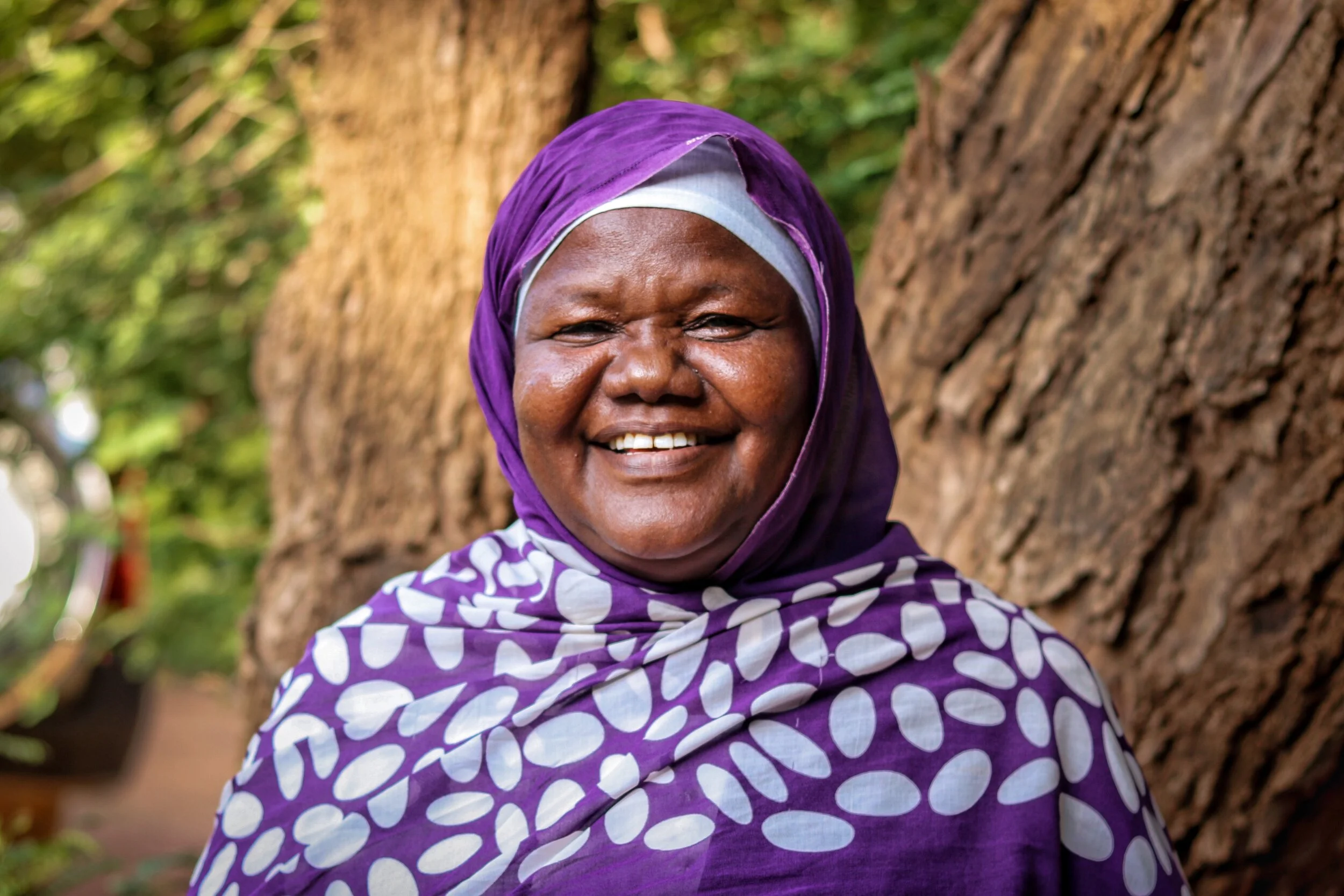
Credit: Ula Osman
Sudan is a North-Eastern African country that is known for its wide land and the diversity of its people, consisting of Arab majority, Nubians and Coptic and while diversity can be considered to be a grace, other times it shows it’s a curse, a country that’s name actually means “The land of the Black” is highly infected with the anti-Blackness disease.
Anti-Blackness means “resistant or antagonistic to Black people or their values or objectives” 1.
It can be witnessed amongst the same tribe or race or between different races and ethnic groups.
Anti-Blackness is institutionalized in society, schools, universities, curriculum, national TV, social media and public places. Some people in Sudan would get extremely offended if you call them Black and immediately rise up to defend themselves and tell you “NO, I am not Black and I am not African; I am ARAB”, as if being Black is offensive and not simply your skin color.
Due to Sudan’s diversity, an intersection is formed between anti-Blackness and the social and economic status of the citizens as well as their gender. This article is an attempt to dismantle some of the factors that contribute to anti-Blackness in Sudan and how people suffer from it depending on these factors.
Ethnicity:
Sudan contains different ethnic and tribal groups, amongst them an elite of light skinned, Arabic speaking Northern Muslim Sudanese. They have always been dominant in the political and socioeconomic scene, they are the ones creating the policies of the country with what suits their benefits - regardless of the rest of society. This led to a non-inclusive society where the Black people in the West and South of the country are discriminated against from their fellow citizens to the officials of the country.
In other cases, we see police forces treating the Northern Sudanese in a cordial way but downgrading and mistreating Southern and Western Sudanese people for their Blackness. Typically, when there is a case of theft or anything similar the accusation is directed to the Black individual. Historically though, the Northern population had tribal conflict within their own tribes yet they are all united against the Southern/Western Sudanese people and refer to them as “slaves”.
If you apply to a job, you will probably get the job not because of your qualifications but because you are a light skinned “Wad Arab” and you are from a certain tribe that lays in the North of the country and you speak Arabic fluently, and not from the West or the South of the country. This is one of the reasons that South Sudanese demanded separation from the North, for this was the way they were treated in their own country- as if they were second class citizens, facing racial slurs and mistreatments everyday of their lives.
Gender:
In Sudan, men with any skin tone refuse to marry a woman that is not fair skinned - leading to a wave of bleaching by women - even with its high medical risks such as cancer, liver and kidney diseases. In the same context, if a light-skinned Sudanese woman marries a dark skinned man, the whole community lashes out on him and her for choosing him, commenting that there are enough light-skinned men so why did she pick the Black man. A good example of this is an incident that occurred recently in Sudan when football player Esam (Black) got married to his (light-skinned) wife and went live during the wedding where people started commenting that he is a slave and a ne*** and that she shouldn’t have married him.
On the other hand, society puts pressure on Black women and girls for they are not allowed to have a preference when it comes to their choice in the man they marry. When they get married they are always silenced by telling them that they are lucky someone even looked at them and they must accept whoever comes to them, otherwise they will stay single forever. This illustrates the gravity of anti-Blackness and it’s intersectionality with patriarchy that is widely accepted in society.
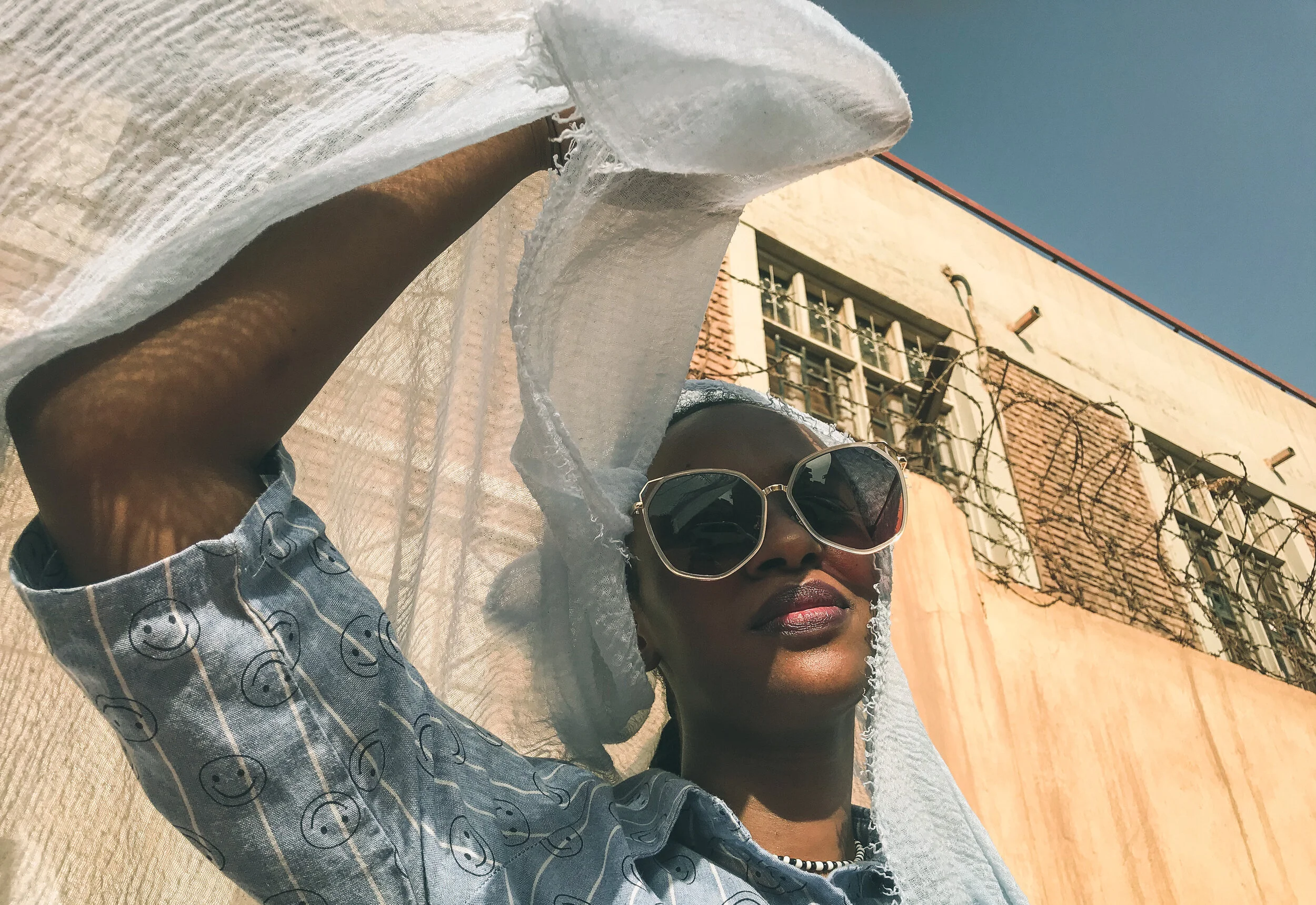
Credit: Ula Osman
Colonization:
During the Turkish-Egyptian colonization of Sudan (1821–1899), slave markets were particularly targeting the citizens of the South and West of the country because of their dark skin color. The slave trade was systematically related to the policy of the government at that time, planting the seeds of discrimination and anti-Blackness in the society.
In 1899, the Anglo-Egyptian colonization of Sudan started, and the British ruled Sudan through their "divide-and-rule" policy, meaning an ethnic division of the Sudanese people. This policy favored the Arabic speaking, light skinned, Muslim, Northern Sudanese over the darker skinned, Christian South Sudanese; creating a gap between both. This eventually led the Northern Sudanese people to think of themselves as superior to the Southern Sudanese, for the people from the North had better educational chances as well as training and administration jobs giving them a high social and economic status in the country. In addition, all the strong infrastructure, development projects and health facilities were typically in the North.
This policy led to several civil wars in the country after the colonization ended because the governments that ruled the country post-colonization were using the colonial policies and eventually this led to the separation of South Sudan from North Sudan.
Till this day ethnic, racial and tribal conflicts are continuously occurring in the Eastern region of the country (Portsudan) and the Western region (Darfur) leading to a lack of peace in these areas. All these types of actions are being passed down through generations and it must be stopped right now.
The simplest thing you can do to help in lessening the spread of anti-Blackness in your community is for you to raise awareness. By raising awareness of the disadvantages of anti-Blackness, you would contribute to bringing change.
All of us have a moral duty to speak up against anti-Blackness through raising awareness about its various forms and how one might be discriminatory towards Black people even if they are not aware of it. You should never give justifications for it and you need to start with your small family and circle and move on to other people in society. Own up to your privilege and your mistakes, make sure you acknowledge them and help others to do the same so that we can live in a society that is not judgmental of a person or mistreats them based on skin color.
About Ola
Ola Mohamed is a Sudanese activist in Feminism, youth empowerment, peace and education. She was an intern at Healthy Feminist in Summer 2020 where she was supporting the organization in social media marketing and translation. Ola enjoys Yoga, Meditation and basketball.
Sources:
https://theconversation.com/american-slavery-separating-fact-from-myth-79620
https://www.jstor.org/stable/3010898?read-now=1&seq=2#page_scan_tab_contents
https://www.refworld.org/cgi-bin/texis/vtx/rwmain?page=search&docid=4954ce2dc&skip=0&query=minorities&coi=SDN
https://sasapost.co/opinion/sudan/https://www.reuters.com/article/topNews/idUKL1435274220080714
https://web.archive.org/web/20081120035130/http://sudan-embassy.co.uk/en/content/blogcategory/28/37
https://archive.org/details/worldencyclopedi00oxfo/page/644/mode/2up
https://sudantribune.com/Roots-of-Sudanese-conflict-are-in,25558
https://bit.ly/2QDojbb
https://bit.ly/3eigLTa
https://almoqtabas.com/ar/biographies/view/25965344409519228
https://bit.ly/2QhNK27
https://bit.ly/3mYRAsR
https://bit.ly/3edvizt
https://bit.ly/3twM7vQ
https://bit.ly/2RDPqmM
https://web.archive.org/web/20120217133529/http://www.brookings.edu/press/Books/1995/warofvis.aspx