

Health & Everyday Wellbeing
For general health information, choose the subject that matches your question, then continue to a focused guide when one is available. If you need a personal diagnosis or treatment decision, consult a qualified healthcare professional. This directory helps you distinguish everyday questions about food, movement, the body, personal care, and reproductive health.
Explore Health Topics
| Health topic | Questions and subjects it covers |
|---|---|
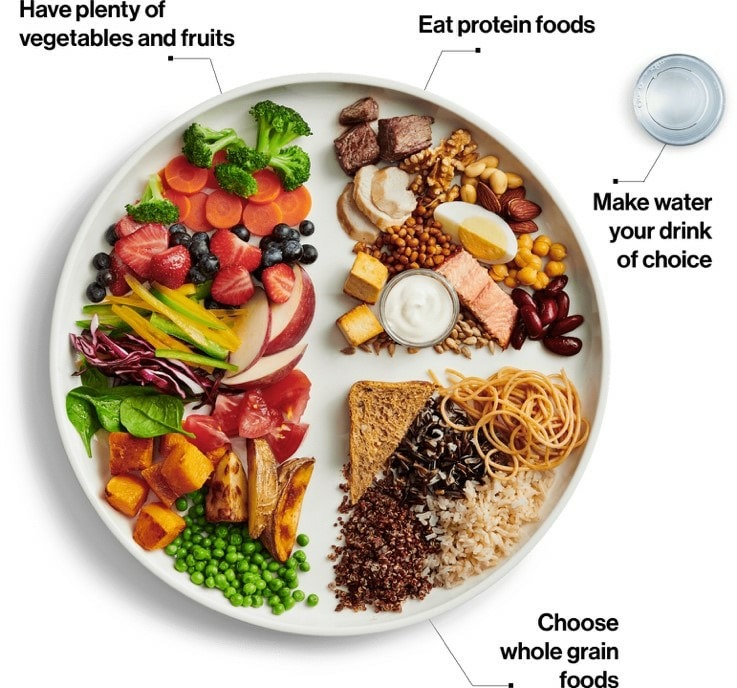
| Food & Nutrition | Nutrients, serving sizes, food comparisons, and the evidence behind dietary claims. |
| Fitness & Mobility | Exercise technique, stretching positions, and movement routines. |
| Anatomy & Body Science | Muscles, joints, organs, physiological processes, and normal differences in how the body works. |
| Personal Care | Hair and skin care, hygiene, everyday routines, and questions about product ingredients. |
| Wellbeing & Society | How daily experiences, relationships, and social circumstances relate to wellbeing. |
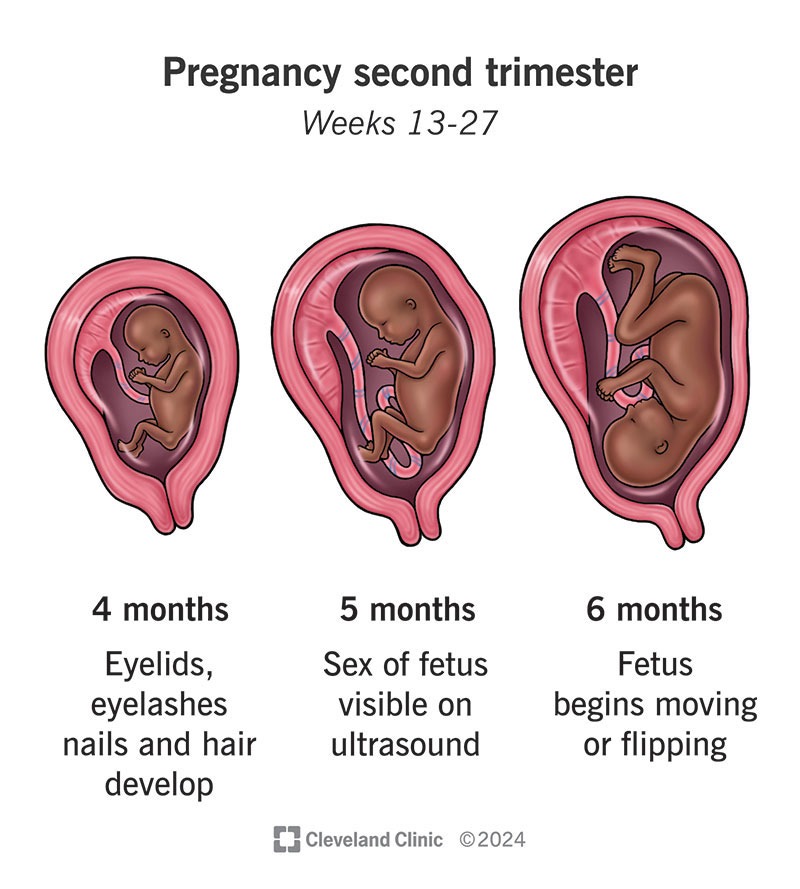
| Pregnancy & Parenting | Educational topics about pregnancy, parenting, and caregiving. |
| Women's Health Education | Menstrual-cycle processes, reproductive-health terminology, and related body science. |
| Food Science | Taste, texture, ingredient behavior, and changes during food preparation or cooking. |
Start With Your Question
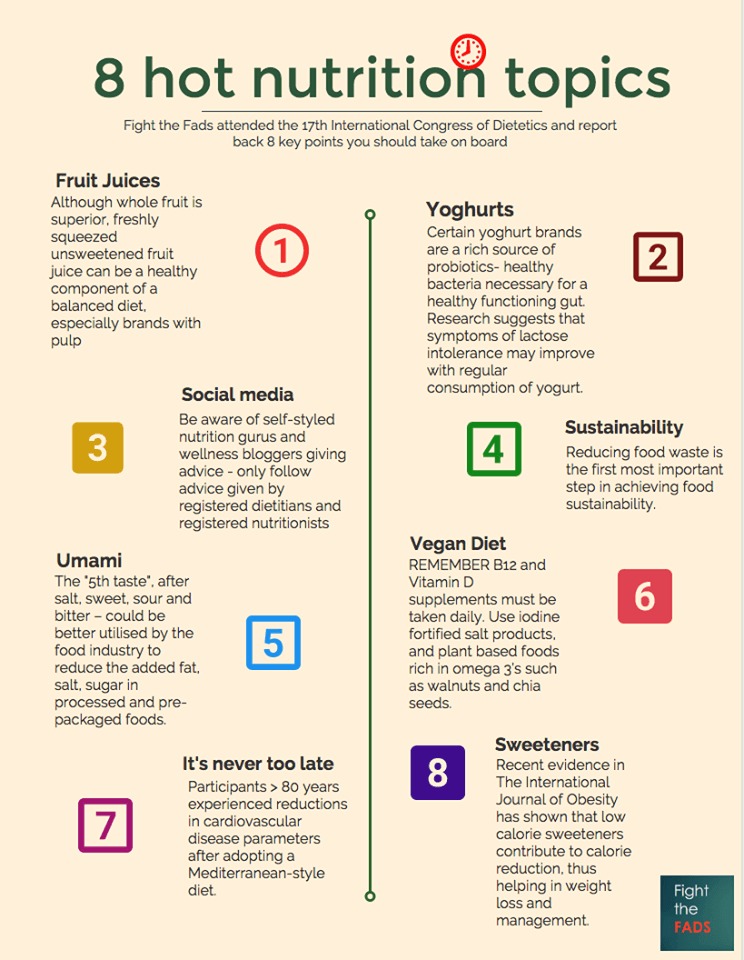
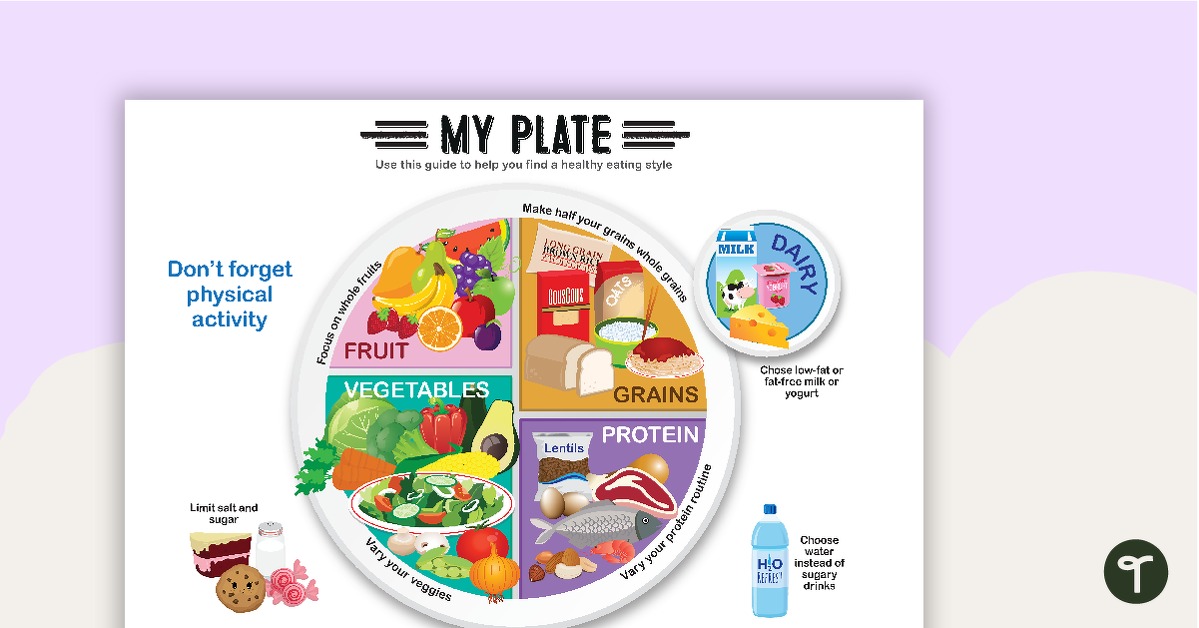
- Conflicting advice about a food? Food & Nutrition covers nutrient composition and dietary questions.
- Why does bread change texture in the oven? Food Science deals with ingredient behavior and cooking processes.
- You want to learn the position for a stretch. Fitness & Mobility addresses movement technique.
- Which muscles and joints does a movement involve? Anatomy & Body Science explains the body structures involved.
- Comparing hair-care or skin-care routines? Personal Care covers everyday routines and product ingredients.
How to Assess Health Information
When two articles give conflicting health advice, look at who is responsible for each claim and what supports it. A useful source makes its evidence and editorial accountability visible.
| Check | What to look for |
|---|---|
| Authorship | A named writer or responsible organization, with relevant qualifications identified when expertise is claimed. |
| Evidence | References to research, institutional guidance, or other traceable sources that address the specific claim. |
| Review and dates | An identifiable editorial or professional review process, if claimed, and publication or update information relevant to the topic. |
| Funding and interests | Disclosed sponsorship, commercial relationships, or other financial interests that may shape how information is presented. |
| Privacy | A clear explanation of how the website handles personal information when it asks you to provide any. |
Suppose one article praises a food while another advises avoiding it. Compare the outcome each discusses, the circumstances behind the recommendation, and the sources cited. An individual's experience can explain a concern, but it cannot establish effectiveness or safety for others.
The National Library of Medicine's MedlinePlus guide to evaluating health information offers further criteria for examining online health claims.
When a General Health Guide Is Not Enough
Educational guides can explain body processes, food composition, and exercise terminology; they cannot determine the cause of your symptoms or which treatment is right for you. For general health information, choose the subject matching your question and continue to a focused guide when one is available; for personal diagnosis or treatment decisions, consult a qualified healthcare professional.