Wellbeing & Society: Find the Right Guide
Choose the guide that matches your question about habits, body image, relationships, identity, or women's health. This collection helps you find a focused explanation; for urgent care or an individualized health decision, seek appropriate professional help.
Browse by question: Habits and self-image · Relationships and boundaries · Identity and social context · Women's health information.
Which wellbeing topic fits your question?
Wellbeing includes personal experiences and the social circumstances surrounding them. A change in routine points toward behavior research; a confusing remark calls for communication context; a national health statistic needs population data.
| If you're wondering... | Start here | What you'll find |
|---|---|---|
| Why is my routine hard to keep, or why do appearance expectations affect me? | Habits and self-image | Habit research and social pressure about appearance |
| What does a physical sign, uncomfortable remark, or bodily boundary mean? | Relationships and boundaries | Signals, interpersonal behavior, and autonomy |
| How do I understand a term about gender, attraction, or social power? | Identity and social context | Definitions, distinctions, and social context |
| Where is an official date, US statistic, physiological explanation, or medical history? | Women's health information | Observances, population data, energy patterns, and history |
If two categories seem relevant, follow the question that brought you here first.
Habits, routines, and how you see yourself
Habit research examines repeated behavior. Body-image research explores how appearance expectations influence everyday choices.
- How long does it take to break a habit? Explore habitual behavior, changes in routine, and what research on forming automatic habits can tell us. In a 2010 study, Phillippa Lally and colleagues examined habit formation, not a universal timetable for stopping an unwanted behavior.
- Unrealistic beauty standards Explore how social expectations and body image shape appearance-related choices, including the discomfort of wearing a style that looked appealing in an influencer's photograph.
A running routine can become harder to keep after a change in commuting or daily schedule. Research reviewed by Wood and Rünger in 2016 connects habitual responses with recurring contexts; the individual reason for a disrupted routine still matters.
Relationships, mixed signals, and bodily boundaries
A physical sign, a remark that stings, and a disagreement about bodily decisions point to three separate questions.
- Do pupils dilate when you're in love? Learn what pupil dilation can accompany and why it cannot reliably reveal another person's feelings. Pupil size responds to several kinds of stimulation and arousal.
- Negging: examples and how to respond Examine backhanded compliments and put-downs disguised as jokes. The remark's wording, pattern, and effect are concrete details to examine.
- What is bodily autonomy? Understand decision-making about one's own body and how the concept relates to consent and personal boundaries. Legal applications depend on the relevant setting and jurisdiction.
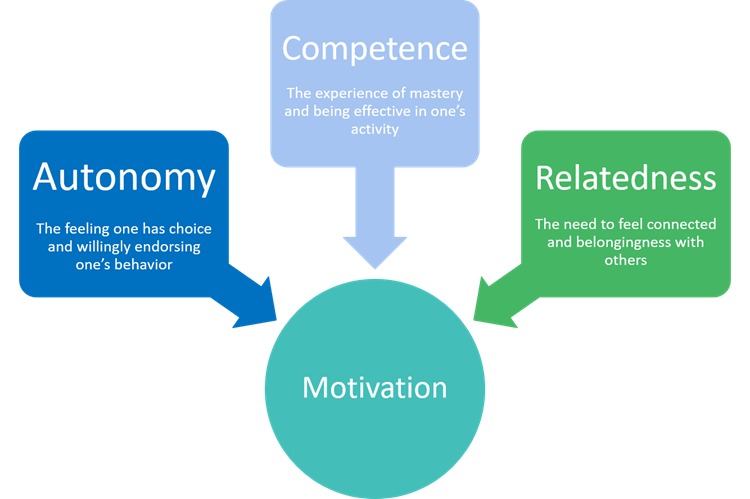
For example, a comment framed as teasing may call for a closer look at communication and boundaries. A question about control over a bodily decision leads to autonomy, even when no dating relationship is involved.
Identity, attraction, and social expectations
Gender terminology, types of attraction, and criticism of social power describe different aspects of people's lives.
- What does gender-expansive mean? Find language and examples concerning gender identity and expression, including respectful ways to discuss someone's self-description.
- Asexual vs. aromantic Compare sexual attraction with romantic attraction and understand how the terms can overlap in a person's self-description.
- What is the white savior complex? Explore a criticism concerning power, representation, and the context in which people offer help.
Someone may feel affection or closeness without describing that feeling as romantic attraction. The distinction between romantic and sexual attraction gives that experience more precise language, without assigning an identity to anyone.
Women's health: events, research, and medical history
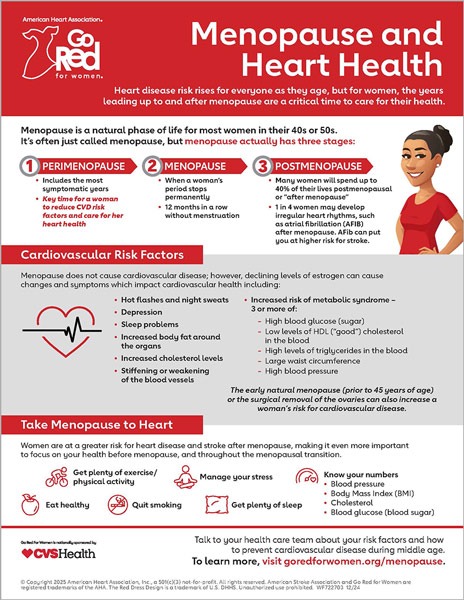
Women's health questions can require an organizer's calendar, a population survey, physiological research, or historical scholarship.
| Looking for... | Open this guide | Key distinction |
|---|---|---|
| An awareness event | Women's Health Month and Week | The official National Women's Health Week observance has its own annual dates. |
| A US fertility figure | Infertility statistics in the United States | Definitions and populations must accompany percentages. |
| Changes in energy across a cycle | Menstrual cycle and energy levels | Experienced energy and measured metabolic expenditure concern different outcomes. |
| A procedure's medical history | History of hysterectomy | Medical developments and ethical debates in the history of hysterectomy. |
In 2026, the Office on Women's Health scheduled National Women's Health Week for May 10 to 16.
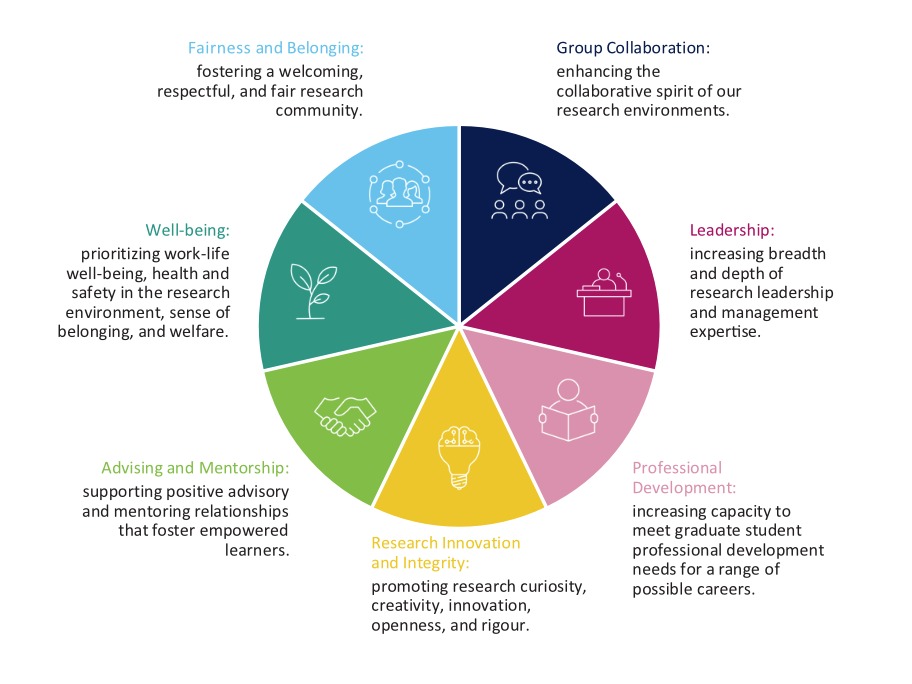
The CDC's infertility statistics draw on the 2015 to 2019 National Survey of Family Growth. It reports 13.4% impaired fecundity among women ages 15 to 49 of all marital statuses. It separately reports 8.5% infertility among currently married women ages 15 to 49.
Those figures use different definitions and populations. Neither provides an individual's fertility prognosis.
How to tell what kind of evidence you're reading
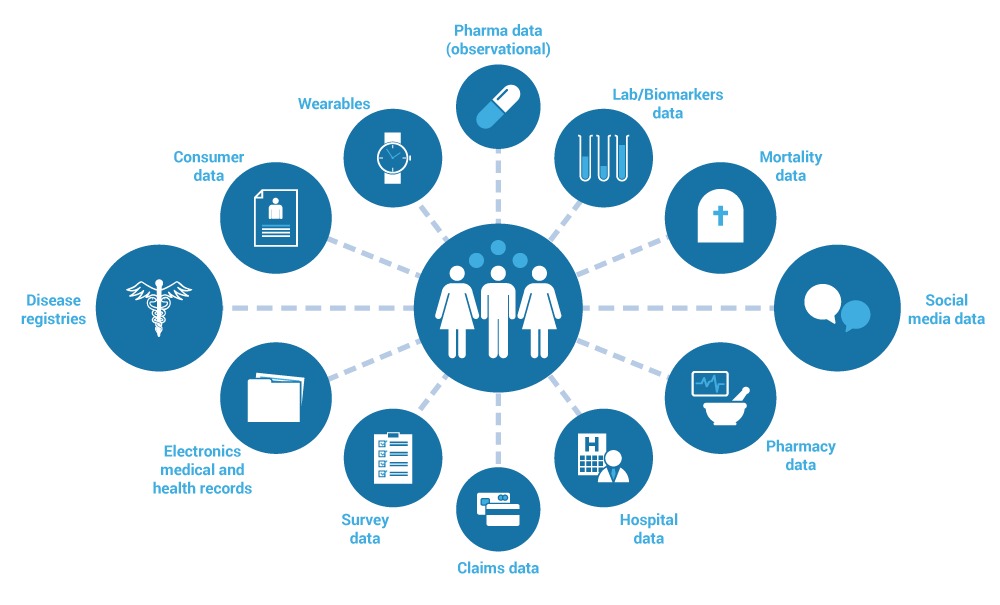
A personal experience, an institutional definition, a research study, and a government survey each answer a different sort of question. The source matters most when a claim might change an important health decision.
| Evidence type | Useful for | Look for |
|---|---|---|
| Personal account | Understanding one person's circumstances | What the person experienced and the context |
| Institutional information | Official names, definitions, and public guidance | |
| Study or scientific review | Investigating a measured process or relationship | Participants, outcome, method, and limits |
| Government survey | Estimates for a defined population | Survey years, denominator, and precise measure |
Before using a figure or finding elsewhere, follow its citation and identify the population and outcome the original source measured.
If none of these guides matches your question
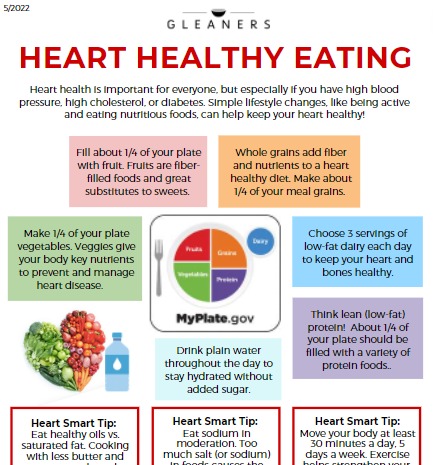
For nutrition, exercise, anatomy, or another subject beyond these pathways, return to Health topics. This collection is for readers looking for a focused explanation of a particular wellbeing question. Choose the topic that fits and open its guide; when you need urgent care or an individualized health decision, seek appropriate professional help instead of relying on a topic index.
Explore this topic
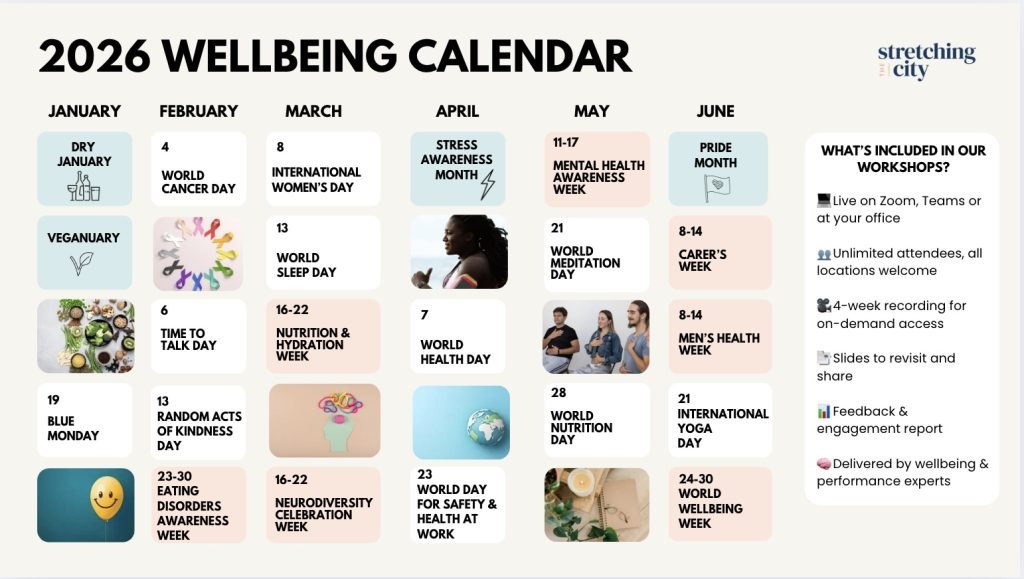
Women's Health Month and National Women's Health Week: What's the Difference?
See how Women's Health Month differs from National Women's Health Week, compare official 2026 federal and Michigan dates, and choose ways to participate.
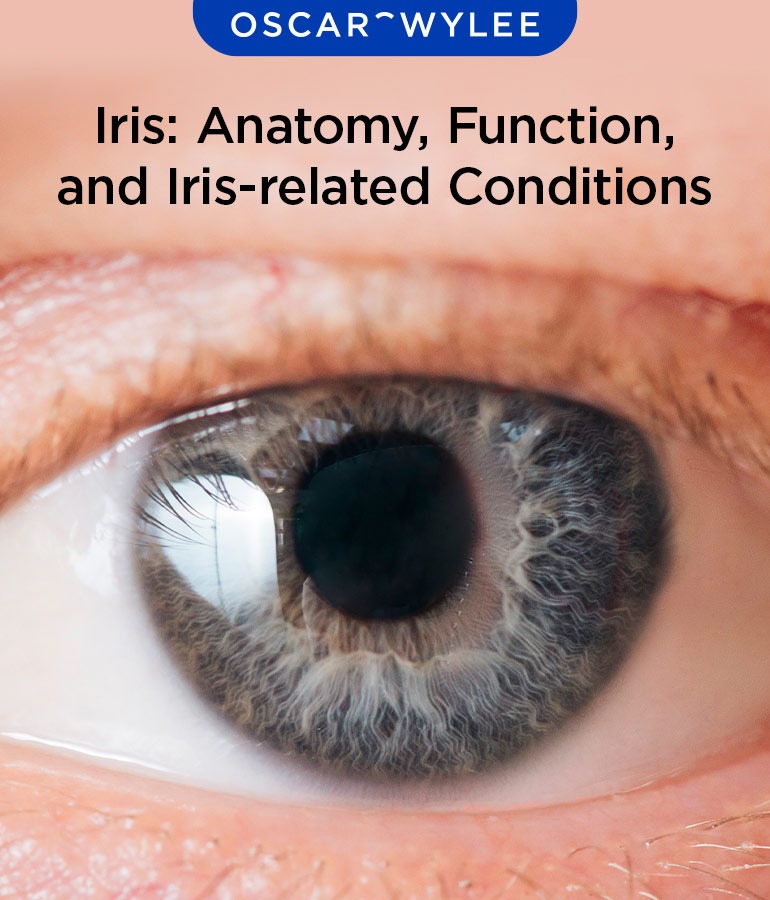
Do Pupils Dilate When You're in Love? What the Science Says
Can dilated pupils reveal love? See what attraction studies measured, why a date's eyes can mislead, and when a pupil change needs medical attention.
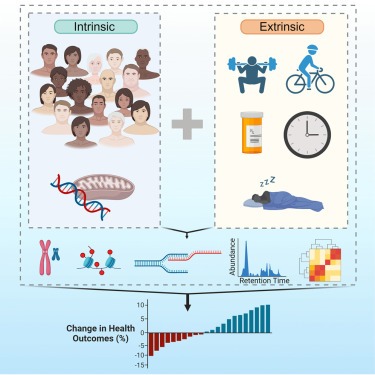
How Long Does It Take to Break a Habit? What Research Shows
There is no universal habit-breaking deadline. Compare formation and decay studies, learn what a lapse means, and observe changes in daily cues and responses.
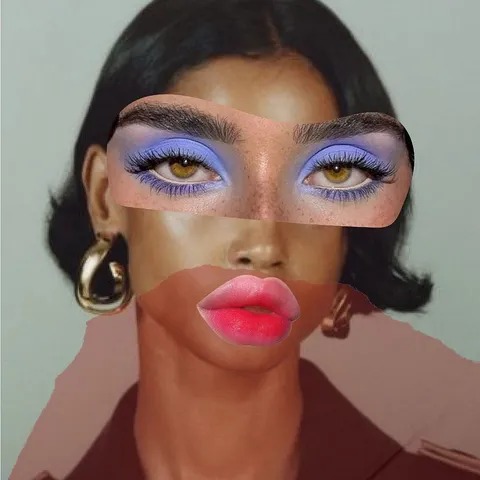
Unrealistic Beauty Standards: How They Work and What They Cost
Understand how filters, dress codes and appearance ideals create pressure. Compare personal choice with unfair treatment, and try a four-step reality check.
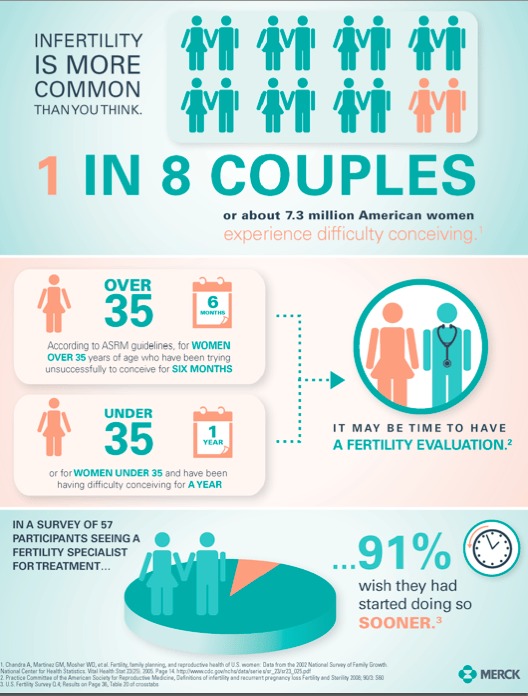
Infertility Statistics in the United States: What the Numbers Measure
Compare US infertility rates by definition, population, and survey year. See why 8.5%, 13.4%, lifetime estimates, and fertility-service figures differ.

What Is the White Savior Complex? Meaning, Examples, and the Difference Between Helping and Taking Over
What does white savior complex mean? Explore examples in volunteering and film, and use six questions to assess agency, accountability, and informed consent.
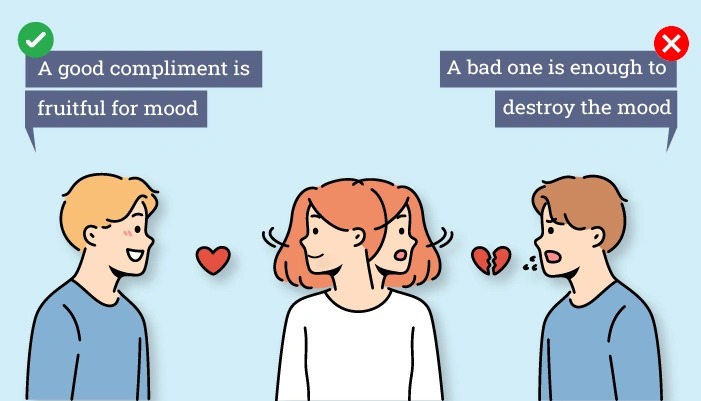
Negging Examples: How to Spot a Put-Down Disguised as Flirting
See real negging examples, compare backhanded compliments with teasing and rudeness, and choose a response that fits the context and your safety.
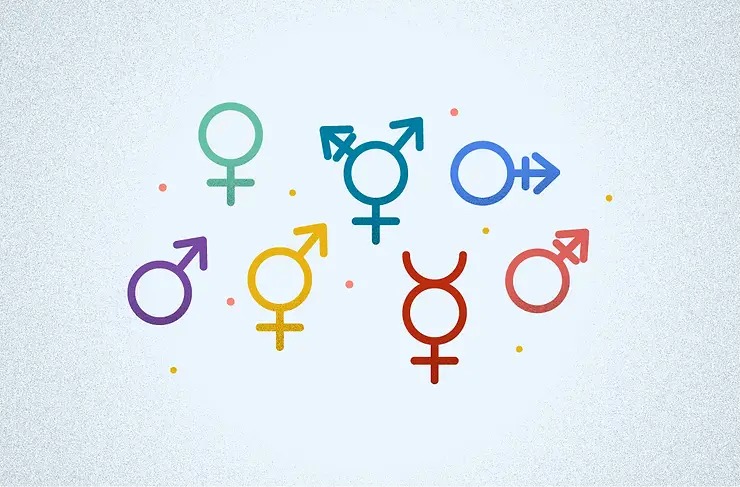
What Does Gender-Expansive Mean?
Understand gender-expansive identity and expression, how the term differs from nonbinary, and when it describes a person or a group's intended audience.

Asexual vs. Aromantic: What's the Difference?
Asexual and aromantic identities describe different kinds of attraction. See the four combinations, what libido and dating imply, and how spectrum labels work.
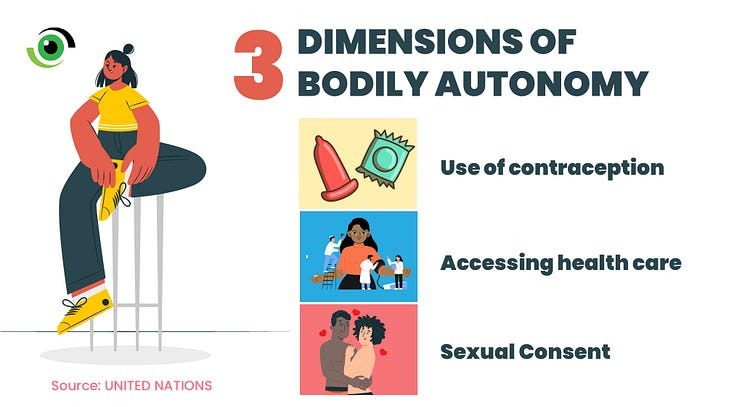
What Is Bodily Autonomy? Meaning, Examples, and Boundaries
Understand bodily autonomy through everyday boundaries, informed medical consent, children's choices, and the US legal exceptions that can affect decisions.
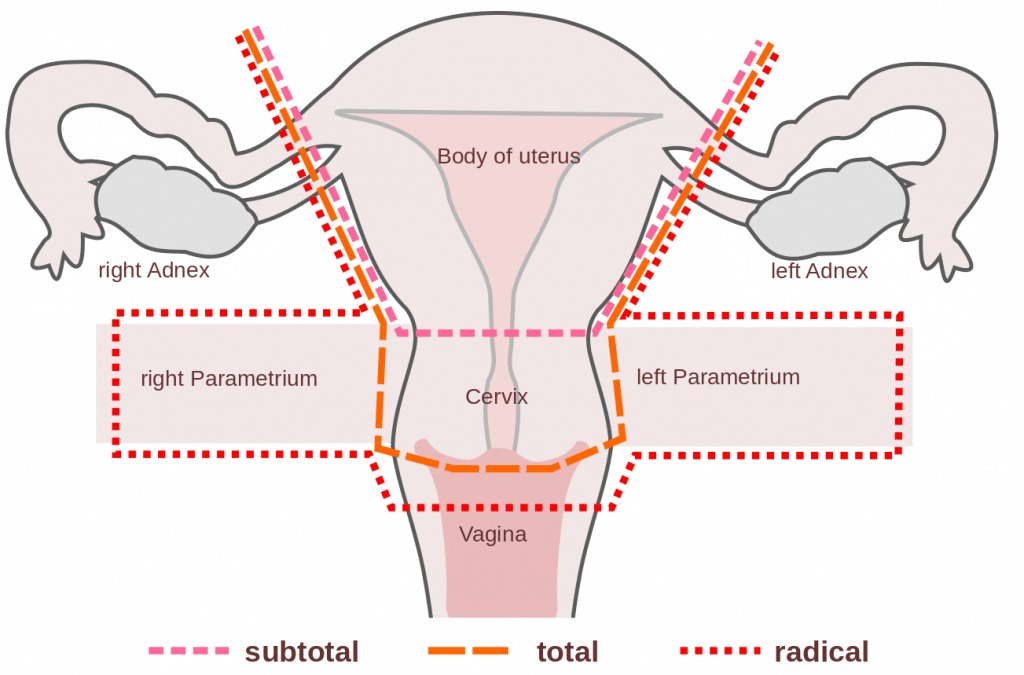
History of Hysterectomy: From Risky Surgery to Questions of Consent
Explore early hysterectomy milestones, the advances that made surgery safer, historical US rates, and documented disputes over consent and patient choice.
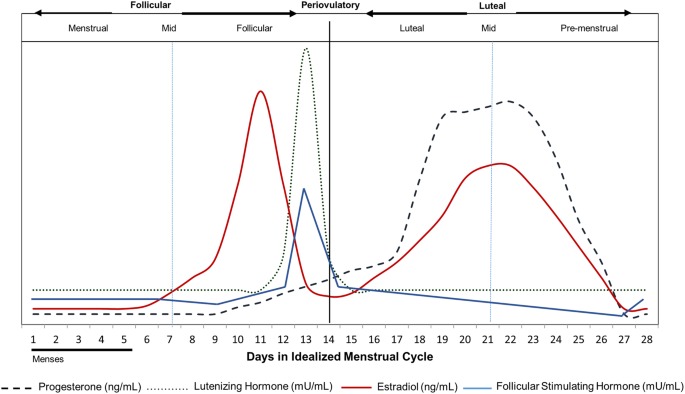
How Your Energy Can Change Across the Menstrual Cycle
Learn why energy can vary across the menstrual cycle, what performance and step-count studies measure, how to track your pattern, and when fatigue needs care.