
Find Your Fitness Starting Point
Choose movement that fits your goal, experience, available time, and setting, then follow a matching exercise guide to find a feasible first activity. Walking, strength work, mobility practice, and other accessible options can all provide a starting direction. Your eventual routine can include several kinds of movement. If symptoms or medical restrictions affect which activities are appropriate, get qualified guidance before relying on a general exercise plan.
Choose a fitness direction that fits your life

Start with what you want from physical activity: moving more, building strength, improving flexibility, or enjoying a particular setting. Then consider how much time you have and what equipment or space you can access.
Experience changes the decision too. Someone returning after a long break may prefer a familiar, approachable activity. A person already comfortable with resistance training might need a focused technique guide. Any medical restriction or rehabilitation requirement belongs in a conversation with an appropriate professional.
Pick one goal and two practical constraints. Use the closest match below to choose an exercise direction.
| What you'd like to do | Relevant circumstances | Direction | Open this guide |
|---|---|---|---|
| Move more overall | Prefer being outside and have little equipment | Outdoor activity | Outdoor Workout Ideas |
| Train your core with bands | Have resistance bands and room to use them | Band-based core strengthening | Resistance Band Ab Exercises |
| Explore flexibility | Prefer guided movement or yoga | Mobility and flexibility | Yoga for Flexibility |
| Exercise in water | Have access to a suitable pool | Water-based activity | Pool Exercises |
| Find lower-impact options | Are an older adult exploring an accessible routine | Lower-impact activity | Low-Impact Exercises for Seniors |
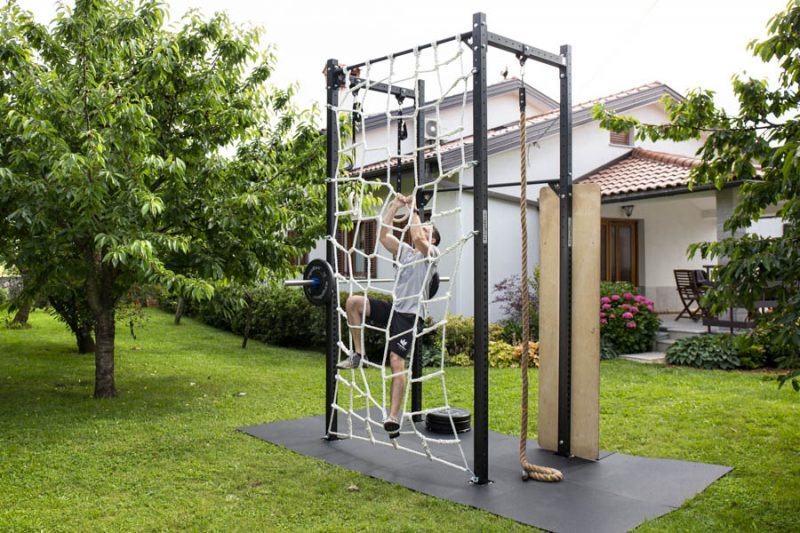
For example, a reader with bands and a small area at home has an immediate strength-related destination. A reader who enjoys being outside can begin with the outdoor collection. Someone with no specific training goal can simply look for a form of movement they would like to do regularly.
The table is an editorial wayfinding tool. It does not assess your medical fitness, determine a personalized workload, or certify that a particular exercise is suitable for an injury or health condition.
Cardio, strength, mobility and balance: what each contributes
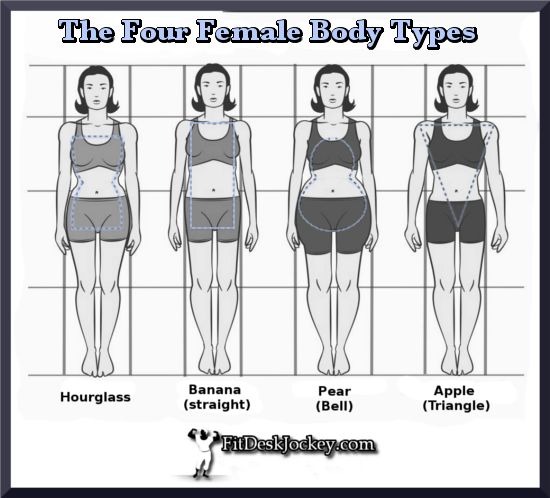
Aerobic activity, muscle strengthening, mobility, and balance address different aspects of movement. Some activities involve several of them at once, so the categories can help you understand a routine without forcing a single-label choice.
| Category | What it involves | Example | Where to explore |
|---|---|---|---|
| Aerobic activity | Movement that raises breathing and heart rate | Walking or sustained outdoor movement | Outdoor exercise |
| Muscle strengthening | Muscles working against resistance | Resistance bands, bodyweight, or carried weights | Strength technique |
| Mobility and flexibility | Active movement through a range or stretching-focused practice | Yoga or a targeted stretch | Yoga for flexibility |
| Balance | Maintaining stability during positions and movement | Appropriate balance-focused activities | Weekly activity guidance |
Core exercises fall within the broader strengthening category. Training one region of your body does not automatically provide a complete strength routine. Flexibility and mobility also have different emphases: one concerns available range of motion, while the other involves using and controlling movement through that range.
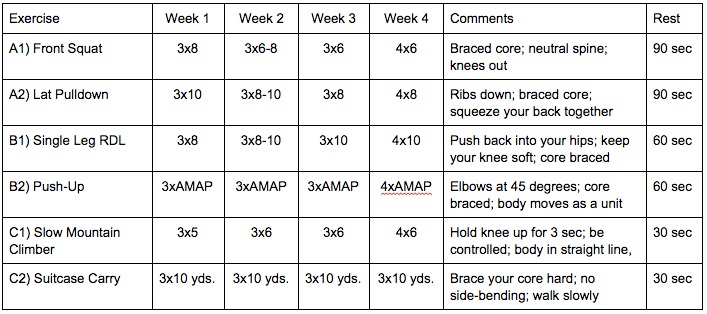
Yoga can involve stretching, control, and balance. Water activities may include both aerobic movement and resistance.
A Reddit contributor described getting stuck between two possible starting approaches:
One thing I’ve noticed is that some people swear by the method of cardio first (I’ve seen people say 8-12 weeks of it), then moving on to a balance of weights and cardio once the weight starts to come off. The other method I’ve seen discussed quite often is immediately getting into strength training (5x5, Starting Strength, etc.) with some cardio, but with more focus on weights. I’ve read success stories with both of these used. ... An out of shape, regularly paralyzed by analysis 41 year old male is curious.
The CDC's general adult guidance includes both aerobic activity and muscle strengthening. It does not prescribe a universal cardio-only period before someone can begin strength work.
Consider which categories your current activity already addresses and which you would like to explore. That identifies the next kind of movement without inventing a mandatory training order.
Start or restart at a level you can manage
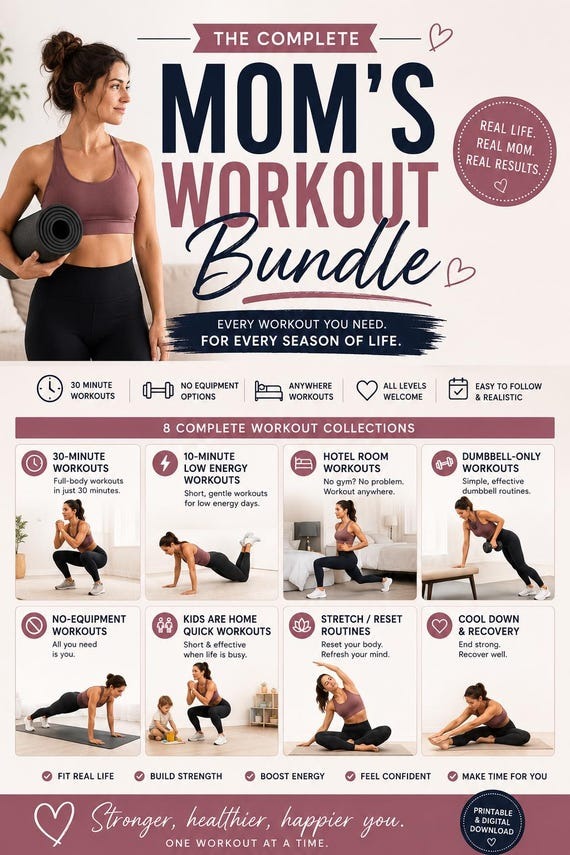
Returning to exercise after a long break often begins with an uncomfortable question: what can you realistically do now? A familiar, approachable activity offers a useful place to explore before taking on a complex movement that needs more instruction.
One person posting in r/fitness30plus described seven years with little exercise, a demanding family schedule, and feeling winded on a flight of stairs:
Hey all, I have had an IT job for 17 years and in the last 7 I don’t think I exercised at all. Between work, kids and family, I feel like I don’t have time. And what terrifies me the most is that I get winded going up a single flight of stairs. Any suggestions to get back into it and not get discouraged when realizing how out of shape I really am? Thanks in advance! EDIT: Thank you all for the replies. I will start small and make it a habit and like most of you said, be realistic. I’d like to lose 50lbs but I’ll target 10 and daily exercise on an elliptical. Thanks again!!
The poster chose an elliptical. Someone else might prefer walking or an accessible class. The important distinction for this page is between understanding an entry activity and taking on a technical exercise without the necessary preparation.
If an activity appeals to you, look at its detailed guide for the required equipment, starting position, and technique demands. A burpee tutorial, for instance, serves a different purpose from a collection of approachable outdoor activities. Older adults seeking lower-impact choices have a dedicated guide suited to that reader question.
Breathlessness reported by an anonymous poster cannot establish its cause. If your own symptoms raise concerns, the professional-guidance section explains the appropriate referral boundary.
Pick workouts by time, location and equipment
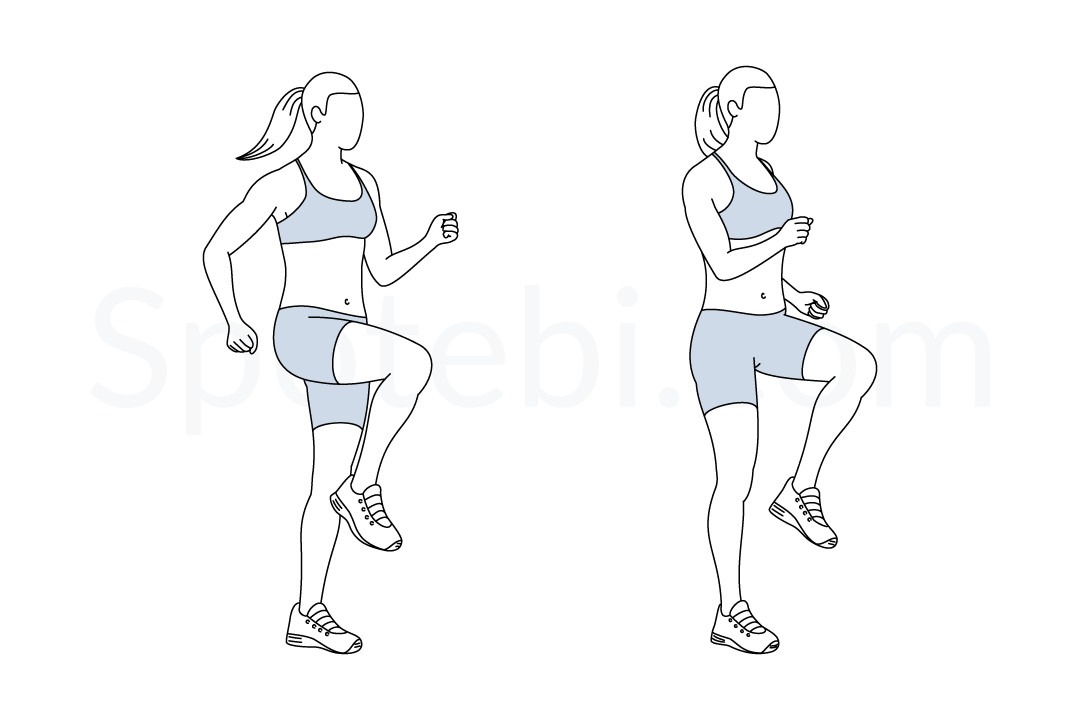
Getting to a gym can take planning. So can using a pool, finding outdoor space, or arranging an uninterrupted session at home. These are practical constraints that deserve as much attention as the exercise itself.
| Setting | Access question | Activity direction | Scheduling trade-off |
|---|---|---|---|
| Home with little equipment | Is there suitable room to move? | Familiar bodyweight movement | No travel is needed, but available space and household interruptions may matter. |
| Home with bands | Are bands available and usable in the space? | Resistance-based core work | Equipment is close at hand; setup and room still require attention. |
| Outdoors | Is an appropriate walking or workout area accessible? | Outdoor movement | Conditions and access may affect when you go. |
| Pool | Can you access a suitable pool? | Water-based movement | Travel and available pool hours may require planning. |
| Gym or weight-equipped space | Are suitable weights and instruction available? | Specific loaded exercises | Travel and session scheduling can add time. |
A parent with limited free time may have more opportunities to exercise at home than to travel to a gym. Another person may enjoy the structure of a gym session and have little trouble attending it.
A Reddit contributor put the scheduling problem into everyday terms:
Can't tell you how many times I've begun and quit. In the gym I tend to prioritize Strong lifts 5x5. Weight increases and muscles get stronger, but I somehow always drop it and need to start over. I have 2 kids, work full time (as does my wife). Just going out for a run or getting to the gym requires planning. Those of you in this situation - where do you even start? I'm tired all the time and I want to lift, do calisthenics, run, meditate, etc. But honestly I feel like I cannot do anything. I'm considering trying more hypertrophy over strength training. Anyone know a good program for those who can't do 6 days a week at the gym?
Here, the limiting factor is access to time and a training setting. The person reports progress with a named strength program but repeated difficulty maintaining attendance. A home-based or more flexible location could address that logistical problem.
For a setting you are considering, compare the travel involved, its hours of access, and whether the space or equipment will be available when you are free.
Find the right detailed fitness guide
Knowing the general activity category is a start. The next choice depends on the question you want answered. A movement tutorial explains one technique; an anatomy guide explains muscles; a routine guide collects activities for a particular situation.
If you already know your question, use the corresponding guide below. The three groups separate everyday routines, mobility and yoga, and strength so that a narrow question has a narrow destination.
Routines and activity settings
- Lower-impact exercise for older adults: Low-Impact Exercises for Seniors covers options for that population.
- Movement outdoors: Outdoor Workout Ideas focuses on exercises using minimal equipment.
- Activity in a pool: Pool Exercises covers water-based workouts in an appropriate setting.
Mobility, stretching and yoga
- General flexibility: Yoga for Flexibility addresses poses, progression, and limitations.
- Hip-position technique: 90/90 Hip Stretch explains that specific movement and its variations.
- Upper-body movement: Wall Angels covers technique and common mistakes.
- Yoga sequences: Sun Salutation A vs. B compares two named sequences.
- A seated yoga pose: Vajrasana covers how that pose is practiced.
- Stretching sensations: Why Stretching Feels Good examines the question directly.
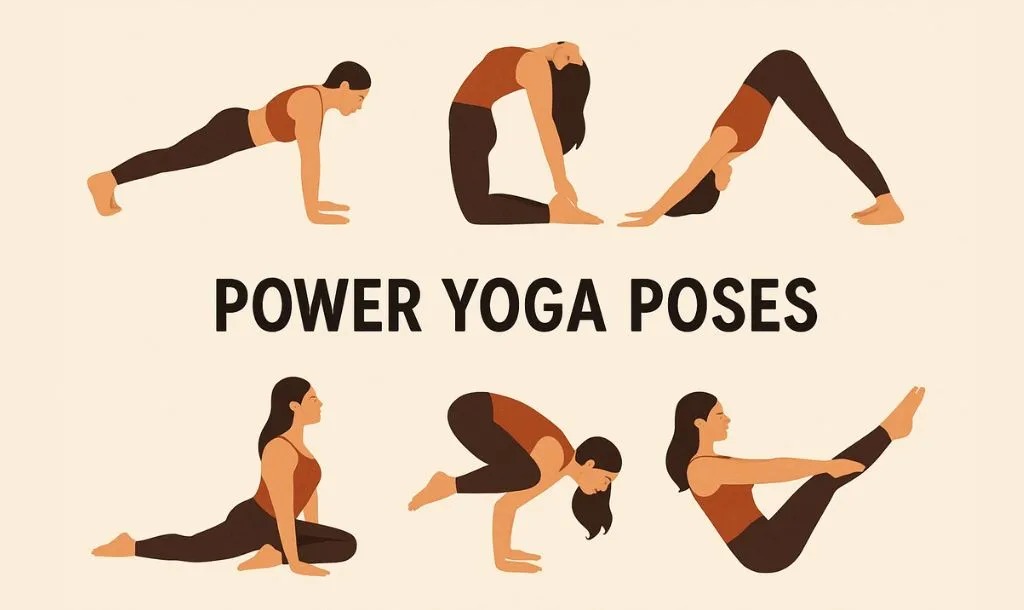
- Yoga style: What Is Power Yoga? explains what to expect from that practice.
A reader asking how to perform the 90/90 position needs the specific stretch guide. Someone choosing a broader flexibility practice has a different destination.
Strength, muscles and individual exercises
- Upper-arm anatomy: Biceps vs. Triceps compares the muscles and their functions.
- Squat volume: How Many Squats Should You Do a Day? examines that goal-specific question.
- Push-up variation: Reverse Push-Ups covers the term's variations and limitations.
- Push-up muscle involvement: Do Push-Ups Work Your Biceps? separates anatomy questions from movement instruction.
- Band-based core work: Resistance Band Ab Exercises focuses on that equipment.
- Deep core training: Transverse Abdominis Exercises explores the relevant muscle and exercises.
- Lunge technique and alternatives: Curtsy Lunges covers execution and variations.
- Toe tap variations: Toe Tap Exercises distinguishes movements with that name.
- Running and glutes: Does Running Make Your Butt Bigger? addresses a specific outcome question.
- Shoulder exercise: Rear Delt Raises focuses on technique and muscle involvement.
- Loaded carries: Farmer's Walk covers technique, muscles, and benefits.
- Arm exercise: Skull Crushers explains the movement and its variations.
- Whole-body exercise technique: Burpees covers execution and beginner modifications.
Use US activity guidelines to shape a workable week
For most US adults, public-health guidance includes both aerobic activity and muscle strengthening. It gives a reference for the whole week, including activity accumulated across multiple occasions.
The CDC adult physical activity guidelines recommend:
- Aerobic activity: At least 150 minutes of moderate-intensity activity each week, or 75 minutes of vigorous-intensity activity, or an equivalent combination.
- Muscle strengthening: Activity involving major muscle groups on at least two days each week.
These are general weekly targets. Someone starting after inactivity can begin with a smaller amount and build up gradually. They describe a balanced public-health approach, while the starting amount and suitable activity can depend on the individual.
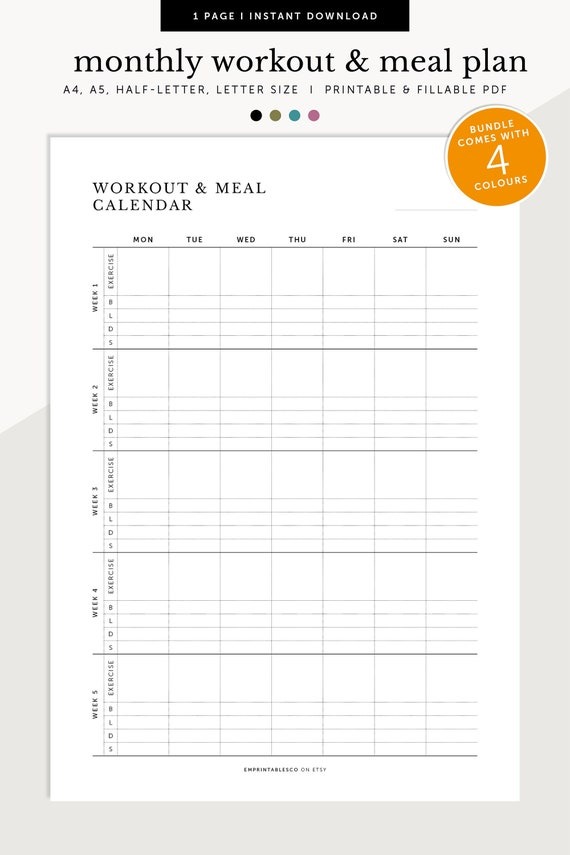
One illustrative week could combine outdoor walks on several available days with strength opportunities when equipment and time allow. Another could use home-based strengthening on two days and accumulate aerobic activity in shorter periods across the week. The CDC also identifies balance-related activity as relevant for older adults.
The US Department of Health and Human Services provides the Move Your Way Activity Planner. It lets you select activities, organize them across the week, and review the plan in a printable format.
Make a simple weekly outline of the activities and opportunities available to you. Compare its aerobic and strengthening components with the general recommendations, and consider balance or mobility activity where appropriate.
Change an exercise when it no longer fits
There are several reasons to reconsider an exercise. You may lose access to equipment, find the technique difficult to understand, prefer a different movement, or discover that its effort and recovery demands no longer suit your circumstances.
- Equipment or setting: Look for a movement or activity category that uses what you have available. Resistance-band work and outdoor exercise have different access requirements.
- Technique: A named movement such as a curtsy lunge has its own execution demands. Use its technique guide or obtain qualified instruction when the movement remains difficult to understand.
- Preference: Explore another appropriate activity within the category if the original is difficult to organize or no longer appeals to you.
- Difficulty and recovery: When effort, discomfort, or recovery becomes concerning, the appropriate response may involve modification or assessment rather than another demanding variation.
A loaded carry, for example, has different movement and equipment demands from band-based abdominal work. Two exercises may both involve resistance without being interchangeable for every purpose.
Identify the reason an exercise no longer fits before choosing an alternative. An exercise substitution is not guaranteed to provide the same training effect or eliminate injury risk.
When a coach or healthcare professional needs to guide the choice
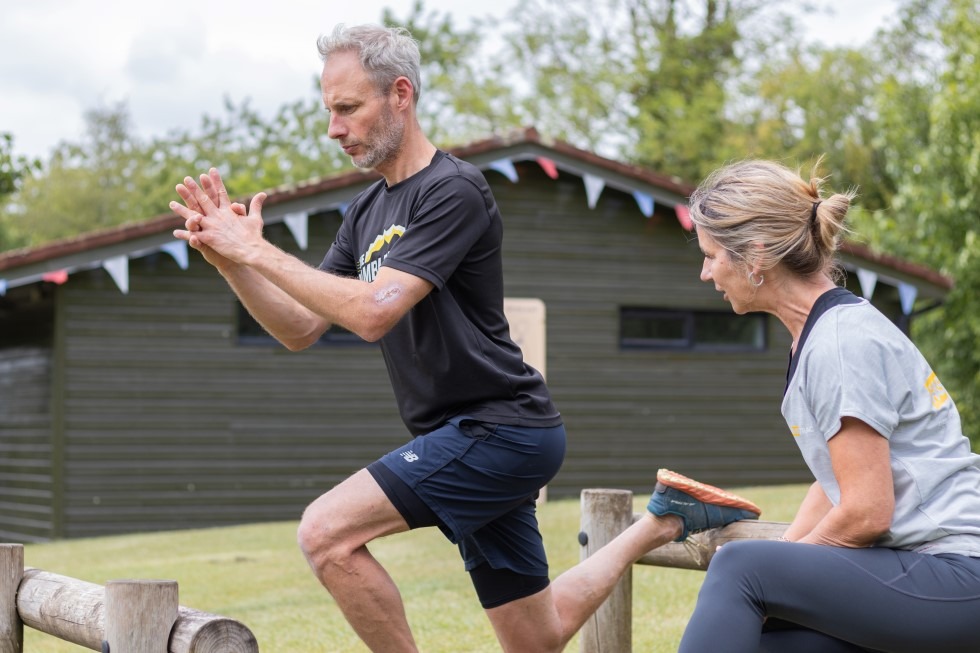
A qualified exercise coach or instructor can help with a movement's setup and technique. A licensed healthcare professional is the appropriate source of individualized advice when unexplained symptoms, injuries, medical restrictions, or rehabilitation needs affect exercise choices. If symptoms such as chest discomfort or shortness of breath suggest a possible heart attack, call 911 immediately, as the American Heart Association advises.
Keep the choice workable and know when to reassess
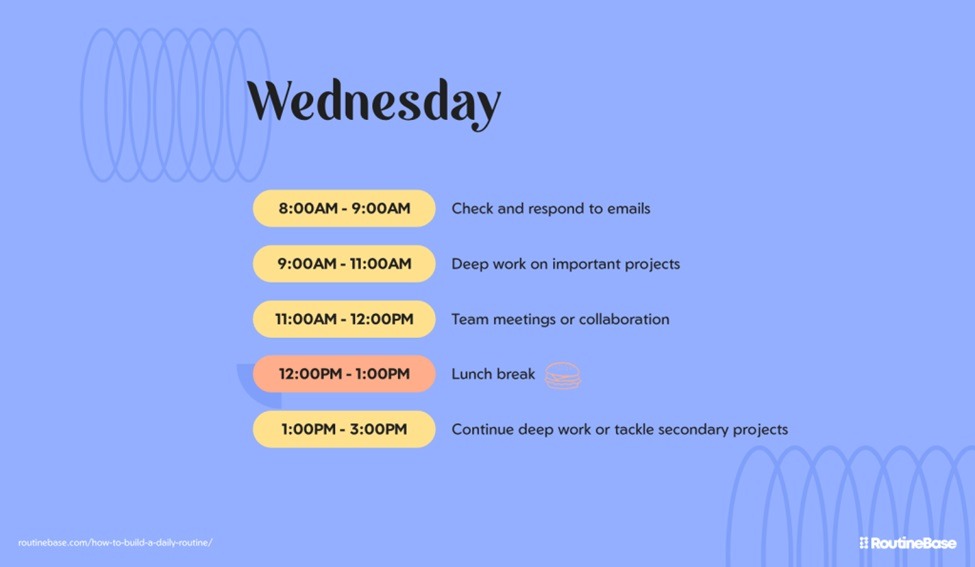
A routine can fit your goals yet become difficult to maintain when work, family obligations, available equipment, or personal preferences change. Reassessing those conditions gives you a specific reason to adapt the activity.
A qualitative systematic review of physical activity maintenance, first published online in 2024, included 68 studies from 14 countries. The researchers identified six themes from people's reported experiences: the influence of others, contextual and environmental influences, health-related influences, making activity work, habits, and psychological processes.
For your own routine, consider what happened when you tried to organize the activity. Was the setting available? Could you follow the movement requirements? Did the plan fit the time you had? An obstacle involving access calls for a different adjustment from a problem with technique.
Choose movement that fits your goal, experience, time, and setting, then open the matching exercise guide and select a feasible first activity. If symptoms or medical restrictions affect what is appropriate, obtain qualified guidance before following a general plan.
Explore this topic

Yoga, Stretching, or Mobility: Find Your Starting Point
Compare yoga, stretching, and controlled mobility by goal, comfort, and class demands. Use a practical selector to explore seven focused guide topics.

Strength Training Exercises: Choose the Right Movements for Your Goal and Equipment
Choose strength exercises by movement pattern, equipment, and control. Compare beginner options, learn progression checks, and find focused technique topics.
How to Choose a Fitness Routine You Can Stick With
Compare walking, home strength, outdoor and pool workouts by your goals, access and effort. Use a starter-week example and clear adjustment rules.