
Sun Salutation A vs. B: Sequences, Breath, and How to Choose
Sun Salutation A has nine counts and is easier to learn. Sun Salutation B adds Chair, Warrior I, and more lowering across seventeen counts; it makes sense once you can keep your movement and breath together. If the lowering strains your arms, drop your knees.
Sun Salutation A vs. B: The Difference at a Glance
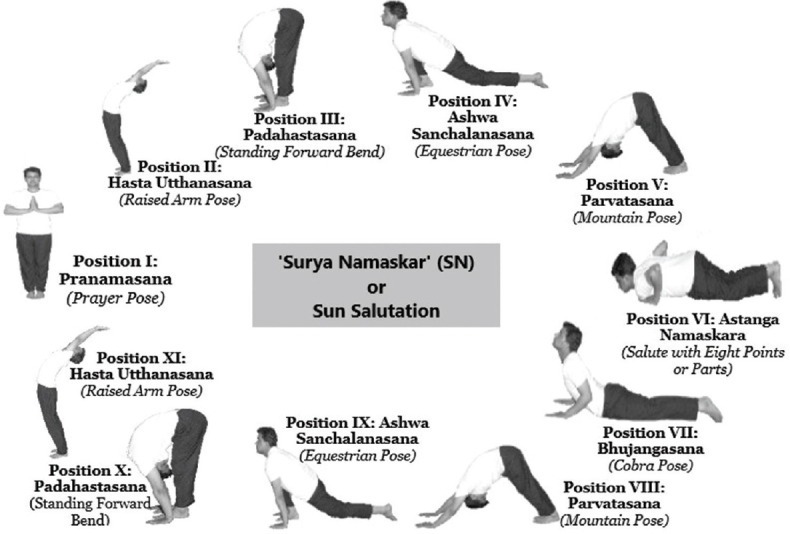
In both sequences, you move from standing through a forward fold, a backbend, and Downward-Facing Dog before returning to standing. In the Ashtanga Vinyasa tradition, A is the shorter one. B adds Chair Pose, Warrior I on both sides, and two extra trips through Chaturanga, Upward-Facing Dog, and Downward-Facing Dog.
The nine and seventeen counts refer to vinyasas—steps linked to breaths—not to the number of distinct postures. Some postures recur.
| Feature | Sun Salutation A | Sun Salutation B |
|---|---|---|
| Ashtanga counts | 9 | 17 |
| Opening step | Arms rise overhead | Chair Pose |
| Warrior I | None | Right and left |
| Chaturanga → Upward Dog → Down Dog cycles | 1 | 3 |
| Main five-breath Down Dog | Count 6 | Count 14 |
| Finishing step | Arms rise, then standing | Chair, then standing |
| Learning curve | Shorter, fewer transitions | Longer, with extra standing and upper-body work |
The extra steps make B harder to learn.
Why Sun Salutations Differ Between Yoga Classes
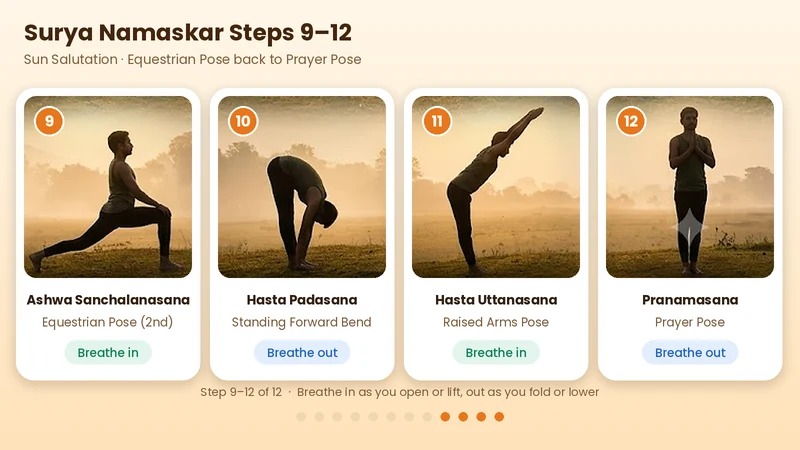
Surya Namaskara means Sun Salutation, a name used for several related yoga sequences. The nine- and seventeen-count patterns here belong to Ashtanga Vinyasa. Hatha, Kriya, and modern vinyasa classes arrange theirs differently. Cleveland Clinic, for example, describes a twelve-position Hatha/Kriya-style sequence with lunges and a bilateral convention: the flow repeats on the opposite side.
Sun Salutation A: The Nine-Count Sequence
Sun Salutation A starts standing, passes through one Chaturanga and backbend, pauses in Downward-Facing Dog, and returns to standing. For how A, B, and class intensity play out in a real class, see the guide to power yoga classes.
The counts below follow the Ashtanga convention in Ashtanga Yoga Denver's Sun Salutation A reference. Before count one, begin in Samasthitih, standing steadily with your arms at your sides.
| Count | Breath | Step |
|---|---|---|
| 1 | Inhale | Raise your arms overhead into Upward Salute (Urdhva Hastasana). |
| 2 | Exhale | Fold forward into Standing Forward Fold (Uttanasana). |
| 3 | Inhale | Lift halfway, lengthening your spine (Ardha Uttanasana). |
| 4 | Exhale | Move your feet back and lower into Chaturanga (Chaturanga Dandasana). |
| 5 | Inhale | Move into Upward-Facing Dog (Urdhva Mukha Svanasana). |
| 6 | Exhale | Move into Downward-Facing Dog (Adho Mukha Svanasana). Hold for five steady breaths. |
| 7 | Inhale | Bring your feet forward into a halfway lift. |
| 8 | Exhale | Fold forward again. |
| 9 | Inhale | Rise to standing with your arms overhead. |
Exhale and return your arms to your sides in Samasthitih; that completes one Ashtanga A round.
A has a clear shape: a fold and halfway lift, a pass through Chaturanga and the two Dogs, then back to standing. Once you know the order, you can anticipate the next breath without watching every cue.
At count three, lengthen your spine before you step back. Your hands can rest on your shins if reaching the floor isn't comfortable.
Sun Salutation B: The Seventeen-Count Sequence
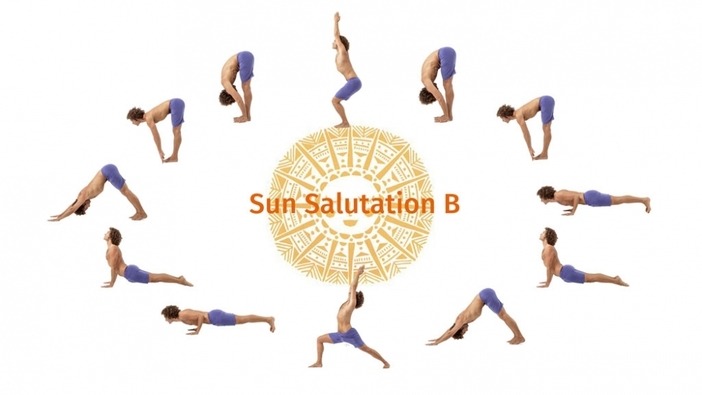
Sun Salutation B starts in Chair Pose, goes through Warrior I with the right foot forward and then the left, and returns through Chair before finishing standing. Both Warrior I sides belong to the same round.
The counted flow below follows the Ashtanga Yoga Denver Sun Salutation B reference.
| Count | Breath | Step |
|---|---|---|
| 1 | Inhale | Bend your knees and lift your arms into Chair Pose (Utkatasana). |
| 2 | Exhale | Fold forward. |
| 3 | Inhale | Lift halfway. |
| 4 | Exhale | Move back into Chaturanga. |
| 5 | Inhale | Move into Upward-Facing Dog. |
| 6 | Exhale | Move into Downward-Facing Dog. |
| 7 | Inhale | Pivot the left heel down and step your right foot forward into Warrior I (Virabhadrasana I), lifting your arms. |
| 8 | Exhale | Lower your hands and return through Chaturanga. |
| 9 | Inhale | Move into Upward-Facing Dog. |
| 10 | Exhale | Move into Downward-Facing Dog. |
| 11 | Inhale | Pivot the right heel down and step your left foot forward into Warrior I, lifting your arms. |
| 12 | Exhale | Lower your hands and move through Chaturanga. |
| 13 | Inhale | Move into Upward-Facing Dog. |
| 14 | Exhale | Move into Downward-Facing Dog. Hold for five steady breaths. |
| 15 | Inhale | Bring your feet forward and lift halfway. |
| 16 | Exhale | Fold forward. |
| 17 | Inhale | Bend your knees and rise into Chair Pose. |
Exhale to return to Samasthitih. One complete B round is finished.
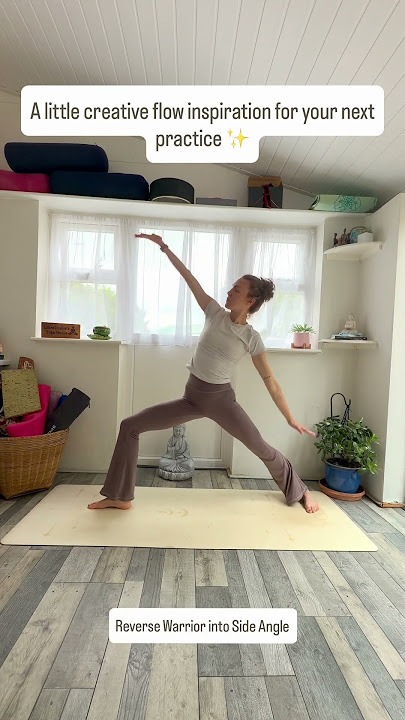
After Warrior I on the right at count seven, the flow runs through Chaturanga, Upward Dog, and Down Dog before the left-foot-forward Warrior at count eleven. The two rear-heel pivots help you tell the sides apart.
B passes through Chaturanga at counts 4, 8, and 12. Its final Chair Pose comes at count seventeen, followed by the closing exhale to standing.
Breath, Pace, and What Counts as One Round
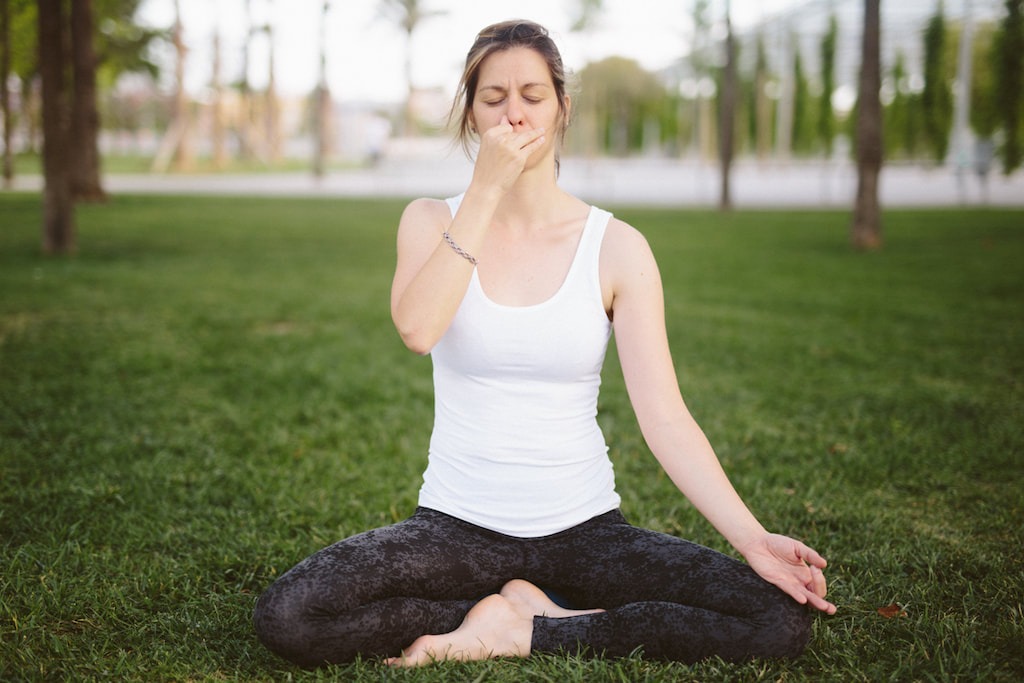
Ashtanga ties each count to a breath. Rising and opening steps pair with an inhale, and folding and lowering steps pair with an exhale.
The longer Downward Dog pause comes at A6 or B14. The earlier Down Dogs in B are transitions.
Your breath sets a workable pace. If you start rushing to match spoken cues or holding your breath to keep up, slow down and find your rhythm again.
One practitioner described a class that went the other way: just four unusually slow sun salutations in an hour.
It's is one Sun Salutation that last 15 minutes long (x4), not 15 minutes of Sun Salutations.
I do a variety of classes, but usually I prefer vinyassa based practices. However I attended a class today with a new master and I felt it was one the best class I ever attended. In the class, we only did sun salutations with extra long holds in positions. We did four rounds in hour, so it would come to about 15min each. Master came around the room to give adjustments and improvements tips during the asanas. A down dog could possibly last for five minutes plus. The super long hold in down dog and planks are indeed super demanding. But the long hold actually brought new perspective to each of the poses. With longer hold and more blood flow, muscles are more fully activated than normal vinyassa classes. I am making more micro adjustments myself to push little bit better at down dog, little bit better at chair, little bit better at back bend.
At the end of the demanding class, I fell into my deepest shavasana ever. Slowing things down, doing simple asanas, doing them to a better and more correct and better form, focus more on breathing details. This most simple class turned out to be the most "advanced" class I ever had. I felt great that I improved, and felt like I understood each of the asana better.
Moral of the story for myself: Taking a step back to slow down and focus on the basics would actually make myself improve in the long run. I will certainly return to train with this masters :)
Which Version Can You Manage, and How Can You Modify It?
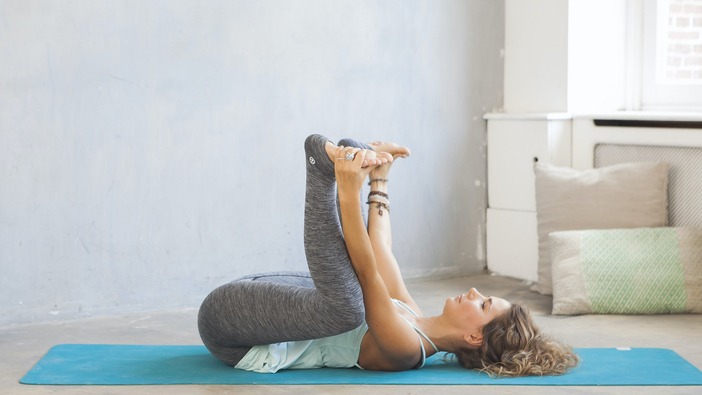
B adds extra leg work in Chair and Warrior I, plus three weight-bearing Chaturanga transitions. Find the step that gives you trouble and pick its modification below.
| If this step is difficult | Modification | What changes |
|---|---|---|
| Jumping backward or forward | Step your feet | Cuts the demand of jumping |
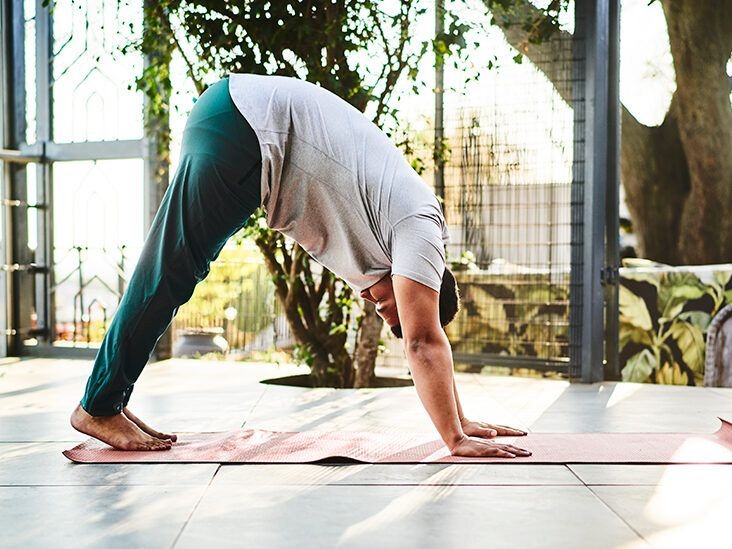
| Lowering through Chaturanga | Use a supported or knees-down lowering | Changes how much bodyweight you carry |
| Upward-Facing Dog | Use a lower Cobra | Shallower backbend, lighter load |
| Deep Chair Pose | Bend your knees less | Shallower position |
| Folding or Downward Dog with straight knees | Soften the knees | More accessible, no forced straight legs |
If A's single Chaturanga already strains your control, B's three lowerings add more of the same. A supported lowering, a gentler backbend, or staying with A all work.
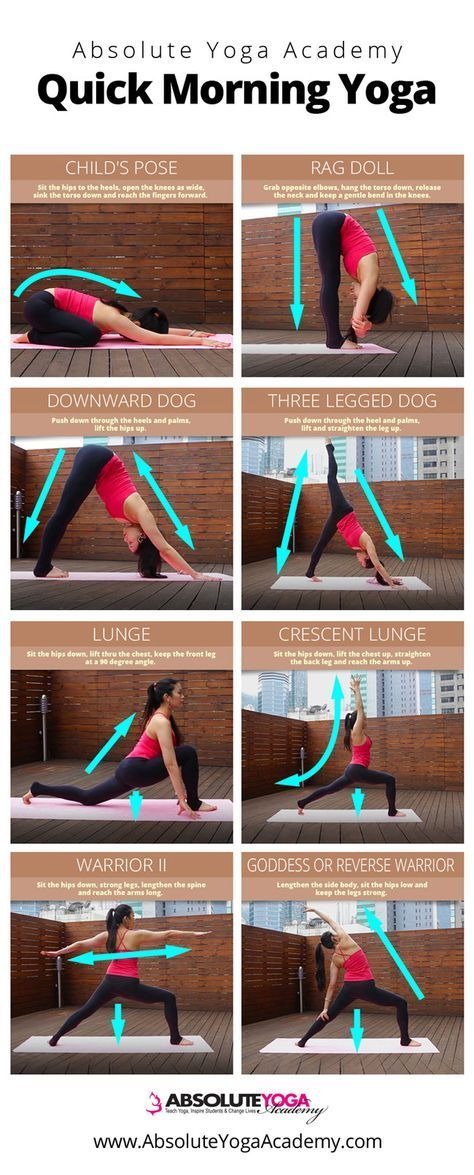
Someone new to teaching described the problem of picking a pace for a mixed-ability class after trying both an energetic Ashtanga-inspired salutation and a gentler Hatha-style one.
I’m new to teaching but I now teach in a gym.
Last week I started the class with my own take on Ashtanga sun salutations. (Not so different but not holding down dog for 5 breaths just for one)
One of my students today said to an older gentleman who didn’t attend last week that my sun salutation warm ups are really intense and he said how much he enjoyed it. However, this week I decided we would do traditional Hatha sun salutations. This was definitely gentler and I felt better for some of the students that couldn’t keep up with the more intensive one last week.
I’m a bit confused now about how I should continue… I love my sun salutations, and it’s the highest energy point of my class so I want it to be effective. It’s really mixed ability every week.
Is it ok to do my own variation of an ashtanga sun salutation? I’m not sure how to go forward now!
In a mixed group, pick the version whose pace fits the people in the room. A demanding flow appeals to some students, and others need a gentler one.
Stop if you feel pain, dizziness, or a loss of stable control. Pregnancy, older age, significant injuries, spinal conditions, balance problems, and other health concerns call for individualized guidance from a qualified instructor. The National Center for Complementary and Integrative Health's yoga safety guidance covers these precautions.
Common Mistakes and a Quick Sequence Check
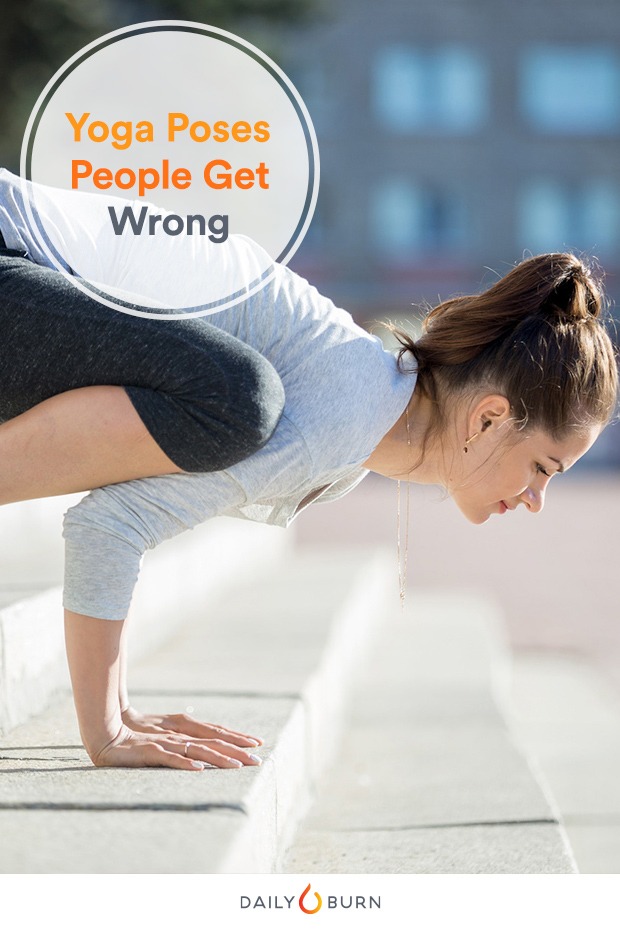
The main counting error in B is skipping one Warrior I side or missing the steps between them.
- Confirm the sequence. A has nine counts; B has seventeen.
- Check both Warrior I sides in B. Right at count seven, left at count eleven.
- Check the return. A rises with arms overhead at count nine; B reaches Chair at count seventeen before the final standing exhale.
How Many Rounds Are Enough, and Is B a Better Workout?
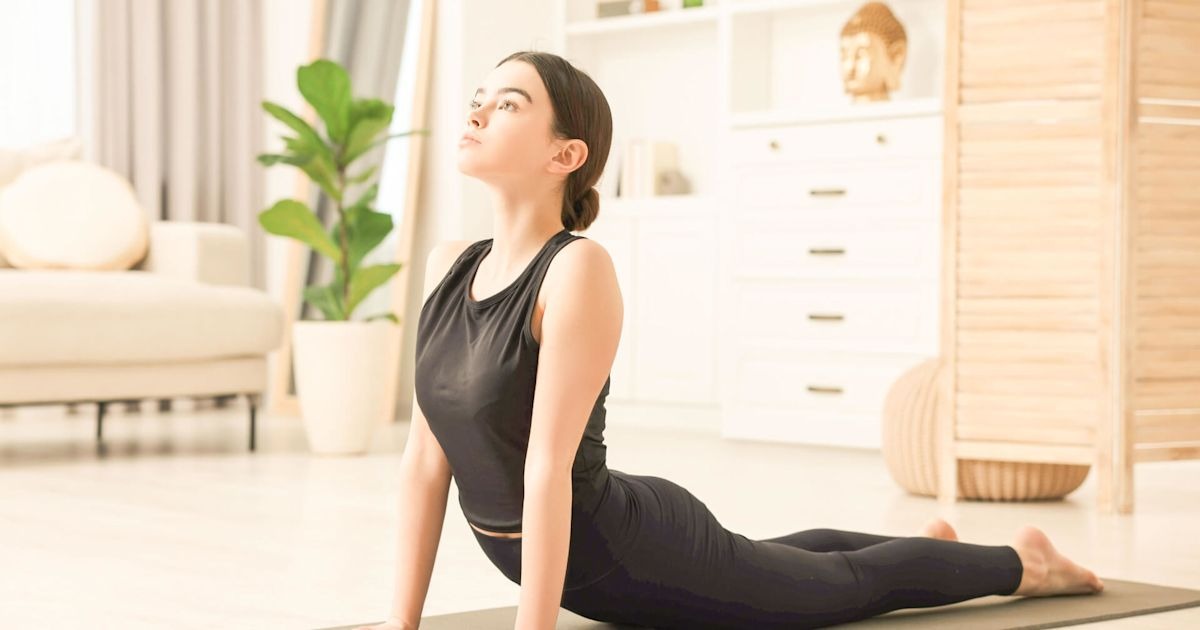
The Ashtanga references used here describe five rounds of A and five of B, a traditional convention beginners can scale down. B is the harder sequence.
Round counts show how many times you ran the flow. They leave out hold length, pace, rest, and modifications, all of which change the work involved.
A practitioner who attempted 108 rounds of A described changing the lowering as fatigue built.
Lately, I have seen many posts, articles, and videos about the significance of doing 108 Surya Namaskar. I took this as a sign to go for it and do it myself. I have been practicing yoga about two years, and I completed my 200 hour yoga teacher training last year. I was not sure which type of Sun salutation to do, so I did 108 Ashtanga Surya Namaskar A, since my teaching mostly revolves around vinyasa sun A, and the two are similar. Near the end my arms got tired and I did cobra instead of chataranga, and I skipped a few chatarangas here and there and went straight to down dog. But I mostly got through it. Has anyone else done this? If so, what type of Sun salutation do you use?
Tired arms pushed them to Cobra in place of Chaturanga. When your control slips, cut the rounds.
In a 2014 observational abstract, 20 experienced women followed a standardized 22-minute Sun Salutation B video. Researchers reported a mean maximal oxygen-uptake value of 16.8 ± 2.43 mL/kg/min, equivalent to approximately 4.85 METs. This protocol was not a direct A-versus-B calorie comparison. Read the Kloubec study abstract.
B has more prescribed standing poses and weight-bearing transitions per traditional round. Whether it's a better workout for you depends on the challenge you want and the transitions you can control.