
Yoga, Stretching, or Mobility: Find Your Starting Point
Choose stretching for a specific range-of-motion goal, controlled mobility when moving through a range with control matters most, or yoga when its mix of poses, movement, and breathing suits you. Start with a version you can manage. If a position or class causes concerning pain or is too difficult to control, change your approach and use the relevant detailed guide or qualified instruction.
A hip stretch, a mobility exercise, and a yoga flow can look similar in a video. Yet one may focus on entering a position, another on controlling movement, and another on a sequence that includes breathing and transitions.
The question worth settling first is what you want to do. From there, the physical demands and the type of instruction narrow your options.
How to choose your starting practice
Pick one primary aim: exploring a comfortable range of motion, improving control through movement, or finding a broader yoga practice. Then use the next question that sounds most like yours.
| Your situation | What changes the choice | Direction and next entry |
|---|---|---|
| You want flexibility-oriented poses | A full-looking pose is difficult or uncomfortable to enter | Look for accessible variations in Yoga for Flexibility |
| You are interested in a particular hip or shoulder movement | You need instructions for one position, including its limits | Explore the 90/90 hip stretch or wall angels |
| You want yoga but are unsure about its pace | A gentle class, vigorous style, and linked sequence ask different things of you | Compare Power Yoga with the separate Sun Salutation A/B sequence guide |
| You have a specific pose or sensation question | Kneeling comfort matters for one pose; curiosity about stretching is an explanation question | Read about Vajrasana or why stretching feels good |
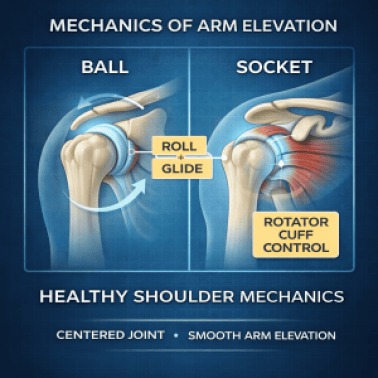
Consider an arm movement that feels possible when supported but unsteady when you move through it yourself. That points toward an active-control goal. The wall angels and 90/90 entries cover individual movements; this directory has no complete controlled-mobility program. If reaching the position itself is difficult, your first question concerns comfortable range, technique, or an accessible variation.
No single method is best for everyone. The same reader might choose a targeted stretch for one goal and a yoga class for another.
What yoga, stretching, and mobility involve
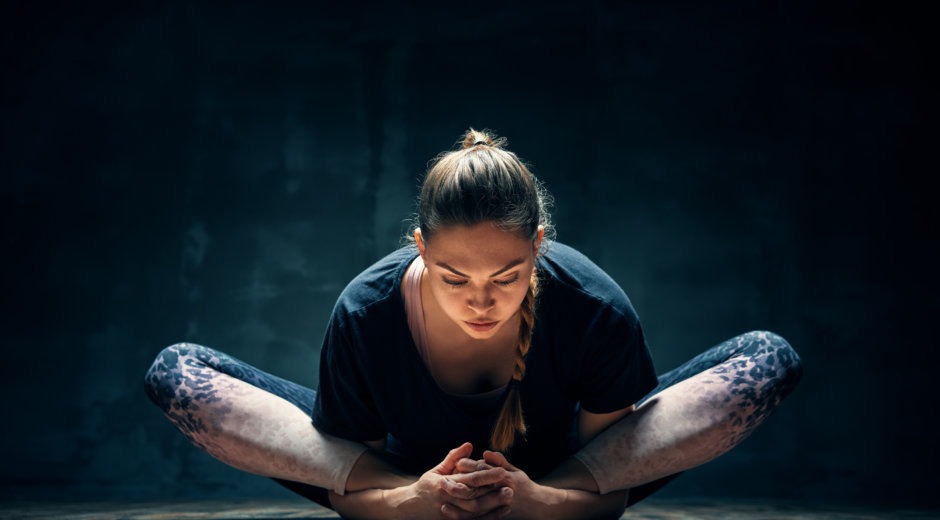
A held stretch and an actively controlled movement can involve the same joint while asking different things of you. Yoga may include both alongside postures and breathing.
The National Institutes of Health overview of yoga describes physical postures alongside breathing techniques and other components. What happens in a session varies by style and instructor.
| Approach | Useful starting goal | What you may do | Key demand |
|---|---|---|---|
| Targeted stretching | Explore a particular range of motion | Hold or move into a directed position | Enter the position comfortably |
| Controlled mobility | Develop deliberate movement through a range | Move a joint actively and with control | Manage the movement without forcing it |
| Yoga | Practice a mix of poses, movement, and breathing | Use positions, transitions, or a sequence | Match the format and pace to your abilities |
Resistance exercise can also improve range of motion in some studied programs, a useful consideration for people who already lift weights.
Find a starting level you can manage
The label beginner cannot tell you whether an individual starting position will feel accessible. Pay attention to the actual demands of the movement.
- Kneeling: Vajrasana places the body in a kneeling position, so kneeling comfort is a relevant constraint.
- Standing balance: Some poses require balance before a person can focus on the rest of the movement.
- Loading through arms: Positions supported on the hands or shoulders ask something different from a standing movement against a wall.
- Hip position: The 90/90 exercise has a specific leg arrangement that may call for an easier variation.
Cleveland Clinic's 2026 beginner yoga guide describes six positions and discusses props and instructor help. The examples show why a starting practice can offer more than one way into a pose.
Try the starting position within a comfortable range. If the shape is difficult to enter or hold under control, a supported version or a different movement may be the appropriate entry. Details of individual variations belong in the focused exercise guides.
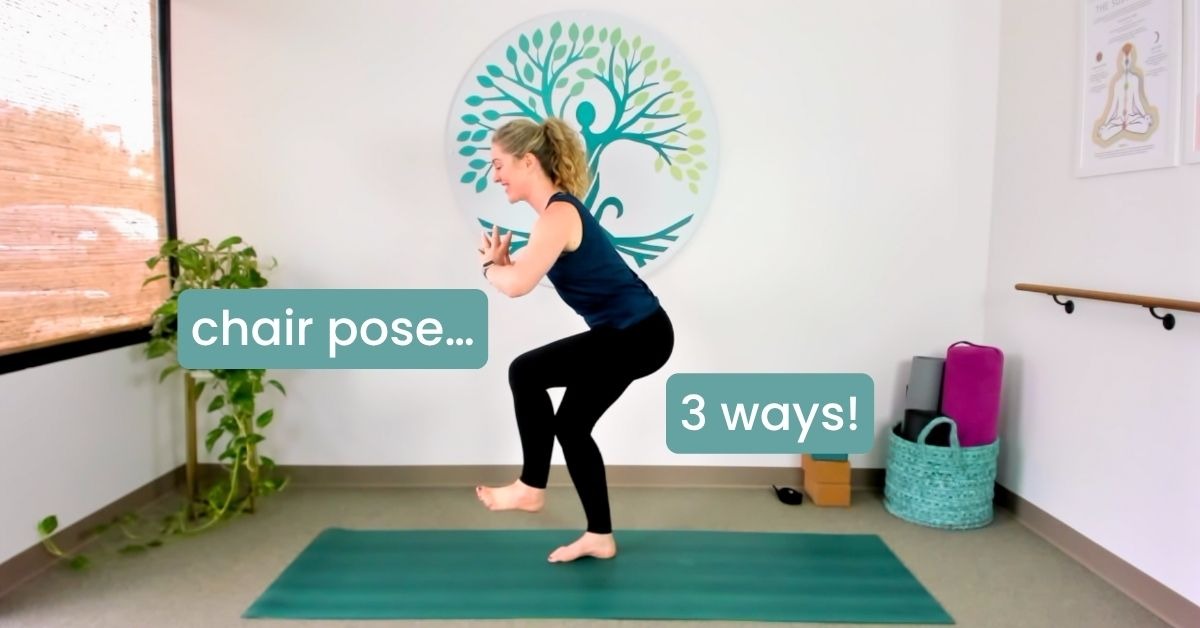
Do my heels have to reach the floor in Downward Dog?Heel contact alone is not a reliable way to judge a person's mobility or the value of a yoga practice. The pose can be approached with attention to comfort, control, and the version being taught.
Gentle yoga, Power Yoga, or a flowing sequence?
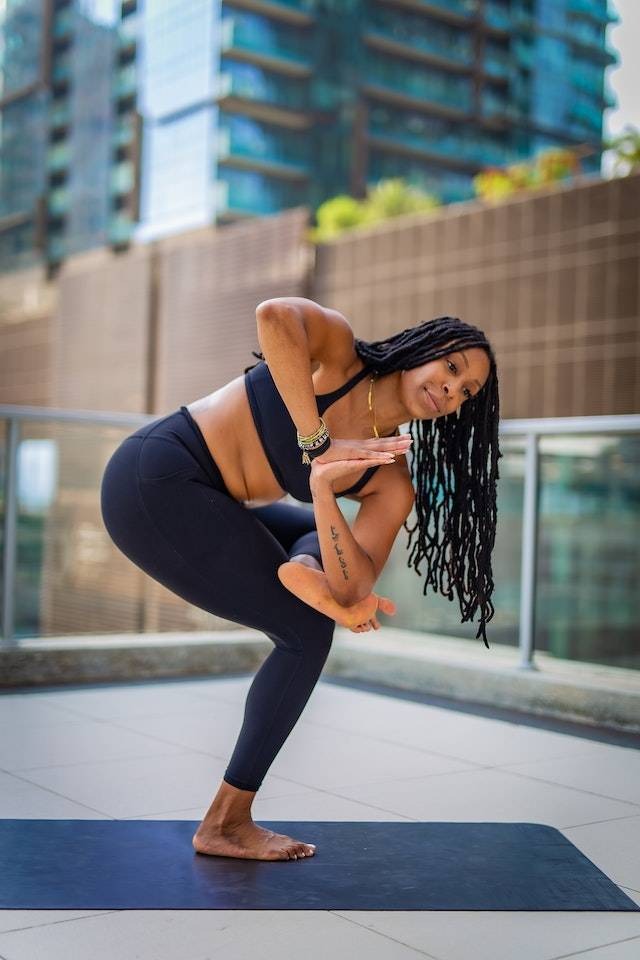
Slower beginner-oriented yoga may provide more time to learn individual positions, while a flowing session asks you to coordinate transitions. Cleveland Clinic compares seven yoga styles that differ in pace, intensity, and other demands, although individual classes vary. Power Yoga names a style of practice; Sun Salutation A and B name specific sequences. When choosing a class, look at its pace and transitions, especially if repeated arm loading or rapid movement would be difficult for you.
Find the detailed guide for your next question
| Your specific question | Focused guide | Detail that belongs there |
|---|---|---|
| Which yoga poses suit a flexibility goal? | Yoga for Flexibility: Poses, Progressions, and Limitations | Pose selection, modifications, and progression |
| How does a 90/90 hip position work? | 90/90 Hip Stretch: Technique, Variations, and Common Mistakes | Setup, technique, and variations for one hip exercise |
| How do I do wall angels? | Wall Angels: Technique, Benefits, and Common Mistakes | One upper-body wall movement and its common errors |
| How do Sun Salutation A and B differ? | Sun Salutation A vs. B: Sequences and Key Differences | The movements and distinctions between the sequences |
| Would a kneeling yoga posture suit me? | Vajrasana in Yoga: How to Practice and What to Know | Pose setup and limitations associated with kneeling |
| Why can stretching feel pleasant? | Why Does Stretching Feel Good? What Research Suggests | Possible explanations for the sensation and evidence limits |
| What should I expect from Power Yoga? | What Is Power Yoga? Style, Structure, and What to Expect | Style and likely session characteristics |
Choose a practice you can repeat
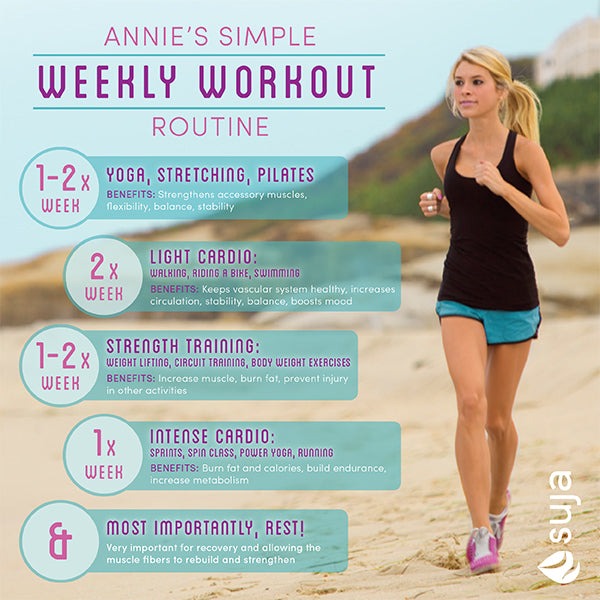
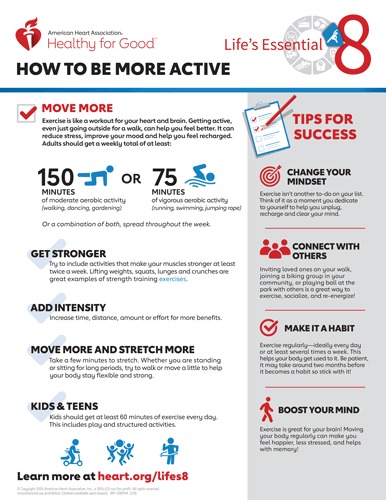
A short self-guided session may suit someone who knows the movements and has little free time. Someone learning an unfamiliar sequence may prefer a slower instructed setting. The US Move Your Way activity planner includes yoga among possible physical activities, without specifying a universal yoga schedule for this decision.
One Reddit contributor described a modest personal routine:
20ish minutes of yoga 3 times a week. The calming presence of thought is all well and good, but the stretching has eliminated any back pain and the mobility limitations it was causing. Pretty incredible output for such a small input of time.
The writer reports personal back-pain relief. That experience does not establish a treatment effect or a recommended weekly dose for others.
Compare the time you can reliably set aside with the attention the session requires. A format you can follow comfortably is a more credible starting choice than a longer session that does not fit your circumstances.
Know when to modify or stop
Some poses and class formats are more demanding than others. The National Center for Complementary and Integrative Health discusses yoga-related injuries, modifications for particular circumstances, and caution around extreme positions.
When pain changes the plan: Stop the movement if symptoms are sharp, worsening, or otherwise concerning. Seek qualified assessment for persistent or severe symptoms. An online movement guide cannot diagnose the cause or prescribe rehabilitation.
Qualified instruction can help with unfamiliar technique, although supervision does not eliminate exercise risk.
Check whether the practice meets your goal
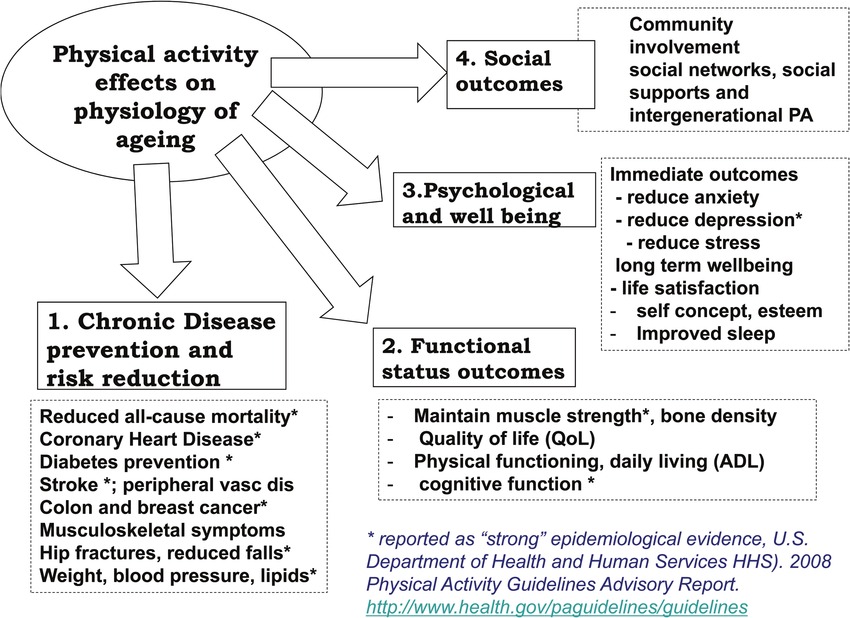
Research can tell you something about measured range of motion or balance. For choosing a practice, the outcome being measured must match the improvement you are hoping for.
| Research | Evidence reviewed | Main relevant result | Limit for this decision |
|---|---|---|---|
| Chronic stretching review, 2024 | 77 studies | The pooled analysis found improved joint range of motion with chronic stretching versus control | Programs and responses varied; no universal duration follows from the review |
| Resistance exercise versus stretching review, 2021 | 11 trials; 452 participants | No statistically significant pooled between-group difference detected for range-of-motion improvement | The result does not establish equivalence for every joint, exercise, or person |
| Yoga and balance review, 2025 | 18 randomized trials; 1,408 participants | Possible balance improvement | Evidence certainty was low; no clear bone-density improvement |
| Yoga and spine/shoulder mobility review, 2024 | Eight studies | Some studies suggested improved spine mobility in people with chronic low-back pain; shoulder evidence was limited | Small, mixed samples limit transfer to other populations and movements |
Range-of-motion evidence speaks to a flexibility goal. Yoga balance findings give a more tentative basis for choosing a practice specifically to improve balance.
Does better balance on a yoga test mean fewer falls?The reviewed evidence suggested a possible effect on balance measures, but it did not establish that a particular yoga practice prevents falls. The certainty of that evidence was low.
For a nonclinical check, return to the same movement on different occasions and notice whether you can perform it with more comfortable control. This observation helps you judge the fit of a practice; it is not a diagnosis or a clinically validated outcome measure.
Choose stretching for a specific range-of-motion goal, controlled mobility when movement control matters, or yoga when its combination of poses, movement, and breathing fits your interests. If a position or class becomes uncomfortable, hard to control, or associated with concerning pain, use a manageable alternative and seek the appropriate detailed guide or qualified instruction.
Explore this topic
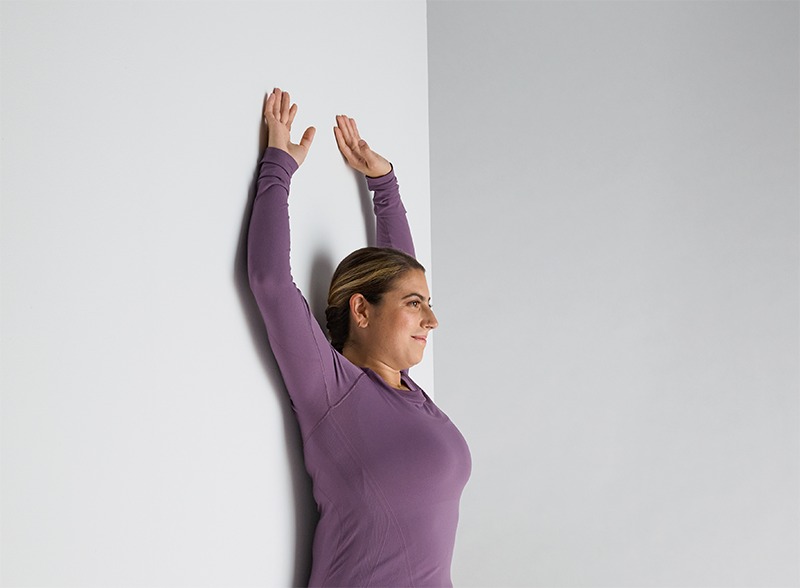
Wall Angels: How to Do Them, Fix Form Problems, and Modify the Move
Learn how to do wall angels, troubleshoot floating wrists or elbows, choose a shorter range or floor variation, and recognize symptoms that require stopping.
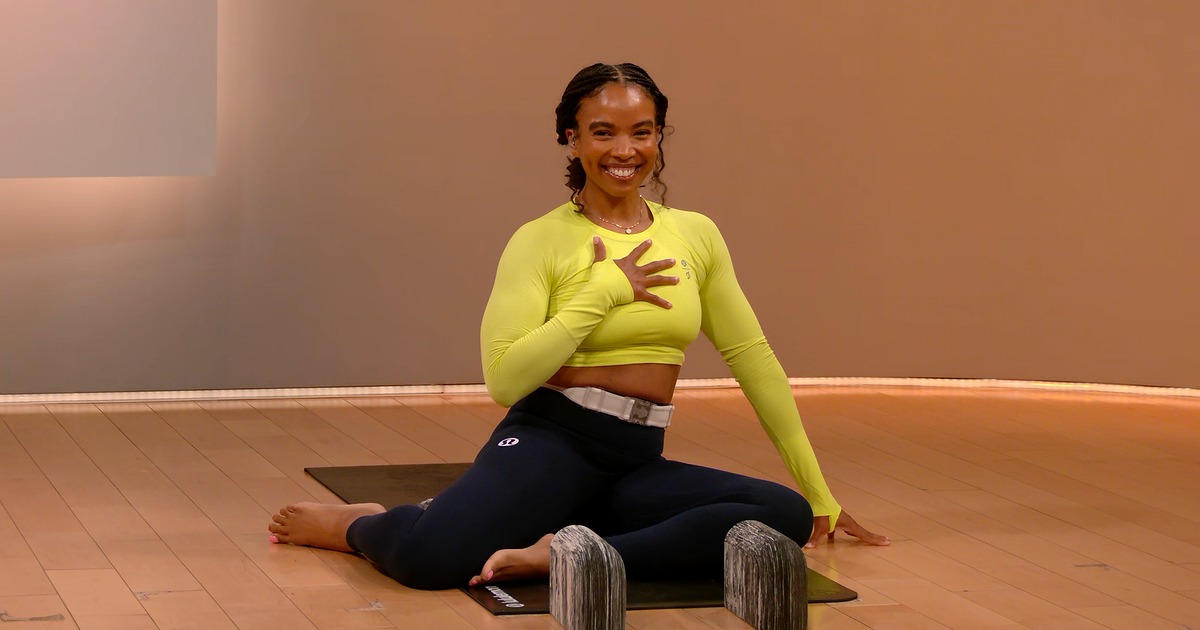
90/90 Hip Stretch: How to Do It, Modify It, and Avoid Common Mistakes
Learn the seated 90/90 hip stretch, choose hand or block support, correct positioning mistakes, and know when to stop for pain or pinching during practice.
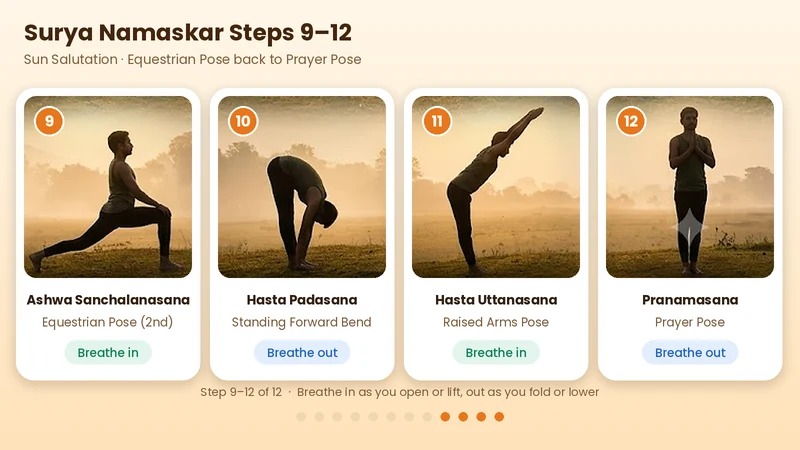
Sun Salutation A vs. B: Sequences, Breath, and How to Choose
Compare Ashtanga Sun Salutation A's 9 counts with B's 17, follow each breath and both Warrior I sides, and choose modifications for your practice.
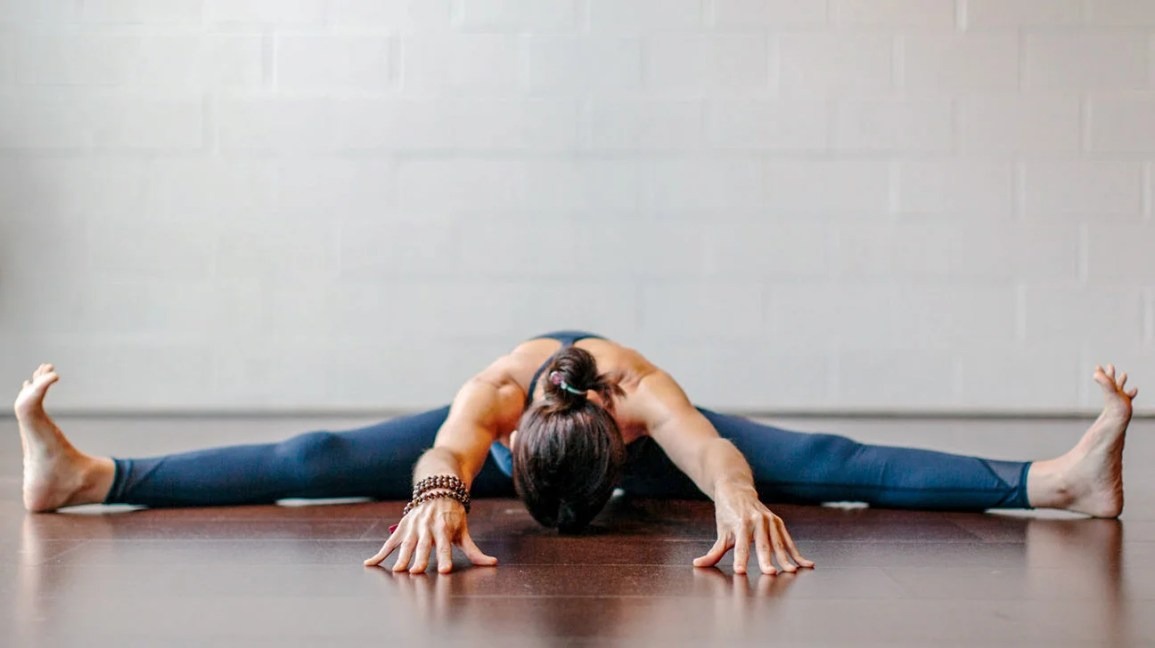
Yoga for Flexibility: Poses You Can Adapt and a Short Routine
Choose yoga poses for tight-feeling hips, hamstrings or shoulders. See supported variations, a 12-minute routine, safety cues and a repeatable progress check.
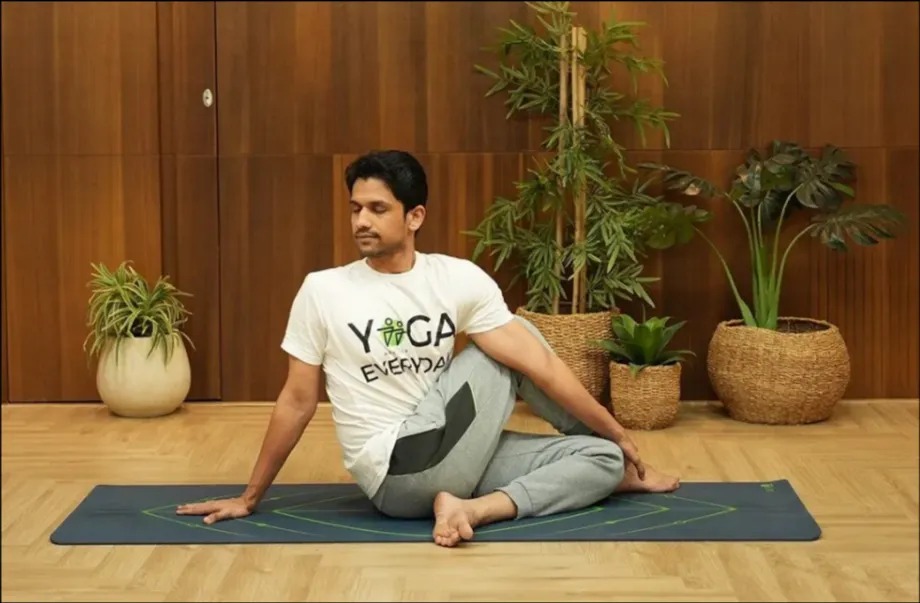
Vajrasana (Thunderbolt Pose): How to Practice, Modify, and Understand the Benefits
Learn the Vajrasana kneeling position, how to choose support for knee or ankle pressure, when to stop, and what yoga research can say about its benefits.
Why Does Stretching Feel So Good? The Science Behind the Sensation
Why does a morning stretch feel wonderful while a gym hold feels hard? Explore muscle sensing, autonomic research, and the signs that mean ease off.
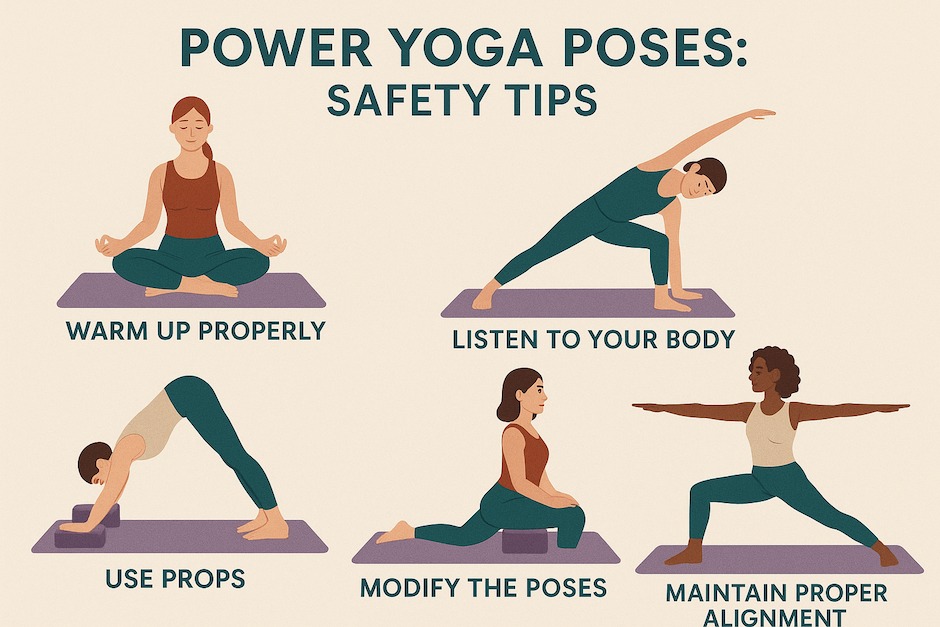
What Is Power Yoga? What to Expect and How to Choose a Class
Learn what power yoga involves, how it compares with Vinyasa and hot yoga, and five questions about heat, pace, level, and modifications before booking.