Why Does Stretching Feel So Good? The Science Behind the Sensation
Stretching changes the signals your muscles send, and your brain reads them in context. The context can make an identical stretch feel satisfying in bed and unremarkable at the gym. No single feel-good chemical has been shown to explain it.
Think about the long stretch you take after waking. Your arms reach overhead, your back lengthens, maybe you yawn, and for a moment the movement feels almost absurdly satisfying.
Now picture a hamstring stretch at the gym. You hold the position, watch the seconds pass, and wonder why something that felt wonderful in bed suddenly feels like work. Both are stretching. The setting and your experience of it are very different, and the same person can enjoy one and dislike the other.
Why a stretch can feel satisfying almost immediately

Stand up after sitting at a desk and reach overhead; it feels like instant relief, though your flexibility hasn't changed. Your body sends different pull and movement signals, and your brain reads them against what you were doing a moment ago. The good feeling can come while you move or after you release the position.
How your muscles sense a stretch
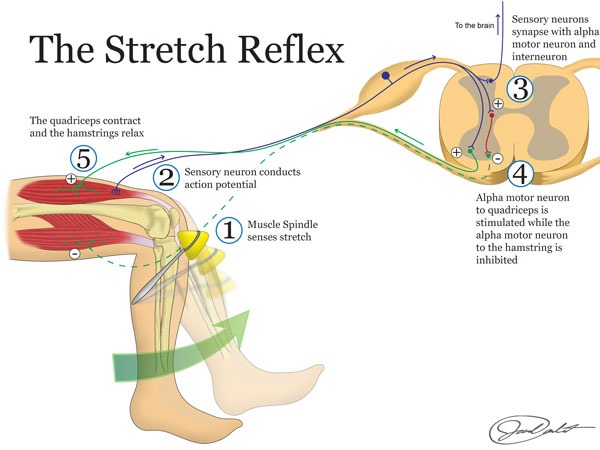
Even with your eyes closed, you know where your arms and legs are. This sense is called proprioception, and it depends partly on sensory information from muscles and tendons. Stretching changes that information.
Muscle spindles respond to muscle length and changes in length. They help the nervous system detect movement and coordinate stretch reflexes. Golgi tendon organs respond to tension carried through muscles and tendons. The NCBI Bookshelf chapter on proprioceptive mechanoreceptors describes these separate roles. Both send mechanical information that the nervous system then interprets.
A gradual hamstring stretch might register as a broad, comfortable pull. A sharper or more forceful version can feel unpleasant. Receptors send the signal. Your brain decides how it feels.
Researchers have also asked why people reach farther after stretching. Weppler and Magnusson's 2010 review points to higher tolerance of the position as one reason, alongside mechanical changes.
Why a morning yawn-and-stretch feels different from a gym hold
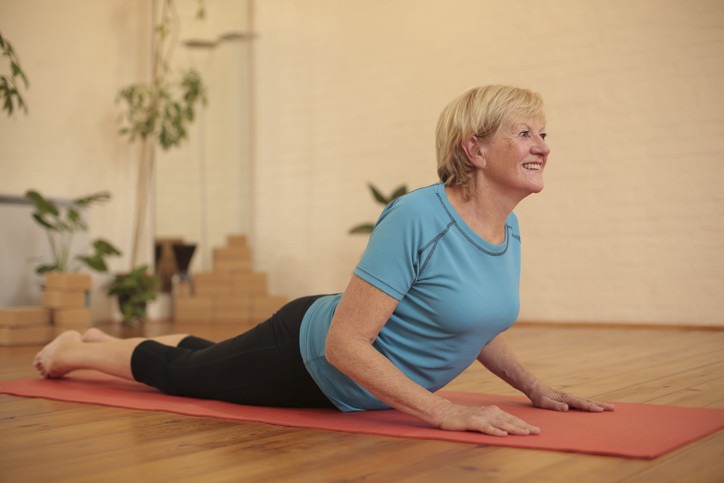
That instinctive reach and yawn on waking is called pandiculation, a spontaneous stretch-yawn often tied to the shift from sleep to wakefulness. A deliberate static stretch holds a joint in a chosen position. Dynamic stretching moves repeatedly through a range with no sustained hold. For a practical look at stretch sensation, hip mobility and supported positions, see the 90/90 hip-stretch guide.
| Situation | Movement | What shapes the sensation |
|---|---|---|
| Waking in bed | Spontaneous yawning and reaching | It happens on its own as you wake |
| Standing after desk work | Changing position after sitting | The contrast between stillness and movement |
| Holding a gym stretch | Deliberately holding a position | Sustained tension and a flexibility goal |
A morning stretch usually ends as soon as it feels good. A gym hold continues because you've decided to train flexibility. Cleveland Clinic describes pandiculation as a distinct behavior, and a 2022 review places it in the wider literature on yawning and stretching.
What happens during a stretch and after you let go
Stretching changes autonomic activity, but the direction of the change depends on the protocol and on when researchers measure. You can feel calm after a stretch even though an experiment detects activation during the movement itself.
The autonomic nervous system includes sympathetic and parasympathetic activity. Both take part in everyday regulation, including adjusting to physical demands and recovery. Researchers can measure certain signals from these systems, but a pleasant feeling doesn't tell you which one is active.
| Research setting | Measured result | What it shows |
|---|---|---|
| Passive forearm stretching in 11 healthy young adults, 2026 | Sympathetic nerve activity and mean arterial pressure rose during stretching | A stretch can provoke acute sympathetic activity |
| Hamstring stretching at different intensities in 19 healthy young adults, 2023 | No statistically significant overall between-intensity differences in the measured brain and autonomic responses | Intensity alone did not separate the tested responses |
| Review of neurological and psychological responses, 2026 | Acute and later recovery or repeated-practice responses can differ | Timing and outcome matter |
The 2026 passive forearm stretching study by Lehnen and colleagues recorded a rise of about 10 mmHg in mean arterial pressure. Higher measured stretch torque went with a greater increase in sympathetic burst incidence. It was a small, controlled forearm experiment and did not measure how pleasurable the stretch felt.
In that 2026 forearm experiment, the researchers used five one-minute passive stretches separated by 15-second rests.
Endorphins play a part in pain modulation. Dopamine and serotonin work across the nervous system. The studies here don't show what role they play in everyday stretching pleasure.
Why stretching feels wonderful to some people and awful to others
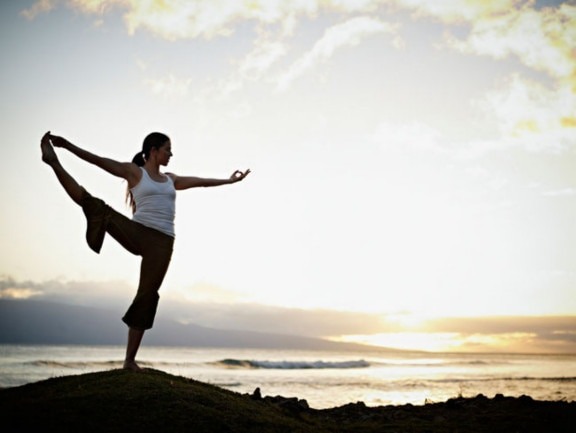
Some people enjoy a gentle pulling sensation. Others find the same hold a chore. One participant in a flexibility discussion put it plainly: “it feels like such a chore!!!” Experience also varies between body regions and from day to day.
Reaching a hard-won flexibility goal brings its own satisfaction. A participant in r/flexibility described the feeling after a yoga class and a personal backbend milestone:
I’m going to stack my shoulders better next time I do this one, don’t worry :)
ROUTINE: I’ve been more consistent with stretching recently, at least 4 times a week after I work out, plus any yoga classes I go to. My basic back stretching routine is pretty minimal since I tend to focus on legs, but I go through cat, cow, then cobra a few times, working to unlock all sections of my back before I go into a backbend. That’s pretty much it.
Today, I’d just gotten out of a back focused yoga class and I felt really open, so I decided to stretch a little bit more and get into this one. It feels like such an accomplishment to be able to stretch this deeply :))
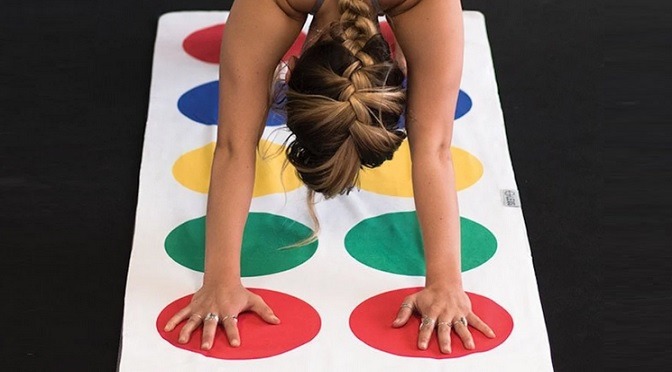
An everyday stretch feels good for different reasons and needs no milestone.
When a good stretch becomes too much
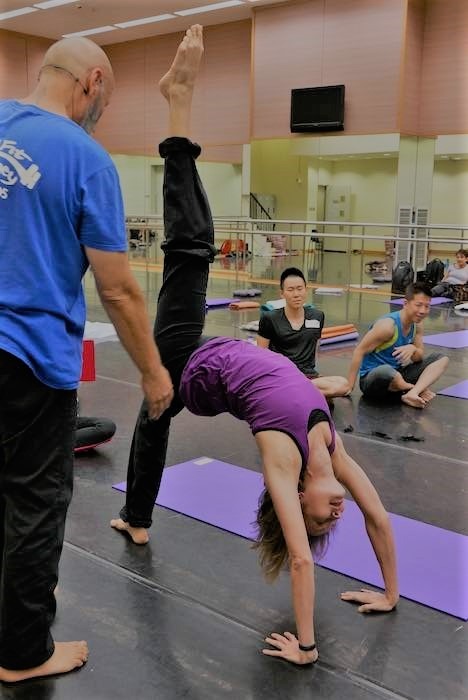
A comfortable muscular pull means something different from sharp pain, pinching, numbness, tingling, or symptoms that get worse. Chasing a more intense sensation by stretching farther can turn a pleasant activity into an uncomfortable one.
A participant who had spent years working toward splits described what happened after ongoing stiffness and hip pain led to a physical therapy visit:
Hi everyone! I’ve been in this sub for the past 3 years working towards a split. I went to the physical therapists because I’m starting to have some hip pain. Here’s what we found out today.
1. Stretching everyday doesn’t work for everyone, for me it was causing my muscles to get tighter due to be overstretched. I noticed in the beginning of my journey I made the most improvements and felt like a rubber band when I had lots of days to recover. Every time I tried everyday I was hit with stiffness and pain.
2. My abductors and my hip flexors are extremely tight. They told me I seem to be less flexible than the average person in the hips. When they had me squat I could not squat low at all. Makes sense why my plies in dance are brick walls.
3. They told me my IT bands are extremely tight. They have me coming to physical therapy 2x a week.
4. Holding stretches too deep! They told me if I start to shake or feel pinching it isn’t normal.
5. you guys were right, the assisted stretching place called more harm then good. They overstretched me aswell.I’m excited to see them teach me how to properly stretch. They did notice my hips pop a lot, and they did tell me it feels like it’s my muscle/sliding over the bone.
I’m excited to do my PT journey and keep you guys updated! They do think they can help me achieve a split. It probably won’t be cooch to floor, but I could care less as long as I can touch ground safely. Happy stretching everyone! Remember to listen to your body and do what works for you.
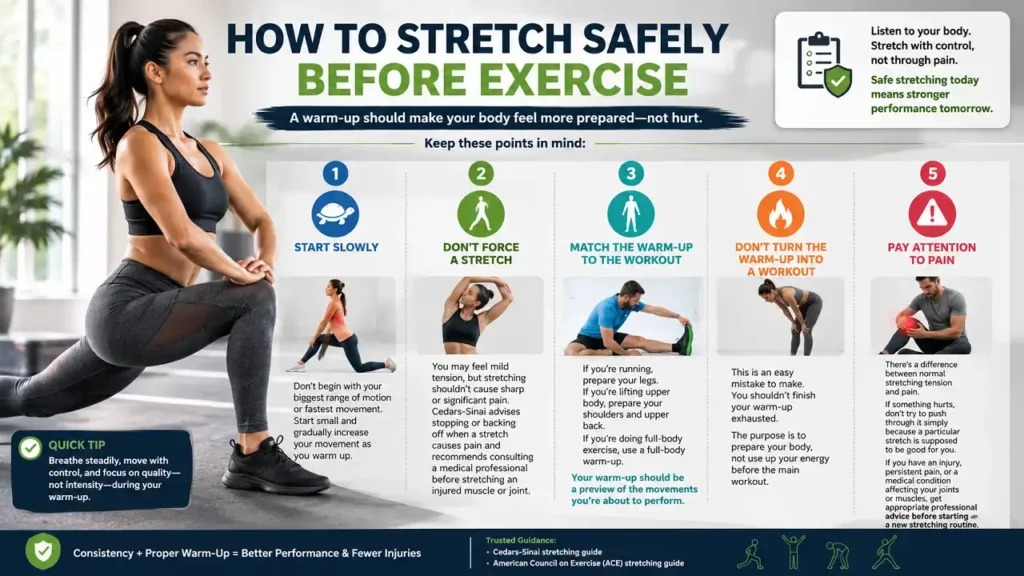
The Mayo Clinic guide to stretching recommends controlled movement toward tension without forcing pain. Use this table to read what you feel:
| What you feel | What to do |
|---|---|
| Manageable muscular tension | Continue gently while it stays comfortable |
| Discomfort increasing with depth | Ease out or reduce intensity |
| Sharp pain, pinching, numbness, tingling, or worsening symptoms | Stop; seek qualified assessment if symptoms are concerning or persistent |
A pop on its own doesn't tell you which tissue is involved. Reduced function afterward is another warning sign.
Does feeling loose mean the stretch is working?
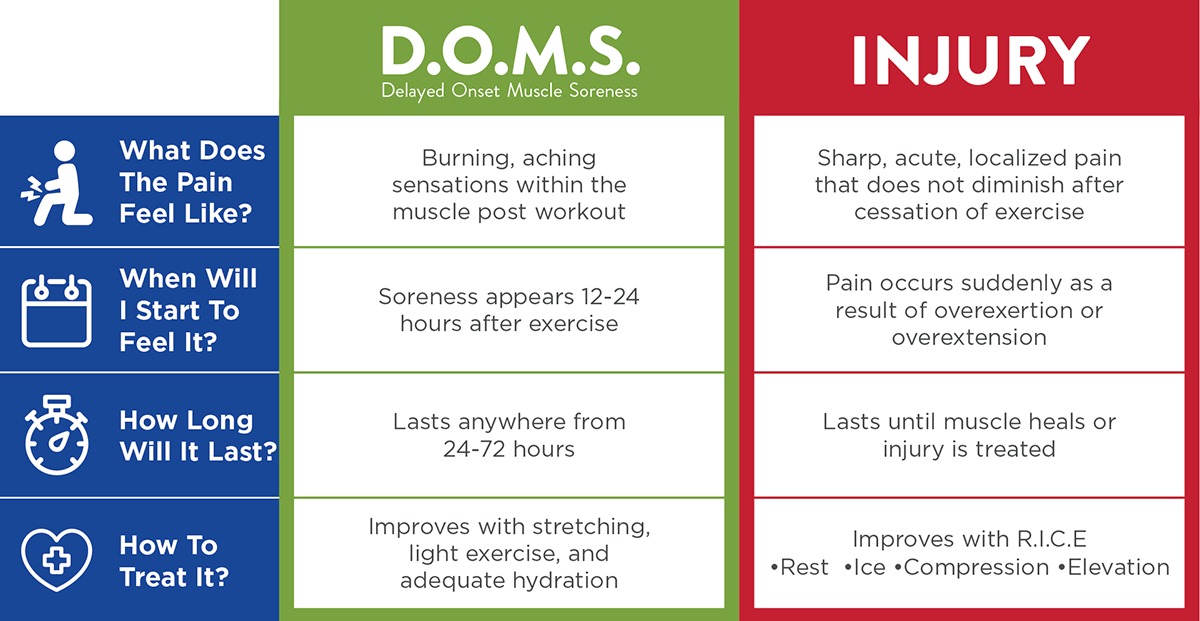
Feeling loose is something you notice immediately. Research on stretching benefits usually measures range of motion, stiffness, soreness, or performance over a different timescale.
| Outcome | What the evidence supports | What it means |
|---|---|---|
| Immediate satisfaction | Individual subjective experience | Describes the moment, not training effects |
| Range of motion | Stretching can increase ROM acutely and with repeated practice | Track it through comparable movements over time |
| General injury prevention | Not supported as a broad benefit by the expert consensus | Specific injury types and populations need separate evidence |
| Post-exercise soreness and recovery | Trials have not established a clear advantage over passive recovery; evidence confidence is very low | Comfort after a session and recovery outcomes are different things |
| Posture correction | No general correcting effect supported by the consensus | Posture needs its own assessment |
The 2025 international expert consensus on stretching supports range-of-motion gains and reductions in passive muscle stiffness. The panel had 20 experts and required at least 80% agreement for consensus.
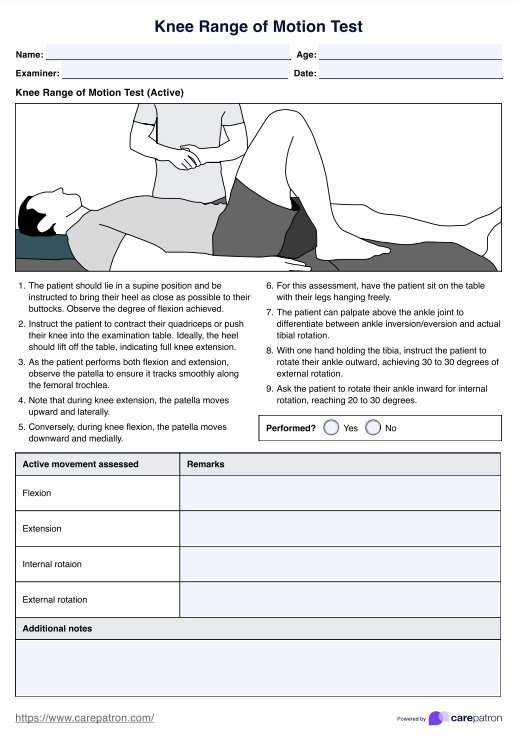
A 2021 systematic review compared post-exercise stretching with passive recovery. Eleven randomized trials entered its qualitative analysis and ten its meta-analysis, with 229 participants. The researchers did not establish a recovery or soreness advantage, and trial differences and very low confidence in the evidence limit that conclusion.
Measure range of motion under comparable conditions across sessions if improved flexibility is your goal. That tracks the outcome you're after.
A sensible way to respond when stretching feels good
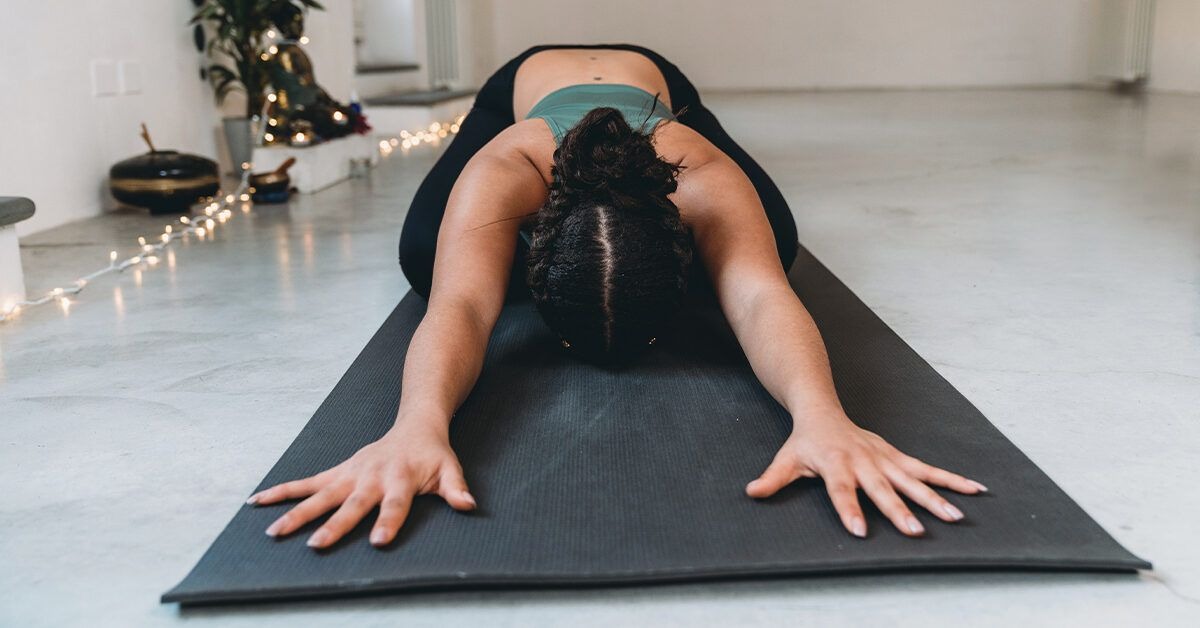
After sitting, a brief comfortable stretch is enough when all you want is to move. A deliberate flexibility hold is a different activity that needs preparation and controlled positioning.
For intentional sustained stretching:
- Warm up first. Light walking or another easy movement prepares you to hold stretches.
- Move gradually. Ease into a comfortable position without bouncing or chasing maximum depth.
- Keep the goal modest. A quick stretch for comfort doesn't need to become a timed flexibility workout.