
90/90 Hip Stretch: How to Do It, Modify It, and Avoid Common Mistakes
In a seated 90/90 position, both knees bend 90 degrees while the front hip rotates outward and the back hip rotates inward. Begin with a supported version. Use your hands or a cushion for support, and learn the static position before trying hands-free switches. If you feel pain, pinching, or discomfort that lingers, stop and see a doctor or physical therapist.
Which hips rotate in a seated 90/90 stretch?
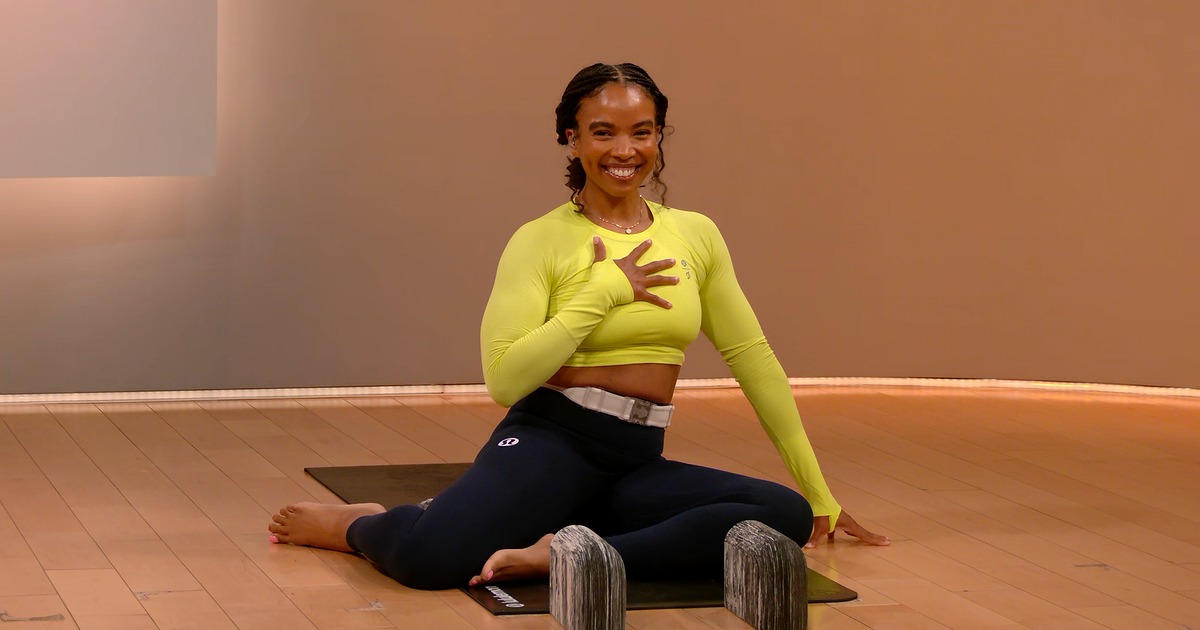
In the seated 90/90 stretch, each leg holds a different hip-rotation position. One knee bends in front of you, with its shin across the floor. The other knee bends out to the side and behind you. From above, the legs form two right angles.
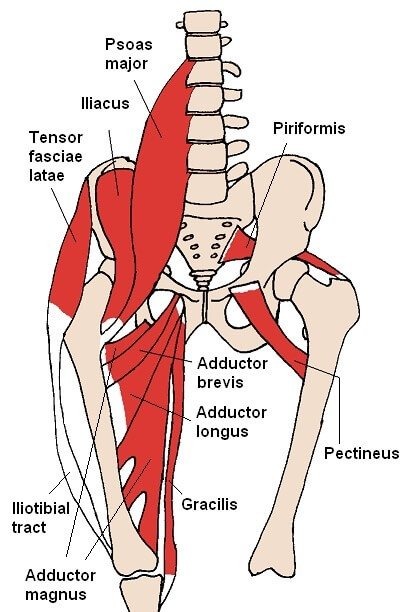
The hips do the rotational work: the front thigh turns outward (external rotation), while the back thigh turns inward (internal rotation). The femur, or thigh bone, moves relative to the pelvis within the hip joint.
The labels follow position, not the leg itself. When you change sides, the roles reverse.
My flexibility is generally pretty good and I don’t have any mobility issues. But when I try to sit like this, the outer hip of the externally rotated leg (where the red corner is in the pic) doesn’t bend in and I can only do it by leaning forward or to the side over the other leg.
Any ideas why I can’t sit straight like the guy in the pic? It feels like hip is scrunched up really tightly and won’t let me bend the leg out. When I come out of the position, my hip (glute med and glute min area) feels like I’ve flexed the muscle really hard. Is it a matter of mechanics, e.g. the bones are too close together or my hip just doesn’t bed that way? Is it just really tight? I don’t have trouble moving the hip in any other direction. Same on both sides. Thanks for any insight.
Before you arrange your legs, work out which thigh is in front and which is behind in the demonstration. Judge the position by where the thigh points at the hip joint; twisting the foot or levering the knee won't replace that movement.
The name can also refer to a different exercise. The ACE Fitness supine 90/90 hip-rotator stretch is performed lying down. The instructions below cover the seated version.
First decide whether to try, modify, or stop
A useful 90/90 position feels controllable, with room to adjust your legs and add support.
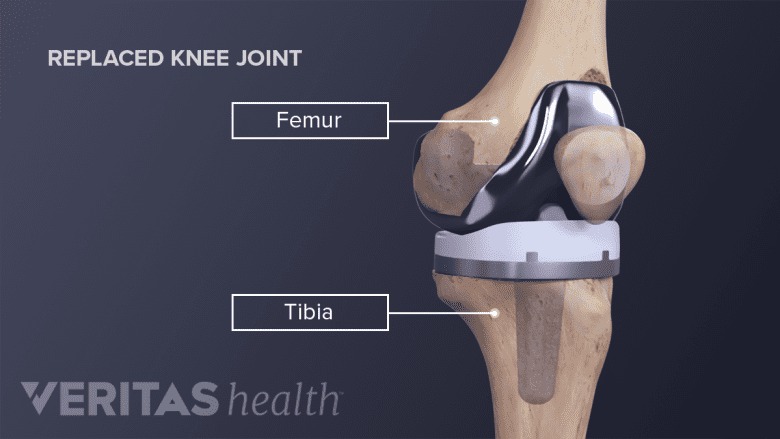
Cleveland Clinic's 90/90 stretch guidance advises avoiding this stretch if you have hip impingement or a history of hip or knee replacement. With significant knee problems, such as a meniscus tear or arthritis, a different movement may suit you better. See a doctor or physical therapist before trying 90/90.
| What happens | Decision | Next step |
|---|---|---|
| You have none of the medical exclusions above, and you can arrange your legs and stay steady | Try | Start with the basic supported hold |
| Your position feels awkward, your knee hovers, or you need help balancing, without pain | Modify | Use an easier angle or add support |
| You feel sharp pain, pinching, or discomfort that lingers | Stop | Leave the position, and see a doctor or physical therapist if symptoms continue |
How to set up and hold a basic seated 90/90
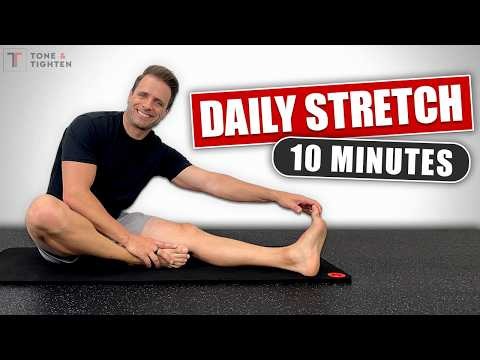
Sit on a mat or a soft floor surface with room around your hips and legs. Start with your hands on the floor for balance.
- Arrange the front leg. Bend one knee in front of your body and rest the shin across the floor. The front thigh rotates outward at the hip.
- Place the rear leg. Bend the other knee out to the side and behind you. The rear thigh rotates inward at the hip, with the shin pointing away from your body.
- Set the knee angles. Aim for 90-degree bends on both sides, and let your knees and shins settle where you can reach.
- Support your torso. Rest your hands beside or slightly behind you. Settle your pelvis and shoulders so you can breathe and stay steady.
- Hold, exit, and change sides. Hold the position, release the legs gently, and repeat with the opposite leg in front.

Cleveland Clinic suggests holding for 20 to 60 seconds. Stop sooner if it stops feeling easy.
Exit with care. Use your hands to move one leg at a time back to an ordinary seated position. Don't swing both knees through the air to finish.
A raised rear knee or a sitting bone that won't settle onto the floor means the setup needs adjusting.
Can't sit upright without falling backward? Start with your hands
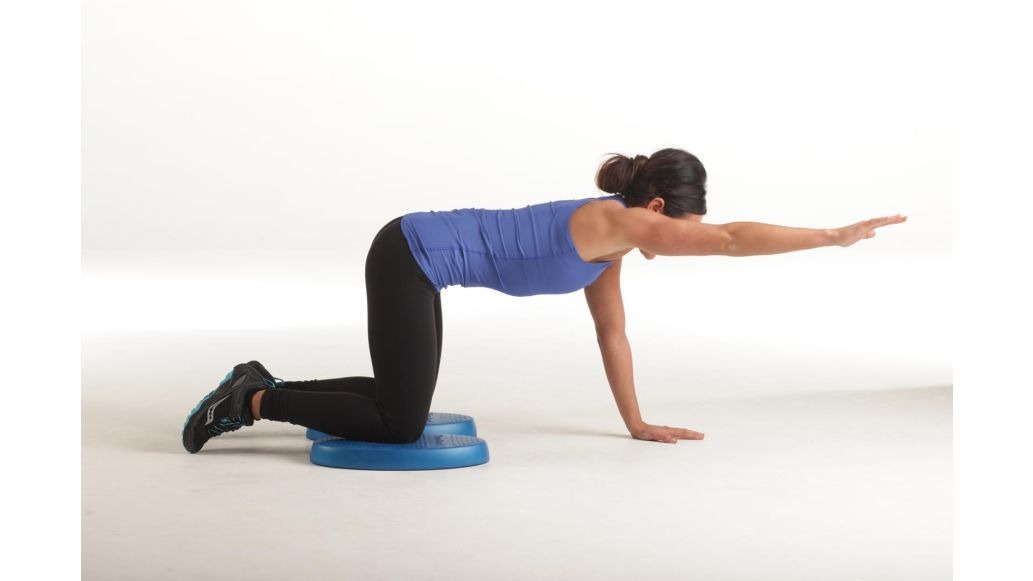
You can arrange both legs and still need your hands to sit upright. Taking your hands away raises the balance demand: your torso has to stay steady while your hips sit in two different rotations.
Keep your palms on the floor behind or beside you as you settle in. Move them closer or farther away until you can hold the position steadily.
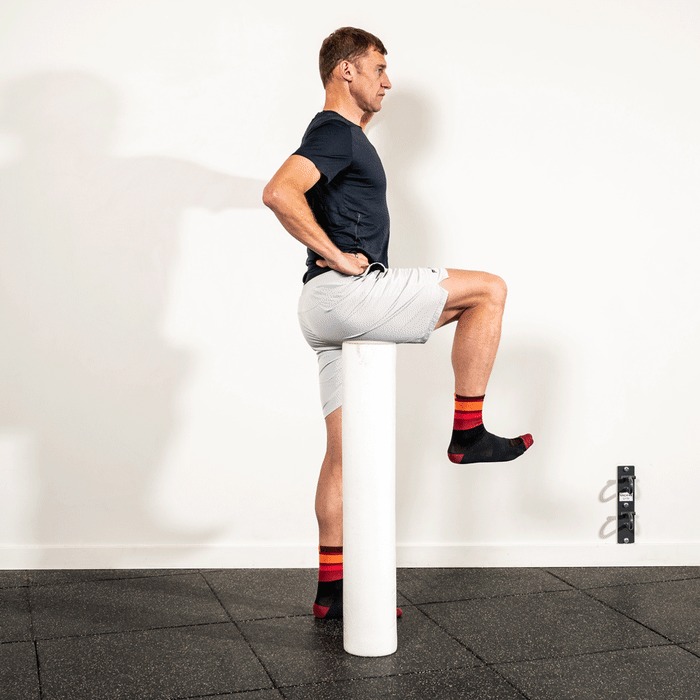
I am fairly regular at the gym and have a desk job. Generally, my hips feel tight but my range of motion is not terrible. I have been trying to work on flexibility with some level of success.
I have noticed that when doing hip 90/90 switches I cannot sit upright without hand support. I fall backwards without hands keeping me upright. Also, the area marked in the photo is extremely tight. I have never been flexible, since teenage but I would like to change that.
Main goal is to remove any limiting factors allowing me to deadlift more. Presently, weigh about 80kg and can lift max 160kg ob a good day. Please suggest what I can do to get better.
Deadlift strength and balance in a seated hip switch are different demands.
In your own practice, try briefly lifting one hand only when the position feels steady. Put the hand back on the floor if you start tipping backward.
Where to put a yoga block, towel or pillow in 90/90
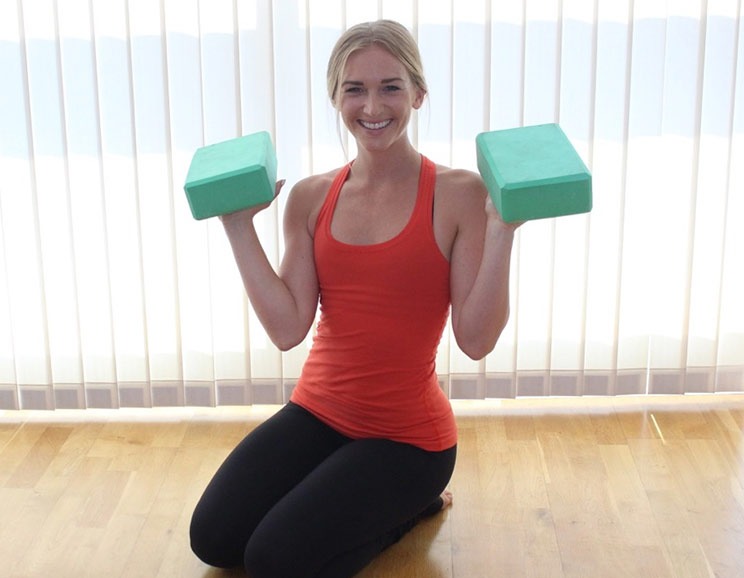
A yoga block, a folded towel and your hands each do a different job in 90/90. Where you put support depends on whether you need sitting height, a rest for a hovering knee, or balance.
| Problem during 90/90 | First adjustment | Purpose |
|---|---|---|
| Sitting tall is difficult | Towel, cushion, or block beneath the seated pelvis on the front-leg side | Raises the sitting position |
| The front knee hangs uncomfortably above the floor | Cushion or block beneath that knee | Supports the knee at the height it reaches |
| The torso tips backward | Hands beside or behind the body | Adds balance support |
| The rear hip remains raised | Easier leg angle and a supported seated position | Avoids forcing the rear side down |
My internal hip rotation is absolutely garbage; I estimate 10-15 degrees. I've been having hip pinching issues during squats and I believe this is the culprit. I've stopped squatting until it's resolved.
I've been trying to do 90/90s, but as my IR is abysmal, I can't perform it like all the super flexible trainers display it. If I'm stretching my right hip (back leg), my right butt and leg is well off the ground. I've read that I can elevate my hips to progress into the stretch, but I haven't found a visual example of this and have found conflicting posts/discussions regarding it. Some say to put a yoga block under the raised hip so it can rest.
The others say to put the block under the non-raised hip in order to level and square the hips.
Which is it?
Choose the support by what's hard to control: sitting height, a hovering knee, or balance.
Static hold, forward hinge, 90/90 switches: which version should you do?
Holding the position, hinging forward and switching sides each ask something different of you. Pick the version you can control.
| Version | What you do | What it trains | Best for |
|---|---|---|---|
| Supported static hold | Stay in 90/90 with hands or props as needed | Positioning | Learning the exercise |
| Gentle forward hinge | Lean forward from the hips with a steady torso | Extra movement inside the position | Anyone comfortable with the basic hold |
| Hand-supported switches | Move the legs from one side to the other while your hands steady the torso | Active transition with support | Anyone ready to practice side changes |
| Hands-free switches | Change sides without using your hands for balance | Balance and movement control | Anyone who already controls the transition |
| Active knee or foot lift-off | Lift part of a leg from the seated position | A separate active mobility challenge | Advanced practice |
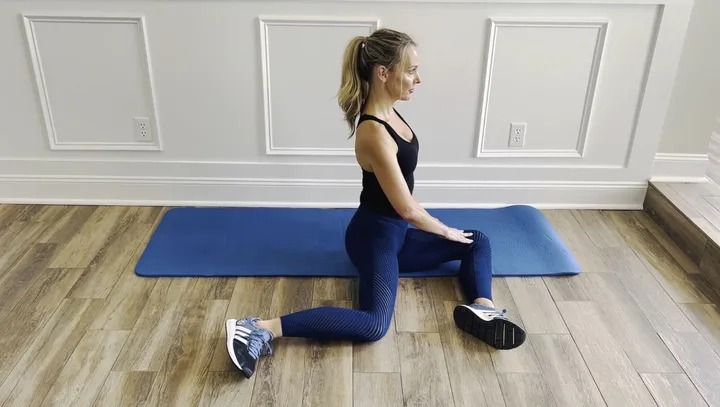
A forward hinge changes how the front hip feels. Hinge from the hips and keep your torso steady.
For a hand-supported switch, use the floor for stability as your knees travel from one side to the other. Keep the movement small, and pause to reposition your hands when you need to.
Hands-free switching adds trunk control while the legs swap roles. You can hold the stretch well and still not manage that transition. Missing a foot lift in an advanced variation says little about whether you can do the basic hold.
Men's Health shows a moving 90/90 exercise with hand support: three sets of six repetitions per side, about five minutes in total.
Common 90/90 mistakes and what to change
The most useful corrections start with something you can see: a knee pushed toward the floor, a foot twisted to copy a photo, or a torso leaning so far that you lose control.
| What you notice | What's going wrong | Fix |
|---|---|---|
| You twist your foot or shin to move the leg farther | The movement is being forced through the lower leg | Reposition the thigh and use a hip angle you can reach |
| You press a hovering knee down | The floor is lower than you can settle into | Let the knee rest at the height it reaches, on support |
| Your torso turns or leans sharply to copy a demonstration | You are losing control of the setup | Go back to a simpler supported position |
Forcing a raised knee toward the floor can stress the hip or knee.
What the research says about 90/90 and stretching
To see how hip rotation differs from muscle sensation and stretch tolerance, read the explanation of why stretching feels good.
A systematic review of chronic stretching included 77 studies and found improvements in joint range of motion across the programs it examined.
A separate analysis of static stretching covered 189 adult studies involving 6,654 adults and looked at stretching exposure and range-of-motion outcomes.
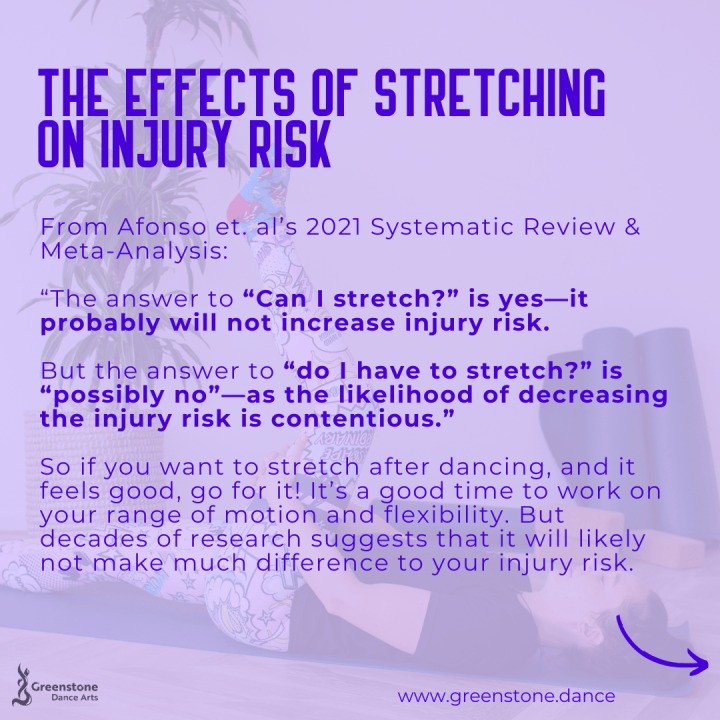
These results support stretching for range of motion in general, but they don't show that this particular exercise treats pain, corrects posture, prevents injury or improves lifting performance. For hip rotation, hamstring stretches, and supported body positions, compare yoga poses for flexibility.
Hip anatomy also limits movement: one anatomical study examined the physical constraints near the end of the available range in eight cadaver hips.
How to tell whether this version is becoming easier
Next time, repeat the same side, the same version and the same cushion or hand position. If getting into the pose, holding it and leaving it feel steadier, you're improving. Judge hands-free switches separately.