
Food & Nutrition
Start with the kind of nutrition answer you need: a food profile, a comparison, help interpreting a label, or broader healthy-eating guidance. Follow the matching topic and make sure any numbers refer to the same food form, amount, and source. If a diagnosed condition or food allergy changes what is safe, individualized professional guidance takes priority.
What nutrition question are you trying to answer?
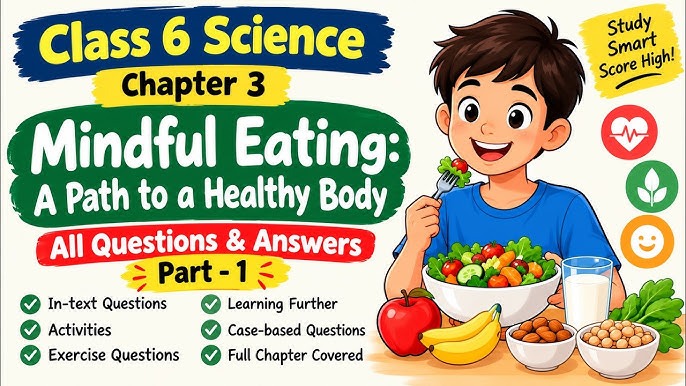
Nutrition is about how food supplies energy and nutrients and how those fit into everyday eating. You might want to know what a food contains, choose between two foods, interpret a package label, or find a sensible starting point for your meals.
Choose the question closest to yours:
| Your question | Where to start | What you'll find |
|---|---|---|
| What's in this food? | Browse food groups | Nutrient information for specific foods and their forms |
| How do these foods compare? | Find comparison guides | Differences between foods using relevant, comparable criteria |
| What does this label mean, or why do these numbers differ? | Read serving sizes or trace conflicting values | Serving amounts, food identity, preparation, and source history |
| Where do I start eating better? | Explore everyday eating | General guidance that can fit familiar foods, preferences, and budgets |
The distinction between a generic food and a packaged product matters. Someone interested in the nutrients in almonds needs a food-composition reference. Someone holding a particular brand of almond snack may need that product's Nutrition Facts label, including its ingredients and serving size.
A food comparison also needs a purpose. Comparing tuna with salmon, for example, becomes useful when the reader knows which nutrient, serving, or preparation matters to the choice. A general claim that one food wins every comparison would leave that decision unresolved.
Browse foods and nutrients by what you want to look up
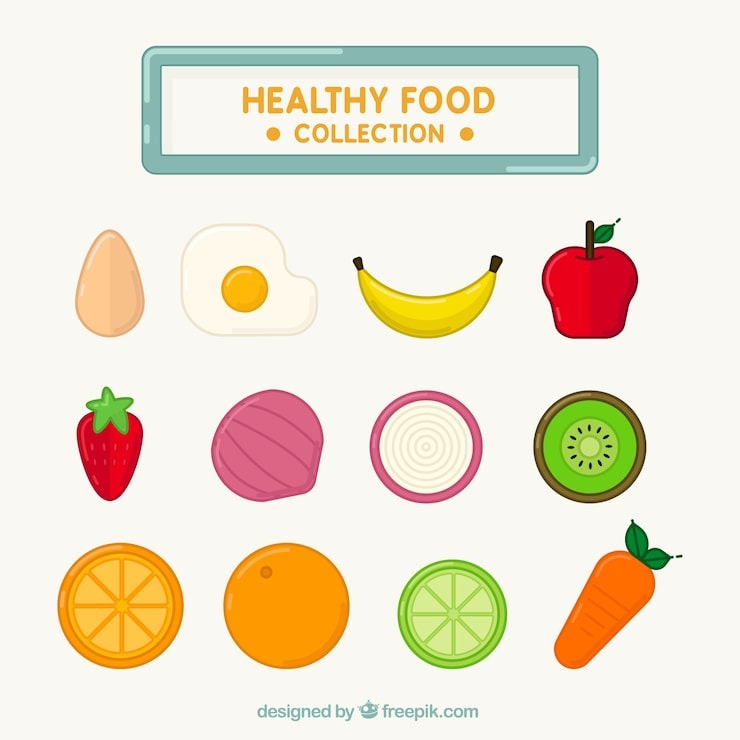
Once you know the food or question, a focused collection is easier to navigate than a long list of unrelated nutrition articles.
- Nuts & Seeds: Explore foods such as almonds, walnuts, and other nuts or seeds. Use this route for individual nutrient profiles, serving information, and distinctions between varieties.
- Meat, Seafood & Dairy: Find information about animal-source foods, from chicken hearts to fish and dairy products. Food identity, cut, preparation, and serving amount help define a meaningful comparison.
- Fruits, Vegetables & Legumes: Look up produce, beans, lentils, and other plant foods, including differences in their prepared forms.
- Grains, Breads & Starches: Explore grains, breads, and starchy foods. This collection suits questions about individual grain products, ingredients, and nutritional composition.
- Drinks & Beverages: Find information about beverages, including questions about ingredients, serving sizes, and packaged drink labels.
- Meals, Condiments & Packaged Foods: Look up mixed dishes, sauces, convenience foods, and other products whose ingredients or preparation affect their nutritional description.
- Food Comparisons & Nutrition Guides: Compare foods according to a specific nutritional question, such as evaluating two fish varieties or understanding different sources of a nutrient.
A prepared meal belongs in the mixed-dish collection even when one ingredient gives the dish its name. For a choice between two foods, the comparison collection brings those profiles together around a specific nutrient question.
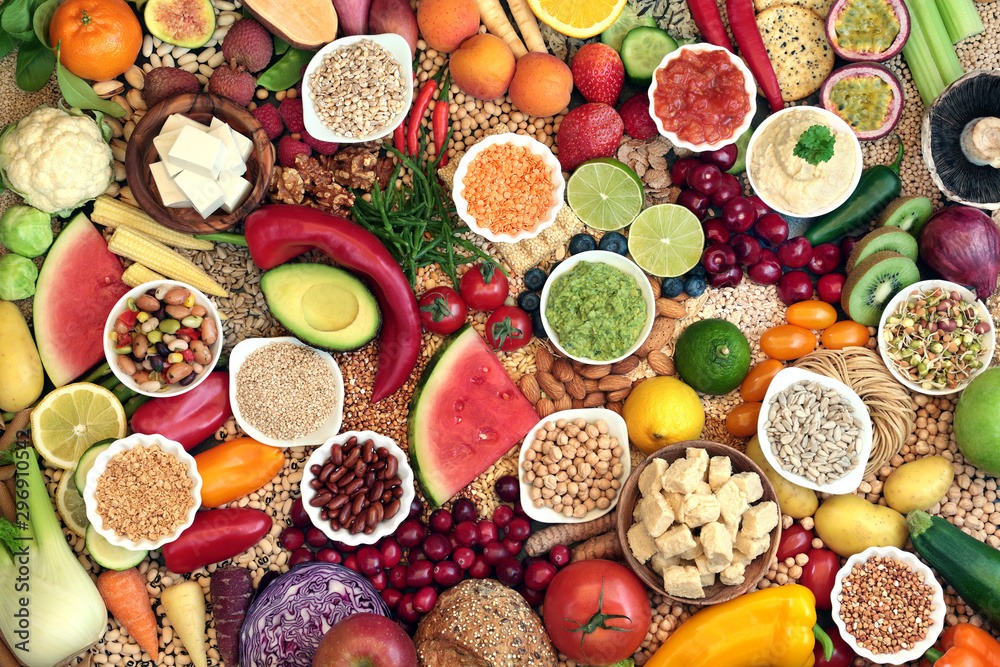
If you're starting to eat better, begin with a workable direction
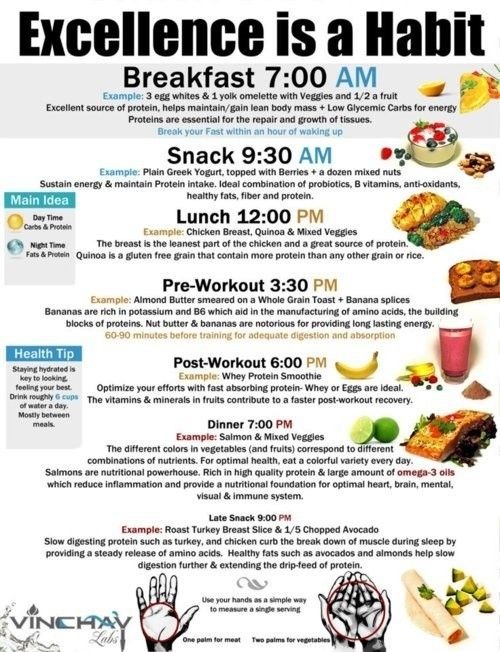
Start with one change to a meal you already eat, such as adding diced vegetables to an omelet or stew. The Dietary Guidelines for Americans, 2025–2030 provide population-level direction, while CDC healthy-eating guidance offers practical food ideas. A familiar meal keeps that first change within your preferences, budget, and cooking routine.
Read the serving size before you compare nutrition labels
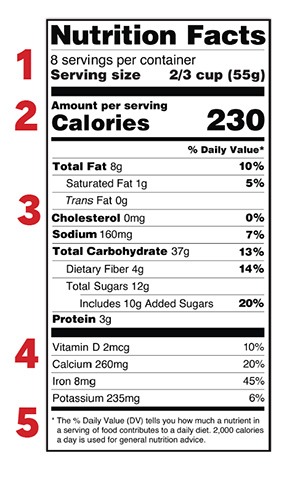
A Nutrition Facts number describes a specified amount of food. If a package contains several servings, its calories and nutrient amounts may refer to one portion of the package.
On a US Nutrition Facts label, start with two fields near the top: Serving Size and Servings Per Container. The FDA's serving-size guidance explains that serving amounts are generally expressed using a familiar household measure, such as a cup, tablespoon, or slice, together with a metric quantity where applicable.
The FDA defines a serving size according to how much people typically consume. It is not an instruction about how much an individual should eat.
Some packages provide two columns, with nutrient amounts per serving and for the entire package. When the reader uses the whole package, the package column, if present, provides the appropriate total.
A package label and a food database can describe different things
| What you're checking | Packaged-food Nutrition Facts | General food-composition entry |
|---|---|---|
| Food identity | A particular packaged product | A defined food, sample, or food description |
| Amount | Usually per serving; sometimes also per package | A specified quantity or portion, sometimes 100 g |
| Preparation | Product as described by its label | A particular raw, cooked, or otherwise prepared form |
| Source | Product labeling information | A database record with a defined source and data type |
| Revision | Product formulation or label information may change | Food records and their identifiers may change |
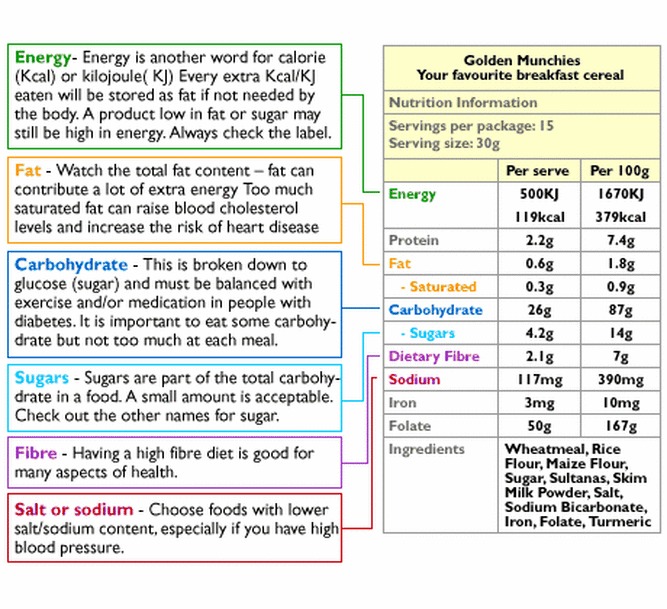
Household measures also deserve attention. A tablespoon measures volume, while grams measure mass. How a food fills a spoon or cup affects the relationship between those measurements. When a label supplies a valid gram weight for its serving, that weight gives a clearer basis for comparing nutrient amounts.
Match the food and preparation state before comparing numbers
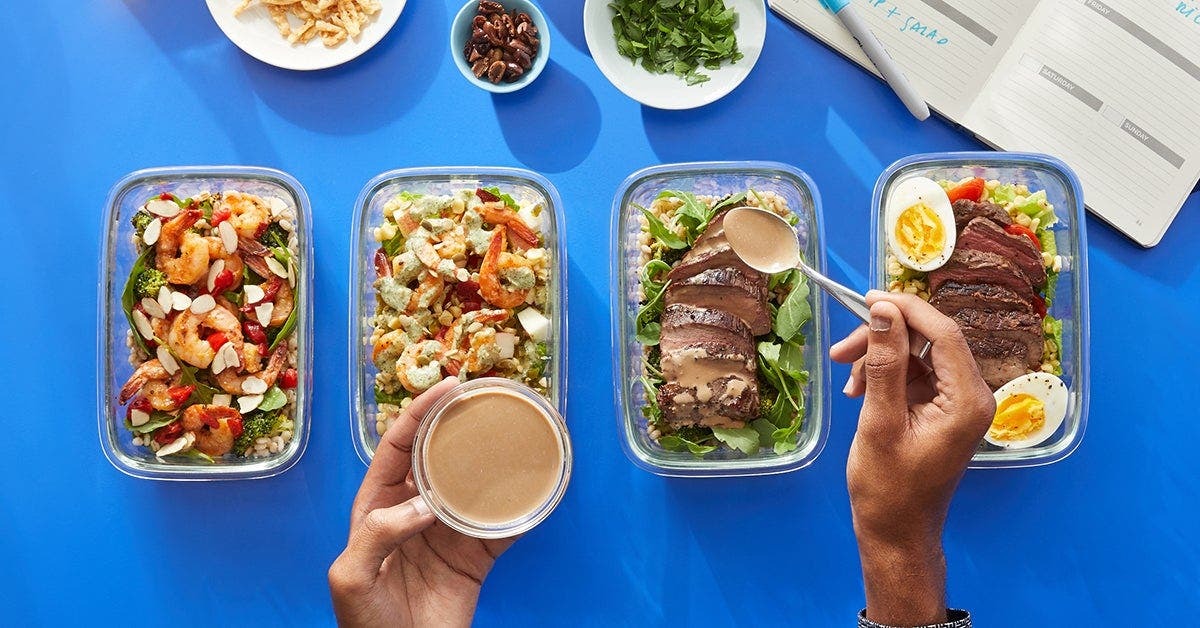
Two nutrition entries with the same food name may describe different quantities or preparations. A raw ingredient, a cooked portion, and a canned food after draining can each have a different measurement basis.
Consider canned beans. One entry may describe beans with their packing liquid, while another describes the drained portion. Comparing the numbers without accounting for that distinction changes the amount and food state being measured.
During cooking, a food can lose or absorb water, changing its weight and the nutrient amount expressed per 100 grams. Added ingredients can change the composition of the finished food as well.
For a meaningful comparison, four details need to align:
- Food identity: The ingredient, product, variety, or relevant brand.
- Preparation state: Raw, cooked, drained, prepared, or another specifically described form.
- Amount: The serving weight or other defined quantity, expressed in compatible units.
- Source record: The label or database entry to which the number belongs.
A cooked-food entry should be compared with a matching cooked preparation. The final cooked weight cannot automatically be substituted for the raw weight in a nutrient-per-100-gram comparison.
Comparing amounts on a 100 g basis
When a source gives a nutrient amount per serving and the serving's gram weight is known, the conversion is:
Nutrient per 100 g = (nutrient amount per serving ÷ serving weight in grams) × 100.
This is an arithmetic conversion. It applies to the food and prepared state described by the original serving. Changing from a raw ingredient to a cooked dish introduces a separate food-composition question that the calculation itself cannot resolve.
A recipe also requires its finished ingredients and quantities to be represented. The nutrient value for one raw ingredient cannot stand in for a mixed soup containing several components.
Know where food nutrition numbers come from
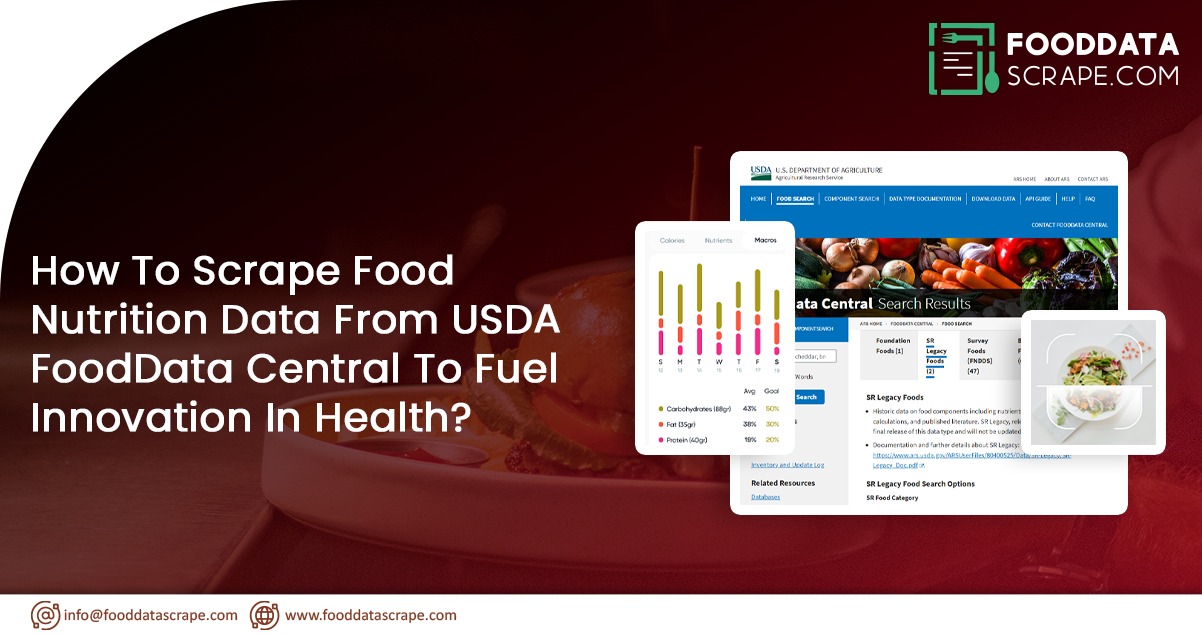
The source of a nutrition value determines what that value represents. A manufacturer-supplied product record, an analyzed food sample, and a dietary-survey food entry are designed for different purposes.
USDA FoodData Central brings several kinds of food information together. Its data documentation distinguishes the datasets by how the information is obtained and organized.
| USDA data type | What it represents | Useful lookup situation | Important qualification |
|---|---|---|---|
| Foundation Foods | Nutrient analyses of individual food samples, with associated metadata | Studying the composition of a generic ingredient or commodity food | Food form and variation between samples remain relevant |
| Branded Foods | Product information supplied through manufacturers and other data providers | Looking up a specific packaged item | Brand, product description, and record version matter |
| FNDDS | Food, nutrient, and portion information compiled for dietary-survey analysis | Understanding a described food or mixed dish in survey data | The entry is not a laboratory analysis of the reader's particular meal |
| Experimental Foods | Composition information associated with research and experimental foods | Investigating research-specific food data | Values may have limited relevance to ordinary consumer food comparisons |
| SR Legacy | A fixed historical USDA food-composition dataset | Looking up historical reference entries | It does not receive ordinary ongoing dataset updates |
For a particular packaged drink, the product label or a matching Branded Foods record identifies the product. A generic beverage entry could describe a different formulation.
FoodData Central records can also be identified by an FDC_ID, which helps distinguish records and their revisions. Other identifying information may include the brand, product description, relevant product identifier, dataset type, serving details, and revision information.
USDA's SR Legacy is a fixed historical dataset. Its final release was in April 2018.
When nutrition numbers conflict or a value is missing
A disagreement between a package label, a food-tracking app, and a database entry needs a record-level explanation. The cause may involve the product chosen, its preparation, the amount reported, an older entry, or a data-entry difference.
A packaged product might have a revised label while an older food record remains saved in an app. Within USDA Branded Foods, a change can also correct submitted or processed data without indicating that the product recipe changed.
Use this sequence to investigate the discrepancy:
- Identify the exact item. Establish the product name, brand, description, and applicable label version. For a homemade food, identify the actual ingredients and preparation.
- Establish the food state and amount. Determine whether the value describes a raw, cooked, drained, prepared, or otherwise defined quantity.
- Compare the reporting basis. Resolve differences between values expressed per serving, per package, or per gram-based quantity.
- Inspect the original data record. Identify the source, dataset type, available FDC_ID or other record identifier, and relevant revision information.
- Resolve or preserve the uncertainty. Where the figures still disagree, consult the appropriate original data source or product information before relying on an exact numerical comparison. Save the source, record ID or version, and any available record publication or modification date, identifying which date field it is.
USDA records can change when nutrient information, ingredients, descriptions, or serving details are updated. FoodData Central may assign a new FDC_ID to a changed food record. That record history can explain why two saved references appear different.
A missing nutrient value needs a separate interpretation
Food records vary in which nutrients they report. USDA branded-food documentation distinguishes missing data, a reported zero that can reflect label rounding, and a “not a significant source of” statement. These entries convey different information; an absent nutrient field does not establish a measured zero.
An incomplete food-log record can leave the calculated micronutrient intake uncertain even when the diary lists every food eaten. The field remains unresolved until the record's coverage or another suitable source supplies the information. Assessing individual nutrient adequacy requires personal and, where relevant, clinical context.
When a general nutrition guide is not the right answer
Food reference pages can explain what foods contain, how nutrient information is reported, and how general dietary guidance is organized. Individual safety requirements depend on additional information.
A diagnosed medical condition, food allergy, or other clinically significant dietary restriction can change which food choices are appropriate. These circumstances call for guidance from a suitably qualified healthcare professional or registered dietitian familiar with the individual's needs.
The same principle applies when a food-tracking result raises a concern about nutrient adequacy. A meaningful assessment requires reliable intake information and relevant personal or clinical context.
For everyday nutrition questions in the United States, start with the kind of answer you need: a food profile, a comparison, label interpretation, or broader healthy-eating guidance. Follow the matching route and match the food form, amount, and source before relying on numerical values; if a diagnosed condition or food allergy changes what is safe, seek individualized professional guidance.
Explore this topic
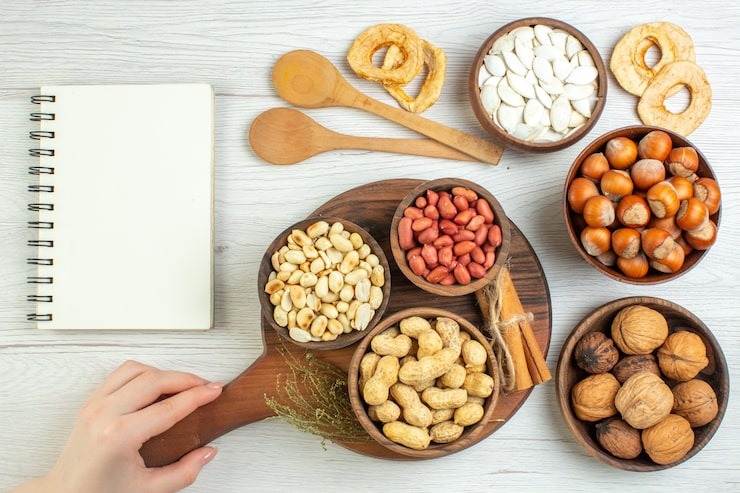
Nuts and Seeds: A Practical Guide to Choosing and Using Them
Choose nuts and seeds by edible portions, nutrient goals, and preparation. Compare labels, understand key exceptions, and find guides for specific foods.
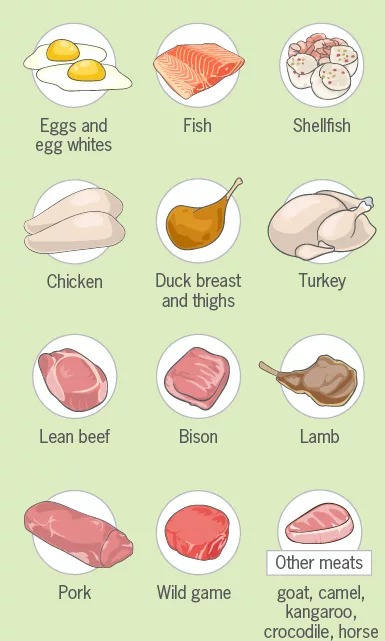
Animal Protein Foods: What to Compare and Which Guide to Read
Compare animal protein foods by portion, preparation, nutrients and safety. Find specific guides to pork, bison, seafood, organ meats, Brie and lean meats.
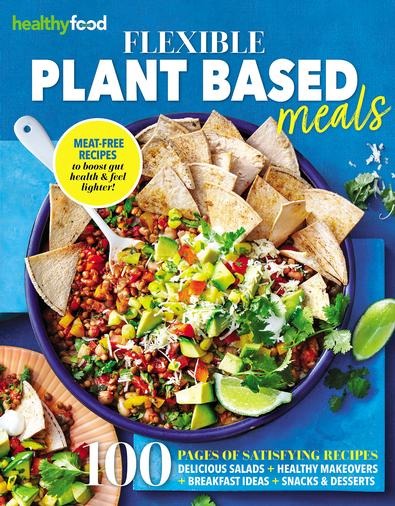
Plant Food Nutrition: Find Facts About Beans, Vegetables, Fruits, and More
Find a food-specific guide to beans, vegetables, fruits, and enoki. Browse nutrition questions, food comparisons, preparation cautions, and USDA data tips.
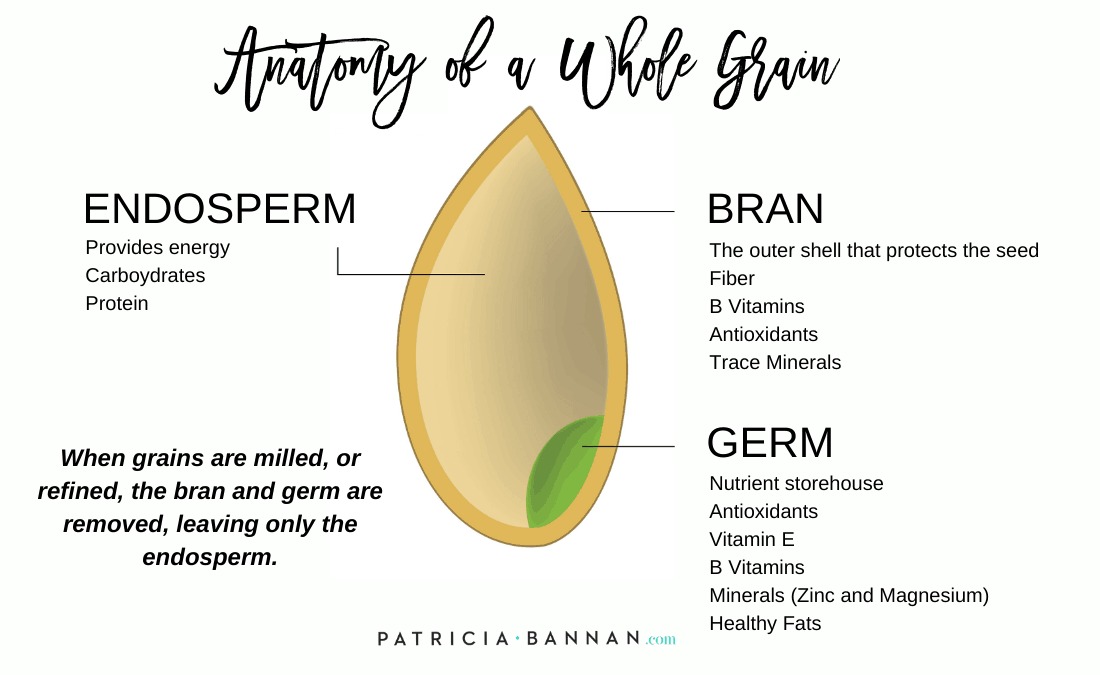
Whole Grains and Grain Foods: How to Choose, Compare, and Use Them
Choose grains for breakfast, sides, and bread. Check whole-grain labels, compare cooking times for quinoa, oats, and barley, and understand gluten claims.
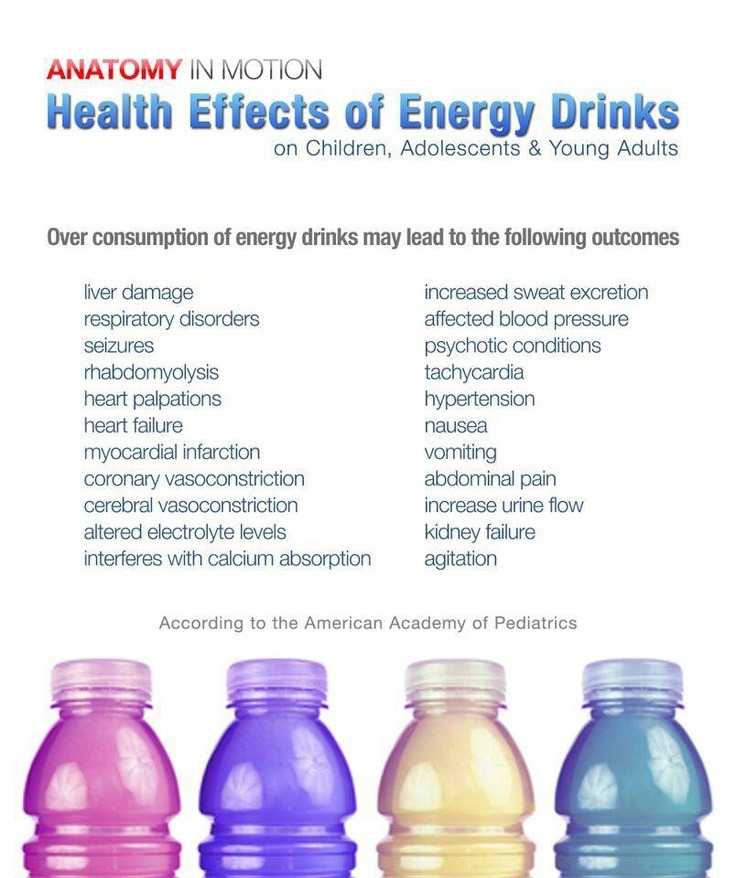
Drinks & Beverages: Nutrition, Ingredients, and Practical Comparisons
Compare coffee, tea, Ovaltine, Thai tea, eggnog and homemade drinks. Learn how preparation, serving sizes and US nutrition labels change the comparison.
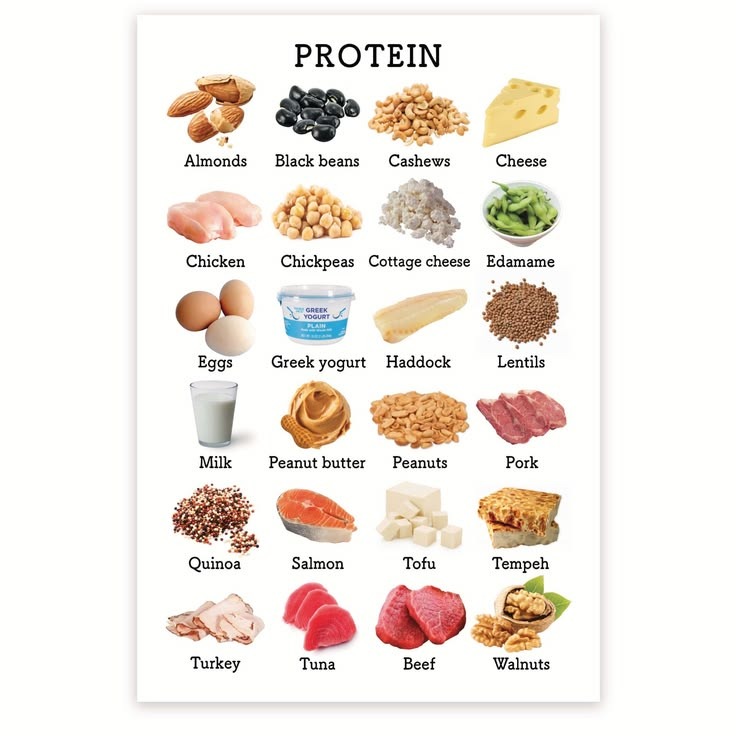
Prepared Foods: How to Compare Meals, Snacks, and Condiments
Compare prepared meals, soups, snacks and condiments by food role, actual serving and relevant nutrients, then find the right food-specific guide.
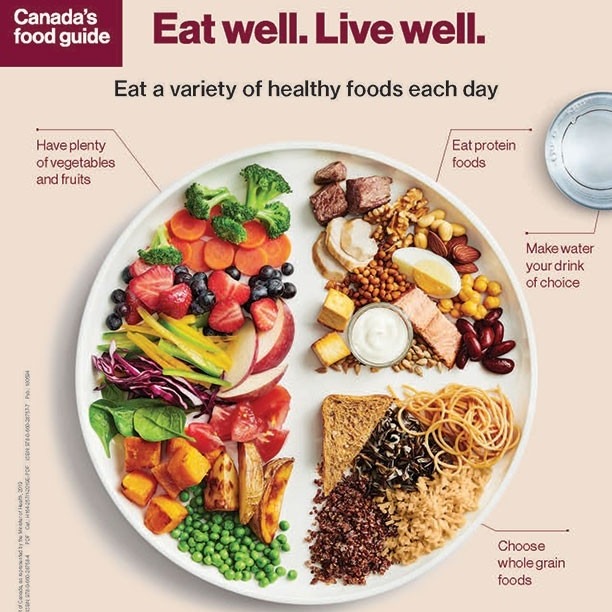
Food & Nutrition Guides: Find the Right Comparison
Choose a guide for protein, iron, snacks, budget meals, or dietary labels. Compare serving sizes, food preparation, and nutrition data on a fair basis.