
Prepared Foods: How to Compare Meals, Snacks, and Condiments
Prepared food can fit an everyday eating routine when the portion, nutrients and preparation match what you need. Start by identifying whether the food is a meal, soup, snack or condiment, then compare the amount you will eat and the nutrients relevant to that food. If a medical diet, allergy or food-safety concern changes your choice, use the exact label or qualified guidance before choosing a food-specific guide.
Find the right prepared-food guide
A bowl of lentil soup, a bag of banana chips and a bottle of soy sauce all belong in a kitchen. They answer very different questions about nutrition.
Start with what the food is supposed to do. A ready-made dish might become lunch or dinner. A snack fills a different role, while a condiment usually contributes flavor in a much smaller quantity.
| Food type | Guides to explore | What the specific guide helps you understand |
|---|---|---|
| Prepared dishes | Is Pozole Healthy?; Is Curry Healthy? | How ingredients, preparation methods and portions change a dish |
| Soups | Is Tomato Soup Healthy?; Lentil Soup Nutrition | How the recipe, serving and additions affect the food |
| Packaged snacks | Are Banana Chips Healthy?; Are Takis Bad for You? | Processing method, ingredients, calories and serving sizes |
| Spreads and sauces | Is Vegemite Healthy?; Is Soy Sauce Bad for You? | Concentrated nutrients, sodium and the amount normally used |
| Preserved foods | Pickled Cucumber Nutrition | Ingredients, preservation methods and sodium |
A curry guide needs to account for the finished dish's ingredients and preparation. A Vegemite guide needs to explain its nutrition in the small quantities used as a spread.
Tomato soup and lentil soup can have different ingredients and meal roles. Banana chips may be dried or fried, which makes the product's preparation relevant.
Decide whether the food is lunch or one part of it
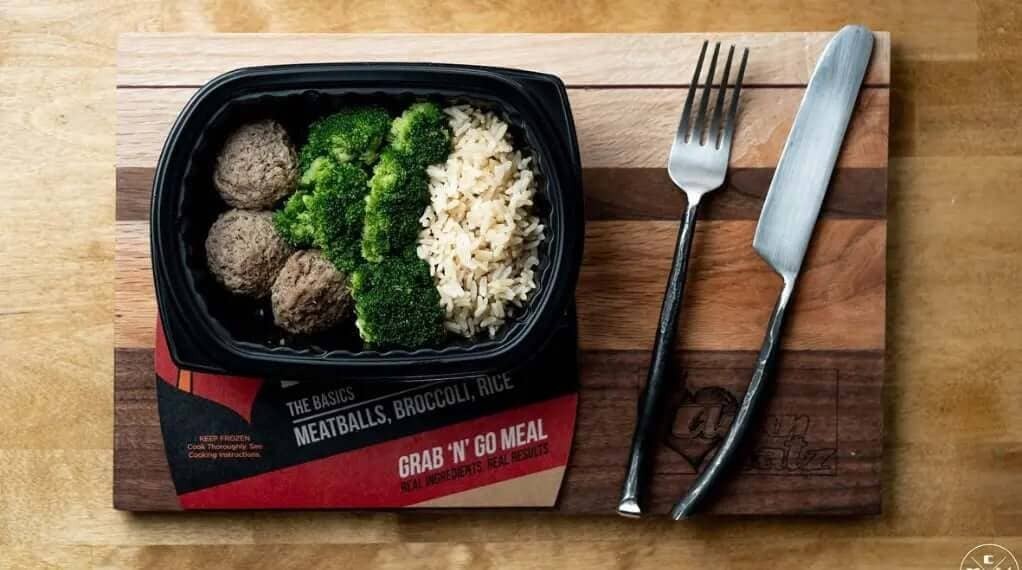
A frozen entrée may be the center of lunch, but whether it feels sufficient depends on its contents, the portion and what else the person plans to eat. Tomato soup or lentil soup can serve as a first course or a main dish, and adding fruit or vegetables to a prepared entrée is one possible way to build a more substantial meal. Soy sauce and Vegemite usually serve as additions to other foods, so their usefulness belongs in the context of the food they accompany.
How to compare Nutrition Facts for the amount you eat
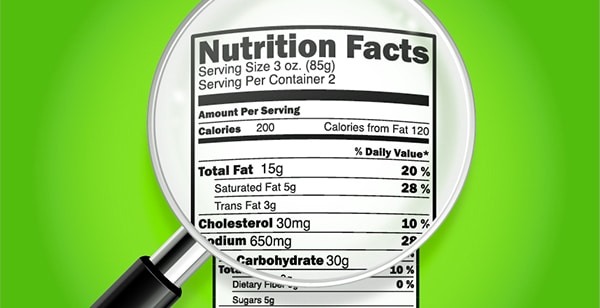
A food label describes a particular quantity. The useful calculation begins by matching that quantity to what ends up on your plate.
On a US Nutrition Facts panel, serving size identifies the reference amount, and servings per container tells you how many of those amounts are in the package. The listed nutrients correspond to the serving shown.
A serving size is a standardized labeling reference, not a personal portion recommendation.
The FDA's serving-size guidance explains why this distinction matters when a package contains more than one serving.
A two-serving calculation
Suppose you eat two cups of a food whose label lists one cup as a serving. You have consumed two labeled servings, so each per-serving nutrient quantity is multiplied by two.
| Nutrient | 1 cup: one labeled serving | 2 cups: two labeled servings |
|---|---|---|
| Calories | 280 | 560 |
| Sodium | 850 mg (37% DV) | 1,700 mg (74% DV) |
| Protein | 15 g | 30 g |
In the FDA sample, eating two cups supplies 74% of the sodium Daily Value, making sodium an important consideration for that amount.
The FDA uses this frozen-lasagna label as a teaching example. Its figures illustrate serving arithmetic for an educational sample.
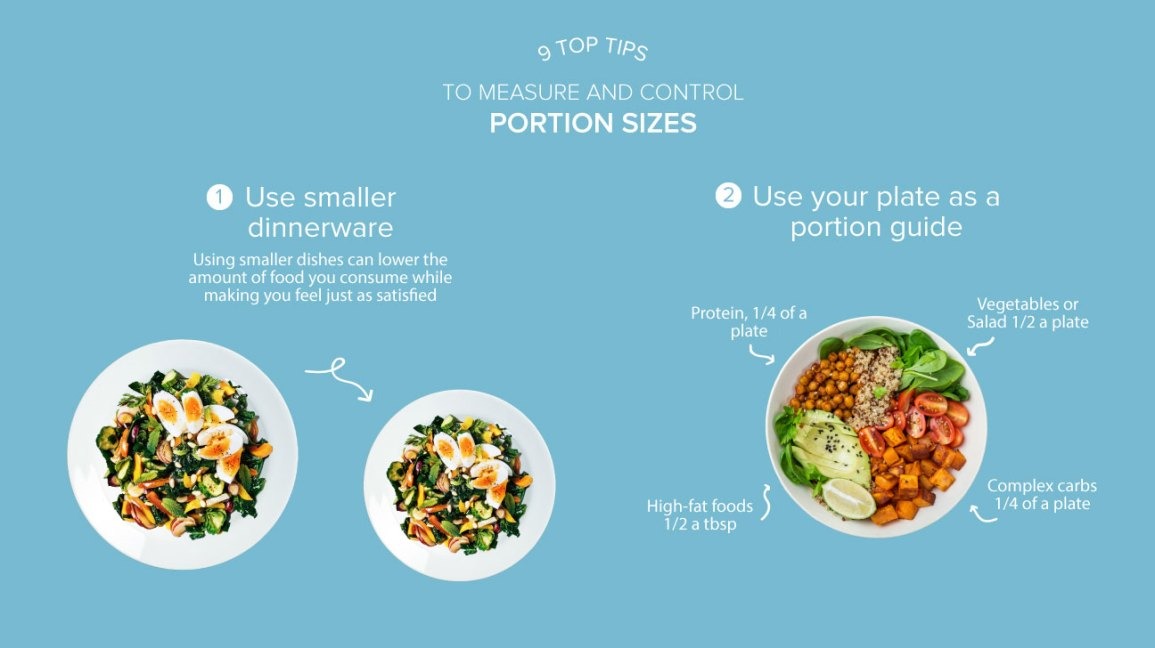
- Find the serving size. Read the amount and its unit, such as one cup.
- Find servings per container. Identify whether the package contains one serving or several.
- Match the quantity eaten. Work out how many labeled servings you consumed.
- Calculate the total. Multiply the per-serving nutrient values by that number.
What the percentages mean
The FDA's general Nutrition Facts guidance uses 5% Daily Value or less as a low amount of a nutrient per serving and 20% Daily Value or more as a high amount.
The percentages describe individual nutrients per serving. The food's overall role and composition remain relevant to a choice.
For adult Nutrition Facts labeling, the FDA uses 2,300 mg as the sodium Daily Value reference and advises staying below that amount over a day.
Some prepared foods from restaurants, delis or takeout counters will not have the same packaged-food Nutrition Facts panel. In those cases, use the available ingredient, portion or nutrition information without assigning made-up label values.
What matters in an entrée, soup, snack or condiment
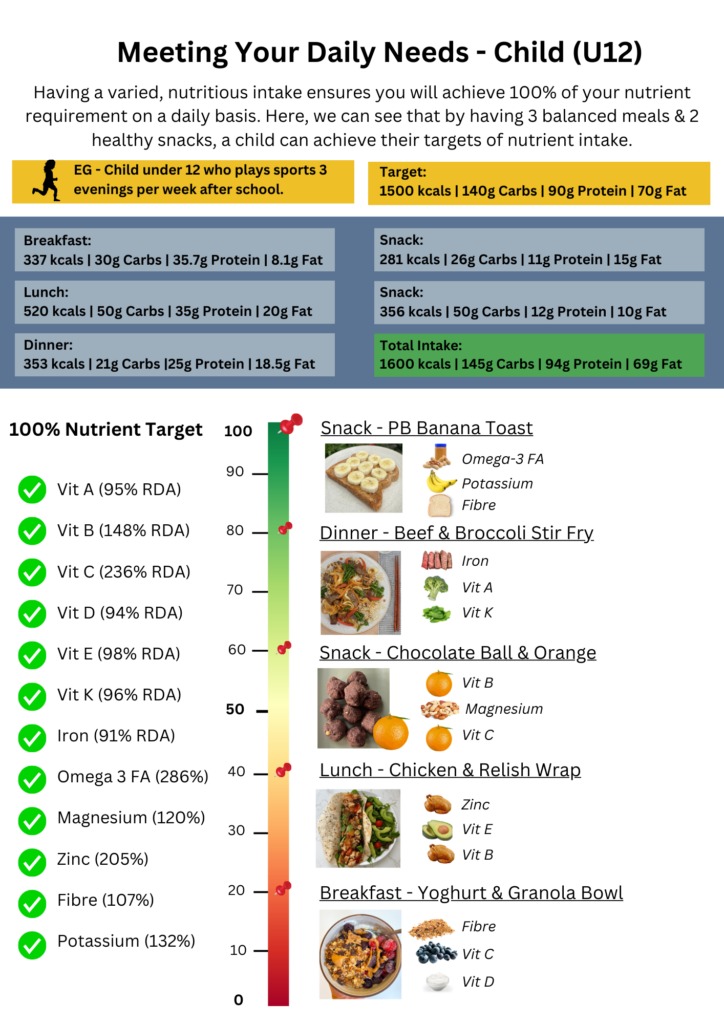
Once the amount is clear, compare foods that serve a similar purpose. A tablespoon of sauce and a full entrée use the same nutrient units, but their contributions to a meal are different.
On packaged-food labels, sodium, saturated fat, added sugars and dietary fiber are useful measures. Their relevance changes with the food's role.
| Food type | Useful comparison criteria | Detail that changes the decision |
|---|---|---|
| Prepared entrée | Serving amount, calories, protein, sodium, saturated fat and meal composition | Whether the entrée is intended to provide most of the meal |
| Soup | Portion, ingredients, sodium and additions | A light first course and a substantial soup meal are different situations |
| Packaged snack | Portion, added sugars, saturated fat and preparation method | Dried and fried snacks may have different compositions |
| Spread or sauce | Amount used, sodium and relevant concentrated nutrients | A small amount of condiment is consumed alongside other foods |
| Pickled food | Ingredients, preservation method and sodium | Vinegar-pickled and fermented products may differ |
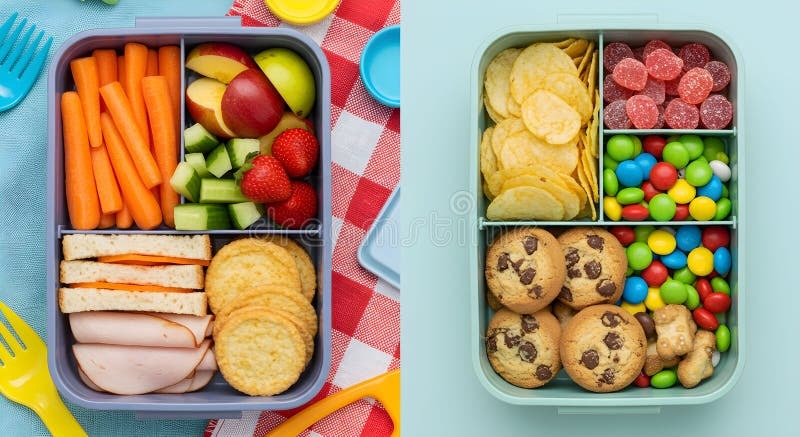
Two soups sold in different container sizes become comparable when their label values refer to the same quantity of food. At that point, a sodium or fiber difference becomes useful.
A spread or sauce usually contributes a small amount to a larger meal. Soy sauce is often used for flavor, while Vegemite has a different ingredient and nutrient profile; the portion used matters for each.
Packaged snacks raise other questions. Banana chips require attention to preparation and portion size; Takis require the actual product's Nutrition Facts and ingredients. A familiar product name alone supplies no reliable calorie, sodium or ingredient total for every formulation.
Pickled cucumbers introduce another distinction. Preservation method and ingredients can vary, so a vinegar-pickled cucumber and a fermented version should be understood according to their actual preparation.
Compare equivalent quantities of foods that serve the same role, focusing on the nutrients relevant to that category.
Choose for the time, effort, space and price you have
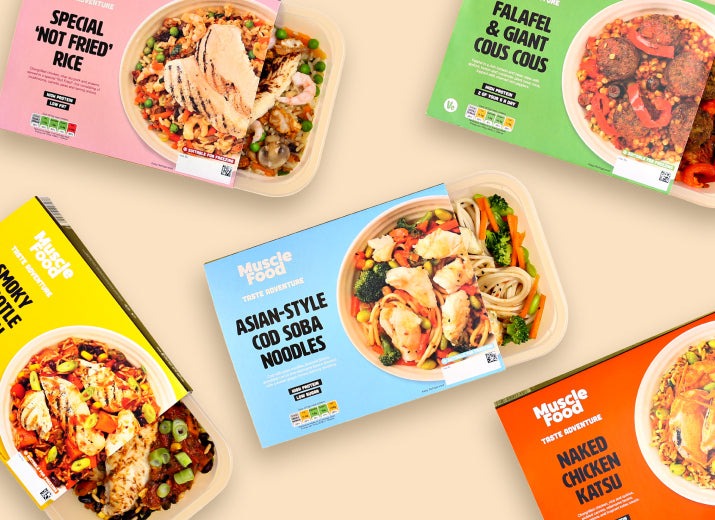
Food that looks economical on paper may require preparation steps a person cannot manage that day. Washing ingredients, assembling components, cooking and cleaning are part of the choice, alongside the price of the food.
One Reddit contributor described a situation in which even assembling familiar frozen ingredients felt like too much work:
I normally like to cook, but for a variety of reasons I don't have the time/energy/bandwidth for it right now. Anything that involves more effort than adding water & microwaving or sticking something in the oven is pretty out of the question, even just assembling "components" (the rice + froz veggies + egg meal format got me through college and grad school, but even that feels like too much mental effort right now).
For this situation, a meal that can be heated in its own container has a different practical value from a collection of frozen ingredients. Both might be available in the same grocery store, yet one requires several decisions and preparation steps.
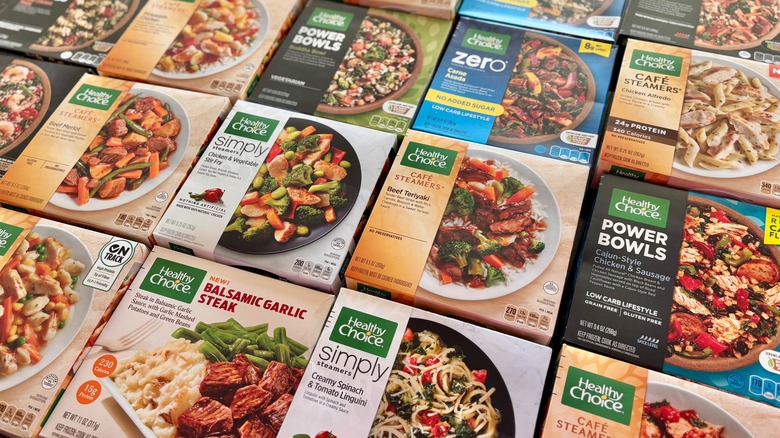
Budget comparisons also depend on the alternative. Home cooking may cost less in ingredients, while takeout can cost substantially more than a packaged dinner in a particular household. The relevant comparison includes the options a person can realistically use, with their associated shopping, planning and cleanup effort.
A small freezer changes the calculation again. Buying several frozen meals is less useful when there is nowhere to store them.
- Preparation: Can you heat a complete item, or is assembling and cooking several components workable?
- Time: Does the choice fit the time available for obtaining, preparing and cleaning up after the meal?
- Storage: Can the available refrigerator or freezer hold the food appropriately?
- Budget: Which realistic alternative are you comparing it with: groceries for cooking, prepared food from a store or takeout?
Convenience and nutritional composition both matter, while the relevant cost comparison depends on the alternatives available to that person.
What freezing and processing tell you
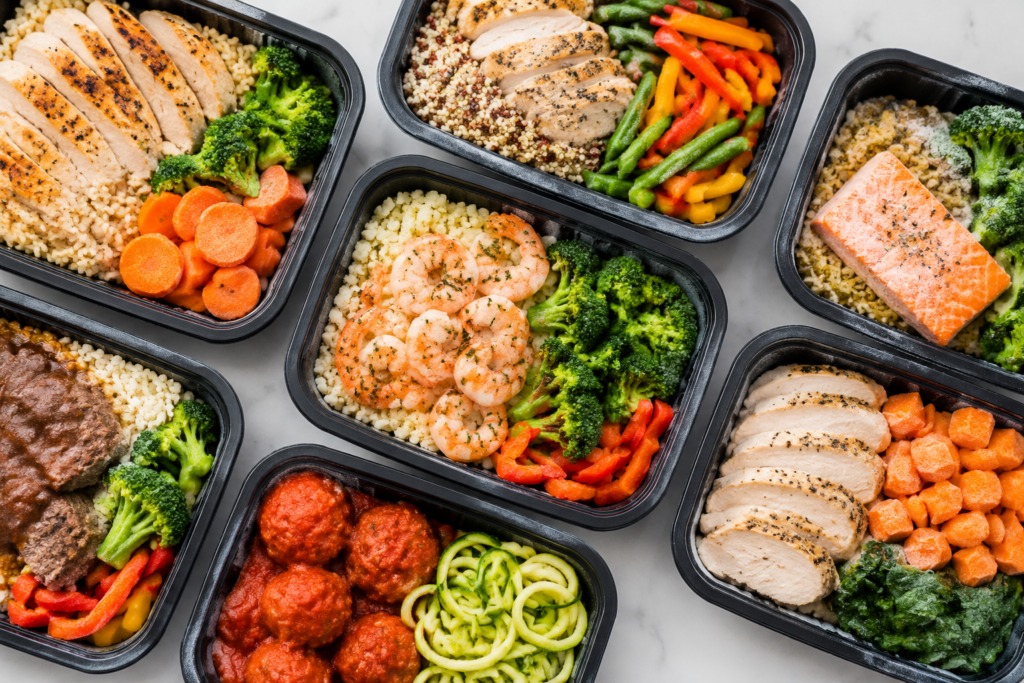
“Frozen,” “packaged,” “prepared,” “processed” and “ultra-processed” describe different characteristics of food. A freezing method indicates how a food has been preserved; its ingredient list and nutrition information describe additional aspects of what is being eaten.
One contributor described the question after starting work near a European frozen-food store:
I've recently started work in a place that has a frozen food store (Picard) very close and most people are going there for lunch meals. They are quite cheap too. I've been wondering how healthy it is to eat things from there long-term. Obviously there are better and worse options there, but something in the back of my mind is skeptical about giving up to laziness and eating there every day.
The concern is understandable: eating from the same convenient food source repeatedly raises questions about the overall pattern of meals. In this particular example, however, the store and food-label context are European, so they cannot supply US product nutrition figures.
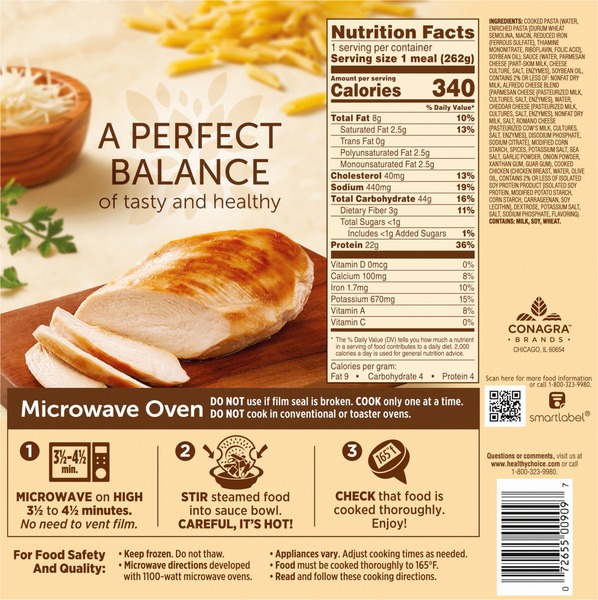
The 2025–2030 Dietary Guidelines for Americans emphasize nutrient-dense eating patterns and limiting excess sodium and highly processed foods.
For an individual frozen or packaged product, its ingredients, actual serving and place in the day's eating pattern remain relevant.
A bag of plain frozen vegetables and a formulated frozen entrée share a storage method, yet differ in composition and intended use. Their labels and food roles are the useful basis for understanding those differences.
Storage rules depend on the food
Prepared food can be sold frozen, refrigerated, shelf-stable or ready for immediate consumption. Those conditions affect how it should be handled.
For perishable takeout leftovers, USDA FSIS guidance gives a refrigeration window of two hours, shortened to one hour when temperatures exceed 90°F.
The guidance also describes a refrigerated-leftover period of three to four days for the relevant scenario. Those numbers should not be applied indiscriminately to unopened frozen foods, shelf-stable sauces or every prepared product in a pantry.
Package handling and storage instructions therefore matter for the food in question.
Some nearby kitchen questions also deserve their own specialized explanations. Red wine vinegar storage concerns quality changes and shelf life. Brown sugar substitution concerns the effects of replacing an ingredient in cooking or baking. The boiling point of milk belongs to food-heating behavior.
Choose the next food-specific guide
The next guide should answer the detail that remains unresolved. A question about a particular soup's ingredients belongs with its soup guide; questions about a packaged snack's serving or a condiment's sodium belong with that individual product. Storage, substitutions and milk heating belong with the kitchen reference that addresses them.
Prepared food can fit an everyday eating routine when the portion, nutrients and preparation match what you need. If a medical diet, allergy or food-safety concern changes the choice, check the exact label or relevant qualified guidance; otherwise, choose the food category and open the matching guide.
Explore this topic
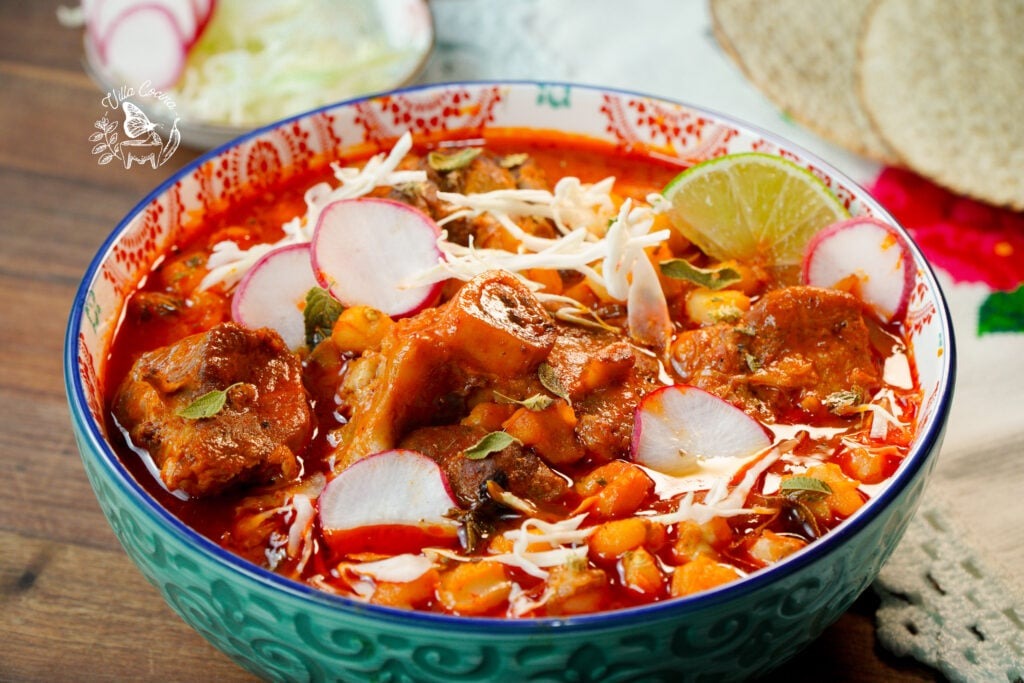
Is Pozole Healthy? What's in Your Bowl Matters
Is pozole healthy for you? Compare five real recipe servings, learn how to estimate calories in your bowl, and see what changes protein, sodium, and fiber.
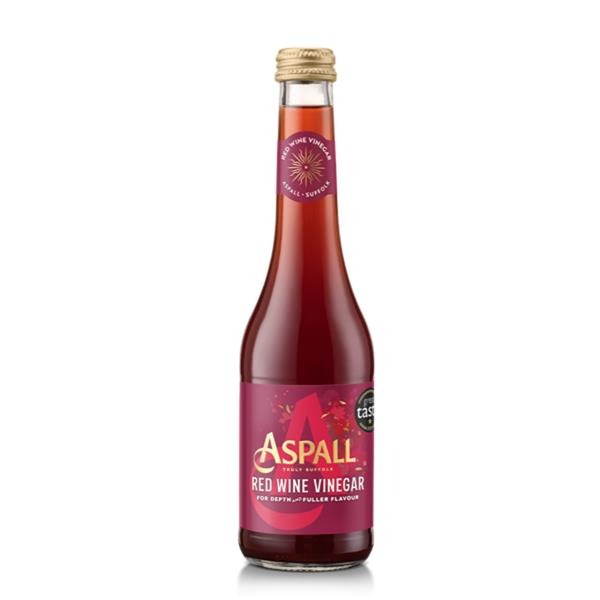
Does Red Wine Vinegar Go Bad? When to Keep It or Toss It
Does red wine vinegar expire? Compare dates, cloudiness, bottle condition and canning acidity to decide whether to keep, strain, replace or discard it.
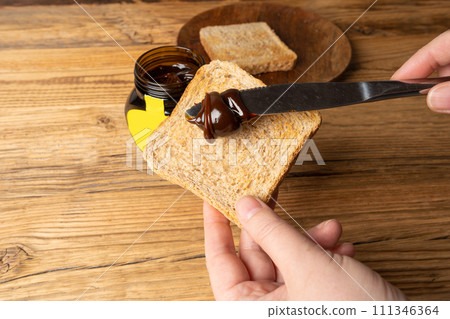
Is Vegemite Healthy? Nutrition, Sodium, and Serving Size
Is Vegemite healthy? Compare Original's 5 g nutrition, sodium at 5 to 15 g, B vitamins, gluten ingredients, and the 40% Less Salt version for your snack.
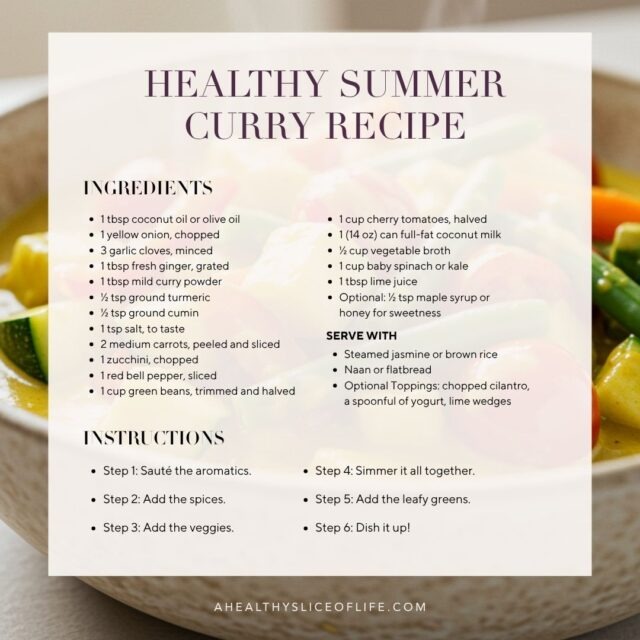
Is Curry Healthy? What Matters in the Whole Meal
Is curry good for you? Compare sauce ingredients, protein, vegetables, sodium and portion sizes, then see what studies of curry spices show.
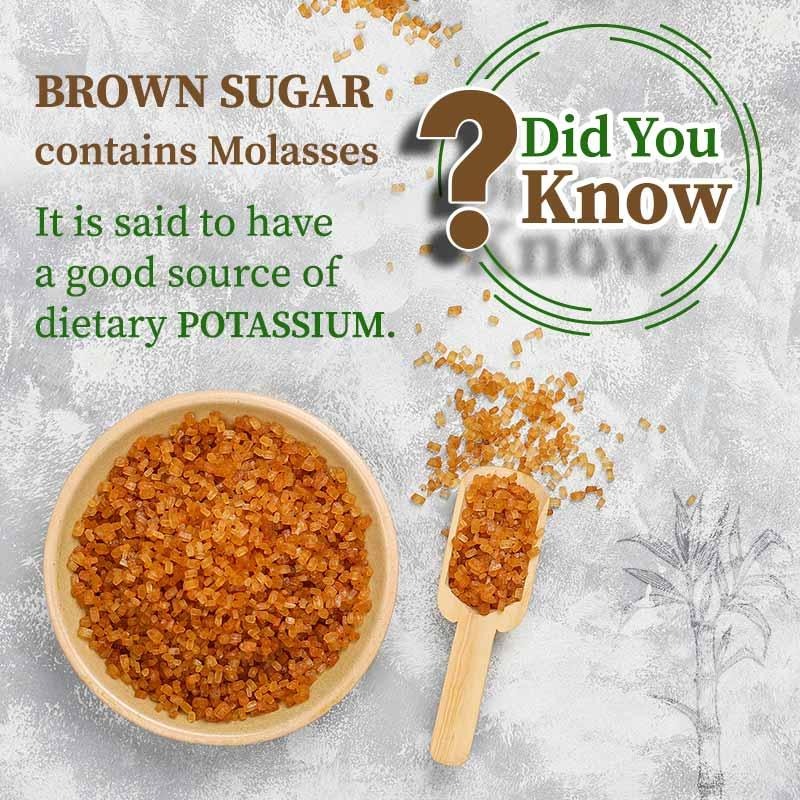
Brown Sugar Substitutes: Healthier Choices and Baking Trade-Offs
Compare coconut sugar, honey, maple syrup, allulose, and molasses swaps. Learn which options reduce added sugar and what changes cookie texture.
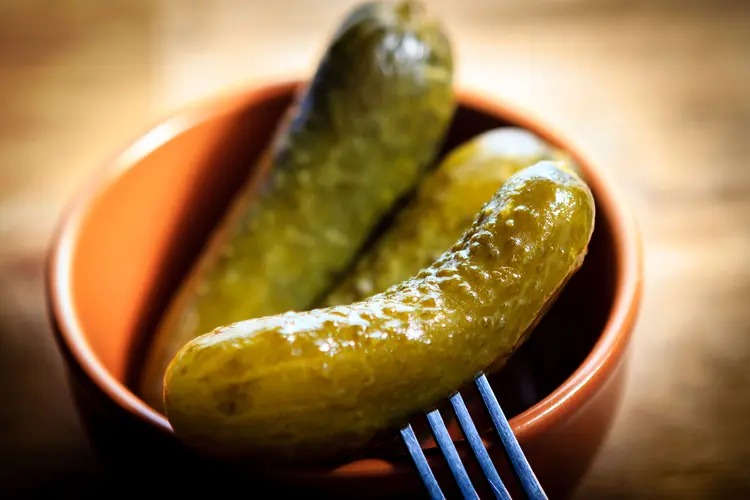
Pickled Cucumber Nutrition: Calories, Sodium, Sugar, and What the Jar Says
Compare dill and sweet pickle calories, sugars, and sodium per 100 g. Learn FDA serving-size math, calorie rounding, and how to assess live-culture claims.
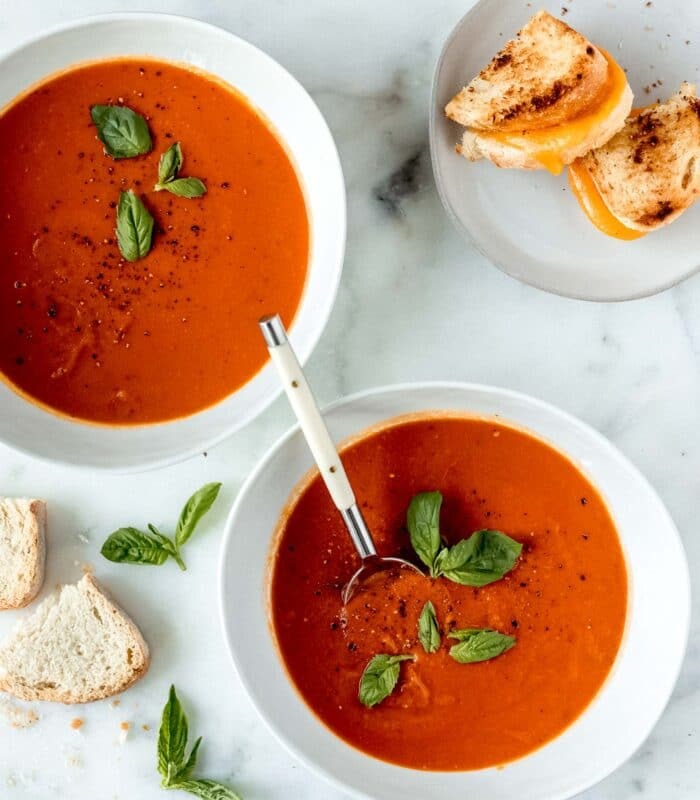
Is Tomato Soup Healthy? Nutrition, Ingredients, and Portions
Is tomato soup good for you? Compare real soup portions, calculate sodium and added sugar in a condensed can, and choose ingredients that suit your meal.
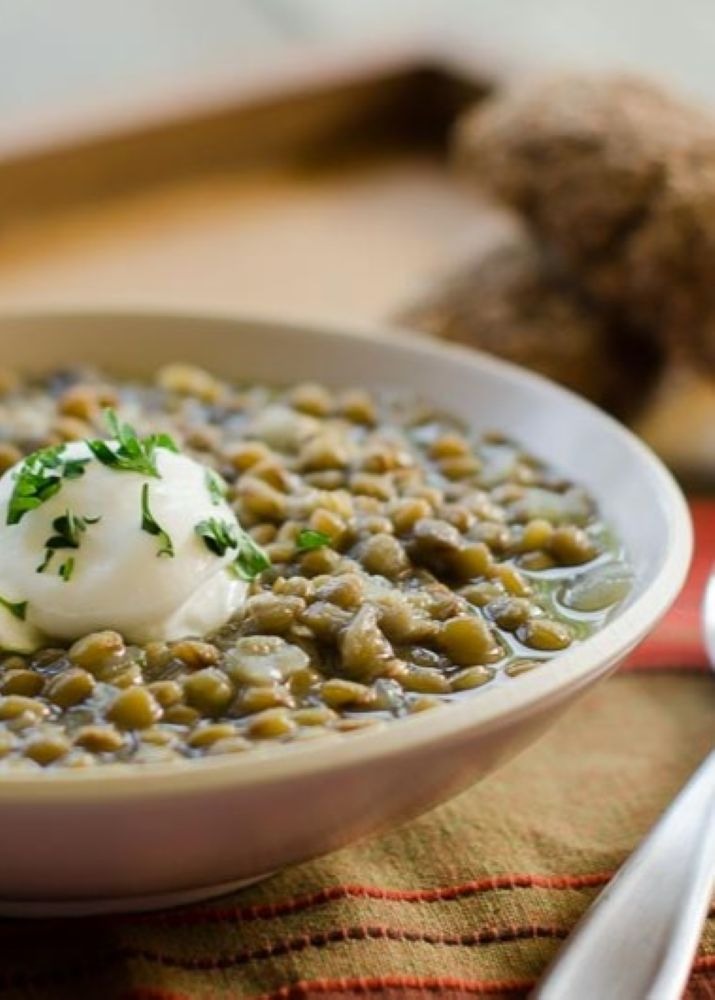
Is Lentil Soup Fattening? Calories Depend on the Bowl
Lentil soup calories vary by recipe. Compare real serving figures, see how rich ingredients change a bowl, and calculate calories in your homemade soup.
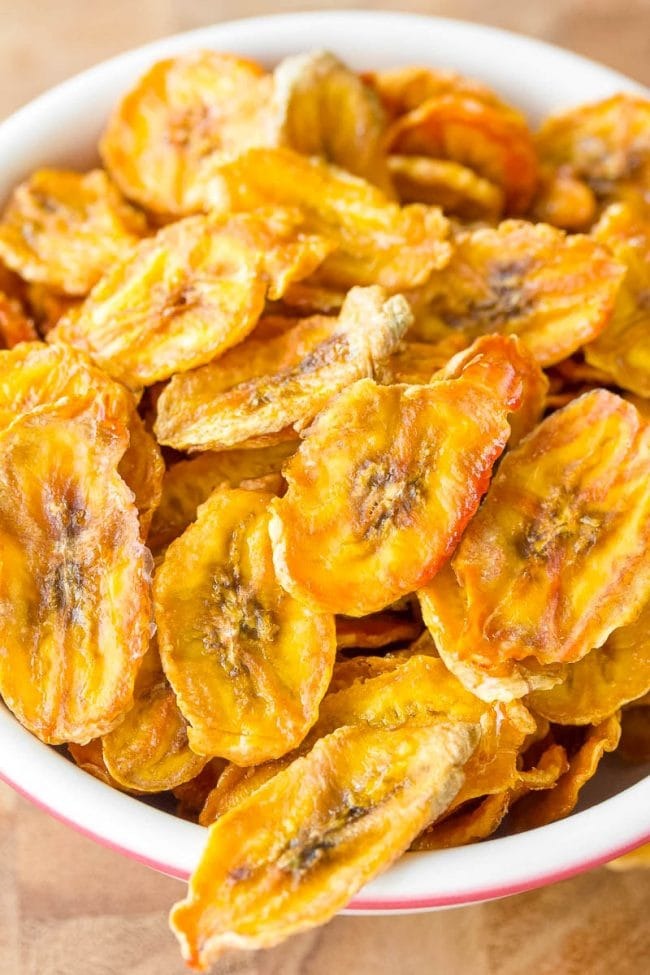
Are Banana Chips Healthy? What the Ingredients and Portions Tell You
Are banana chips healthy? Compare fried and baked chips by calories, total and added sugars, saturated fat, and serving size using real US product labels.
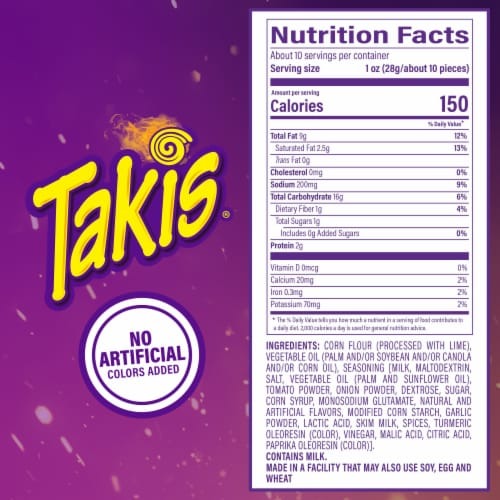
Are Takis Bad for You? A Nutrition-Label Breakdown
Are Takis bad for you? Compare sodium per serving, full-bag math, stomach effects, ingredient restrictions and Takis' announced 2026 changes.
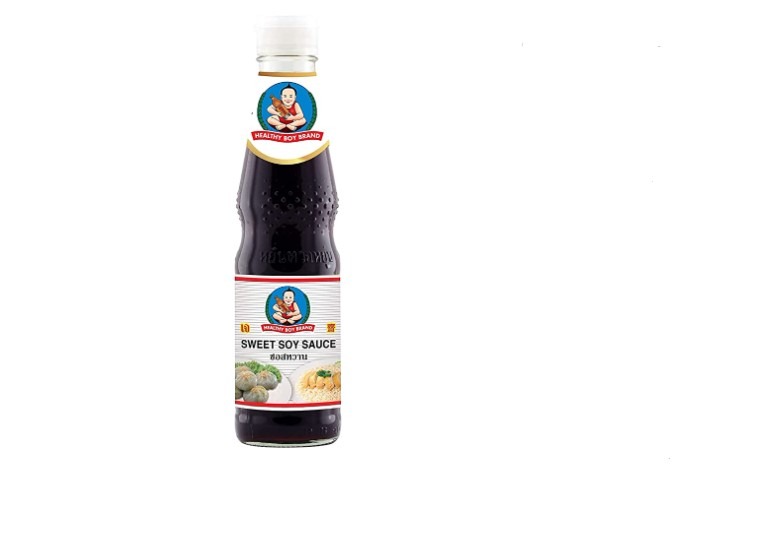
Is Soy Sauce Bad for You? Sodium, Ingredients, and Serving Sizes
Is soy sauce bad for you? Compare sodium in four US soy sauces, calculate teaspoons and recipe portions, and check gluten, soy allergy and medication concerns.
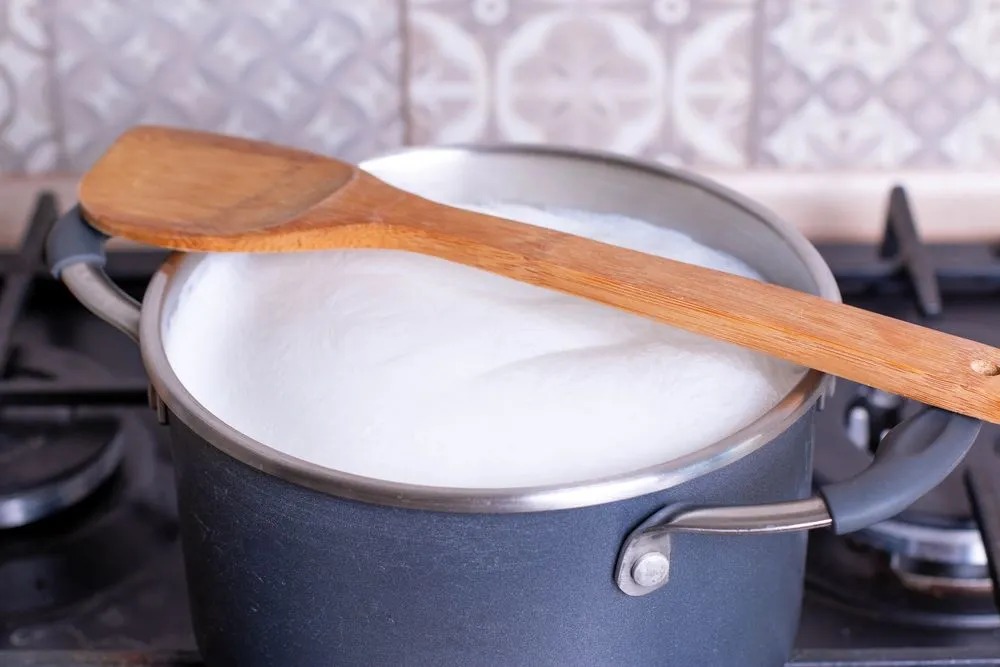
What Is the Boiling Point of Cow's Milk?
Cow's milk boils near 212.3°F (100.2°C) at sea level. Compare scalding, simmering and boiling, plus ways to prevent foam overflow and scorching.