
Brown Sugar Substitutes: Healthier Choices and Baking Trade-Offs
Reducing added sugar works best with a recipe designed for that purpose or a baking sweetener formulated for lower-sugar use. Coconut sugar, honey, and maple syrup still contribute added sugar. If you want brown sugar's flavor and baking behavior, white sugar mixed with molasses is the closer match. Cookies and cakes lean on sugar for structure, so they need a tested recipe.
Which brown sugar substitute is healthier?
The word "healthier" can refer to less added sugar, fewer calories, a different carbohydrate response, or simply an ingredient you prefer. Those goals call for different substitutions.
Under FDA labeling guidance, honey and syrups used as sweeteners contribute added sugars, just as ordinary sugar does. White sugar plus molasses keeps you on the same type of sugar. If blood glucose is your concern, the amount and composition of the finished food matter alongside the sweetener's name.
Choose a brown sugar substitute based on your goal
The best substitute depends on what you want to change and what you're cooking; some options keep brown sugar's caramel character. Others change the nutrition or the texture.
| Your goal | Consider | What you gain | What changes |
|---|---|---|---|
| Keep familiar brown-sugar flavor and behavior | White sugar plus molasses | The same sugar-and-molasses combination that defines brown sugar | Still contributes added sugar |
| Keep a deep molasses flavor | Muscovado or a suitable dark brown sugar | Rich flavor from the same family | Moisture and crystals differ |
| Try a granular caramel-tasting sugar | Coconut sugar | Granules and a caramel-like flavor | Still sugar; baked goods can turn out drier |
| Sweeten with a syrup | Honey, maple syrup, or agave | Distinct sweetness and flavor | Adds liquid and added sugars |
| Use fruit-derived ingredients | Date paste or date sugar | Fruit solids and a different flavor | Changes moisture, texture, and how the ingredient dissolves |
| Reduce conventional added sugar in baking | A lower-sugar recipe or a baking blend whose label backs up the reduction | Less added sugar | Blends vary, and so do the baking results |
| Use what's in the pantry | Plain white sugar | Easy sweetness | Less molasses flavor and different baking behavior |
A spoonful of syrup is easy to stir into oatmeal. Cookie dough needs its sweetener to supply bulk and keep moisture in check.
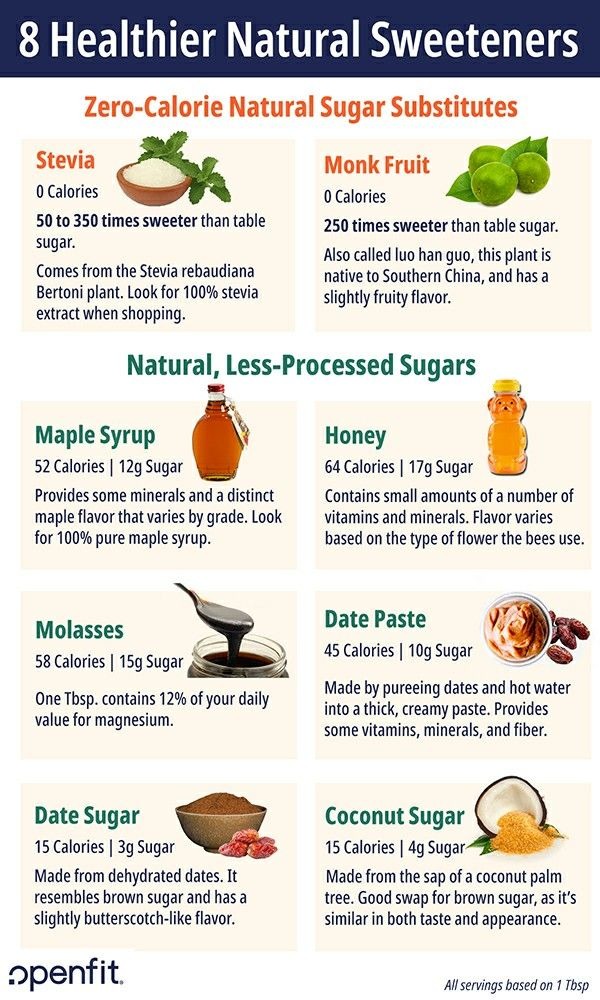
Coconut sugar, honey, maple syrup, and dates: the nutritional trade-offs
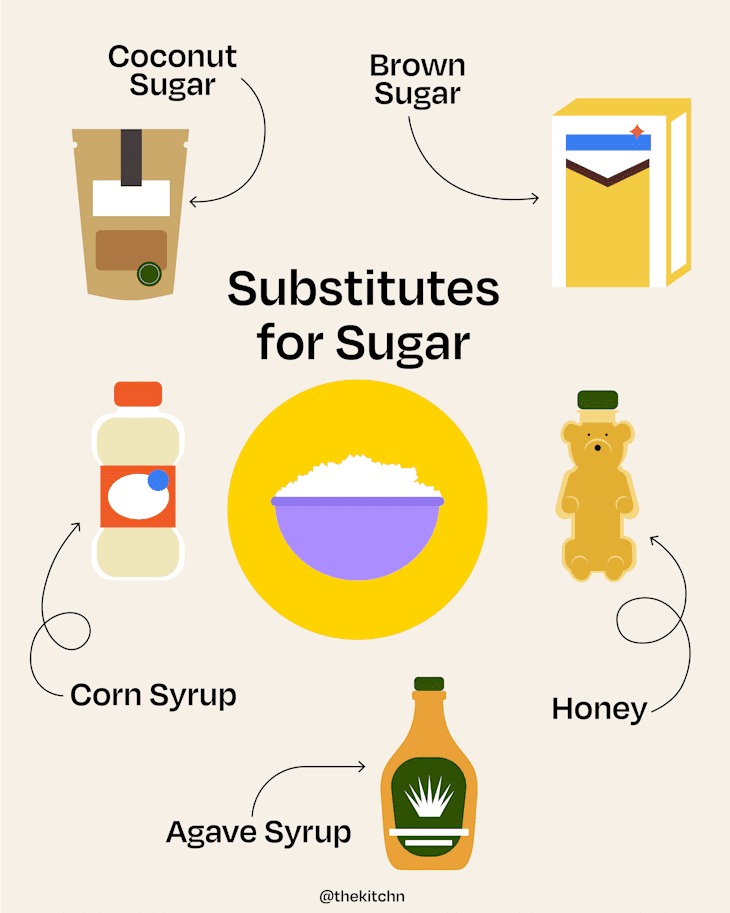
Coconut sugar comes from coconut-palm sap, and its caramel-like flavor resembles some brown sugars. It's still a caloric sugar. Healthline's brown-sugar substitution guidance describes using it in similar measured amounts for some applications, but warns that baked goods can turn drier or denser.
A 2026 randomized crossover study published in the Journal of Akhtar Saeed Medical & Dental College compared whole-wheat muffins made with coconut palm sugar and refined sugar in 20 healthy volunteers. The researchers reported differences in short-term glycemic measurements. The group was small and made up of healthy adults.
Honey, maple syrup, and agave bring their own flavors and add liquid, which matters in a dough balanced around flour, fat, and sugar.
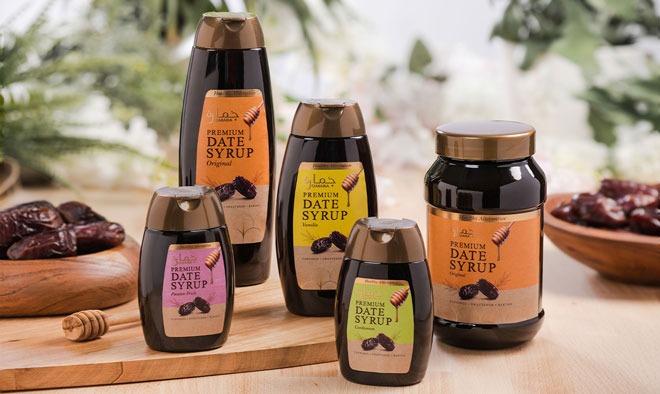
Date paste is mashed fruit with its moisture. Date sugar is ground dried dates. Each behaves differently from the other and from dissolving sugar crystals, and their nutritional contribution depends on the amount and preparation you use.
Turbinado and demerara have coarser crystals than familiar moist US brown sugar. Muscovado has a stronger molasses flavor. Two brown sugars can still differ in moisture and grain size, so they won't necessarily make the same cookies.
To compare nutrition, read the FDA's explanation of added sugars next to the product's Nutrition Facts panel. Compare the quantities you would use in the finished recipe, and look at serving size, Total Sugars, and Added Sugars. For single-ingredient honey or maple syrup, US Nutrition Facts labels must show the Added Sugars percent Daily Value, and a separate gram declaration may be omitted.
The FDA's Daily Value for Added Sugars is 50 grams on a 2,000-calorie reference diet. Labels use it as a standard reference, and your own dietary goals may differ.
Allulose, monk fruit, and stevia for lower-sugar baking
Allulose gets different US labeling treatment from ordinary added sugar. Under the FDA's October 2020 allulose guidance, manufacturers may use a 0.4-calorie-per-gram factor.
The agency also describes enforcement discretion for excluding allulose from declared Total Sugars and Added Sugars. Allulose remains part of Total Carbohydrate.
That treatment tells you how the package counts the ingredient. How allulose behaves in a particular cookie or cake depends on the recipe and the other ingredients.
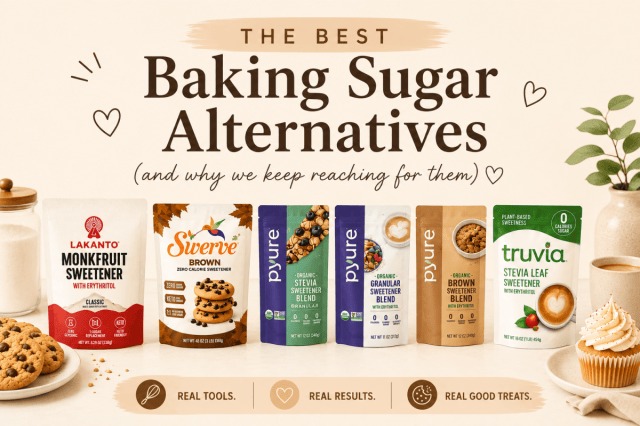
Monk fruit and stevia are high-intensity sweeteners. A small amount of purified extract delivers sweetness without the volume that several spoonfuls of sugar would supply, so a retail baking product usually adds other ingredients for bulk.
Two products with monk fruit on the front can contain different blends, including sugar alcohols or other bulking ingredients. They can differ in weight, sweetness, texture, and recipe directions.
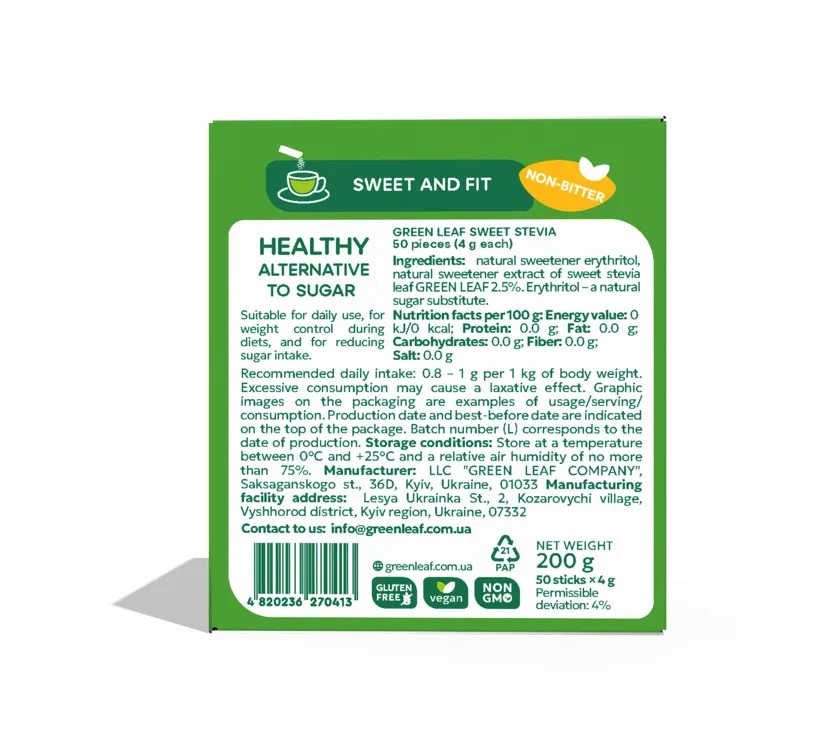
Read the full ingredient list and the manufacturer's baking instructions. Check whether "1:1" means volume, weight, or sweetness. The phrase alone doesn't say.
Why brown sugar changes cookies and cakes
Brown sugar supplies sweetness, bulk, moisture, molasses flavor, color, and acidity all at once. In many US baking products, it's granulated sugar with molasses.
The molasses does more than add flavor. Its acidity affects how baking soda works in some recipes, and sugar and moisture shape how a dough behaves as it heats. Replacing brown sugar can change the shape, chewiness, browning, or tenderness of the finished bake. Brown sugar, syrups, and sweetened creamers also change the carbohydrate content of coffee drinks.
In cookie dough, sugar dissolves and helps build structure as the dough spreads and sets. A coarse sugar, liquid syrup, fruit paste, or concentrated sweetener each changes that process differently, and equal sweetness doesn't guarantee the same spread or texture.
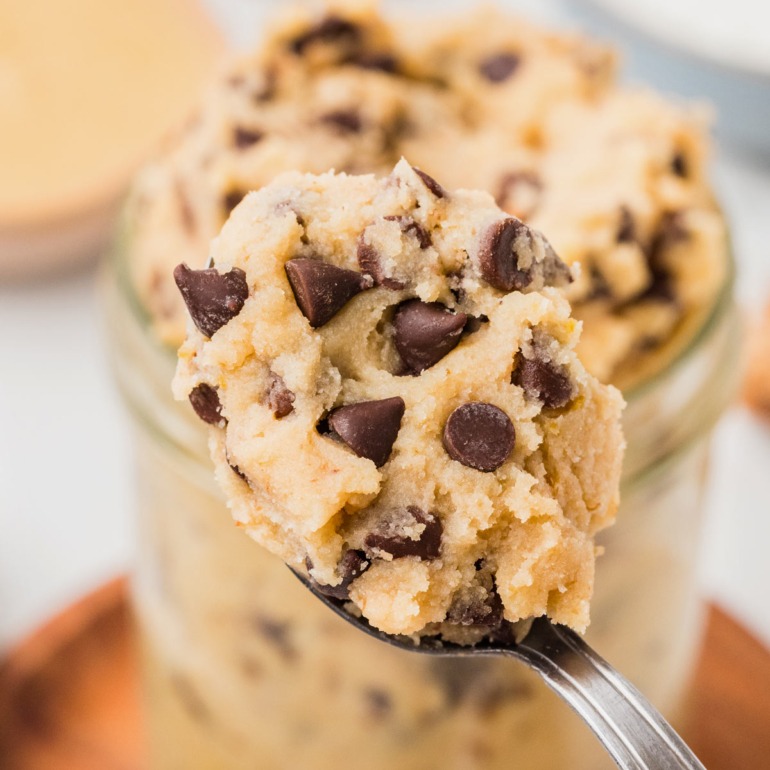
King Arthur Baking's sugar-alternative experiments show changes in appearance, flavor, texture, and spread that vary by recipe. The size of each change depends on the flour, fat, leavening, and mixing process.
Be most careful when a recipe relies on baking soda or uses a large share of brown sugar, before you swap a dry, bulky ingredient for a liquid, paste, or concentrated sweetener.
What works in cookies, cakes, oatmeal, and sauces?
The same swap can be easy in one dish and risky in another. Cookies and cakes have structural needs that a bowl of oatmeal or a small addition to soup doesn't.
| Food or recipe | Main substitution concern | Useful approach |
|---|---|---|
| Cookies | Spread, chewiness, moisture, and browning | Use a tested alternative developed for cookies |
| Cakes and muffins | Volume, moisture, and leavening | Use a recipe written for the sweetener you chose |
| Oatmeal and beverages | Sweetness and flavor | A simple flavor-based swap works |
| Soups and many sauces | Flavor balance, especially when you use only a little | Pick the replacement that suits the dish's taste |
| Fillings and toppings | Flavor, color, and sometimes texture | Treat the filling separately from the surrounding batter or dough |
Say a soup calls for two tablespoons of brown sugar. With plain white sugar, honey, and maple syrup in the pantry, you're choosing on sweetness, flavor, and balance. Those same amounts matter far more in a cookie built around a large share of brown sugar.
In King Arthur Baking's cinnamon-streusel coffeecake example, the cake uses 1½ cups granulated sugar and ⅓ cup brown sugar, while the separate filling contains 1 cup brown sugar. King Arthur says the filling tolerates a white-sugar replacement better structurally, although its flavor changes.
For a liquid sweetener, Healthline's starting example replaces 1 cup (200 g) brown sugar with ⅔ cup (160 mL) syrup and reduces another liquid by about ¼ cup (60 mL). Adjust from there for your recipe, especially in cookies and cakes.
Measure the swap: cups, tablespoons, and grams
A swap can fail before the dough reaches the oven. Cups, tablespoons, teaspoons, and grams measure different things, and a ratio means nothing if you misread the unit.
King Arthur Baking's brown-sugar guidance gives these mixes:
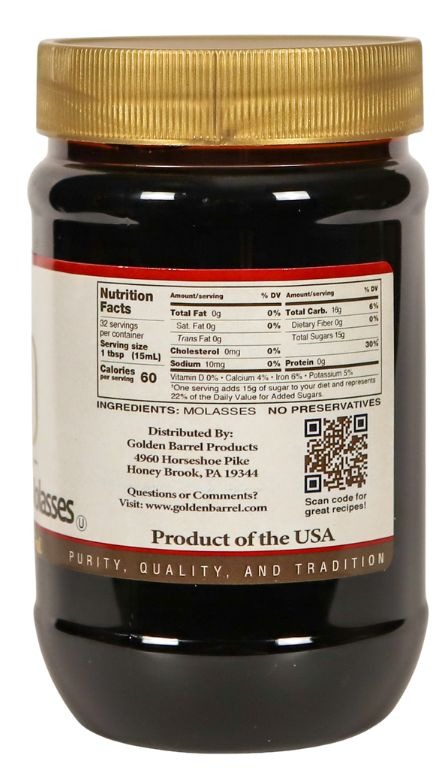
- Light brown sugar substitute: Mix 1 cup (198 g) granulated white sugar with 2 teaspoons (14 g) molasses.
- Dark brown sugar substitute: Mix 1 cup (198 g) granulated white sugar with 1 tablespoon (21 g) molasses.
King Arthur also lists 213 g per cup of brown sugar. Healthline uses different molasses proportions, so ratios vary by source and by the result you want.
One baker ran short of brown sugar while making oatmeal cookies:
I wanted to make oatmeal cookies, but was a bit short on brown sugar (I needed 1.5 cups, barely had 1 cup). I glanced at the ratios on my substitution guide and thought it said to use 1 cup white sugar + 1 cup molasses, so I thought hey, equal parts? Easy!
I made these with 1 cup brown sugar, 1/2 cup white sugar, and 1/2 cup molasses.
I definitely should have checked again, because the guide said 1 cup white sugar + 1 tablespoon molasses = 1 cup brown sugar.
In any case, my husband thinks I’ve invented a brand new cookie (I might have!), and I’m not braving the snow to get more sugar.
That mix had far more molasses than the guide specified.
Keep this short checklist beside the recipe:
- Match the recipe's unit: If the recipe uses cups, spoons, or weight, keep each number attached to its original unit.
- Don't assume equal volumes weigh the same: Equal cups of different sweeteners can weigh different amounts, so convert with documented values for the actual ingredient.
- Convert package directions first: If a package promises a cup-for-cup replacement and your recipe is written in grams, work out the weight conversion before you mix.
When the bake goes wrong, troubleshoot one change at a time
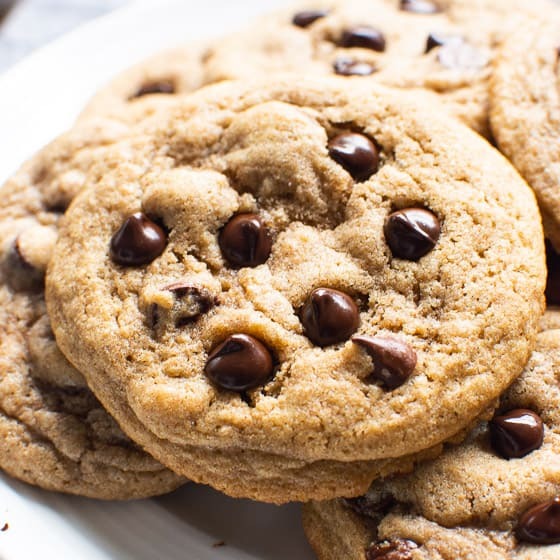
Cookies that dome, spread into thin sheets, turn dry, or taste different point to an imbalance in the recipe. Look first at the sweetener's form, its moisture, and how you prepared the dough.
| Observed result | Ingredient or process details worth investigating | Useful comparison on the next attempt |
|---|---|---|
| Cookies barely spread | Sweetener bulk, ingredient form, moisture, and dough preparation | Compare your sweetener with the one in the original recipe |
| Cookies spread excessively | Sugar and liquid quantities, fat condition, and dough handling | Check whether a liquid sweetener added liquid to the dough |
| Dry or dense texture | Granule size, moisture, and changes in sweetener solids | Compare the form of the original and the substitute |
| Grainy texture | Coarse crystals or ingredients that dissolve differently | Check whether this sweetener dissolves well enough in that dough |
| Unexpected flavor or browning | Molasses amount, sweetener characteristics, and baking conditions | Check the recipe against the ingredients you used |
A second baker, commenting in the same discussion as the oatmeal-cookie mistake, described a half-batch plan that kept changing:
I’m saving that recipe it sounds fantastic. I had a fun baking mistake today too. Always double check quantities when you’re making a half batch! I was making the classic nestle tollhouse choc chip cookie recipe and after mixing the sugar and butter realized I hadn’t halved the sugar. I decided to switch to a full recipe after all. Of course my butter wasn’t soft, and I was going to do the bars version instead of drop cookies, so I just went ahead and partially melted it.
Then I didn’t have all purpose flour, so I subbed half bread flour half whole wheat. Then I also put it in too large of a pan and forgot the baking soda! Also I only had chips for the half recipe. I ended up with a giant sort of crispy sweet cracker. Sort of like blondies spread out too thin and over cooked. Anyway, thank goodness choc chip cookies are forgiving. They’re still delicious.
The sugar quantity, butter, flour, pan, and baking soda all changed, so no single substitution explains that result.
For your next batch, change one ingredient or step at a time. Keep quantities, oven conditions, pan, and the rest of the recipe the same, then note what shifts in spread, texture, or flavor.