
Food Science: What It Explains About Everyday Food
Food science explains what food contains and how it behaves. For questions about DNA or RNA, use the nucleic-acid guide; for acidity or milk behavior, use the milk-pH guide and check the stated measurement conditions.
What food science studies
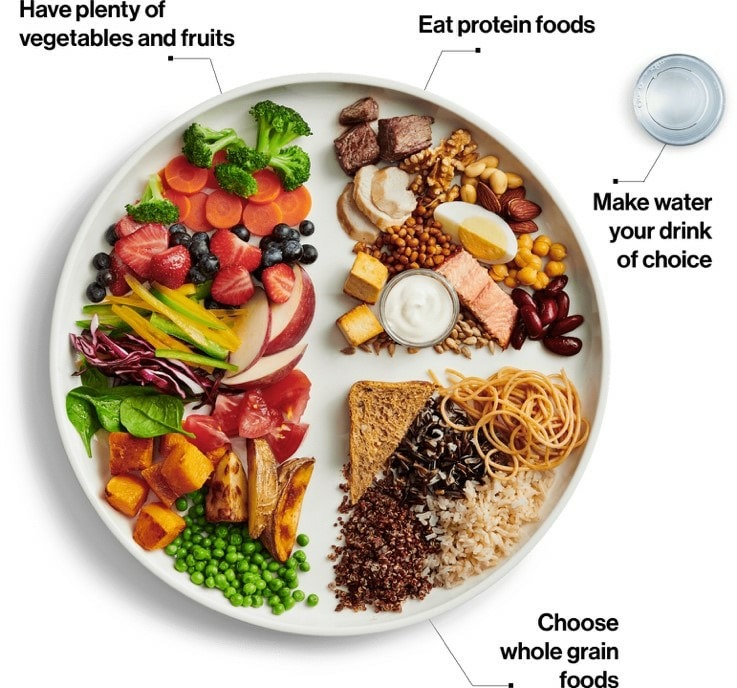
Food science examines the physical, chemical and biological properties of food, including changes during processing and storage. Biology helps explain the molecules inside ingredients; chemistry helps explain what happens when milk forms curds. The University of Arkansas includes food composition, processing and preservation within the field.
Cooking concerns the preparation of ingredients; nutrition examines foods and nutrients in human diets and health. The three fields overlap, but the question determines what kind of evidence is useful.
| Your question | What to examine | Where to go |
|---|---|---|
| What's in this food? | DNA, RNA and biological composition | Why foods contain DNA and RNA |
| Why does milk behave this way? | Acidity, pH and dairy chemistry | What milk pH measures |
| What happens when I eat it? | Dietary effects and health outcomes | Nutrition or clinical evidence appropriate to the claim |
For a health-effect claim, the evidence has to concern people and outcomes, even when the question began with a measurement of food.
Why DNA and RNA appear in food
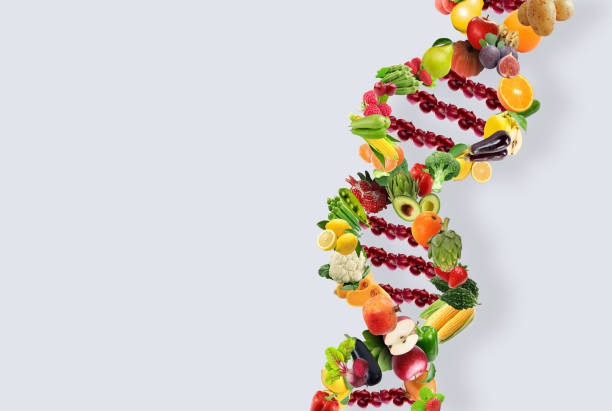
DNA and RNA are nucleic acids found in biological material. Plant-derived and animal-derived ingredients originate from living organisms, so finding these molecules in food is expected.
Processing changes what a laboratory may detect. Food Standards Australia New Zealand explains that food DNA can be broken down or removed during processing. An extensively refined ingredient can therefore contain less detectable DNA than the biological material from which it was made.
That measurement describes the ingredient. It does not establish that eating the food changes a person's genome or produces a particular health benefit. Such outcomes require evidence about what happens after ingestion.
What milk pH tells you about a food
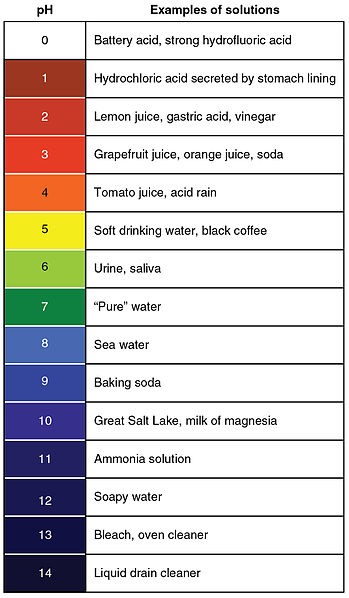
pH measures acidity in a particular food sample: lower pH means greater acidity. University of Guelph dairy teaching materials describe fresh cow's milk around pH 6.6 to 6.8 in one context. When comparing a reading with that range, check the milk product and measurement conditions.
Acidity helps explain changes in dairy proteins during processing. When milk curdles while being warmed for a latte, a pH reading can provide one piece of information about the sample, but it does not establish why that particular batch changed texture. The heating conditions, ingredients and sample would need to be considered together.
In cheesemaking, the University of Wisconsin's Center for Dairy Research reports that curd can measure about 0.1 to 0.2 pH units lower than the surrounding whey. Even within one batch, the measured sample makes a difference.
Where a food-science measurement stops being a safety answer
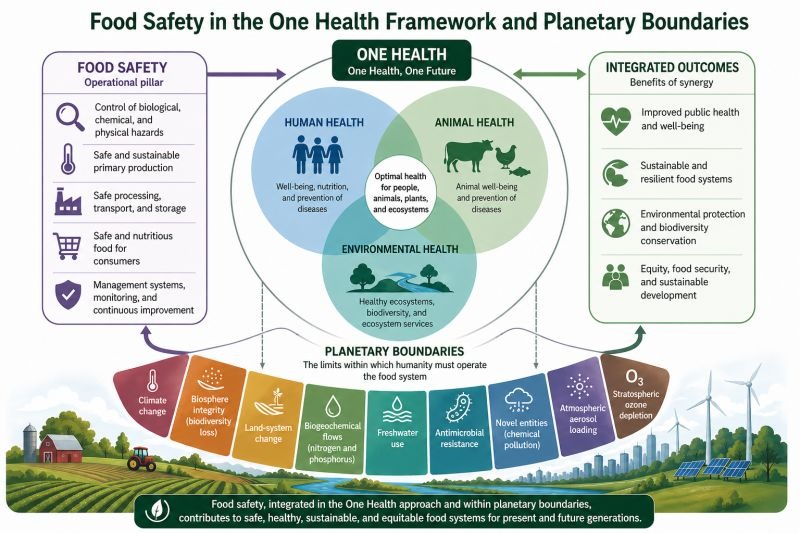
Food pH alone cannot certify whether a particular food is safe. For defined commercial acidified-food processing, the FDA uses finished equilibrium pH of 4.6 or below alongside water activity and other requirements. The CDC identifies raw-milk pathogen risks and explains pasteurization's protective role; for a safety decision, use official product-specific guidance. Food science explains composition and behavior: choose the nucleic-acid guide for DNA or RNA, and the milk-pH guide for acidity, checking its measurement conditions.
Explore this topic
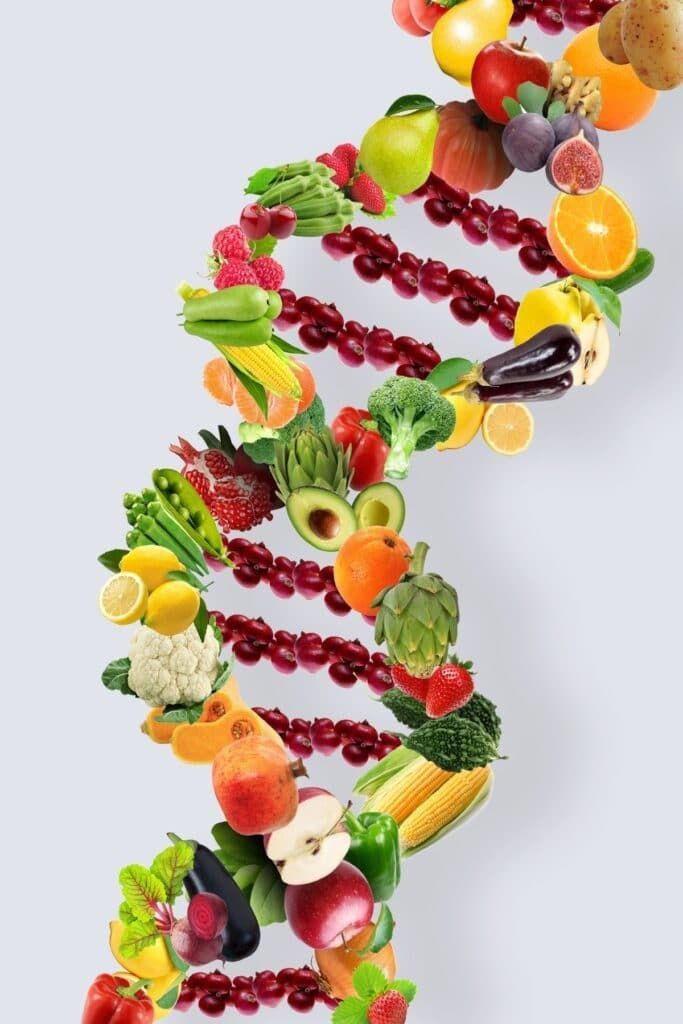
Nucleic Acids in Food: Examples, Functions, and Common Myths
Explore DNA and RNA in meat, beans, yeast, and broccoli. Compare measured amounts by dry weight, learn what digestion does, and understand food labels.
What Is the pH of Milk? Normal Range, Testing, and What It Means
Fresh cow's milk is usually near pH 6.7. Compare dairy readings, learn how calibration works, and why a pH result cannot confirm drinking safety.