
Personal Care: Hair, Skin & Everyday Hygiene
For everyday questions about hair, skin-care ingredients, and simple hygiene, choose the guide that matches your specific problem. If the concern involves persistent symptoms or medical treatment, use qualified healthcare guidance; otherwise follow the matching personal-care topic.
- Hair and scalp: Hair traits, washing, product buildup, shampoo condition, oils, and masks.
- Skin and ingredients: What botanical materials and skin-care products are meant to do.
- Everyday hygiene: Specific questions about toe debris and showering after meals.
Find the Guide That Fits Your Question
Start with the thing you're trying to understand. Hair growing in an unusual direction calls for an explanation of hair patterns. A bottle of shampoo that has changed since you last used it raises a question about the product itself.
| What brought you here? | What needs sorting out? | Go to |
|---|---|---|
| A curl pattern or two hair whorls | A physical hair feature or inheritance | Hair traits |
| Hair that feels coated after styling | Cleansing and product buildup | Washing and product condition |
| A cosmetic that smells or looks unusual | Product condition and reactions | Product safety |
| A plant-based toner or face mask | Ingredient identity and cosmetic purpose | Skin ingredients |
| Toe debris or an everyday bathing claim | One focused hygiene question | Everyday hygiene |
The American Academy of Dermatology's Everyday Care resources likewise organize information around distinct skin, hair, and scalp needs.
Hair and Scalp: From Cleansing to Hair Traits
Hair traits
- Is Curly Hair Dominant or Recessive? An explanation of hair texture and inheritance, including why a single dominant-or-recessive label is too simple.
- What Is a Double Crown? An explanation of the two-whorl hair-growth pattern and how it differs from a hair-care technique.
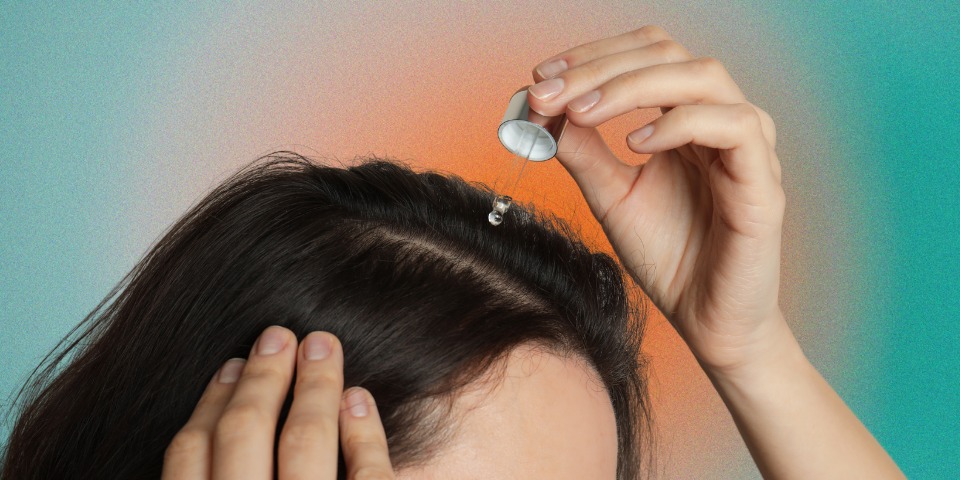
Hair texture involves multiple genetic influences. A double crown describes how hair whorls are arranged on the scalp.
Washing and product condition
- How to Cleanse Natural Hair: Buildup, Washing, and Scalp Care. For a coated feeling, visible flakes after styling, and questions about a cleansing routine.
- Does Shampoo Expire? For a bottle with uncertain age, altered consistency, or questions about storage and usable condition.
Flakes after several styling products point to a question about hair and scalp care; they do not identify a diagnosis or show that the shampoo has expired. When shampoo itself changes texture in a travel bottle, the product's handling and condition become relevant.
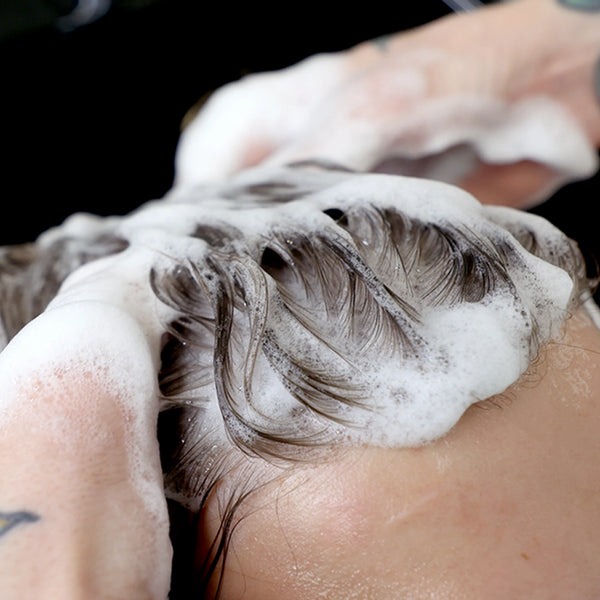
The AAD's healthy hair guidance describes washing and conditioning choices in relation to hair type and scalp needs. It does not supply one universal washing schedule for every reader.
Oils and masks
- Mustard Oil for Hair. Its cosmetic uses and the limits of claims made about hair growth.
- Sesame Oil for Hair. The ingredient also called gingelly oil, considered separately from mustard oil.
- Overnight Hair Masks. How an overnight application differs from choosing a particular oil or ingredient.
These are cosmetic-use subjects. They do not establish an oil or overnight mask as a treatment for baldness or scalp disease.
Skin and Ingredients: Choose Evidence Over Promises
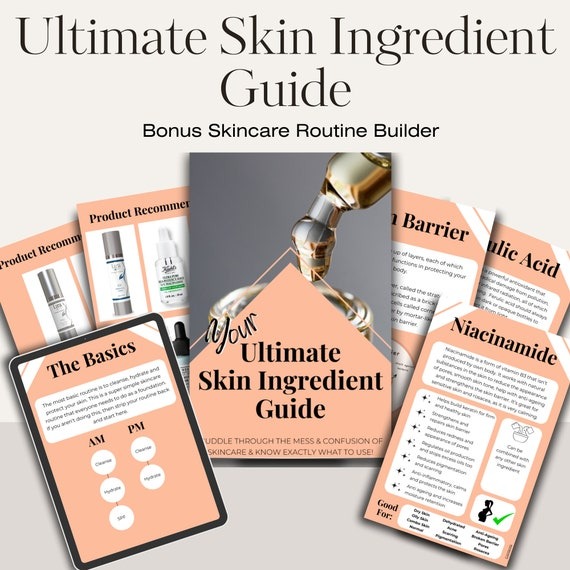
Hydrosol identifies a type of aromatic water, while astringent describes a topical effect or product function. An ingredient name by itself does not establish a medical benefit.
| Guide | Question it addresses | Important distinction |
|---|---|---|
| What Are Hydrosols? | How hydrosols are produced, used, and stored | Aromatic waters are distinct from concentrated essential oils |
| Natural Skin Astringents | What topical astringents do | A cosmetic function, not a particular plant ingredient |
| Aloe Vera for the Face | Uses and evidence limits for facial application | Cosmetic care is separate from treating acne or eczema |
| Green Tea for Skin | Questions about topical green tea ingredients | Applying a product is different from drinking green tea |
| Cucumber Face Masks | Cosmetic mask uses and preparation considerations | A facial mask made from a food ingredient |
Consider a plant-based toner. If you're curious about the liquid's origin, start with hydrosols. If the label promises an astringent effect, the astringents guide answers the more relevant question.
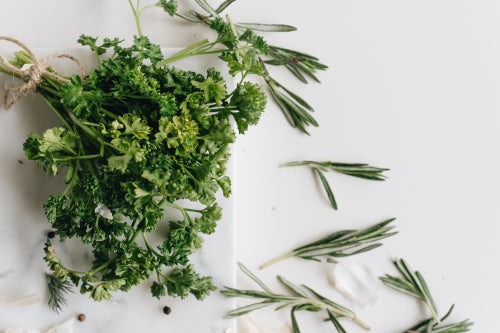
Read the ingredient list and the warnings that apply to the product. The FDA warns that a natural ingredient is not necessarily safer and that a “hypoallergenic” label does not guarantee freedom from reactions.
The AAD recommends testing a new skin-care product on a small area before regular use to help predict whether it will cause a reaction.
Everyday Hygiene: Answer the Narrow Question
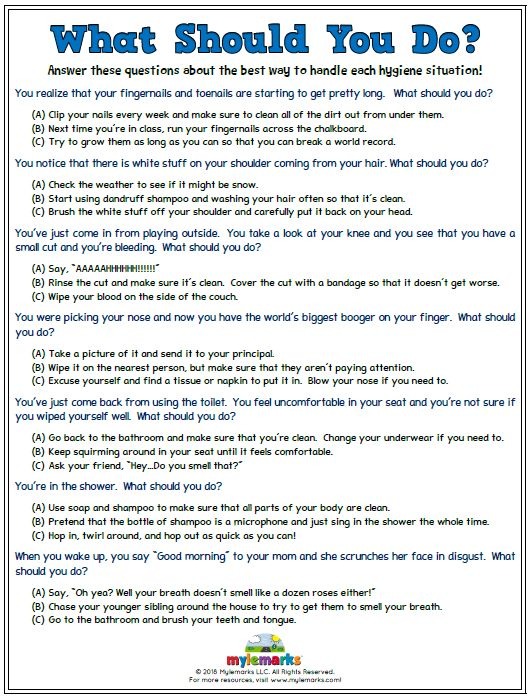
What Is Toe Jam? addresses material that collects between the toes, ordinary hygiene questions, and when a concern warrants further advice; appearance alone cannot diagnose an infection. Is It Bad to Shower After Eating? addresses one familiar bathing claim without presenting a rule about digestive illness.
When a Product Changes or Causes a Reaction
A cosmetic can change in storage, while a reaction can occur even when a product looks normal. Its condition and your response to using it determine which safety advice applies.
In the United States, ordinary cosmetics generally are not required to carry expiration dates; the FDA's cosmetic shelf-life guidance explains how formulation, storage, and handling affect product condition. Products regulated as drugs can have different labeling and expiration requirements.
| Observation | What it means for your decision | Next action |
|---|---|---|
| No printed expiration date | US cosmetic labeling does not require one for every ordinary cosmetic | Read the product's labeling and directions |
| Changed color or unusual odor | The FDA identifies these as reasons to discard cosmetics | Stop using and discard the product |
| Changed texture, including shampoo in a travel bottle | The observation alone does not identify the cause | Review storage and manufacturer instructions; use the shampoo shelf-life guide for detail |
| Skin reaction after using a cosmetic | A reaction needs attention irrespective of the product's age | Stop using the cosmetic and contact a healthcare professional for advice about the reaction |
Storage conditions can affect a cosmetic even without a printed expiration date; changes in odor or color are grounds to discard it.
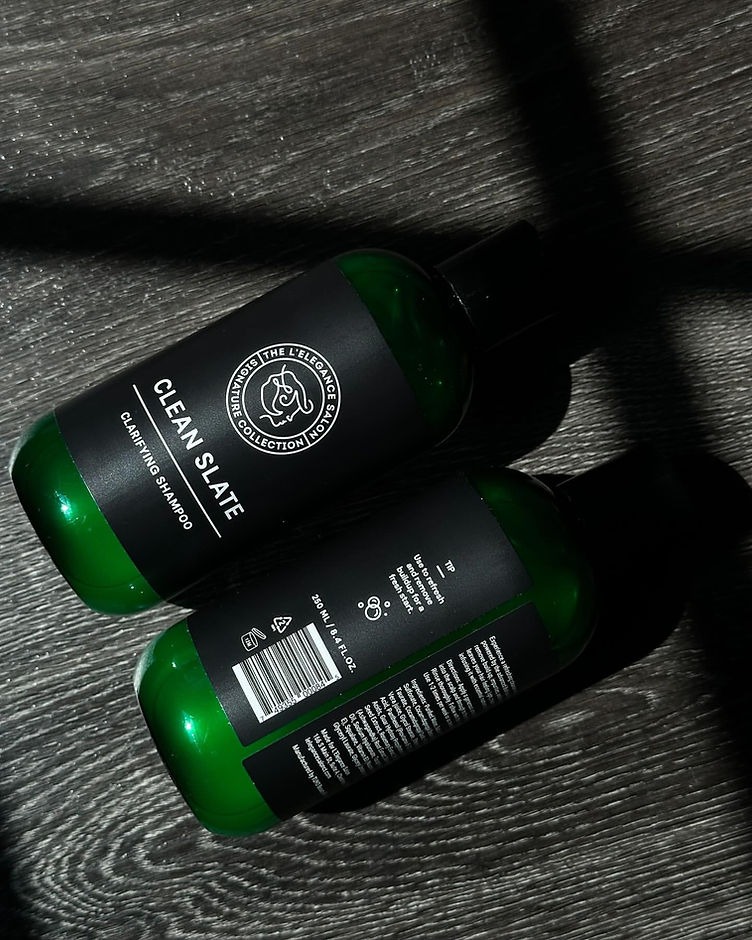
The FDA's cosmetic safety advice also discusses following instructions and keeping containers clean and properly closed.
What Falls Outside Everyday Personal Care
Self-care has a wider meaning in health guidance. The World Health Organization includes health promotion, prevention, and managing health concerns in its description. The National Institute of Mental Health also discusses sleep, exercise, relaxation, and support for mental wellbeing.
Stress management belongs with wellbeing information. Exercise and food choices call for fitness and nutrition resources. A persistent scalp or skin symptom may require assessment beyond cosmetic product advice.
For everyday questions about hair, skin-care ingredients, and simple hygiene, choose the guide that matches your specific problem. If the concern involves persistent symptoms or medical treatment, use qualified healthcare guidance; otherwise follow the matching personal-care topic.
Explore this topic
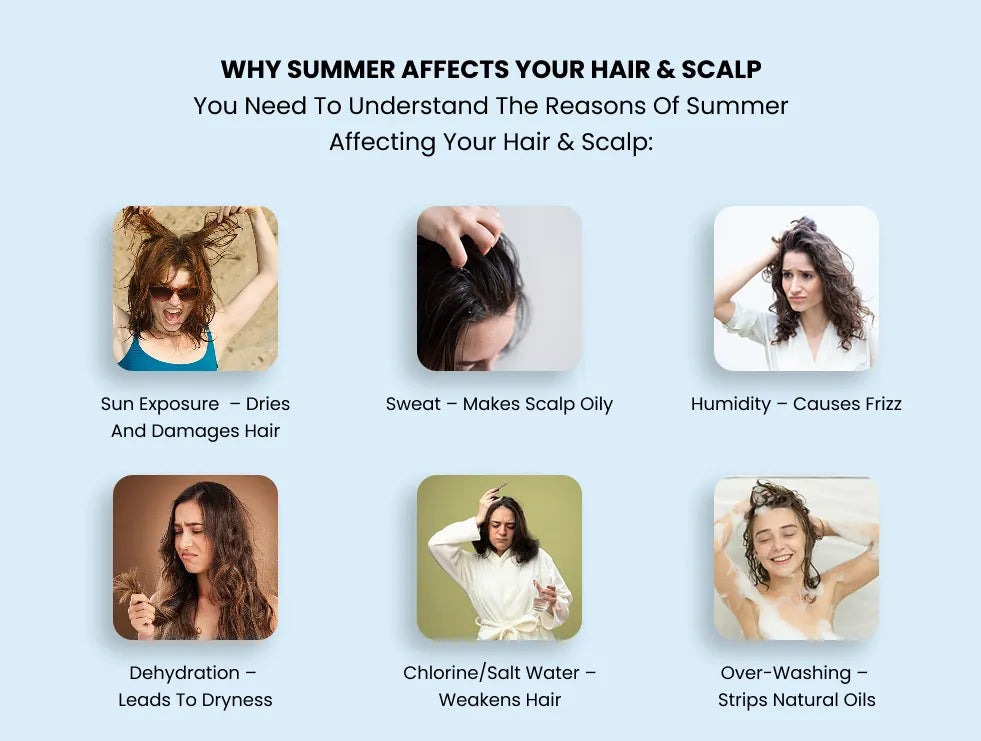
How to Build a Hair-Care Routine That Fits Your Scalp and Hair
Build a hair care routine around oily roots, dry ends, washing frequency, and gentle handling. Compare essential steps with optional oils, masks, and shampoos.
Botanical Skin Care: How to Choose Between Five Popular Options
Compare hydrosols, aloe, astringents, green tea and cucumber masks. Learn which format fits your goal, what labels reveal and how to test a new product.
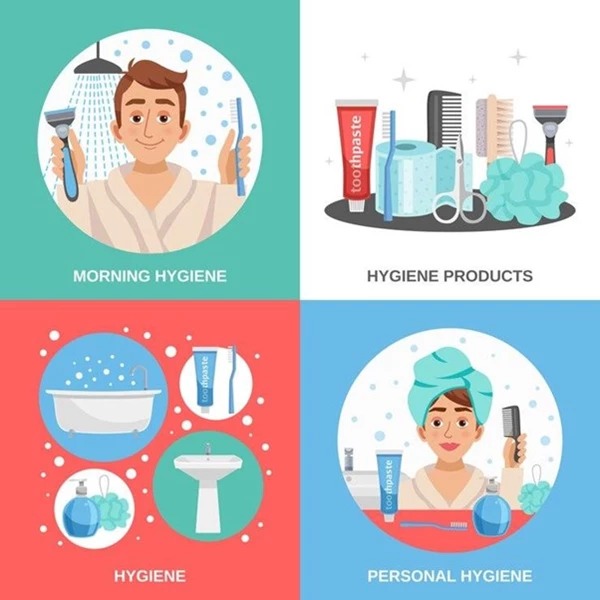
Everyday Personal Hygiene: What to Wash, When, and How to Keep Skin Comfortable
Choose a full shower, targeted wash, or brief rinse for your day. Learn how to care for often-missed areas, dry skin, and damp bathroom tools.