
Botanical Skin Care: How to Choose Between Five Popular Options
There is no single best botanical skin-care ingredient. Choose an optional product when it serves a clear purpose, its complete formula suits your skin, and evidence supports its claimed benefit. If your skin is irritated or your existing routine works, skip the extra toner or mask; otherwise, use the five-option comparison below to find the matching guide.
A rose-water mist, an aloe gel, a witch-hazel toner, a green-tea serum and a cucumber mask can all sound like variations of natural skin care. They come in different forms, make different promises and suit different uses.
Start with what you want the product to do. Then consider the complete formulation, the evidence for the claimed effect and whether your skin tolerates it.
Which botanical skin-care option fits your goal?
A mist, gel, astringent, extract-containing cosmetic and wash-off mask solve different cosmetic tasks. The product format gives you a useful first choice, before questions about a particular brand or formula.
| Option | What you are considering | Useful reason to explore it | Selection boundary | Detailed guide |
|---|---|---|---|---|
| Hydrosol | Botanical distillate, often sold as a mist | A light, water-based sensory step | A plain distillate and a finished facial toner may have different ingredients | How hydrosols differ from essential oils and facial toners |
| Aloe vera | Gel or aloe-containing facial product | You prefer a gel texture or want to assess aloe in a moisturizer | Fresh plant gel and a formulated moisturizer are different preparations | Aloe vera formulations for facial skin |
| Natural astringent | Toner-like product, often featuring witch hazel | An astringent or oil-control feel | Some alcohol-containing formulas can be drying; AAD advises people with rosacea to avoid toners and astringents | When a natural skin astringent may suit your routine |
| Green tea | Topical cosmetic containing green-tea extract | You are weighing a green-tea serum’s advertised benefit against evidence for its extract | Evidence must match the actual formulation and claimed outcome | Green tea extract in skin-care products |
| Cucumber mask | Facial mask, sometimes a homemade wash-off preparation | An occasional mask experience | Preparation, contact time and handling vary by product | Cucumber face-mask use and limitations |
A refreshing spray belongs to a different decision from a serum promoted for a green-tea extract. Follow the link for the product form you are considering; detailed recipes, ingredient-specific claims and methods belong in those guides.
None of these five formats is a required step.
Why the whole formula matters more than the plant name
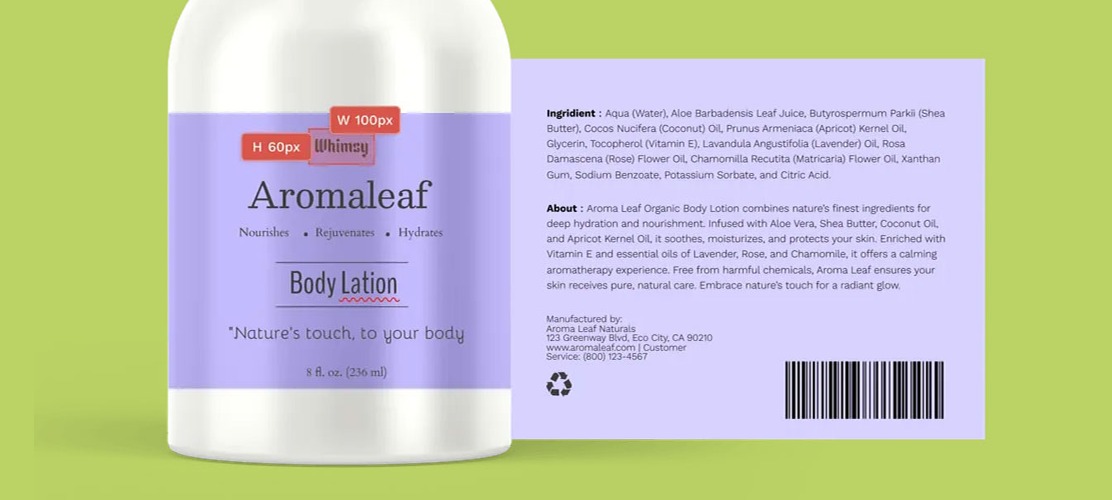
A plant name is one part of a cosmetic formula; read the full ingredients, directions and warnings, including fragrance, preservatives and other actives. Floral distillates, botanical extracts and finished creams are different preparations; the National Center for Complementary and Integrative Health also distinguishes aloe inner-leaf gel, latex and whole-leaf material. A fictional Botanical Rose Mist might contain fragrance even when labeled unscented, which does not necessarily mean fragrance-free. The FDA’s cosmetic-safety guidance says natural and organic labels do not guarantee safety and does not define hypoallergenic; a complete label also cannot predict individual tolerance.
Which skin-care evidence applies to the product?
The useful question about a botanical claim is what researchers tested and what they measured. Personal comfort, laboratory effects, clinical outcomes and professional recommendations provide different kinds of information.
| Evidence type | What it tells you | Question to ask next |
|---|---|---|
| Personal experience | How one person perceived a particular product | Were other products or conditions involved? |
| Laboratory or extract research | What an ingredient did under specific test conditions | Was a finished facial cosmetic tested? |
| Human trial | Measured outcomes for the studied formulation and participants | Do the formulation and outcome match the claim? |
| Professional consensus | Expert recommendations for specified skin concerns | Does the recommendation apply to this use? |
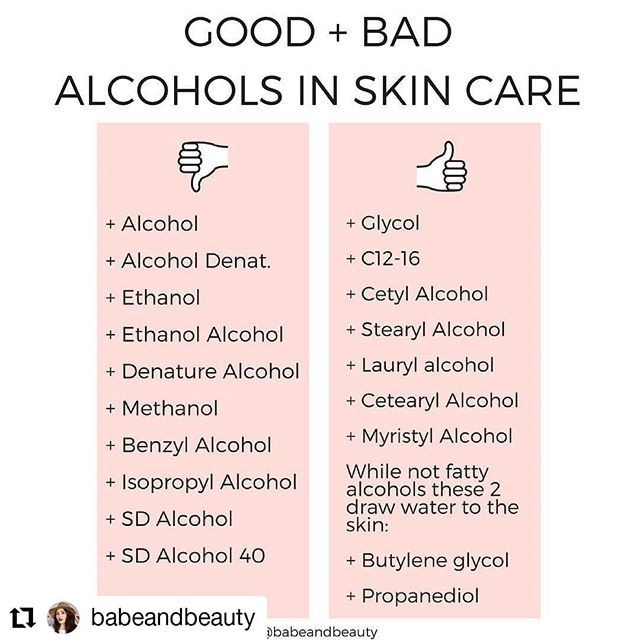
For a cucumber mask marketed as hydrating, the closest relevant evidence would measure hydration after a comparable topical preparation. Research on a different botanical extract and outcome answers a different question.
In a 2025 systematic review and meta-analysis, Cheng and colleagues examined eight randomized controlled trials of varied plant-derived topical products for skin aging in healthy individuals. The review's abstract reported improvements in selected pooled measures of hydration, elasticity, melanin and erythema.
The same abstract reported no significant improvement in transepidermal water loss or the R5 and R7 elasticity measures. Results also differed with follow-up duration; the varied preparations and endpoints provide no head-to-head ranking of the five options in this guide.

Another 2025 study, led by Alvarez and colleagues, used a Delphi process to consider ingredients for specific skin concerns. The panel included 62 dermatologists at 43 centers.
They reached consensus on 23 ingredients, among them niacinamide, retinoids and salicylic acid.
NIH describes aloe evidence for specific preparations and uses; fresh leaf gel and an aloe-branded moisturizer are different products. When a product cites research, match the studied preparation, population and measured outcome to the benefit printed on its label.
When can natural skin care irritate your skin?
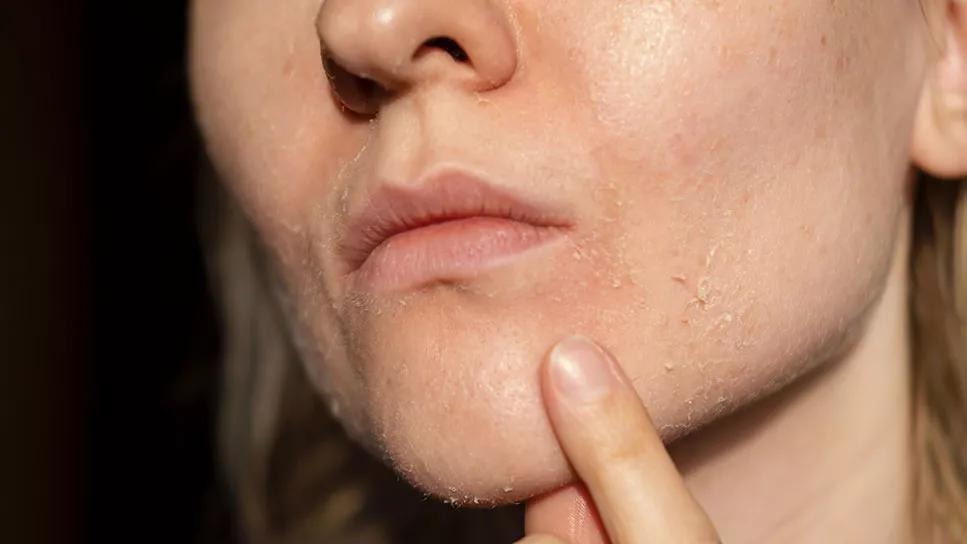
A botanical product can sting or irritate skin. Unexpected burning or persistent discomfort deserves attention, regardless of how gentle the packaging sounds.
A Reddit contributor reported burning after applying a toner they described as containing rose water, and recalled a similar sensation after using a rose-branded cream:
I’ve recently bought a few products to start my skincare journey! One of the items I got was the Caudalie Vinoclean Moisturizing Toner which contains organic rose water. However after applying, my face felt a burning sensation that lasted minutes. I also recalled similar burning when trying out the FRESH rose deep hydration face cream 2 months back. No redness or patchiness or itchiness. Just the burning sensation. Not sure if this is normal when applying Rose Water or whether my skin is just sensitive to it! Appreciate all your advice and any good alternatives for a Toner!!
Caudalie Vinoclean was a toner in this account; the other rose-branded product was a cream. Two different finished formulas leave the triggering ingredient unidentified.
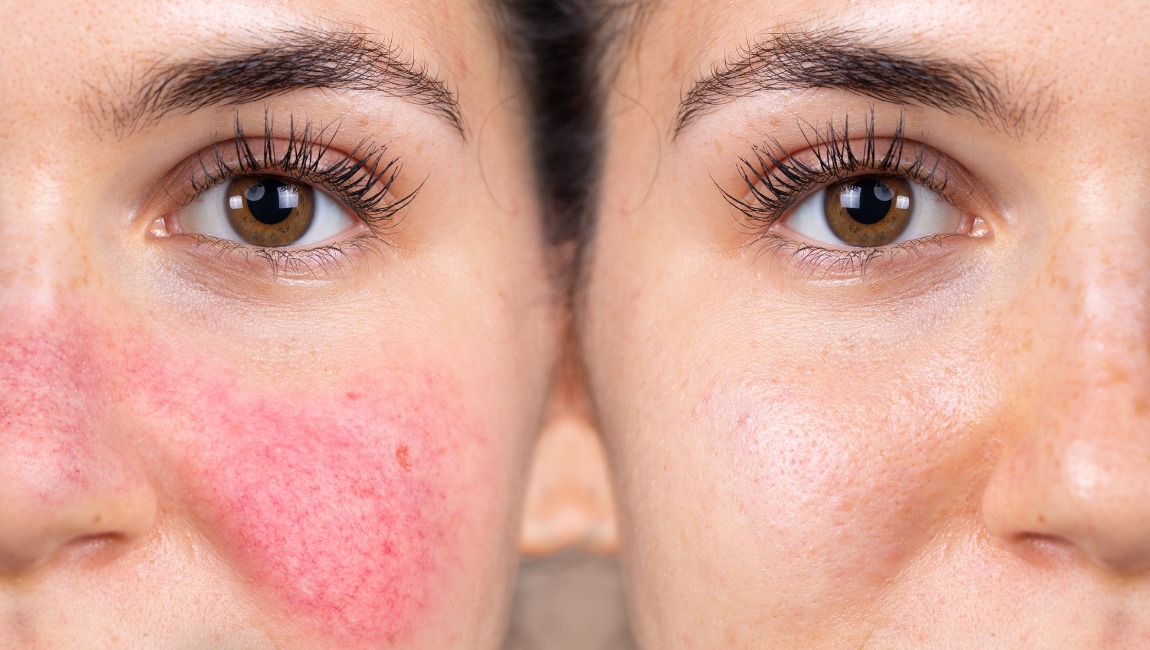
Skin affected by rosacea can be especially reactive to irritating products, as the American Academy of Dermatology’s rosacea skin-care guidance explains. Its advice about toners and astringents applies to that condition, without predicting everyone’s response to witch hazel.
If a cosmetic causes an unexpected reaction, wash it off and discontinue use. Marked or persistent symptoms warrant assessment by an appropriate health professional.
How to try one new skin-care product at a time
Introduce one optional cosmetic at a time so you can interpret any change in how your skin feels. Multiple new exposures can leave the cause of a reaction unclear.
In another r/SkincareAddiction post, a contributor described cold-weather dryness, recent retinol use, a tea sheet mask and a newly purchased aloe-marketed moisturizer during an episode of irritation:
Also, these past couple of days were super cold so my skin is really dry now. I also used retinol (loreal serum) in the last couple of days (once every two days). Tonight my skin felt itchy and sensitive, so I bought a tea sheet mask to calm it down. It burned a bit when I put it on my face but then it stopped, so I thought it was ok (never making that mistake again...) After I peeled the mask sheet, skin still felt weird and kinda reddish. I applied a new moisturiser that I also bought tonight (hydra genius aloe water, for dry&sensitive skin, by loreal). Now I think it's worse. Itches, reddish, and small bumps on the skin, especially around the jawline.
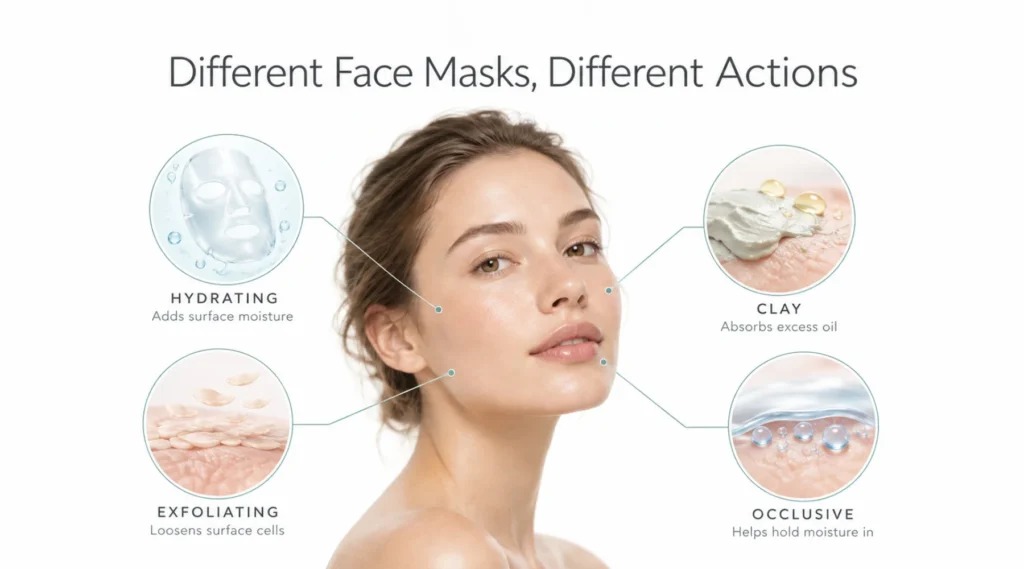
The post describes several possible contributors, without identifying a medical cause. The AAD also cautions that a face mask can duplicate retinol or exfoliating acids already present in a routine, increasing the chance of irritation. Before adding a mask, compare those active ingredients with products you already use.
The AAD's instructions for testing a skin-care product offer a specific preliminary check:
- Choose a small test area: Approximately the size of a quarter, such as the underside of your arm or the bend of your elbow.
- Use the instructed frequency: Apply the product twice daily for seven to ten days.
- For rinse-off products: Leave the product on the test area for five minutes or for the duration stated in its instructions.
If the test area shows no reaction after seven to ten days, the AAD says you can begin using the product as directed. This home-use check cannot guarantee tolerance in every circumstance and differs from formal clinical allergy patch testing.
Do you need a botanical toner or DIY mask at all?
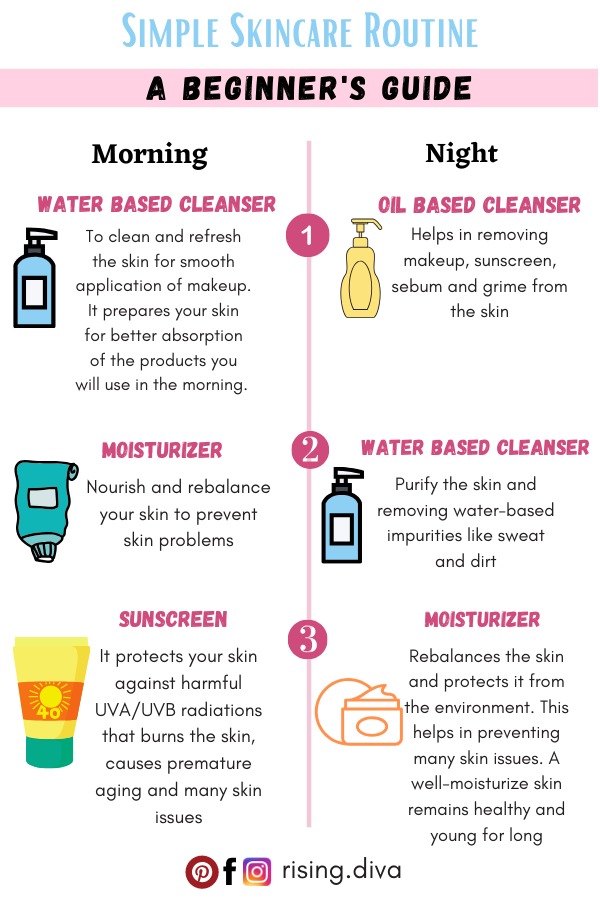
A toner or occasional face mask is optional alongside suitable cleansing, moisturizing and sun protection. Enjoying a cucumber mask's fresh feel is a legitimate cosmetic preference; it does not require a promise of treating acne or repairing skin damage.
Fresh homemade mixtures and packaged water-based cosmetics raise different handling considerations. The FDA identifies dipping fingers into cosmetic jars as one way contamination can occur during ordinary consumer use.
Keep containers clean and closed, follow their storage directions and discard a cosmetic if its smell or color changes noticeably.
There is no single best botanical skin-care ingredient: choose an extra product only when its format serves a clear purpose, its complete formula suits your skin, and evidence supports its claimed benefit. If your skin is irritated or your existing routine works, skip the extra toner or mask; otherwise, consult the matching guide and introduce one product carefully.
Explore this topic
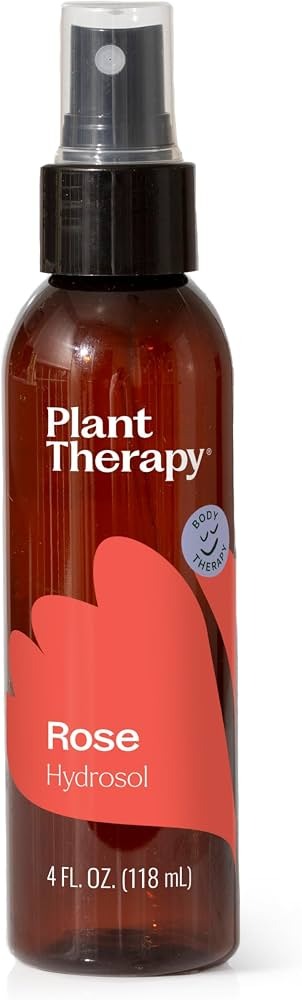
What Are Hydrosols? How They’re Made, Used, and Stored
Learn what hydrosols are, how they differ from essential oils and floral waters, and what to check before using or storing one in skin care.
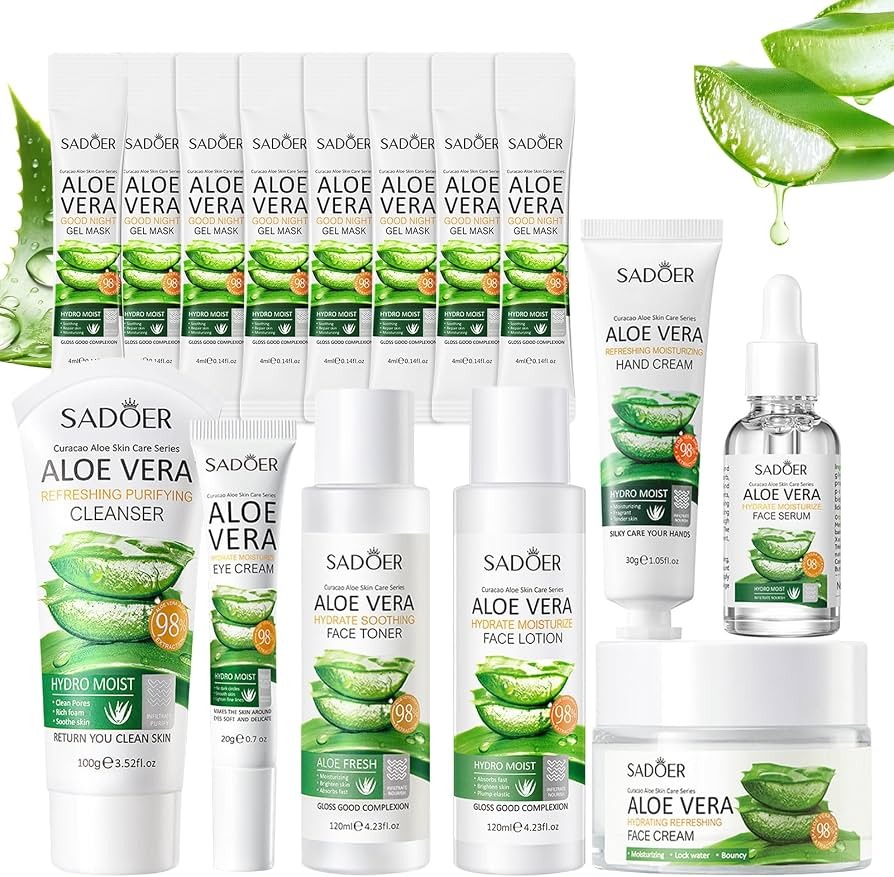
Is Aloe Vera Good for Your Face? What It Can and Cannot Do
Is aloe vera good for your face? Compare hydration studies, fresh leaf versus bottled gel, label choices, and a dermatologist-recommended way to test a product.

Natural Skin Astringents: What They Do and When to Be Cautious
Learn what natural skin astringents can do, how witch hazel and green tea evidence differs, which labels matter, and when gentle care is the better choice.
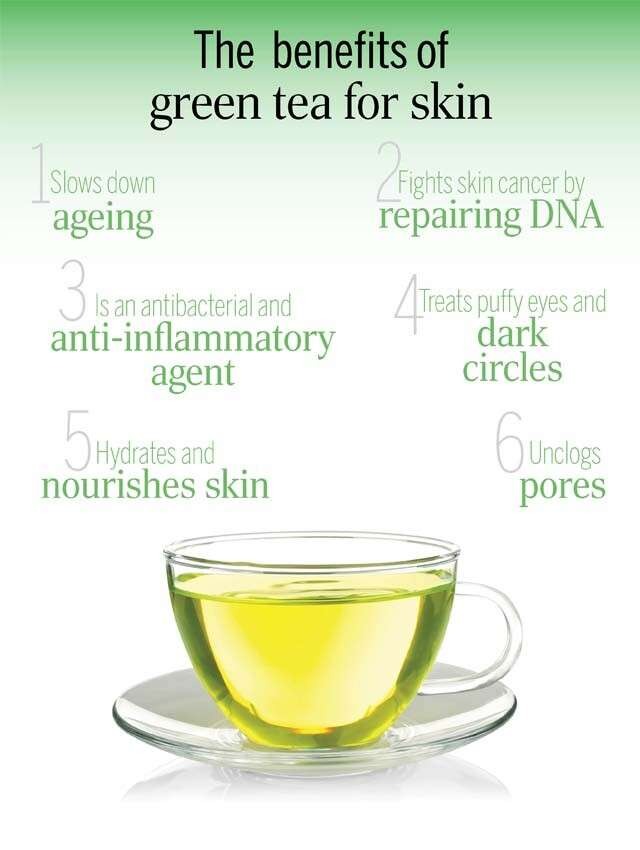
Green Tea for Skin: Benefits, Evidence, and Limits
See what topical green tea studies show for oil, acne and wrinkles, how to read ingredient labels, and when a product or homemade tea may disappoint.
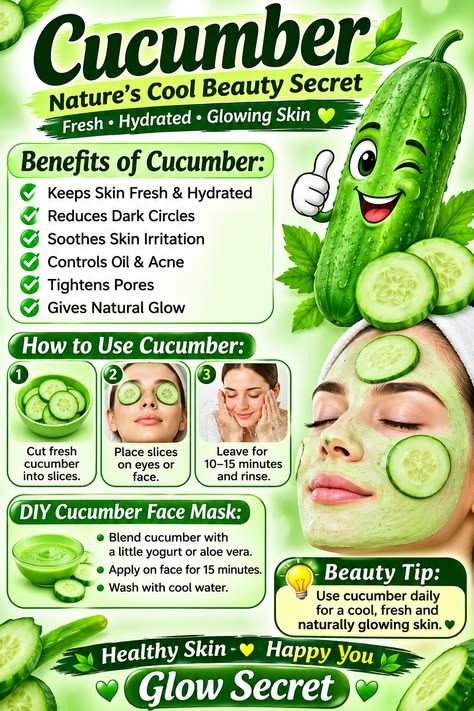
How to Make a Cucumber Face Mask and What to Expect
Learn a simple half-cucumber face mask recipe, how long to leave it on, what its cooling effect may offer, and when sensitive skin calls for skipping it.