
Natural Skin Astringents: What They Do and When to Be Cautious
A natural astringent can change how the skin feels or looks temporarily; it isn't an essential step in skin care. If your skin is comfortably oily, a well-made product can briefly cut shine or leave a tighter feel. If it's dry, reactive, stinging or acne-prone, choose gentler care. Ordinary cosmetic astringent toners aren't proven acne treatments, and they don't permanently shrink pores.
What a natural astringent does to your skin

An astringent temporarily tightens the skin, often leaving it less shiny or smoother-looking; the fresh, tight sensation is a cosmetic effect.
A product can strip surface oil or leave skin feeling taut without changing a pore's anatomy. Pore size depends on factors including genetics, and how pores look shifts with surface oil and the skin around them. A matte finish is cosmetic.
Toner is a wider category than astringent. Some toners aim at hydration or a comfortable feel after cleansing, so the word toner tells you little about whether a product will dry your skin.
Decide what you want to change before you compare ingredients. Midday shine, a refreshing feel, visible pores and recurring breakouts are separate problems, and a product that feels satisfying can do little for the one you started with.
One home-toner account from r/SkincareAddiction shows the gap between sensation and results. The writer began with rose water, then added vinegar after reading about it.
Hi! I just found this subreddit and I’m so excited because I recently got really into skincare :)
So here’s my question, are the products I mentioned good to use as toners? When I first really started skincare, I put rose water in a spray bottle and would spray all over my face after cleansing and before moisturizing, and a few weeks later I read that apple cider vinegar is a good toner so I mixed in a little bit with my rose water and I’ve been using it in the same way.
I would say I haven’t noticed a huge difference, but the rose water alone would mostly just make my skin feel fresh, while the ACV mixture would definitely tighten my skin more. Sometimes I even skip the ‘toner’ so that it won’t dry out my face too much (I guess I should say I have combination skin, very dry on my cheeks, very oily on my nose, moderately oily on my forehead and chin).
I can’t say if it did anything for my acne because I don’t get a lot of acne, it’s mostly hormonal so my newfound skincare routine hasn’t had much luck preventing it, but I feel that the ACV helps dry the pimples out faster. And I haven’t read about it doing anything for blackheads, which it didn’t do much for me (I have tons of blackheads but they’re super small, barely visible.)
What are your thoughts on these products? Have they benefitted/harmed your skin at all if you’ve tried them?
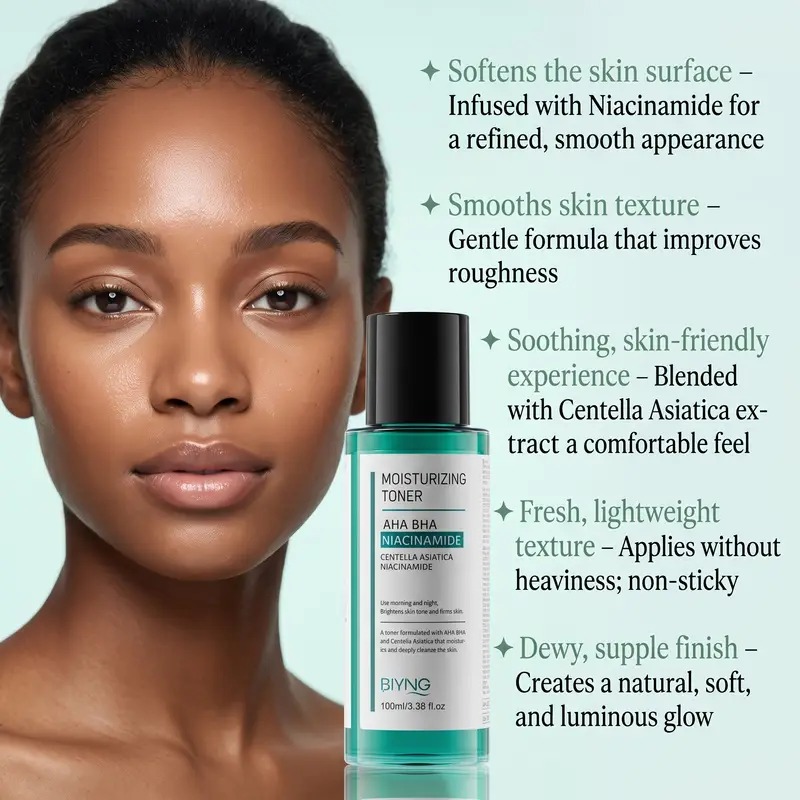
Which natural astringents have evidence behind them?
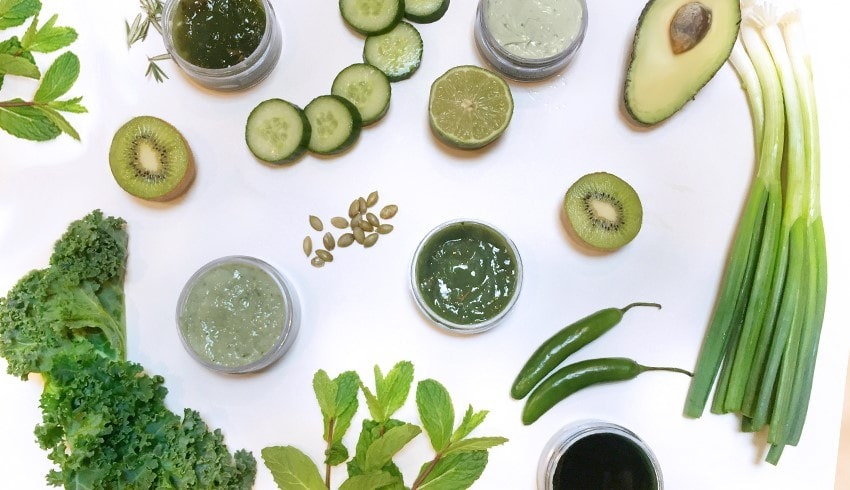
Witch hazel, green tea and rose water often appear together in natural skin-care discussions, but the evidence behind each covers different preparations and different outcomes. Each needs its own look. For green tea, read the green-tea skin evidence guide, which covers one extract.
A botanical name only identifies the source plant. How relevant a study is to the product on your shelf depends on the extraction method, concentration, finished formula and what the study measured.
| Ingredient or preparation | What has been studied or reported | What it means for an astringent choice |
|---|---|---|
| Witch hazel extract | Tannins and other polyphenols; substantial laboratory work, limited clinical evidence | Its long use as an astringent doesn't show it works as a routine facial toner |
| Witch hazel distillate lotion | A controlled study measured UVB-associated redness using a specific 10% distillate lotion | Tests UVB redness only |
| Topical green tea extract | Small studies and reviews examined acne lesions and sebum-related outcomes | Results apply to the tested preparations and application routes |
| Rose water or hydrosol | Used for scent and freshness; no established clinical oil-control benefit for ordinary rose water | A sensory choice |
| Aloe and cucumber preparations | Comfort and hydration uses | Not interchangeable with the evidence for witch hazel or green tea |

If oiliness is your concern, a clinical result about sebum tells you more than a laboratory result or a UVB redness experiment.
Witch hazel: active compounds and limited human trials
Witch hazel, Hamamelis virginiana, contains tannins and other polyphenols. A 2025 scientific review describes promising biological activity but limited robust clinical evidence for skin-care uses. Distillation changes the plant compounds present, so an extract and distilled witch hazel water need separate consideration.
A 1998 experiment tested a lotion with 10% hamamelis distillate on UVB-exposed back skin in 30 healthy volunteers. The lotion suppressed redness by about 27% after 48 hours, compared with roughly 11% to 15% for the comparison lotions.
The experiment didn't examine daily facial oil, acne or lasting pore size. The 2025 review of witch hazel in skin care covers the broader but still limited clinical evidence.
Green tea: evidence tied to tested extracts
Topical preparations containing green tea, Camellia sinensis, have been studied for sebum and acne outcomes. A 2017 review of tea polyphenols kept eight studies out of 59 retrieved records. Some tested teas other than green tea or didn't name the tea source. Two examined sebum, six addressed acne, and seven involved topical treatment.
A later meta-analysis of green tea and acne included five randomized studies, with 125 participants in experimental groups and 122 in control groups. Pooled inflammatory-lesion results favored green tea, while the overall non-inflammatory lesion result was not statistically significant. In the topical-application subgroup, the researchers reported reductions in both inflammatory and non-inflammatory lesion counts.
These trials tested particular extracts and treatment regimens, so the effects of ordinary green-tea toners remain unproven.
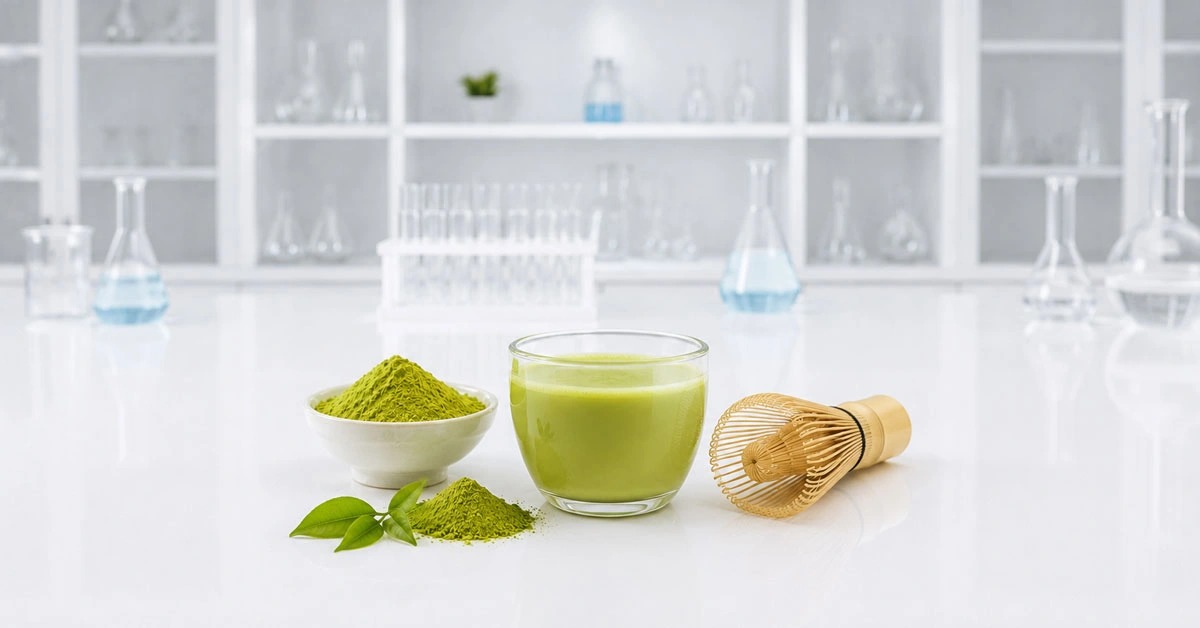
Rose water and other gentle-sounding botanicals
Rose water is usually chosen for its scent or refreshing feel. A floral water still contains ingredients that matter if your skin reacts to fragrance.
Aloe and cucumber are comfort and hydration ingredients. Judge them on that, and don't borrow astringent claims from unrelated botanical studies.
What the ingredient label reveals about natural astringents
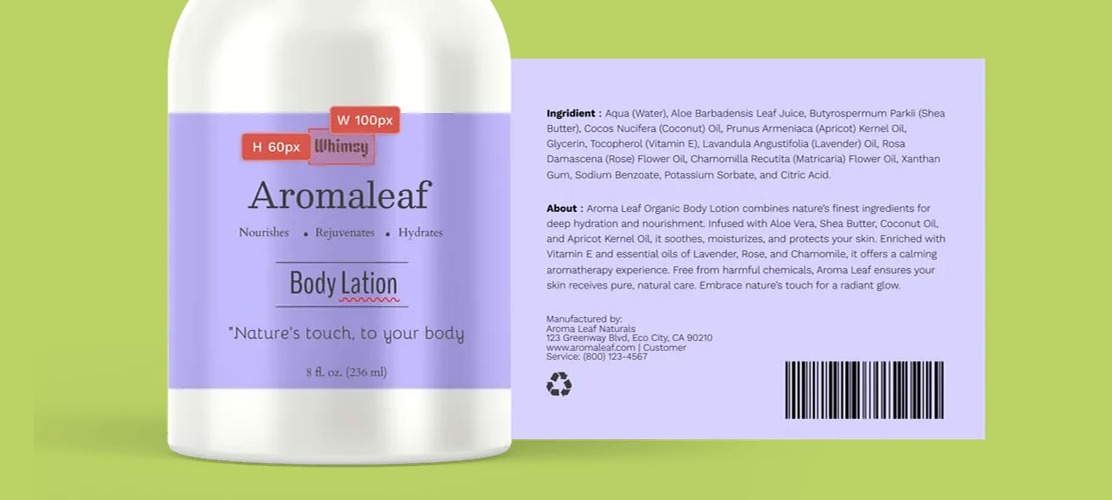
Two bottles with the same botanical name can feel different, because the preparation, solvent, fragrance and supporting ingredients differ. The full ingredient list gives you a better basis for comparison.
The US FDA also cautions that natural origin doesn't make an ingredient safe.
| Ingredient-list term | What it identifies | What to check |
|---|---|---|
| Alcohol / Ethanol | Ethyl alcohol | The name alone doesn't give the percentage |
| Alcohol Denat. / SD Alcohol | Denatured ethyl alcohol | Different chemical category from fatty alcohols |
| Cetyl Alcohol | A fatty alcohol | Its cosmetic function differs from ethanol |
| Stearyl Alcohol / Cetearyl Alcohol | Fatty alcohols | The word alcohol doesn't make a product drying |
| Witch Hazel Water / Distillate | Distilled botanical material | Can contain different plant compounds from an extract |
| Witch Hazel Extract | Extracted botanical material | Composition depends on the extraction and finished formula |
| Fragrance / Parfum / Essential Oils | Scent-related ingredients and materials | Possible irritation or allergy trigger |
The FDA's explanation of alcohol-free labeling separates ethanol and denatured ethanol from cetyl, stearyl and cetearyl alcohols, so an alcohol-free product can still contain those fatty alcohols.
Dickinson's FAQ describes a conventionally preserved witch hazel distillate containing 14% ethyl alcohol. Other witch hazel products vary in formula and alcohol percentage.
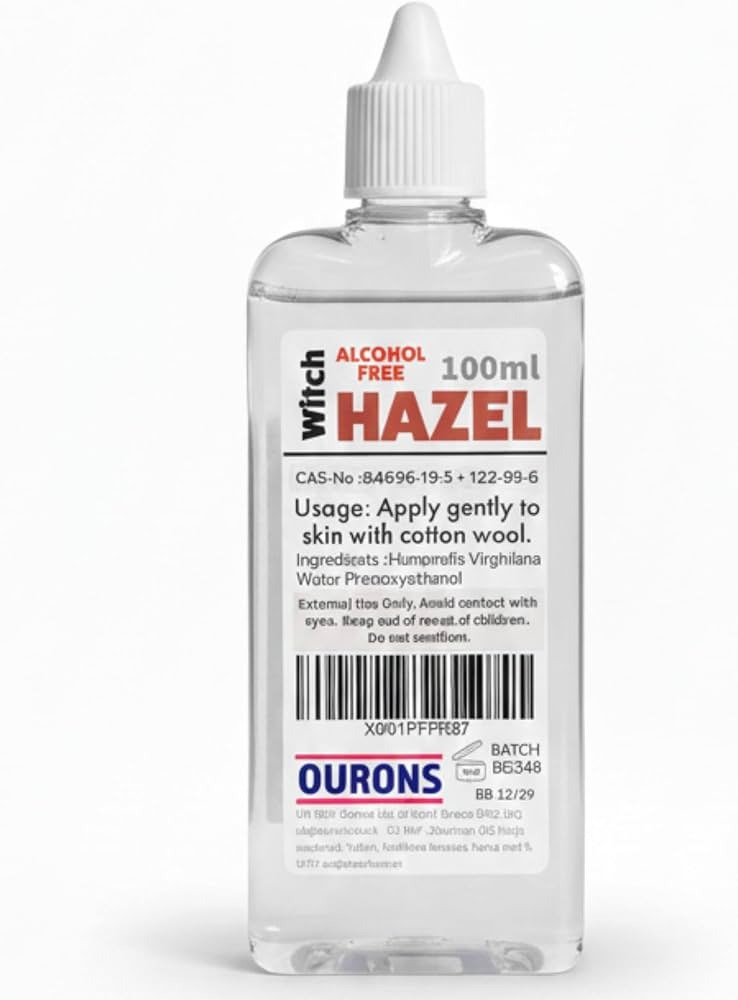
One writer preferred a formula containing alcohol to an alcohol-free alternative, while also changing other products.
i started using dickensons pore perfecting toner (which contains alcohol) at the end of august 2022 until october 2022. this period, i had the BEST skin of my entire life. i think a few other products definitely helped, but that was the main contributing factor to my clear, even skin.
i stopped using at the end of october and slowly but surely my skin has turned to shit. i experimented with a few other products, thinking i could clear my skin without an alcohol laden witch hazel toner, but nothing ever quite matched up to it. i even tried alcohol free witch hazels, like thayers, but it only made my skin sticky and never helped acne.
looking back at pics of my skin from this time, i really want to go back to using it. however, i’m worried about the overall effects. i never saw any irritation, redness, or dryness when using it. but derms say sensitivity can happen over long periods of time and especially with the toner containing alcohol, it’s not recommended.
would it really be that harmful to start using it again?
The writer changed other products at the same time, so you can't credit one ingredient. One person's result also doesn't show how the formula works for everyone.
Who should skip an astringent?
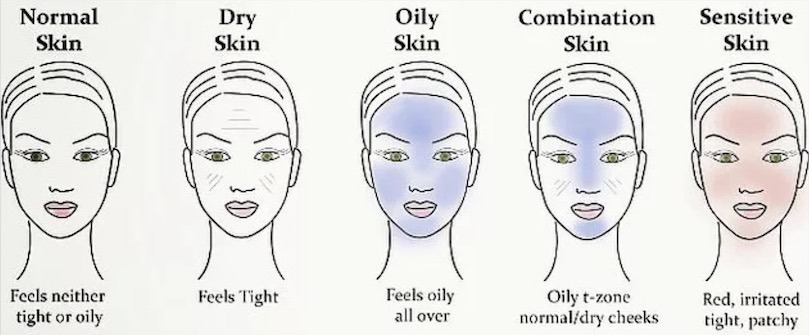
Dry, irritated or reactive skin is a good reason to skip an extra drying step. Oily skin can have dry areas too, which makes an all-over astringent uncomfortable.
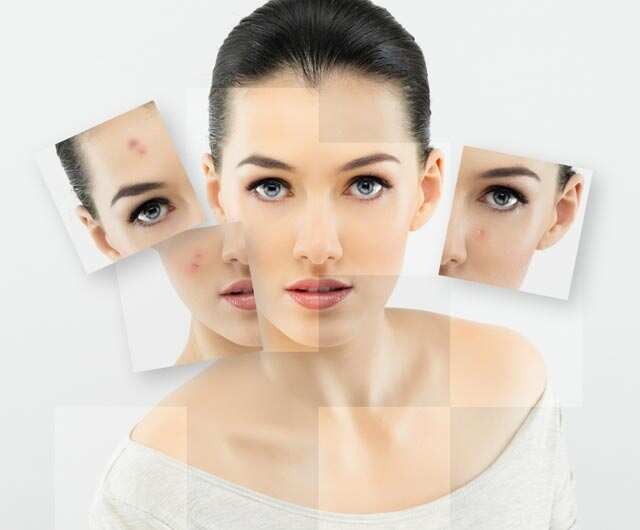
The American Academy of Dermatology's acne skin-care guidance advises against astringents and rubbing alcohol for acne-prone skin. Its rosacea guidance also lists toners and astringents among the irritating products to avoid.
| Skin situation or goal | Working choice | Reason |
|---|---|---|
| Comfortable oily skin seeking a brief cosmetic finish | Optional step | The goal is a temporary look or feel |
| Dry cheeks or easily tight-feeling skin | Usually skip | More tightening adds discomfort |
| Red, stinging or visibly irritated skin | Skip | It adds another irritant |
| Acne management | Don't use as a treatment | See the AAD guidance above |
| Rosacea or persistent reactivity | Avoid toners and astringents | Dermatology advice favors gentle care |
| Occasional midday shine | Try blotting paper | No leave-on product needed |
Combination skin makes this concrete. Your nose can look glossy while your cheeks feel dry, and one drying product spread over both treats two different conditions as one.
Why DIY natural toners are a different risk
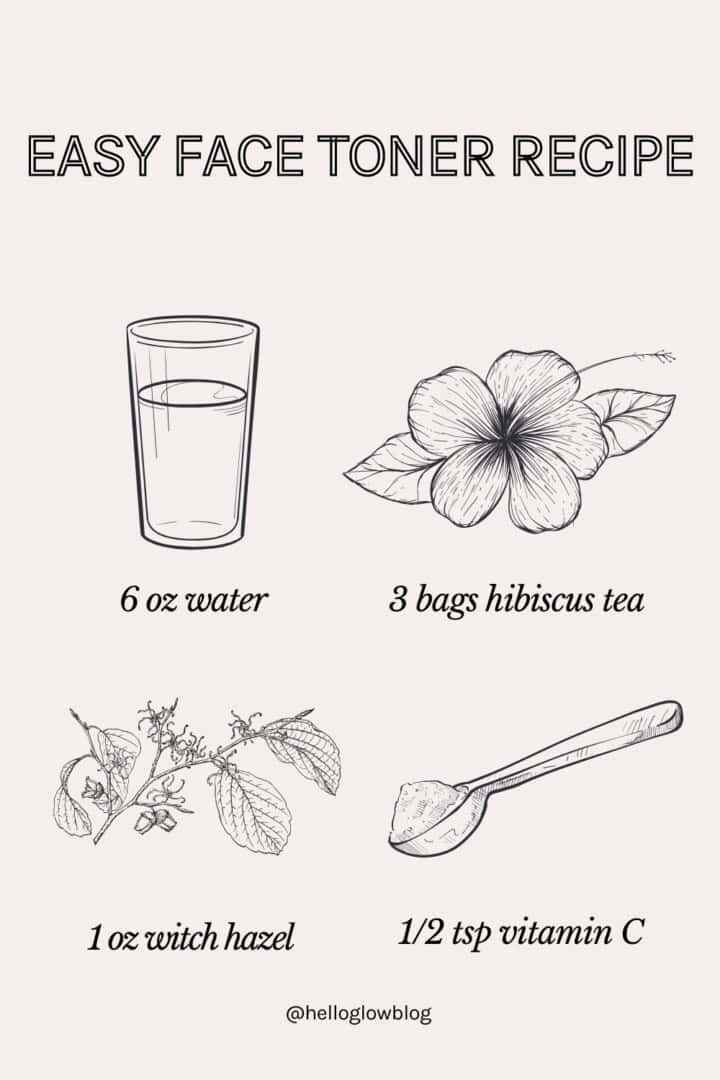
Household acids, essential oils and homemade water-based mixtures raise safety questions that a pleasant botanical label can't answer.
Apple cider vinegar and lemon juice get recommended as cheap facial treatments. Their acidity can irritate or injure skin.
A 2015 case report described facial chemical injury in a 14-year-old who applied apple cider vinegar repeatedly under bandages for three days while attempting to remove a mole from the nose. That shows serious harm is possible. It gives no injury rate for ordinary cosmetic toner use.
Tea tree essential oil carries a different risk: it can cause contact sensitization, and oxidation can change that risk. It is also a separate material from green tea polyphenol extract.
Water-containing homemade mixtures can become contaminated with microbes. Control depends on the complete formula, packaging, handling and storage. Refrigeration or witch hazel alone doesn't make a mixture microbiologically stable.
Conflicting advice about preservatives led a first-time toner maker to ask r/DIYBeauty for another opinion.
I'm looking to mix my own toner.
Ingredients as follows:
Distilled Water
Witch Hazel
Rose Floral Water
Jojoba Seed Oil
Helichrysum OilJust wanted to see what the consensus is on a preservative. I ask because I was at a DIY beauty supply shop and the woman at the counter told me that the witch hazel acts as a preservative and my friends mother who makes her own beauty products all the time just keeps hers in the fridge, no preservative.
Thoughts?
Skip improvised facial treatments with kitchen acids and water-based blends nobody has assessed. Retail cosmetics list their ingredients and often include directions or warnings, but buying one doesn't guarantee your skin will tolerate it.
How to test a product and know when to stop
The American Academy of Dermatology's product-testing guidance recommends applying a new skin-care product to a quarter-sized area, such as the underside of your arm or the bend of your elbow, twice daily for 7 to 10 days before broader use. Add one new product at a time so you can tell what caused any reaction. A clear test doesn't rule out a later reaction. Stop using the product if stinging, redness, rash or scaling persists, and see a healthcare professional if the reaction is significant or persistent.
Gentler ways to manage facial shine
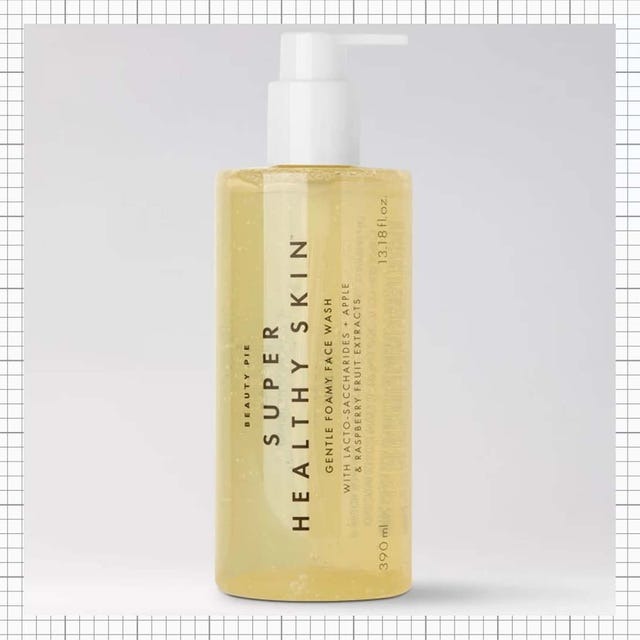
The American Academy of Dermatology recommends gentle cleansing and a moisturizer for oily skin. Oily skin can still feel uncomfortable or dehydrated, so shine alone is a poor reason to skip moisturizer. If clogged pores concern you, noncomedogenic products can help.
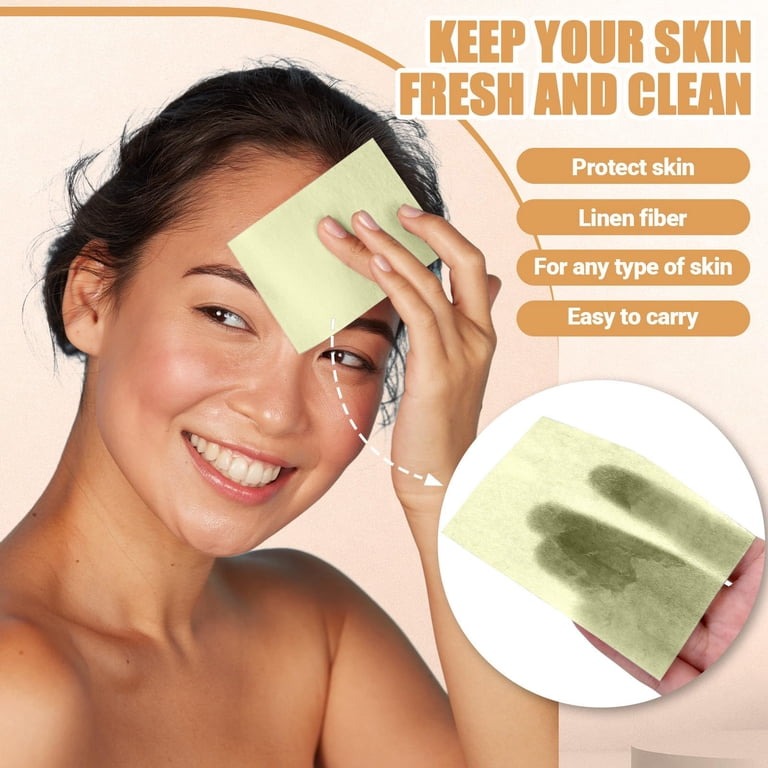
For midday shine, blotting paper absorbs surface oil without adding a leave-on formula. Press it gently against glossy areas and don't rub.
If recurring breakouts, suspected rosacea or persistent irritation are your main concern, get clinical guidance for that condition.