
Pregnancy, Birth, and Newborn Care: Where to Start
For an expecting or new parent in the United States, start with your current stage and the one decision that needs an answer. If the concern might be urgent, get medical care first; otherwise use the matching section to reach the appropriate professional or evidence-based resource.
There's plenty to learn before and after having a baby. Trying to learn everything at once can leave you with unfamiliar medical terms, product recommendations that contradict one another, and very little clarity about what matters next.
Preparing for delivery calls for different information than recovering from childbirth, setting up a safe place for a newborn to sleep, or arranging feeding at daycare. You can narrow the choices without mastering every subject first.
Start with your stage and the decision you need to make
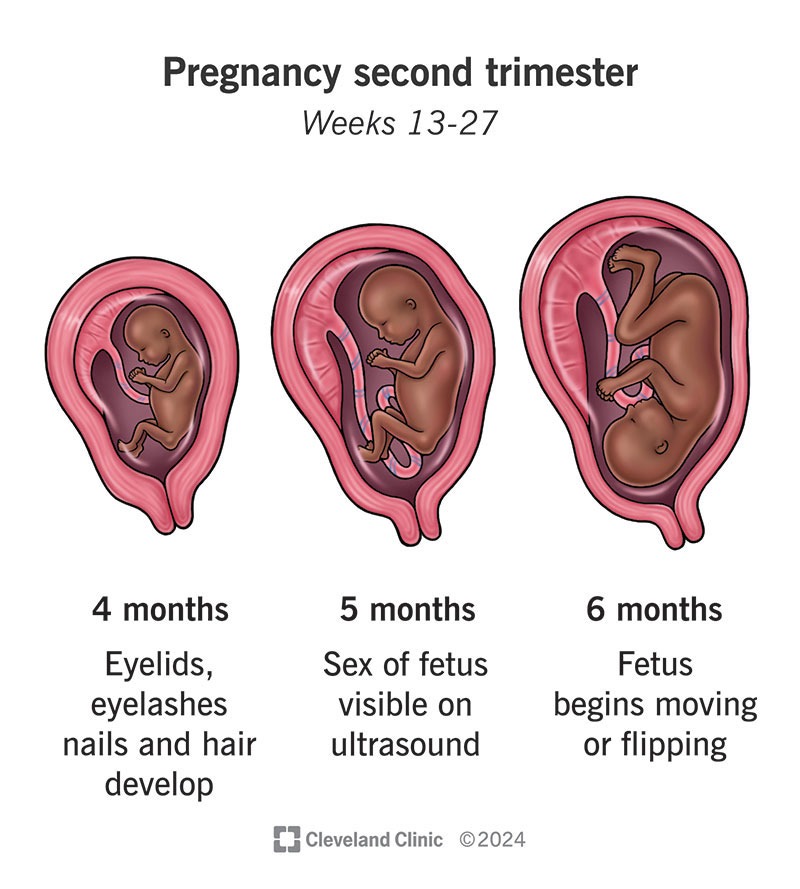
The question in front of you determines where to begin. Someone who's recovering after birth may also be arranging newborn feeding and childcare; the categories below are routes into information, not fixed labels for a family.
| Where you are | Decision that matters now | Who can help | Go to |
|---|---|---|---|
| Pregnant and planning ahead | What belongs in my birth preparation? | Obstetrician, midwife, or delivery team | Before birth |
| Preparing for plans to change | Who can help if birth or feeding unfolds unexpectedly? | Birth team and qualified feeding support | Contingency planning |
| Recovering after childbirth | What follow-up and support do I need? | Postpartum care team and support people | After birth |
| Caring for a newborn | Where do I find feeding help and sleep guidance? | Pediatric clinician and relevant specialists | Newborn care |
| Arranging childcare or work | How will feeding and care work while I'm away? | Caregiver, feeding professional, workplace | Work and childcare |
Choose the row closest to your immediate concern and follow its section link. Pregnancy and postpartum information from ACOG, and age-based information from the American Academy of Pediatrics, can then provide the detail appropriate to the question.
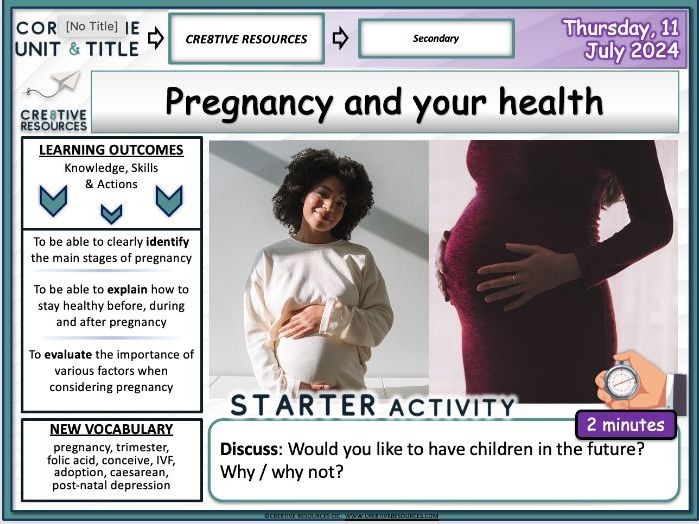
If your main question concerns a birth procedure, your maternity team owns the clinical conversation. If it's about a baby's feeding or health, pediatric care and appropriately qualified feeding support have a different role.
Know when to get medical help instead of continuing to search
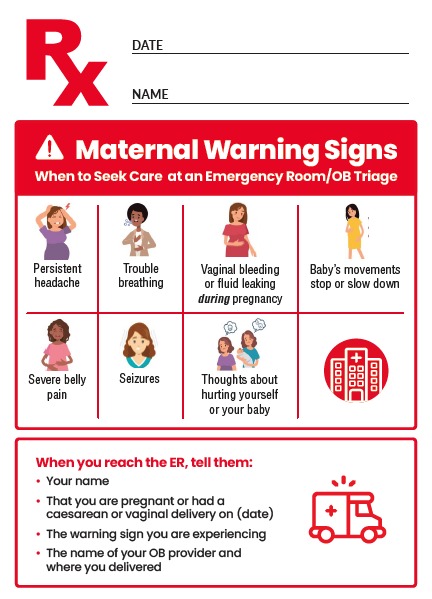
A suspected urgent medical problem calls for prompt care. CDC's Hear Her guidance addresses urgent maternal warning signs during pregnancy and up to one year after delivery.
Examples include a severe headache that won't go away or gets worse, trouble breathing, chest pain, and heavy bleeding after birth. If an emergency may be happening, seek emergency care or call 911. The CDC urgent maternal warning-sign guide describes additional signs and what to tell a healthcare professional.
Concerns about a newborn who may be seriously ill belong with pediatric or emergency services. A public parenting page cannot determine whether an individual symptom is safe, and no short list captures every emergency.
Before birth: decide what to prepare and what can change
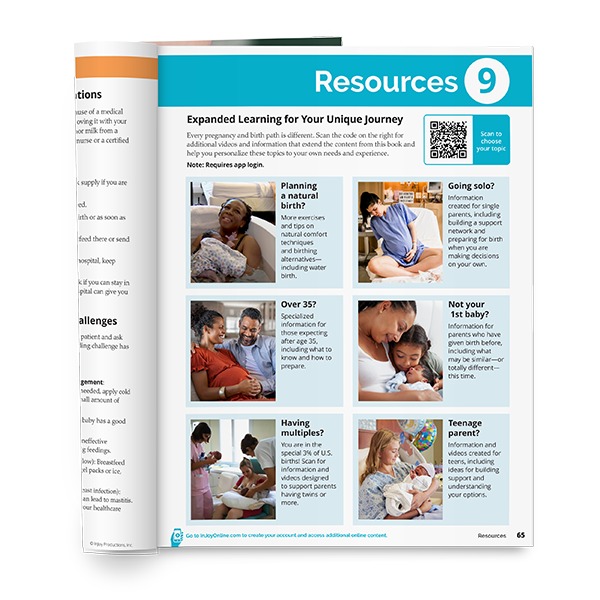
Good birth preparation gives your care team useful questions and gives your household a plan for unexpected changes. Birth preferences matter, but the course of labor and a baby's first feeding needs may differ from what you anticipated.
ACOG's Having a Baby materials cover childbirth, feeding, and the shift into postpartum care. Use the upcoming prenatal conversation to settle three concrete matters:
- Birth and care: Which preferences or concerns should your obstetrician, midwife, or delivery team know before delivery?
- Feeding support: Who can help if your baby needs a different feeding arrangement in the first days?
- Help at home: Who can answer care questions after discharge, and who can help with everyday tasks?
One parent described a rushed search for feeding supplies after giving birth earlier than expected. Their baby arrived at 36.5 weeks, and feeding preparation became an immediate problem.
Buy a few bottles even if you plan to exclusively breastfeed. My baby since she was born early, couldn’t breastfeed right away and I ended up having to buy everything last minute and didn’t even research pumps. (More on pumping next)
The poster's suggestion about bottles came from their own experience.
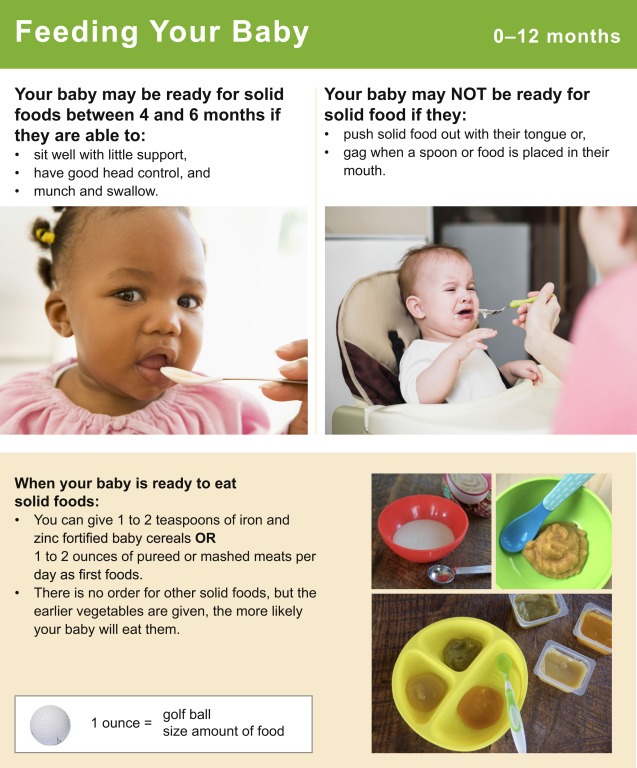
Keep those contacts together where the people helping you can find them.
After birth: recovery, follow-up, and emotional support

The parent's recovery needs its own care plan alongside the baby's appointments. Postpartum care includes physical recovery, emotional well-being, and access to professional and household support.
In its 2018 Optimizing Postpartum Care opinion, ACOG recommended initial professional contact within three weeks after birth and a comprehensive postpartum assessment no later than 12 weeks. An individual follow-up schedule should reflect the care team's plan.
Before leaving maternity care, confirm how to reach your postpartum clinician with recovery questions between scheduled visits.
A parent writing six days after childbirth described sorting through recovery recommendations that appeared to be helpful advice but were also product promotions.
I can’t trust social media these days because what seems like a down to earth informational post about what you’ll need in postpartum is actually an ad that’s pushing products. So when I was preparing for recovery, I tried my best to weed through those ads and only get what seemed necessary. I tried a lot of the tips that I saw online, but here are a few unexpected things that I wish someone told me about.
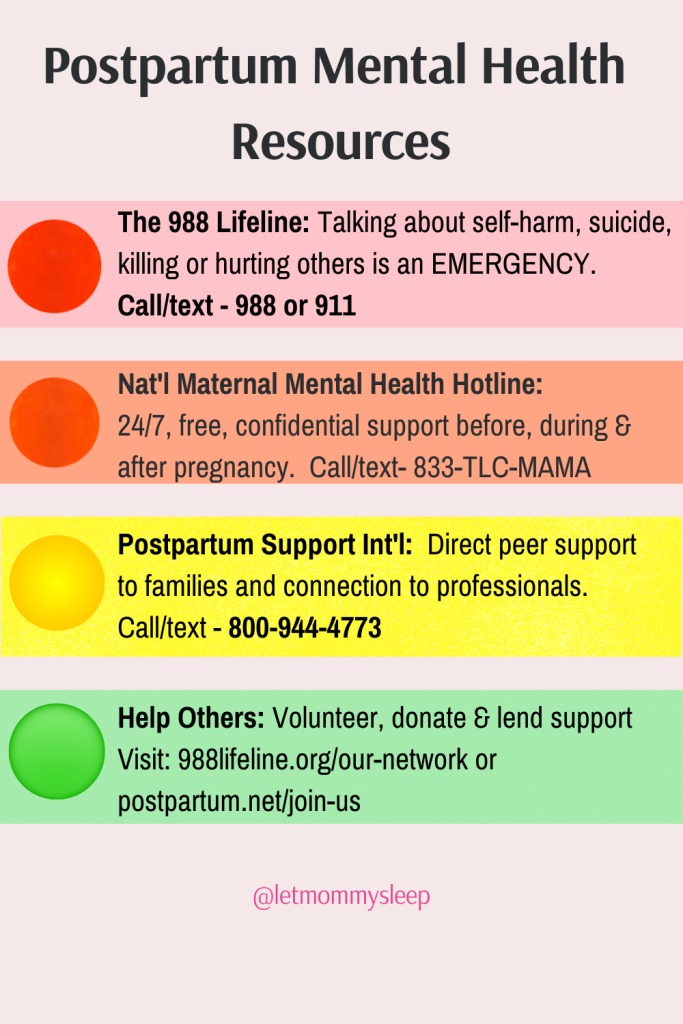
Emotional concerns also deserve a place in postpartum support. Some parents need a conversation and a referral even when they are not facing an immediate emergency.
The National Maternal Mental Health Hotline offers free, confidential support by phone, text, or chat, 24 hours a day, seven days a week. Its US number is 1-833-TLC-MAMA, and it provides support and referrals in English and Spanish.
The hotline is an emotional-support and referral service. Emergency situations require emergency services.
Feeding and safe newborn care: find the right guidance
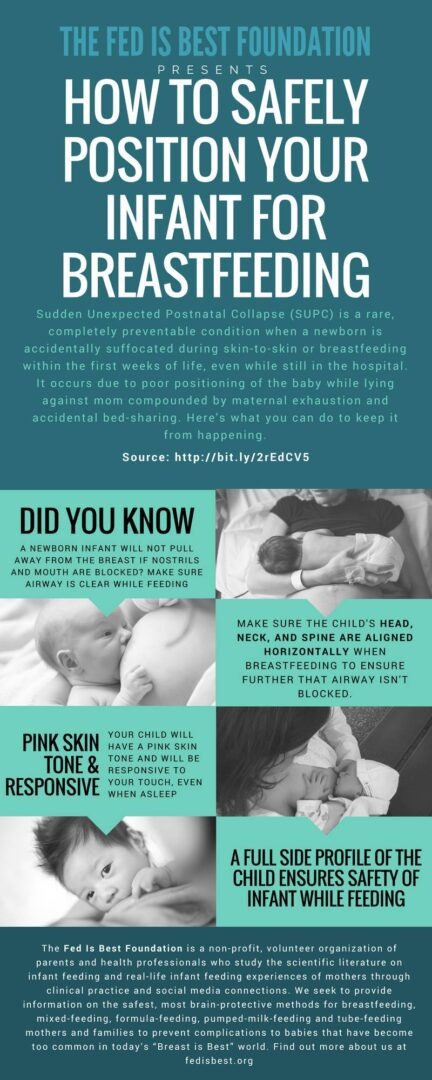
Feeding and safe sleep raise different questions, so they need different kinds of help. Questions about an individual baby's intake or persistent feeding difficulties belong with pediatric care and qualified feeding support.
For breastfeeding information, the federal MyHealthfinder guide Breastfeed Your Baby provides education and encourages parents to seek appropriate help. Families using expressed milk or formula may have different practical questions, and the baby's clinician can address individual concerns.
For sleep, the American Academy of Pediatrics gives specific guidance on the infant's environment:
- Position: Place babies on their backs for naps and nighttime sleep.
- Surface: Use a firm, flat surface intended for infant sleep.
- Sleep space: Keep loose bedding and soft objects out of the baby's sleep area.
- Room arrangement: Share a room without sharing the same bed.
These steps reduce sleep-related risks without eliminating every risk. The AAP explains the recommendations in its guide to keeping a sleeping baby safe.

Picture one household checking its newborn's sleep space and another worried that a baby is struggling to feed. The first can compare the setup with AAP recommendations. The second needs a pediatric or feeding-care conversation based on the baby's actual needs.
Returning to work: connect feeding, childcare, and your schedule
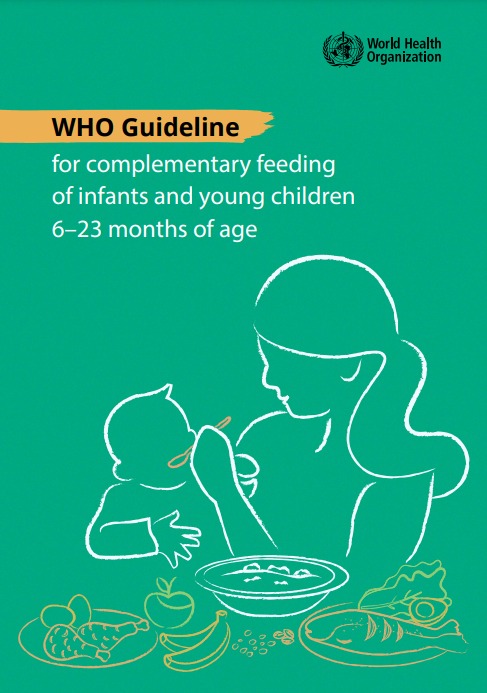
A return to work can put a fixed deadline on a feeding problem that was already difficult at home. The workable arrangement depends on the baby's intake, what the caregiver can manage, and when a parent can realistically be available.
The Office on Women's Health covers workplace preparation, milk expression, schedules, and coordination with caregivers in its breastfeeding and returning to work guidance. Employment rights and leave depend on circumstances that require separate legal verification.
For one family, a three-month-old refusing a bottle collided with a daycare start and a work return just over a week away:
Help! I go back to work in just over a week and my breastfed 3 month old won't take a bottle. We had the same problem with my now 3 year old, he didn't take a bottle until he was 8 months. We were given lots of strategies to try with him, so we've tried a lot with his baby, too. With my older son I ultimately had to delay returning to work, but I can't do that this time. I'm the breadwinner and if I tried to delay returning to work again I think they'll just let me go and won't rehire me
The parent also described work travel that might put them two to three hours away from childcare. A plan that assumes a quick visit to feed the baby would be difficult under those conditions.
Before the start date, the parent and caregiver can coordinate three different responsibilities:
- Caregiver: Agree on what feeding has been attempted, who will observe concerns, and how updates will be shared.
- Pediatric or feeding professional: Seek guidance when the baby cannot take sufficient milk or shows signs of dehydration. Bottle refusal alone does not establish dehydration.
- Workplace: Establish realistic contact windows and possible schedule arrangements, taking travel into account.
How to judge parenting advice before you follow it
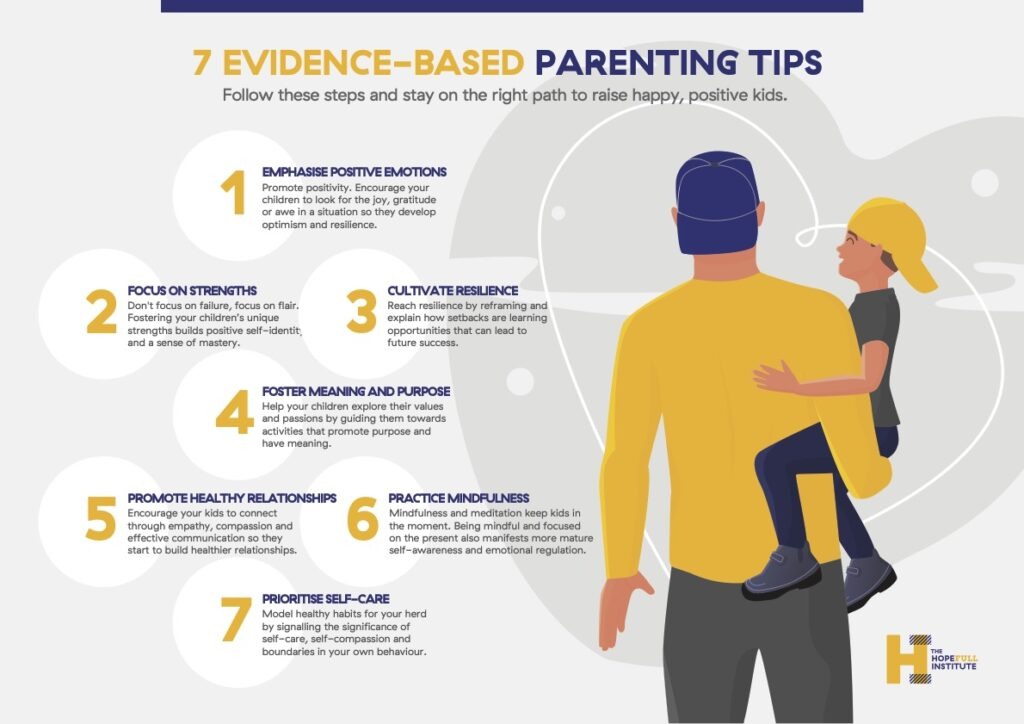
Parenting advice is easier to evaluate when you know what kind of claim the source can support. A personal account may reveal an unexpected difficulty; a professional recommendation needs relevant expertise and evidence; a product promotion carries a commercial incentive.
A first-time expectant parent described the exhaustion of trying to work out what was right across birth, newborn and postpartum advice:
Hello! I am currently 24 week pregnant with my first little baby boy. To say I am overwhelmed with the info dumping on the internet is putting it lightly. I feel like I should have been doing more research years in the past with the amount of stuff! Between the baby needs, the birthing info, and the postpartum stuff I am exhausted. How do I manage all this information and know what is right or wrong?
When a recommendation arrives without context, four kinds of sources require different checks:
| Source | Useful role | What to examine |
|---|---|---|
| Professional medical institution | Guidance on a defined clinical or safety topic | Relevant population, subject, and currency |
| Qualified clinician or feeding professional | Assessment or advice for an individual family | Relevant expertise and the particular concern |
| First-person parent account | Practical situations and possible questions | The author's circumstances and the limits of that experience |
| Sponsored post or product promotion | Information about a proposed product | Commercial interest and independent support for claims |
Before acting on a consequential claim, check who made it and their relevant qualifications, what evidence supports it, whether it applies to your circumstances and when it was issued, and whether the author has a financial incentive.
For example, a promotional post about an infant sleep product might describe convenience. The AAP's sleep recommendations address the safety of the sleeping environment, which is the evidence needed for that decision.
Find the next resource as your baby grows
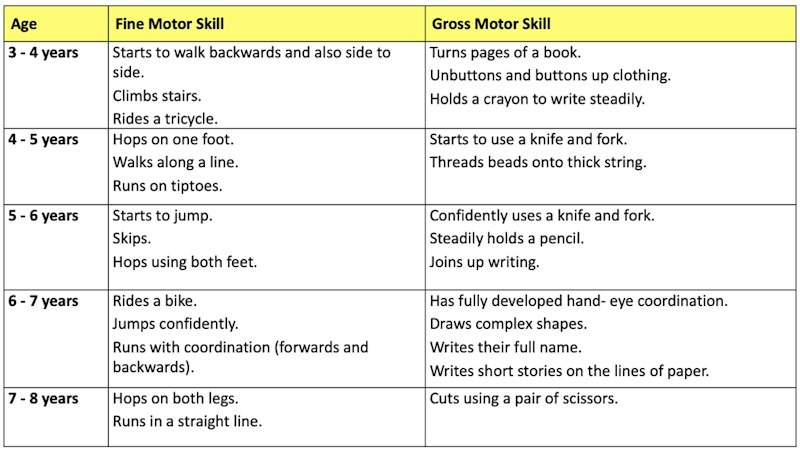
For developmental questions beyond the newborn stage, CDC's Milestone Tracker covers ages two months through five years; concerns about an individual child belong with the pediatric clinician because the tracker cannot diagnose a child. For an expecting or new parent in the United States, the useful starting point is your current stage and the one decision that needs an answer, not a universal parenting checklist. If the concern might be urgent, seek medical care instead of browsing; otherwise choose the matching section and follow its appropriate professional or evidence-based resource as your next step.
Explore this topic

Can a Doula Help During a C-Section? What to Expect and Ask
Wondering if a doula can help with a planned C-section? Compare operating-room rules, birth versus postpartum support, and seven questions to ask before hiring.
Breastfeeding While Working: A Practical Plan for Real Workdays
Plan breastfeeding around work with a fill-in day map, flexible pumping schedule, caregiver handoff, milk storage rules and fixes for common setbacks.
If You're a Twin, Will You Have Twins? What Genetics Says
Are you a twin or related to twins? Compare fraternal and identical twins, understand the father's side, and read family-history odds without false precision.
What Are Mirror Twins? Traits, Tests, and What Science Can Tell You
Mirror twins may have opposite-sided hair whorls, marks or hand preferences. Learn which traits matter, what DNA testing answers, and what studies show.
Surprising Breastfeeding Facts and What the Science Says
Discover surprising breastfeeding facts, from garlic changing milk's odor to day-night hormones, immune factors, vitamin D, and safe milk storage.