
Can a Doula Help During a C-Section? What to Expect and Ask
For a C-section, a doula may help with nonmedical preparation, reassurance, and speaking up for your preferences—provided the hospital's rules and your contract allow those services. The answer changes if the services you expect, especially company in the operating room, can't be delivered. Check the unit's access rules and the doula's services before you pay.
Is a doula worth having for a planned C-section?
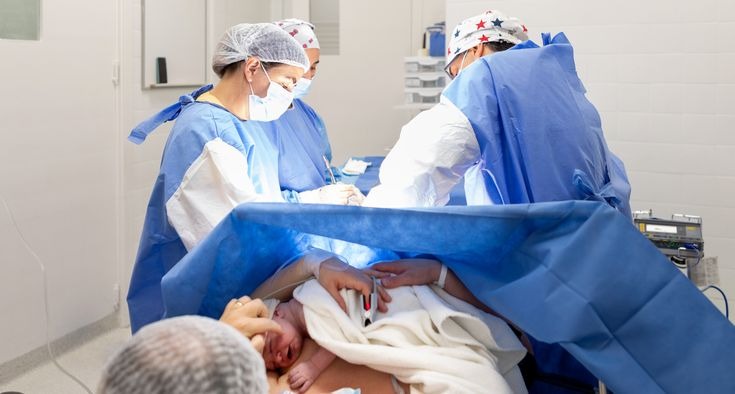
A scheduled cesarean can still leave questions about preparation, comfort, and how to communicate your preferences.
A birth doula gives nonmedical emotional, informational, and practical support. The American College of Obstetricians and Gynecologists (ACOG) discusses doula preparation for cesarean birth as part of collaborative care.
Three needs usually drive the decision: help preparing questions and speaking up, a familiar person during surgery, or practical help once you're home. Each one calls for a different arrangement. If you already feel well supported, a paid doula may not be worth it.
Surgery, recovery, and breastfeeding logistics are different stages, and the breastfeeding-at-work planning guide covers a later one. One parent facing a planned C-section asked whether a doula makes sense after a poor first delivery:
I know I’ll be having a c section, that’s not up for debate nor will it change. I had a poor delivery experience with my first due to my doctor forgetting who I was when I called the hotline to tell them I was in labor. Long story short, her forgetfulness lasted ~6 hours before she reread my chart and realized that I was scheduled for a c section the next day. So her advice to me didn’t make any sense (stay home, wait for contractions to hit X time) and I was in too much pain to properly advocate for myself or push her on the things she was saying. In the end I did have the section and she apologized but it was an uphill battle due to me already being in labor and it being a catholic hospital.
Don’t want a repeat of that experience because it sucked. But I haven’t heard of anyone having a doula for a planned c section. Would one make sense in this case? Would they help with the pregnancy in general or are they more specialized for just vaginal birth? Would one act as an advocate for me?
Can a doula enter the operating room during a C-section?

The hospital and the surgical team decide whether a doula can enter the cesarean operating room; admission before surgery, during the operation, and in recovery are three separate decisions.
| Hospital area | Possible doula support | What determines access |
|---|---|---|
| Triage or pre-op | Reassurance and help voicing your questions while you prepare | Pre-op admission and support-person rules |
| Operating room | Calm company and reassurance, if she's let in | The OR's companion limit, credentials where required, and the team's permission |
| Recovery or PACU | Reassurance and help voicing what you need | Recovery-unit admission rules and your clinical condition |
If you're hiring a doula to be beside you during surgery, the OR rule is decisive. If you mainly want preparation, you can still get what you paid for when the OR is closed to her.
TriHealth's doula guidelines allow one support person in the cesarean operating room. A doula can support you before and after surgery when the hospital permits it.
A published account of policy at Virginia Commonwealth University Medical Center takes a different approach: the clinical team may consider admitting a doula alongside the usual support person when clinically appropriate.
Credentials matter too. Inova's doula guidelines welcome certified doulas and give doulas without certification credentials visitor status. OR admission also needs permission from the surgical unit.
What does a doula do before, during, and after the surgery?
- Before surgery: A doula helps you organize your questions, discuss birth preferences, and decide who will be with you. Doulas also help a partner prepare for the hospital.
- During surgery: Calm company, reassurance, and help voicing a question or preference while you follow the surgical team's directions.
- In recovery: Reassurance and help expressing nonmedical needs as you come out of surgery. PACU stands for postanesthesia care unit.
- After discharge: Extra visits, household tasks, newborn-care help, and recovery-period support depend on the scope and hours in your agreement.
Say your doula can sit with you in pre-op and visit afterward, but can't come into the OR. The prenatal conversation and the later visits still help if that's what you wanted. A contract built around continuous in-room company is a different problem.

Early contact with the baby, feeding, and photography are questions for the clinical team. Maternal and infant stability, hospital rules, and care-team approval decide what's possible.
Where does the doula's role end and medical care begin?

A doula doesn't provide medical care. If you have decision-making capacity, you make your own informed treatment choices, and clinicians explain your medical options and provide care.
Obstetricians, anesthesiologists, and nurses assess conditions, administer treatment, monitor safety, and perform procedures. A doula helps you form questions and express preferences while respecting the team's directions and physical boundaries. They can't make medical decisions for you or replace a qualified medical interpreter.
Who should accompany you if a C-section becomes necessary?
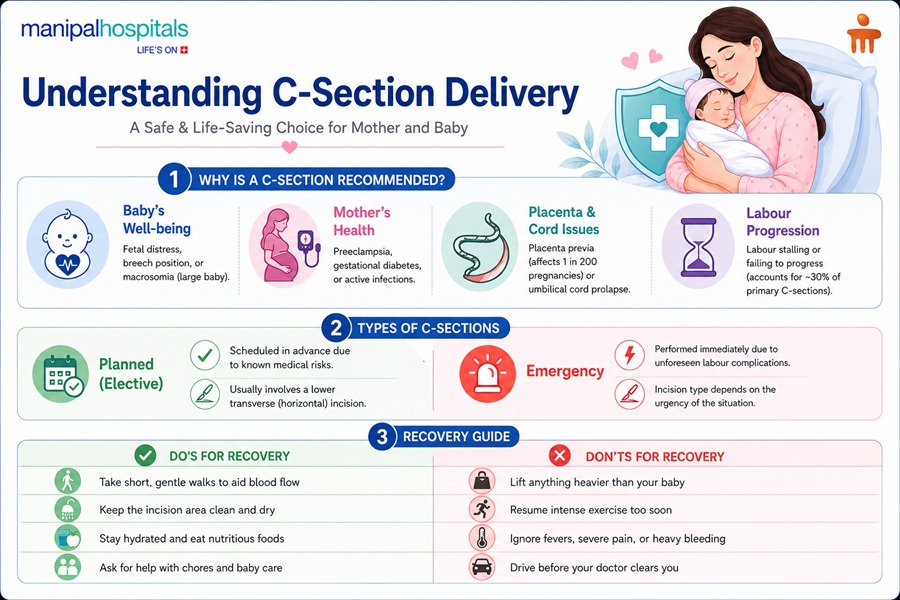
Your companion could be a partner, a doula, or another trusted person.
If only one companion can enter the OR, the choice matters. Your partner may be deeply supportive but uneasy around surgery, needed with an older child, or happier helping elsewhere. A doula may be comfortable in an operating room and familiar with birth-related communication, but experience and permitted role vary.
If your plan changes unexpectedly, a doula hired for labor support can still help with preparation or recovery, depending on availability and access.
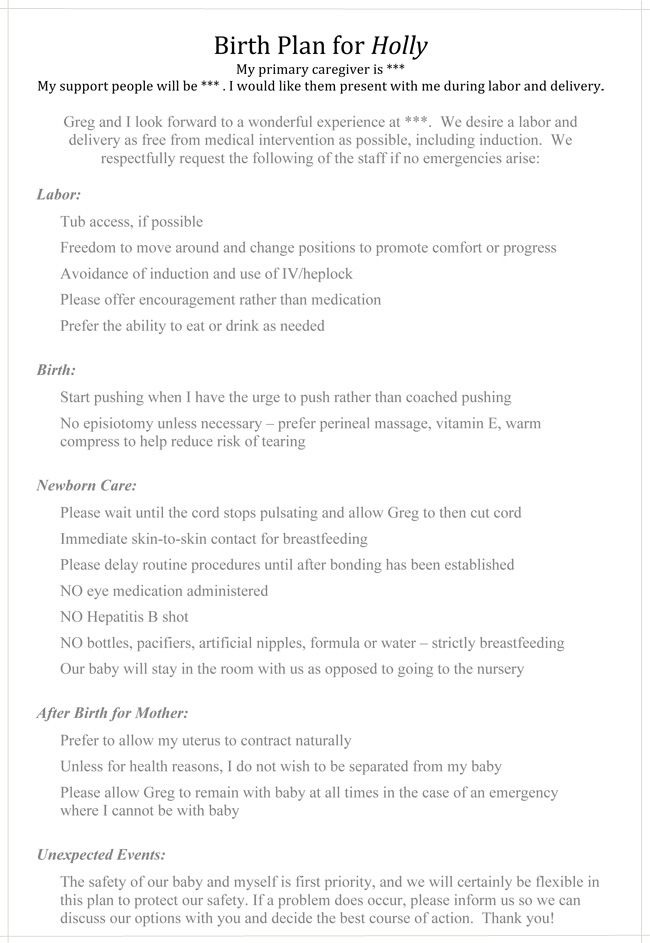
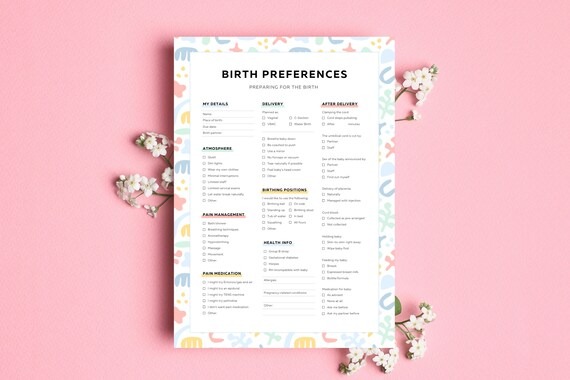
ACOG's sample birth-plan guidance includes preferences about cesarean companions. You can name a preferred person and a backup in that conversation, though clinical circumstances still govern who the surgical team admits.
Birth doula or postpartum doula: where is the money better spent?

It comes down to when you need the help. Birth doulas support you around pregnancy and delivery. Postpartum doulas provide contracted practical help after the baby arrives.
| Support choice | Best fit | Trade-off |
|---|---|---|
| Birth doula | Prenatal planning, birth-period reassurance, a possible OR companion | Surgical access and on-call availability limit what you get |
| Postpartum doula | Help with newborn routines and household tasks during recovery | No OR companion |
| Partner, relative, friend, or no paid help | Familiar personal support that covers your needs without a new paid agreement | Comfort, time, and availability differ, and you get less dedicated nonclinical support |
If your biggest unmet need is practical help at home, spend limited funds on postpartum hours. If reassurance and communication during the hospital stay matter most, birth support fits better.
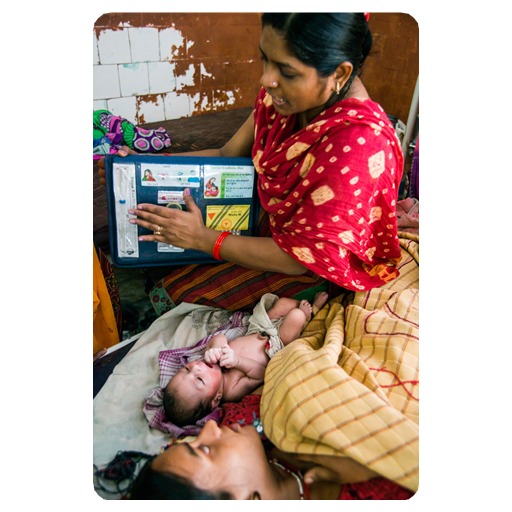
Hours alone don't describe a package. A 40-hour postpartum package could mean ten 4-hour visits or five 8-hour visits, and those fit very different daily schedules. Each provider's agreement sets duties, hours, and availability.
Seven questions to ask before hiring a C-section doula

Ask these of the hospital unit, the doula, and your insurer or Medicaid plan.
- Hospital: For a planned or unexpected C-section, how many support people can enter the OR, and does a doula count toward that limit?
- Hospital: Can the doula be with me in triage, pre-op, and the recovery area or PACU, and do credentials or visitor status change that?
- Doula: What support do you give before a planned cesarean, during surgery if admitted, and afterward if you can't enter the OR?
- Doula: Have you supported cesareans at this hospital, and how do you respect my preferences and work with the clinical team when you'd have chosen differently?
- Doula: When will you arrive, how do I reach you or your backup, and what do I get if the date or birth plan changes?
- Doula and written agreement: What does the agreement say about a missed birth, denied OR access, a substitute, or my ending the contract, including refunds and postpartum options?
- Insurance or Medicaid plan: Is this provider and service covered under my state and plan, what approval or documentation is required, and what would I owe?
Note who gave you each answer, and get it in writing when a permission or a cost affects your choice. California Medi-Cal doula coverage follows California-specific rules; it doesn't establish coverage under another state's Medicaid program or a private plan.
What happens when a doula cannot attend or the agreement breaks down?
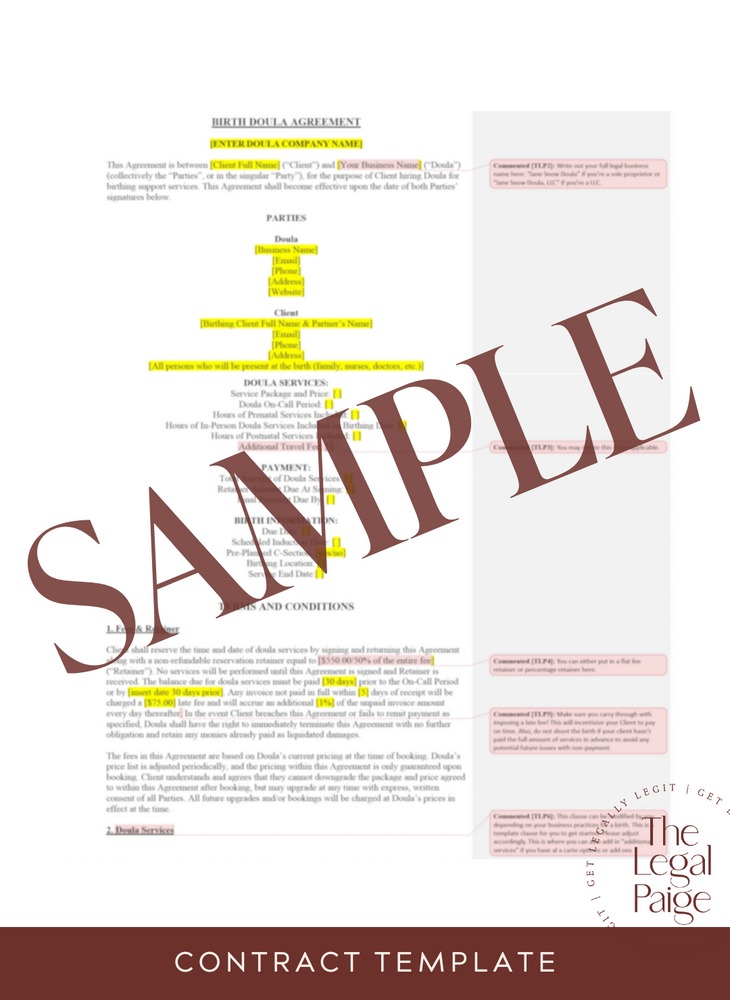
Four things can disrupt a cesarean-support plan: the hospital keeps your doula out of the OR, the baby arrives before the expected date, your doula can't make it, or the relationship stops feeling supportive.
Some agreements name backup doulas, alternate support hours, postpartum conversion, or refund conditions. Others offer fewer options. The signed agreement and your payer's conditions set what's available.
One person who hired a doula through insurance describes a dispute over communication and possible charges:
I’m having a c section sometime in August hopefully and I hired a doula through my insurance. I think I got a bad one, but what is your alls experience with them?
My doula has been pretty unresponsive and dismissive. She had me sign a contract saying I’m liable for $2K out of pocket if I don’t inform her of my birth and she misses out, but there’s no statement about exit for termination. So I figured she was reasonable and I could fire her at any time.
Sometimes she takes days to respond. And today I got fed up and was telling her some of my anxieties. She brushed me off saying “that’s rare, and you should just talk to a therapist.” That’s when I told her I’m done, this isn’t useful to me. I’m 21 weeks pregnant. I don’t feel supported.
She then said I’m liable for $2K out of pocket if I terminate the contract, and would only require $1K if she found a client to take my spot in August.
Why am I being treated like a cattle? Deliveries are sometimes not on time ANYWAY so ???
Those amounts are the poster's account, not established debts, and whether any charge is owed or enforceable depends on the agreement, payer terms, and applicable law.
What does research say about doulas and scheduled C-sections?
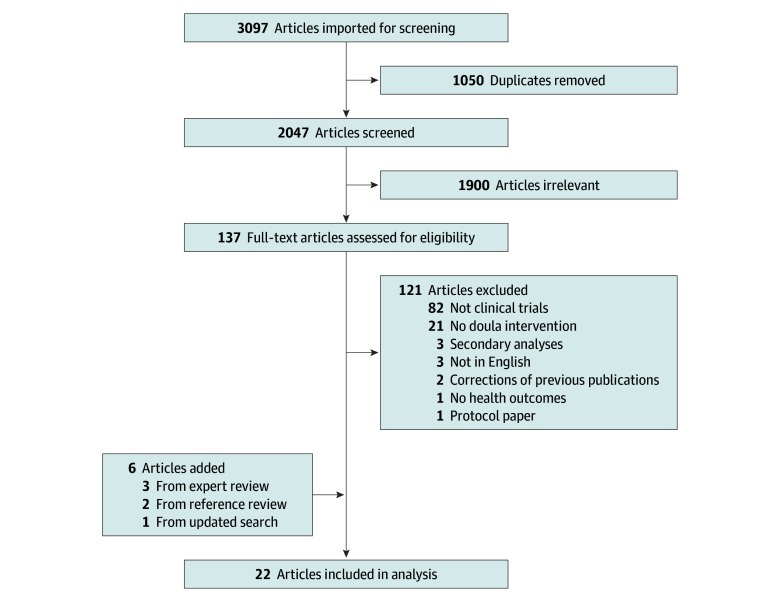
The pooled figures below count how often cesareans happened in the studied groups. They don't estimate what a doula adds when your C-section is already scheduled.
A 2019 quality-improvement project published in the Journal of Midwifery & Women's Health described volunteer-doula support during scheduled cesarean births. Sixty-six patients received that support, and 64 had complete data.
Among those 64, 58 parent-newborn pairs were medically stable, and all 58 began skin-to-skin contact in the operating room. The other six couldn't begin because of maternal or newborn instability. The project shows this support was feasible in that hospital program. With no randomized comparison group, it can't show that doulas caused better outcomes.
A 2026 US systematic review and meta-analysis of doula support included 12 randomized controlled trials and 18 nonrandomized studies. In eight pooled randomized trials, cesarean delivery occurred in:
- 16.0% of the doula-support group (229 of 1,433 participants).
- 19.3% of the comparison group (277 of 1,438 participants).
The pooled risk difference was approximately −0.04, with a 95% confidence interval (the range the true difference likely falls within) from −0.074 to −0.005.
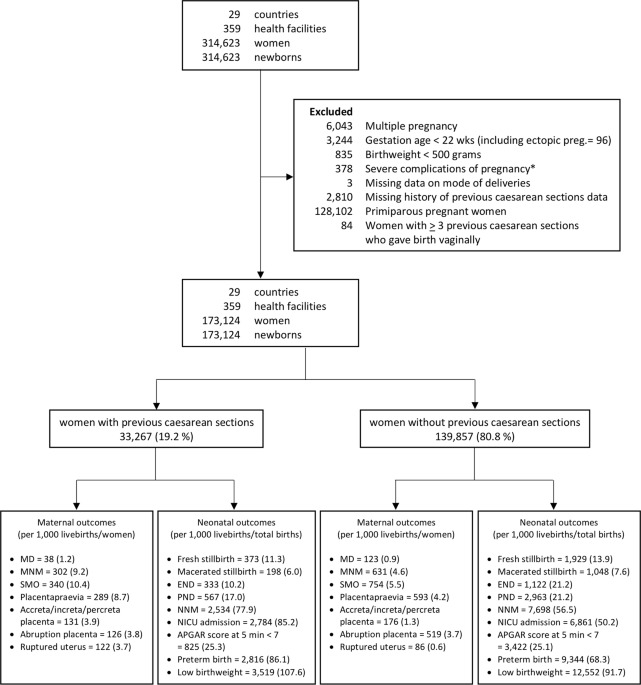
In 15 observational studies, the pooled odds ratio for cesarean delivery was 0.70 (95% CI 0.56 to 0.87). Study settings and support arrangements varied.
Across the review's 30 studies, risk-of-bias assessments classified one study as low risk, ten as moderate, and nineteen as high.
When the high-risk randomized trials were excluded, the estimate became imprecise: the risk difference stayed at about −0.04, but the 95% confidence interval widened to −0.13 to 0.04.
If you're hiring a doula to be beside you during surgery, start with questions 1 and 2 above. The hospital's answers tell you whether the rest of the list matters.