
If You're a Twin, Will You Have Twins? What Genetics Says
Sometimes—but the family pattern matters. Fraternal twins in the family can increase the odds when the inherited tendency is present in the person who ovulates. Being a twin, having identical twins in the family, or seeing twins skip a generation can't give you an exact personal percentage.
What counts is the type of twins in your family, whose reproductive history it is, and whether the twins were conceived spontaneously or with fertility treatment.
If you're a twin, are you more likely to have twins?
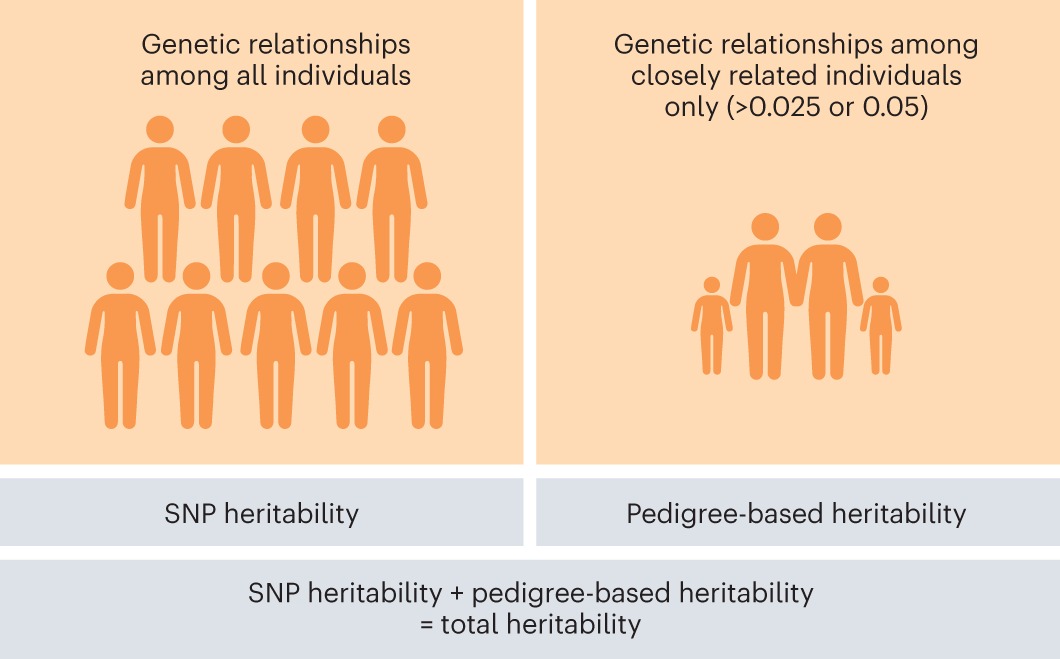
A fraternal twin has a higher chance of conceiving fraternal twins if they inherited a tendency to release more than one egg during ovulation. Being an identical twin doesn't raise your odds on its own.
It also depends on who ovulates. A man's twin status doesn't make his partner release two eggs.
A husband whose wife is a fraternal twin asked the question many couples ask:
Hi all! My wife (32) and I (30) will be starting a family soon. My wife is a fraternal twin so the topic of twins comes up rather often. She keeps saying “twins don’t have twins”. Is that an old wives’ tale? How many people on here who had twins are twins themselves? For what it’s worth, the only twins I know of in my family were 2 generations ago. Don’t know how likely that gene is to follow me around. Curious to hear your feedback!

What different family situations suggest
| Family situation | What it means | What's still unknown |
|---|---|---|
| You are a fraternal twin and you ovulate | You may carry an inherited tendency toward multiple ovulation | Whether you inherited that tendency |
| You are an identical twin | Your twin status alone doesn't raise your odds | |
| The father is a fraternal twin | His family can pass the tendency to future descendants | Whether you tend to release multiple eggs |
| Your father or grandfather is a fraternal twin | The tendency could have reached you through your father's side | Whether you inherited or express it |
| A relative had twins after fertility treatment | The treatment may have contributed to that pregnancy | Whether spontaneous twinning also runs in the family |
| Nobody in your family is known to have twins | Twins can still occur spontaneously | Whether there's no family history or it's simply unknown |
If you're the one ovulating, what counts most is spontaneous fraternal twinning among your biological relatives.

Fraternal versus identical twins: why the distinction matters
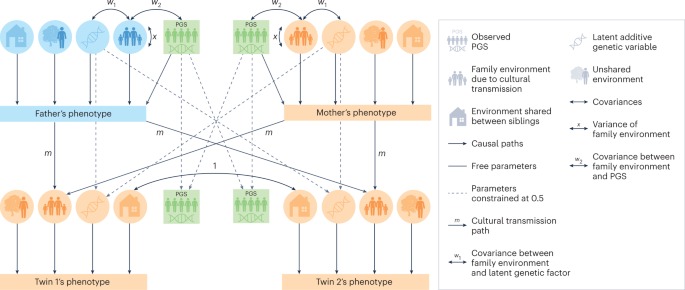
Fraternal (dizygotic) twins form when two eggs are fertilized separately; an inherited tendency to release multiple eggs (hyperovulation) can raise their likelihood.
Identical (monozygotic) twins develop when one early embryo splits. Most cases have no established inherited cause, though rare familial patterns have been reported.
Boy-girl twins are generally fraternal. Same-sex twins can be either type, and even twins described as dichorionic diamniotic (di/di) can be identical. If you're unsure of a pair's type, medical records can give clues.
Do twins skip a generation, including on the father's side?
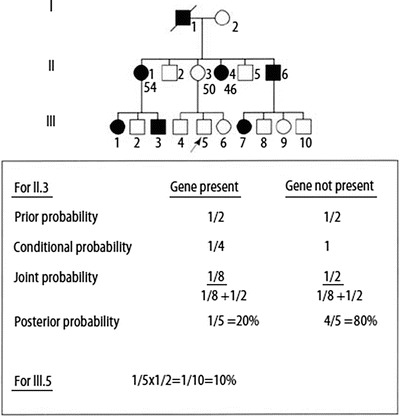
Twin births can show up in consecutive generations or several generations apart. The apparent gaps come from the difference between inheriting a tendency and actually having twins in a given pregnancy.
You can inherit genetic variants linked to fraternal twinning and pass some of them to a child. The effect works through ovulation, so a father can pass on the tendency without changing how many eggs his partner releases.
A three-generation example
Take a family like this:
- First generation: A grandmother has spontaneous fraternal twins. One of them is her son.
- Second generation: The son may carry an inherited tendency toward multiple ovulation. He doesn't ovulate, and he and his partner have one daughter.
- Third generation: The daughter may inherit the variants. If she tends to release more than one egg, her chance of conceiving fraternal twins goes up.
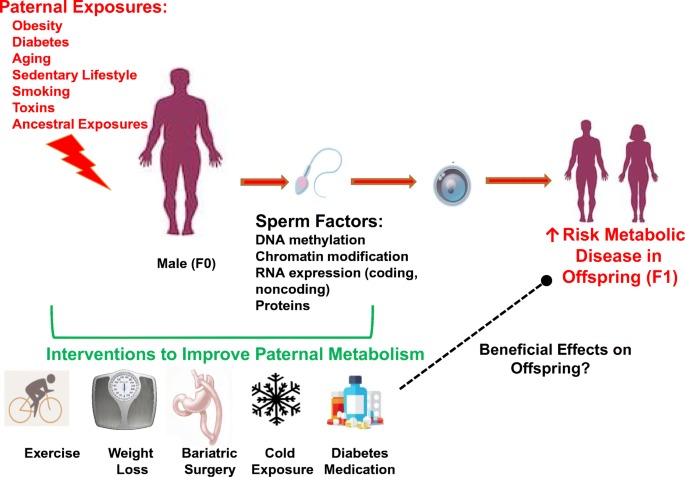
The son can pass those variants to his daughter even though his partner had a single baby. As the Washington State Twin Registry explains, that route can make it look as if twins skipped a generation.
A grandfather who was an identical twin tells you something different from relatives who conceived spontaneous fraternal twins. Identical twins, fraternal twins, and mirror-image traits are covered separately in the mirror-twin evidence guide.
How much higher are the chances of having twins?
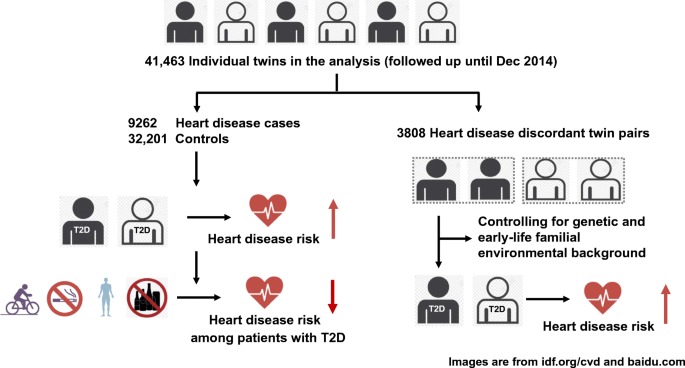
Some family histories are linked to a higher chance of fraternal twins.
What the numbers measure
| Reported figure | Population and meaning | Source |
|---|---|---|
| Approximately 2 times | Relative chance of fraternal twinning for someone with a close relative, such as a sister who has had fraternal twins, compared with the general population | MedlinePlus Genetics |
| 1 twin set per 60 births | ASRM booklet revised 2012: births to women who are themselves fraternal twins | ASRM ReproductiveFacts |
| 1 twin set per 125 births | ASRM booklet revised 2012: births fathered by men who are fraternal twins | ASRM ReproductiveFacts |
| 30.1 per 1,000 live births in 2024 | US twin babies as a share of all live-born babies | CDC/NCHS |
The approximately twofold figure applies to the close-relative example in MedlinePlus Genetics. The figures in the ASRM booklet revised in 2012 concern births to or fathered by fraternal twins.
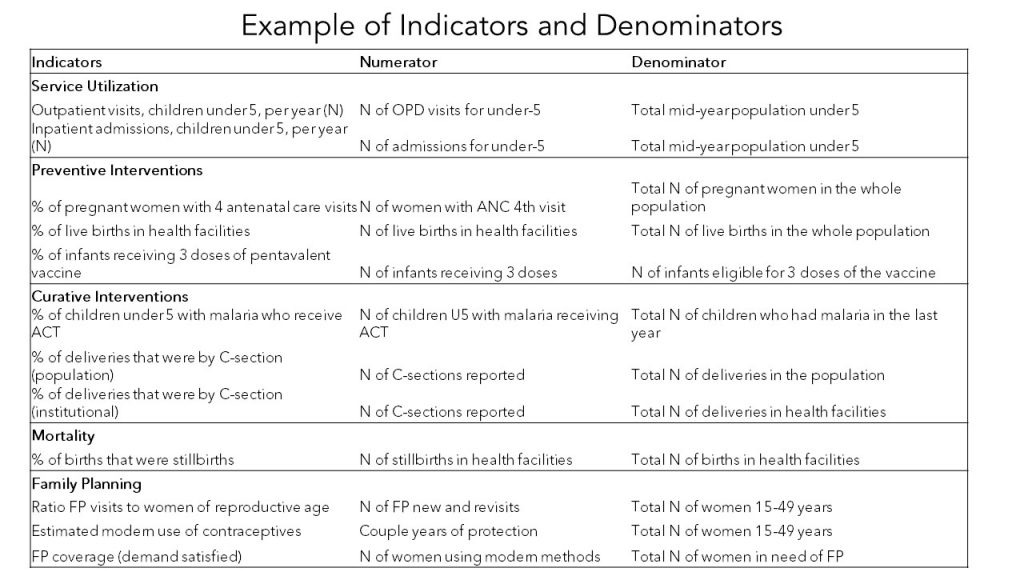
The CDC's June 2026 report gives a newer US figure. The twin live-birth rate fell from 33.9 per 1,000 in 2014 to 30.1 per 1,000 in 2024, an 11% decrease.
The denominator in this CDC measure is live-born babies. When both twins are born alive, that delivery adds two live births to the twin-birth count. So the rate isn't the percentage of pregnancies that result in twins.
Ask three questions of any published statistic: Who was counted? Was the unit a baby, a birth event, or a pregnancy? What comparison population was used?
What else changes the likelihood of twins?
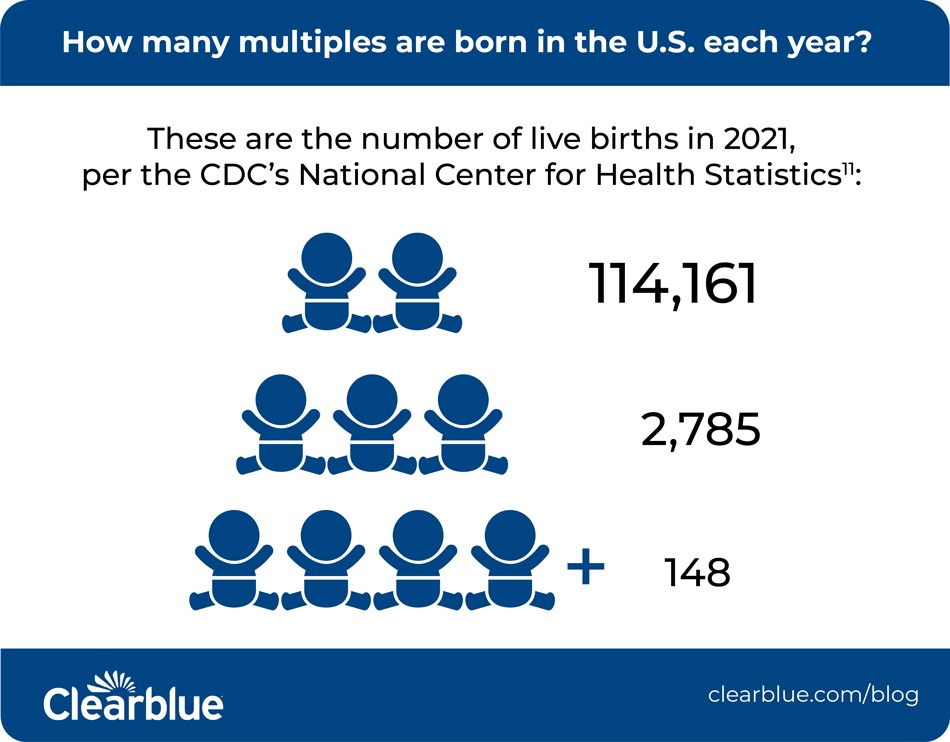
Family history is one influence on fraternal twinning. Reproductive age, previous pregnancies, and assisted reproductive treatments also matter.
A relative who conceived twins after fertility treatment means something different from one who conceived fraternal twins spontaneously. Drugs that induce ovulation can make several follicles develop at once. In vitro fertilization can also affect the chance of a multiple pregnancy, depending on the circumstances of treatment, including embryo transfer.
When the family question becomes personal
One parent expecting twins found a routine question hard to answer:
I apologize if this has been asked before. My partner and I keep getting the question “do twins run in your family?” when we tell people we are having twins. We did one round of letrozole, but that is no one’s business, and I don’t feel like telling people this. I started just saying yes, they run on my mom’s side. People can be so bold with questions, and I know it’s a normal thing to ask, but my partner gets very annoyed by it.
What are some things you would say to those who asked? Or how would you handle? Thank you!!!
Those details are yours to keep private. Medically, though, how the twins were conceived still matters.
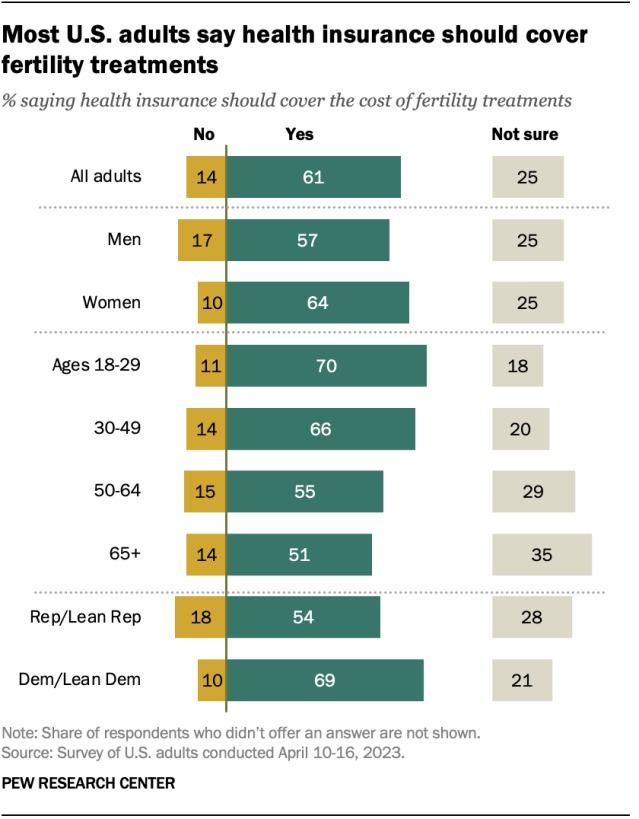
If you've already had twins, can you have twins again?
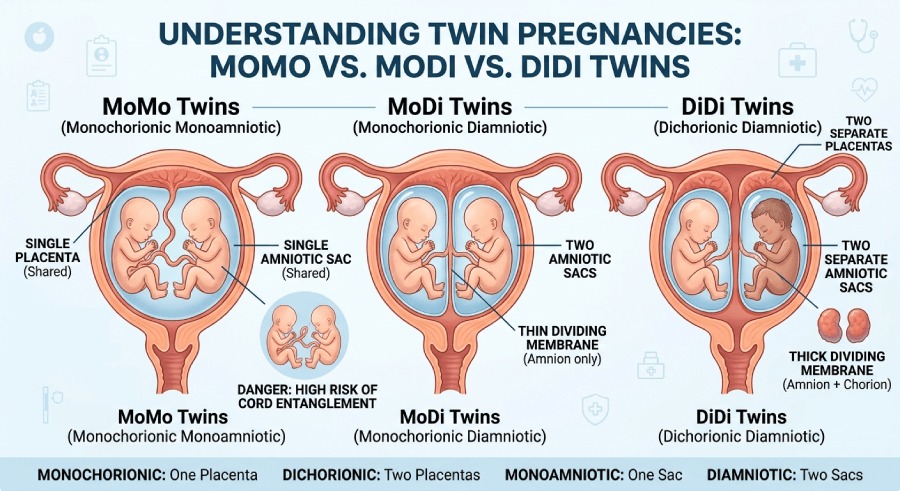
Yes, another twin pregnancy is possible. A previous twin pregnancy is linked to a higher chance of later twins; the type of twinning and conception history matter.
If you conceived spontaneous fraternal twins, you may tend toward multiple ovulation. After treatment-associated twins, the medication or embryo-transfer circumstances also matter, so the odds of a repeat read differently.
Why online experiences can distort the estimate
A parent considering another pregnancy asked other parents about repeat multiples:
Just curious how many of you who got MORE than one set of multiples, were there other factors at play or was it truly a fluke? Twins do not run in my family, but we did Letrozole and a trigger shot and got our fraternal twins. I was 37 at the time I got pregnant, and apparently being “older” (🙄) can also cause multiples. We do not plan on doing fertility treatment again but based on things I’ve seen in this thread, multiple sets of multiples are pretty common.
We’re terrified of going for 3 and getting 3 and 4 or even 5.
TLDR: for your second set of multiples, for how many of you was it truly spontaneous (no fertility treatment, doesn’t run in family)?
Edit: I’m really only curious about multiple sets of multiples, not one set of twins only. So if you had twins then got twins (or triplets) again. That’s what my question pertains to.
Online communities for parents of multiples attract people with those experiences. Their posts show what families have gone through, but a self-selected group can't give you a population recurrence rate.
UT Southwestern links a previous twin pregnancy to a greater chance of later twins, with reproductive age and family history also playing a part.
Is there a twin gene, and can a DNA test predict twins?
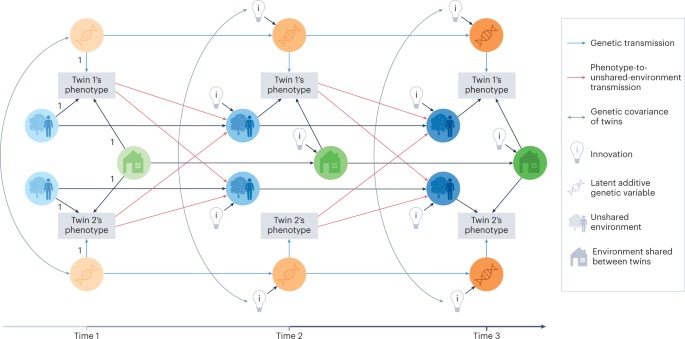
Researchers have identified genetic variants linked to spontaneous fraternal twinning. They span several regions of the genome and help explain inherited susceptibility, but no single gene rules.
What the genetic studies found
In 2016, a study published in the American Journal of Human Genetics compared 1,980 mothers of spontaneous fraternal twins with 12,953 controls. It identified associations near the gene FSHB and within SMAD3.
A 2024 study analyzed 8,265 mothers of spontaneous fraternal twins and 264,567 controls in the maternal analysis. Additional associated regions included GNRH1, FSHR, ZFPM1, and IPO8.
Can a genetic score tell you your odds?
A 2025 peer-reviewed study in the Journal of Assisted Reproduction and Genetics examined polygenic scores for dizygotic twinning. The score explained 1.6% of the variance on the twinning liability scale.
Researchers studied it as an association. It hasn't been established as a validated consumer tool for predicting one person's future twin pregnancy. DNA zygosity testing does something else: it shows whether existing twins are genetically identical or fraternal.
How to interpret your family history without guessing
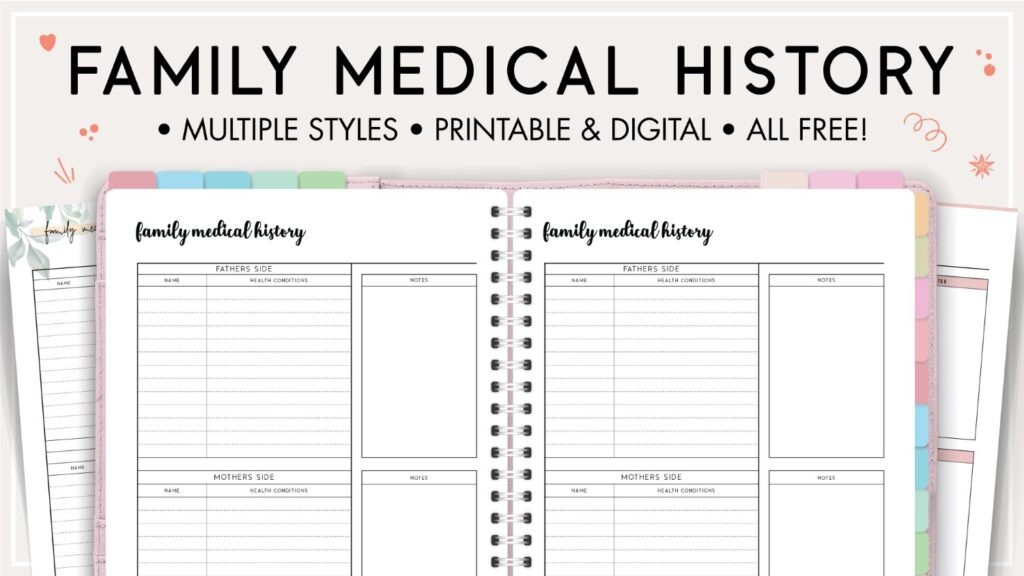
A short family-history record separates what you know about twin types and conception from guesses about inheritance.
A simple family-history record
For each set of twins, include:
- Relationship: Parent, sibling, grandparent, or another relative, and which side of the family.
- Twin type: Fraternal, identical, or unknown. If it's family memory, say so.
- Pregnancy history: Which relative carried the pregnancy, if you know.
- Conception circumstances: Spontaneous conception, assisted reproduction, or unknown. Use only what relatives chose to tell you.
- Other history: Any previous twin pregnancies in the person considering pregnancy, plus known fertility-treatment history.
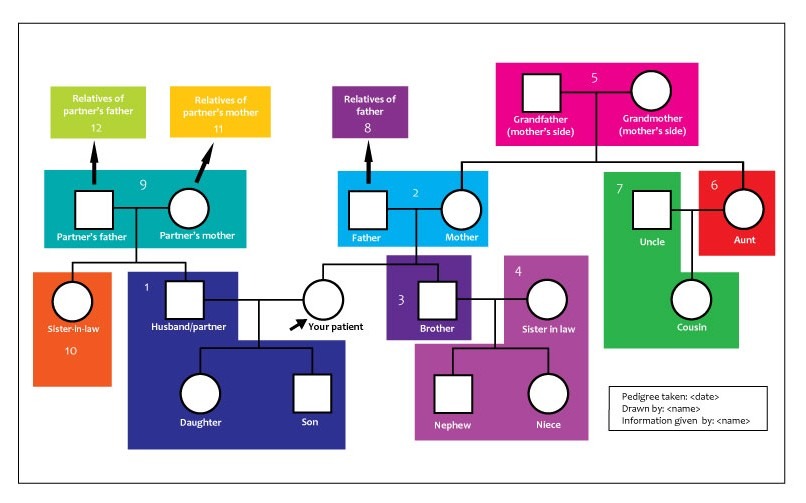
Planning a pregnancy? Bring the known twin types, the conception histories, and the gaps in what you know to an OB-GYN or genetic counselor.