
Green Tea for Skin: Benefits, Evidence, and Limits
In certain skin-care formulations, green-tea extract can modestly affect oiliness and fine lines. It won't replace acne treatment or sunscreen, because the encouraging studies used specific formulas. Check which form of green tea the product contains, and test one product on a small patch of skin before regular use. Stop using it if it irritates you.
Which green-tea skin benefits have human evidence?
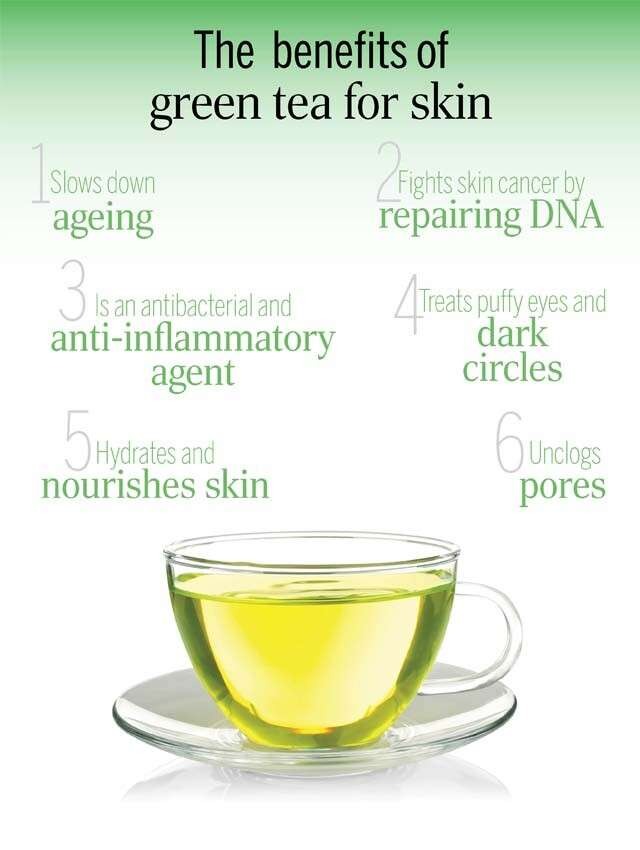
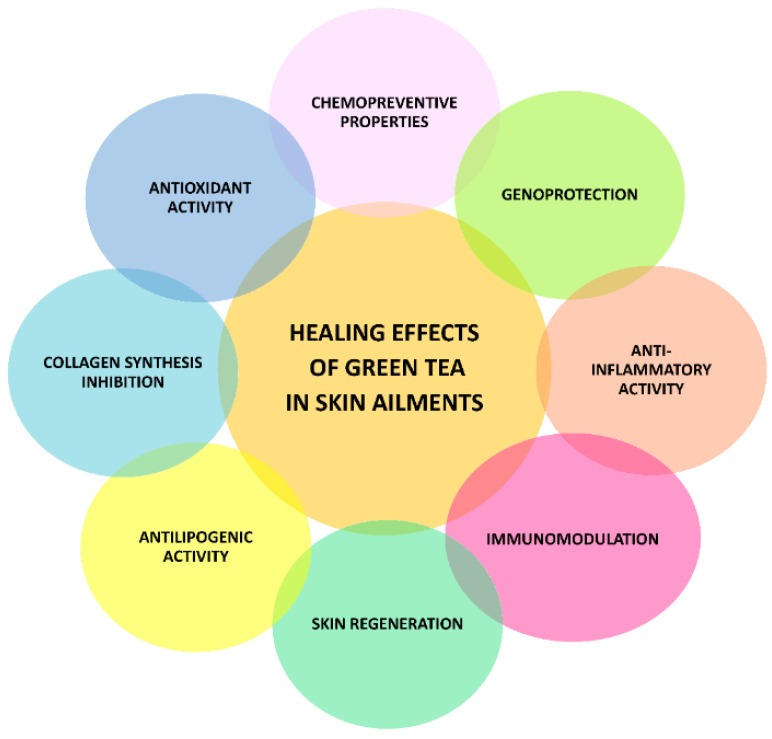
Among the plant compounds in green tea are catechins, including epigallocatechin gallate (EGCG); researchers have studied their antioxidant and anti-inflammatory activity. For a shopper, the useful question is what the trials found when people applied the finished product to their skin.
The human evidence differs by skin concern:
| Skin concern | Human evidence | Reasonable expectation |
|---|---|---|
| Facial oil (sebum) | Small placebo-controlled topical trial | Less measured oil |
| Inflammatory acne lesions | Small randomized trials pooled in a meta-analysis | Some added benefit from the tested extracts |
| Fine lines and elasticity | Several varied topical facial-aging studies | Good cosmetic results for specific products |
| Redness | Biological rationale, little clinical data | Doesn't treat diagnosed inflammatory conditions |
| Hydration and pigmentation | Different measures, mixed results | No predictable result from a retail product |
| Puffy eyes from tea bags | No reliable benefit or timeline established | You may feel a cooling effect; lasting change is unproven |
| Sun protection | No validated consumer SPF for green-tea skincare | Use proven UV protection |
A 2025 scoping review covered 21 publications spanning different kinds of green-tea skin research. A store product matches the preparation behind a clinical result only if its extraction, concentration and delivery match too.
What a green-tea ingredient label tells you
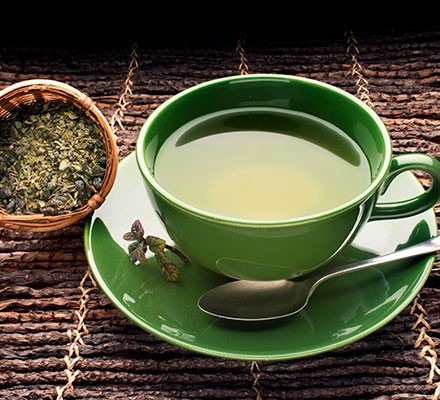
The botanical name Camellia sinensis identifies the tea plant, but a cosmetic can contain a leaf extract, green-tea water or seed oil. Each has a different composition and use.
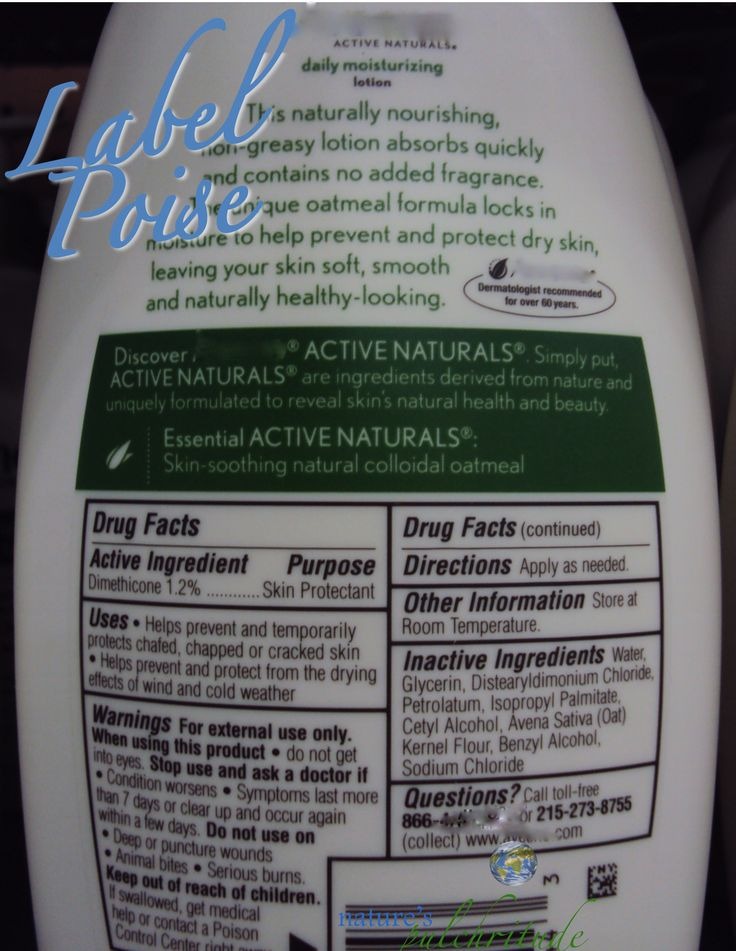
Look for Camellia Sinensis Leaf Extract on the label when you want a leaf-derived extract. EGCG is one catechin researchers study in these extracts. A green-tea infusion or tea water is water-based, and its composition depends on how it was made. Seed oil is different again, and the leaf-extract trial results apply only to the tested leaf preparations.
The FDA Cosmetics Labeling Guide requires cosmetic ingredients to be listed in order of predominance. Ingredients at 1% or less can appear in any order within that lower group. Products regulated as both cosmetics and drugs may follow additional active-ingredient rules. List position can't tell you the EGCG percentage or how much reaches your skin.
One shopper hunting for the extract concentration used in research found it hard to tell from real labels:
I have been looking at products containing green tea extract for the last several months. One thing I noticed is that it is very hard to find anything where the actual green tea extract is near the top of the ingredient list (within the first 5 ingredients).
I noticed there is one study that looked at green tea extract at 2% in a lotion. I was wondering if there was such a product on the market. Can anyone help me on this? I am ideally looking for a toner but am open to trying something else.
Here are a few products I have tried:
- Amorepacific Single Vintage Extract: This has a very strong green tea scent when you use it. There are no added dyes so you can clearly tell the concentration is very high. Only problem is it is $175 for a 5oz bottle.
- Colleen Rothschild Matcha Tea Treatment Toner: Matcha powder is 5th item in the ingredient list and green tea extract is the 6th. This is a very light and nice toner, but I can't tell if the green tea is very concentrated, or if it's actually something like 1% or lower.
- Instree Green Tea Fresh Toner: This toner makes my skin turn bright red and string terribly. I find the marketing around this very dubious as well. On the Soko Glam website, it lists "Camellia Sinensis Leaf Extract" as the first ingredient, but when I bought the product it is listed as something like green tea water on the package. From what I understand, that means the product itself is 80% green tea water, but the extract % is undisclosed. A lot of k-beauty products seem do this to play with the percentages. Beauty of Joseon is another example where their calming serum has this as the first ingredient..
- Drunk Elephant Lala Retro Cream: this one lists a blend of oils including green tea seed oil as the 5th ingredient. The product is really nice but I am really doubtful the extract is 2%.
That 2020 post shows how a careful comparison of labels can still leave the EGCG dose unknown.
Brewed tea, tea bags and formulated extracts
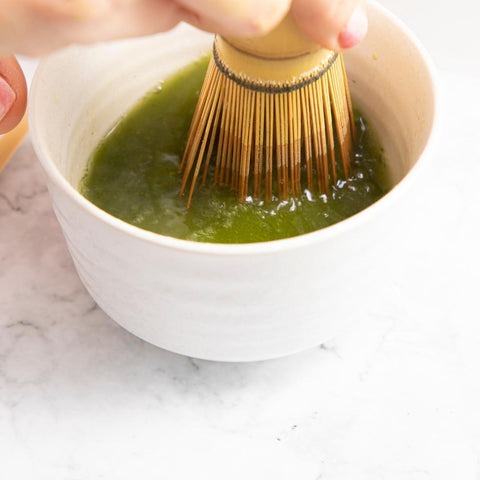
A brewed cup of tea gives you an infusion that varies from cup to cup. In a clinical emulsion, the extract sits in a specific product with its own concentration, carrier and stability, and those details decide what reaches the skin.
| Preparation | What you know | What remains uncertain |
|---|---|---|
| Research-tested extract cream or emulsion | Specified formula tested in a human study | Whether another product works the same way |
| Commercial green-tea toner | Ingredient forms declared on the label | EGCG exposure and benefit, unless the product was tested |
| Home-brewed tea | A freshly made tea infusion | Skin dose, preservation and clinical effect |
| Homemade matcha mixture | Powder mixed with other ingredients | Compatibility, stability and delivery |
| Cooled tea bags | A cool, wet material touching the skin | Any reliable reduction in eye bags or dark circles |
| Green-tea seed oil | Oil from a different part of the plant | Whether it matches catechin-rich leaf extract |
One placebo-controlled split-face study followed 29 women using a facial emulsion containing green-tea extract in chitosan microparticles. Green-tea extract, witch hazel and facial astringents each need their own safety checks, and the natural skin astringent guide covers the category.
The FDA names contaminated water, weak preservation and packaging practices among the risks for microbial contamination of cosmetics. No safe storage period has been validated for a homemade green-tea toner. Don't bottle a home infusion and keep it as if it had a commercial preservative system.
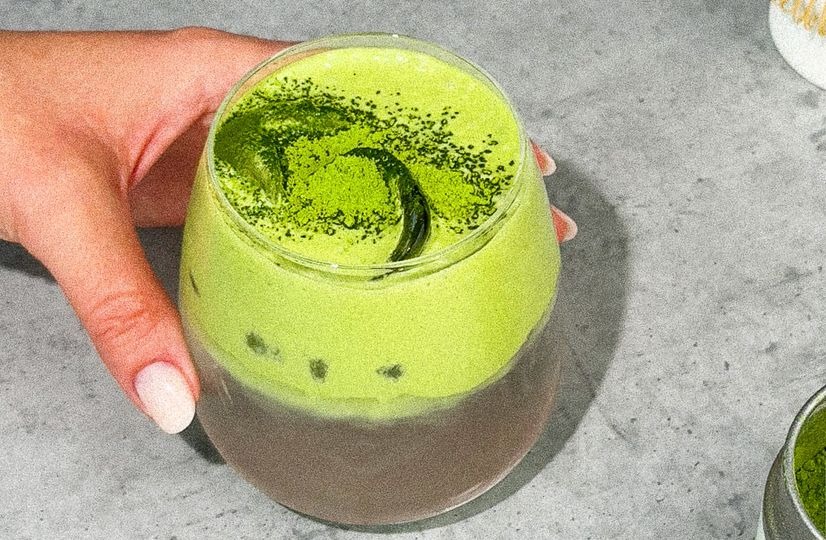
One reader's home experiment went badly:
Tried with home-brewed green tea. It oxidised on my skin and the edges of my face looked "dirty". Also tried matcha powder pinch in my hommade Vit C serum. Same deal.
The result was a dirty-looking edge around the face. The poster's own guess was oxidation, which nobody tested.
Cold tea bags feel pleasant, but no reliable timeframe exists for reducing persistent under-eye bags or dark circles.
What studies found for oily skin and acne
Oil and acne lesions are separate measures. A treatment can change how much sebum you make without changing how many pimples you get.
A 2013 single-blind, placebo-controlled split-face trial gave 22 healthy men aged 22 to 28 test emulsions for 60 days. Eleven received a green-tea formulation on one cheek and placebo on the other. Another eleven tested a green-tea-plus-lotus formulation against placebo. In the green-tea-only group, measured sebum fell roughly 27% from baseline after 60 days.
The result applies to facial oiliness, but the volunteers were young men and the emulsion was one specific formula.
For acne, a 2020 systematic review and meta-analysis pooled five randomized trials with 247 participants (125 treated and 122 controls). The investigators reported these differences in acne lesion counts:
| Analysis | Mean difference in lesion count | 95% confidence interval |
|---|---|---|
| Inflammatory lesions, overall | −9.38 | −14.13 to −4.63 |
| Inflammatory lesions, topical subgroup | −11.39 | −15.91 to −6.86 |
| Inflammatory lesions, oral subgroup | −1.40 | −2.50 to −0.30 |
| Non-inflammatory lesions, overall | −21.65 | −47.52 to 4.22 |
| Non-inflammatory lesions, topical subgroup | −32.44 | −39.27 to −25.62 |
The numbers are lesion-count differences between trial groups, not percentage improvements. Negative values mean fewer lesions in the green-tea groups. The overall non-inflammatory interval crossed zero. The topical subgroup's did not.
The oral-preparation trials tested a different intervention from topical use. If your acne is persistent or significant, use evidence-based acne care and see a dermatologist if needed. A green-tea product can only be an extra.
Wrinkles, redness and sun exposure
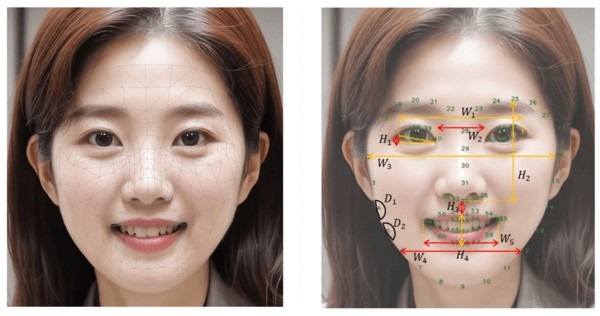
A 2026 review by Lubbers and colleagues included seven reports on topical green-tea formulations for facial aging, with varied study designs and interventions. Four of the five reports that assessed wrinkles found improvements, and several reported better elasticity. The review's counts of elasticity studies don't match.
Results for hydration, pigmentation and redness were less consistent. One higher-dose trial had three withdrawals after dryness or irritation.
For sun protection, the American Academy of Dermatology recommends broad-spectrum, water-resistant sunscreen with SPF 30 or higher. Green tea has no established consumer SPF.
When a calming green-tea toner irritates skin
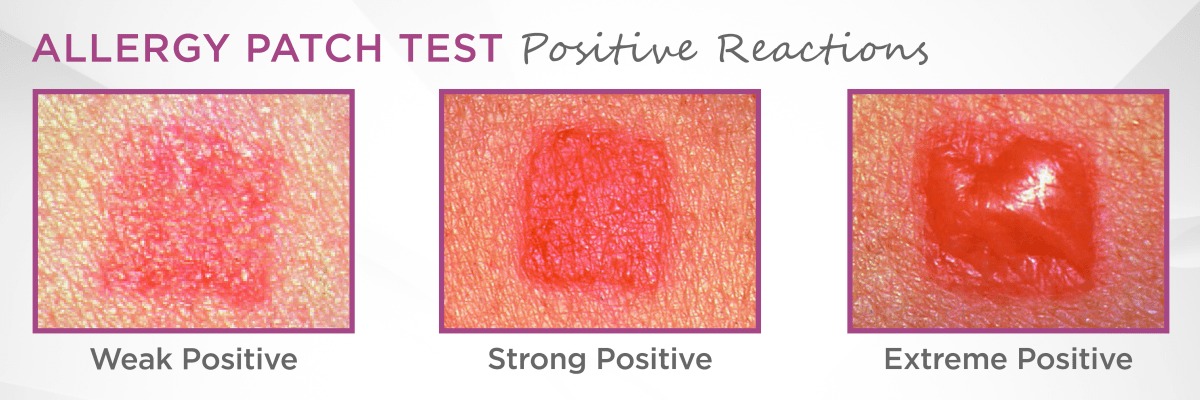
A toner sold as soothing can still feel drying or sting. Green tea is one ingredient in a finished formula that may also contain fragrances, preservatives and other active ingredients.
One commenter put a green-tea toner aside for dryness, then went back to it after a different skincare set caused a much worse reaction:
Very late for this but I have also the isntree’s green tea toner and I agree that it was so drying so ended up never using (but still keeping it). Not until I tried a skincare set that left my face inflamed, pustules all over my face, and bumpy texture. I almost cried so I stop using the set and go back to my usual skincare routine. I used the green tea toner back and it does wonder fr! It calmed my skin, no more pustules, texture is smooth now after 2 days of using it back.
For me, green tea toner is best with acne-prone or oily skin. Very drying, yes, but atleast it calms my skin now. Am not gonna use it everyday since my skin is in its normal state, thankfully! And always use moisturizer after.
The poster changed several things at once, so no single ingredient gets the credit. The dryness is that person's experience with that formula alone.
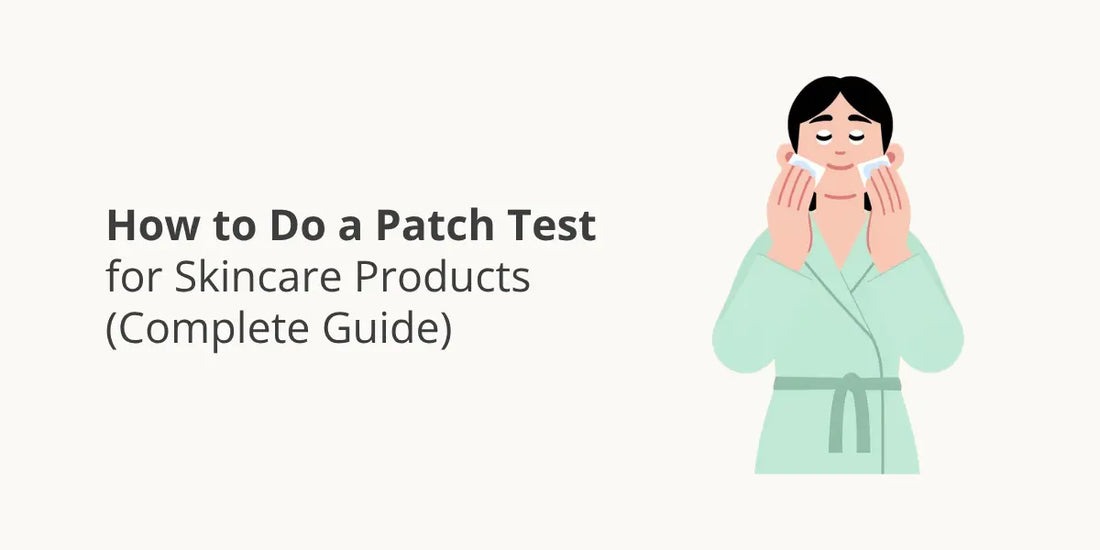
The American Academy of Dermatology gives a clear way to test a new product before you use it widely. Its product-testing instructions recommend:
- Choose a small area. Use a quarter-sized patch, such as the underside of an arm or the bend of an elbow.
- Apply as directed. Test twice a day for seven to ten days. Rinse wash-off products at the usual time and leave leave-on products in place.
- Respond to irritation. If redness, itching or swelling develops, wash the product off and stop using it. Severe or persistent reactions need medical attention.
Add one new product at a time so you can tell which formula your skin tolerates. A passed patch test shows only short-term tolerance. It doesn't prove an acne or wrinkle benefit.
Is a green-tea product worth adding?
| Your situation | Decision | Evidence-based reason |
|---|---|---|
| Looking to reduce facial shine | Consider | Limited topical sebum evidence supports a cosmetic effect. |
| Interested in fine lines or elasticity | Consider | Several tested formulas produced good measures. |
| Skin easily irritated by new toners | Reconsider | How well your skin tolerates the formula matters more than botanical marketing. |
| Seeking reliable treatment for ongoing acne | Use established acne care | Small green-tea trials don't make a complete treatment plan. |
| Seeking protection from sunlight | Use sunscreen | Green-tea skincare has no established SPF. |
| Wanting to duplicate a trial with brewed tea | Reconsider | Concentration, delivery and preservation are unknown. |