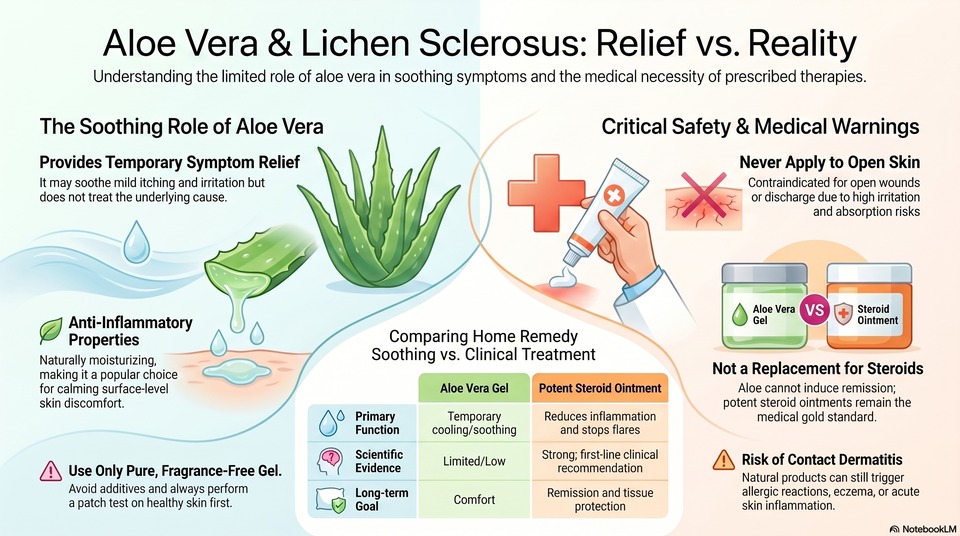
Is Aloe Vera Good for Your Face? What It Can and Cannot Do
Aloe vera can add hydration to a facial product, and most people tolerate it, but the study results are mixed. A small 2006 study of aloe-containing cosmetics found better outer-skin hydration, while a 2014 study of aqueous aloe gels found less favorable results after repeated use. Aloe won't treat acne or a persistent rash. Choose a product by its full label and intended use, and test a small area before applying it widely.
Is aloe vera good for your face?
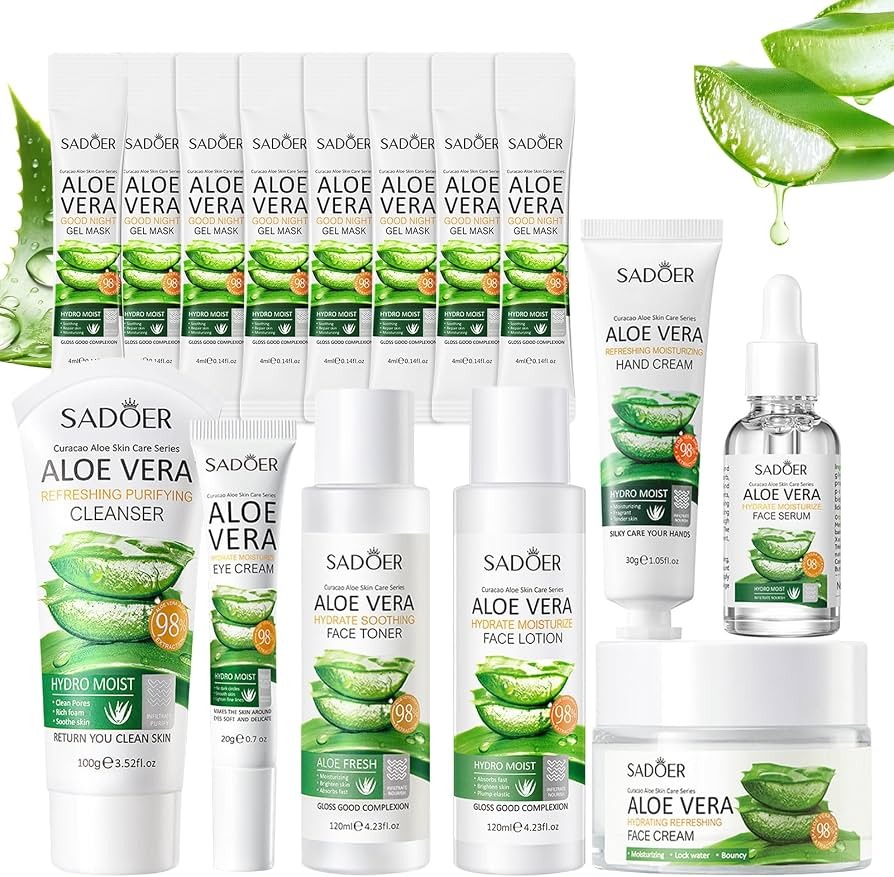
Aloe is an optional cosmetic ingredient for otherwise healthy facial skin. It can make a gel or moisturizer pleasant to use, and some formulas have increased skin hydration in controlled tests. Aloe gel, cucumber pulp, and facial irritation risk are compared with the cucumber face-mask walkthrough, a different topical approach.
A lightweight gel belongs to a cosmetic routine; a persistent rash is a treatment question. Moisturizer studies do not settle the latter.
A cool gel feels good, and that's a fine reason to use it; the feeling is separate from measured hydration, reduced water loss, or healing. If your regular moisturizer already works, you don't need to add aloe.
What human studies show about aloe and hydration
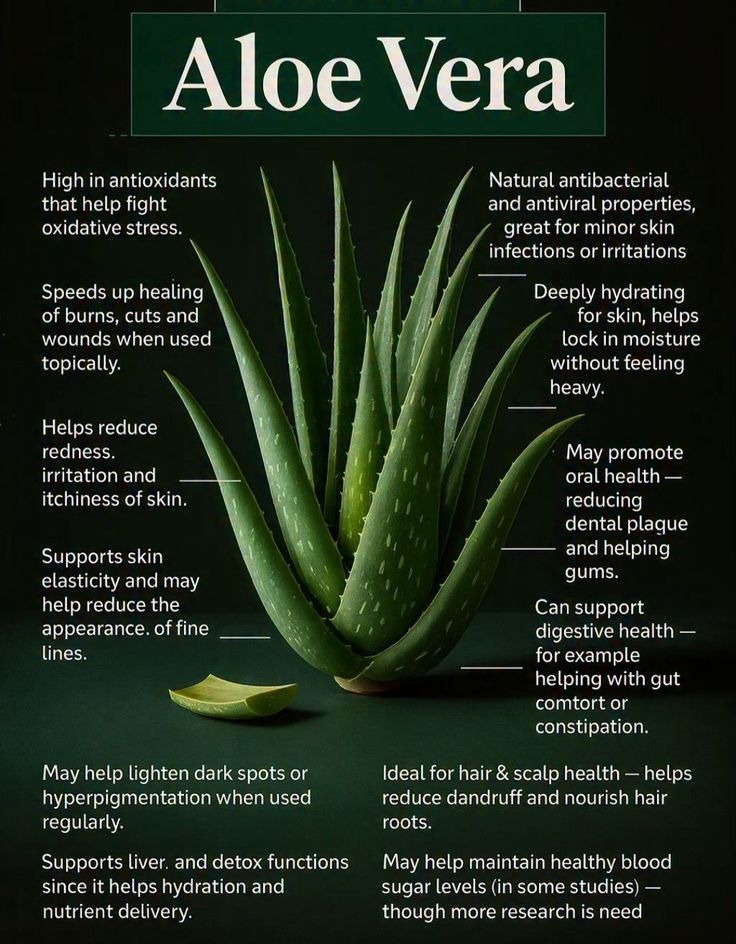
Aloe has some human data behind its moisturizing reputation, but the form matters a lot. Two forearm studies show why a bottle of aloe gel can't claim a result just because its label names the same plant.
In 2006, Susi Elaine Dal'Belo and colleagues tested cosmetic formulas containing freeze-dried aloe extract on the forearms of 20 women. The extract concentrations were 0.10%, 0.25%, and 0.50% by weight. Each was compared against its matching vehicle, the base formulation used for comparison.
| Study and measurement | Observed result | Takeaway |
|---|---|---|
| 2006: one application | The 0.25% and 0.50% formulations increased stratum-corneum hydration versus vehicle. | Some finished formulas raised water in the outer skin layer. |
| 2006: two weeks of daily use | All three extract concentrations increased measured hydration versus vehicle. | Repeated use also worked in this test. |
| 2006: transepidermal water loss (TEWL) | No improvement versus vehicle after single or repeated application. | More water in the skin, but no less water escaping. |
| 2014: repeated aqueous gel-material use | In a separate forearm experiment, aloe gel materials produced less favorable hydration readings than water after repeated applications. | The preparation and the comparison product can reverse the result. |
Stratum-corneum hydration is the water content of the outermost skin layer. TEWL is water escaping through the skin. In the 2006 experiment, hydration improved and TEWL did not, which matters when a product claims to repair the skin barrier.
The Dal'Belo hydration study involved a small group, defined cosmetic formulas, forearm skin, and two weeks of use. It did not measure long-term facial outcomes or establish an ideal concentration for a retail product.
A 2014 human study by Fox and colleagues tested aqueous preparations of aloe gel materials at 3% weight per volume. The wider study had 59 participants across three components; the repeated-application hydration component had 23. There, water compared more favorably with the gel materials. The preparations and comparators differed from those in the 2006 cosmetic-formulation trial.
In the single-application component, the tested Aloe vera and Aloe marlothii preparations increased measured hydration, though the Aloe vera result was not statistically superior to water.
When you evaluate a benefit claim, check what was measured: skin water content, TEWL, visible wrinkles, or a disease outcome.
Fresh aloe leaf versus bottled aloe gel
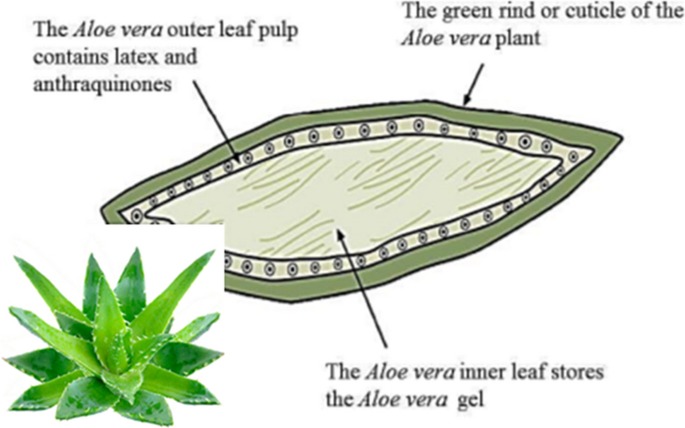
A cut leaf and a finished cosmetic are different materials in different states of preparation. No research reviewed here shows fresh leaf gel outperforming a particular bottled facial formula.
The National Center for Complementary and Integrative Health separates the inner-leaf gel from the yellow latex nearer the outside of the leaf and from whole-leaf preparations. Their constituents differ. Cosmetic makers may combine processed aloe with other functional ingredients, so the formula shapes the finished product.
DermNet's 2021 overview describes aloe inner-leaf gel as approximately 99% water, with various dissolved constituents making up the rest. The figure describes plant material, not every commercial product marketed with the word aloe.
| What you have | What's in it | What to check |
|---|---|---|
| Fresh inner-leaf gel | Material from the plant, prepared in varying ways. | Hygiene, consistency, and the lack of standardized product instructions. |
| Whole-leaf or latex-containing preparation | Includes constituents beyond the inner gel. | Plant-part terminology and whether that specific material suits your skin. |
| Finished facial cosmetic | A prepared formula with aloe and other ingredients. | Intended use, full label, preservation, and directions. |
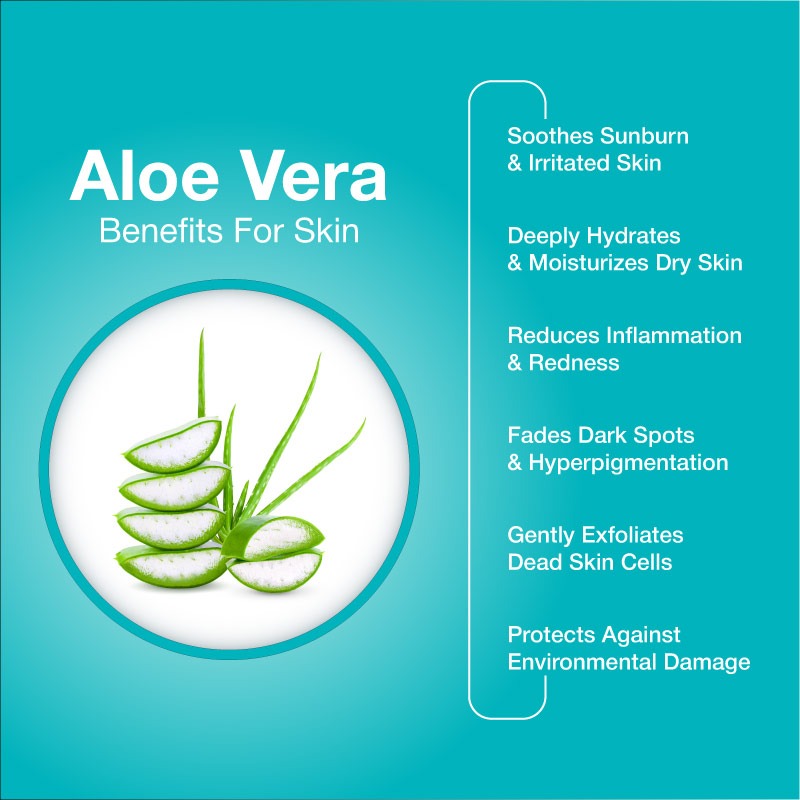
Choosing an aloe formula beyond the advertised percentage
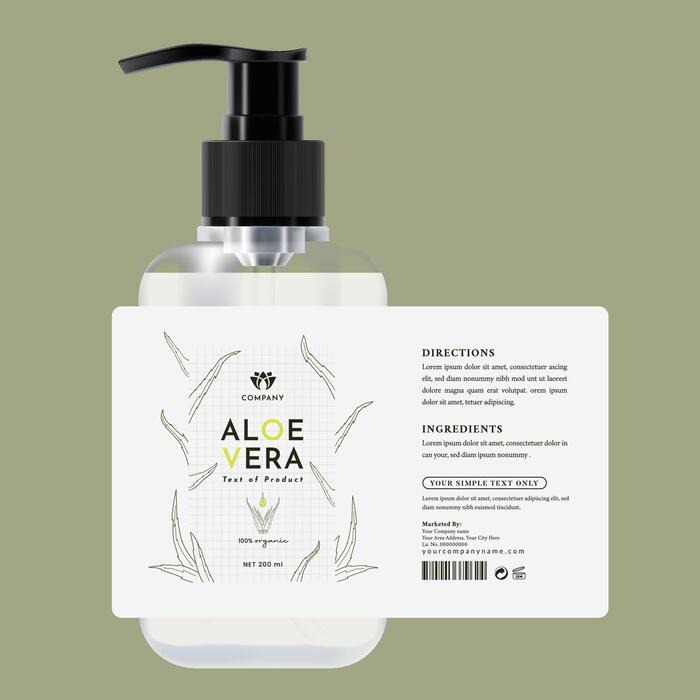
A prominent aloe percentage doesn't tell you how a product will feel or perform on your face. The hydration trial measured freeze-dried extract as a percentage by weight in a defined formula. A retail label may instead list aloe juice, aloe gel, or another part of the finished mixture.
Start by asking what the bottle is designed to do. A rinse-off cleanser, a leave-on gel, and a cream have different jobs, even if all three feature aloe.
- Intended use: Choose a product labeled for topical facial application.
- Complete ingredients: Read past the advertised aloe content; the other ingredients are part of the formula.
- Directions and storage: Follow the stated application, storage, and use-period instructions.
In the United States, the FDA's cosmetic labeling guidance separates ordinary moisturizing claims from claims that a product treats disease or affects the body's structure or function. Marketing language doesn't mean an aloe product is approved as a medical treatment.
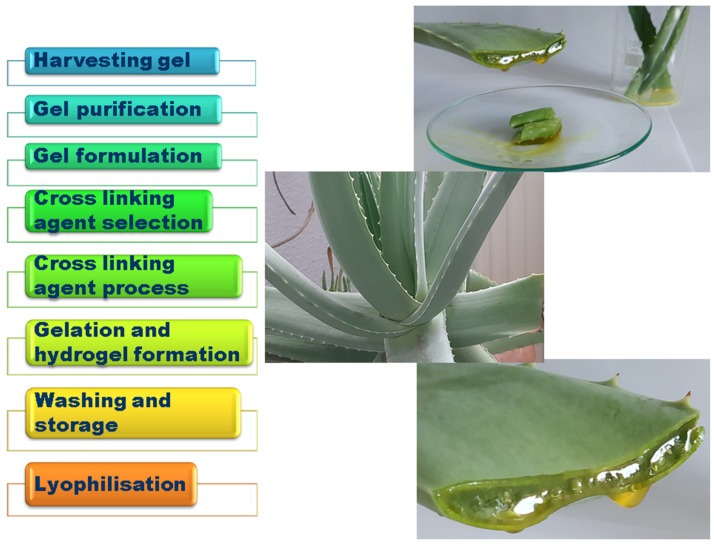
Homemade mixtures add another problem. A preservative system designed for an existing product is no longer appropriate once ingredients are diluted or combined. In an r/DIYBeauty discussion, a hobbyist reconsidered a planned aloe, honey, and xylitol mixture after readers raised the preservation issue. Their reply captured the surprise:
lol you're right! It basically is sugar water ... didn't realize ! Maybe I'll just stick to honey masks. Thank you very much.
How to test aloe and recognize a reaction
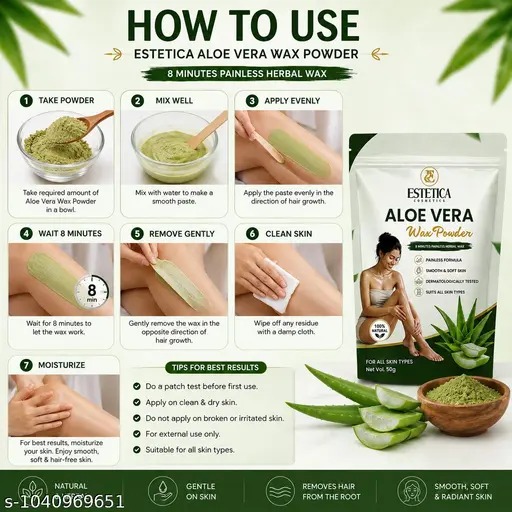
Test a new aloe cosmetic on a small area before using it widely on your face.
The American Academy of Dermatology recommends this test for unfamiliar skin-care products:
- Choose a quarter-sized area on the underside of an arm or inside an elbow.
- Apply the product twice daily for 7 to 10 days, as directed.
- For a rinse-off product, leave it on for five minutes or the labeled duration.
- Watch the tested area for redness, itching, swelling, or other irritation.
A first-time skin-care user described repeated redness after trying a gel advertised as 96% aloe:
Im looking for some guidance, A few days ago I purchased this Pure (96%) Aloe Vera gel to use on my face before bed, and every time I've used it my face has a reaction and goes very red and flushed, I feel it may be some allergic reaction perhaps? But I'm really not sure, I'm wondering if any of these ingredients shown on the picture are well known and could be the cause? Or whether I should continue using it and my face will adapt with some time? I'm very new to skincare so I'm learning as I go.
| What you see | What to do |
|---|---|
| No reaction during the small-area trial | Use it normally, following the product directions. |
| Burning, persistent redness, itching, swelling, or a rash | Stop using it and gently wash it off. |
| Severe, worsening, or persistent symptoms | Seek medical care; urgent symptoms need urgent assessment. |
Topical aloe gel is generally well tolerated. The NIH's aloe safety summary lists occasional burning, itching, rash, or eczema.
Can a successful arm test rule out a later facial reaction?No. It shows how you tolerated that product under the test conditions. It isn't a diagnostic allergy test, and facial skin can still react later.
Where aloe fits in a facial routine
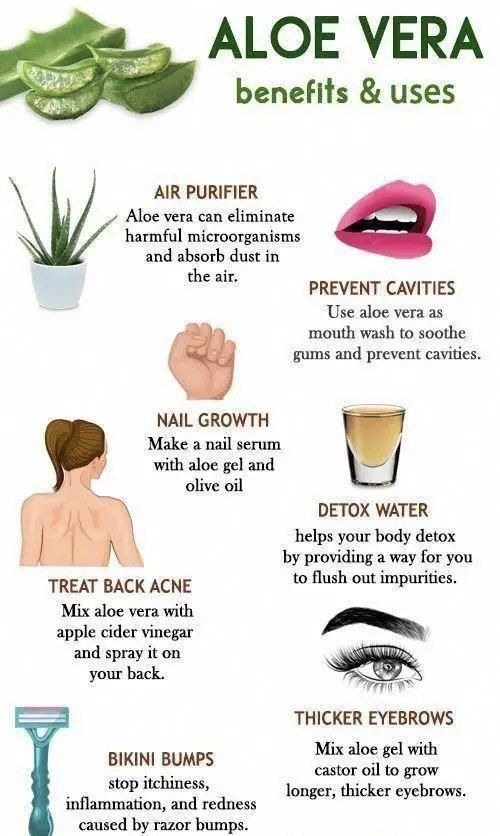
Aloe appears in leave-on gels, moisturizers, cleansers, and makeup preparation products, so its place in your routine depends on what that product is for. A lightweight aloe gel makes a pleasant hydrating step, but it won't meet all your moisturizing needs and doesn't replace sunscreen or prescribed skin care.
When to skip aloe and choose another option
Skip aloe if a product irritates you or if you're trying to treat a persistent skin condition. Its cosmetic appeal gives you no treatment protocol for acne, eczema, rosacea, or burns.
A randomized eight-week study of 60 people with mild to moderate acne compared 0.05% tretinoin plus a formulated gel containing 50% aloe with tretinoin plus a vehicle gel. The aloe combination did better on several measured acne outcomes. Both groups received tretinoin, so aloe alone remains untested.
A published case report documented positive patch tests to aloe leaf and jelly in one patient with dermatitis. A separate study of 702 consecutive patch-tested patients found no positive responses to three tested aloe preparations. Neither study gives a population-wide rate of allergy, and a red face after one product can't identify a specific allergen.