
How to Make a Cucumber Face Mask and What to Expect
A plain cucumber mask is an inexpensive, refreshing option when your skin tolerates it. Make a fresh batch and keep it on briefly. If cucumber irritates your skin, or you need treatment for a skin condition, skip it and stick with gentle everyday care or professional advice.
What can a cucumber face mask do for your skin?
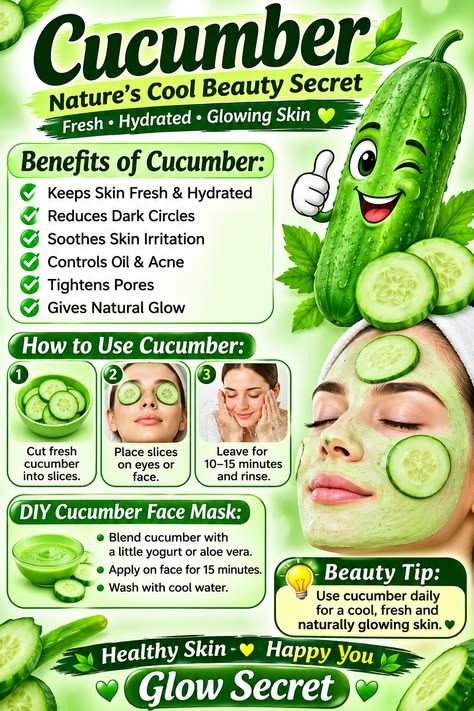
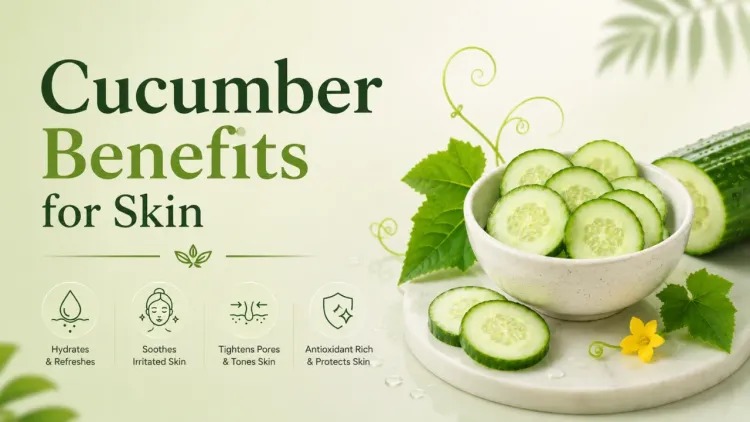
A cucumber mask feels cool and soothing on your face; the temporary cooling sensation can be pleasant even without a lasting skincare benefit.
| What you want | What to expect |
|---|---|
| A cool, refreshed feeling | You get it while the mask is on your skin. |
| More hydrated skin | Raw cucumber juice gives no lasting hydration. |
| Fewer pimples or eczema symptoms | No treatment effect. |
| Smaller pores or fewer wrinkles | Your skin may look or feel different for a short while. A homemade mask won't change it permanently. |

The American Academy of Dermatology says carefully chosen facial masks can complement a skincare routine, while conditions such as eczema and acne may need treatment.
In 2014, the Cosmetic Ingredient Review Expert Panel evaluated six cucumber-derived cosmetic ingredients and found them safe at their reported uses and concentrations, according to the Cosmetic Ingredient Review study.
How to make the simplest cucumber face mask

Puree and strain fresh cucumber to get a thin juice, then apply it to clean skin.
What you'll need
- Half a cucumber: Unpeeled.
- A clean blender or food processor: Turns the cucumber into watery pulp.
- A clean strainer and bowl: Catch the liquid.
- Clean hands and a freshly cleansed face: For applying the mixture.
Prepare and apply it
- Wash your hands. Use soap and warm water for at least 20 seconds.
- Wash the cucumber. Rinse it thoroughly under running water. Don't use soap, detergent or commercial produce wash on it.
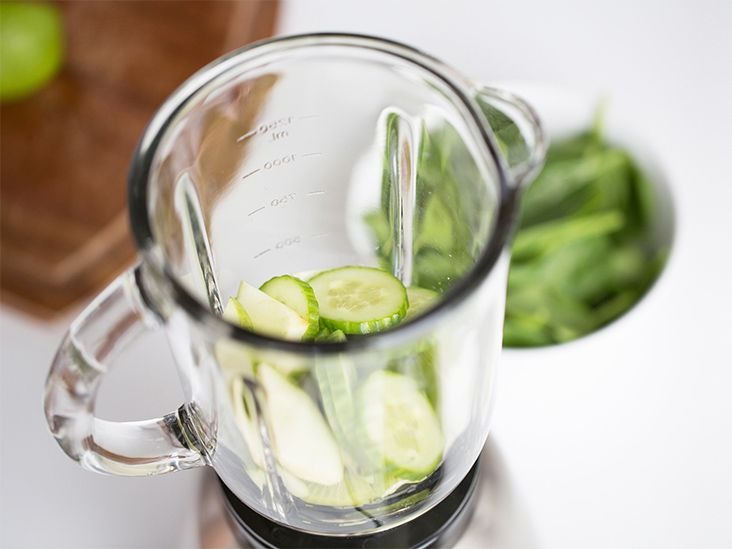
- Blend and strain. Puree the cucumber, then strain the pulp into a clean bowl.
- Apply the juice. Spread a thin layer on your cleansed face with clean hands. Keep it out of your eyes.
- Rinse and dry. After the application time described in the next section, rinse with cool or lukewarm water and pat your skin dry.
The FDA's produce-safety guidance names firm cucumbers as suitable for scrubbing with a clean produce brush.

Use the mixture right away and wash your equipment afterward. A homemade batch is never sterile, and no storage period has been validated for repeated facial use, so throw out any leftovers once you have applied it.
No blender? Clean cucumber slices are a simpler cooling option for the areas you can reach. They cool only the skin they touch. For how cucumber and aloe compare on irritation risk, read the aloe-for-the-face evidence guide.
How long should it stay on, and how often should you use it?
Healthline's basic cucumber method says to leave the mask on for 15 minutes before rinsing. Its broader recipe guidance suggests 10 to 15 minutes per application, no more than two or three times a week.
Longer sessions, such as 45 minutes, only add exposure. The American Academy of Dermatology warns that using facial masks too often or leaving them on too long can cause irritation, depending on the ingredients.
When to skip cucumber and what to do if your skin reacts

Skip the mask if you know your skin reacts to cucumber or if your face is already significantly irritated. Eating cucumber without trouble doesn't mean your skin will tolerate it.
Cleveland Clinic's dermatologist-guided advice is to try a small area first, such as your jawline or behind an ear, before applying an unfamiliar homemade mask across your face.
A commenter in r/Allergies put cucumber on their eyes a second time to check whether it had caused an earlier reaction:
I first noticed an issue when a friend who sold 100% natural skin care products had a mani-pedi party where we put these soft puffs on our eyes while soaking to enhance relaxation. I asked after a few minutes if it was supposed to burn and she said no, to take them off, then when she saw I had bright red circles around my eyes had me rush to wash it off. She was perplexed and asked if I had a cucumber allergy, but I said I'd been eating them my whole life with no problem.
FF IDR how long later I was eating sliced cucumber and decided to take off my glasses and put a couple on my eyes. TBH I was hoping it would be no problem and I could secretly prove to myself her company was lying to people about the ingredients. But lo and behold the same thing happened! I apparently shouldn't let this food that makes my mouth and belly happy sit on my skin. And it was the flesh touching my skin not the peel.
After a bad reaction, don't repeat the exposure to test a hunch.

- Stinging, itching, burning or redness: Wash the mixture off and stop using it.
- Persistent rash or significant irritation: Contact a healthcare professional or dermatologist.
- Trouble breathing or rapidly developing swelling of the face, lips, tongue or throat: Get emergency medical help immediately.
Should you add aloe, oatmeal, honey, or anything else?
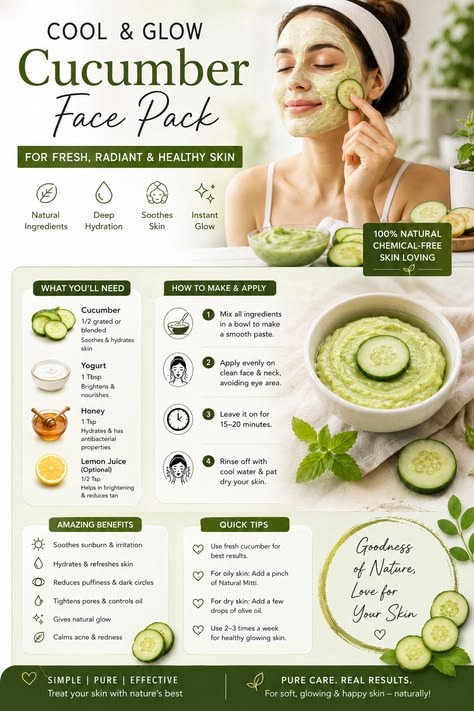
Healthline publishes cucumber-mask variations with aloe gel and with oatmeal and honey. Their comparative clinical benefits are unproven.
| Version | Ingredients | What changes |
|---|---|---|
| Plain cucumber | Half a cucumber, blended and strained | One ingredient and a light liquid |
| Cucumber and aloe | Cucumber plus 2 tablespoons of aloe vera gel | Thicker texture and one more ingredient on your skin |
| Cucumber, oatmeal and honey | Cucumber plus 1 tablespoon oatmeal and 1 tablespoon honey | A more complex mixture with more possible irritants |
Extra ingredients make it harder to tell which one irritated your skin.

Dermatologist-recommended skincare sometimes contains colloidal oatmeal, which is prepared differently from the kitchen oatmeal in this recipe. Leave out lemon or lime juice, strong fragrance and direct essential oils. They add avoidable irritation risk.
What about cucumber slices under your eyes?

Cool cucumber slices on closed eyelids can feel comfortable and may ease under-eye puffiness. That differs from spreading strained juice across your face. Cleveland Clinic lists genetics, aging, fatigue, allergies and pigmentation among the causes of dark circles, and slices correct none of them. If discoloration or swelling affects only one eye, get a medical assessment.
DIY cucumber, a store-bought mask, or no mask at all?

A homemade cucumber mask needs a few simple kitchen tools and gives you control over a very short ingredient list.
A packaged mask comes with an ingredient list and directions. Its fragrance, preservatives, moisturizers and active ingredients help determine whether it suits you, so read the full list and directions before you choose one.

Going without a mask is a reasonable choice if your skin already feels comfortable. Everyday cleansing, moisturizing and sunscreen matter more for a regular routine than one more optional step.