
What Are Hydrosols? How They’re Made, Used, and Stored
A hydrosol, also called a hydrolat, is aromatic water collected as vapor from botanical distillation condenses. For cosmetic use, the product should be labeled accordingly and include its own storage instructions. It is not concentrated essential oil.
If the product changes or irritates your skin, stop using it. If its composition or stability is unclear, pick a better-documented, properly formulated alternative.
What is a hydrosol?
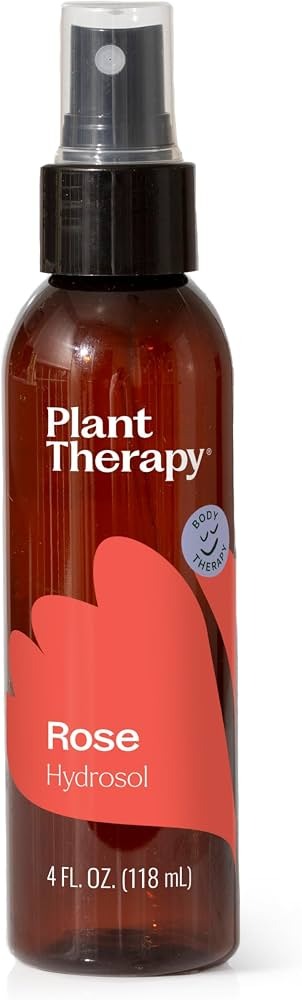
A hydrosol, also called a hydrolat or hydrolate, is the aromatic water you get when the steam used to distill flowers, leaves, or other plant material cools back into liquid. The water carries some of the plant’s aromatic compounds, and a separate essential-oil fraction is sometimes collected alongside it. Hydrosol is sold as an ingredient or blended into facial mists and toners, whose other ingredients affect performance and shelf life. The aloe-vera face guide covers one common plant-based ingredient.
How hydrosols are made, and why their scent varies
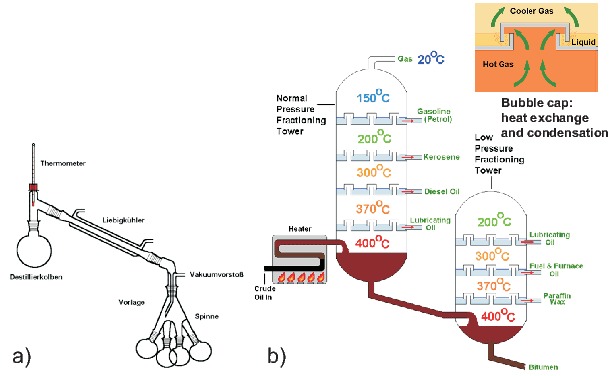
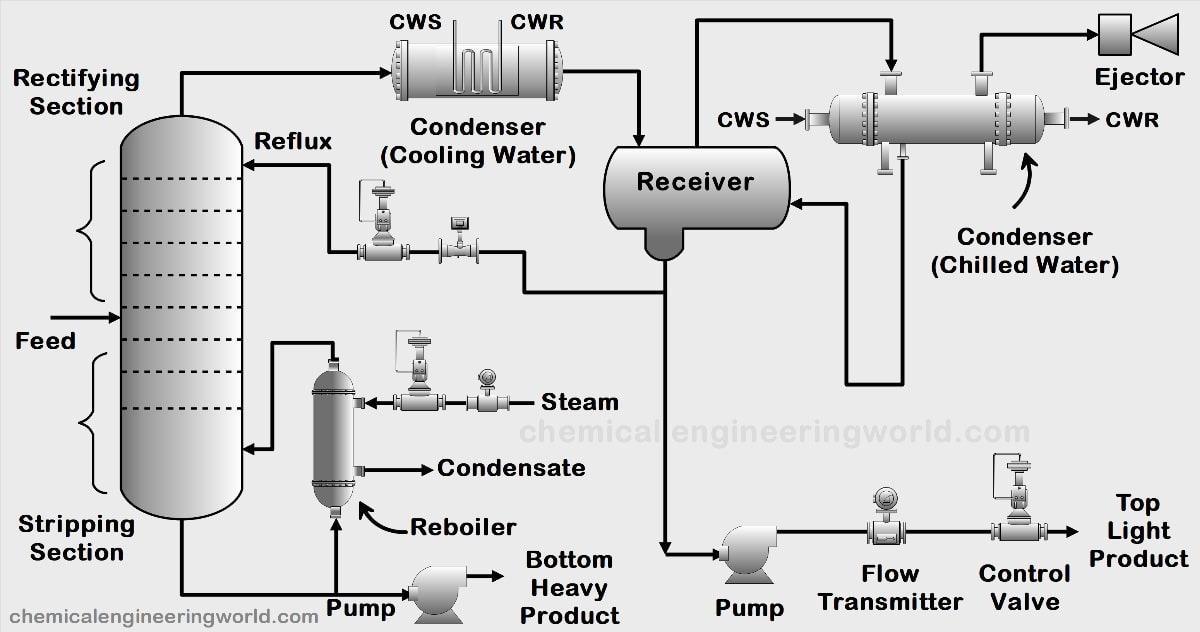
Distillation starts with plant material and heat; vapor carries volatile compounds through a condenser, where it cools into liquid. The aromatic water collected this way is the hydrosol. If an oil-rich layer separates, it can be collected as a separate product.
Two methods come up most. In hydrodistillation, the plant material sits in heated water. In steam distillation, steam passes through the plant material. The Formula Botanica guide to hydrosols describes both methods and what each produces.
Species, plant part, and production conditions decide what ends up in the collected water. That is why a rose hydrosol and a rose essential oil have different aromatic profiles even when they start from the same flowers.
A 2015 analysis reported median dispersed essential-oil contents of 677 mg/L for sampled orange-blossom hydrosols, 205 mg/L for Rosa damascena, and 116 mg/L for Rosa centifolia. These figures come from the tested samples and don’t apply to every bottle.
And I struggle. So far I tried galangal, pine needles, juniper, orange peels and cinnamon (that one by hydrodistillation) and everything except for the cinnamon has this nasty burned/overcooked smell.
Now, most people say to turn the heat down when that happens, but my problem is that when I do that, the steam never manages to rise and heat up the upper body of the still and, as a result, the steam never even reaches the condenser so all the oils just drip down back into the water or onto the biomass. I have found the "sweet spot" on the heating mantle when the boiling is just enough so that the vapours get into the condenser, but then everything smells awful.
I even tried running it throughout the night boiling gently for the case that the entire still just needed time to warm up. But no, after 9 hours of slow boiling there wasn't even a single drop of hydrosol in the florence flask.
To my knowledge all the joints are sealed (by Ramsay grease from my lab, I work in one). One suspicion is the thermometer, whose joint was a bit wet when I finished the distillation, but that one is quite tightly screwed in as well.
I am using boiling chips from broken plant pots.
Normal distillation time is around 6 hours. I don't really care about the yield that much, I just want to get it working by now.
After changing the equipment, the maker reported better results.
Hydrosol vs. essential oil, infused oil, and floral water
Botanical products can share a plant name and contain different kinds of material. What separates them is the production method and what the bottle mostly contains.
| Preparation | How it is made | Main medium | What to recognize |
|---|---|---|---|
| Hydrosol / hydrolat | Water collected from botanical steam or water distillation | Water | A distilled aromatic-water ingredient |
| Essential oil | Concentrated volatile oil fraction obtained through suitable production methods | Oil-rich aromatic material | Different concentration and formulation requirements |
| Botanical oil infusion | Plant material steeped in a carrier oil | Carrier oil | Properties also depend on the carrier oil |
| Floral water / rose water | Can be a true distillate or a formulated fragrant water | Usually mostly water | The product description should say how it was made |
Before swapping one preparation for another in a cosmetic formula, match the production method and the main medium.
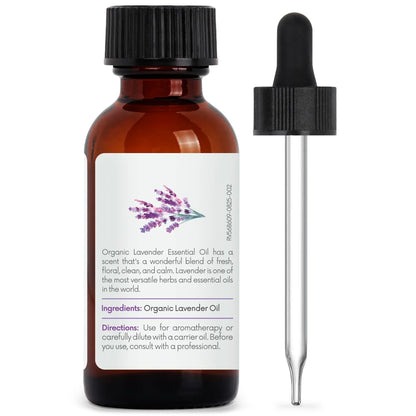
I’m sorry. This is my first time and I dont know what I’m talking about.
Basically, I’m trying to copy what I saw on Youtube on how to make lavender essential oil. The person dried the lavender flower and mixed them with a carrier oil.
She also said she prefers fresh lavender over dried ones when making lavender oil.
So Im just wondering which method is better.
That video shows an oil infusion: the lavender went into a carrier oil and nothing was distilled. The result is an infused oil, not an essential oil.
Cosmetic uses and what the evidence supports
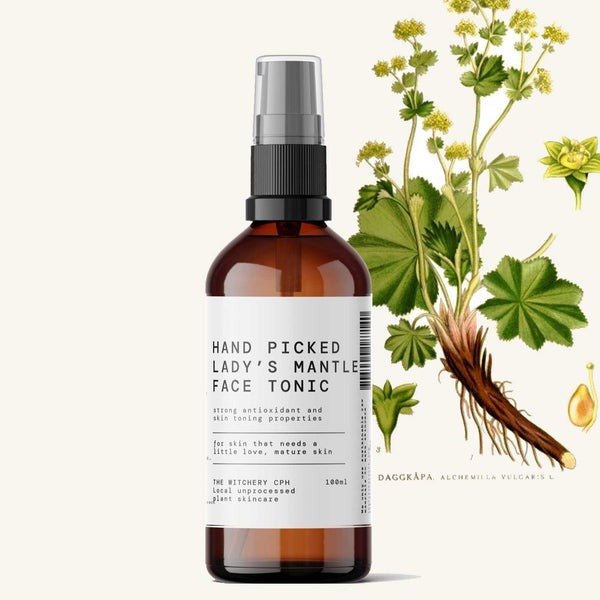
Hydrosols go into facial mists, toners, body products, and other water-based cosmetics. People buy them for the botanical scent and the light feel. Claims about treating acne, eczema, infections, or other medical conditions need evidence from people for that specific outcome.
| Information available | What it supports | What it doesn’t show |
|---|---|---|
| A product lists hydrosol | It contains a botanical aromatic-water ingredient | Whether it treats a skin condition |
| A lab measures aromatic compounds | The tested sample contained those compounds | What other products contain |
| A study reports a cell or laboratory effect | The effect occurred in the tested system | Real clinical benefit from a facial mist |
| A person describes a skin-care result | That person had that experience | How often it happens or what caused it |
If a mist is advertised as an acne treatment, the evidence has to cover that promised outcome, and the claim can change how the product is regulated. In the United States, the FDA regulates cosmetics, but most cosmetics don’t get FDA approval before they go on sale. Products promoted to treat or prevent disease, or to affect the body’s structure or function, can fall under drug requirements. The FDA's cosmetics labeling guidance explains the difference.
Can I use hydrosol as the water in a homemade setting spray?Yes, as the water-based ingredient. Mixing it with other materials makes a new formula, though, and the original bottle’s stability doesn’t carry over to the spray.
How to choose and check a hydrosol product
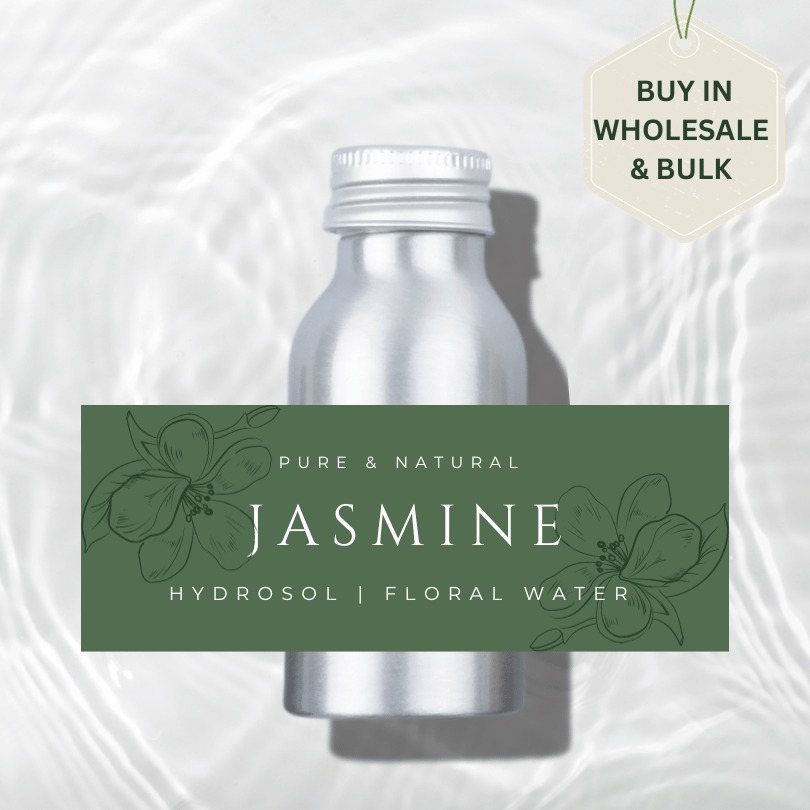
A label saying “100% pure rose water” sounds conclusive but leaves practical questions open. A useful listing names the botanical ingredient, says how the water was prepared, lists everything else in the bottle, and explains how to use the finished product.
| What to check | Look for |
|---|---|
| Botanical identity | Plant name, ideally the species and the plant part used |
| Production | Steam or water distillation, or another clear description of how it was made |
| Full ingredients | Added fragrance, preservatives, and any other components |
| Intended use | Directions for the cosmetic use you have in mind |
| Storage after opening | The manufacturer’s handling and use-after-opening directions |
An INCI name uses a standardized system to identify a cosmetic ingredient. The name itself doesn’t specify manufacturing or preservation details.
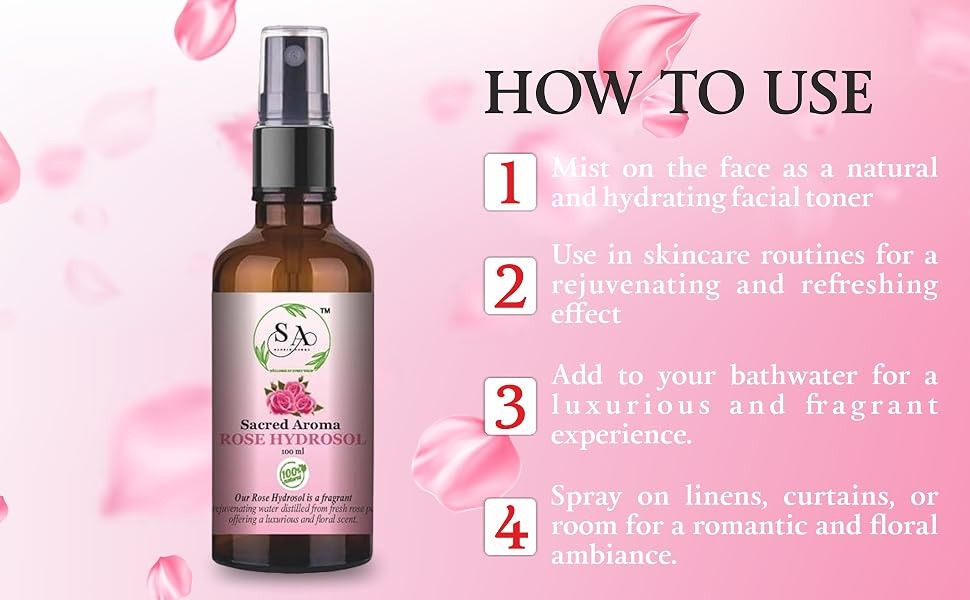
Take two products sold as “rose water.” One describes a botanical distillate and gives full ingredients and storage directions. The other gives only a fragrant product name. The first lets you judge whether it suits you, even if both labels look equally appealing.
If a listing leaves out a detail you need, ask the seller or manufacturer for it.
Can hydrosols spoil? Preservation and storage
Water-rich botanical products can support microbial growth. Contamination can enter through raw ingredients or water, manufacturing, inadequate preservation, packaging, and handling by the user. The FDA’s microbiological safety guidance for cosmetics lists these pathways.
A 2015 study examined 22 rose and orange-blossom hydrosol samples. Microbes multiplied under the study’s test conditions, including storage at 5°C in nonsterile containers. The published hydrosol microbiology study shows why refrigeration doesn’t replace proper preservation.
A separate controlled study published in 2016 found that selected antimicrobial systems controlled particular hydrosol-associated spoilage strains for more than 90 days at 30°C. The result applies to the tested agents, organisms, concentrations, and conditions. It is not a consumer shelf life.

When aromatic water goes into a cream
Once hydrosol is mixed with oils, emulsifiers, and other ingredients, preservation depends on the finished formula.
I keep getting condensation on the lids of my jars especially when there is heat (hot room, outside, in the car). Today I was checking my jars again to see if there was condensation and even inside my apartment they are getting a little condensation. However, when I opened up a few of them today some of them had black spots on it and one seems like it may have started separating??
Here is my formula:
Oil: 12% Olive Oil 10% Emulsifying wax NF 9% shea butter 5% sweet almond oil 2% Neem oil 2% beeswax
Water: 53.5% chamomile & rose hydrosol 1% arrowroot powderCooling: 0.5% Germall plus 1% rosemary Essential oil
I boiled all of my jars and let them cool before filling them with the cream. Do I need to increase the amount of Germall plus I use? Is the mold a formula issues? Sterilization issue?
I'm just not sure where it went wrong. Should I throw out the entire batch?
Edit: this batch was made in July but I didn't get around to bottling it until the day after it was made. Had the bowl covered in plastic wrap on the counter. I'm wondering if that's where it may have gone wrong. I sterilized everything I used except the plastic wrap. My apartment is also VERY humid. Our little dehumidifier can't keep up.
Whether the spots were microbial growth stays unclear. Safety has to be judged on the whole cream, including its formula and handling history.
What to do with a bottle in use
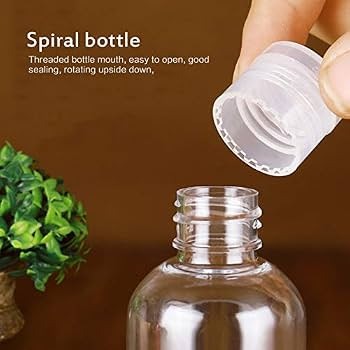
| Situation | Response | Reason |
|---|---|---|
| Commercial product with directions | Follow its storage and opening instructions | Handling needs depend on the formula, and no validated expiration period covers all hydrosols |
| Opened product in use | Keep the container clean; don’t add water or pour contents back and forth | Handling can introduce contaminants |
| Spots, discoloration, odor, leakage, or separation | Stop use; don’t try to save it by adding preservative | Treat these changes as a reason to discard, whatever the cause |
| Homemade water kept cold without validated preservation | Don’t treat refrigeration as proof of stability | Growth was observed under refrigeration in the studied nonsterile conditions |
Appearance and smell can give you a reason to discard a product. They can’t confirm that a normal-looking bottle is microbiologically safe.
Deciding whether a hydrosol suits your skin
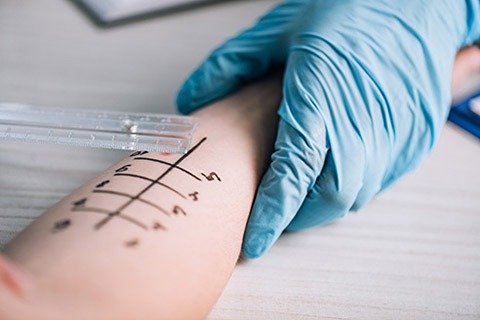
Even a properly identified cosmetic product can cause a personal skin reaction. A pleasant botanical scent tells you little about how your skin will handle the finished formula.
To test a new skin-care product at home, the American Academy of Dermatology advises applying a normal amount to a small area twice daily for 7 to 10 days and watching for irritation. Its skin-care product testing guidance explains what to do if a reaction develops.
That check shows how your skin reacts. It doesn’t show microbial stability, and it can’t rescue a questionable DIY preparation.
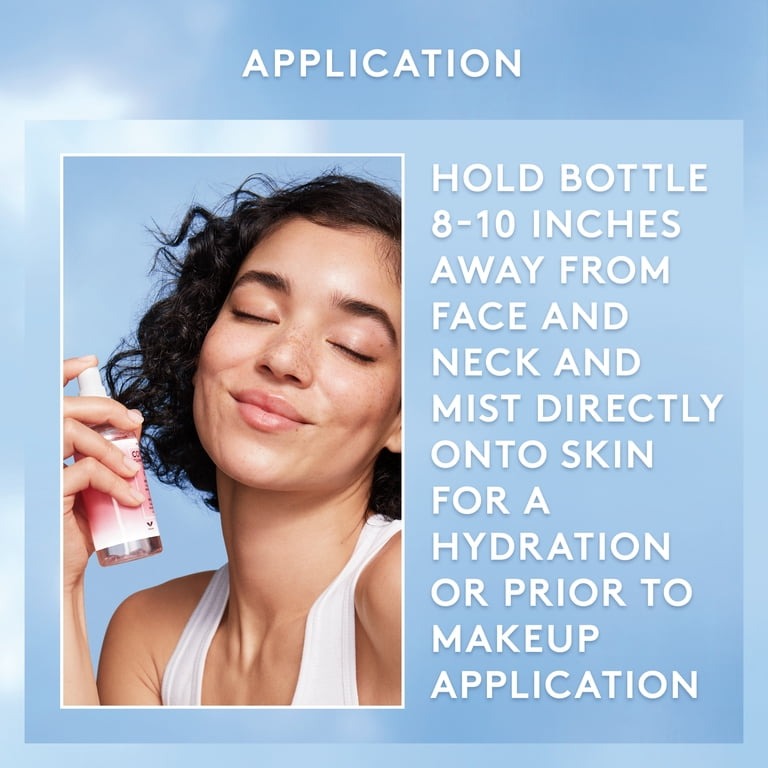
A severe or persistent reaction needs professional evaluation. People with sensitive skin may prefer a finished cosmetic with clearly identified ingredients.