
How to Build a Hair-Care Routine That Fits Your Scalp and Hair
Start with cleansing that suits your scalp, conditioner where your hair needs it, gentle detangling, and protection from unnecessary heat and tension. Add oils, masks, or other treatments only for a specific problem. Persistent hair loss, irritation, or ongoing breakage calls for qualified assessment.
Your roots can feel greasy the morning after washing while your ends are dry enough to snag on a brush. Treating both as one problem can lead to an unnecessarily complicated routine.
A useful hair-care routine starts with two observations: what your scalp needs to stay comfortable and clean, and what the lengths need to remain manageable. Those observations tell you where to begin.
Know what your scalp needs and what your hair lengths need
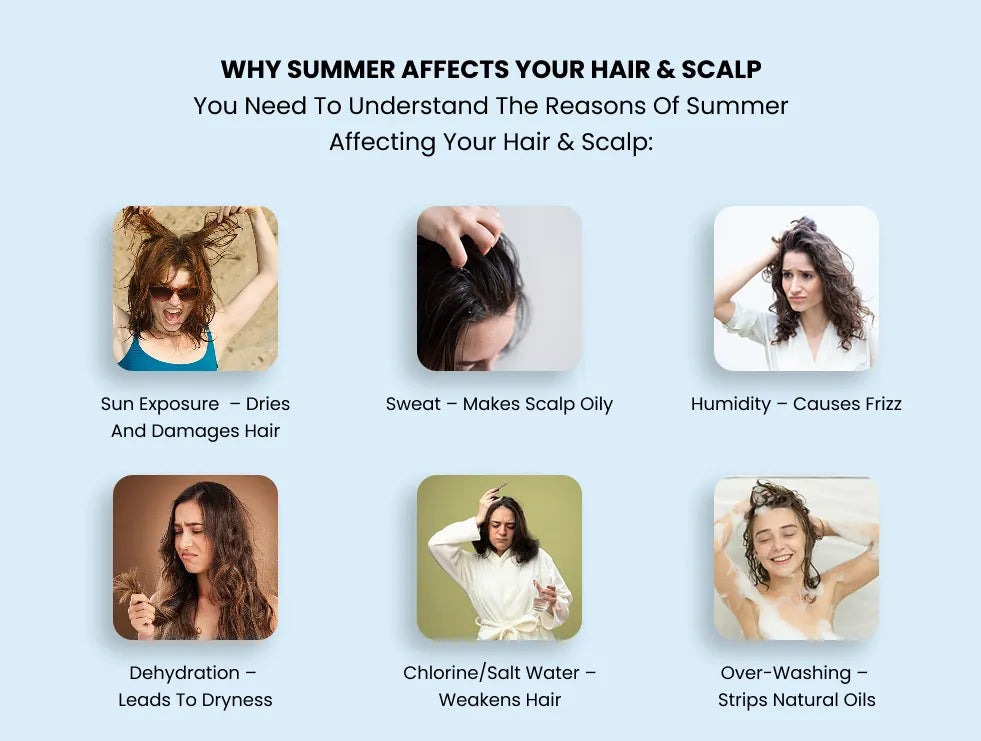
The scalp and the lengths of your hair can need different care on the same day. The scalp produces sebum; the visible hair shaft is affected by washing, conditioning, friction, coloring, heat, and handling. Oily roots and dry ends can coexist.
Notice how quickly your scalp becomes oily or uncomfortable. Then assess the mid-lengths and ends separately: are they rough, tangled, or difficult to manage?
| What you notice | What needs attention | Starting adjustment |
|---|---|---|
| Greasy roots, dry ends | Scalp cleansing and length conditioning | Cleanse when the scalp needs it; put conditioner where the lengths need it |
| Comfortable scalp, tangled ends | Hair-shaft manageability | Focus on conditioning and gentler knot handling |
| Curly or coily hair that tangles during handling | Texture, conditioning, and manipulation | Adapt detangling to the hair’s condition and styling needs |
| Hair repeatedly exposed to heat or chemical processing | Stressed lengths | Reduce avoidable styling damage and handle fragile sections gently |
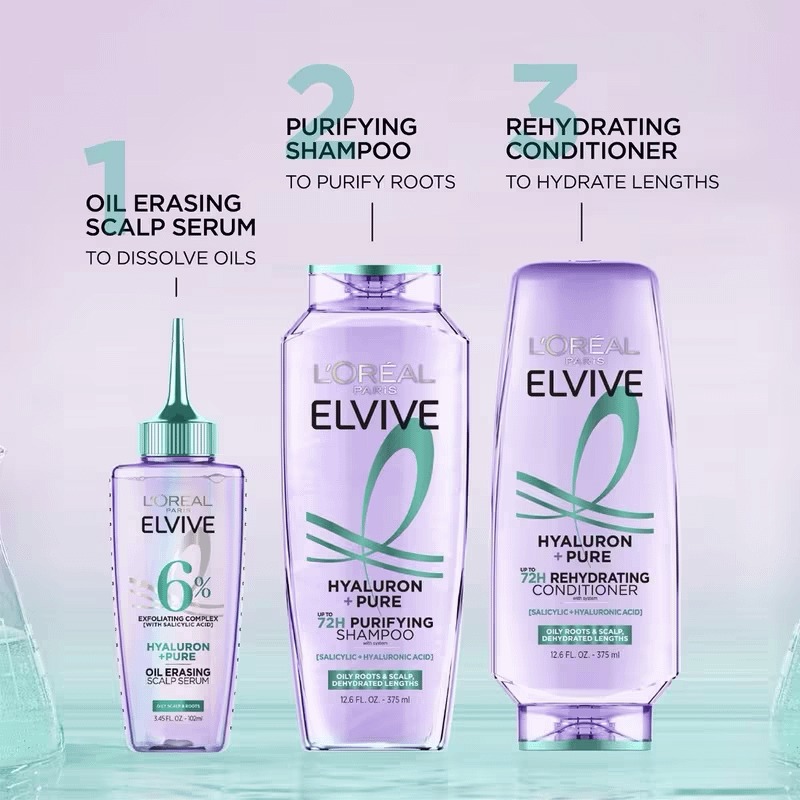
Hair texture, strand fineness, and density also describe different things. Fine hair refers to individual strand diameter; density concerns how much hair is present; straight, wavy, curly, and coily describe strand shape.
Someone with fine, highlighted hair may notice oily roots and fragile ends. Someone with dense coily hair may need a different balance of cleansing, drying time, conditioning, and detangling. The American Academy of Dermatology’s healthy-hair guidance recommends focusing shampoo on the scalp and adapting conditioner placement to hair characteristics.
Build the smallest routine you can actually keep
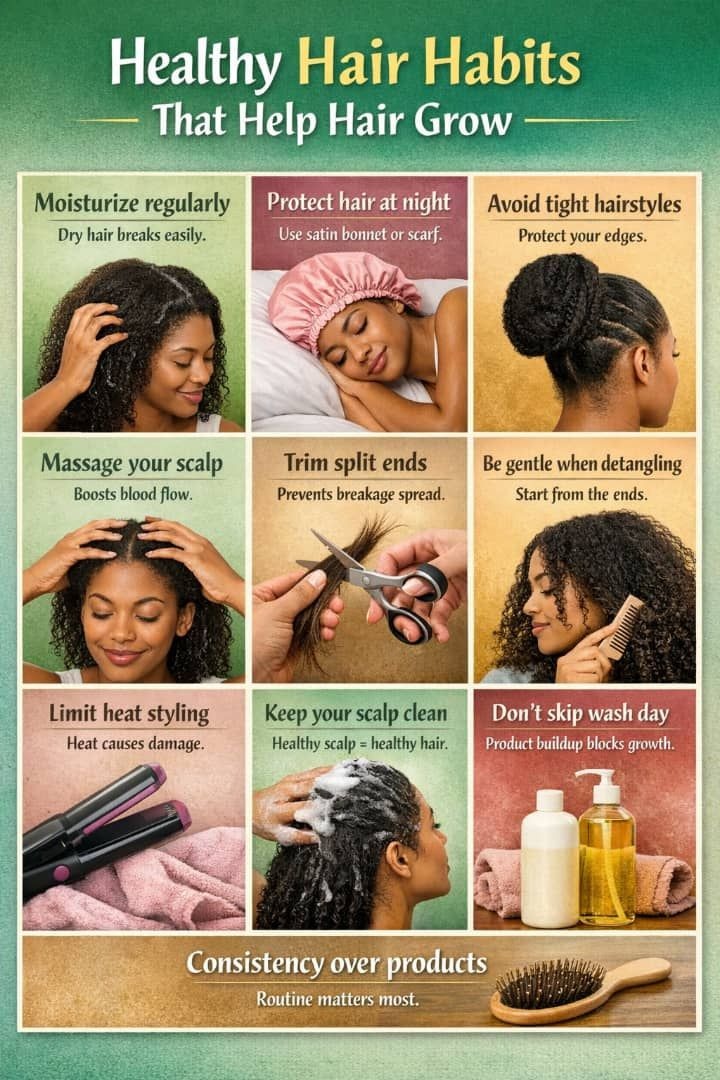
Four functions make a useful starting routine: cleanse, condition, detangle, and protect.
- Cleanse the scalp. Use shampoo when the scalp needs washing, concentrating on the area where oil and residue accumulate.
- Condition the lengths. Apply conditioner where it improves softness and manageability. Fine hair that is easily weighed down may need lighter placement than very dry lengths.
- Detangle gently. Work through knots according to your texture and the condition of the hair. Some people detangle with conditioner present; the sequence can vary.
- Protect during styling. Avoid unnecessary heat and excessive pulling, particularly with tight hairstyles that cause discomfort.
Someone who wears tightly textured hair in braids may arrange wash-day detangling differently from someone who wears straight hair loose. Both routines still need to address cleaning and manageable handling.
Time matters as well. In r/finehair, one commenter describes an extensive routine as a hobby and explains why not everyone would want to follow it.
I understand that. It’s taken me a while to get into the habit. Ive seen people who do much much more. With red lights and massages techniques that just aren’t practical for me either. Just thought I’d share the products I use, other than my two styling products and shampoo and conditioner I only use about 4 extra products that are pretty normal for a basic routine. If you want to start. A simple leave in conditioner and oil for your ends is all you really need. Hair is a hobby of mine and I never expect everyone to understand why I spend to much time on it. Also to shower and dry my hair takes like 45 minutes.
For someone fitting care around work or family, it is reasonable to keep only the steps with a clear purpose.
Choose a washing frequency that suits your scalp

Wash frequency depends on scalp oiliness, hair characteristics, styling, and comfort. An oily scalp may need cleansing sooner even when the ends remain dry.
The American Academy of Dermatology says that some people with straight hair and an oily scalp may need to shampoo daily. Dry, textured, curly, or thick hair can call for a different pattern, with conditioning and handling considered alongside scalp cleanliness.
A reader in r/finehair described the frustration of greasy roots and the fear that daily washing might prevent longer hair.
My scalp gets so oily by day two that I can actually feel it when I touch my head. I've been doing this routine where I wash my hair one day, then just rinse with water the next day, then wash again. But even right after that water-only shower, my roots already feel greasy and gross I really want to grow my hair longer but I'm worried about washing it every single day - isn't that supposed to damage your hair? The whole "train your hair" thing doesn't seem to work for me at all. Anyone else dealing with this problem or am I just doomed to have oily hair forever
A practical frequency test is to compare scalp comfort and oiliness before the next wash with how the lengths feel after conditioning and detangling. Change the interval when those observations call for it.
Styling and drying time may also influence how often someone with textured hair chooses to wash.
Reduce avoidable breakage: detangling, heat, and tension
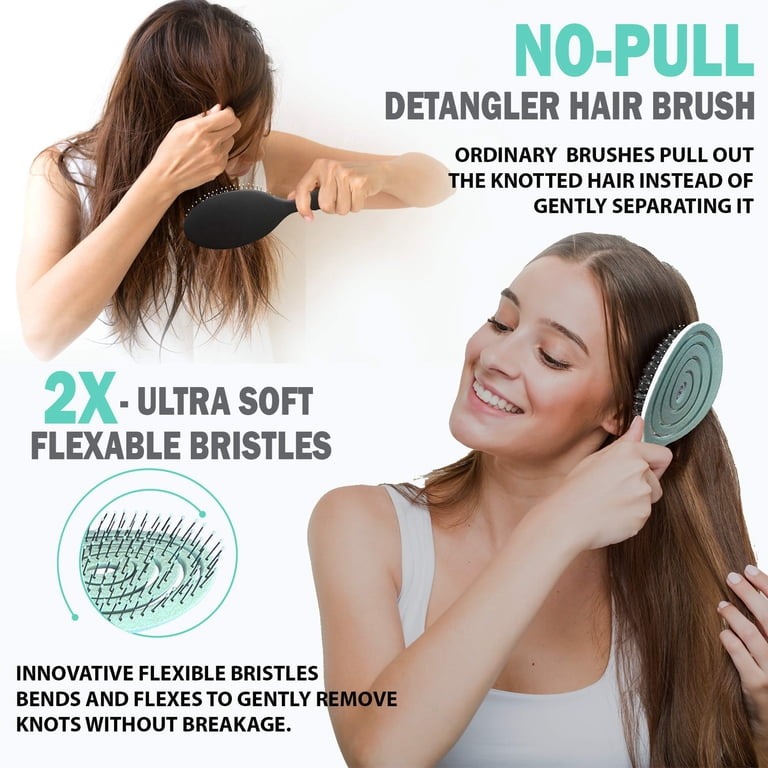
How you handle hair matters alongside the products you use. Pulling through knots, repeated high heat, and painful tension can contribute to damage even when the hair is conditioned.
Breakage occurs along the hair shaft. Shedding and hair loss involve different processes and need a different assessment when the change is persistent or concerning.
A contributor in r/Naturalhair reflected on early handling habits in a personal account:
Looking back, I made a lot of mistakes: * I used to dry brush my hair and avoided using water because I hated getting my hair wet. * I would only moisturise once a week with coconut oil. * I used heat a lot to stretch my hair. * I would detangle with a hair pick on dry hair without water or conditioner. * • I was very rough when brushing, which caused a lot of breakage because my hair was already dry. • * When taking down braids, I would never finger detangle, which sometimes caused tangling and breakage.
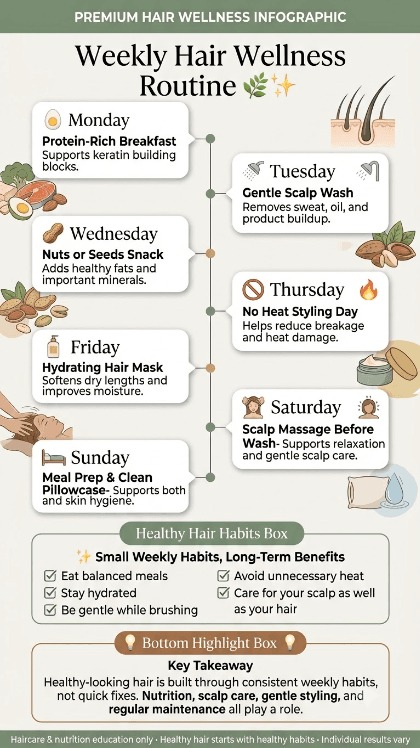
A brush or pick can exert considerable force on a snag. Start with a wide-tooth comb at the ends and work gradually toward the roots. For thick, curly hair, the AAD describes detangling in the shower while conditioner is present; straight hair can be allowed to dry slightly before combing. Repeated heat exposure is another reason to reduce avoidable styling stress.
Styles described as protective can still create harmful tension when they pull tightly at the scalp. Painful braids or other tightly secured styles deserve attention. The AAD’s guidance on caring for Black hair discusses gentle handling and avoiding damaging tension.
When to add an oil, mask, leave-in, or different shampoo
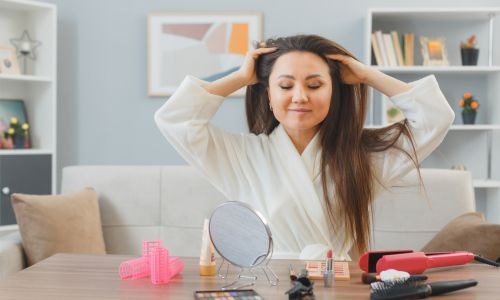
An optional product needs a defined job. A leave-in might improve manageability, an oil or mask may change the feel of the lengths, and a clarifying shampoo may help when ordinary cleansing is not addressing residue.
| Optional step | Possible purpose | Reason to reconsider it |
|---|---|---|
| Leave-in conditioner | Support detangling or styling | It weighs the hair down or adds no useful benefit |
| Hair oil | Change the feel or conditioning of the lengths | It feels unsuitable or comes with claims beyond the evidence |
| Hair mask | Add conditioning for a specific need | Ordinary conditioner is sufficient or the formula irritates |
| Clarifying shampoo | Address a particular residue or cleansing concern | Ordinary cleansing already works or stronger cleansing is uncomfortable |
| Different regular shampoo | Better match cleansing to the scalp | The change follows marketing language without a clear unmet need |
What an oil study measured
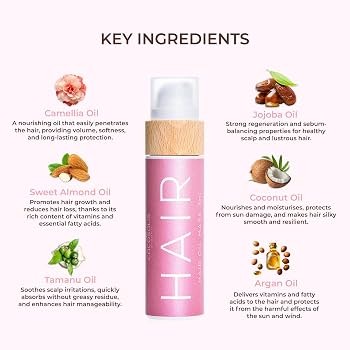
In a 2003 Journal of Cosmetic Science study, Rele and Mohile compared coconut, mineral, and sunflower oils in tests of hair-fiber protein loss. The published abstract reports reduced protein loss with coconut oil in the tested pre-wash and post-wash conditions; mineral and sunflower oils did not show the same effect.
The study measured hair fibers under specified conditions; it did not test follicular regrowth or establish effects for mustard or sesame oil. Its finding is relevant when evaluating a claim about protecting hair strands, with the original study available through PubMed.
Read claims and labels by their actual function
The US Food and Drug Administration explains that words such as “natural,” “organic,” and “hypoallergenic” do not establish that a cosmetic is safe for every user. Its cosmetic-safety guidance addresses responsible use and adverse reactions.
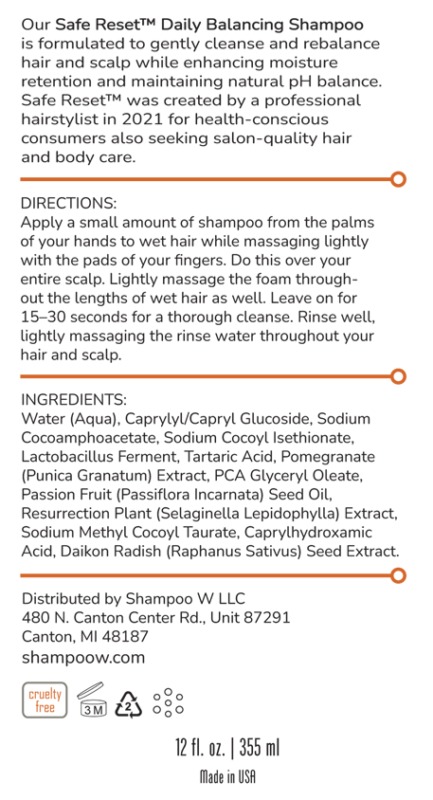
Shelf-life questions also depend on product classification. Ordinary cosmetics in the United States generally do not have to display an expiration date; medicated products regulated as drugs follow different requirements. Storage, handling, and changes in the product’s condition matter when evaluating an older shampoo.
Before adding an oil, mask, or different cleanser, read its intended use and compare that purpose with the problem you want to address.
Troubleshoot one problem at a time, and recognize warning signs
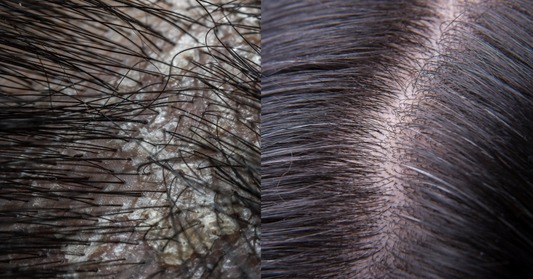
For ordinary greasiness, residue, or rough lengths, change one relevant part of the routine and observe that specific problem over subsequent normal care sessions. Stop using a product that appears to cause irritation, and seek medical advice for a concerning reaction. A widening part, a new bald patch, sudden clumps of shedding, or persistent scalp symptoms merit evaluation by a qualified clinician, since a cosmetic routine cannot identify their cause.
Go deeper when your question becomes more specific
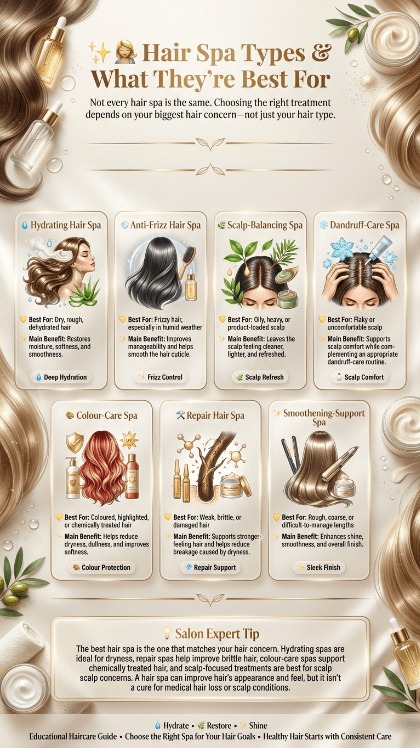
A general routine can settle daily care choices; ingredient comparisons, product shelf life, and questions about natural hair or inheritance need more focused explanations.
| Your question | Focused guide topic |
|---|---|
| Can I still use an older shampoo? | Shampoo expiration, storage, and product condition |
| How should I handle buildup while washing natural hair? | Natural-hair cleansing and product residue |
| Would an overnight treatment suit my hair? | Overnight hair masks |
| What is known about mustard oil? | Mustard oil for hair |
| What is known about gingelly oil? | Sesame oil for hair |
| Why is my hair curly? | Curly-hair genetics and inheritance |
| Why does my hair form two crowns? | Double crowns and natural growth patterns |
The first five destinations expand routine-care questions; the final two concern hair traits and appearance. A natural-hair cleansing question concerns ordinary washing and buildup, without promising to remove unspecified toxins from the body.
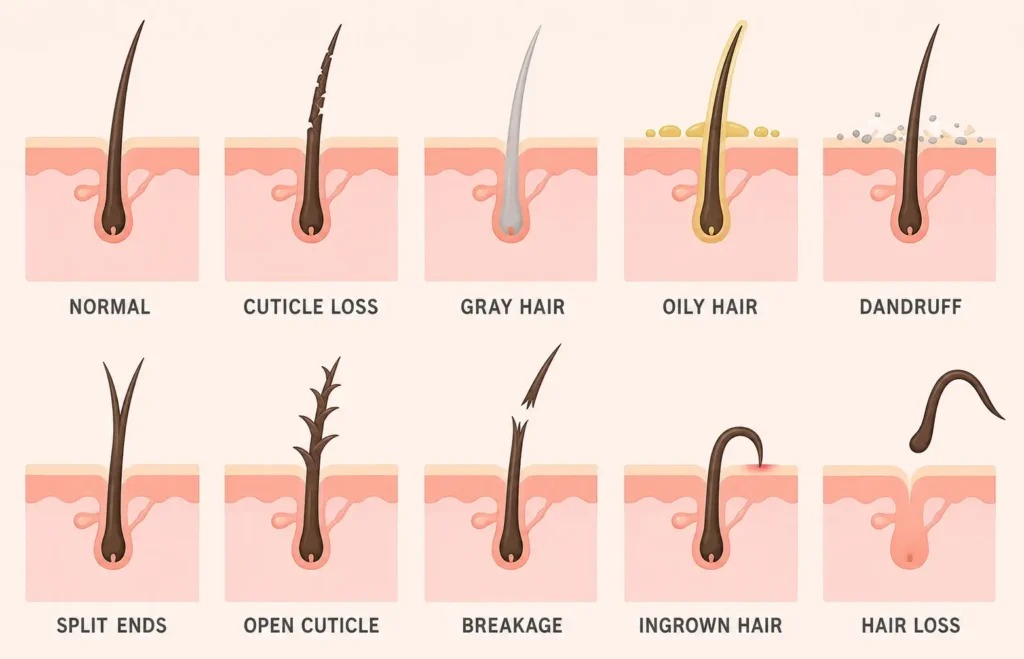
For everyday hair care, keep the smallest routine that leaves your scalp comfortable and your lengths manageable, adding extra treatments only for defined needs. Persistent hair loss, irritation, or ongoing breakage changes that decision toward qualified assessment; for a narrower product question, choose the guide that addresses it.
Explore this topic
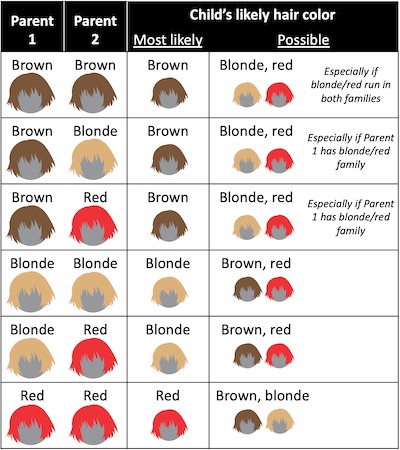
Is Curly Hair Dominant or Recessive? Hair Genetics Explained
Curly hair involves many genes. See how straight-haired parents can have curly children, what genetics studies show, and why visible texture can change.
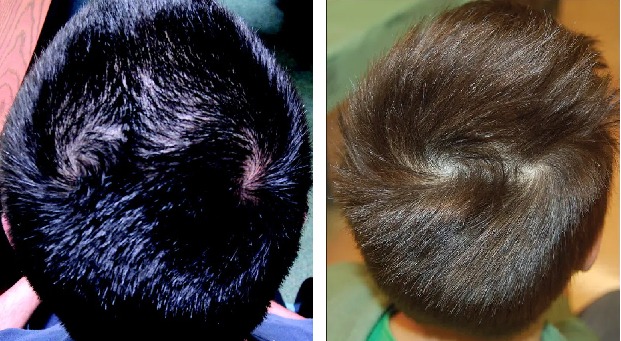
What Is a Double Crown? Two Hair Whorls, Genetics, and Haircut Choices
Learn how to spot two crown whorls, compare short and longer cuts, explain the pattern to your barber, and tell when hair changes need a dermatologist.
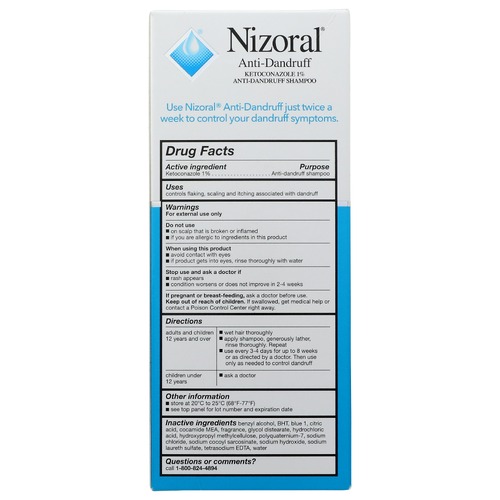
Does Shampoo Expire? How to Read the Date and Tell When to Toss It
Learn what shampoo expiration dates, 12M jar symbols, and lot codes mean, plus when to keep, check, or replace a bottle after opening or storage.
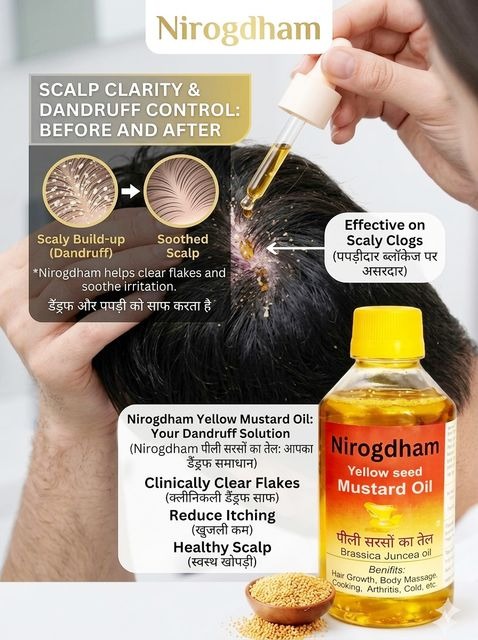
Mustard Oil for Hair: Benefits, Evidence, Risks, and How to Use It
Wondering if mustard oil helps hair grow? Compare cosmetic benefits, FDA product-label distinctions, irritation risks, and a simple pre-wash routine.
Sesame Oil for Hair: Benefits, Limits, and How to Use It
Can gingelly oil make hair smoother or help it grow? Compare the evidence, hair-type trade-offs, safety concerns, and a small pre-wash method for dry lengths.
Overnight Hair Masks: When They Help, When to Rinse, and What to Avoid
Not every hair mask belongs on overnight. Compare rinse-out masks, leave-in treatments, and oils, with tips for application, pillows, and morning cleanup.
How to Cleanse Natural Hair: Shampoo, Buildup, and Scalp Care
Learn to wash natural curls and coils, choose regular shampoo, clarifying or co-washing, understand hard water, and recognize concerning scalp symptoms.