
Mustard Oil for Hair: Benefits, Evidence, Risks, and How to Use It
Mustard oil can be used before washing to make hair feel smoother, provided your scalp tolerates it. No human clinical study shows it regrows hair or treats dandruff or inflamed scalp conditions. If irritation, smell or cleanup outweigh the result, a regular conditioner is simpler. Thinning or scalp symptoms that don't clear up need a doctor to find the cause.
What mustard oil can do for your hair
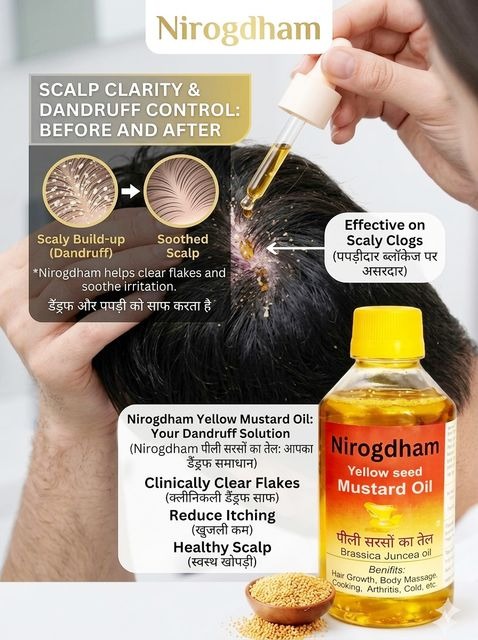
Mustard oil has a long history in South Asian hair care, where people call it sarson ka tel. People apply it to dry-feeling hair, sometimes before shampooing, to make strands easier to handle. Its traditional use is mainly cosmetic rather than evidence of hair regrowth.
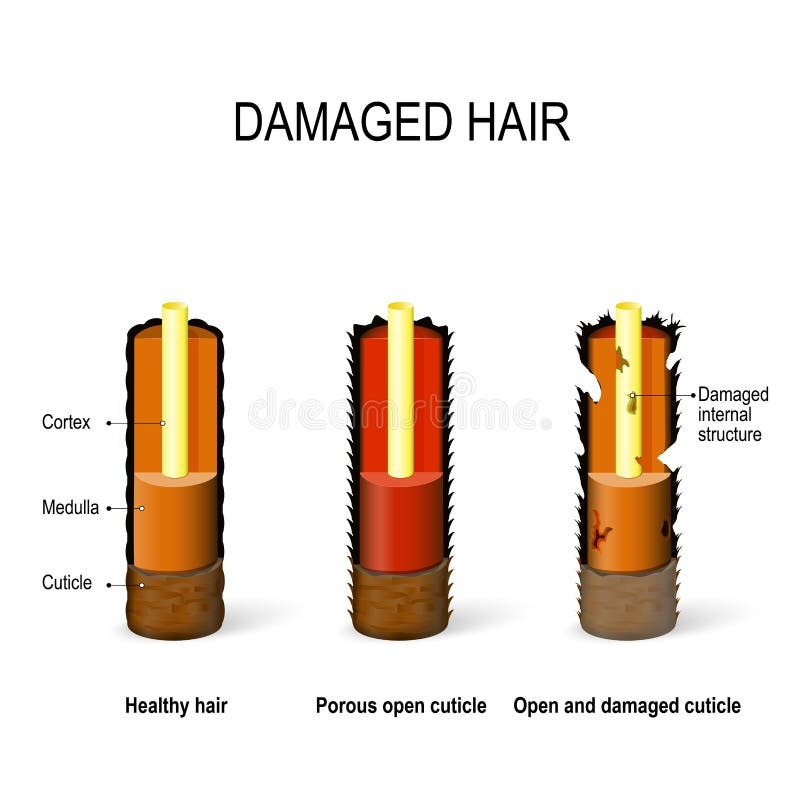
The part of the hair you see is the shaft; its outer layer, the cuticle, shapes how hair feels and combs. Oil coats that layer, so strands slide past each other more easily and can look shinier. New hair comes from the follicle under the scalp, which is a separate process.
A 2025 review by Weiand and colleagues explains that friction decides how hair feels and combs, and that conditioning ingredients on the fiber reduce it. That backs the general idea of conditioning. No controlled human measurement shows how much mustard oil itself improves it. Sesame oil has a different composition, and the sesame-oil hair guide reviews it.
| Claim or goal | What the evidence supports | What to expect |
|---|---|---|
| Softer, more manageable lengths | Coats the hair surface | A change you can judge after washing |
| Shinier or fuller-looking existing hair | Coated fibers can look different | A visual effect, with no measured density gain |
| New hair growth | No convincing human evidence | Don't use it for regrowth |
| Treatment of dandruff or inflammatory scalp conditions | No established clinical benefit | Needs its own treatment |
| Suitability for every scalp | Contact reactions have been documented | Your scalp may react |
If your ends feel rough after shampooing, you'll notice softness and ease of combing. A widening part or noticeably fewer hairs is a separate question about growth and shedding.
Which mustard oil is in the bottle?
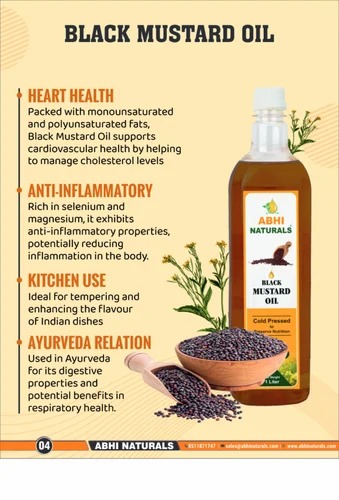
Two products called mustard oil can contain different material. Traditional hair oiling usually means pressed (expressed) mustard seed oil. Volatile mustard essential oil, usually made by distillation, is a concentrated product with a different identity and use.
| Label wording | Likely category | Decision-relevant detail |
|---|---|---|
| Pressed or expressed mustard seed oil | Pressed seed oil | Check the ingredients and stated use |
| Volatile, steam-distilled, or essential oil of mustard | Concentrated volatile product | Don't use it as ordinary hair oil |
| Mustard oil blend | Mixed formula | The full ingredient list shows what's in it |
| External use only | Manufacturer's stated use | The label says nothing about skin tolerance |
| Unclear ingredients or directions | Unidentified product | Don't apply it until you can identify it |
The US FDA's Import Alert 26-04 addresses certain expressed mustard-oil imports because of food-safety concerns. It also covers products labeled for topical use when evidence indicates they may be consumed. The agency separates expressed seed oil from volatile mustard essential oil used as a food flavoring.
The FDA revised Import Alert 26-04 on April 15, 2026. It notes that expressed mustard oil may contain 20 to 40 percent erucic acid and discusses findings from high dietary intake in animals. Those figures don't measure topical exposure or hair-care efficacy.
The alert covers imports. It doesn't ban cosmetic mustard oil. Before you buy, read the ingredient list and the directions for use. A bottle's size or a photo of mustard seeds tells you nothing about what's inside.
Can mustard oil regrow hair?
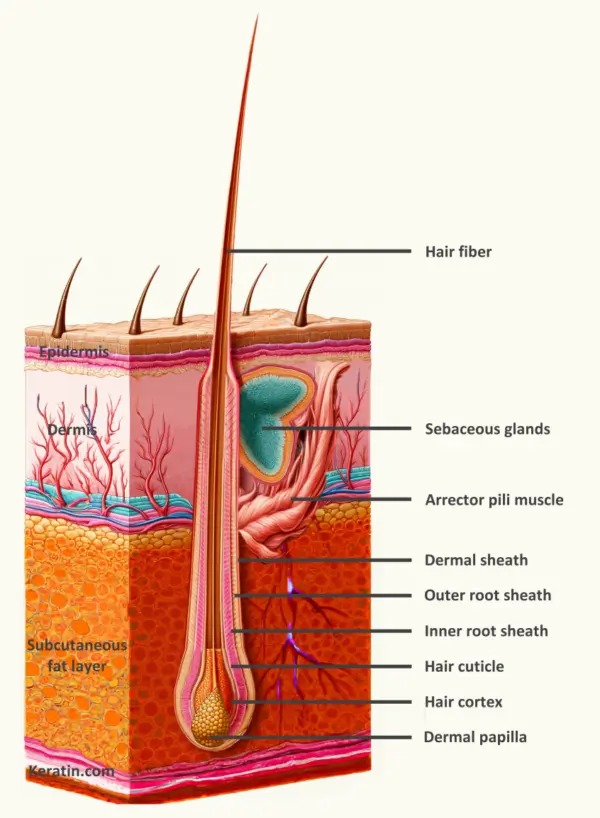
No convincing human clinical evidence shows that mustard oil grows new hair or increases hair density. Hair that lies flatter, looks shinier or breaks less can look thicker, but new growth needs its own evidence.
A poster on r/Haircare describes the problem:
hii, i just had some questions about mustard oil.
basically, i grew up having once a day out of the week dedicated to getting mustard oil massaged into my hair. my hair was soo thick i mean its naturally thick but it was even thicker with the mustard oil, and it would grow pretty fast.
i'm just wondering if its actually good for increasing hair density as for the past few years i havent been using it and have moved to other options such as coconut oil, amla or jojoba oil, resulting in alot of hair fall like a crazy amount and my hair becoming thinner. im not sure if its cause i've stopped using it or maybe i'm more stressed now or something, idk im not sure.
i've been looking into going back to it so i was wondering if it increases hair density and encourages hair growth??
The poster also switched oils and may be more stressed, so the timing can't tell you what caused the thinning.
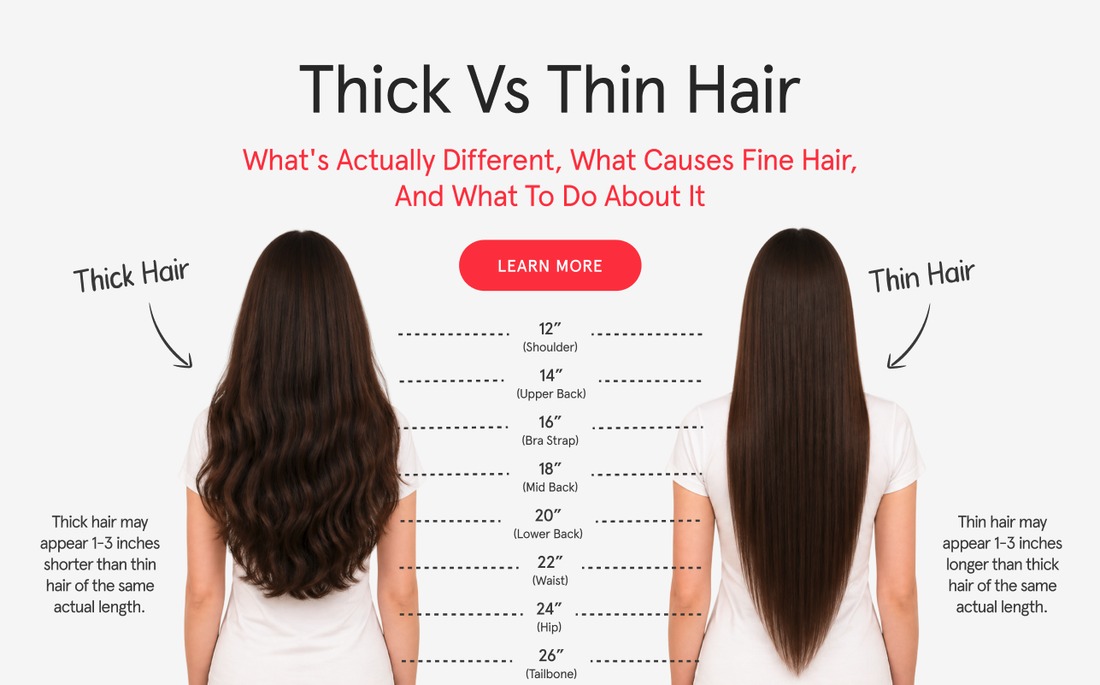
Studies on other oils haven't shown a mustard-oil regrowth treatment. For shedding or thinning that persists, the American Academy of Dermatology's hair-loss guidance explains that treatment starts with finding the cause through a history, an exam and sometimes tests.
When mustard oil is a bad fit for your scalp
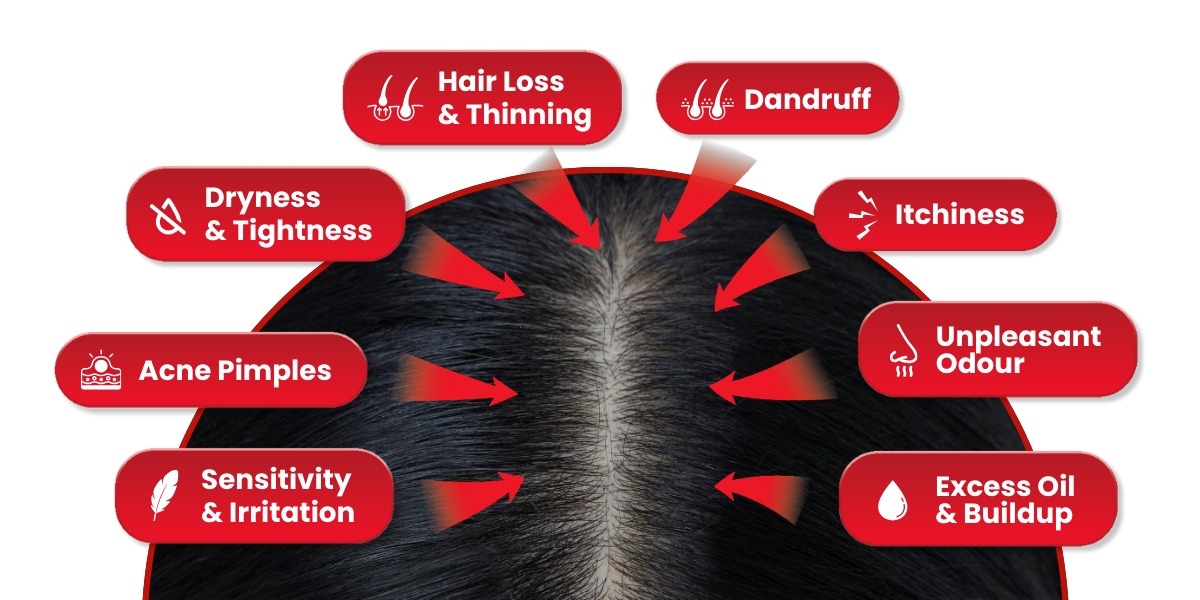
Burning, swelling, redness or significant itching after application means the oil doesn't suit your skin. Wash it off and stop using it. Warmth or stinging says nothing about hair growth.
Published reports document skin reactions on contact. In 1985, Pasricha and colleagues described two patients with dermatitis linked to mustard-khal exposure, and hair oiling played a part in the case histories. One patient also had a positive patch test to mustard oil.
In 2005, Zawar reported recurring skin eruptions after mustard-oil body massage, with patch-test evidence of hypersensitivity. That case involved the body, and the reports give no overall rate of reactions among hair-oil users.
An r/IndianSkincareAddicts contributor described an uncomfortable experience:
I once used mustard oil on my scalp. But it was so strong my scalp started burning and when I washed it off the next morning the fumes from it made my eyes burn. Also the smell lasted for a day or two. It might be good for hair but very uncomfortable to use.
Eye irritation and a smell that lingers add to the hassle, whatever caused the symptoms.
For a new skin-care product, the American Academy of Dermatology's product-testing guidance describes applying it to a quarter-sized patch twice daily for seven to ten days, according to its intended use. That guidance isn't validated specifically for mustard oil.
Keep the oil off that skin if you have a known reaction to mustard or an already inflamed scalp. If a reaction is significant, persists or spreads after you wash the product off and stop, get it assessed by a healthcare professional.
A manageable pre-wash routine
If you have a pressed seed oil, a calm scalp and a goal of smoother hair, putting a little oil on the lengths before washing is a reasonable experiment. No best amount, contact time or frequency has been established.
An r/Haircare contributor described why they use oil before shampooing:
Guys, what i like to do is put mustard oil everytime before I shower. It’s our tradition but the main reason why I do it is cause shampoo extracts my moisture from the hair so I use it prior few hours everyday to prevent that. Am I doing anything wrong? Do people do this? Is it good for your hair?
Dry hair after shampoo is a fair complaint. You can test the oil for that without copying the daily schedule.
- Start small. Put a little oil on the ends, where hair feels driest, and follow the directions on the bottle.
- Pick a time. Apply it before you wash, at an interval that fits your routine.
- Wash it out. Shampoo and rinse as usual.
- Check the result. Compare softness, combing, greasiness, smell and how hard it was to rinse out.
Some users find the oil heavy and say it takes repeated shampooing to wash out. Strong odor, weighed-down roots and extra washing can outweigh a softer feel, especially if you already dislike heavy products.
Mustard oil, coconut oil, and conditioner compared
Pick the method that fixes your hair problem with the least hassle. Mustard oil suits a familiar ritual. Coconut oil has specific experimental evidence on hair fibers. An ordinary conditioner fits into the wash you already do.
| Option | Evidence or function | Trade-off | Best reason to consider it |
|---|---|---|---|
| Mustard seed oil | Coats the hair; few direct measurements | Smell and washout | You like the tradition and how the lengths feel |
| Coconut oil | Specific studies of fiber penetration and reduced protein loss | Texture and washing preferences | You want an oil with studied hair-fiber results |
| Regular rinse-out conditioner | Reduces friction and eases combing | Formulations feel different | You want a simple post-shampoo step |
| No additional oil | None | Hair gets no added conditioning | Your hair is already manageable or the ritual adds little |
In a 2003 experiment, Rele and Mohile compared coconut, sunflower and mineral oils on damaged and undamaged hair. Coconut oil markedly reduced protein loss in those tests; the other two oils didn't. Rele and Mohile's study did not include mustard oil.
A 2001 study by Ruetsch and colleagues examined how oils penetrate hair fibers. Coconut oil entered the fibers, and mineral oil didn't. Those results cover only the two oils tested.
Dandruff, DIY blends, and overnight use
Laboratory observations about mustard-related compounds haven't established a treatment for dandruff, seborrheic dermatitis or psoriasis in patients.
Homemade lemon, onion or herbal blends add more ingredients with no validated mustard-oil formula behind them. Overnight application has no demonstrated advantage.