
Sesame Oil for Hair: Benefits, Limits, and How to Use It
Sesame oil, also called gingelly oil, can make dry or coarse hair feel smoother, so a small test is reasonable. Research has not shown that it treats hair growth, baldness, graying, or dandruff. If you have a sesame allergy or an irritated, persistently flaky scalp, skip it. Otherwise, a clearly labeled product and a small pre-wash test are sensible starting points.
What sesame oil can do for hair
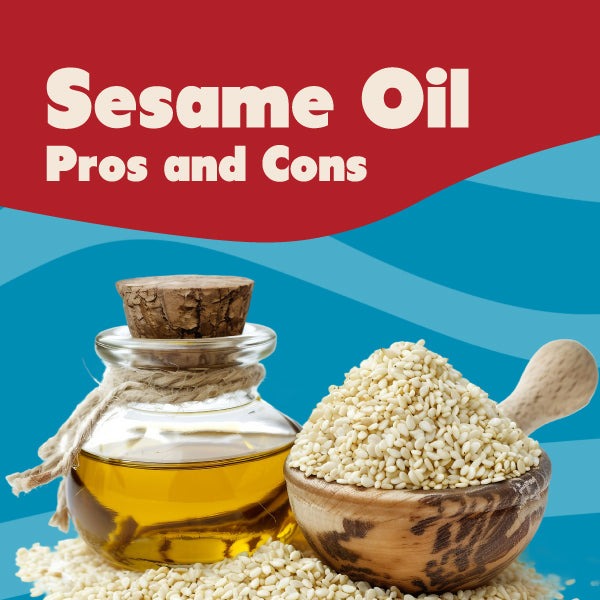
Gingelly oil and til oil are other names for sesame oil, pressed from the seeds of Sesamum indicum. It has long been used in hair-care traditions, particularly in India. On hair you already have, it works mainly as an emollient: it can make hair feel softer and easier to handle.
Softness is something you can feel after washing; regrowth is a medical question. It takes evidence about the follicles and the cause of the shedding or thinning.
Why oil can make hair feel smoother
Oil lubricates the surface of a strand, which changes how hairs slide against each other and how a comb moves through them. Dry ends can feel more manageable and look smoother. A split end can look tidier for a while, but the fiber stays split.
The research on hair oils covers other oils, not sesame.
| Question | What the research shows | Meaning for sesame oil |
|---|---|---|
| Can it improve the feel of dry hair? | General hair-oiling guidance describes cosmetic lubrication and better manageability for some textures. | A benefit you can judge after washing. |
| Does it penetrate the hair fiber? | A 2024 study tested coconut, camellia, and safflower oils. | That study did not include sesame. |
| Can it reduce protein loss? | A 2003 comparison tested coconut, sunflower, and mineral oils, with a marked benefit for coconut. | The coconut result does not carry over to sesame. |
The 2024 hair-oil penetration study examined the hair's lipid-rich cell membrane complex using chemical analysis and NanoSIMS imaging.

In the earlier protein-loss experiment, coconut oil markedly reduced protein loss from damaged and undamaged hair under the test conditions. Sunflower and mineral oils did not.
The evidence behind hair-growth claims
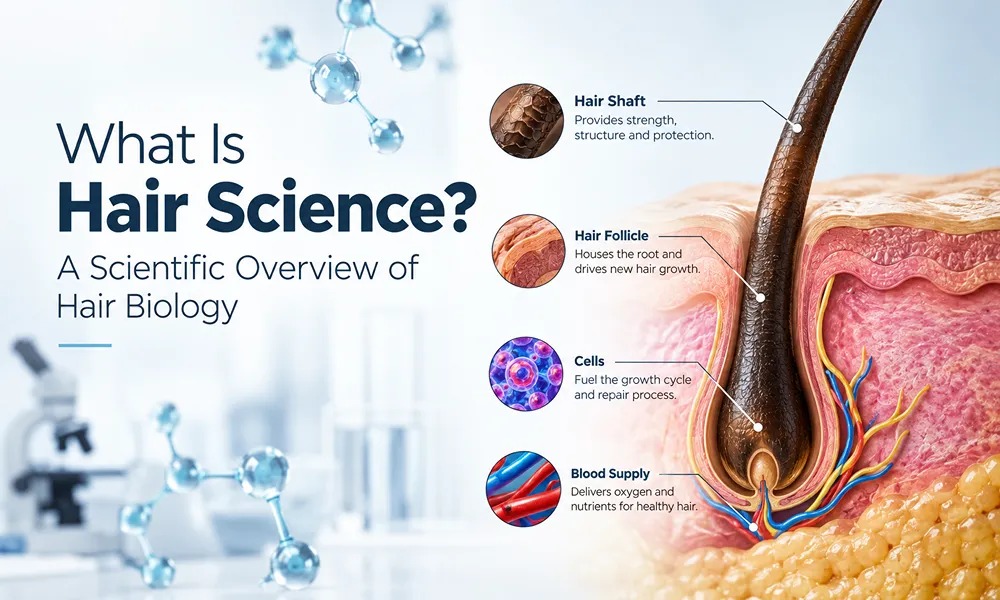
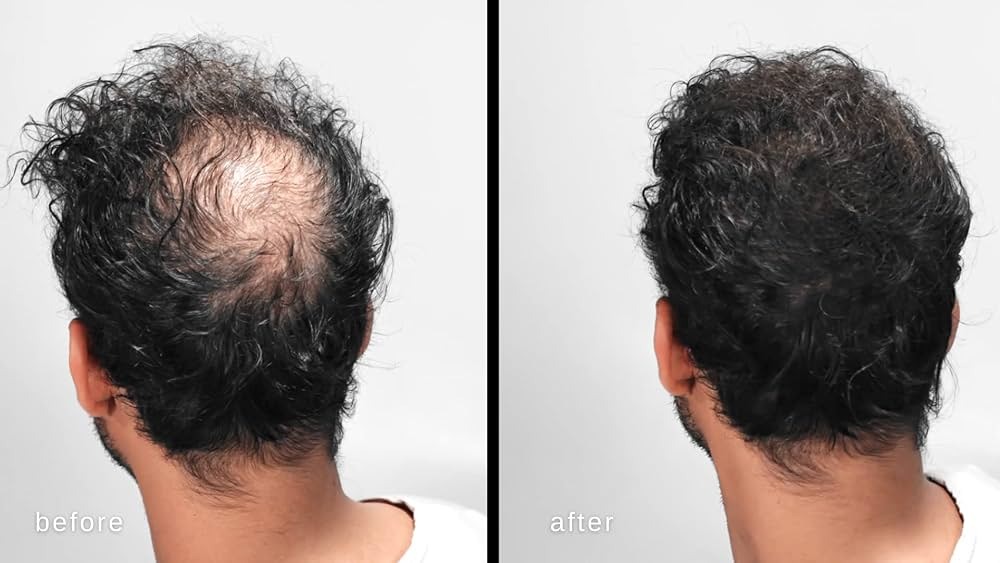
Sesame oil has not been shown to reliably regrow human hair. Some human research exists, along with more recent lab work, and the two differ a lot in design and results.
A 2019 comparative study of alopecia areata enrolled 40 patients with patchy autoimmune hair loss. Twenty used topical sesame oil twice daily for three months, and twenty used pumpkin seed oil. Investigators recorded regrowth in some of the treated patches, and some sesame-oil users reported itching.
The study had no untreated or placebo group. Limited alopecia areata can regrow on its own, so the results can't show that sesame oil caused the changes. The study also did not test ordinary thinning or androgenetic alopecia. Results were reported per patch, so they don't tell you how many patients improved.
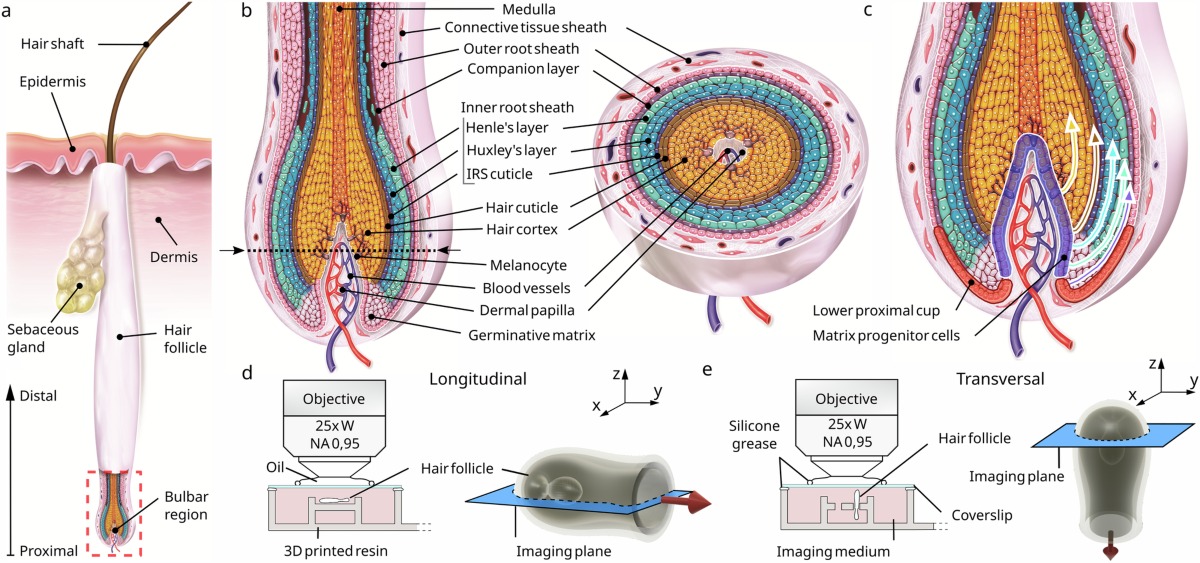
A 2026 paper in Scientific Reports studied sesamin, a compound found in sesame, using computational methods and DHT-stimulated HaCaT keratinocytes. The authors examined signals involving the androgen receptor, p38 MAPK, and WNT10B. The work was cell-based and computational, with no human results for topical sesame oil.
Sesamin tested in a lab is a different thing from the oil in a bottle. Likewise, eating sesame seeds supplies nutrients, but that doesn't show scalp oil delivers anything to your follicles. If you're weighing sesame against mustard oil, see the mustard-oil hair evidence guide.
Traditional descriptions of dark or abundant hair don't show that sesame oil reverses gray hair or treats baldness.
Which hair types suit sesame oil?
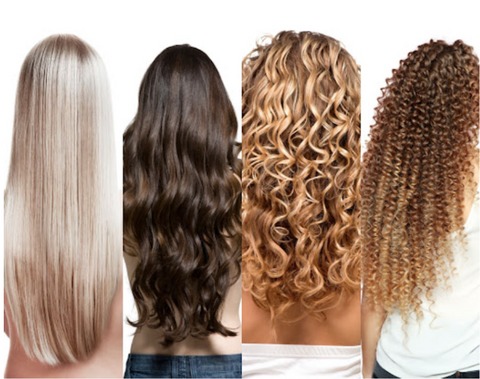
Dry, coarse, curly, or coily hair can feel better with a little oil. Fine or straight hair can lose volume under the same coating. Cleveland Clinic's dermatologist-informed hair-oiling guidance makes this distinction, though it covers oils in general and is not a sesame clinical trial.
| Hair situation | Appeal | Main trade-off |
|---|---|---|
| Dry or coarse hair | Softer feel and easier handling | Heavy residue if you use too much |
| Curls or coils | Lubrication for textured hair | How easily it washes out and how much builds up |
| Fine, straight, or easily flattened hair | Occasional conditioning of the ends | Flat or greasy-looking finish |
A commenter with coarse hair described using sesame oil successfully during winter:
Sesame Oil - HG in winters. My hair felt really really smooth, I have coarse hair strands, and it's really difficult to get that smooth feeling when I touch my hair especially in winters when coconut oils really doesn't feel much but sesame oil did it's job. Even after hair wash, my hair felt really smooth. But I wouldn't dare to use it in seasons where there is lot of humidity.
When sesame oil is a poor choice
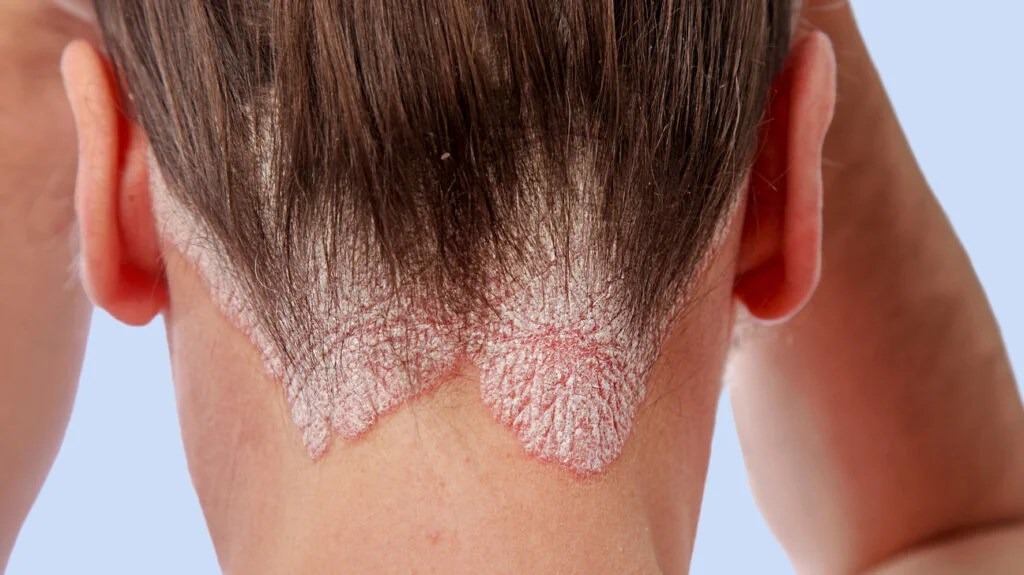
Skip the oil if you have a known allergy, a reaction, or an active scalp problem. The FDA lists sesame as the ninth major US food allergen under the FASTER Act, and its food-labeling rules took effect January 1, 2023. Cosmetics follow separate labeling rules, and medical literature describes contact allergy to sesame oil.
- Known sesame allergy: Avoid sesame-oil hair experiments, including home patch tests meant to prove you tolerate it.
- Burning, redness, itching, or rash after use: Stop applying the oil. See a doctor if symptoms are significant or persistent.
- Recurring flakes or an inflamed scalp: Oiling the scalp can make problems worse for some dandruff-prone people. If symptoms persist, get them assessed and treated for the specific condition.
- Patchy, progressive, or otherwise concerning hair loss: See a doctor to find the cause.
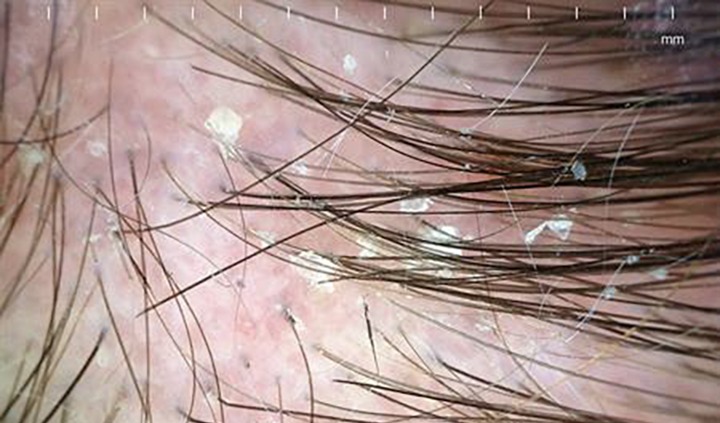
The American Academy of Dermatology describes seborrheic dermatitis treatment that can include medicated shampoos and care tailored to the person. Flakes alone don't tell you the cause, and oil is not an established dandruff treatment.
Which sesame oil should you choose?
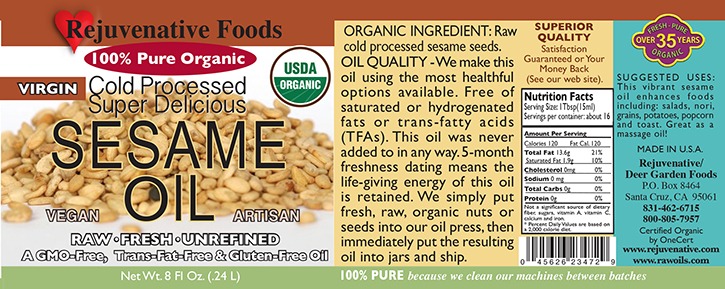
Read the ingredient list and the manufacturer's intended use. A product sold as gingelly oil can contain added oils, botanicals, or fragrance, and a simple formula makes it easier to know what you are putting on your hair.
| Type on the label | What it tells you | What to consider |
|---|---|---|
| Pure sesame or gingelly oil | The main ingredient is easy to identify | Intended use, smell, and how your skin reacts |
| Blended hair oil | Sesame may be one of several oils, extracts, or perfumes | More ingredients to sort through if you dislike the result |
| Toasted culinary sesame oil | Processed for a roasted cooking aroma | Its strong smell, and whether the product is meant for hair |
Cosmetic fragrance mixtures can be listed under one collective fragrance name without naming every constituent, which matters if you avoid a known fragrance trigger. A culinary sesame oil is labeled for food use, and the label doesn't tell you whether it suits hair or scalp.
Cold-pressed, black-seed, white-seed, and toasted varieties have no established clinical ranking for hair regrowth or repair.
How to try sesame oil without a greasy ordeal
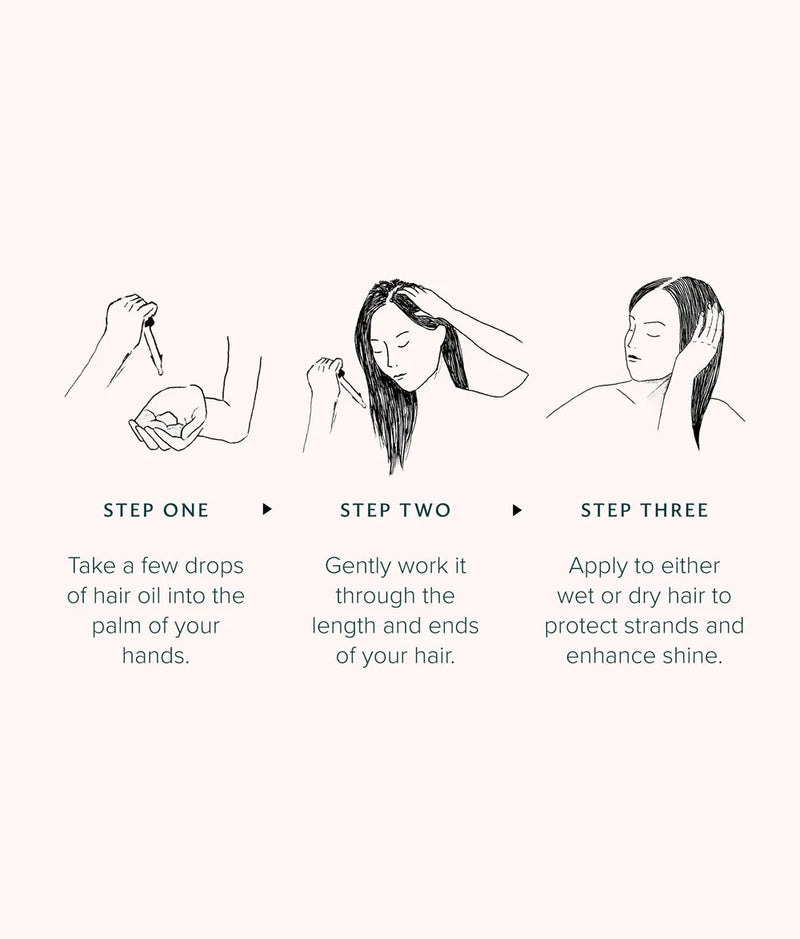
Keep the first trial short enough to wash out in your normal routine. These steps follow Cleveland Clinic's general hair-oiling method. There is no sesame-specific clinical dose.
- Use a small amount. Start with about a pea-sized amount and adjust for the length and density of your hair.
- Stay on mid-lengths and ends. Smooth it in gently. Your scalp doesn't need to be part of this cosmetic test.
- Leave it on briefly. The method allows about 20 to 60 minutes before washing.
- Shampoo normally. Wash the oil out without hard rubbing and without adding kitchen ingredients.
Odor and washout get harder to manage when a mask turns into an overnight project. One contributor to a natural-hair discussion recalled:
Oh I have stories! Let me jump in with:
Sleeping overnight with sesame oil in my hair during that sesame oil trend a decade ago. I couldn’t get the sesame oil smell out of my hair for weeeeks, and to this day, the smell of sesame oil makes me gag.
“throw a egg in your hair for protein” yeah so I throw that egg mask in during my shower and even when I rinse with cool water, I still end up with pieces of chunky cooked white eggs in my hair. With the sesame oil on top, am I running a Chinese restaurant or tryna grow mah hair??!! Walking around with scrambled eggs and sesame for days. True story.

Healthline's 2019 sesame-oil mask example is much heavier: two to three tablespoons, left on for at least an hour before shampooing.
Traditional blends add more variables

Sesame oil, also called til oil in India, appears in longstanding hair-care traditions. A 2022 review of indigenous hair-oiling practices describes these uses and notes that the evidence for particular effects is limited. Family recipes often combine many oils, roots, leaves, and fragrances, so you can't tell which ingredient changed the hair, or how preparation and storage altered the mixture.
How to tell whether sesame oil helped
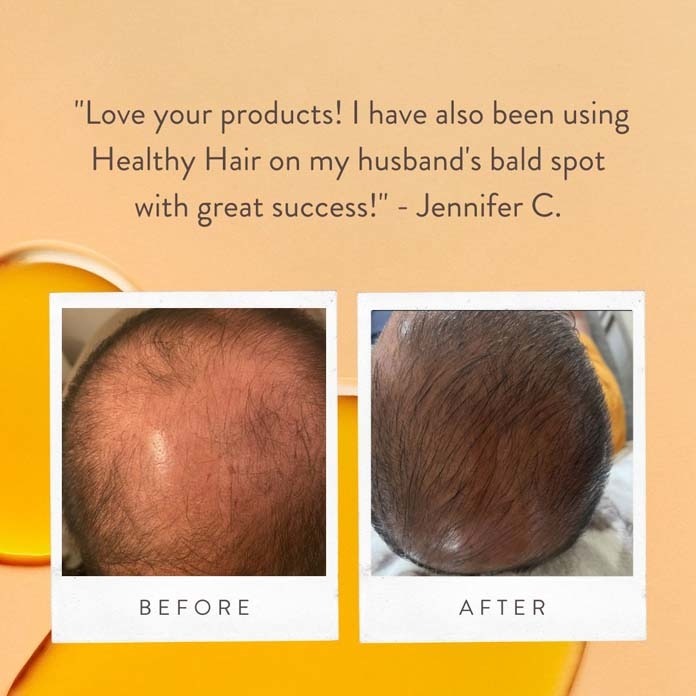
Keep the result if washed hair feels better and your usual routine doesn't get harder. Keep the rest of your routine fairly consistent while you judge it.
Another commenter reported less frizz and hair fall while also changing several parts of their routine:
All the products I use
I started using sesame oil two months ago, and it has helped reduce my hair fall and frizz. I also switched my shampoo from Bare Anatomy to LBP because the previous one was too drying for my hair. I exfoliate my scalp once a month with a glycolic acid toner. I wash my hair every three days, and I apply sesame oil at night, leaving it on overnight. If you have any questions please feel free to ask
Edit- this hair conditioner from bare anatomy is very average, I'll switch to curlzmoist.
Once in a month I use sesame oil with ginger juice
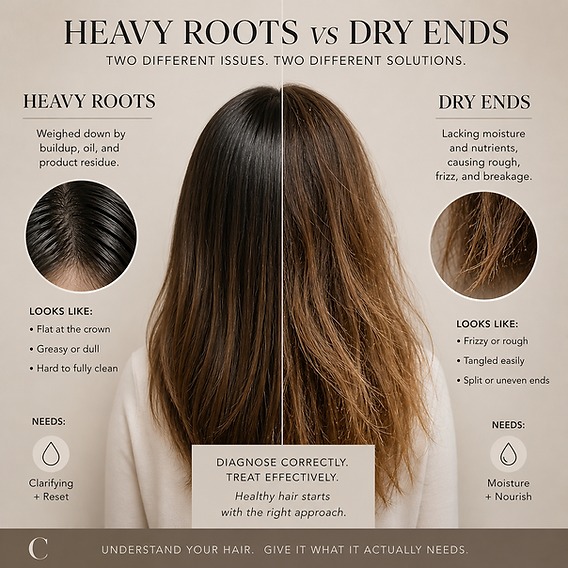
The new shampoo, scalp toner, and ginger juice make it hard to credit the improvement to sesame oil.
- Feel: Are the washed strands softer or easier to manage?
- Finish: Does your hair look fine, without lingering grease, flatness, or a strong smell?
- Tolerance: Is your skin comfortable, with no irritation?
If the oil gives little cosmetic benefit, don't increase the amount or add more ingredients.