
Overnight Hair Masks: When They Help, When to Rinse, and What to Avoid
Leave a hair mask on overnight only if the label allows it and your hair and scalp tolerate it. A standard rinse-out mask needs only its labeled treatment time; a shorter treatment or suitable leave-in may be the simpler option. Your hair should feel easier to manage, with no irritation or buildup. Identify the product first, then follow its directions for placement and removal.
Which hair treatments can safely stay in overnight?
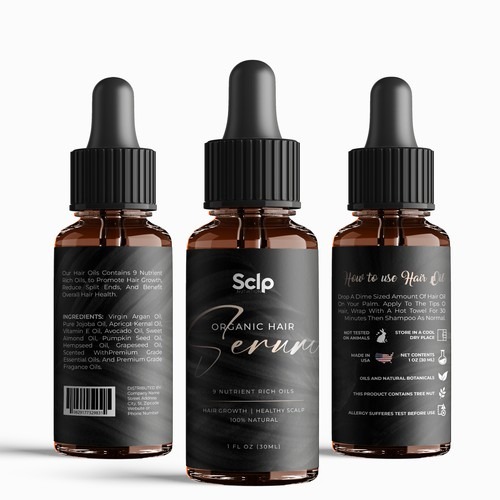
A jar labeled hair mask doesn't tell you how long to keep it on. Some formulas need only a short treatment before rinsing. Others are designed to stay in for hours, including while you sleep. An overnight serum may not require a morning rinse.
Start with the printed instructions: contact time, wet or dry application, scalp or length placement, and whether to rinse or shampoo afterward.
| What you have | Overnight use | Application target | Morning removal |
|---|---|---|---|
| Regular rinse-out mask or deep conditioner | Only for the labeled time | Follow the label; often midlengths and ends | Rinse as directed |
| Mask explicitly made for overnight wear | Allowed when that formula says so | Follow its wet, damp or dry and placement directions | Rinse or leave in as directed |
| Leave-in conditioner or overnight serum | When designed for extended leave-in use | Usually the lengths, unless made for the scalp | Can stay in your hair |
| Pre-shampoo hair oil | Optional | Depends on the oil, your hair, and your scalp tolerance | Usually washed out on wash day |
| Homemade food or essential-oil blend | No established overnight protocol | No standard placement or dilution | No standard removal method |
If the jar says to rinse after 20 minutes, six more hours and a shower cap won't turn it into an overnight formula. For a product made for extended wear, the label tells you whether to rinse in the morning or go straight to styling.
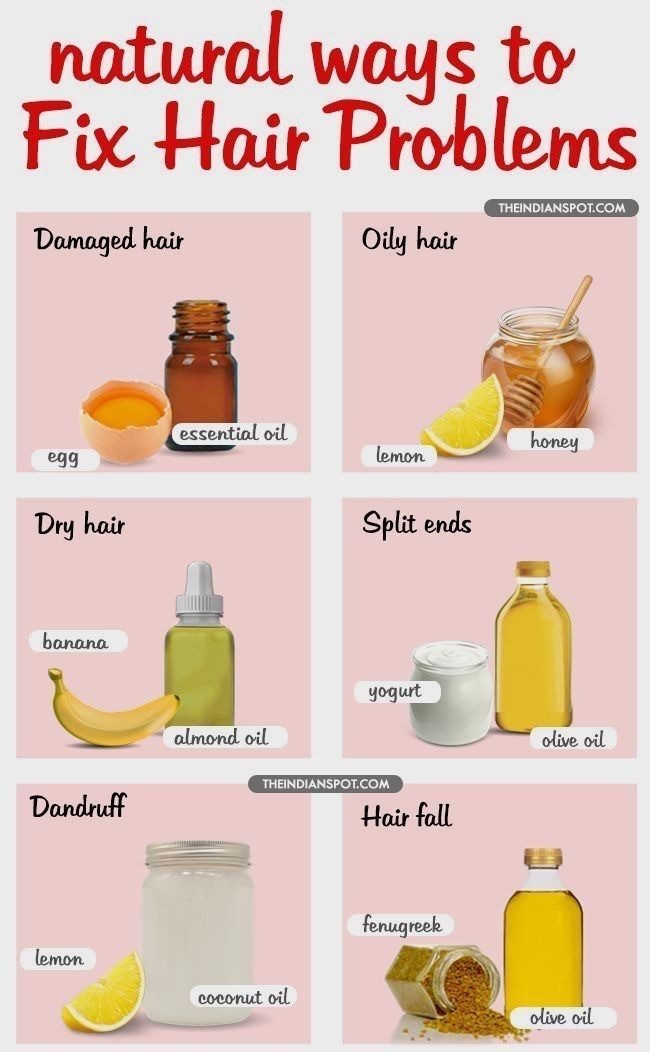
US cosmetics generally do not receive FDA premarket approval, apart from applicable color-additive requirements; overnight directions come from the manufacturer. The FDA does not certify a product for sleeping in.
Garnier USA's hair-mask guidance, updated June 23, 2026, separates ordinary rinse-out masks from products intended for extended wear. It adds that leaving some regular masks on too long can weigh hair down or leave buildup.
Does leaving a mask on all night work better than a shorter treatment?
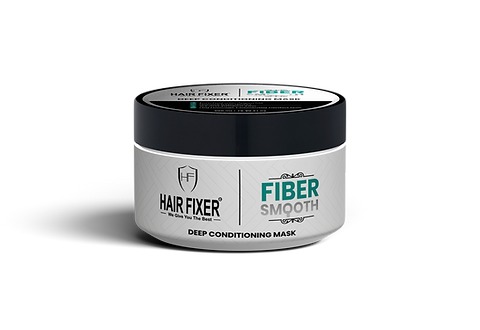
Conditioning makes existing hair smoother and easier to comb. Certain oils also penetrate hair fibers in laboratory experiments.
Conditioners lubricate the shaft, lower friction between strands, and help with detangling. Maria Fernanda Reis Gavazzoni Dias explains these mechanisms in her 2015 review of hair cosmetics. Results vary with the formulation and the condition of your hair.
| Source | Evidence type | Observed result |
|---|---|---|
| Dias, 2015 | Scientific review | Describes conditioning chemistry, lubrication, and improved combability |
| Rele and Mohile, 2003 | Hair-fiber protein-loss experiment | Coconut oil reduced protein loss compared with sunflower and mineral oils under tested pre/post-wash conditions |
| Marsh and colleagues, 2024 | Oil-penetration and single-fiber fatigue experiments | Several plant-oil triglycerides penetrated hair structures and improved measured fatigue performance in the tested setup |
The 2003 coconut-oil study measured protein loss under controlled pre- and post-wash conditions. The 2024 penetration study tested oils and purified triglycerides in separate laboratory procedures. All of it was lab work on hair fibers. None of the cited research compared overnight wear with a shorter, label-directed treatment in people.
For everyday conditioning, judge the result after using a product correctly: is your hair easier to detangle and less rough? Extra contact time has costs, including a greasy pillow and an additional wash.
Some people still swear by overnight oiling. One long-haired reader says it changed their root greasiness and the time between washes:
Solution: I started oiling my hair before wash day(I wash my hair every 4 days) and I cannot believe how all the grease is gone. My hair BARELY gets greasy even on day 3 hair! Sometimes I can stretch hair wash to 5/6 days! And even then my roots wont be as greasy, as opposed to before when the grease would cover at least 4 inches of my strands.
If you find hair oiling to be quite messy, I use a dropper bottle which dispenses just the right amount of oil directly onto my scalp You don’t need to use a lot of oil, I use 3-5ml for collarbone length hair. I find comb bottles unhelpful as they leak, don’t have an airtight seal incase you want to store the oil, and no control over oil dispensed. I’ll attach a picture in the comments of the bottle.
Also, I hate the feeling of oil on my hair, and neither do I want to be seen with oiled hair so I apply is at night, sleep with a shower cap on and wash first thing in the morning. The best part is that the oil gets ample time to soak in my low porosity hair, leaving it overnight is 1000% better than just 30 mins and you will notice a HUGE difference. I’ve used thick and thin oils, none clog my hair follicles if that’s your concern.
The 30-minute comparison and the follicle claim are personal observations.
Which option fits dry ends, curls, fine hair, or a sensitive scalp?

Dry ends and an oily scalp need different treatments. For frizz, roughness, or tangles along the lengths, use a conditioner meant for the lengths instead of spreading a rich mask across your roots.
Fine hair that goes limp easily can feel uncomfortable under a heavy coating. Curly or coily lengths often need careful detangling, and bleached or color-treated hair is vulnerable to rough handling. The American Academy of Dermatology recommends adjusting conditioner placement and detangling technique to your hair texture.
Treat the midlengths and ends if your ends feel rough but your roots look greasy the day after washing. That tackles the roughness without adding product to your scalp. A scalp treatment is a separate formulation with its own directions.

A pre-shampoo oil suits you if you enjoy the routine and find it easy to remove. Skin tolerance matters more when a product touches your scalp: if an ingredient has ever caused burning, itching, or a rash, don't repeat prolonged exposure. A porosity label can't tell you whether an oil belongs in an overnight routine. Go by the product's intended use and how your hair responds.
How to apply a treatment that is meant for overnight use
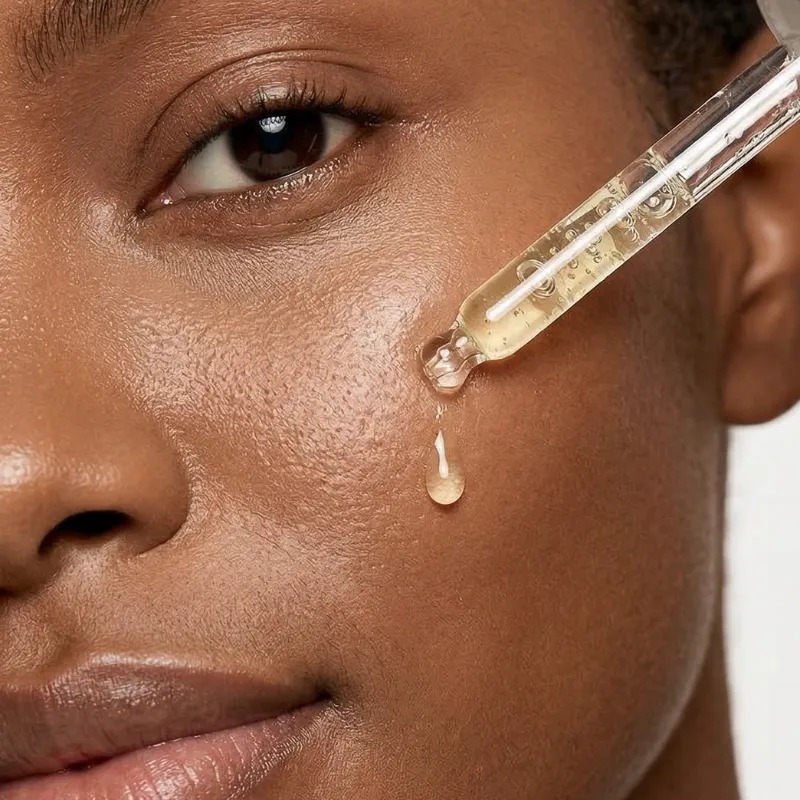
An overnight-compatible formula may go onto dry, damp, or towel-dried hair. The label states the hair condition, amount, and application area.
- Start with the right hair state. Use dry or damp hair as the formula says. Cream masks don't all go on freshly washed wet hair.
- Control the amount. Use the quantity specified for your hair length and density. Don't saturate the strands unless directed.
- Keep it off your scalp. Apply a mask for the lengths through the midlengths and ends. Bring product to the scalp only if it is designed for scalp use.
- Detangle gently. Work in small sections so you don't pull at knots. Coily textures do better when detangled while conditioned and damp. Forceful dry brushing is a poor default.
- Tie it up loosely. A comfortable braid keeps the lengths together without pulling on your roots.
How to keep a nighttime mask off your pillow and face
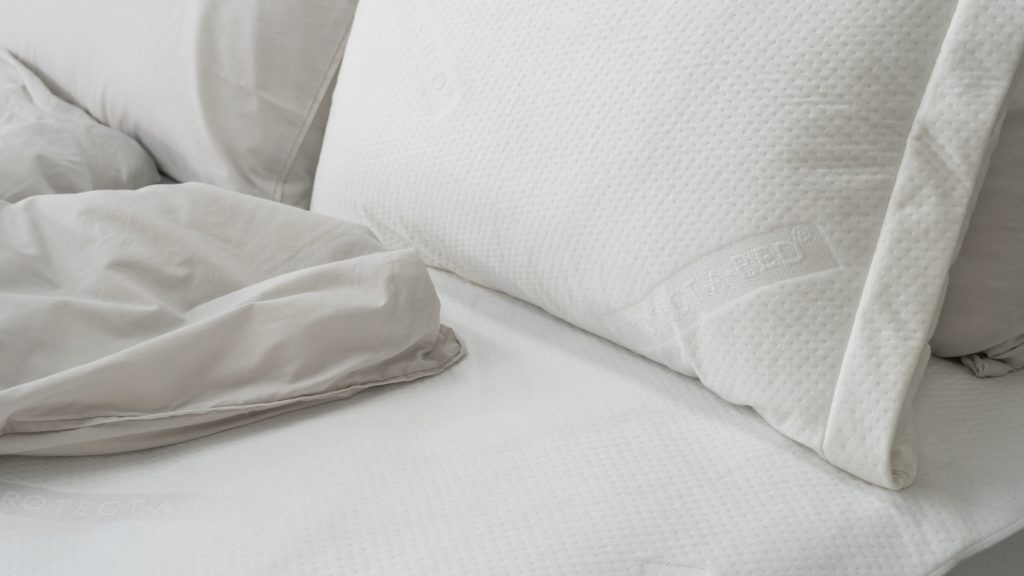
Oil transfer can turn a convenient treatment into another load of laundry. Bonnets slip, and satin or silk alone won't contain a heavily oiled head.
Use a washable pillowcase or towel if transfer worries you. A tight, uncomfortable cap is a poor trade for clean bedding.
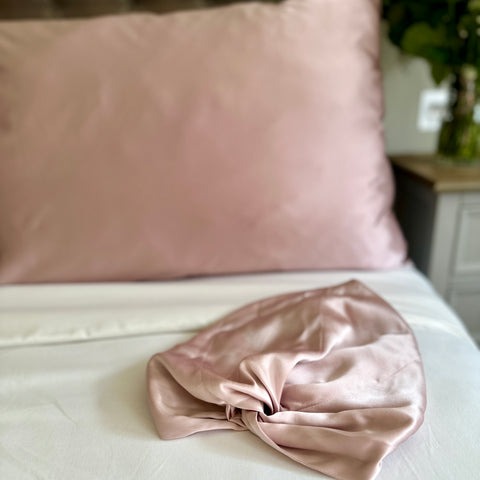
A reader with dry, wavy hair found a way to use coconut oil without wearing it overnight:
I have dry wavy hair and I use coconut oil once or twice a week, i apply it only to the ends and mid sections of my hair (never the roots) i will apply the morning I was planning to wash my hair and leave it in tied up then shower it all out. It's helped a lot with keeping it moisturized. I started with sleeping in it then showering in the morning but it got everywhere and found the day works more for me.
What to do with the treatment the next morning
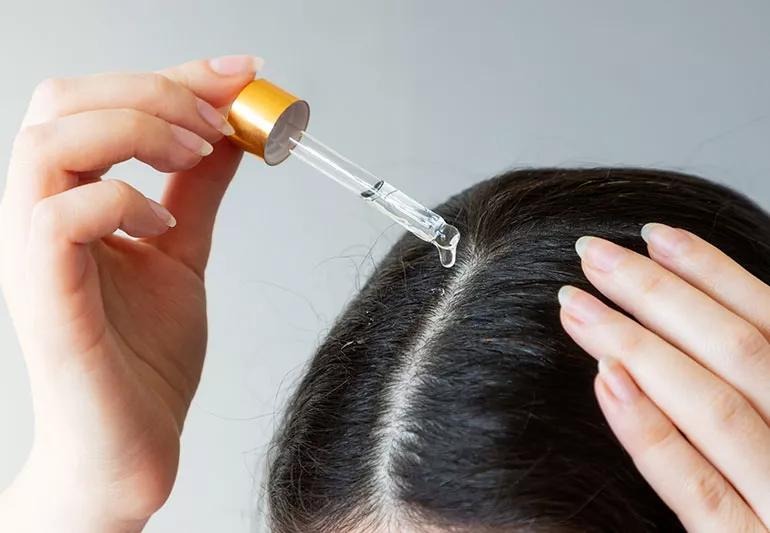
What you do in the morning depends on what you applied. The harder case is a wash that still leaves a greasy film, especially on colored or dry hair. One commenter asked what to do next:
hey! how do you remove the oil? i used argan last night and washed once with a sulfate free shampoo (as im trying not to strip the color out of my hair) and it still feels and looks a little greasy… should i just deal with it until my next wash or immediately wash it again because i’ve seen some people talk about it clogging hair follicles?
If oil remains after the removal steps on the label, wash again gently. The American Academy of Dermatology's healthy-hair advice supports shampooing mainly at the scalp and handling the lengths gently. Rinse thoroughly and don't scrub aggressively.
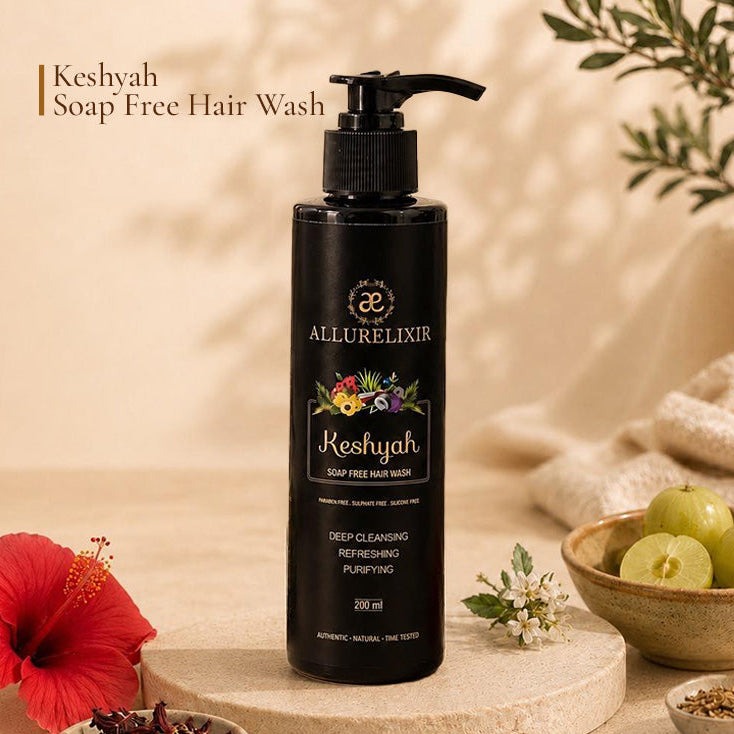
A greasy feel afterward is a cosmetic issue and says nothing about clogged follicles. No established number of shampoo passes fits every oil and hair type. If the same treatment keeps needing extra washes, use less next time or choose a lighter, shorter application. Persistent general buildup calls for a broader cleansing routine.
What if you accidentally fell asleep in a rinse-out mask?
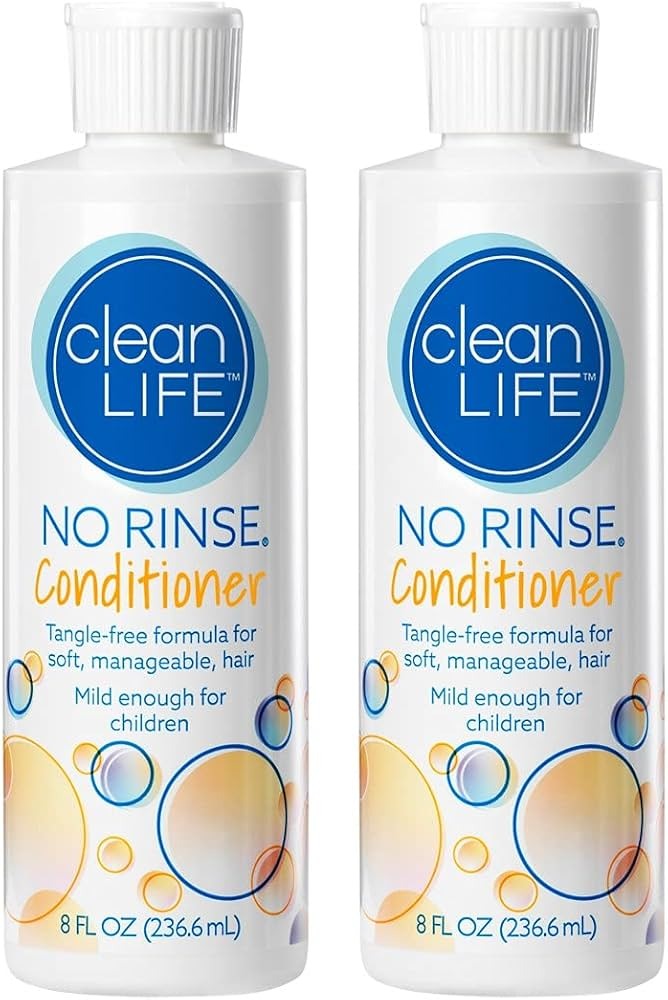
If you wake up with a regular rinse-out mask still in your hair, remove it following its directions. Detangle gently and don't layer on more of the same product as a quick fix. A coated or dry feeling after one accidental night does not establish permanent damage, especially when bleaching or other processing was involved. Burning, swelling, or a rash means you should stop using it and take the skin reaction seriously.
What overnight masks cannot fix, and when to stop using one
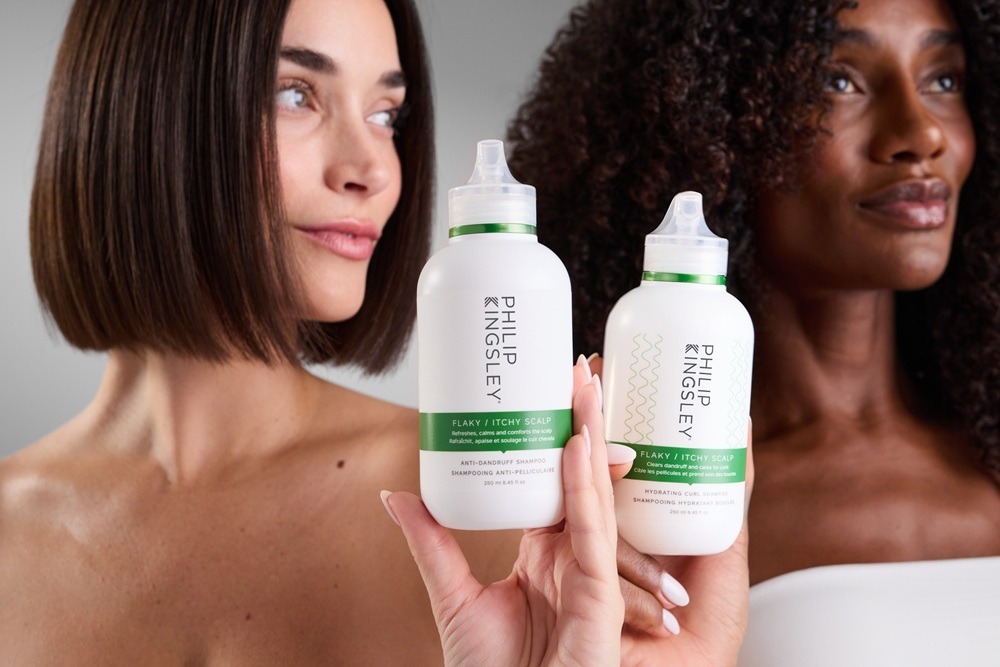
A mask improves the feel of existing strands. Conditioning agents ease combing friction and make rough lengths more manageable, and some products temporarily smooth the look of split ends. Masks don't regrow hair or treat scalp disease; those claims require clinical evidence.
If your ends are bleach-damaged, a mask can leave them smoother and less tangled. Repeated heat, coloring, or tight styling still wear those lengths down.
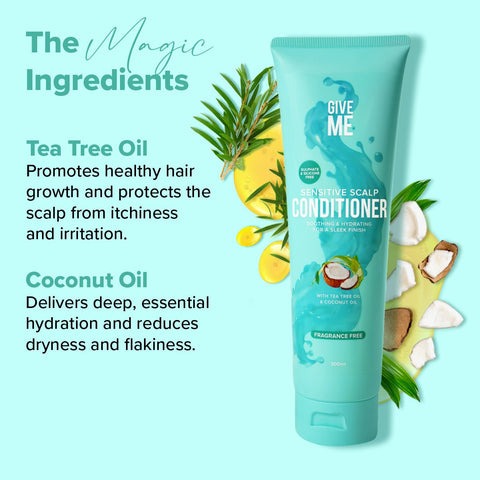
If your scalp itches, burns, swells, or develops a rash after an application, stop using the product. Significant or persistent symptoms need assessment by a qualified healthcare professional. Household blends with food ingredients, acids, or concentrated essential oils have no verified universal protocol for safe overnight use.
For the cleansing side of overnight masks, buildup, and shampoo frequency, read the natural-hair washing guide.