
How to Cleanse Natural Hair: Shampoo, Buildup, and Scalp Care
With naturally curly or coily hair, cleansing begins at the scalp; gentle shampoo there and conditioner through the lengths serve different purposes. Use a clarifying shampoo when heavy styling residue sticks around. See a dermatologist for scalp pain, inflammation, itching that won't stop, or unexplained shedding.
What cleansing natural hair means and what “detox” can claim
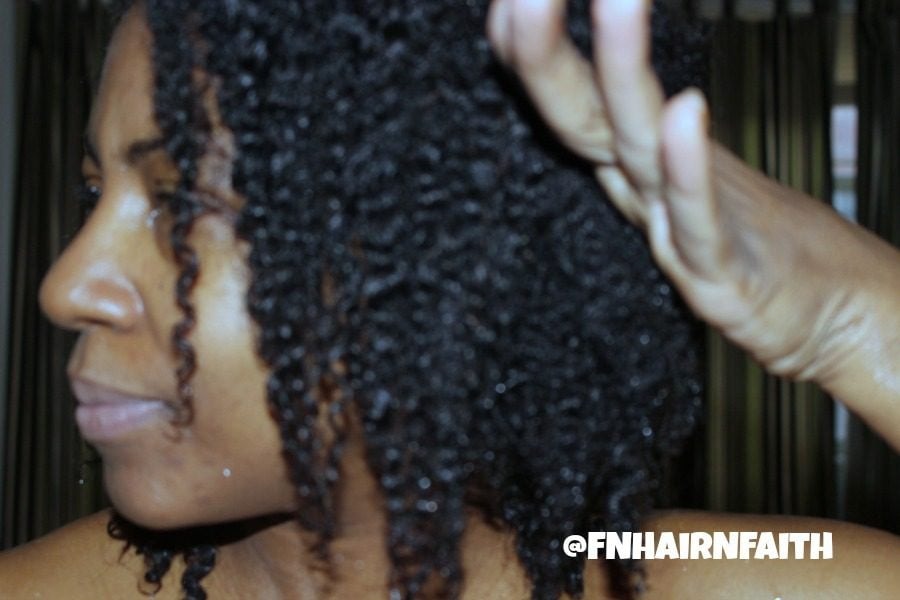
Washing curly or coily hair means cleaning the scalp and strands while keeping tangles manageable. In this guide, natural hair means naturally curly or coily texture. It covers anyone who wears their hair in its natural texture, whether or not every product in the bathroom uses natural ingredients.
The scalp and the lengths have different needs. Shampoo contains cleansing agents called surfactants that help rinse away oils and residue. Conditioner makes the lengths smoother and easier to detangle. Wash the scalp first, because skin oils and much of the buildup start around the roots.
“Hair detox” is a popular label for deep cleansing. A detox shampoo can remove cosmetic residue. It has no proven effect on removing toxins from the body, stimulating follicles, or growing new hair. The FDA's guidance on cosmetic and drug claims explains why ordinary cleansing and medical treatment claims are treated differently.
Is it product buildup or a different scalp problem?
Heavy styling products make buildup likely, especially when a normal wash leaves your hair feeling coated. But dull curls, tangles, white flakes, or a tight scalp can come from several causes; these symptoms alone don't tell you whether it's buildup, dandruff, or another scalp condition.
Start with what has touched your hair since the last wash: leave-in cream, gel, butter, oil, pomade, and how often you reapplied each.
| What you notice | Context | Possible cause | What to do |
|---|---|---|---|
| Coated or heavy-feeling strands | Repeated cream, oil, gel, or pomade | Styling residue | Check whether your cleanser matches how much product you use |
| Dry, tangled lengths | Little obvious residue | Conditioning or handling | Look at your technique first |
| Flakes, itching, or soreness | Discomfort starts at the scalp | Dandruff or another scalp condition | Treat it as a scalp issue, not a residue issue |
| Hair behaves differently after a move | Your water supply changed too | Minerals in the new water | Look into water hardness separately |
A reader felt that familiar products were no longer working as before.
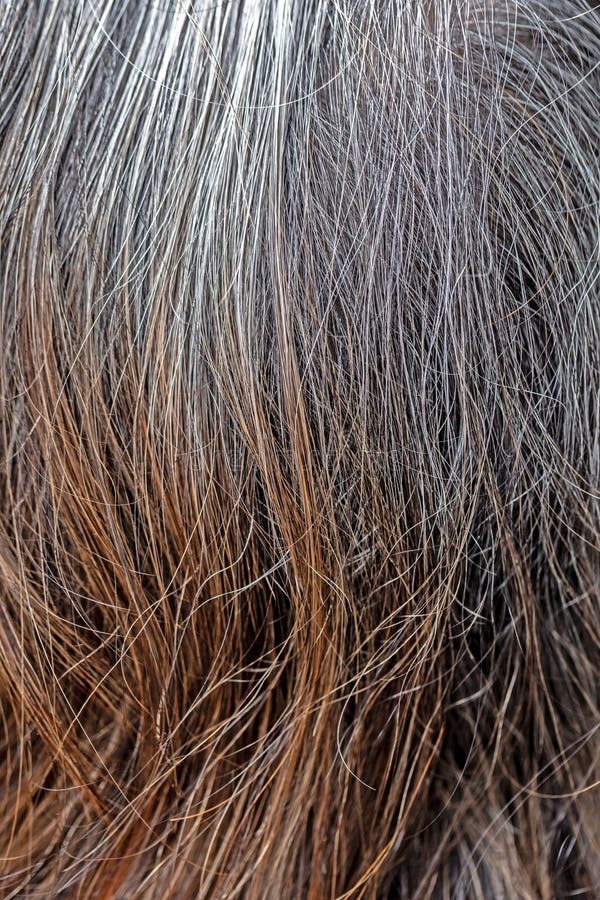
Dense curls and coils make the skin underneath harder to see and reach. That is why it pays to tell a coating on the lengths apart from discomfort at the roots.
Choose between regular shampoo, clarifying shampoo, co-wash, and chelating

Match the cleanser to what you're trying to remove: routine dirt and oil, styling residue, and mineral deposits each need a different product.
| Cleanser | Best for | Trade-off | What to check |
|---|---|---|---|
| Regular or moisturizing shampoo | Ordinary scalp and hair cleaning | Cleaning strength and conditioning feel vary by formula | Whether it cleans well without making the lengths hard to handle |
| Clarifying shampoo | Persistent residue from heavy styling products | Can leave some lengths feeling less conditioned | The stated cleansing purpose |
| Co-wash or cleansing conditioner | A gentler wash when there's little stubborn residue | Some formulas may leave heavier deposits behind | How much product stays on your hair |
| Chelating cleanser | Suspected mineral deposits | Targets mineral binding; cleansing feel still differs between formulas | A clearly stated chelating function and the product directions |
A “sulfate-free” label describes one ingredient choice. How a cleanser cleans and conditions depends on the whole formula.
When clarifying makes sense
Gel, oil, cream, and pomade build up when your wash doesn't fully remove them. If you use these products regularly, the American Academy of Dermatology's curly-hair guidance suggests a clarifying shampoo before a moisturizing shampoo. The two-step sequence makes sense when the extra cleansing step has a purpose.
One longtime natural-haired poster got a surprise at the salon after years of relying on moisturizing shampoo.
I couldn’t figure out why my once fine, shiny hair started to look dull, feel brittle and tangle easily. I finally went to the salon last week and my stylist told me washing my hair with a moisturizing shampoo wasn’t enough, and recommended I switch to a using a clarifying shampoo weekly (ymmv I work out 3-4x per week). Clarified my hair for the first time yesterday and my hair has literally never looked better (swipe to see what it looked like before).
Maybe everyone else already knew this! But after 8 years of being natural (and surviving the bs curly girl method) I am still learning hair care basics.
The stylist's weekly interval fit the poster's routine, which includes working out 3-4 times a week. There is no universal schedule. How often you clarify depends on how much product you use, the cleanser formula, and how your scalp responds.
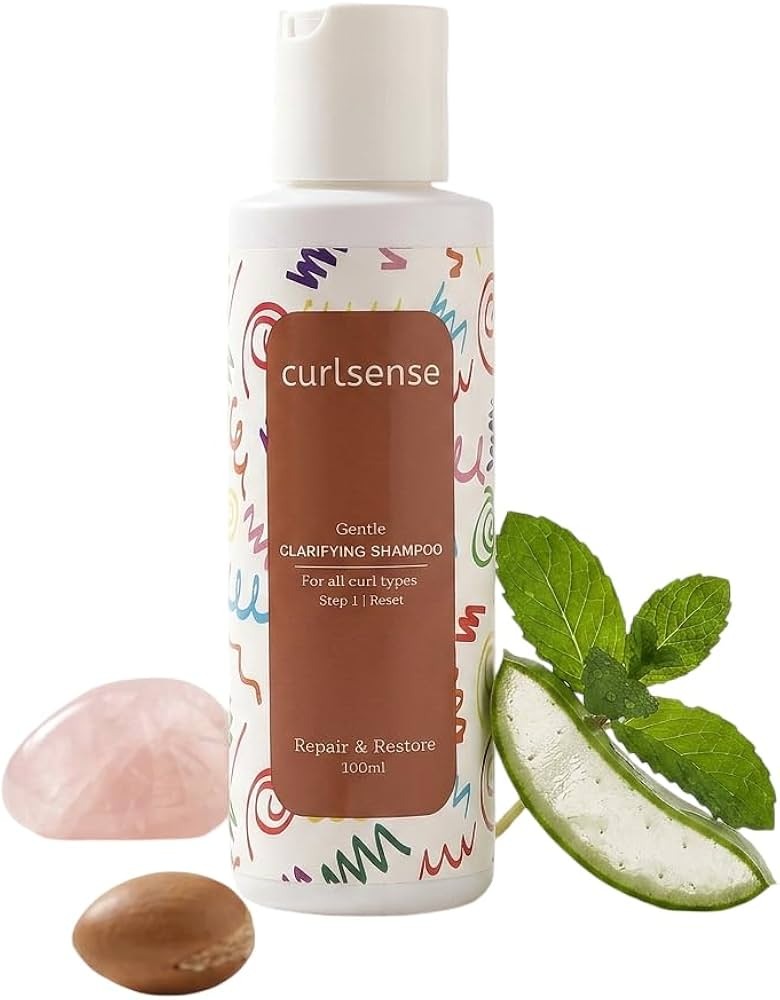
What co-washing can and cannot handle
A cleansing conditioner can feel better if your lengths are hard to manage after shampooing. A 2019 review describes how some co-washes may leave behind water-insoluble silicones, mineral oil, or petrolatum from other products. When those build up, a shampoo cleans more effectively. For shampoo shelf life, see the shampoo-expiration guide.
Clarifying and chelating are different functions, and one shampoo can contain ingredients for both. Look for a stated chelating purpose if you suspect mineral deposits.
How to wash natural hair gently, step by step
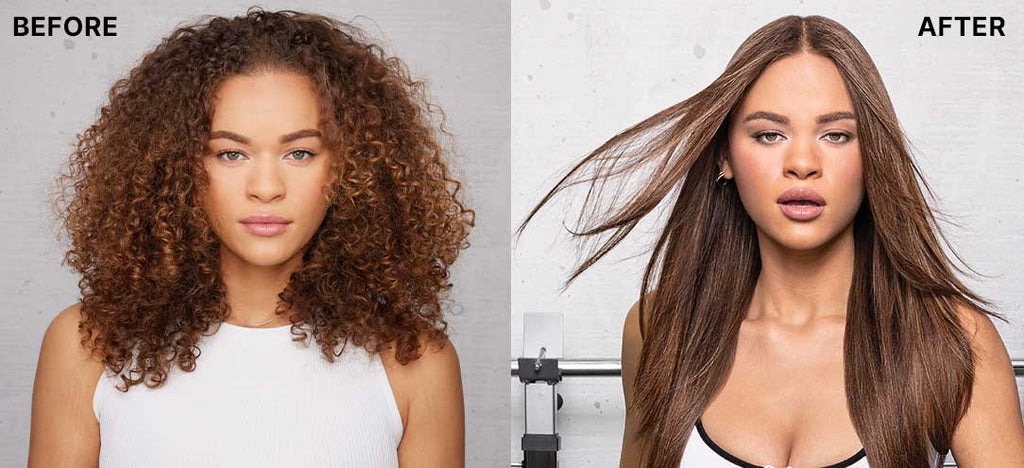
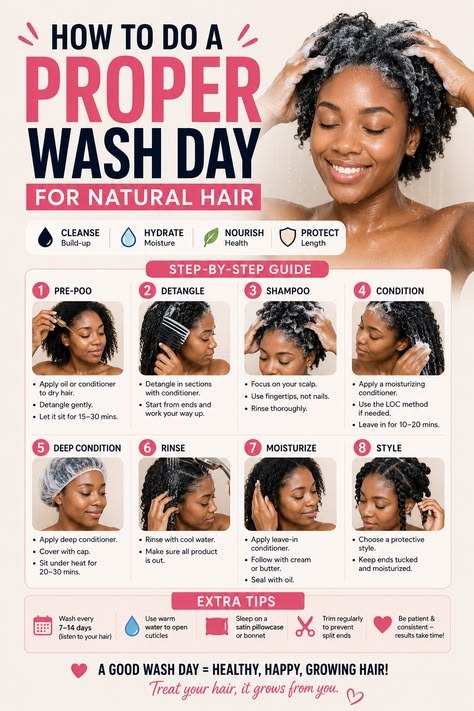
For long, thick, or densely coiled hair, work in sections so shampoo reaches the scalp without tangling the lengths together.
- Separate the hair. Use enough sections to expose the roots without pulling.
- Wet the scalp and strands. Let water reach the hair under the outer layer before you apply cleanser.
- Shampoo the scalp. Work the cleanser into the roots, where skin oils and much of the residue collect.
- Use gentle fingertip movements. Move across the scalp without scratching with your nails or rubbing the ends together.
- Rinse thoroughly. Spend extra time on dense sections so loosened product and cleanser wash away.
- Condition the lengths. Follow the product instructions and focus on the parts that are hardest to handle.
- Detangle with conditioner in. Start at the ends and work toward the roots. Go slowly, handle knots without force, and dry with minimal towel friction. If rough handling has already stressed the hair shaft's outer cuticle, extra scrubbing only adds friction.
The American Academy of Dermatology's healthy-hair tips support shampooing the scalp and using conditioner to reduce tangling.
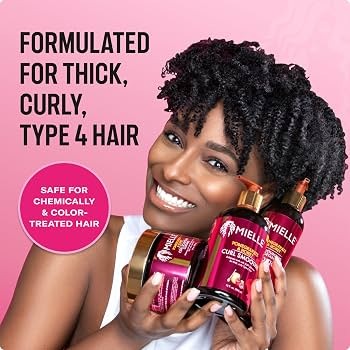
How often should you cleanse natural hair, and should you shampoo twice?
How often you wash depends on scalp comfort, activity, and how much oil or styling product your routine leaves behind. The American Academy of Dermatology advises washing Black hair once a week or every other week in one guide.
Its curly/coily guidance says to wash as needed, at least every two to three weeks. These address different contexts, so they don't add up to one universal schedule. As for shampooing twice: if the first wash leaves a lot of residue, a second pass is an option.
Hard water and your hair
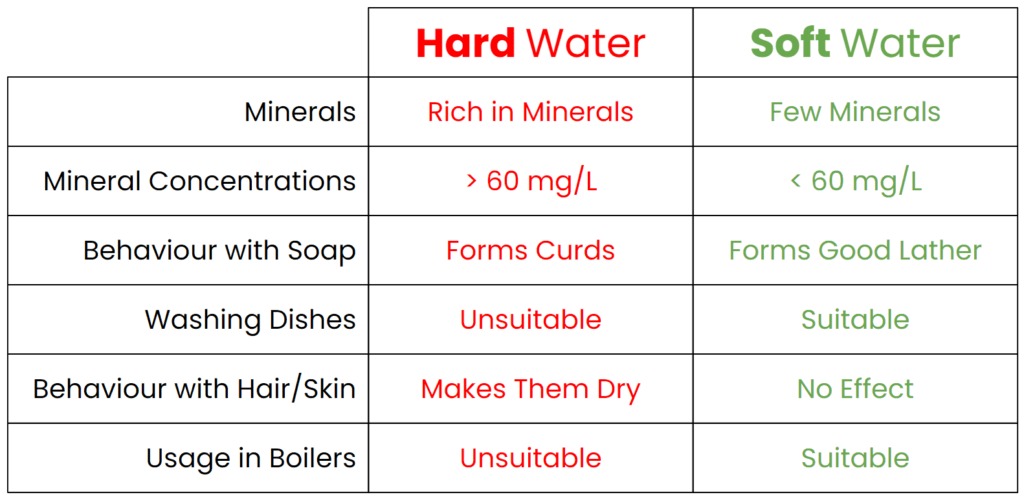
Hard water contains relatively high concentrations of dissolved calcium and magnesium. The U.S. Geological Survey's water-hardness guide describes these minerals and expresses hardness in measures such as milligrams per liter as calcium carbonate (CaCO3).
| Published study | What was examined | Reported result |
|---|---|---|
| Srinivasan et al. (2013), hair from 15 volunteers | Tensile strength and elasticity | No statistically significant difference under the tested hard-water exposure conditions |
| Luqman et al. (2018), hair from 70 males | Hair tensile strength after water exposure | Lower measured strength in the hard-water-treated group |
| Alahmmed et al. (2017), hair from 20 volunteers | Magnesium deposition and hair-surface changes | More magnesium deposition was observed, without a statistically significant difference in the examined surface changes |
These experiments used collected hair samples and measured different outcomes, and their findings on damage are mixed. None tested everyday washing outcomes in people with naturally curly or coily hair, and none identified the cause of an individual's brittle strands.
If your hair changed after a move, check your local water utility's published hardness information or get a water test. That tells you how mineral-heavy your water is, which helps you decide whether to try a product with a clearly stated chelating function.
Why aggressive DIY detox shortcuts can backfire
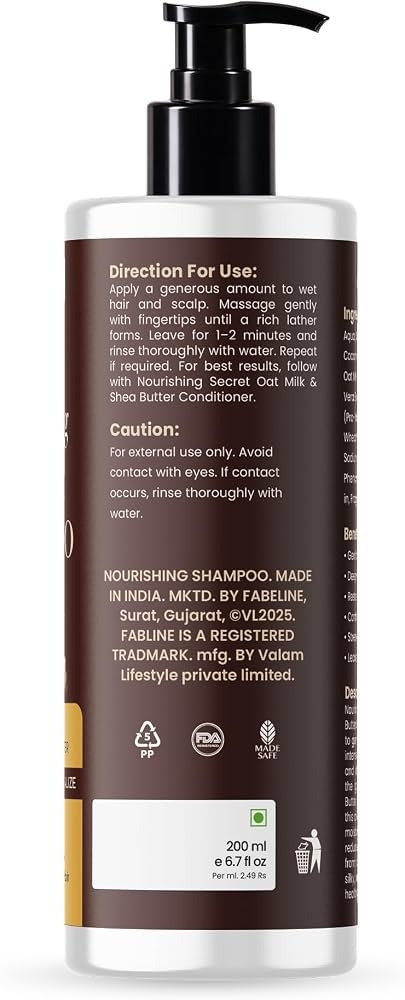
Stubborn pomade can tempt you to reach for a much stronger household cleaner. A hair-care forum contributor used Dawn dish soap—formulated for washing dishes—to remove it. The result was revealing.
I apologize if this isn’t the right place to post, but I’m hoping I can get an answer here. I’m full of anxiety.
Almost a week ago now, I decided to use some oil-based hair pommade in an effort to style my hair for work. The product was a little too much for my liking so when I returned home I decided to wash it out. Searching on the internet gave me Dawn Dish Soap as a solution.
Now, I know how strong Dawn and dish soap in general can be, but in the moment I wanted to get the product out of my hair.
So in a regrettable decision I used a quite generous amount of Dawn dish soap to remove the product. I didn’t dilute it with water beforehand, nor did I use a deep conditioner. While the dish soap definitely got the product out of my hair, I’m worried that it may have damaged it. My scalp is extremely itchy and flaky, while the hair itself is dry and brittle, but somehow still soft at the same time. It is also falling out more than usual.
I know next to nothing about hair care (clearly), just a young man with short hair so I’d love some input on this. I’m not sure if I damaged my hair or it’s just extremely dry and as a result, I have a multitude of questions.
The poster reported itching, flakes, dry-feeling hair, and increased shedding afterward.
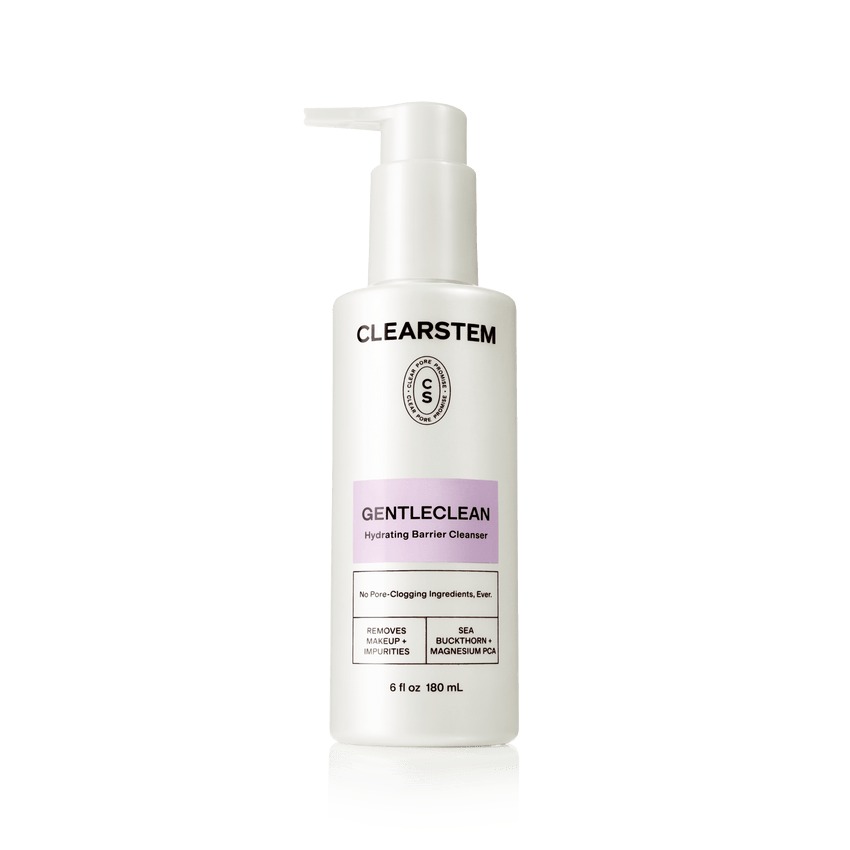
Use cleansers made for hair and scalp, and follow their directions. Don't use dish detergent as a shampoo substitute, and skip untested DIY “detox” recipes with baking soda, vinegar, clay, or other ingredients.
How to tell whether the wash worked and when to change course
A good wash leaves your scalp comfortably clean and your conditioned lengths easy to handle. “Squeaky clean” is a sensation, not a validated sign of a healthy scalp or clean hair shaft.
After washing, check four things:
- Residue: Is there still an obvious coating from styling products?
- Scalp comfort: Is there burning, soreness, or continuing itching?
- Handling: Can you work through the conditioned hair without excessive pulling?
- Unresolved changes: Do unusual flakes, shedding, or other symptoms remain?
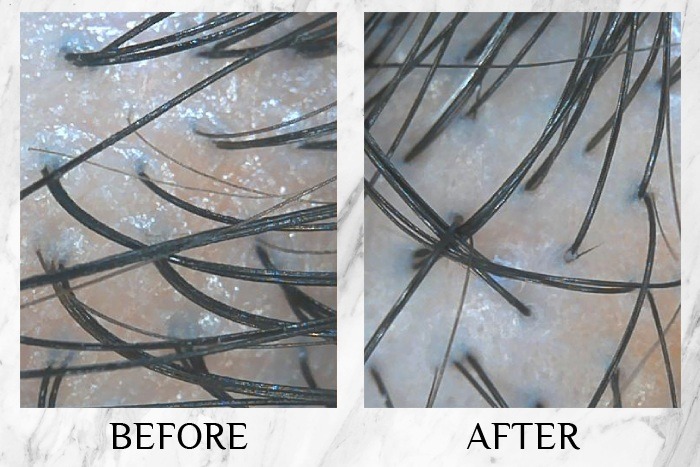
Persistent painful or inflamed scalp changes, ongoing significant itching or flaking, unexplained shedding, and bald patches are warning signs that go beyond ordinary cleansing. If you notice any of them, see a dermatologist.