
Is Curly Hair Dominant or Recessive? Hair Genetics Explained
Hair curl doesn't follow a single dominant-or-recessive rule. Several genes influence scalp-hair texture, so a parent's hair alone cannot yield a reliable percentage for a child's future curls. Styling and age also change how hair looks, which is one reason parents, children, and siblings often have different curls.
Is curly hair dominant or recessive?
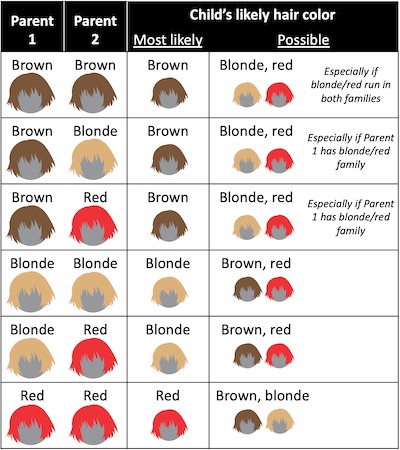
Variants at many places in the DNA shape curl, so the school rule of a dominant curly allele and a recessive straight allele is a simplified model.
For most genes, you inherit one copy from each parent. Different versions of a gene are called alleles. A dominant allele shows its effect with one copy. A recessive effect shows up when both copies carry the variant.
A Punnett square shows how the two copies are inherited when a trait follows a one-gene model. A hypothetical chart with C for curly and c for straight shows the mechanics.
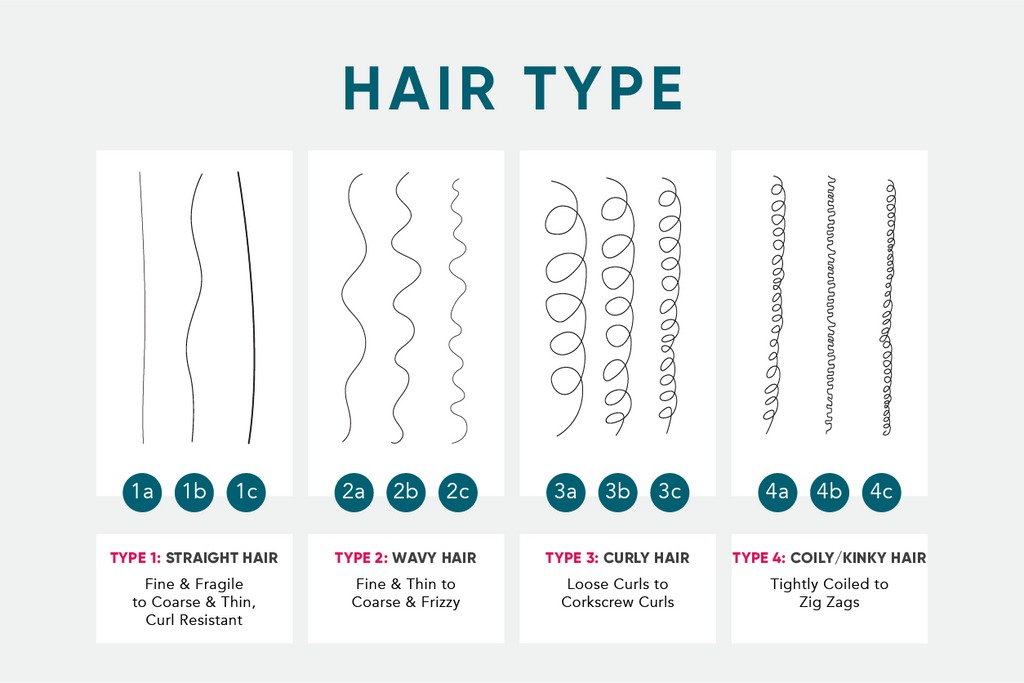
Human scalp hair comes in straight, loosely wavy, tightly curled, and coily forms. Many genetic variants contribute to curvature, a pattern called polygenic inheritance. Some effects add together, and what a single variant does depends on its biological context. Curl, follicle direction, and scalp whorls are different traits; the double-crown guide covers whorls separately.
The MedlinePlus Genetics explanation of hair texture describes this complexity, including differences among populations.
Which genes influence hair curl, and what can science predict?
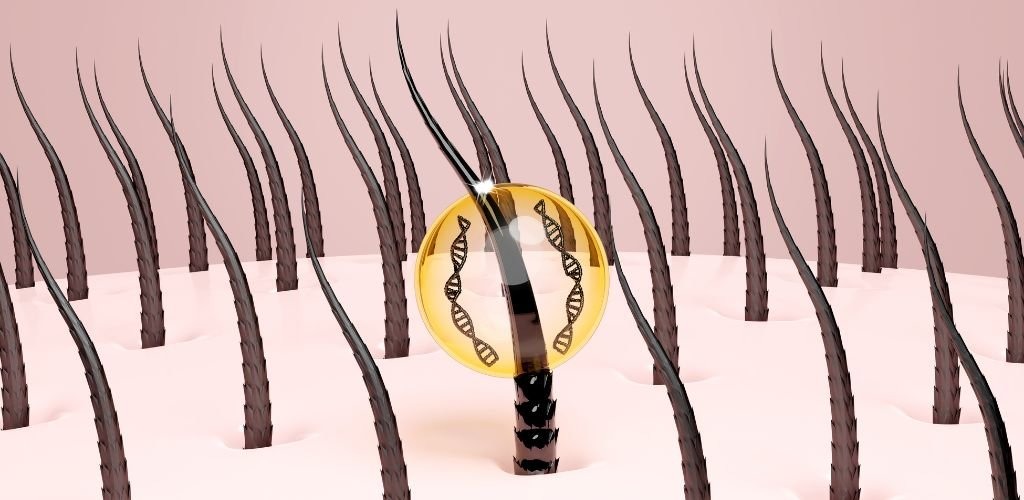
Researchers have linked several genetic regions to hair shape; hair follicles and the growing hair shaft help determine curvature. Hair shape and strand thickness are separate characteristics, though both affect how hair looks to you.
| Gene or genes | Reported association | Study context |
|---|---|---|
| TCHH | Hair texture and morphology | Research involving people of northern European ancestry |
| PRSS53 | Hair shape | Latin American study population |
| EDAR and FGFR2 | Hair-strand thickness | Associations reported in Asian populations |
In research involving more than 6,000 Latin American participants, PRSS53 was among the genes tied to hair shape. Adhikari and colleagues' study is one population-specific example.
A 2018 study in Human Molecular Genetics examined hair-shape genetics in 28,964 participants from nine cohorts and identified several associated genetic loci.
The researchers also built a model on 14 single-nucleotide polymorphisms, or SNPs, which are positions in DNA where people can differ. It separated the studied straight and non-straight categories with an area under the curve (AUC) of 0.66 in cross-validation and 0.64 in independent validation.
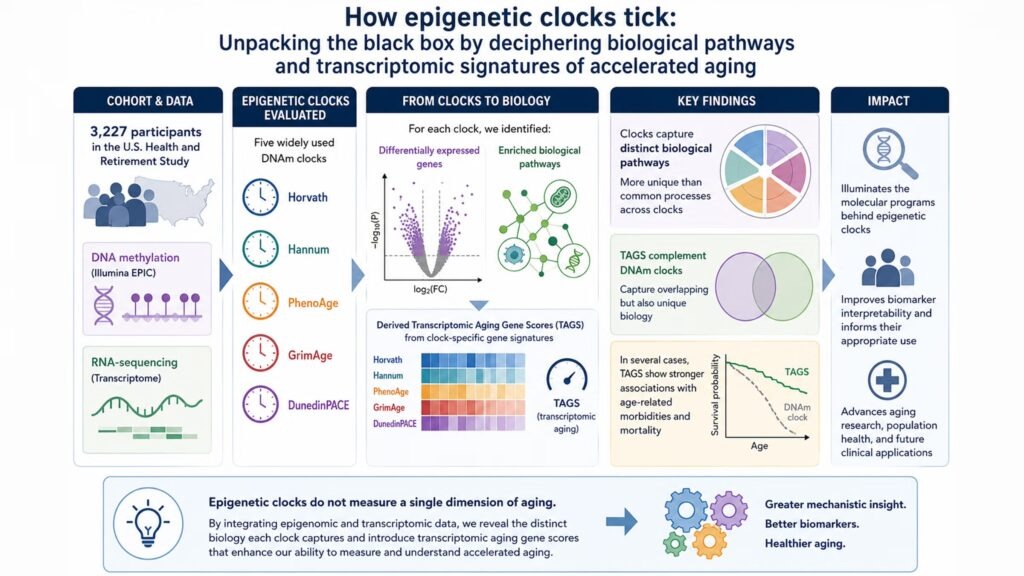
AUC measures how well a statistical model separates categories in its tested data. These values aren't percentages for the chance of having a curly-haired child. The 2018 genome-wide association study reports the model's tested performance.
Can two straight-haired parents have a curly-haired child, or vice versa?
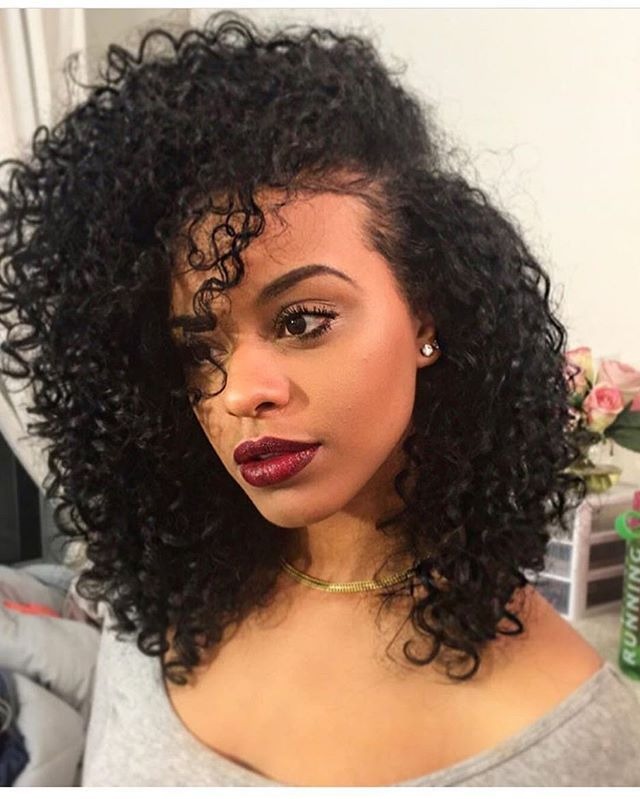
Yes. Two straight-haired parents can have a child with curlier hair, and two curly-haired parents can have a child with straighter or wavier hair. Parents with similar hair can carry different curl-related variants, and each child inherits a different mix.
| Parents' visible hair | Possible outcome |
|---|---|
| Both look straight-haired | Child has curlier hair |
| Both look curly-haired | Child has straighter or wavier hair |
| One looks curly-haired, one straight-haired | Child has straight, wavy, or curly hair |
| Siblings have the same parents | Different wave or curl patterns |
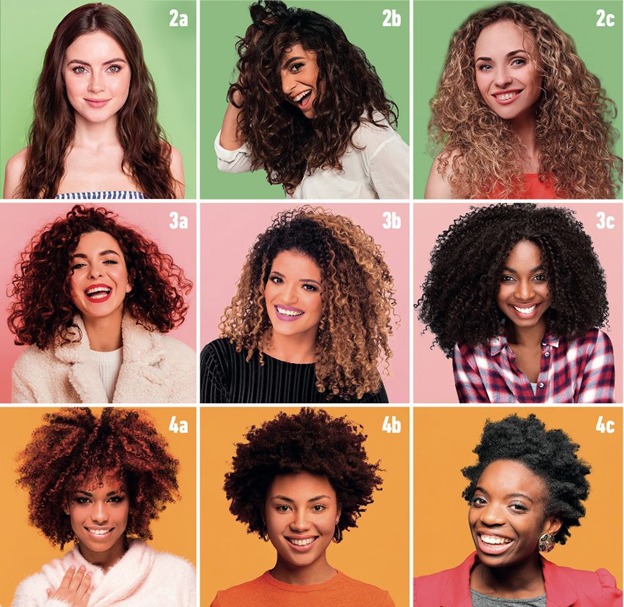
Picture three siblings in one household. One has loose waves, another has tight curls, and a third has nearly straight hair. All three share the same parents.
The words straight and curly also leave a lot of room in between. A mild wave can pass as straight in one family photo and curly in another.
A difference in hair texture says nothing about unexpected parentage or ancestry. Family resemblance involves many inherited characteristics, and hair alone can't settle that question.
Why can hair texture change with age?
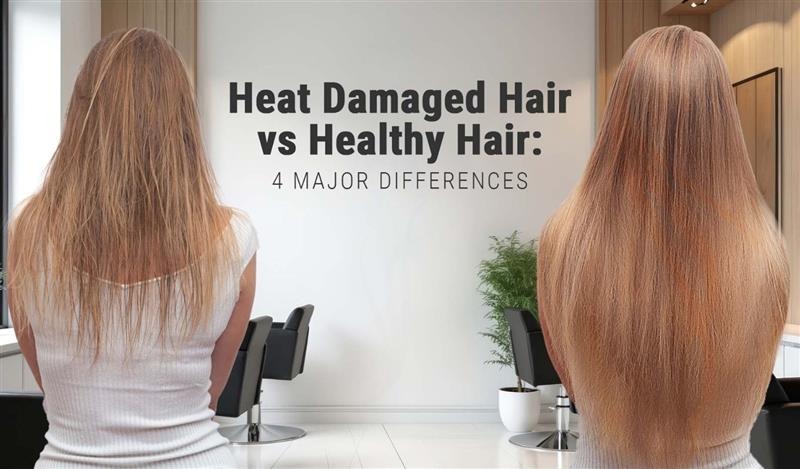
Hair texture can change in childhood, adolescence, and later adulthood, even though your inherited DNA stays the same. A toddler can have ringlets at the nape and straighter hair on top, and both can change as the child grows.
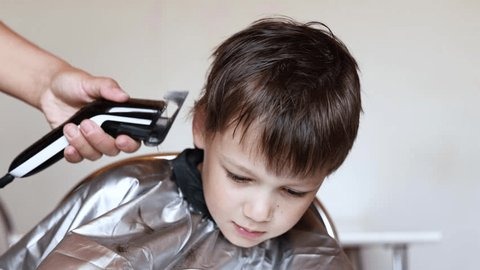
Many people notice changes around puberty. Hormones are among the factors associated with hair characteristics, along with aging, pregnancy, menopause, medications, and certain medical treatments. Chemical processing can also change how the hair shaft looks.
When a change stands out, compare its timing with the person's age and known treatments or chemical processing. Timing alone won't identify a particular hormone or medical cause.
Can styling hide your natural curl pattern?
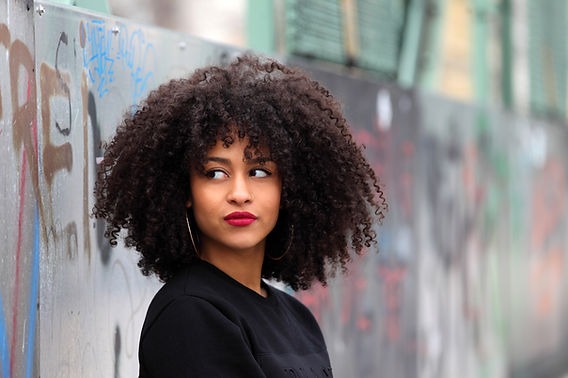
Yes. Brushing, moisture, heat styling, and hair length can make the same head of hair look smoother, frizzier, or curlier. To see your natural pattern, look at freshly washed, air-dried hair without heat styling, under the same conditions each time, then compare it with your usual styled result. Styling changes the appearance, not your inherited variants.
How can you judge a curly-hair genetics claim?
A good genetics explanation names the hair trait measured, the population studied, and what the model was built to predict.
| Check | What to look for |
|---|---|
| Trait definition | Curl, wave, curvature, or strand thickness clearly named |
| Genetic basis | Several relevant variants, or a one-gene teaching example labeled as such, since a classroom allele chart oversimplifies human hair texture |
| Study population | Ancestry or participant group identified, because associations and models depend on the population |
| Evidence and prediction | An association kept separate from a validated prediction, with the tested task stated: an individual's hair category or a future child's appearance |
In its hair-type explanation, AncestryDNA reports using more than 2,000 DNA markers for its hair-type trait prediction.