
Everyday Personal Hygiene: What to Wash, When, and How to Keep Skin Comfortable
For most adults, a practical hygiene routine means washing your hands at key moments, cleaning and drying the areas that need attention, and adjusting showers to your activity and skin comfort. There is no single shower schedule for everyone. Persistent irritation, unusual foot symptoms or specific medical instructions change the next step: use focused guidance or qualified care before scrubbing harder.
What counts as everyday personal hygiene?
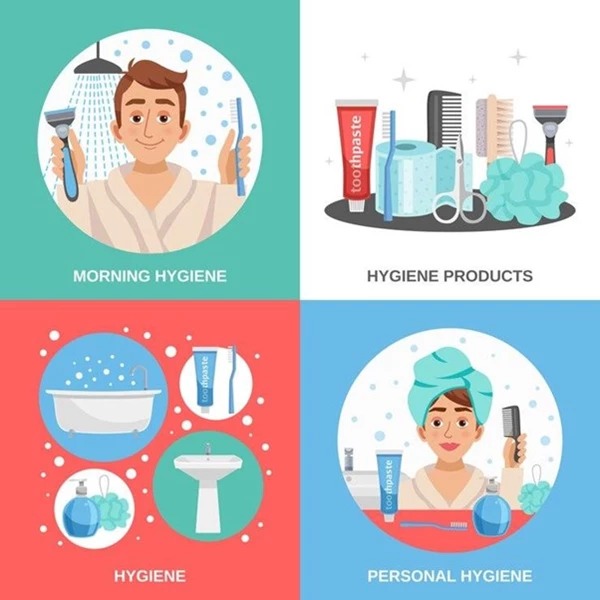
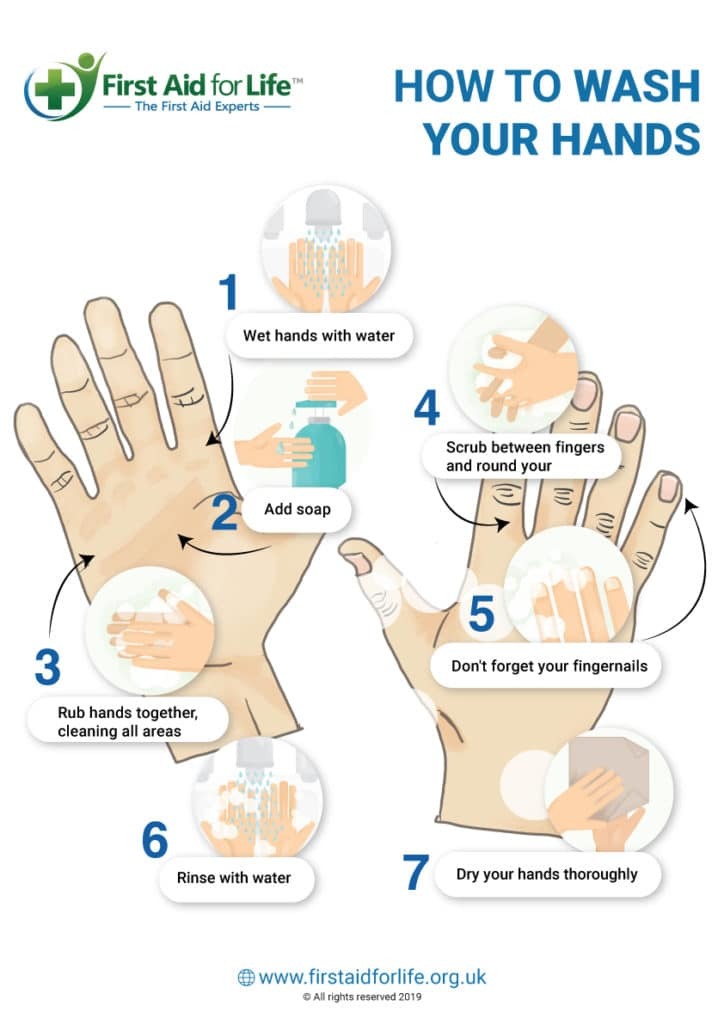
Everyday personal hygiene includes caring for your hands, body, feet, hair and nails, along with habits such as covering coughs and sneezes, as described by the Centers for Disease Control and Prevention. For adults in ordinary settings, handwashing matters after using the toilet, coughing or sneezing, handling garbage or animals, and before preparing or eating food. Use soap and clean running water, lather the backs of your hands, between your fingers and under your nails, scrub for at least 20 seconds, then rinse and dry; the CDC's handwashing instructions apply that timing specifically to hands. Oral care belongs to the broader routine too: the American Dental Association recommends brushing with a soft-bristle toothbrush for two minutes twice daily.
When do you need a full shower instead of a quick wash?
The amount of washing you need changes with sweat, visible dirt, activity and how your skin feels. Outdoor work in humid weather creates different cleaning needs from an afternoon spent indoors.
Cleveland Clinic describes a daily shower as general guidance while recognizing that climate, activity and skin needs vary. Nebraska Medicine likewise considers skin type and circumstances when discussing bathing frequency.
| Your situation | Washing choice | What it does |
|---|---|---|
| Heavy sweat, outdoor work or noticeable grime on much of the body | Full shower | Cleans a larger area after sweat or dirt |
| Mild activity, with sweat or soil in particular areas | Targeted wash | Washes those areas, such as underarms, groin or feet, using a gentle cleanser where needed |
| Little visible grime; you mainly want to feel refreshed | Brief rinse | Uses water for comfort or freshness without a lengthy routine |
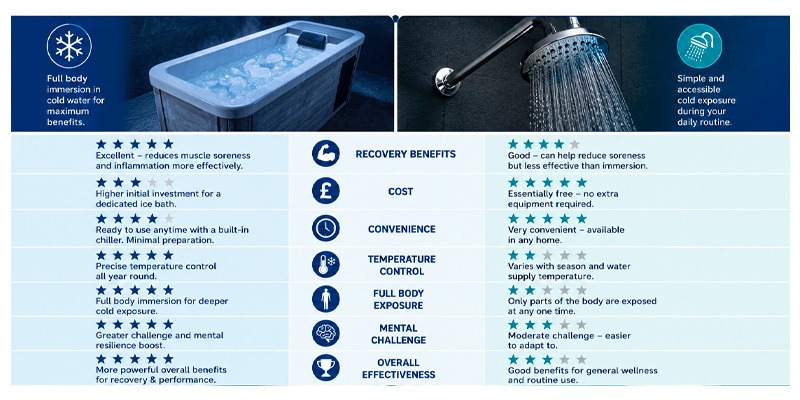
One participant describing life in a humid climate offered an example of how two washes can serve different purposes:
I shower twice a day (tropical country with humid climate, I feel gross if I return from outside and don't shower). Morning shower is 5-10 minutes - I only rinse my hair and do a quick wash of my body. It's mainly to freshen up and get rid of bed head in the morning. Evening shower is the full shower to clean myself of outside germs. 15-20 minutes, I shampoo and condition my hair, wash my face and more thoroughly wash my body.
The contributor's shower durations and explanation about outside germs describe an individual routine, not a schedule for everyone.
Limited water access, time or mobility may make a shorter wash more workable. If a medical condition, wound or procedure calls for specific hygiene instructions, those instructions take priority.
The areas that are easy to miss when you wash
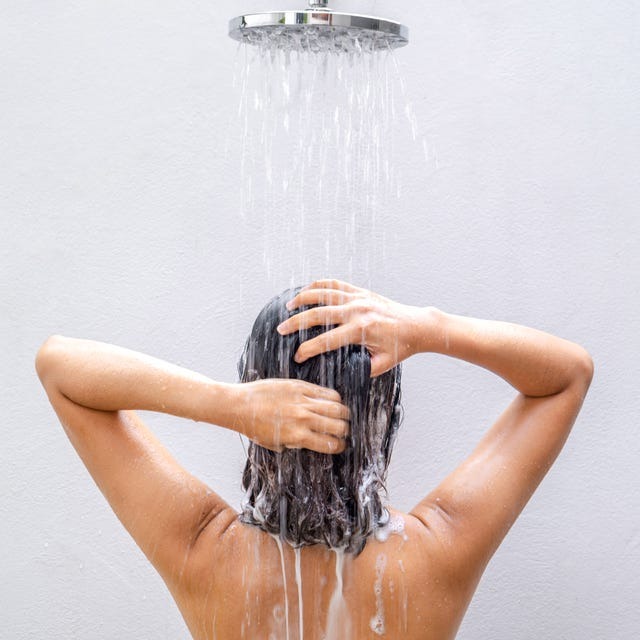
It is easy to wash your face and hair while overlooking small areas of external skin. A simple body-area check helps make an ordinary wash more thorough.
A Reddit commenter remembered discovering an overlooked task well into adulthood:
That washing behind the ears wasn’t a silly expression/concept from movies to denote getting really clean but a literal activity. I’m an aggressive hair washer and face washer so it wasn’t an egregious situation but I was very grown before I intentionally and thoughtfully washed my ears and behind them. Similarly, really going to town on my belly button was a weirdly late in life realization.
During your usual wash, give these areas appropriate attention:
- Behind the ears: Gently wash external skin, particularly where sweat or hair products may collect.
- Underarms and external skin folds: Wash areas where sweat and oil collect using a comfortable amount of cleanser.
- Feet and between the toes: Follow the American Academy of Dermatology's advice to wash feet with soap daily and dry them completely, paying particular attention to the spaces between the toes as CDC foot-hygiene guidance advises.
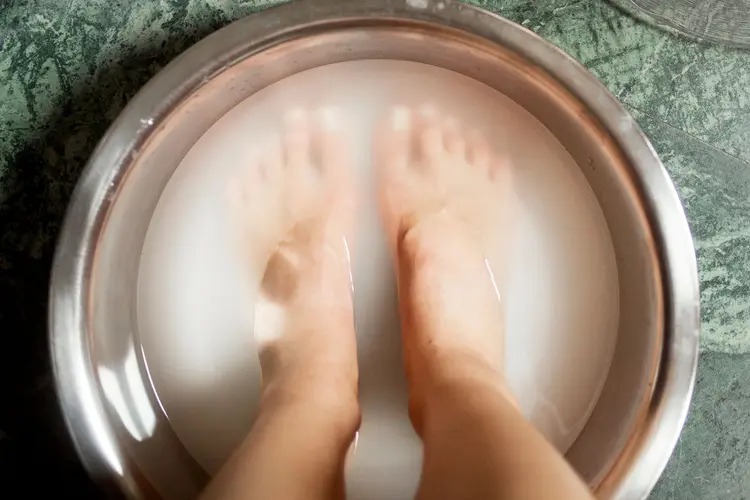
The commenter's vigorous navel-cleaning account is personal experience. Clean the navel's accessible external surface gently; avoid digging into it or inserting objects into the ear canal.
How to get clean without making dry or sensitive skin worse

When skin feels tight or itchy after bathing, hot water, prolonged washing and friction are worth reconsidering. The skin barrier helps retain moisture, and aggressive washing can add to discomfort for someone who already has dry skin.
The American Academy of Dermatology's dry-skin guidance, updated January 2, 2026, recommends warm showers or baths lasting 5 to 10 minutes for people with dry skin.
The AAD's dry-skin recommendations give several concrete adjustments:
| Part of the routine | Gentle approach | Reason |
|---|---|---|
| Water | Warm water and shorter bathing | Reduces prolonged exposure associated with dryness |
| Cleanser | Gentle cleanser on areas that need it, such as underarms and groin | Cleans those areas while limiting unnecessary lathering |
| Drying | Pat skin dry with a clean towel | Limits friction |
| Moisturizing | Apply fragrance-free moisturizer while skin is slightly damp | Helps retain moisture after bathing |
Fragrance-free and unscented are different product-label terms. Some products marketed as unscented contain fragrance ingredients that mask other odors.
Someone whose skin feels tight after a long, hot shower can change one part of the routine at a time and notice whether that tightness improves. Avoid trying increasingly forceful scrubbing or improvised cleansing mixtures to solve persistent skin discomfort.
Keep towels and washcloths clean and able to dry

A towel or washcloth needs a suitable place to dry between uses. In a humid bathroom, a cloth left against a damp surface may stay wet for a long time.
One Reddit contributor described the challenge of drying wash tools in a poorly ventilated room:
If you use any wash cloths, body brushes, loofahs etcetera, it’s vital that they can dry out fully between uses. If your bathroom is well-ventilated you can hang them on a hook along the shower curtain rail away from the spray, rather than let them sit on damp surfaces. If your bathroom is too damp/humid to allow things to dry then you need to hang towels etcetera outside of the bathroom in an area where they can receive enough airflow to dry and not gather mildew.
Check the item before using it again:
| Condition before reuse | What it suggests | Next step |
|---|---|---|
| Clean and fully dry | The item has dried between uses | Keep it where air can circulate |
| Still damp | Airflow or drying time may be insufficient | Move it to a better ventilated area or use a fresh, dry item |
| Visibly dirty or developing a stale smell | The item needs cleaning | Launder it or use a clean replacement |

For reusable hand towels at home, the CDC advises changing them when visibly dirty or before mildew develops from dampness. Bath towels, washcloths, body brushes and loofahs have different uses and drying characteristics; this guidance does not set a universal replacement interval for all of them.
When it's a hygiene question and when it needs a different answer
Persistent itching, cracking, irritation or an unusual skin change deserves more specific attention when gentler everyday washing has not helped. The American Academy of Dermatology recommends dermatology advice for persistent dry-skin symptoms. Its athlete's foot guidance specifically recommends seeing a dermatologist when athlete's foot is not improving or is worsening.
Harder scrubbing cannot determine whether a change between the toes is ordinary debris, skin irritation or an infection. Those possibilities need different explanations.
Two nearby questions have their own scope:
- What is toe jam? A focused guide can examine debris between the toes, routine prevention and symptoms that need attention.
- Is it bad to shower after eating? Meal timing and bathing deserve a focused explanation. Evidence that showering after eating harms digestion is inconclusive; no universal waiting period has been established.
For most adults, a sensible hygiene routine means washing hands at key moments, cleaning and drying the areas that need attention, and adjusting shower length and products to activity and skin comfort. If a persistent skin or foot problem changes that picture, use focused guidance or qualified care before increasing the intensity of washing.
Explore this topic
What Is Toe Jam? Causes, Cleaning, and Warning Signs
Toe jam can be lint, dirt, or skin flakes between toes. See how to tell loose buildup from irritated skin, clean gently, and recognize warning signs.
Is It Bad to Shower After Eating?
Is it bad to shower right after eating? Learn what hot-water research measured, why there is no fixed wait, and when dizziness changes the advice.