
Is It Bad to Shower After Eating?
For most healthy adults, showering briefly at a comfortable temperature after eating is fine. There is no universal rule requiring a 30-minute wait. If heat or a full stomach makes you feel unwell, turn the water down or wait.
Does showering right after eating stop digestion?
Digestion continues normally during an ordinary shower; your body keeps digesting while it adjusts blood flow to manage temperature.
Warm water widens blood vessels near the skin. That is where the warning comes from that a shower steals blood from your stomach. The measured change in skin blood flow is far smaller than that claim implies. For the digestive chemistry, see the stomach-acidity explainer.
An educational handout from Singapore General Hospital calls the circulatory effect of a hot shower too small to affect digestion.
Do you need to wait 30 minutes after eating?
Healthline suggests waiting 20 minutes to an hour if you're worried about discomfort.
A Reddit contributor questioned the rule after looking it up:
I only heard this piece of advice a year ago and when I initially heard it I googled it and all the results were in agreement!
But is it really really true?
Even an old ELI5 says we shouldn’t shower for half an hour but I don’t know. Something sounds suspicious.
Does hot water change the answer? Showers versus baths
A bath and a standing shower produce different cardiovascular responses, and very hot water changes how your body handles heat.
| Study | Exposure tested | Measured response |
|---|---|---|
| Miwa et al., 1994 | Eight healthy men; 60-minute baths at 40°C and 34.5°C | Hot immersion increased heart rate, skin blood flow, and core temperature while mean blood pressure fell. |
| Ohnaka et al., 1995 | Eight men; 10-minute showers at 41°C and 11 L/min versus 40°C bath | Blood pressure rose during showers and fell during immersion. Heart rate exceeded 100 beats/min only during standing showers. |
| Gao et al., 2026 | Eight volunteers; 15-minute showers at 36°C, 40°C, or 44°C, at 4, 7, or 10 L/min | Water temperature affected thermal responses and heart rate. |
None of these studies measured digestion after a meal.
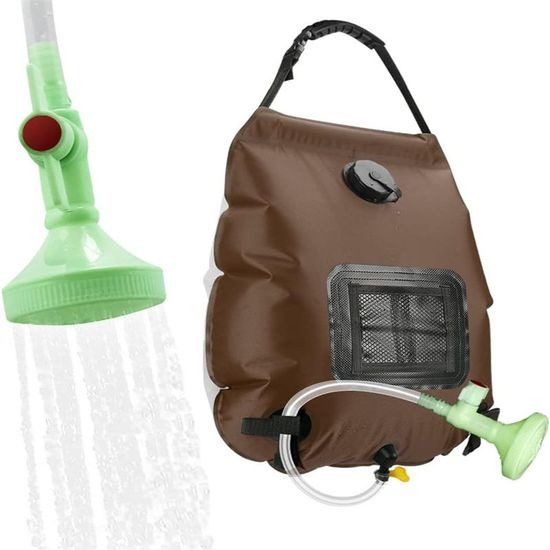
In Gao and colleagues' 2026 experiment, core temperature continued rising for about 6.5 to 14.5 minutes after the 15-minute shower ended.
A practical choice: shower now, wait, or change the water?

Decide by how you feel and how hot the water is.
| Situation | What to do |
|---|---|
| You feel well after an ordinary meal | Shower as usual. |
| A large meal has left you uncomfortably full | Wait until the heavy feeling passes. |
| Very hot water or a long shower makes you uncomfortable | Lower the temperature or shorten the shower. |
| You repeatedly feel dizzy or faint around meals or hot water | See the dizziness section below. |

Another user prefers to eat first and shower after:
I haven't found that to be true. Anyway, I'd rather wash my face and beard (in the shower, not over the sink while wearing clean clothes) and brush my teeth after eating, and essentially leave the bathroom fully cleaned and ready to leave home. I hate when I'm traveling with people who always shower first then I usually have to do the same to coordinate. My fresh breath is done for once we're all done eating and get on our way.
On a normal day, I can shuffle into the kitchen like a zombie, drink coffee and eat breakfast, then I'm fully jazzed to get showered and leave the bathroom literally ready to start my day, leave home as fresh as possible, not sit back down and eat.
What if you feel nauseated, lightheaded, or faint after meals?
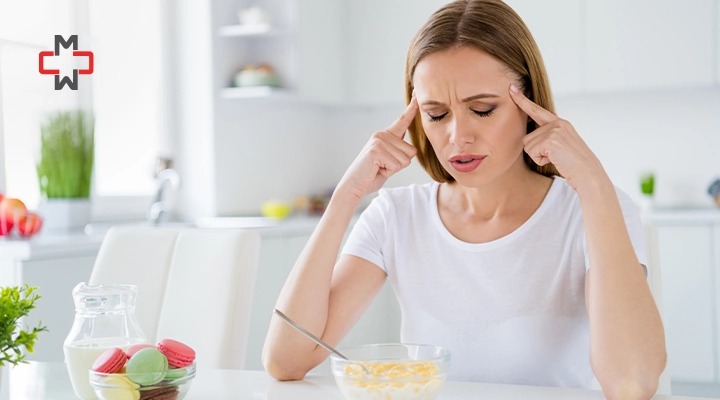
Uncomfortable fullness can affect when you shower. Dizziness or a feeling that you might faint needs a different response.
Cleveland Clinic describes postprandial hypotension, a drop in blood pressure that can happen within two hours of eating. It is most relevant to adults over 65 and people with certain medical conditions, and it can cause lightheadedness or dizziness.
NHS guidance for people prone to reflex fainting also mentions heat and large meals. Postprandial hypotension is a separate condition, and an ordinary shower is not its cause.
If you feel faint, turn off the water and sit or lie down. NHS advice is to lie flat and raise your legs if you can. Don't stay standing under hot water, and don't rush across a wet floor.
If lightheadedness or faintness keeps happening around meals or hot showers, see a doctor. Call emergency services if someone who has fainted does not regain consciousness quickly, has trouble breathing or chest pain, or has a serious injury.
Is showering after a meal the same as swimming after eating?
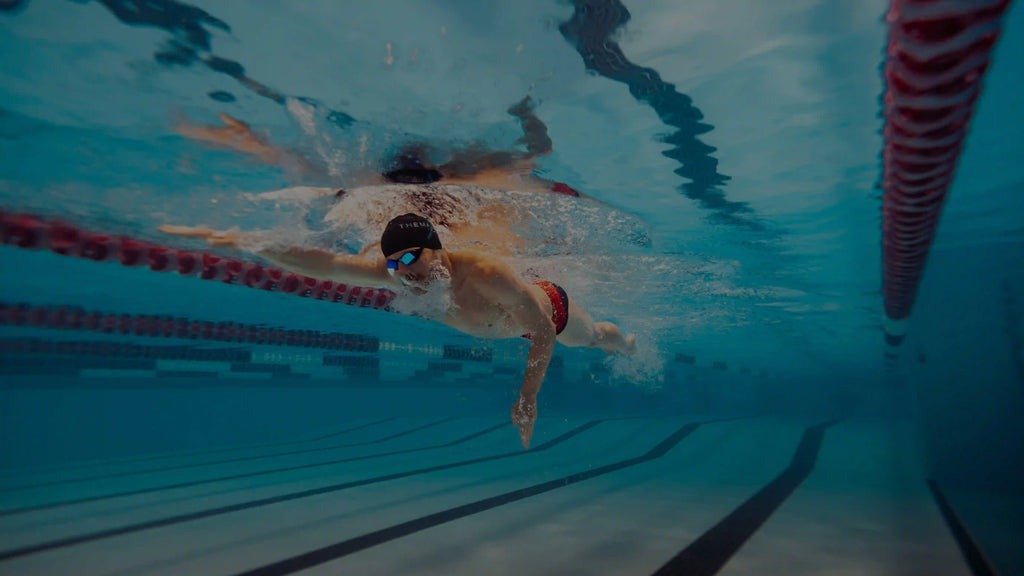
Swimming is a different activity. It involves exertion and being in water, so its warning does not carry over to showers. The American Red Cross says major medical and safety organizations do not recommend a blanket wait before swimming, although that evidence does not directly study showers.