
How Strong Is Stomach Acid?
The contents of an empty stomach typically measure around pH 1 to 2. That is enough to corrode some metals, but the result depends on the metal and how long it stays in the fluid. Enzymes and muscle contractions do most of the digesting, and a mucus layer protects the stomach wall. If someone may have swallowed a button battery or a sharp object, get emergency medical help.
How Strong Is Stomach Acid?
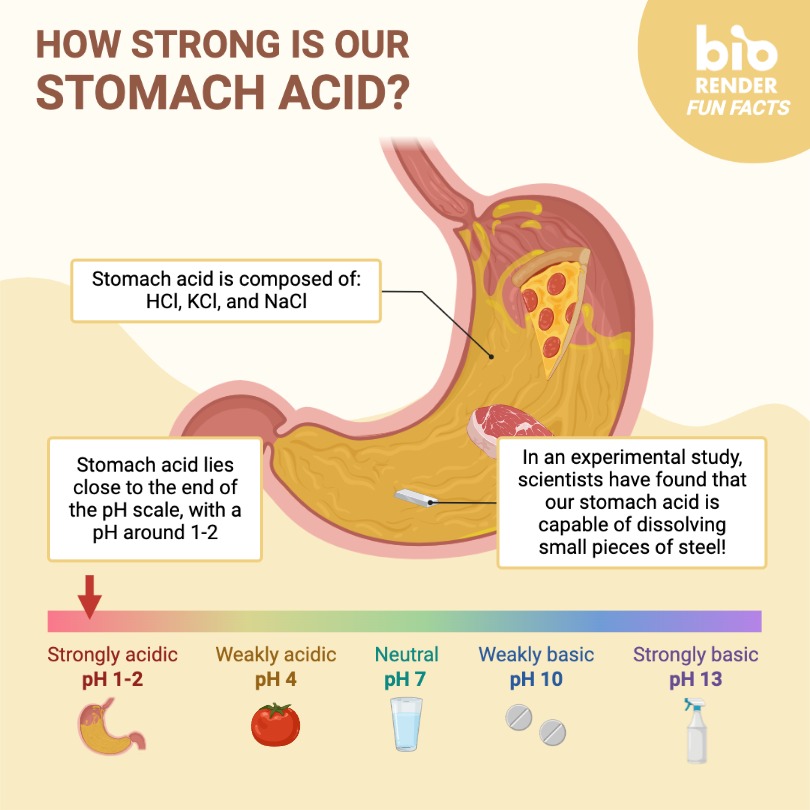
Once you eat, gastric pH changes as food mixes with ongoing stomach secretions.
In 1990, Dressman and colleagues measured a median fasting gastric pH of 1.7 in healthy young men and women. A 1993 study of 79 healthy older adults found a fasting median of 1.3.
What Does a pH of 1 or 2 Mean?
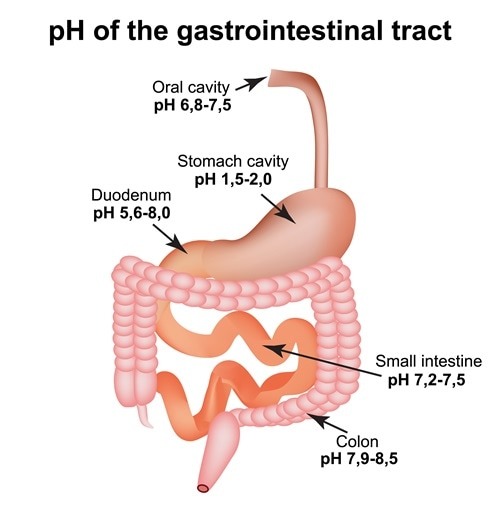
The pH scale is logarithmic, so pH 1 has about ten times the hydrogen-ion activity of pH 2. Pure water under standard conditions sits at pH 7, far above both.
A lower pH means more acid. Hydrochloric acid (HCl) counts as a strong acid because it dissociates extensively in water. The pH you measure also reflects the mixture the acid is in, including how concentrated or buffered the fluid has become.
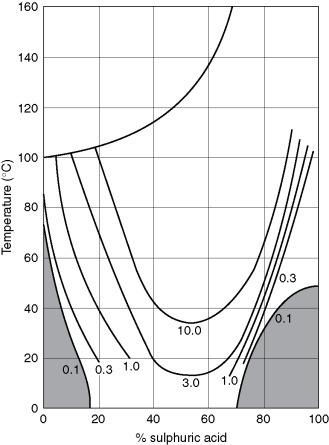
Some battery electrolytes contain sulfuric acid. Gastric contents are an aqueous mixture of hydrochloric acid, salts, and digestive substances; two liquids with similarly low pH can react differently with the same material.
A tenfold difference in hydrogen-ion activity does not mean an object loses ten times as much mass. So when someone calls an acid stronger, ask whether they mean a lower pH or a measured reaction with a specific material.
What Is Stomach Acid Made Of?
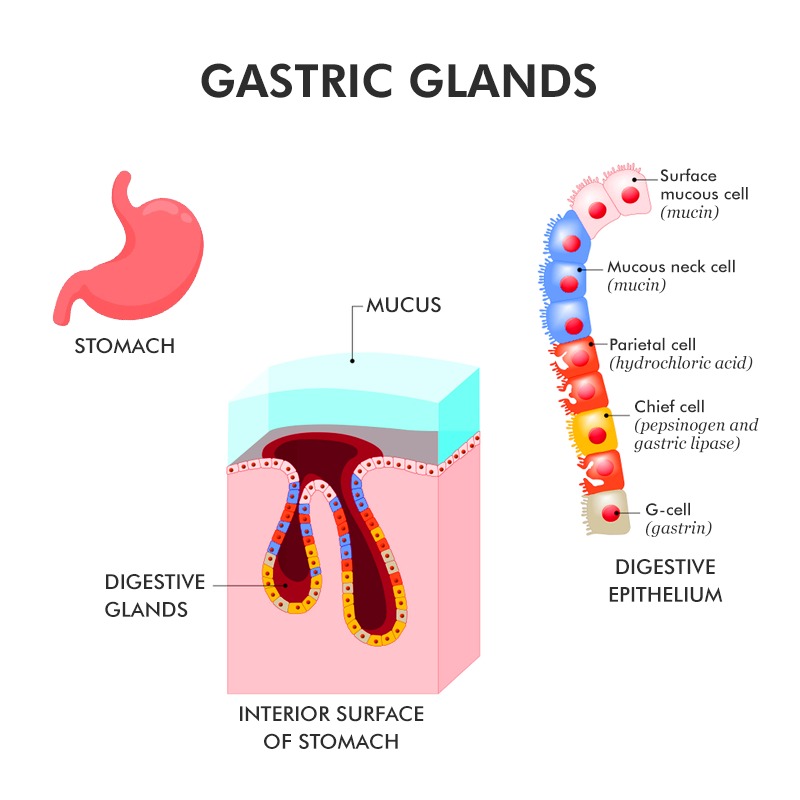
Gastric juice is a watery secretion of hydrochloric acid, electrolytes, and digestive substances. Parietal cells secrete HCl and intrinsic factor.
Chief cells release pepsinogen, the inactive precursor of the protein-digesting enzyme pepsin. Other mucosal cells add mucus and bicarbonate to the stomach's defenses. Once a meal arrives, the secretions mix with food and drink, and the pH moves away from that of the original secretions.
How Does Stomach Acid Help Digest Food?
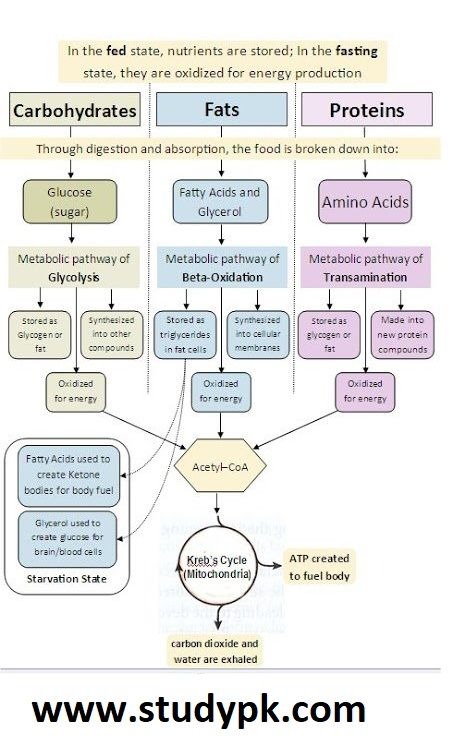
Stomach acid helps digest proteins by changing their structure and setting up the conditions pepsin needs. Proteins arrive as complex folded molecules, and acidity denatures them, which exposes more of each chain to digestive enzymes. Stomach acid, milk acidity, and the pH scale are separate things. For a gentler comparison, see the milk pH guide, which covers a less acidic food.
Pepsinogen turns into active pepsin in acid. Pepsin then cuts protein chains into smaller fragments.
Muscular contractions churn food with the stomach's secretions into a partly digested mixture called chyme. Chyme passes into the small intestine, where further enzymatic digestion occurs and much of nutrient absorption takes place.
Acid makes the stomach an unfavorable place for some microorganisms swallowed with food, but it does not sterilize every meal or eliminate every pathogen or toxin.
Does Stomach Acid Get Weaker After You Eat or Drink?
Yes. Food temporarily buffers stomach acid, which raises the pH. Acid secretion continues during digestion, so acidity keeps changing as food is mixed, processed, and emptied.
A 1990 study by Dressman and colleagues tracked gastric pH in healthy young adults after a standardized solid-and-liquid meal. Russell and colleagues measured a different group of healthy older adults in 1993.
| Study population | Condition | Median gastric pH |
|---|---|---|
| Dressman et al., 1990; healthy young adults | Fasting | 1.7 |
| Dressman et al., 1990; same study | Brief peak after a meal | 6.7 |
| Russell et al., 1993; 79 healthy older adults | Fasting | 1.3 |
| Russell et al., 1993; same older cohort | During a meal | 4.9 |
| Russell et al., 1993; same older cohort | Post-meal peak | 6.2 |
In the young-adult study, pH returned toward its fasting value within two hours. In the older-adult study, where the mean age was 71 ± 5 years, most participants returned toward pH 2 within four hours. These were measurements after specific meals, not a timetable for every person.
Food and drinks dilute or buffer the fluid already in the stomach, while new secretions restore acidity. An alkaline drink therefore enters a changing mixture. Its effect varies with the drink's amount and composition, the food already present, and ongoing acid secretion.
Can Stomach Acid Dissolve Metal or Other Objects?
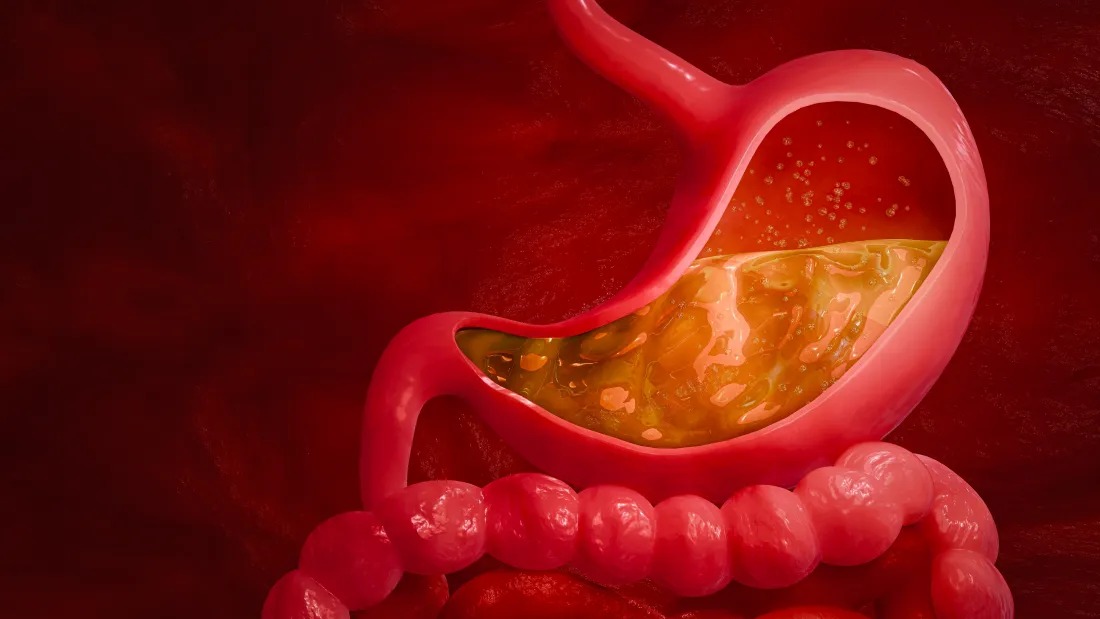
Stomach-like acid corrodes some metals, and the results differ by object.
In a 1997 laboratory experiment, researchers exposed metal objects to simulated gastric juice at 37°C (98.6°F). The mixture contained 2.0 grams of pepsin per liter of 0.1 N hydrochloric acid.
The 1997 study in Gastrointestinal Endoscopy recorded different results for the tested objects:
| Tested object | Exposure | Observed result |
|---|---|---|
| Double-edged razor blades | 12 hours | 83% of original mass remained |
| Double-edged razor blades | 24 hours | 63% of original mass remained |
| Tested pennies | Under the experiment's conditions | No observed change |
Laboratory corrosion does not tell you how long a swallowed object would stay in a person's stomach or whether swallowing it would be safe.
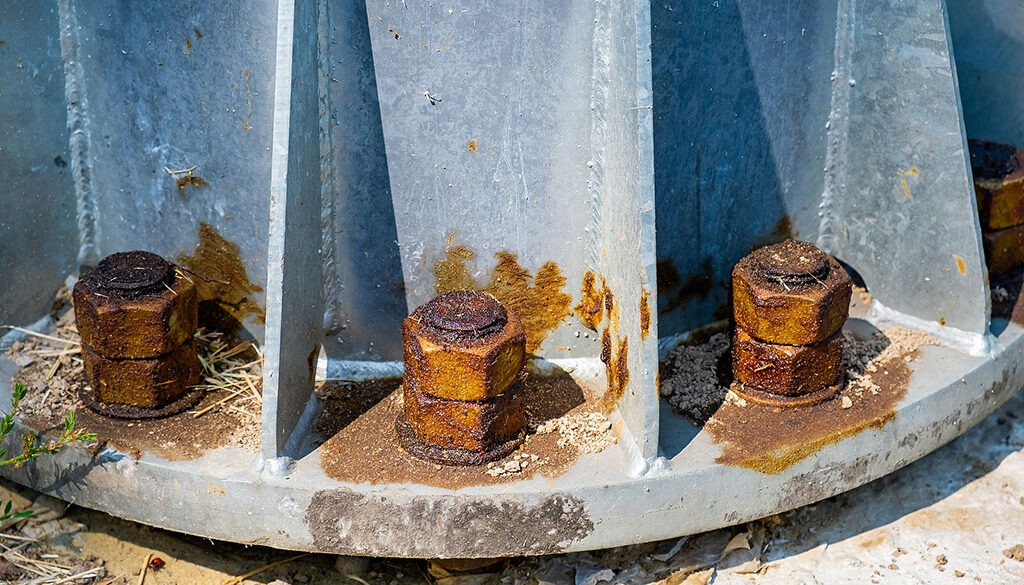
Corrosion, digestion, and passage are three different processes. Corrosion is a chemical reaction that changes or removes part of a material. Digestion is what acids and enzymes do to food. An object can also travel through the gastrointestinal tract without being digested at all.
Dangerous swallowed objects require urgent help. Sharp objects and button batteries cause serious injury. A button battery lodged in the esophagus generates hydroxide through an electrical reaction and causes a severe alkaline burn. If a button battery may have been swallowed, seek emergency medical help immediately. In the United States, call the National Battery Ingestion Hotline at 1-800-498-8666 or Poison Control at 1-800-222-1222; see the National Capital Poison Center guidance.
Why Doesn't the Stomach Digest Itself?
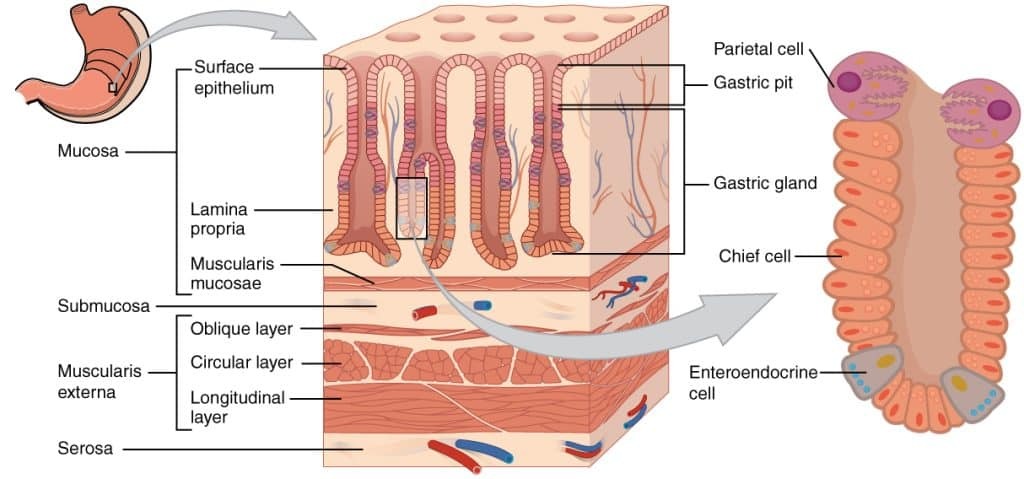
The stomach protects its lining with mucus, bicarbonate, and living tissue defenses. The acid in the middle of the stomach is strong, but the surface of the lining sits in a different chemical environment.
Adherent mucus forms a gel over the gastric epithelium. Bicarbonate neutralizes acid within this layer and creates a pH gradient: the epithelial surface stays near neutral even when the gastric contents are strongly acidic. That protection is local to the tissue surface.
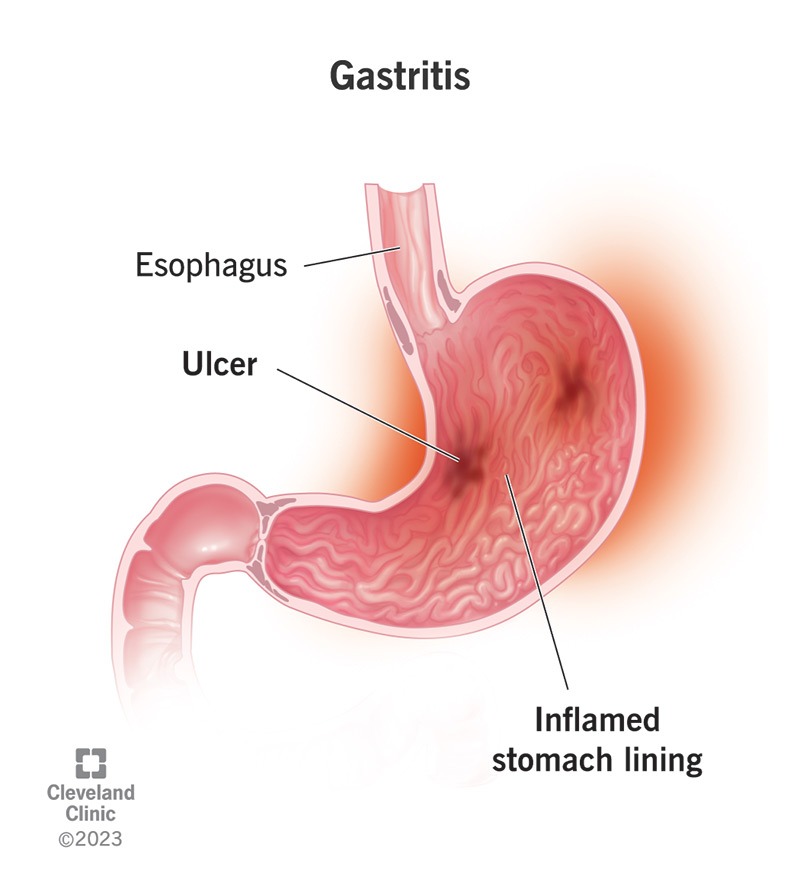
The mucus layer also limits pepsin's access to the epithelial tissue. Intact cells, blood flow in the mucosa, and ongoing repair back this up. The Allen and Flemström review of the mucus-bicarbonate barrier describes protection against both acid and pepsin.
This protection works between meals and while you sleep. Disease can weaken it, and the esophagus has a different protective environment, so acidic contents that reach it during reflux can irritate or injure the tissue.
Does Stomach Acid pH Explain Heartburn?
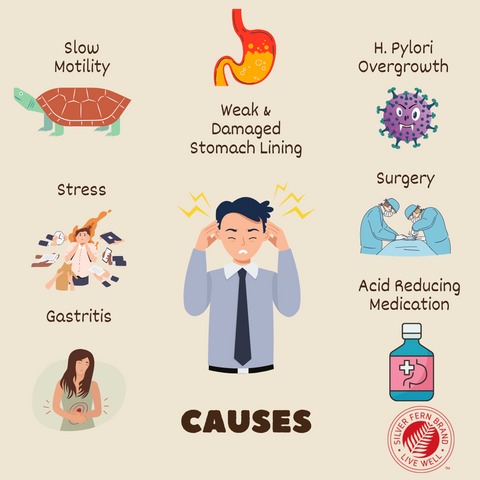
Knowing the usual fasting pH cannot tell you why someone has heartburn, reflux, or digestive discomfort. Reflux means stomach contents entering the esophagus, and medications, medical conditions, and individual circumstances also affect gastric acidity. See a qualified healthcare professional for persistent or concerning symptoms.