
What Is the pH of Milk? Normal Range, Testing, and What It Means
Ordinary fresh cow's milk is slightly acidic, usually around pH 6.6 to 6.8, with about 6.7 commonly cited for measurements near 25°C (77°F). That number, by itself, is not a test of whether milk is safe to drink.
What Is the pH of Whole Milk?
On the pH scale, which measures hydrogen-ion activity, 7 is neutral at 25°C. Numbers below 7 are acidic; numbers above it are alkaline.
The Tetra Pak Dairy Processing Handbook gives a normal cow's milk range of 6.6 to 6.8, averaging approximately 6.7, at about 25°C. Individual samples differ.
These figures cover ordinary cow's milk, including whole milk; yogurt, other fermented dairy products, and plant-based drinks have different compositions and need different reference values.
Why Published Milk pH Ranges Differ
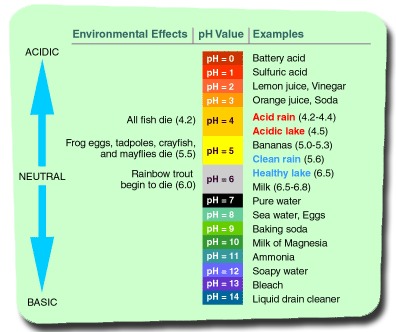
One source gives milk a pH of 6.3 to 6.8, another 6.6 to 6.8. The gap comes from the samples and the reference conditions.
The University of Florida IFAS food-acidity guide lists milk at 6.3 to 6.8. The University of Guelph's discussion of milk's physical properties gives approximately 6.5 to 6.7 at 25°C.
A reference table may cover a broad food category, a particular sample, or milk measured under specific conditions, and composition, processing history, and measurement technique all shift the result. Temperature alone moves it: in one series published by Tetra Pak, milk measured pH 6.64 at 20°C and pH 6.55 at 30°C.
To compare your reading with a reference, match three details: the kind of milk tested, the measurement temperature, and the instrument or method used. Milk acidity, heating, and cooking temperature are distinct measurements; the milk-boiling-point guide explains the heat side.
Why Milk Resists Acid and Sometimes Curdles
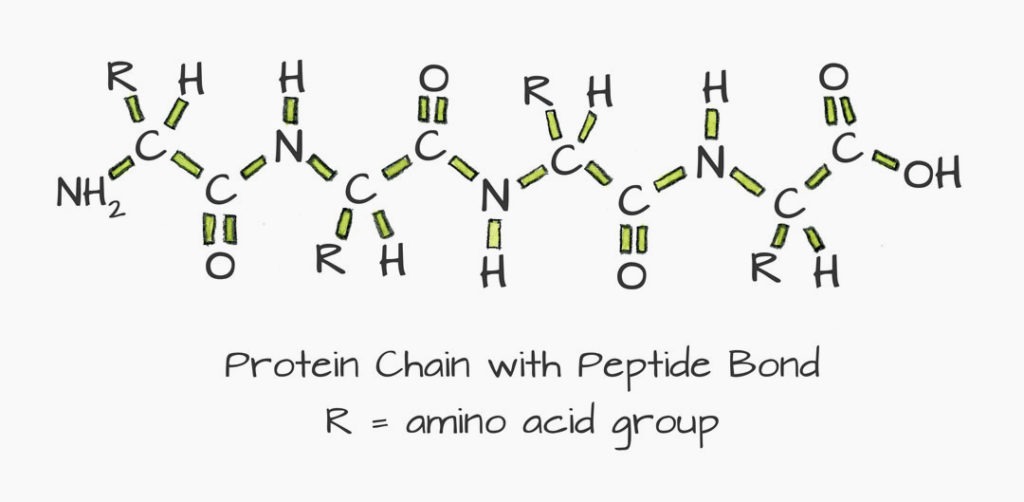
Milk has a natural buffering system. Its proteins and dissolved minerals absorb or release hydrogen ions, which softens pH changes when acid is added.
Casein proteins, phosphates, and citrate do much of this work. That is why adding a little acid to milk doesn't produce an immediate, proportional drop on a pH meter.
Buffering has limits. In fermentation, microbes turn lactose into acid, mostly lactic acid. As the milk gets more acidic, the proteins and minerals interact differently and the milk thickens or curdles. Heat, protein condition, and the extent of acidification all shape the final texture.
A home cook in r/foodscience ran into a strange version of this problem while making golden milk.
I just tried making golden milk and made golden...ricotta? instead.
So, I put 300ml of whole pasteurized milk, and 150ml of water into a sauce pan. While the mixture was slowly coming to a simmer I added 1/2tsp of ground turmeric, 1 whole clove, 1 whole green cardamom pod and a chunk of star anise...star. I also added a couple of tbsp of minced ginger.
The mixture came to a simmer and then the milk solids curdled. The only thing I did differently tonight was that I used this wooden spoon which was thoroughly washed after it's previous use which I can't remember what it was.
Acid + heat curdles milk, right? That's how you make ricotta and bunch of other cheese, I am not an expert.
But what happened here? There was no acid added, at least not on purpose.
Could it be that the spoon had soaked in some acid from previous use? But how much acid did it had to soak up to be able to do this?
I do apply my wood balm (4parts mineral oil + 1part bees wax) to my wooden utensils. And I know honey is slightly acidic, but is it enough to makr the wax acidic which in turn made my spoon acidic which curdled my golden milk? Does anyone kniw what happened here? Thanks!
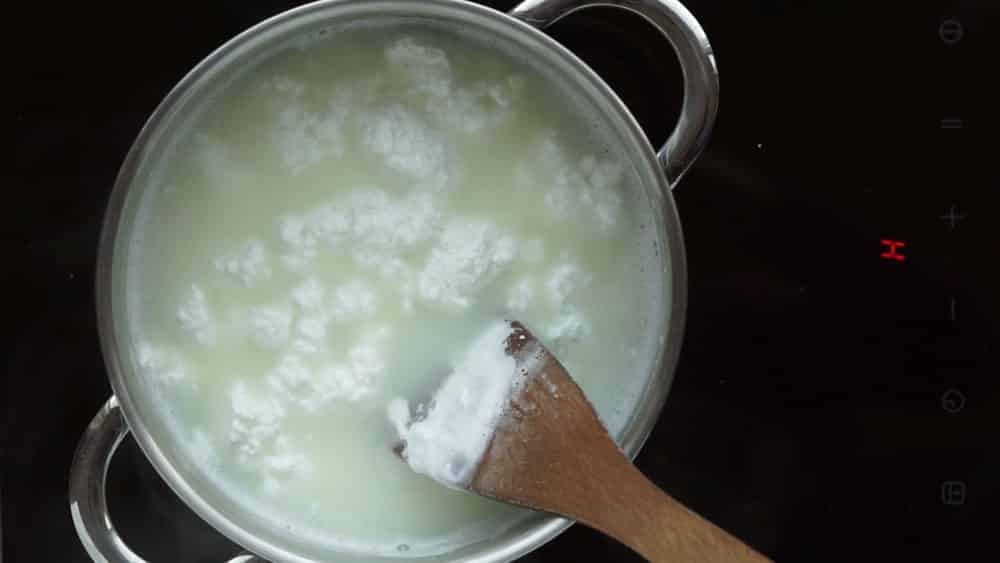
The cook suspected the wooden spoon. Fresh ginger also contains proteases that break down casein and coagulate milk. Nobody confirmed the cause of this batch.
The pH scale is also logarithmic: a one-unit difference means a tenfold difference in hydrogen-ion activity. In buffered milk, that doesn't translate into a tenfold difference in the volume of acid needed.
How to Measure Milk pH Without Trusting a Bad Number
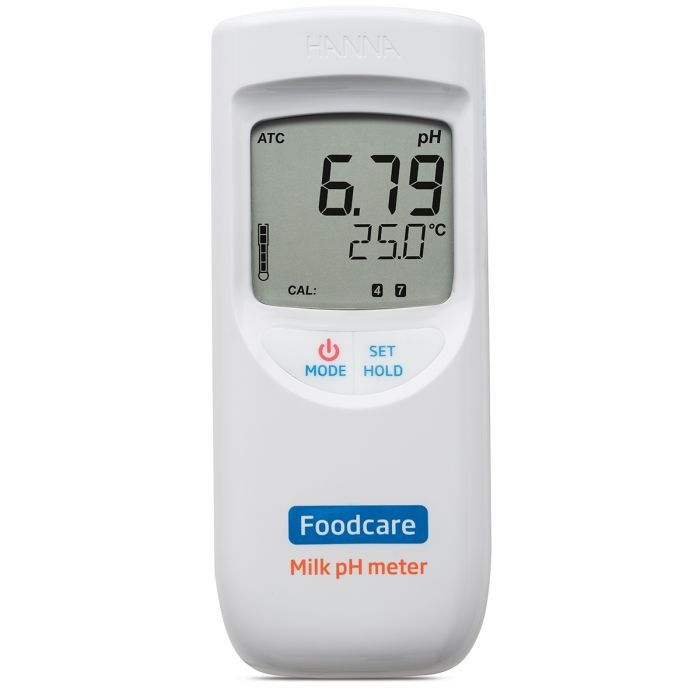
A working, calibrated pH meter is more precise than a broad color-change strip.
University of Florida IFAS describes food pH measurements at around 20 to 30°C using a calibrated electrode. Its calibration example uses standard pH 4 and pH 7 buffers.
One home cheesemaker described curds sitting in whey while the pH meter's reading wouldn't drop.
So a couple of days ago I had a pH meter malfunction. I was making a pasta fillata cheese and had left my curds to acidify by sitting in their whey. I was waiting for the pH of the whey to fall to 5,2 ish but my meter kept showing a reading nearer to pH 6 than 5, even after 16 hours! That should have been plenty of time for the pH to fall to 5,2! Eventually I tested my meter with a bit of vinegar and realised it was showing 1,5 points more than it should (3,5 pH for the vinegar, that should be more like 2).
While my curds were sitting in their whey, everytime I took a pH reading I also tasted the whey to see if I could taste its acidity. At about 13 and a half hours after I first started with acidification, I tasted some whey and I sensed a distinct sourness, compared to what it had been before. There was also a bit of carbonated fizz that could have enhanced the sourness, but the sourness was unmistakeable (I use kefir for a starter so some carbonation is to be expected). I think I might even be able to recognise it again, if it develops in my next cheese (well, the whey).
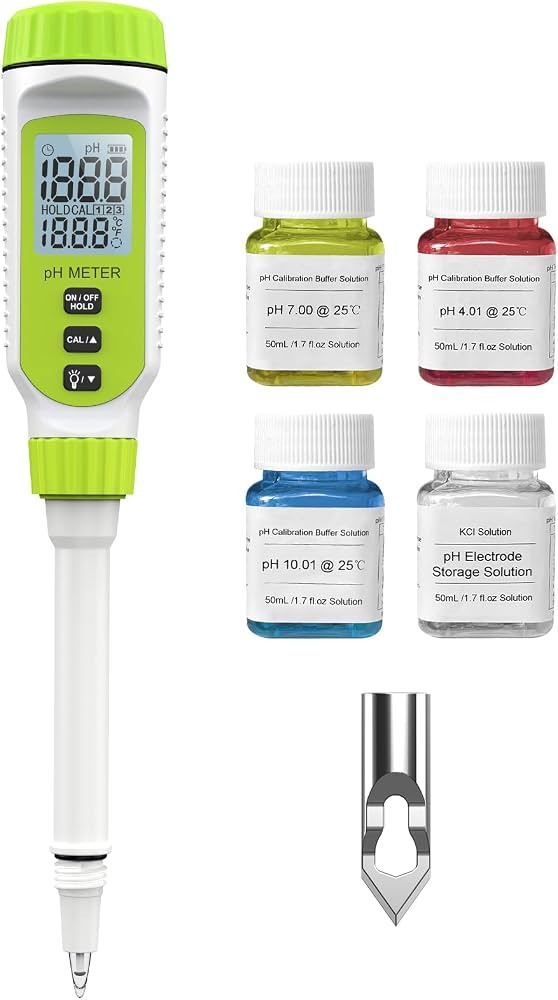
Nobody independently confirmed the meter error. Vinegar can't replace calibration buffers.
For a basic milk-pH measurement, follow this sequence:
- Calibrate the meter. Follow the instrument's instructions and use the standard buffers they call for, such as pH 4 and pH 7.
- Prepare and identify the sample. Record whether it is whole cow's milk, another processed milk, or a fermented product, along with the approximate temperature.
- Handle the probe correctly. Rinse, clean, and store it as the manufacturer instructs. Electrode care affects later measurements.
- Record a stable reading. Note the instrument, method, sample, temperature, and pH. Repeat the measurement if the result looks unexpected.
In a Merck Millipore comparison, visual pH strips returned a broad result of 6 to 7 for two UHT milk samples, while electrode measurements separated them at 6.58 and 6.62. Those decimals mean something only when the method supports that precision.
pH and Titratable Acidity Measure Different Things
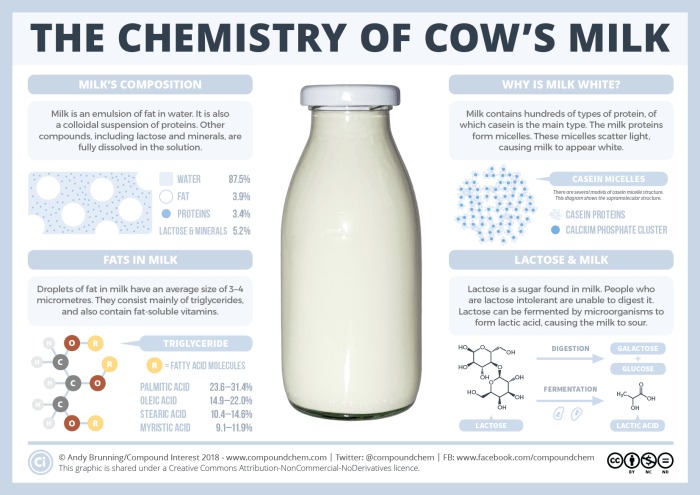
Two milk samples can have similar pH values while differing in how much acid they contain or how strongly they resist further change.
A pH meter measures hydrogen-ion activity at the time of testing. Titratable acidity, usually abbreviated TA, measures how much base it takes to bring a sample to a specified endpoint during titration.
The University of Guelph explains the difference through milk's buffering constituents in its dairy chemistry teaching material.
| Property | pH | Titratable acidity (TA) |
|---|---|---|
| Main question | What is the current hydrogen-ion activity? | How much base is needed to reach a specified endpoint? |
| Measurement | Calibrated pH electrode | Controlled titration |
| Result | Logarithmic pH value, without units | Method-dependent value, often expressed as lactic-acid equivalents in dairy |
| Influenced by | Hydrogen-ion balance, temperature, milk composition | Acids, proteins, minerals, buffering, titration endpoint |
| What the number tells you | How acidic the sample is right now | How the sample neutralizes acid under the test method |
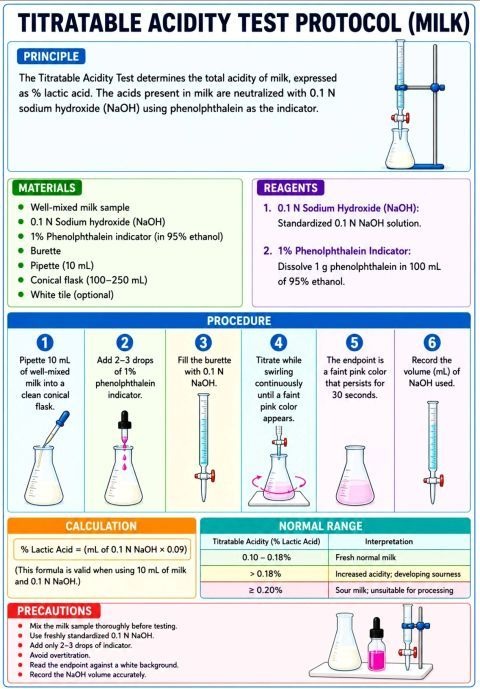
A report giving titratable acidity as a percentage of lactic-acid equivalents uses a different scale from a report giving pH 6.7. No fixed conversion factor turns one into the other for every milk sample. When you read a technical dairy document, check whether each number is pH or TA before comparing it with another value.
How Fresh Milk, UHT Milk, and Yogurt Compare
Fresh cow's milk and fermented yogurt have substantially different pH values because fermentation changes the product's chemistry. UHT milk is a separate processing category.
| Dairy product or condition | Reported pH | Source and context |
|---|---|---|
| Normal cow's milk at approximately 25°C | 6.6 to 6.8 | Tetra Pak typical reference |
| UHT milk, 1.5% fat | 6.58 | Merck Millipore electrode measurement |
| UHT milk, 3% fat | 6.62 | Merck Millipore electrode measurement |
| Natural yogurt, 1.5% fat | 4.4 | Merck Millipore electrode measurement |
| Natural yogurt, 0.1% fat | 4.3 | Merck Millipore electrode measurement |
| Yogurt, general food category | 3.8 to 4.2 | UF IFAS reference table |
The four processed-product readings come from Merck Millipore's pH measurement comparison, and each is a reading from a specific tested product.
Fermentation produces acid, which explains why the yogurt readings sit well below those for ordinary milk.
UHT stands for ultra-high-temperature treatment. The two tested milk samples differ by 0.04 pH units.
Can Milk pH Tell You Whether It Is Spoiled or Safe?
A normal pH reading doesn't show that milk is safe to drink. Safety depends on microbial contamination, processing, and storage, and a home pH measurement can't fully assess any of them. Acid development changes milk pH, and spoilage can produce visible or sensory changes, but the absence of an obvious change doesn't mean the milk is free of harmful microorganisms.
Controlled fermentation also differs from leaving ordinary milk out until it thickens or turns sour.
Raw milk can carry disease-causing microorganisms. The CDC's raw-milk guidance recommends choosing pasteurized milk and refrigerating milk at 40°F (4°C) or colder.
The pH value 4.6 appears in food-acidity classifications and specific food-processing contexts. It isn't a universal threshold at which milk becomes safe to drink.
For a real drinking-safety decision: Discard expired, spoiled, or otherwise suspect milk. Don't taste-test questionable milk or use a pH reading to clear it for consumption.
Milk pH, Body Acidity, and Boiling Are Different Questions
The pH of a glass of milk is a different measurement from dietary acid load and the body's regulated blood pH. It doesn't predict milk's boiling temperature either, and plant-based drinks need their own pH references.