
What Is the Boiling Point of Cow's Milk?
At standard sea-level pressure, ordinary cow's milk boils at 212.3°F (100.2°C), just above water's 212°F (100°C). In cooking, the recipe's heating stage matters: warming or scalding milk calls for a lower temperature than boiling it. Elevation and milk composition change the boiling point. When precision matters, check the milk with a food thermometer.
Why milk boils slightly above water
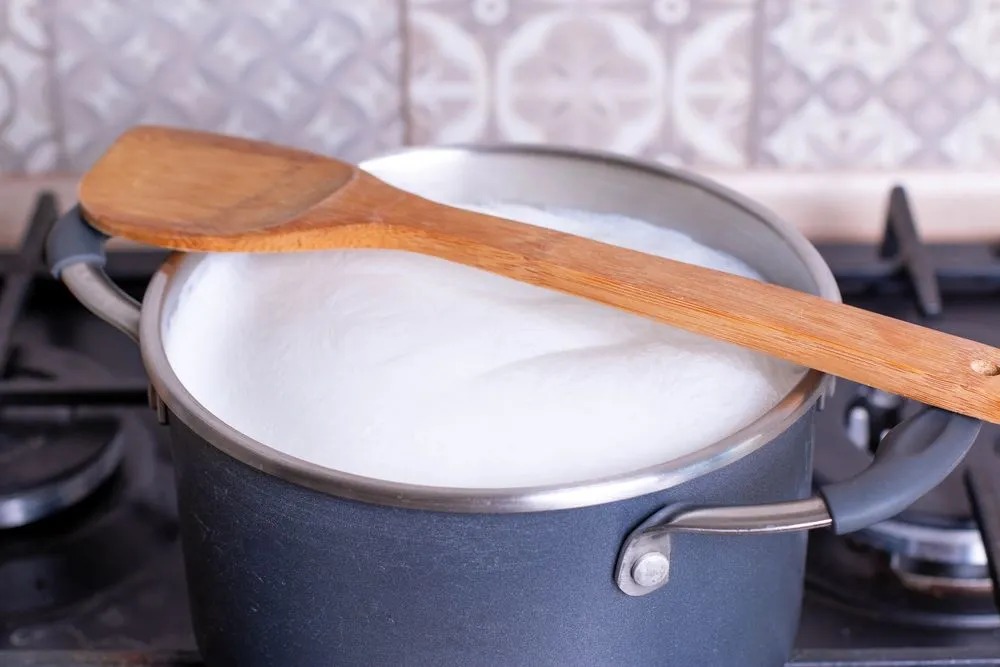
Milk contains dissolved lactose and mineral salts, so it boils at a slightly higher temperature than water. At standard atmospheric pressure of 760 mmHg, ordinary cow's milk boils at 100.17°C (212.3°F), according to Vernal S. Packard's dairy chemistry manual. Pure water boils at 100°C (212°F) under the same conditions.
A liquid boils when its vapor pressure matches the pressure around it and vapor bubbles form throughout; milk's fat globules and proteins affect its texture and foam during heating.
Steam and a few bubbles on the pan wall show up before the milk as a whole reaches a boil. The 100.17°C figure is a pressure-dependent average, and your milk and location can shift it a little.
Healthline gives 203°F (95°C) as milk's boiling temperature. The study it links to looks at microbiological and whey-protein changes in heated raw milk.
Packard's manual measures the physical boiling point at 760 mmHg and gives 100.17°C. Heating, pH changes and measured acidity are separate topics. The normal milk pH guide covers pH.
Scalding, simmering, and boiling mean different things
Scalding is a cooking step that usually stops well below milk's boiling point. In Food Network's scalding instructions, milk reaches 180 to 185°F (82 to 85°C), with steam and small bubbles near the edges of the pan.
| Heating stage | Temperature | What the cook sees |
|---|---|---|
| Warming | Depends on the recipe | Milk gets hot but doesn't boil |
| Scalding | 180 to 185°F (82 to 85°C) | Steam and small bubbles at the edges |
| Simmering | Not a fixed temperature | Gentle, steady bubbling; intensity depends on the dish |
| Full boiling | 212.3°F (100.2°C) for ordinary milk near sea level | Vapor bubbles form throughout the liquid; foam may hide them |
Scalding is a cooking convention, and recipes set their own endpoints. A simmer describes how gently a liquid bubbles, so when a recipe gives a temperature, follow it.
Overshooting matters when you're infusing milk with vanilla for pastry cream:
Almost every time I make some sort of custard in which I’m infusing the milk with vanilla bean or some other flavor, I leave the mixture on the stove while I’m prepping other things and it ends up reaching a full boil instead of scalding or at a bare simmer. I’m currently making pastry cream, and of course I turned around and the milk boiled over. Nevermind the mess and the loss in volume, does overheated milk have some effect on either flavor or texture of the final pastry cream, or negatively affect the infusion of the vanilla?
Heat changes milk proteins, and the result depends on the temperature and how long the milk stays hot. Some dishes boil milk on purpose to reduce liquid or develop flavor.
Why milk suddenly foams up and boils over
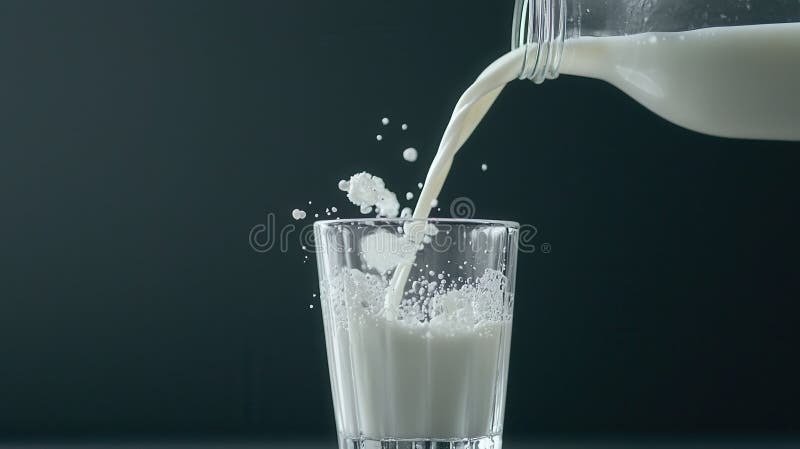
Milk proteins and similar compounds hold steam bubbles in place as the liquid heats. The bubbles build a foam layer that climbs the sides of the saucepan, sometimes fast enough to spill over the rim or into parts of an appliance where liquid should never go. How fast foam builds depends on the milk, the pan and the heat, so it tells you nothing exact about temperature. When the cap starts to climb, take the pan off the heat before it reaches the rim.
Why milk scorches before it reaches a full boil
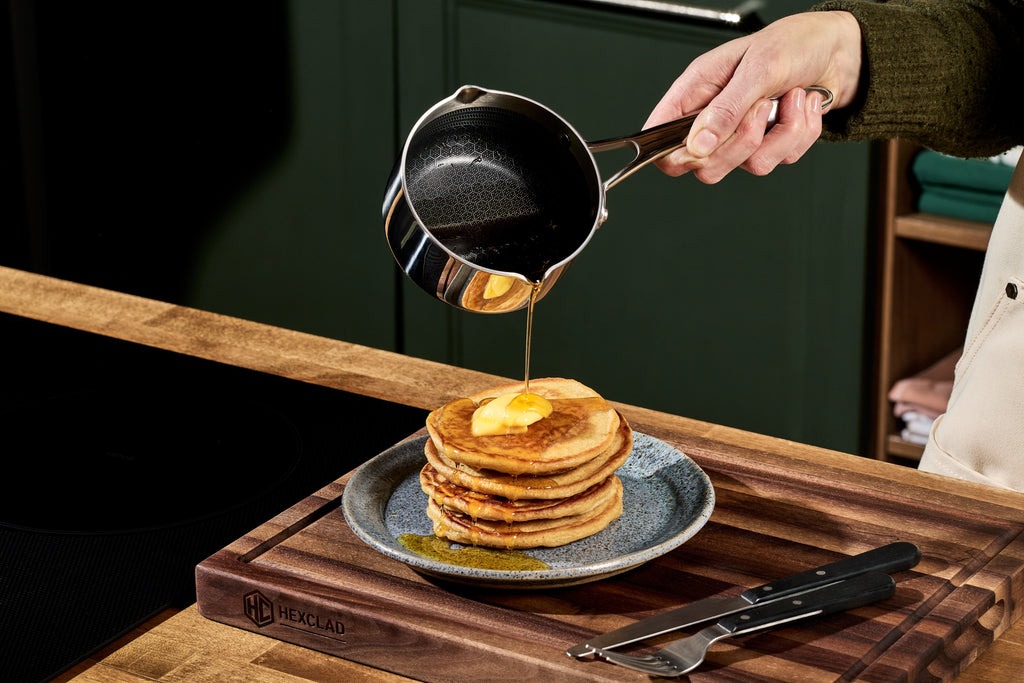
The metal at the bottom of a saucepan can be much hotter than the milk above it. Proteins and other milk solids collect against that surface, stick and develop a burned taste while the bulk of the milk is still below its boiling point. Foam forms at the surface; scorching happens against the hot metal.
Oil, water, medium-low heat and stirring every two minutes didn't stop one cook's milk from sticking:
I'm boiling milk and every time the milk scorches the bottom of the pot, I brush the bottom of the pot with oil almost like seasoning a cast iron and I add a little bit of water, I keep the flame on medium-low, and I stir it every 2 minutes or so, and yet I still get it sticking and burning to the bottom of the pan. Does anyone have any other techniques that actually work?
Two minutes is long enough for milk solids to sit on a hot patch of metal between stirs.
These choices limit scorching and overflow on the stovetop:
- Choose a clean, heavy-bottomed saucepan. Heat spreads more evenly, and extra room above the milk gives foam space to expand.
- Use moderate heat. A high flame makes the pan surface very hot before the milk as a whole reaches its target.
- Stay with the pan and stir. Keep the milk moving across the bottom, especially once it starts to steam.
- Turn the heat down as the milk nears its target. Pull the pan off when it gets there.
- Use a double boiler for gentler warming or scalding. The water underneath stays near water's own boiling temperature, so it can't bring milk to its slightly higher boiling point.
A skin forms on top as evaporation concentrates milk components at the surface. If the bottom layer burns, don't stir it back in, or the burnt flavor spreads through the dish.
How to tell when milk has reached the right temperature
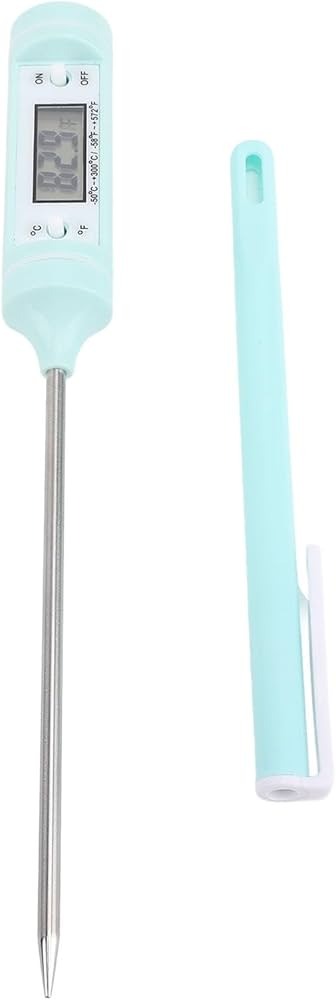
To hit an exact recipe target, measure the milk with a clean food thermometer. Hold the probe in the middle of the liquid, as its instructions say, clear of the pan bottom, and compare the reading with the temperature the recipe calls for.
On an appliance, a setting labeled boil finishes at whatever temperature its programmed cycle produces.
One yogurt maker measured the milk after an Instant Pot heating program:
After 2 successful batches I decided to see what temp the boil setting on my instant pot was bringing my milk up to...
The probe which I calibrated myself read 138F or so...
So I used saute button to bring it up to 180...
What resulted was certainly less watery after 8 hours but it also left my inner pot with a thick film of burnt milk 😅
I think this is why the instant pot likely doesn't go up to 180... To avoid this from happening.
I sent the batch into the strainer right away and my whey is also darker I'm assuming this is due to the caramelization of the burnt sugars near the bottom.
I'm wondering if anyone else has observed this... Any tips for cleaning the bottom?
Those 138°F and 180°F readings come from one person's setup, not Instant Pot specs.
Why altitude and concentrated dairy change the number
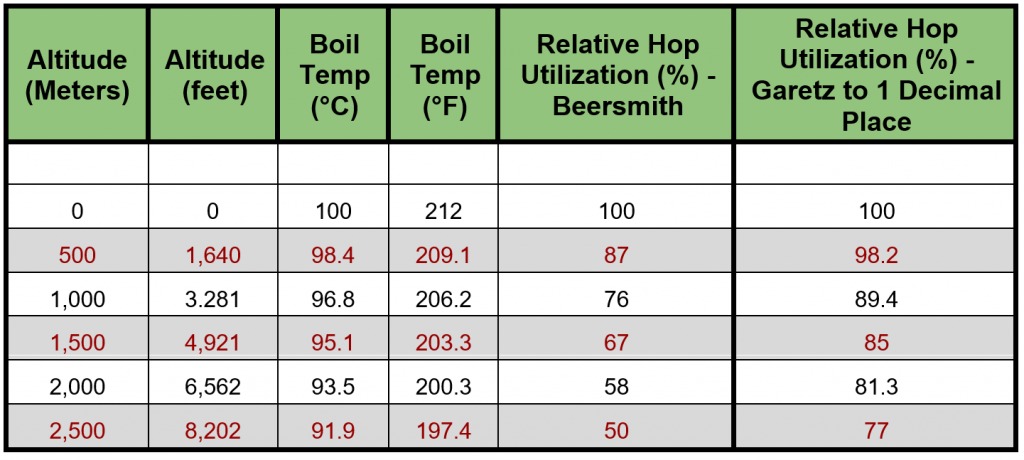
Air pressure drops as elevation rises, so liquids boil at lower temperatures. More burner heat shortens the time to boiling, but it can't restore the surrounding air pressure.
These water boiling points come from Colorado State University Extension's high-elevation guide, and they show how pressure changes the number.
| Elevation | Water boiling point |
|---|---|
| Sea level | 212°F |
| 2,000 feet | 208°F |
| 5,000 feet | 203°F |
| 7,500 feet | 198°F |
| 10,000 feet | 193°F |
At 5,000 feet, water boils 9°F below its sea-level temperature. Milk follows the same trend, though its exact value also depends on composition.
Colorado State University Extension gives atmospheric pressure of 14.7 psi at sea level and 12.3 psi at 5,000 feet.
Concentration changes the number too. Packard reports 212.79°F for evaporated milk and 217.8°F (103°C) for sweetened condensed milk under the manual's reference conditions. Those products hold different proportions of water and dissolved material than ordinary fluid cow's milk.
Is boiling necessary to make milk safe?
Commercially pasteurized milk needs no extra full boil for safety. Pasteurization holds milk at set temperatures for set times to control harmful microbes.
Oregon State University Extension gives a home method of 161°F (71.7°C) for 15 seconds followed by rapid cooling, and a longer one of 145°F for 30 minutes.
The FDA's raw-milk guidance warns that unpasteurized milk can carry harmful pathogens, including Salmonella, E. coli and Listeria. Heating milk that is already spoiled or has been handled unsafely won't reliably rescue it.
For milk you're keeping for later, FoodSafety.gov advises refrigerating perishables within two hours, or within one hour if the surrounding temperature is above 90°F. Keep the refrigerator at 40°F or below.