
What Is Toe Jam? Causes, Cleaning, and Warning Signs
“Toe jam” refers to the fabric fibers, shed skin, dirt, and moisture that collect between the toes. If it's loose lint, dirt, or shed skin and the skin underneath looks and feels normal, wash gently, dry thoroughly, and wear clean socks. If the skin is cracked, peeling, persistently irritated, painful, swollen, or draining, see a doctor instead of scrubbing harder.
What Is Toe Jam Made Of?
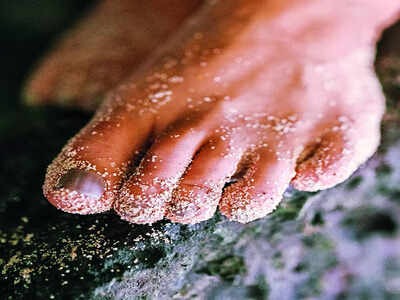
“Toe jam” is a casual term for several kinds of buildup, not a diagnosis. Depending on the day, it can look like fuzzy lint, tiny dark specks, damp residue, or crumbly flakes.
Socks shed fibers, skin sheds cells, and sweat makes loose debris cling to the folds between your toes. Dirt joins in, especially after a day in open shoes.
The narrow folds where neighboring toes meet are called toe webs. Take off dark socks and you might find little clumps caught between your fourth and fifth toes: fabric lint mixed with skin debris.
Toe Jam or Irritated Skin? How to Tell What You're Seeing
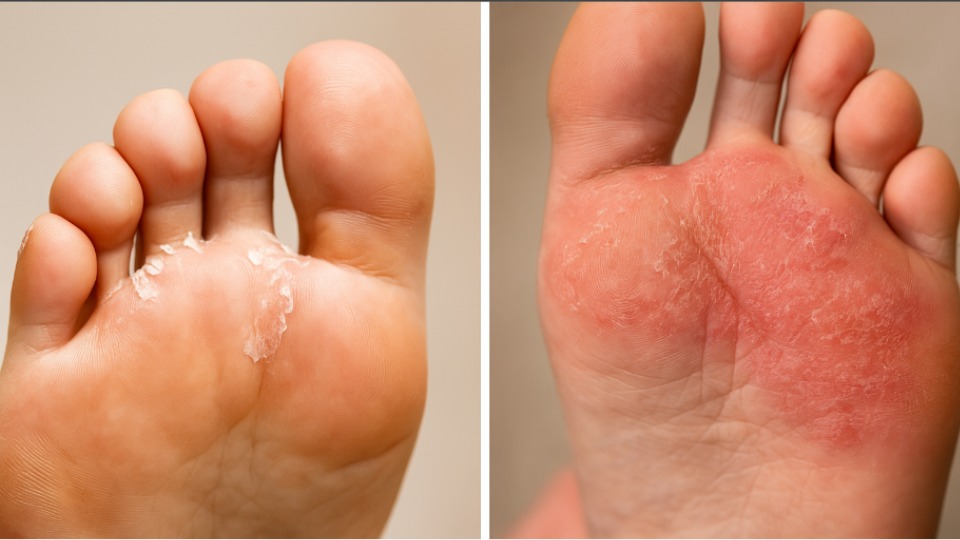
The key question is whether you're looking at loose debris on the skin or a change in the skin itself. Sock fuzz is one thing. A crease that stays cracked or soggy once the debris is gone is another. Use the table as a rough guide; only a clinician can confirm a fungal or bacterial infection.
| What you notice | Likely cause | What to do |
|---|---|---|
| Loose fuzzy fibers or specks | Sock lint, dirt, or other removable debris | If the skin underneath is intact and comfortable, normal washing is enough. |
| Dry flakes in a crease | Shed skin mixed with debris, sometimes with irritation | Watch for peeling or itching that doesn't stop. |
| Pale, softened, soggy-looking skin | Moisture-softened skin, called maceration | A lasting skin change needs more than surface cleaning. |
| Recurring cracks, itching, or inflamed skin | Skin conditions, including infection or irritation | See a doctor if it keeps coming back. |
| Swelling, painful sores, or discharge | A skin problem that needs a doctor | See a doctor soon. |
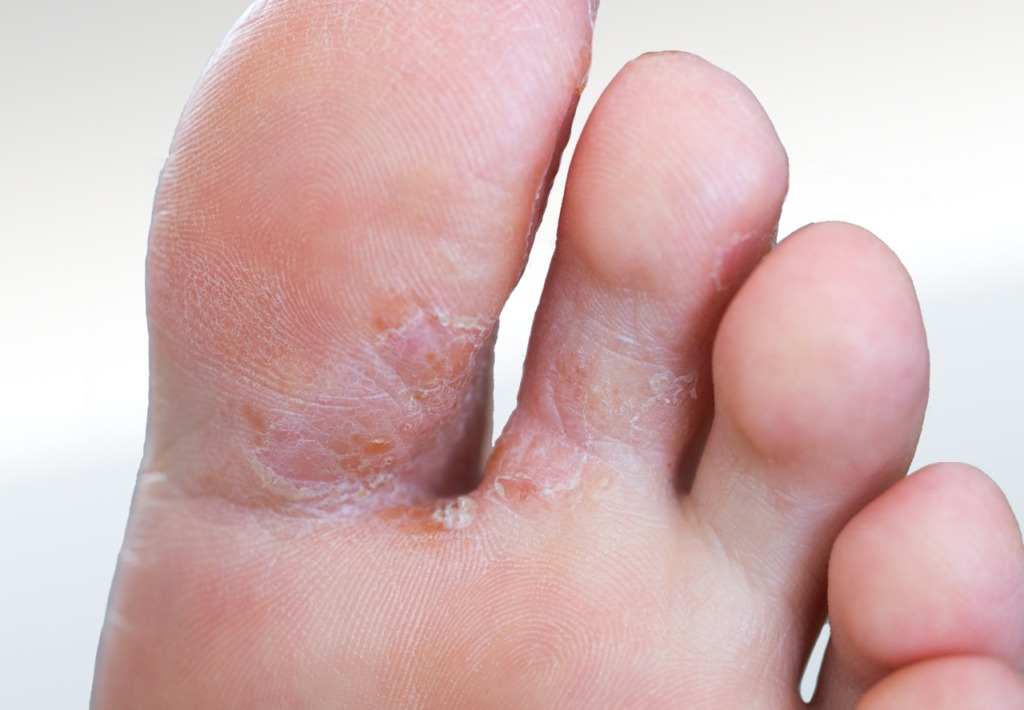
Athlete's foot, medically called tinea pedis, can cause itching, peeling, flaking, and cracks between the toes. The National Library of Medicine's MedlinePlus guide describes these symptoms and the examinations clinicians use when needed. Eczema, contact dermatitis, and psoriasis can also cause flaking or irritated skin between the toes.
Why Buildup Forms and Comes Back After Washing
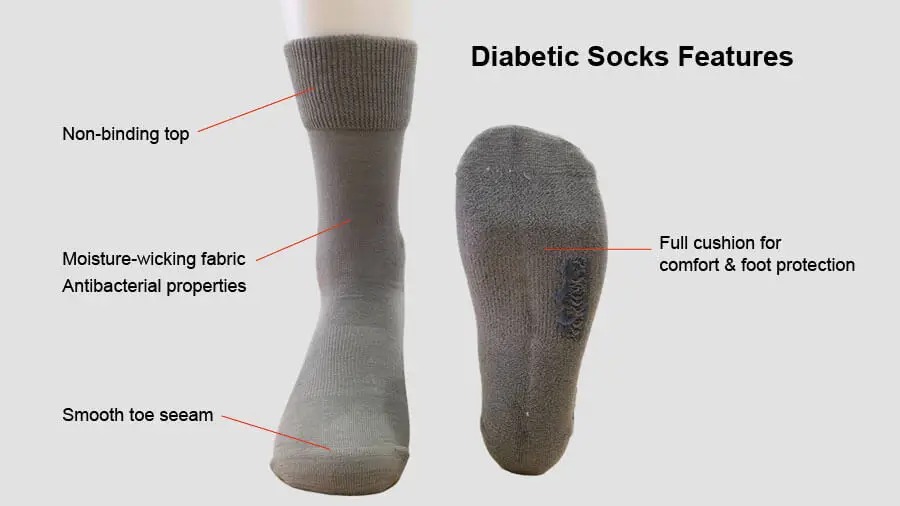
Washing clears what has built up so far. It doesn't stop your skin from shedding, your socks from releasing fibers, or your feet from sweating later in the day. You can shower in the morning and still find dark specks and damp skin between your toes by evening.
Closed shoes hold moisture near the skin; open shoes let in more dirt. Sweat changes how debris behaves: dry lint brushes off, while moisture makes fibers and flakes stick together in a crease.
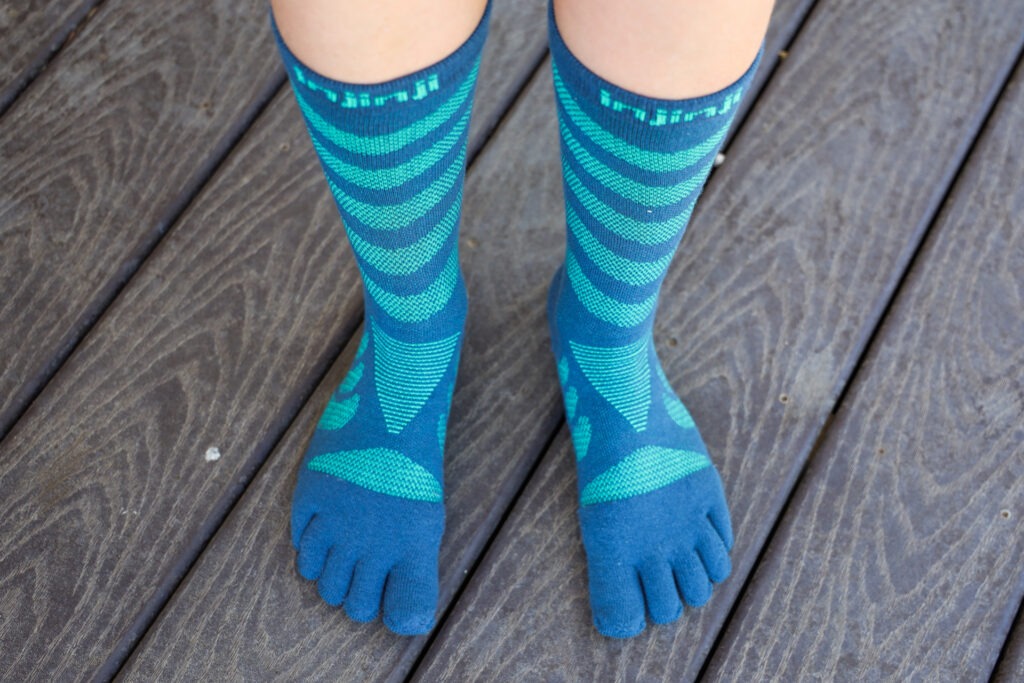
Check which socks, shoes, or sweaty days it follows if buildup keeps coming back. If it returns along with ongoing skin changes, see the medical advice section below.
How to Clean and Dry Between Your Toes
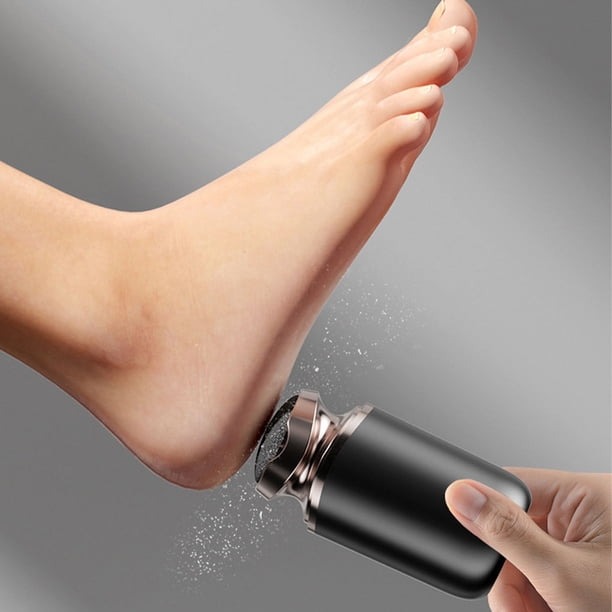
The CDC's foot-hygiene guidance recommends washing your feet every day and drying them completely. To clean between the toes:
- Wash gently. Use water and soap or a gentle cleanser, including the creases where toes meet.
- Rinse away loose debris. Don't scrub hard, use sharp tools, or pull at skin that is still attached.
- Dry every toe space. Pat with a clean towel, especially where the folds hold moisture.
- Leave damaged skin alone. Don't scrape a painful crack, raw patch, or open sore clean. Leave flakes on tender skin alone too.
An r/hygiene discussion began with a question about washing between the toes at every shower:
just for fun :)
a drunk guy was telling a few people who were sitting on the same porch as him (me included) about washing in between his toes every shower. not sure how he got there, but this was about when i started paying attention hahaha my friend seemed stunned, asking me if that’s something that’s normal and if i do that too. i found this all so funny so i wanted to throw the question to reddit.
who does and doesn’t wash between their toes every shower/bath and why?
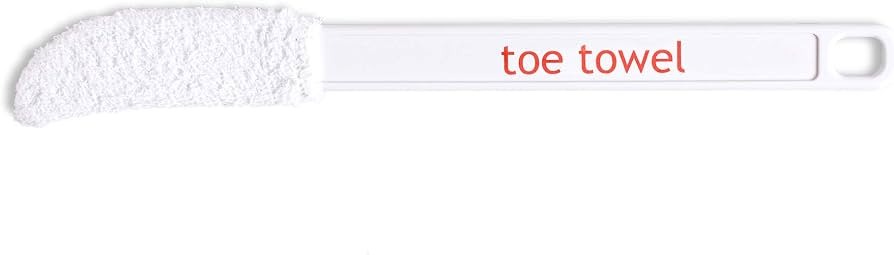
If you have diabetes, the CDC recommends warm water, because hot water can injure skin when sensation is reduced. Its diabetes foot-care instructions also say to keep lotion out of the spaces between toes.
Keeping Socks and Shoes From Staying Damp
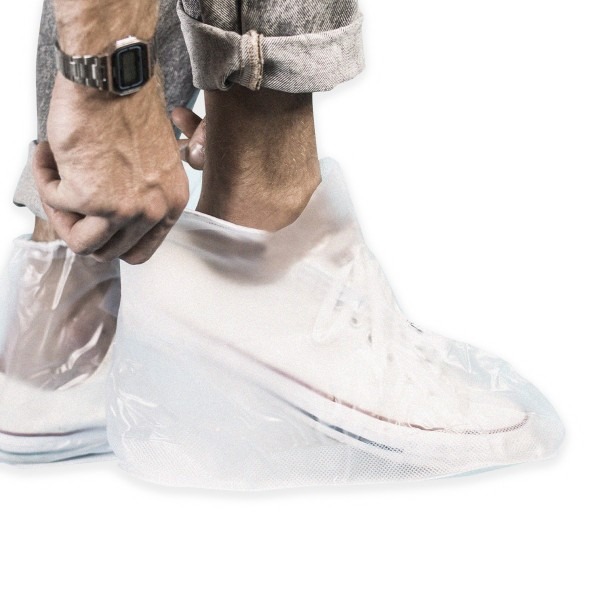
Clean, dry socks and footwear shorten the time moisture stays trapped around your toes. For shoe fit and size changes, see the foot-growth timeline.
- Start with clean socks. The CDC recommends changing socks at least once a day.
- Change wet socks sooner. Sweat-soaked fabric keeps moisture against the skin.
- Let damp shoes dry. Wearing wet shoes again keeps your feet in the same damp conditions.
- Pick comfortable shoes that don't trap moisture. Open shoes still let in dirt.
In a pool locker room or shared shower, the American Academy of Dermatology recommends wearing protective footwear on wet communal surfaces.
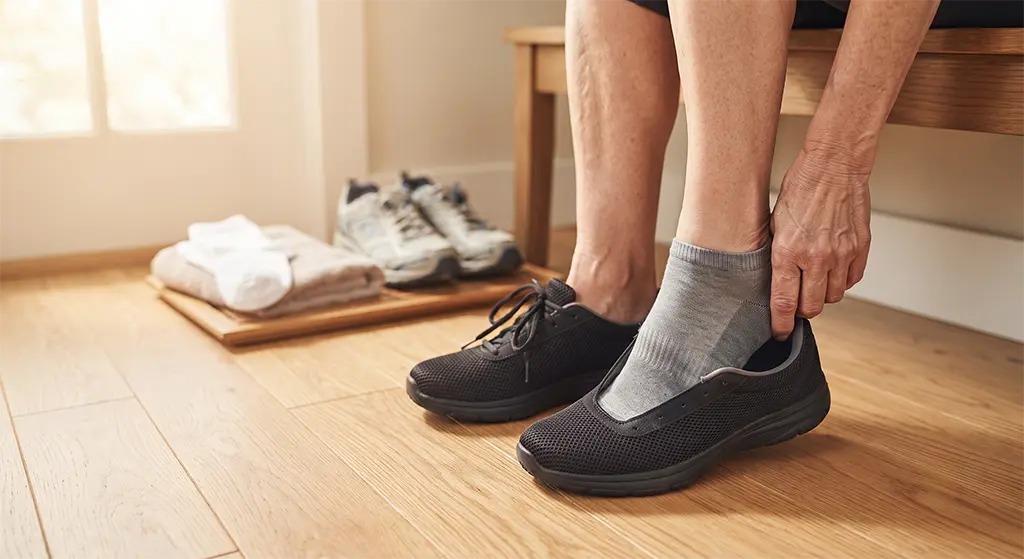
Sock lint doesn't need sprays, powders, or specialty products.
Why Feet Smell
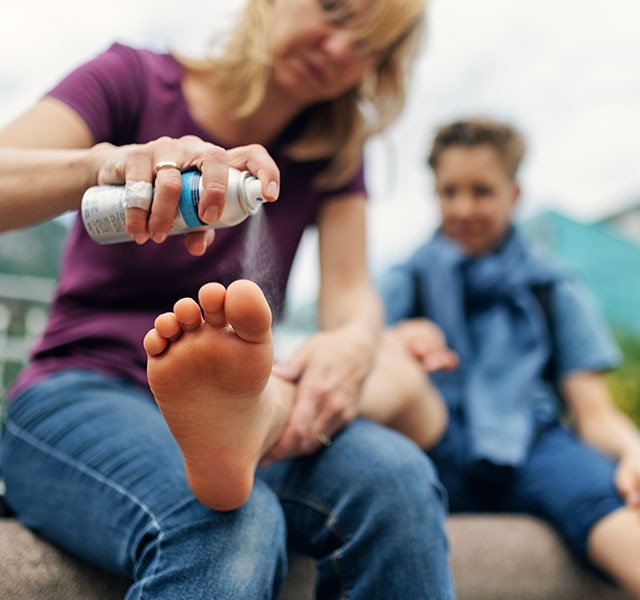
Foot odor develops when sweat, skin debris, and microbes interact. Bacteria break down substances on the skin and release smelly compounds. Damp feet and closed shoes make it stronger, and it can return soon after a wash.
Neither smell nor debris color tells you which fungus, bacterium, or infection is involved. The 2026 specialist guideline on infected toe webs discusses odor in the context of damaged, inflamed skin.
Is Buildup Under a Toenail Also Toe Jam?
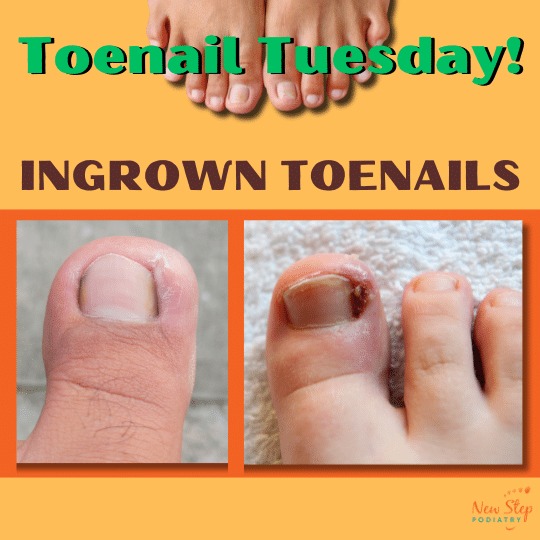
No. Toe jam collects in the folds between neighboring toes. Buildup under a nail sits at or beneath the nail edge, and thickening, discoloration, or crumbling there needs a separate check. Don't dig or scrape under a nail while cleaning between your toes.
When to Get Medical Advice About Toe-Web Buildup
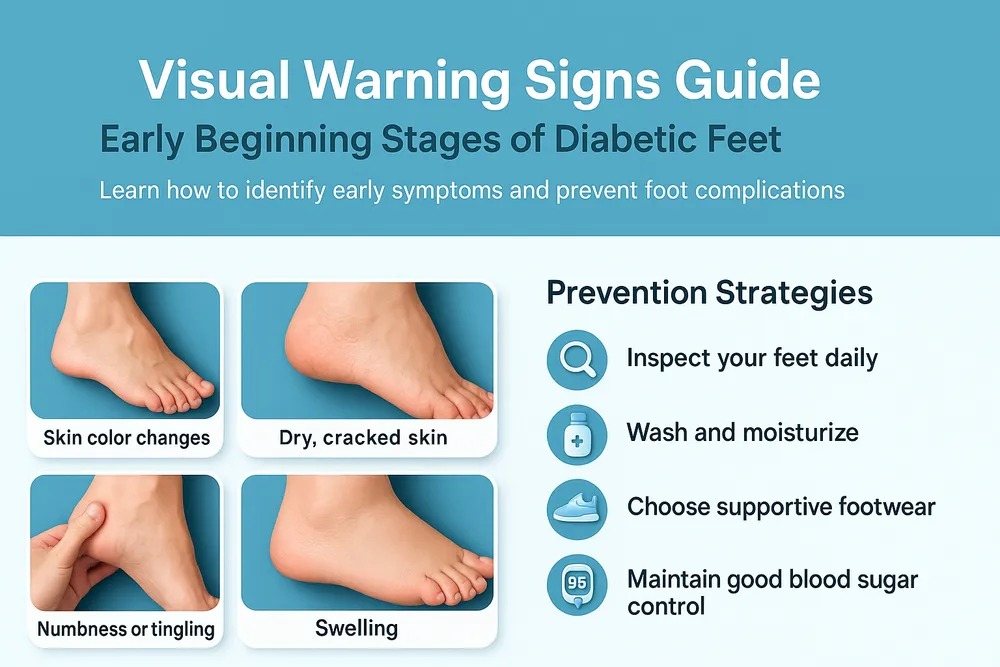
Go by the skin, not by how much debris there is. If symptoms last or get worse, see a doctor.
One writer in r/tifu lived with cracked toe webs for years and took it for dry skin. The turning point came after reading another person's account:
Coincidentally, while doomscrolling, I was recommended on Reddit a post of someone whose toe webbing cracked just like mine. Everyone in the comments was saying it was athlete's foot. And I thought, "It can't possibly be athlete's foot. I wash my feet. I don't go barefoot outside. I've had this for ages. All of the pictures online of athlete's foot look absolutely horrible and totally different from the minor cracks between my toes."
But the idea lingered in my mind. I looked it up, you can just buy Lamisil cream at the store. It's not that expensive. It's not that expensive if it means this will never happen again. So I bought some, totally thinking I was wasting my time. I religiously put it on my dawgs every evening. I dried in-between my toes after I showered, even though I thought it was pointless and would just dry on its own. It honestly looked worse after I started.
The skin between my toes peeled where it had cracked before. . . . But it wasn't cracking that week.
I can't really prove whether it was or wasn't athlete's foot, because I can't test whatever it was between my toes, but the skin between my toes hasn't cracked since.
The poster never confirmed it was athlete's foot. Cracks that keep coming back are still worth showing a doctor.
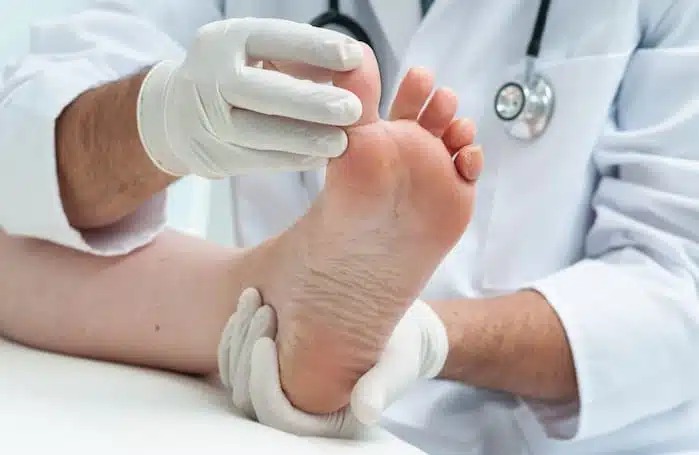
Which changes call for care?
| What is happening | What to do |
|---|---|
| Loose debris comes away and the skin stays comfortable and intact | Normal foot hygiene is enough. |
| Peeling, cracking, persistent itching, irritation, or soggy-looking skin continues | Book an appointment with a doctor. |
| Pain increases, skin becomes swollen or warm, discharge appears, or a sore develops | See a doctor soon. |
| Redness spreads rapidly, or foot symptoms occur with fever or marked illness | Get urgent medical care. |
| You have diabetes or impaired foot sensation and notice a new foot change | See a doctor earlier. |
A clinician examines the skin and, if they suspect fungal infection, may run a potassium hydroxide (KOH) examination.
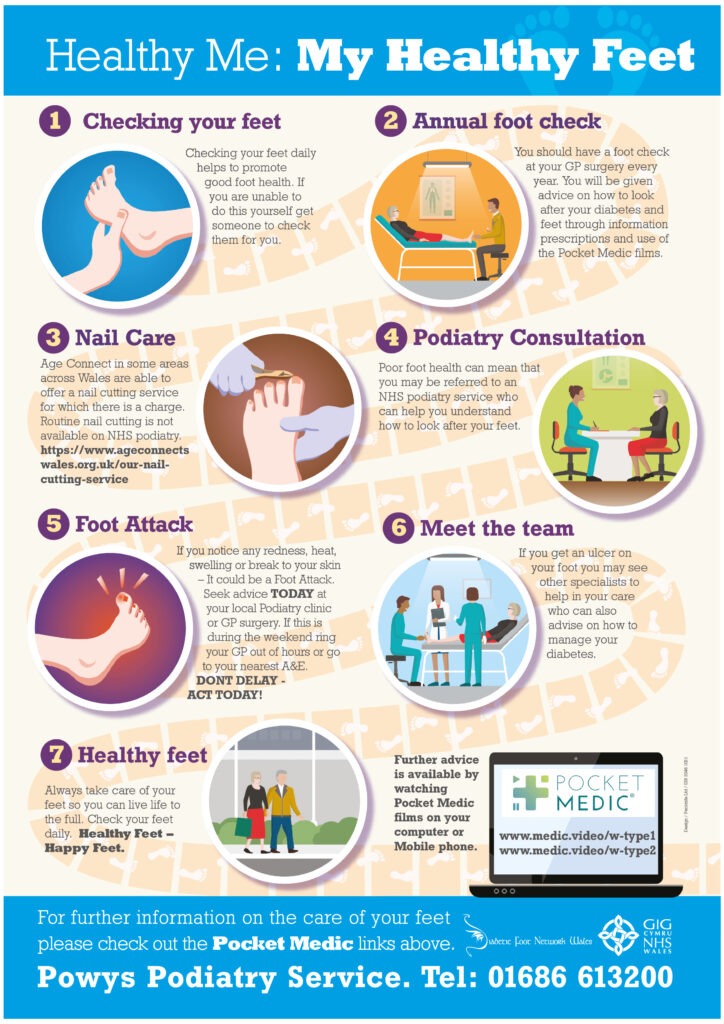
For people with diabetes, impaired sensation and circulation make injuries harder to notice and heal. The CDC's diabetes foot-care guidance emphasizes checking your feet for new problems.