
When Do Feet Stop Growing? Ages, Puberty, and Changes in Shoe Size
Foot length generally approaches its adult size during adolescence, earlier in girls than boys. In a study of 10,155 children, average foot length leveled off around age 13 in girls and 14 in boys. If your shoe size jumps later, measure both feet and try the shoes on before you assume your bones are growing again. Painful swelling with no clear cause means a doctor visit.
A teenager can outgrow shoes twice in a school year; an adult can pull a saved pair from the closet and find it barely goes on. Both get described as “feet growing,” although the underlying changes are different.
The answer depends on what you mean: length gained during development, bones finishing their growth, or the size of shoe that fits. Each has its own explanation.
When do girls' and boys' feet stop getting longer?
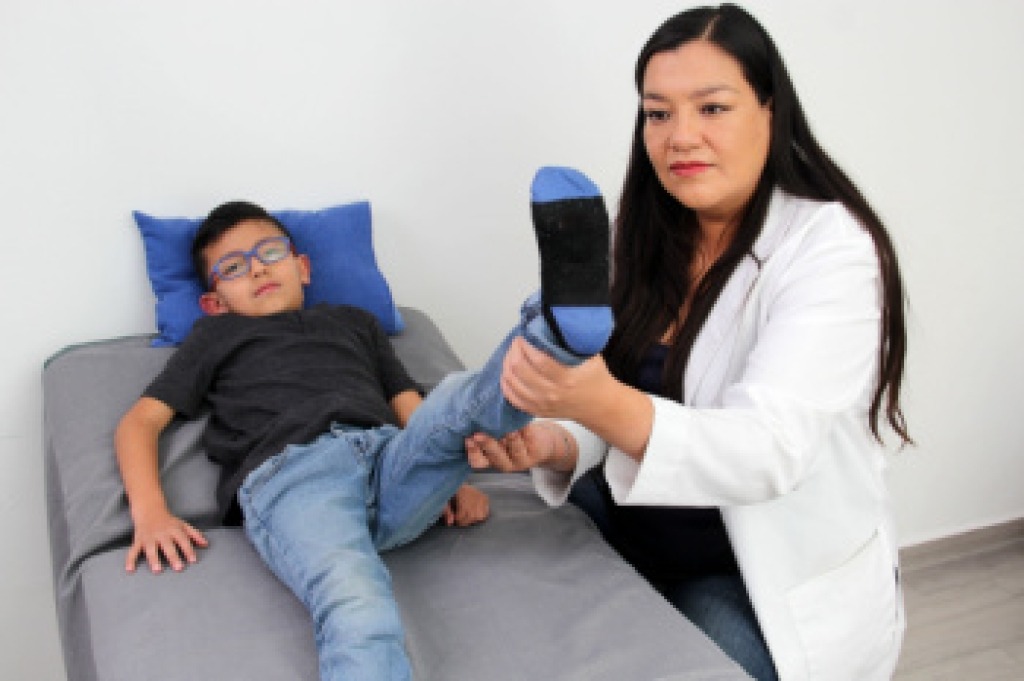
Foot length gets close to its adult measurement during the teen years, and girls reach that point before boys. A group's average curve can flatten while individual teenagers keep gaining length, so timing varies from one teenager to the next.
| Evidence | Girls | Boys | What was measured |
|---|---|---|---|
| Waseda et al., 2014 | Average curve nearly leveled off around 13 | Average curve nearly leveled off around 14 | Foot length among 10,155 Japanese children aged 6 to 18 |
| Follow-up data in a 2022 pediatric-foot review | 75% had reached adult foot length by 14 | 70% had reached adult foot length by 16 | Share of children who reached adult length in a separate dataset |
| SUNY Upstate podiatrist interview, 2024 | Main growth around 13 to 14 | Main growth around 15 to 16 | A podiatrist's description of typical growth timing |
The first row describes an average length curve. The second counts how many children had reached adult length in a different dataset. The two measure different things, so the ages don't match exactly.
The 2022 review also reports about 0.7 cm of remaining foot-length gain after age 12 in girls, against about 2.6 cm in boys before they reach adult length.
Measure your teenager's foot every few months. The trend tells you more than age does.
Why can feet finish lengthening before height does?
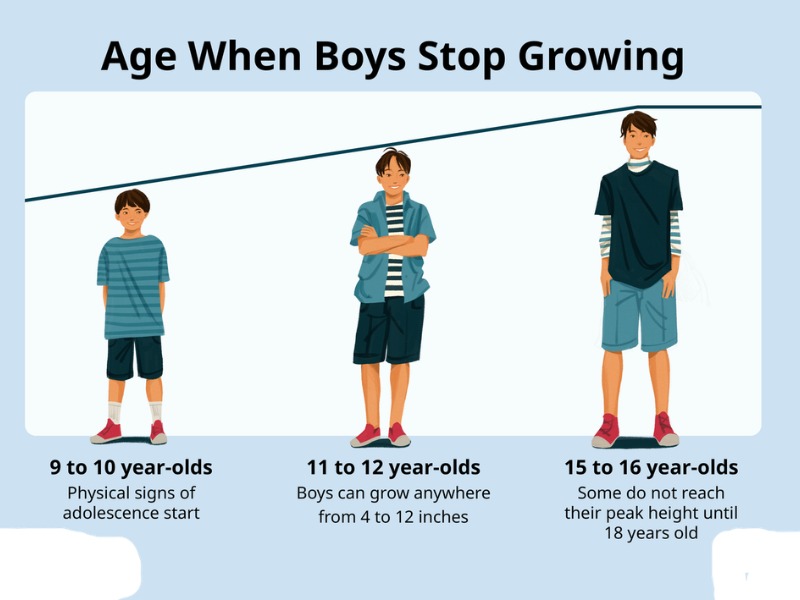
Hands and feet often grow early in puberty. The American Academy of Pediatrics describes a sequence in which the extremities can change before growth elsewhere in the body.
In a three-year study of 342 adolescents, researchers tracked foot length alongside height, pubertal stage, and hormone measures. Average annual growth in foot length was greater before puberty than during it, and foot growth was linked to developmental markers.
Growth plates are areas of developing cartilage where bones lengthen. They mature and close when skeletal growth finishes. A teenager can keep getting taller after foot length has stabilized.
| Milestone | What it means |
|---|---|
| Foot-length plateau | Each new measurement is barely longer than the last. |
| Growth-plate maturation | The growing regions of the bone finish lengthening. Only a clinician can confirm it for one person. |
| Stable shoe size | Your usual size keeps fitting. This also depends on the shoe's shape and sizing system. |
Some consumer health articles say feet finish growing around age 20. Studies of measured foot length show most of the leveling off during adolescence. A stable shoe size can't tell you how much height a teenager has left to gain or whether a growth plate has closed.
Can feet still change after 18 or 20?
Yes. An adult can need a larger shoe after adolescent bone growth has ended. A new size alone doesn't mean bones have started growing again.
In a discussion among older adults, one commenter described saving a costly gift for retirement.
In 1996 I was gifted a very expensive pair of golf shoes that fit perfectly. I decided to shelve them and wear them on my first day of retirement. A few years ago I got them out to look at them and decided to try them on before I got sealed them back up. Not even close, couldn’t even squeeze in to them.
The commenter never measured, so all we know is that the shoes stopped fitting.
Why does shoe size change in adulthood?

Arches, supporting tissues, foot width, and footwear design all affect how an adult foot fits a shoe. With age, ligaments and tendons can change and let the arch flatten, which adds length or width when you stand, as Cleveland Clinic podiatrist Nicole Nicolosi explains.
| What changes | What you may notice | Why the size label misleads |
|---|---|---|
| Arch and supporting tissues | More length or width while standing | Your foot has a different shape under weight |
| Forefoot width | Pinching across the toes or ball of the foot | A longer shoe may leave the width problem |
| Pregnancy-related changes | A lasting change in arch shape or foot length for some people | Temporary swelling and lasting structural change are different things |
| Shoe design | Two pairs with the same printed size fit differently | Toe boxes, widths, and shapes vary |
A longer shoe can still squeeze the forefoot or rub the arch. Where it hurts tells you more than the next number on the shoe box.
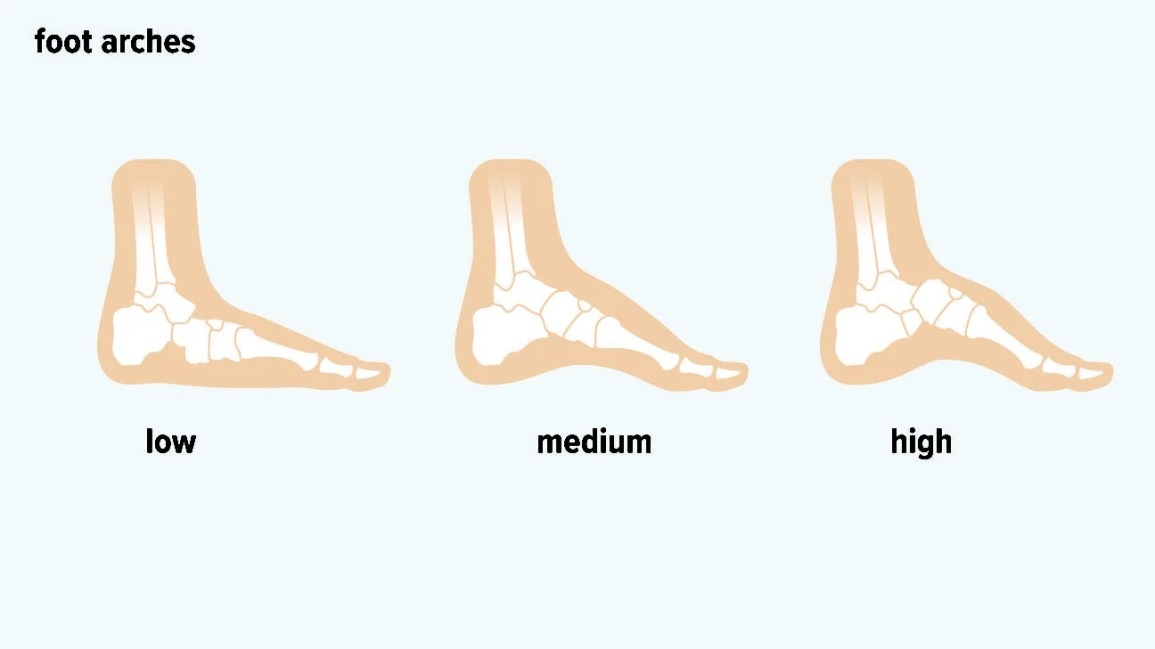
Pregnancy offers measured follow-up. In a study of 49 women, Segal and colleagues took measurements in the first trimester and again at 19 weeks postpartum. They found lower arch height and rigidity, greater arch drop, and increased foot length. The results support lasting changes for some women.
One postpartum parent tried larger shoes and still couldn't find a comfortable fit:
My feet swelled in pregnancy to an enormous size. They went down immediately after giving birth....but clearly the relaxin has done a number on me. Baby is 18 months old and my feet are still too long and wide for my shoes.
I have bought some trainers but the problem is almost every pair of shoes, trainers and boots I have tried on have hurt, enormously. For no good reason. I feel like the princess and the pea, but with footwear.
I am still breastfeeding but not that much - I can't believe it is still having an effect. And why are my feet so sensitive?
Would love to hear from others who have experienced this.
EDIT My feet are 1-1.5 sizes larger, I have bought bigger shoes
What i can't understand is why eg Timberland 6inch boots, which i used to wear for my office job and walk literally for hours each day in...are now agony (when I try the larger sizes in the shop)
I'm just about to send back 4 pairs of Allbirds trainers, all of which seemed simultaneously too small (around the arch) and too big (everywhere else)I have kept all my shoes - i have quite the collection - in case a miracle happens
The poster's shoes felt tight at the arch and loose everywhere else, so a bigger size didn't help.
How can you tell whether your feet changed size?
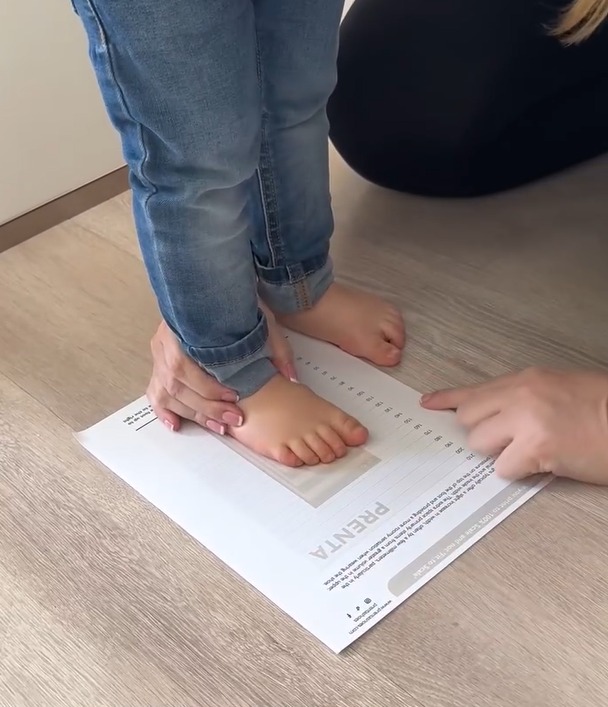
Measure the same way every few months and you'll see whether your feet changed, whatever the shoe label says. Damp socks and skin buildup between the toes are a separate problem: see the toe-jam hygiene guide.
In a 1997 study of 2,829 children, foot length measured with weight on the foot was 2.1 to 4.4 mm longer on average than unloaded, and width was 3.1% to 4.8% greater.
A repeatable foot-size check
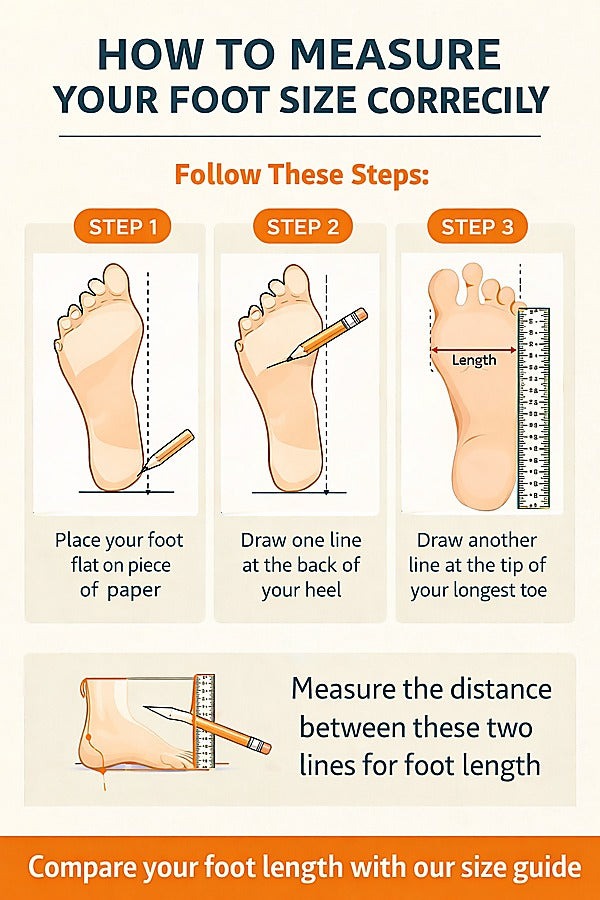
- Measure while standing. Stand on a flat surface and use a measuring tool or paper and a ruler. With your weight on the foot, mark the back of the heel and the longest toe. Use the same position, method, and reference points each time, and measure at the same time of day, preferably later in the day.
- Record both feet. Write down each heel-to-toe length in inches or centimeters, with the date. Note whether width or forefoot fit seems to have changed too.
- Repeat and compare. Measure again every few months and compare the dated numbers to see any change in length.
- Fit the actual shoes. Wear the socks you plan to wear with them, fit to the larger foot, and walk around to check toe space, forefoot width, and heel grip. The American Podiatric Medical Association recommends measuring both feet and fitting to the larger one.
One minimalist-shoe wearer measured regularly: length stayed the same while shoe size went up.
My foot length hasn’t changed at all. I have been measuring regularly since day 1 of switching and it’s been over 4 years. I did go up a shoe size, but it’s because I stopped buying my shoes too small for me. Now I know I need a minimum of 1.5cm of space to never hit my toes on the front.
Same foot length, bigger shoe: the poster now leaves 1.5 cm of room at the toes.
When should you see a doctor about foot size changes?
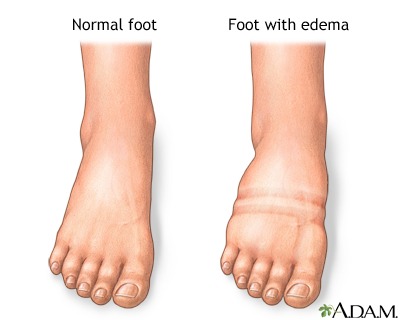
See a clinician or podiatrist if you have persistent pain, a developing deformity, or changes that make walking uncomfortable. Mayo Clinic recommends prompt care for unexplained painful swelling in a foot or leg, especially on one side, or swelling with warmth, redness, or fever. During pregnancy, sudden or noticeably changed swelling needs immediate medical evaluation, even without other symptoms.