
Nucleic Acids in Food: Examples, Functions, and Common Myths
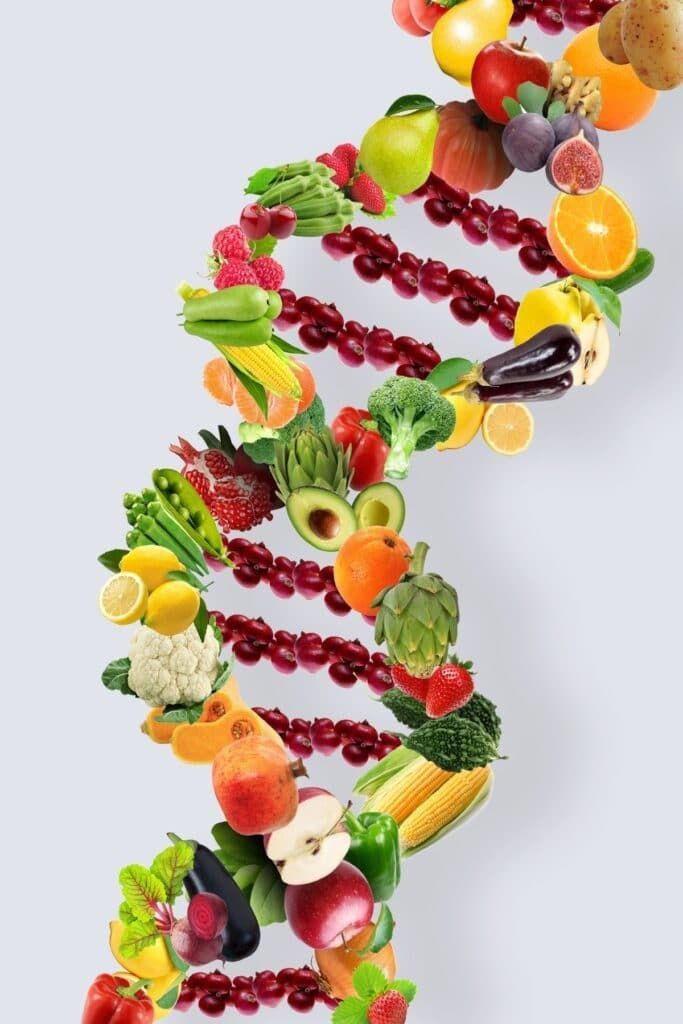
Almost any food made from cells contains DNA and RNA, including meat, fish, beans, broccoli, mushrooms, and yeast. Their presence alone tells you nothing about whether to choose or avoid a food. To compare two foods, check which molecule was measured, how the food was processed, and whether the figures are for dry matter, fresh food, or material recovered in a lab test.
Which foods contain nucleic acids?
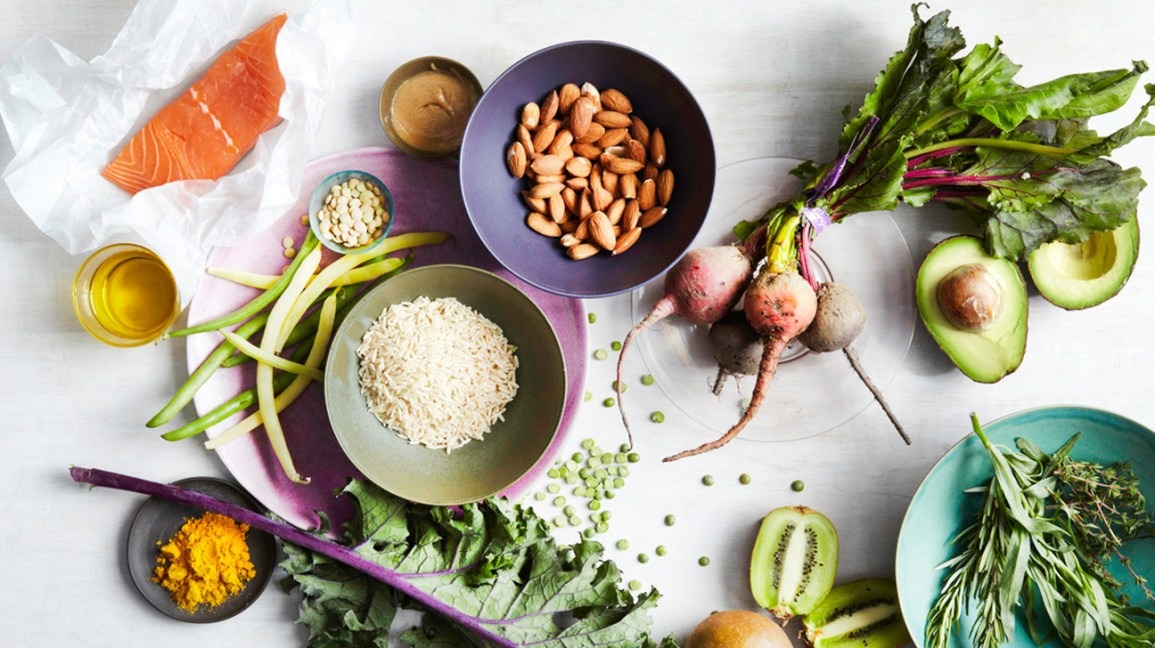
Despite their differences as foods, salmon, broccoli, kidney beans, and mushrooms all have cells that store genetic information in DNA and use RNA in cellular processes. The same goes for any ordinary food made from animal, plant, fungal, or microbial cells.
| Food source | Examples that contain nucleic acids |
|---|---|
| Animal foods | Beef, beef liver, salmon, tuna, mussels |
| Plant foods | Kidney beans, other legumes, wheat, broccoli, onions, spinach |
| Fungi and microorganisms | Mushrooms, baker's yeast |
For any other food, ask where it came from: an animal, a plant, a fungus, or a microorganism. If it came from cells, it contains nucleic acids, including crops grown without genetic modification.
What are DNA and RNA doing in food?
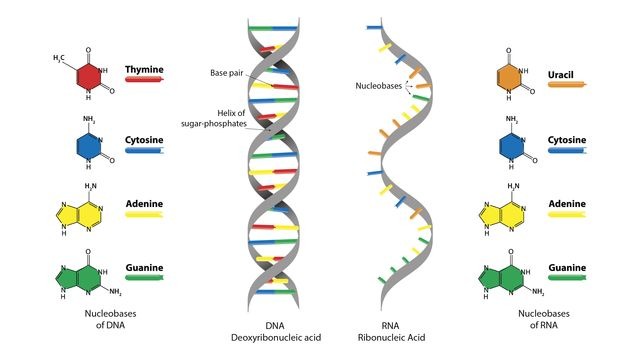
DNA and RNA are nucleic acids, molecules that come from the cells of the food source.
DNA stands for deoxyribonucleic acid. It stores genetic instructions in organisms. In cells, DNA sits in chromosomes, and mitochondria carry DNA too.
RNA stands for ribonucleic acid. It has several roles in using genetic information. Messenger RNA, ribosomal RNA, and transfer RNA take part in making proteins.
The National Human Genome Research Institute's DNA fact sheet explains DNA's structure and its nucleotide components.
Each nucleotide has three parts: a sugar, a phosphate group, and a nitrogenous base; a nucleoside is a base and a sugar without the phosphate group.
Four terms, largest to smallest:
- Whole food: A piece of salmon or broccoli, made of an organism's cells.
- Nucleic acid: DNA or RNA, a molecule present in that material.
- Nucleotide: A molecular building block of DNA or RNA.
- Nitrogenous base: One component of a nucleotide, such as adenine or guanine.
Adenine, guanine, cytosine, thymine, and uracil are the bases found across DNA and RNA.
Food DNA is not the same thing as inherited alleles. The heterozygous-genotype explainer covers the genetics terms.
Which foods contain more DNA or RNA?
Some foods contain far more measurable DNA or RNA than others, even when they come from the same animal.
A 2017 review in the Journal of Animal Science reproduced older food analyses. The figures below are grams per kilogram of dry matter, reported separately for RNA and DNA.
| Food | RNA (g/kg dry matter) | DNA (g/kg dry matter) |
|---|---|---|
| Baker's yeast | 66.2 | 6.0 |
| Beef liver | 22.1 | 19.5 |
| Beef muscle | 3.2 | 1.7 |
| Salmon fillet | 2.5 | 0.6 |
| Kidney beans | 4.7 | 1.0 |
| Broccoli | 20.6 | 5.1 |
The original measurements are documented in the Journal of Animal Science review.
Beef liver has 19.5 g of DNA per kilogram of dry matter, beef muscle 1.7 g. Same animal, very different concentration.
Dry matter excludes the food's water. You can't read these figures as grams in a fresh 100-g serving without moisture measurements for the original samples.
Before you compare two food-composition figures, check four things:
- Identify the molecule. Compare DNA with DNA, or RNA with RNA.
- Match the units. Keep g/kg dry matter, g/100 g fresh food, and µg/g distinct.
- Check the sample state. Look for raw, cooked, dried, or otherwise processed material.
- Check the method. A study of extractable DNA reports what its extraction method recovered, which differs from the total DNA or RNA in dry tissue.
What happens to food DNA and RNA when you eat them?
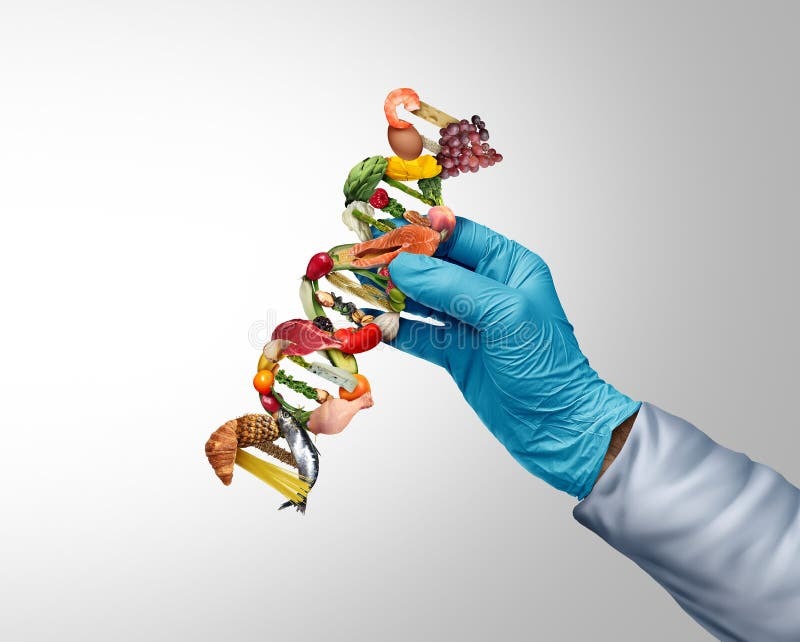
Your digestive system breaks down much of the DNA and RNA you eat, and the pieces enter normal metabolism.
A piece of fish carries genetic material from fish cells. In digestion, cell structures break apart and nucleic acids degrade into shorter fragments and smaller components. Enzymes break nucleotides down further into nucleosides and other derivatives, which the body handles through ordinary metabolism. Some components are reused as chemical building blocks in your own cells.
[...] My first thought was that no, Deoxyribonucleic acid likely would not work to reverse the effects of radiation poisoning because your body would just break it down in digestion. But I also feel as though there is likely a more in-depth reasoning for why it wouldn't work. But I could be wrong and it actually could be utilized.
I also will not lie. I understand very little about radiation poisoning so it could actually be untrue that it kills off the DNA.
Edit: thanks for all the responses to the dumb question my friend had asked at like 6:00a.m. Now I can fully answer their question with a definitive 'No, it would not work.' Without feeling like I might be missing something.
Also. Yes, I know the question was extremely stupid. That the answer was very obvious. I had more so wanted to know the reasoning for why it would not work. But also did not want to make assumptions that it was absolutely not possible at the same time. I rewrote the sentence that made me look like an idiot so I don't cause as much confusion.
The answer comes down to digestion and cellular handling. A meal supplies molecular components, not a replacement copy of the food organism's genetic program, and it does not transfer those instructions into your genome.
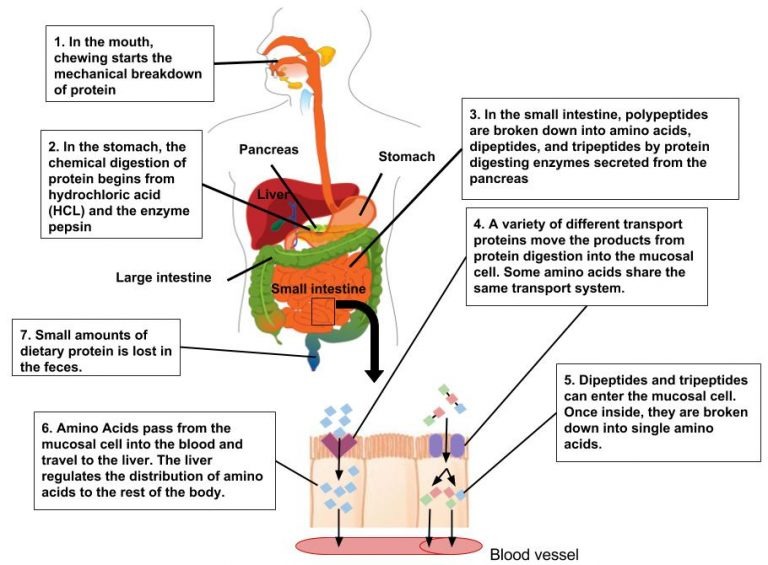
Food-safety authorities describe dietary DNA as extensively degraded in digestion, though some fragments stay detectable under research conditions.
Does cooking destroy DNA? What about refining?
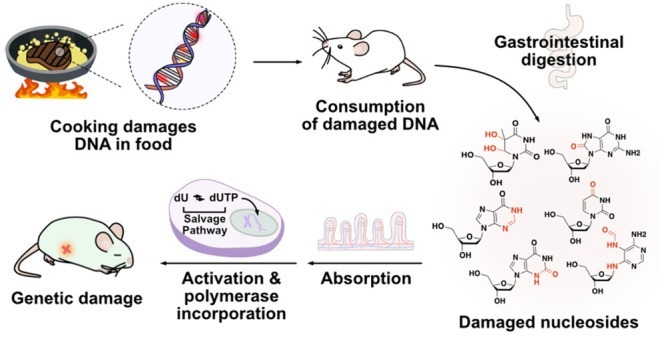
Heating breaks DNA into shorter fragments and changes how much a lab method recovers. Refining removes DNA-containing cellular material.
| Process | Effect on DNA | Meaning for measurement |
|---|---|---|
| Heating or cooking | DNA breaks into shorter fragments | Altered pieces remain detectable |
| Refining or purification | DNA-containing material is removed | Highly purified products have little recoverable DNA |
| Laboratory extraction | A specific method retrieves DNA from a sample | Measured yield depends partly on the procedure |
A cooked salmon fillet is still salmon tissue, and how far its DNA fragments depends on how you prepare it.
Highly refined ingredients differ. Purifying sugar or oil removes much of the original cellular material. Food Standards Australia New Zealand describes both processing effects and ordinary dietary exposure to DNA.
In a 2025 laboratory study, researchers examined 21 food ingredients under defined analytical conditions. One roasting protocol used 220°C for 15 minutes.
The study also looked at damaged DNA components and effects in experimental cell systems. These were preclinical findings, not evidence that ordinary cooked meals cause genetic disease in people.
Are there foods without any DNA?
Highly purified ingredients can have little or no detectable DNA. Claiming exactly zero DNA in a commercial product takes evidence about that product and the test used.
I’ve got as far as salt and vinegar, there must be more!
Salt and vinegar are different cases. Pure salt is a mineral. Vinegar is a fermented product, and its composition depends on its ingredients and production.
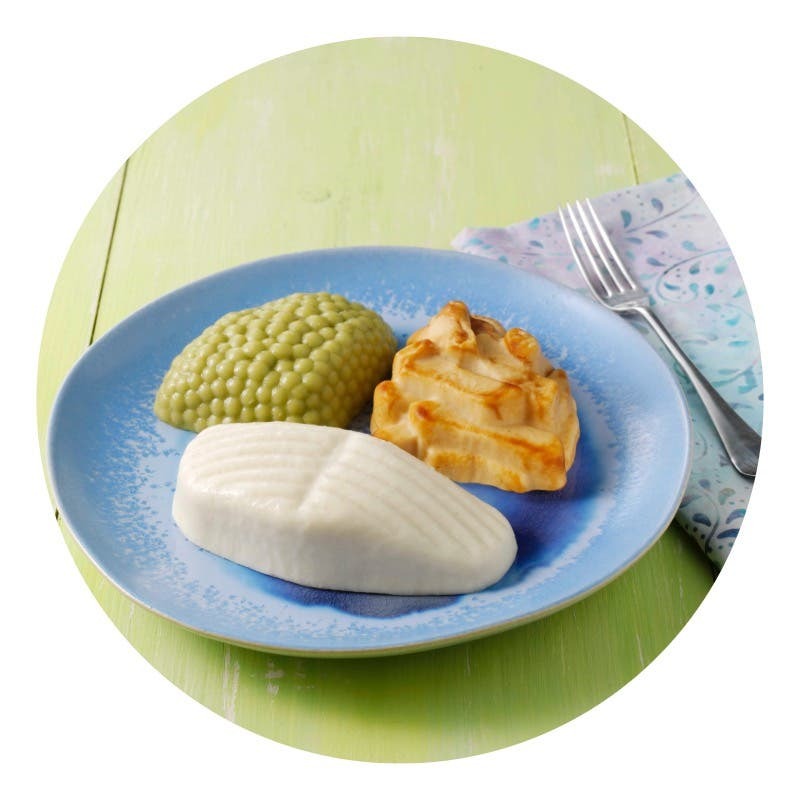
For a specific product, the ingredients and degree of purification explain its DNA content. A lab report of "no detectable DNA" also depends on the detection limit of the method used.
Why isn't DNA or RNA on a US Nutrition Facts label?
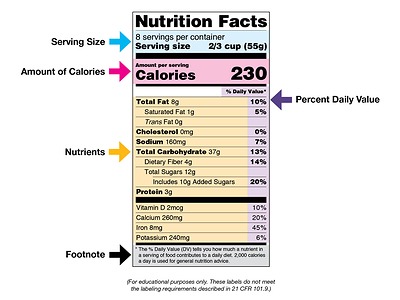
The US Nutrition Facts panel lists specified nutrients, including fats, cholesterol, sodium, carbohydrates, protein, and certain vitamins and minerals. DNA and RNA aren't on that required list, according to the FDA's Nutrition Facts guidance. A packaged food can still contain DNA and RNA from its ingredients without a line for them.
Do foods with more nucleic acids offer special health benefits?
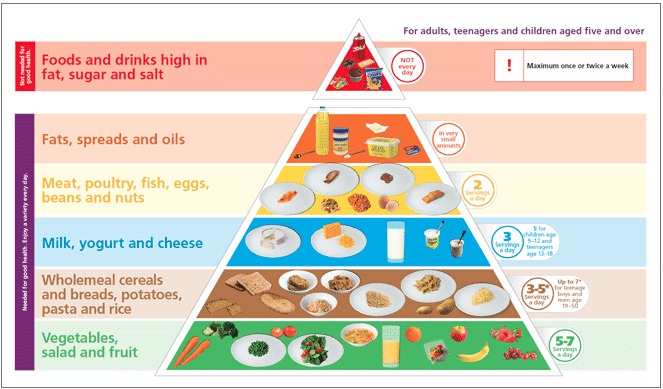
A high DNA or RNA reading describes that food sample. It doesn't show a health benefit. That takes evidence on realistic dietary amounts and outcomes in people, and studies on isolated nucleotides and supplements don't tell you what a meal does.
Purines are a separate question. Adenine and guanine are purine bases, and their metabolism is connected to urate. Total DNA or RNA concentration doesn't measure your individual gout risk.
The US National Institute of Arthritis and Musculoskeletal and Skin Diseases lists organ meats, certain red meats, and seafood among dietary considerations in gout care. If you have diagnosed gout, follow your doctor's guidance.