Heterozygous Examples: How to Read Alleles and Inheritance
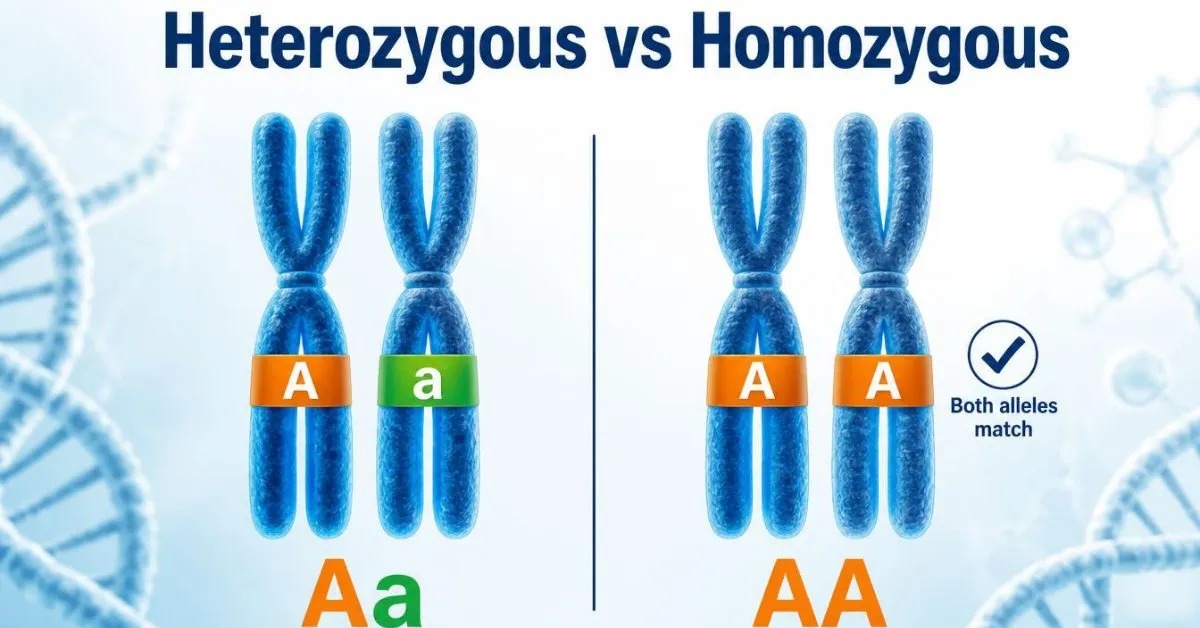
A genotype is heterozygous when its two alleles at one locus differ. Aa is the simplest example. Those letters show which pair of alleles is present, not what trait will result. To predict a visible trait or a health effect, you also need the gene and its inheritance pattern.
What Is an Example of a Heterozygous Genotype?
Consider three genotypes from a biology worksheet: AA, Aa, and aa. The heterozygous one is Aa, because its two allele symbols differ.
| Genotype | Classification | Reason |
|---|---|---|
AA |
Homozygous | Two copies of the same allele, A |
Aa |
Heterozygous | Two different alleles, A and a |
aa |
Homozygous | Two copies of the same allele, a |
These labels apply to an allele pair at one locus.
The National Human Genome Research Institute defines heterozygosity as different versions of a genetic marker at a particular location.
The notation works with other symbols too. Bb is heterozygous, and so is CT when C and T are alternative nucleotide variants at the same position. Reversing Aa to aA leaves the same pair of alleles.
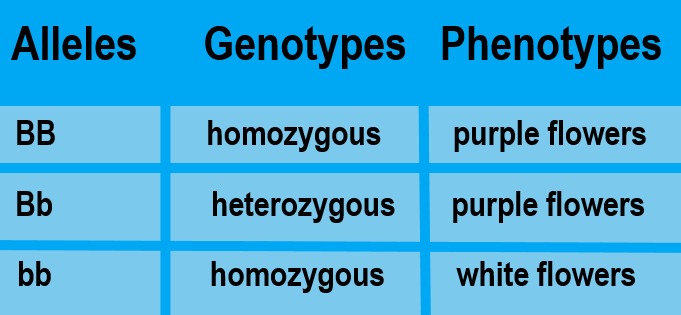
Uppercase and lowercase letters are shorthand from introductory genetics. They often stand for alleles in a simple dominance model, but a letter's case says nothing about whether a variant is healthy, harmful, common, or rare.
Two Alleles, One Locus: What the Letters Mean
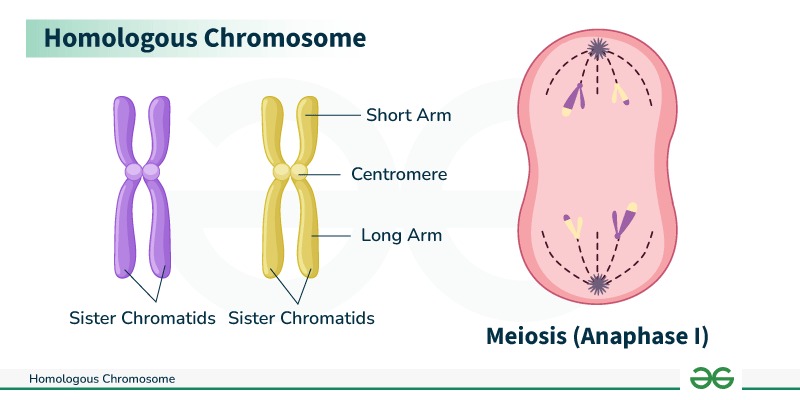
A locus is a particular position in the genome. In a simple diploid example, the two alleles you compare sit at corresponding positions on a pair of homologous chromosomes.
A gene is a segment of DNA, and an allele is a version of a gene or genomic sequence. Pigmentation genes and inherited appearance traits are covered in the red-hair and green-eyes genetics example.
At one locus, one chromosome might carry A while its partner carries a. That pair is the genotype Aa.
When the organism produces gametes, each gamete receives one allele from the pair; that's why a Punnett square combines one allele from each parent.
When a genotype contains more than one pair
A worksheet might give the genotype YySs. The letters describe two loci, Y and S, and you interpret each one separately.
YySs:Yyis heterozygous at Y, andSsis heterozygous at S.YySS:Yyis heterozygous at Y, whileSSis homozygous at S.
This matters when a question calls an organism heterozygous for two characteristics. One pair of different alleles covers only one characteristic. Label each locus and its allele pair before you assign zygosity.
Different nucleotide positions along a single chromosome are separate loci. Heterozygosity compares the corresponding positions across the homologous copies.
Three Real Examples: Pea Plants, Snapdragon Flowers, and AB Blood Type
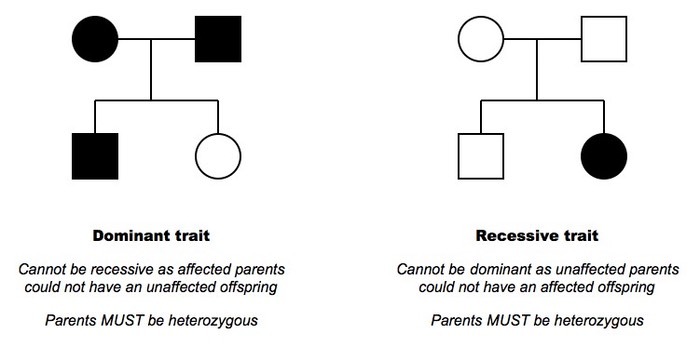
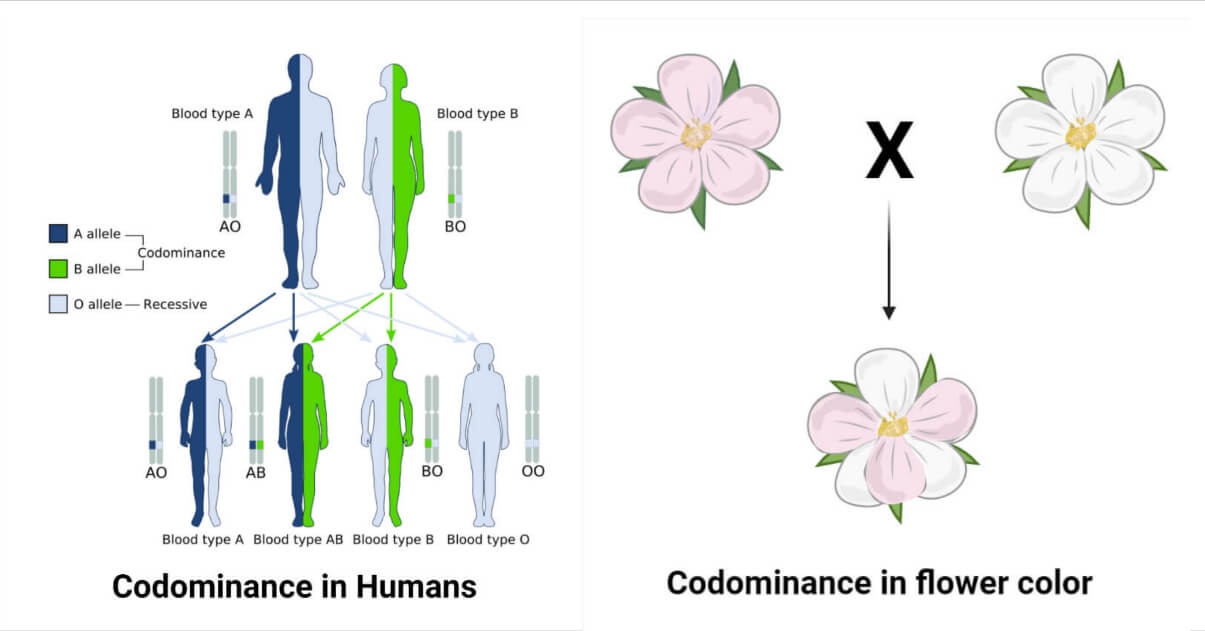
Heterozygous allele pairs can produce different observable traits. Pea flowers, snapdragon flowers and the ABO blood group show complete dominance, incomplete dominance and codominance.
| Biological system | Heterozygous genotype | Inheritance pattern | Observable result |
|---|---|---|---|
| Pea flower, violet versus white | Vv |
Complete dominance | Violet flowers |
| Snapdragon flower, red versus white | CᴿCᵂ |
Incomplete dominance | Pink flowers |
| ABO blood group | IᴬIᴮ |
Codominance | Type AB, expressing both A and B antigens |
In the pea example from OpenStax Biology, VV and Vv plants have violet flowers and vv plants have white ones. Vv shows violet because violet is completely dominant.
With incomplete dominance, the heterozygote has an intermediate phenotype. The snapdragon example uses Cᴿ and Cᵂ for the red and white alleles. Heterozygous flowers are pink.
Garden snapdragon (Antirrhinum majus) makes the intermediate phenotype easy to picture. Pink flowers still carry two distinct allele versions; the alleles have not fused into a new one.
With codominance, both alleles show up in the phenotype. In the ABO example, a person with IᴬIᴮ expresses both A and B antigens.

A Heterozygous × Heterozygous Punnett Square, Step by Step
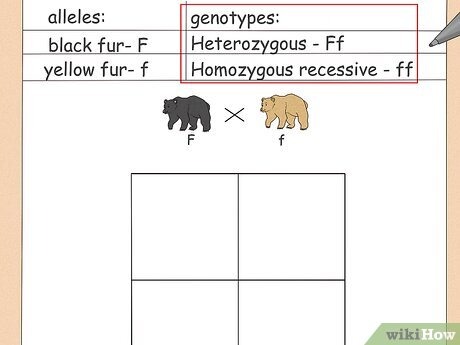
Suppose a classroom problem gives two parents with the genotype Aa at one locus. What is the probability that an offspring is also heterozygous?
The answer is 50%.
Step 1: List each parent's possible gametes
Each Aa parent can contribute A or a. In a simple single-locus model, the two are equally likely.
Write one parent's choices across the top of a square and the other's down the left side.
Step 2: Combine one allele from each parent
Parent 2: A |
Parent 2: a |
|
|---|---|---|
Parent 1: A |
AA |
Aa |
Parent 1: a |
Aa |
aa |
Each interior box is one possible allele combination.
Step 3: Count the genotypes
The four equally likely combinations give:
AA: 1 out of 4, or 25%.Aa: 2 out of 4, or 50%.aa: 1 out of 4, or 25%.
The genotype ratio is 1:2:1.
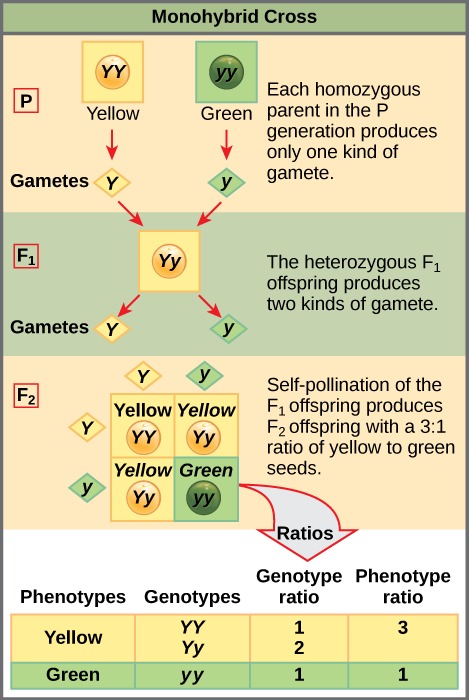
Step 4: Apply the inheritance model to the phenotype
Now suppose the question adds that A is completely dominant over a for this trait.
AA and Aa show the dominant phenotype: 3 out of 4, or 75%. The aa genotype gives the recessive phenotype: 1 out of 4, or 25%.
That's the familiar 3:1 phenotype ratio.
If the heterozygote has a distinct intermediate phenotype, as in the snapdragon example, the same three genotype classes give a 1:2:1 phenotype ratio instead. The phenotype rule comes from the biological system you're modeling.
These percentages are chances for each offspring. Four offspring won't necessarily include exactly one AA, two Aa, and one aa.
Why Real Human Traits Don't Always Follow a One-Gene Example
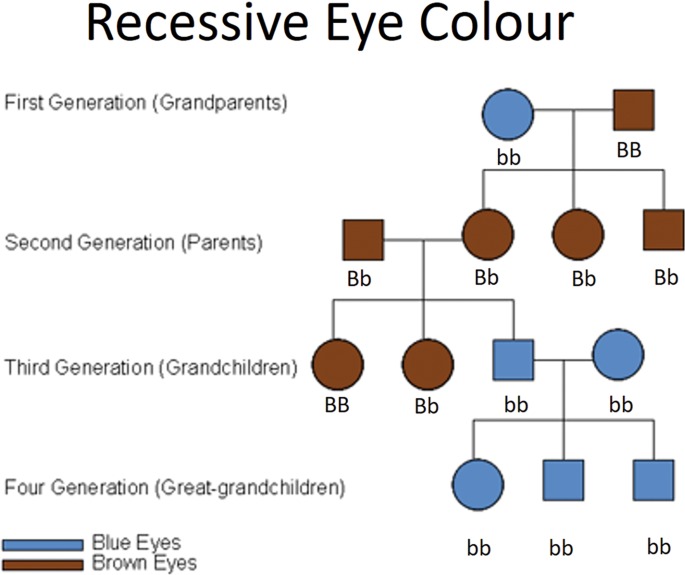
Human eye color is influenced by several genes. MedlinePlus Genetics identifies OCA2 and HERC2 on chromosome 15, alongside other pigmentation genes. A classroom shortcut that assigns brown or blue eyes from a single Bb pair can't reliably predict a real person's genotype or a family's outcome.
Does Being Heterozygous Mean You Have a Genetic Condition?
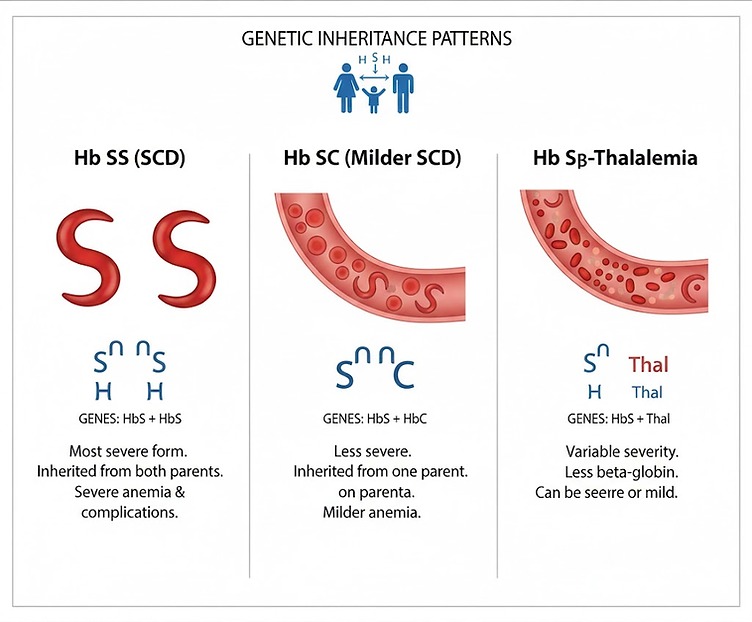
Heterozygosity describes an allele combination. Whether that combination matters clinically depends on the gene, the variant, and the inheritance pattern.
In some autosomal recessive conditions, a person with one altered copy is a carrier, while altered copies in both usually mean the condition. In some autosomal dominant conditions, one altered copy can affect health.
A real example: sickle cell trait
The genotype HbAS is a heterozygous example involving hemoglobin: one sickle hemoglobin version and one usual hemoglobin version.
According to the CDC's sickle cell trait guidance, this combination means sickle cell trait, which is distinct from sickle cell disease.
Most people with sickle cell trait don't have sickle cell disease symptoms. Some experience complications under particular circumstances, such as extremely low oxygen, dehydration, high altitude, or intense physical exertion.
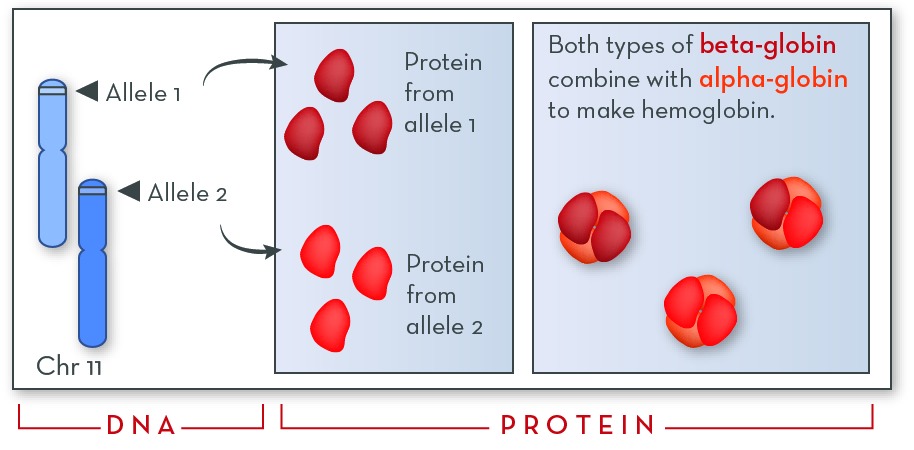
If a genetic test report says heterozygous, ask your doctor or a genetic counselor what that specific variant means.
Quick Check: Can You Spot the Heterozygote?
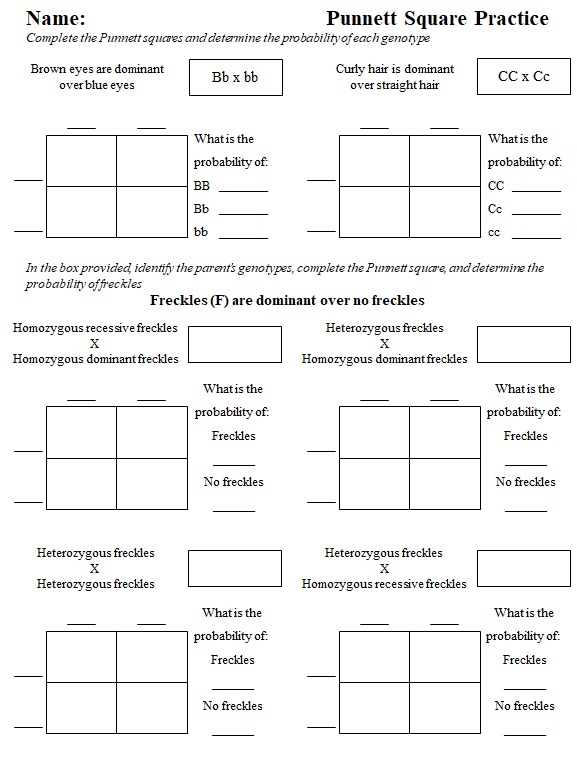
Try these three examples before you look at the answers.
- Find the heterozygote. Of
BB,Bb, andbb, which genotype contains two different alleles at one locus? - Classify both loci. Between
YySsandYySS, which genotype is heterozygous at both Y and S? - Predict a visible trait. An organism has the genotype
Aa. What else do you need to know before you can predict its phenotype?
Answer key
Bb. Its alleles differ.BBandbbeach have two matching alleles.YySs. BothYyandSsare heterozygous.YySSis heterozygous at Y but homozygous at S.- The inheritance pattern for that gene and trait. The genotype gives you the pair, and the inheritance pattern tells you how it translates into a phenotype.