
Does Coffee Contain Carbs? Black Coffee, Milk, and Sweeteners
Black brewed coffee contributes almost no carbohydrates; milk, creamer, syrup, and premixed recipes account for most of the differences between drinks. For exact grams, check the nutrition information for your drink and the amounts you pour.
How Many Carbs Are in Black Coffee, Espresso, and an Americano?
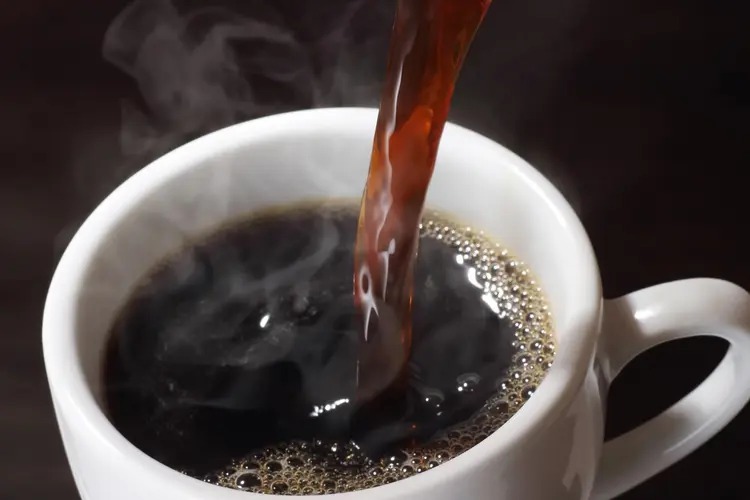
USDA FoodData Central provides the underlying reference: SR Legacy record 171890, coffee brewed with tap water, lists 0 g of total carbohydrate per 100 g.
Espresso listings can show a small amount of carbs even with nothing added.
| Coffee preparation | Reference serving | Total carbs |
|---|---|---|
| USDA brewed coffee, record 171890 | 100 g | 0 g |
| USDA-derived plain brewed coffee | 8 fl oz | 0 g |
| Espresso, Healthline reference | 1 fl oz | About 0.5 g |
| Starbucks standard doppio espresso | 1.5 fl oz | 2 g |
These numbers use different serving sizes. Starbucks lists 2 g for its doppio espresso, and Healthline's 0.5 g is per ounce. Neither is the value for every shot.
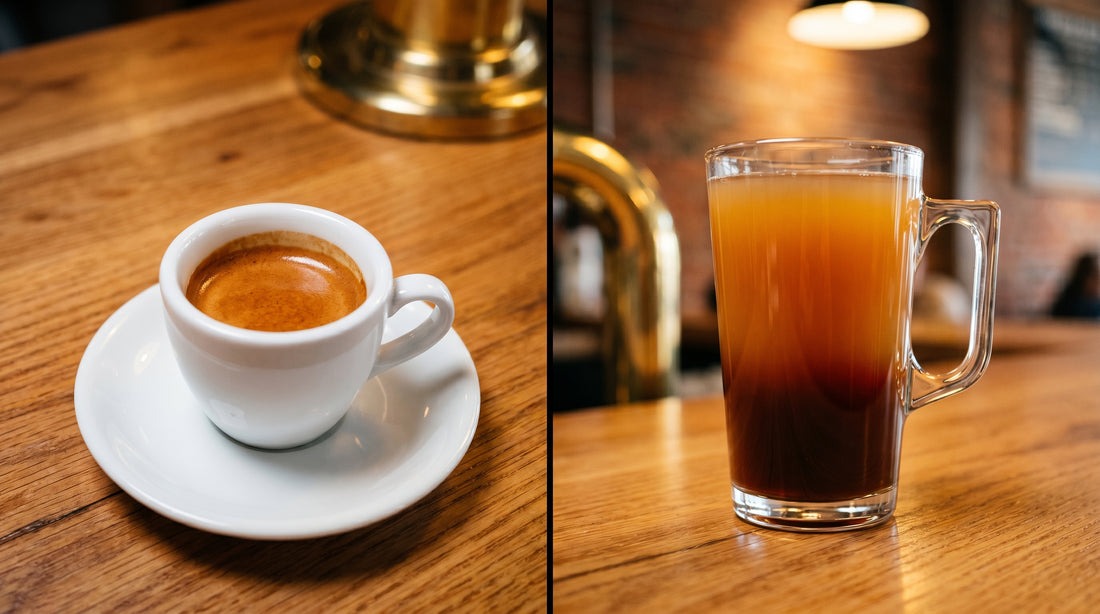
An Americano is espresso plus water. The water adds no carbs, so the espresso sets the number; caffeine strength has no effect on carb content.
Why a Latte Can Have More Carbs Than Black Coffee
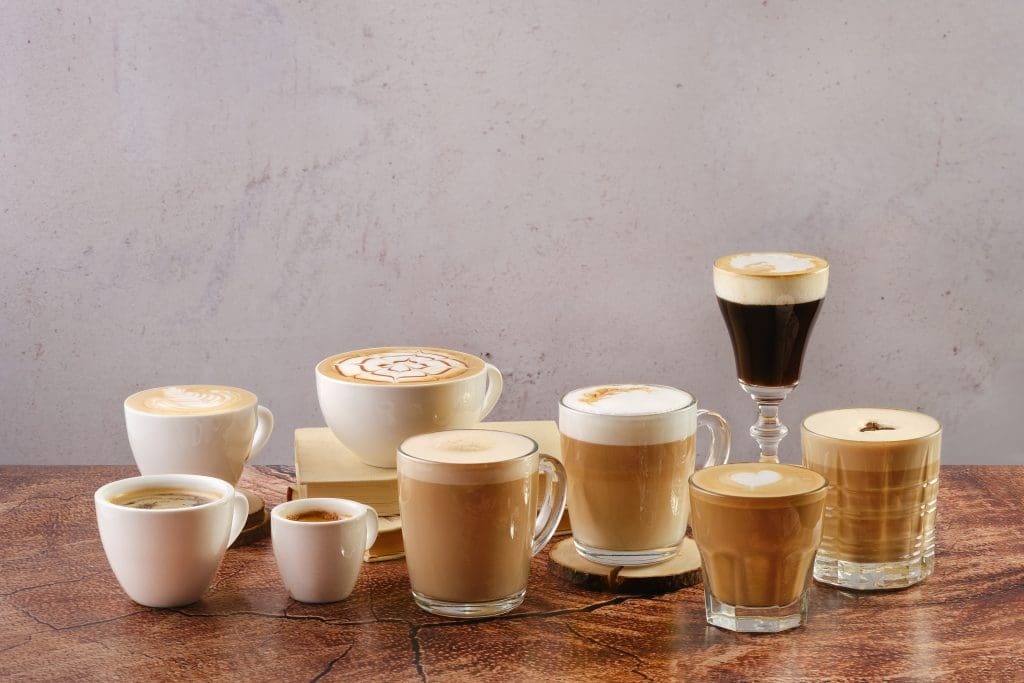
Milk changes the carb content of a coffee drink. Three standard Starbucks drinks show how far finished recipes differ, even at the same grande size of 16 fl oz.
| Standard Starbucks drink | Total carbs | Total sugars | Calories |
|---|---|---|---|
| Iced Coffee | 0 g | 0 g | 5 |
| Hot Caffè Latte | 19 g | 18 g | 190 |
| Iced Caffè Latte | 13 g | 11 g | 130 |
The standard iced coffee is brewed coffee and ice. Both lattes are milk and espresso, and the iced one also has ice. The hot latte lists 6 g more carbs than the iced one, and the manufacturer figures don't say where that difference comes from.
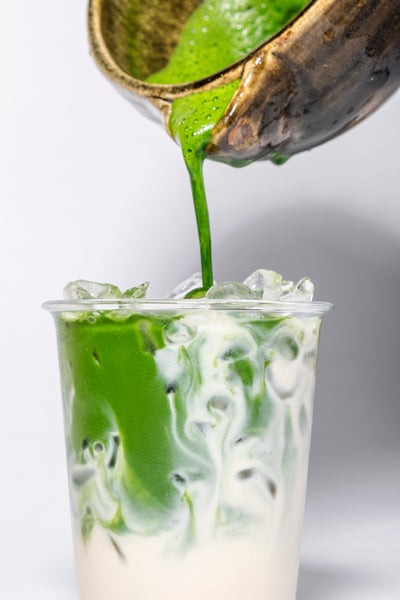
Milk and Creamer: When a “Splash” Changes the Number
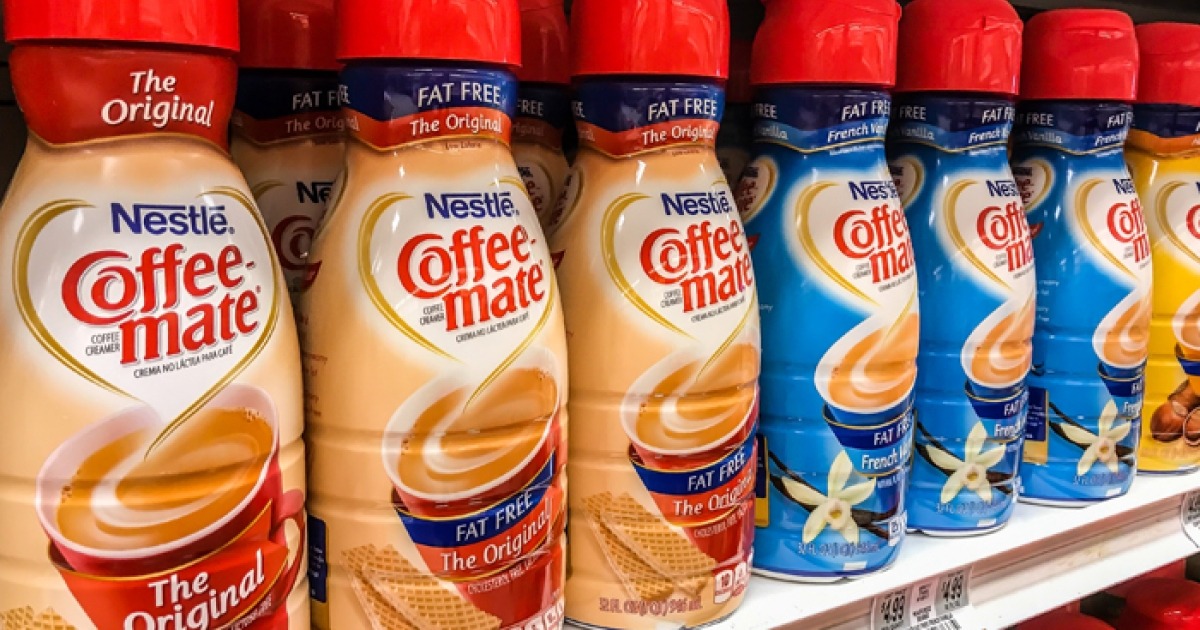
The amount of milk or creamer in the cup makes the difference. A splash has no fixed size, and pouring until the coffee reaches your usual color can add up to several labeled servings.
Whole milk, heavy cream, half-and-half, unsweetened plant milks, and flavored creamers all differ in formulation. A Nutrition Facts serving size is a fixed label reference, and it's often much smaller than your usual pour.
A coffee drinker measured their usual morning pour of creamer:
Well, out of curiosity, I decided to measure out my morning coffee creamer.
Their sweetened creamer listed 6 g of sugar per tablespoon. They measured how much it took to reach their usual coffee color and landed on 20 to 36 g of sugar from creamer per cup. Some mornings they drank three cups.
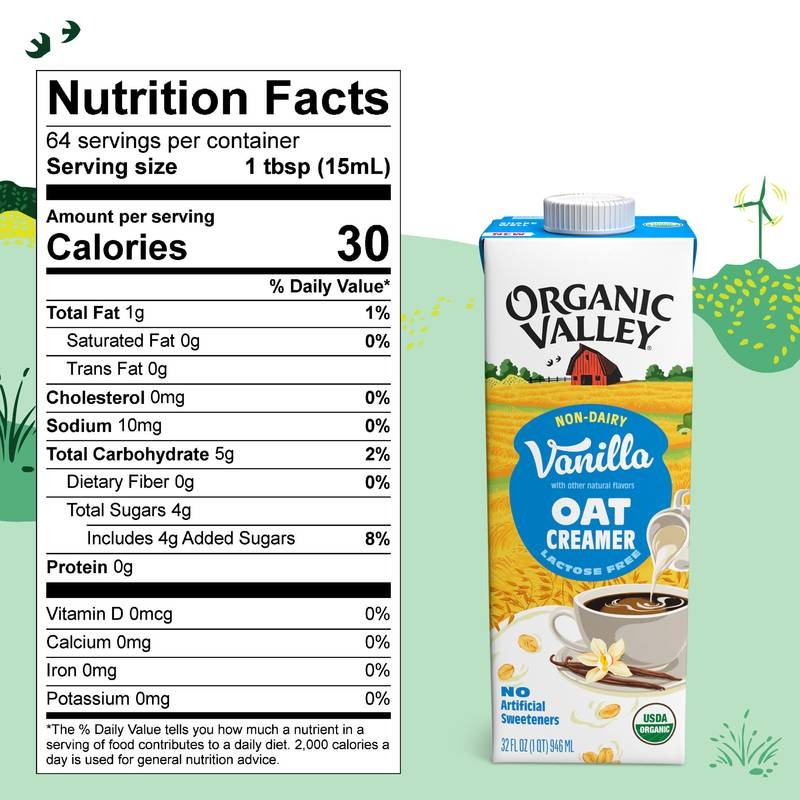
To find your own portion, pour your usual amount into a measuring spoon or marked container once. Record it in tablespoons or milliliters.
Sugar-Free Syrups and Creamers: Which Label Number Matters?
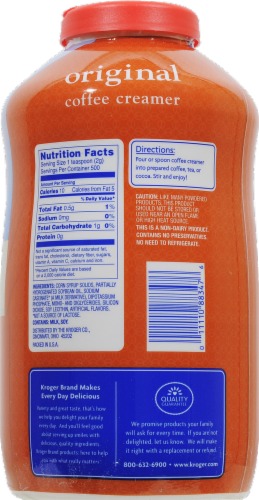
For a carb count, the label field that matters is Total Carbohydrate. A sugar-free flavoring can sit in a drink that still gets carbs from milk or other additions.
| Nutrition term | What it describes | Use in coffee |
|---|---|---|
| Total Carbohydrate | Carbohydrates per labeled serving | Basis for counting an addition's carbs |
| Total Sugars | Naturally occurring and added sugars | Includes lactose naturally present in milk |
| Added Sugars | Sugars added during processing or preparation | Shows added sweetening |
| Net carbs | A separately calculated or marketed figure | Can use a different calculation from Total Carbohydrate |
US Food and Drug Administration guidance separates naturally occurring lactose from added sugars. A latte's total sugars can include milk sugar even with no sweetened syrup. The same approach applies to sweetened tea drinks; the Thai-tea sugar and calorie guide compares the effect of milk and added sweeteners.
A home coffee drinker noticed an unexpected ingredient after making pumpkin-spice coffee with sugar-free flavored creamer and heavy cream:
After I drank it, I noticed that the creamer has maltodextrin in it.
They were concerned about their dietary goals. Maltodextrin on an ingredient list doesn't tell you the glucose response or the ketosis outcome. The product's labeled carb amount and the quantity you use do.
Why a label can show 0 g
Under 21 CFR §101.9(c)(6), a product with less than 0.5 g total carbohydrate per serving may declare 0 g. The regulation also allows a “less than 1 gram” declaration under its applicable conditions.
Several servings can add up even when each one shows 0 g. Read Total Carbohydrate, serving size, and the ingredient list together.
How to Calculate the Carbs in Your Own Cup
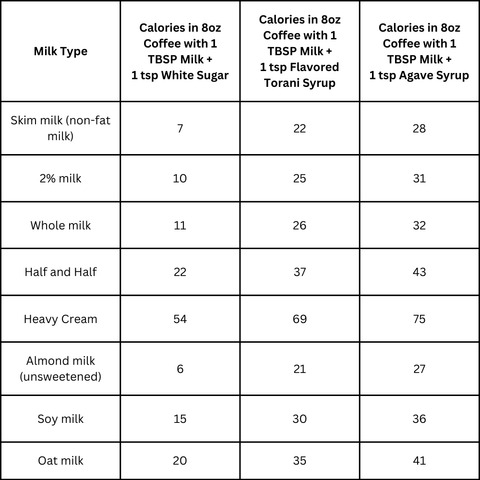
Work out the carbs for each ingredient at the amount you use, then add them up. The formula is number of servings × grams of Total Carbohydrate per serving.
Here's a full example. Both cups start with the same 8 fl oz of plain brewed coffee, plus one of two Coffee mate creamers. The manufacturer lists 2 g total carbohydrate per tablespoon (15 mL) for Coffee mate Original Liquid Coffee Creamer, 64-oz bottle.
Its French Vanilla Flavored Liquid Coffee Creamer, 66-oz bottle, lists 5 g per tablespoon.
| Example cup | Label value used | Added amount | Approximate carbs |
|---|---|---|---|
| Plain brewed coffee | 0 g per 8 fl oz (USDA-derived) | No addition | 0 g |
| Coffee plus Coffee mate Original, 64-oz bottle | 2 g per tablespoon | 3 tablespoons | 6 g |
| Coffee plus Coffee mate French Vanilla, 66-oz bottle | 5 g per tablespoon | 3 tablespoons | 15 g |
For the Original cup, 3 × 2 g = 6 g from creamer, plus the 0 g coffee base. The two rows are separate cups, each without syrup.
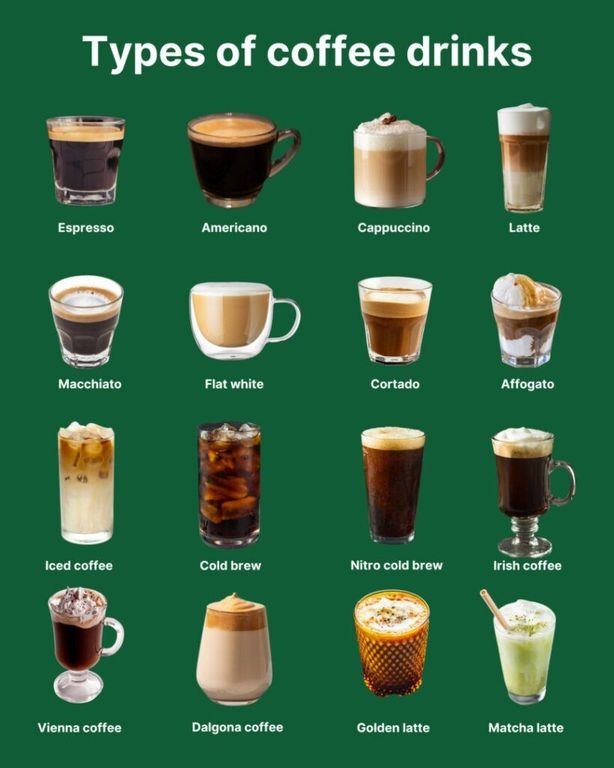
If you add syrup, multiply its Total Carbohydrate per labeled serving by the number of servings and add the result. There's no universal per-pump value, so use your bottle's label.
Don't stack extra ingredients on top of a manufacturer's figure for a whole standard drink. That figure already includes them.
How to Check a Coffee-Shop or Bottled Coffee Order
The carbs in a prepared coffee depend on its ingredients and recipe. Familiar ordering terms can mislead, especially when a chain changes its default recipe.
In 2023, a Starbucks customer figured out why the iced coffee they ordered black had tasted so sweet:
And it took me until a week ago to understand why I hated Starbucks iced black coffee.
That 2023 account reflects a Starbucks iced-coffee recipe that included classic syrup. Starbucks changed its standard US iced coffee to unsweetened by default in 2024, as confirmed in Starbucks' March 12, 2026 statement.
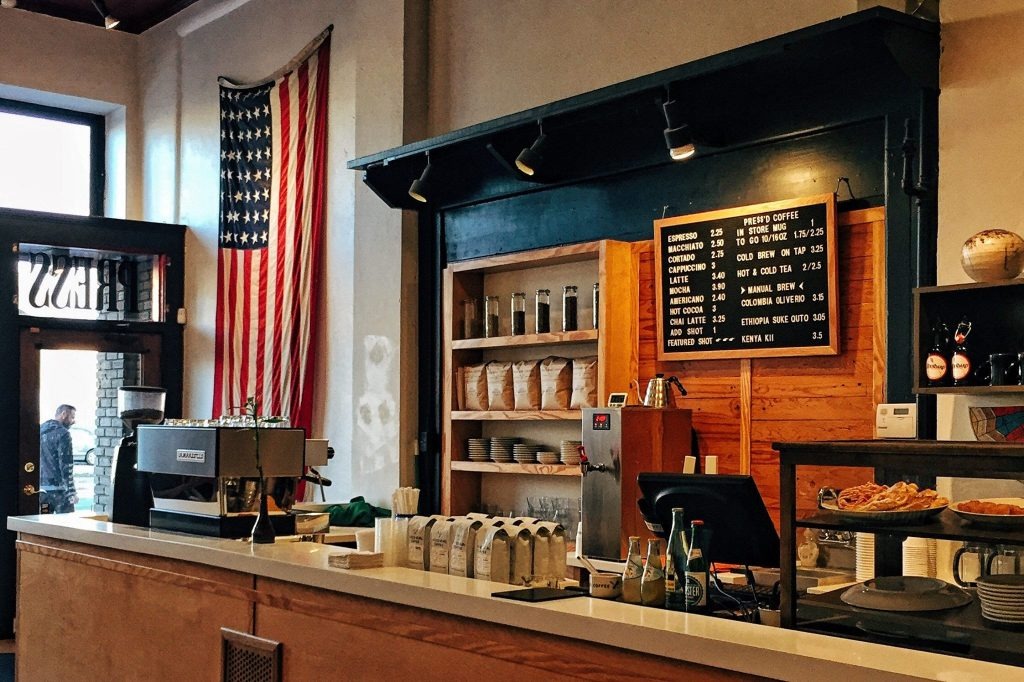
Nutrition listings reflect standard recipes. Extra syrup, a different milk, or another customization changes the total for the drink you actually get.
Before you order, confirm the exact product, size, current ingredients, and customizations in the menu or app. For bottled or canned coffee, read the Nutrition Facts for the whole beverage, since it can include milk, sugar, or other ingredients absent from plain brewed coffee.
Can Coffee Affect Blood Sugar Even If It Has Almost No Carbs?
Carb grams and blood-glucose response are different measurements. Mayo Clinic notes that caffeine can affect blood glucose in some people with diabetes, and responses vary. If you have diabetes and see unexpected glucose readings, get individualized medical advice, and don't change treatment based on a coffee carb estimate.