
Thai Tea Nutrition: Why Calories and Sugar Vary
No single calorie or sugar number describes every Thai iced milk tea. Sweeteners, condensed milk, other milk products, and optional toppings can change the total substantially, and four published examples report 123 to 320 calories per stated serving from recipes and serving sizes that differ. Use a figure only when its ingredients and serving size match your drink.
What counts as Thai tea?
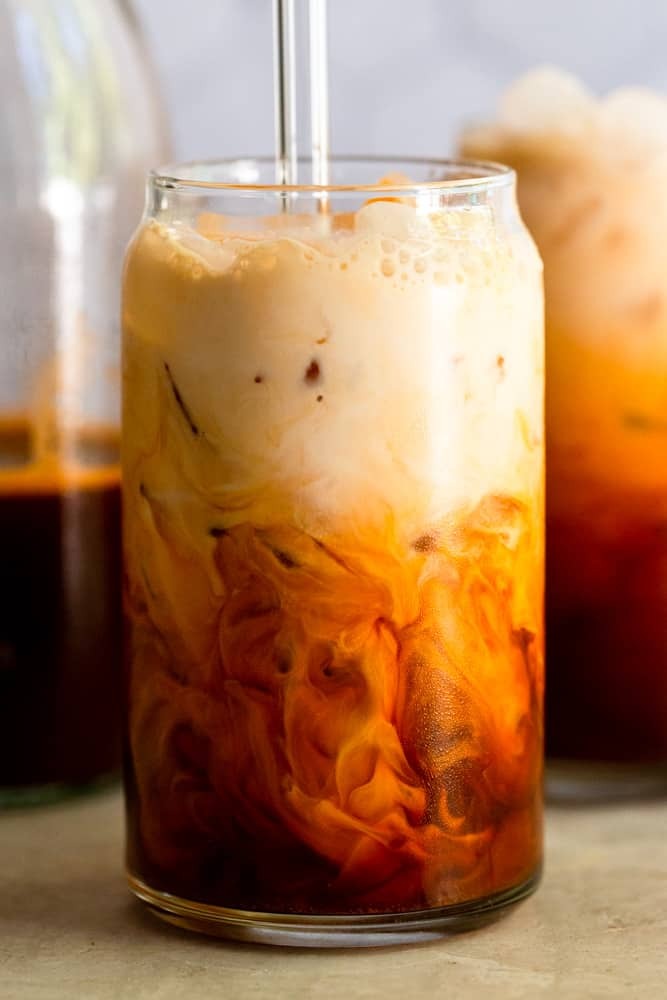
The Thai tea people log in a food diary is usually cha yen: brewed black tea poured over ice with sugar, milk, or cream. Its color can range from bright orange to dark brown. The amount of added sweetener and milk determines the drink's nutrition numbers. For brewing chemistry, see the tea tannin explainer.
Unsweetened brewed tea has very little food energy. The creamy finished drink may also contain granulated sugar, syrup, sweetened condensed milk, or half-and-half, and a boba-shop version can add tapioca pearls.
A dry Thai tea mix and the drink made from it are two different things. A retailer-listed ChaTraMue Original blend contains 94% tea powder and 5% sugar, with flavoring and coloring. Those numbers describe the dry mix. The finished drink also carries whatever sweeteners and milk you add.
A contributor described a family tradition of using loose-leaf Thai tea:
I accidentally got my mum addicted to Thai tea, we bought several kilograms of loose leaf tea (the brand above) and between the two of us inside three months we've gone through about 2 kilos already, so I got curious and did some research on it.
From what I understand it seams like Thai tea is usually the result of artificial flavours added to a full bodied tea like Ceylon, and the orange colour for most teas seems to be a result of artificial colours.
My mum and I usually brew the leaves and drink it with milk but no sugar, is there a way to have Thai tea that doesn't really on artificial flavours? Im definitely not a fan of the colour dye in our current blend since it stains my fingers and anything the leaves happen to touch.
Thai tea calories and sugar: four published examples
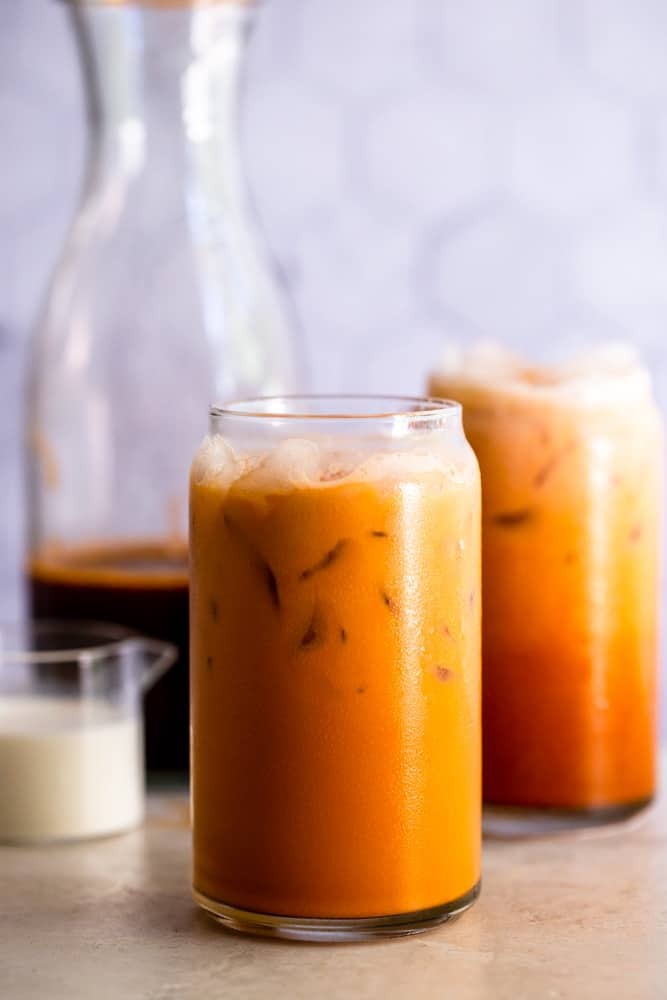
Published nutrition figures differ because each one describes a particular recipe or branded drink.
| Source | Serving | Calories | Total sugars | Source type |
|---|---|---|---|---|
| The Woks of Life | One recipe serving; makes 2 | 123 kcal | 21 g | Recipe estimate |
| P.S.W. Inc. Thai tea | 240 g branded beverage | 154 kcal | 24 g | Branded product listing |
| Whole Foods Market | One recipe serving; makes 4 | 180 kcal | 31 g | Recipe nutrition |
| Good Food | One nutrition serving; based on 6 | 320 kcal | 43 g | Recipe nutrition |
The endpoints are four selected examples, not a tested range for a typical restaurant cup. A recipe serving may hold a different amount of liquid and ice than a 240-gram branded portion.
Good Food's recipe uses both condensed and evaporated milk and reports 12 grams of fat per serving, based on six. The Woks of Life estimate lists 3 grams of fat per recipe serving.
Where the sugar comes from, including “25% sweet” orders

Thai milk tea can get its sugar from three places: granulated sugar or syrup added to the tea, sweetened condensed milk, and the lactose naturally present in milk products.
The FDA's added-sugars guidance defines total sugars as naturally occurring plus added sugars. Added sugars include sugar and syrups introduced during processing or preparation. Lactose in milk counts toward total sugars.
On US labels, 50 grams of added sugars equals 100% of the Daily Value on a 2,000-calorie reference diet. The FDA sets no Daily Value for total sugars, so the 24 grams of total sugar in the P.S.W. example can't be turned into a percentage of the added-sugars Daily Value.
The American Heart Association separately recommends limiting daily added sugars to 25 grams for women and 36 grams for men, about six and nine teaspoons.
Why a sweetness percentage is hard to interpret
A customer who often ordered the less-sweet option described a change in habit:
When i first moved to Thailand i would drink one cup of this almost daily (normally in the afternoon because i thought it had less caffeine than coffee 😅).
I would always order หวานน้อย (a little sweet) but eventually stopped altogether because many people told me there was still a considerable amount of sugar. Perhaps around 10g or 2 tspns in each cup.
หวานน้อย is supposed to be 25% sweet. So that would mean หวานปกติ (normal sweet or 100% is around 40g of sugar? Surely this can't be true?
Just wondering if there is anyone here more in the know who could give a more accurate estimate? I know it will depend on the shop but what is the range we're looking at?
The 10 g and 40 g amounts in the post are the customer's guesses. A shop might cut the syrup and leave the sweetened condensed milk alone, or use a different sweetener mix entirely. A “25% sweet” setting doesn't tell you the grams of sugar in the cup.
On a packaged drink with a Nutrition Facts panel, “Includes X g Added Sugars” shows the added sugar already counted in total sugars. Use that number with the FDA added-sugar Daily Value.
How condensed milk and substitutions change the recipe
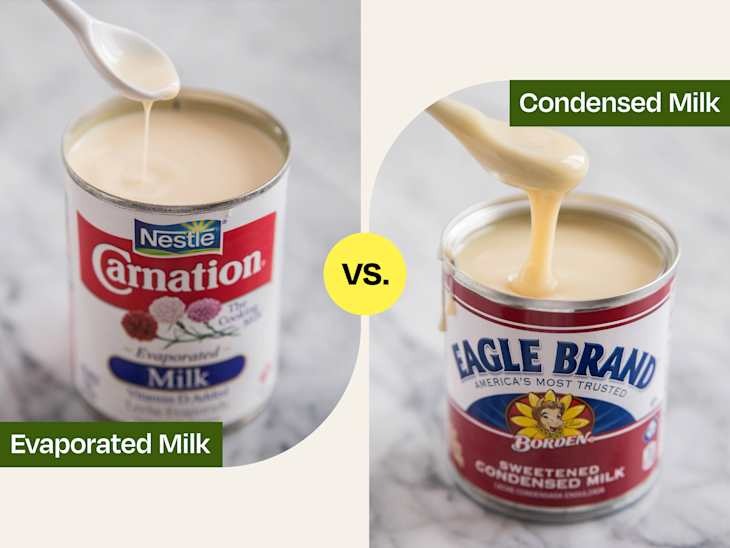
Both canned milks give tea a fuller texture; sweetened condensed milk contains added sugar. Unsweetened evaporated milk adds calories and naturally occurring milk sugars, with fat and protein depending on the product.
| Ingredient | Energy contribution | Added sugars? | What changes |
|---|---|---|---|
| Unsweetened brewed tea | Very little | No, if brewed without sweeteners | Tea strength and dilution |
| Granulated sugar or syrup | Yes | Yes | Amount of sugar added |
| Sweetened condensed milk | Yes | Yes | Sweetness, creaminess; also contains milk sugars |
| Unsweetened evaporated milk | Yes | No | Milk solids and naturally occurring lactose |
| Half-and-half or cream | Yes | Check the label | Richness and fat |
| Plant milk | Check the label | Yes, if sweetened | Product-specific calories and sugars |
| Tapioca pearls | Yes | Check the label | Extra carbohydrate, sometimes sweetener |
When you swap an ingredient, compare the Nutrition Facts panels of the original and the replacement at the same quantity: calories, total sugars, and any listed added sugars.
Whole Foods sweetens tea with granulated sugar and uses evaporated milk. The Woks of Life describes a Thai tea mix preparation with sweetened condensed milk and half-and-half or light cream. Good Food combines both canned milks. Changing one ingredient will affect each version differently.

A home cook listed their ingredients and asked whether the tea can be over-brewed:
Thai tea steeped in water added sugar condensed milk evaporated milk
Is it possible to over brew it ?
Calculate a homemade glass or evaluate a shop order
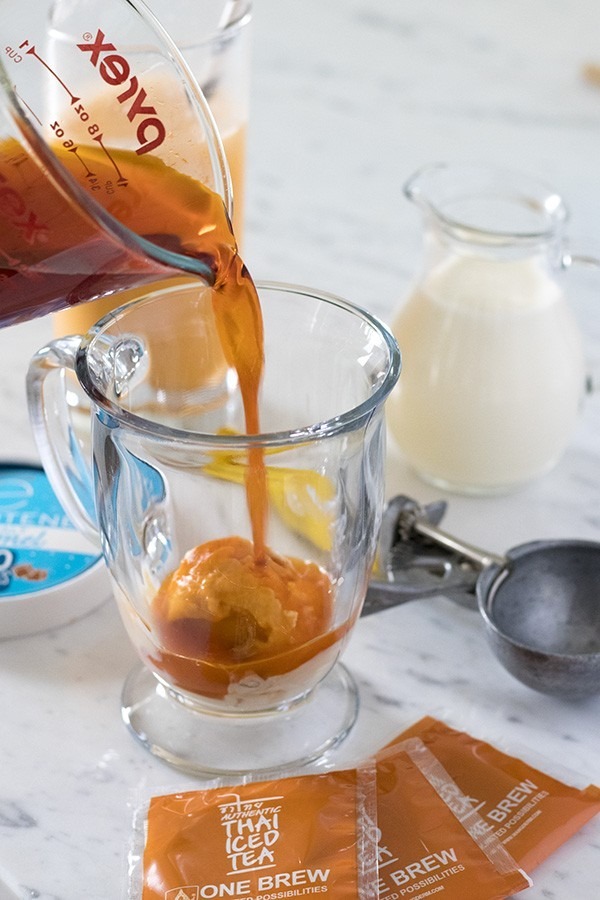
For a homemade batch, work from the quantities you actually poured in and the labels or food records that match those ingredients. Then divide the batch total by the servings you drank.
In the Whole Foods Market recipe, granulated sugar dissolves into the brewed tea. You fill four glasses with ice and tea, then pour evaporated milk into each.
| Ingredient | Whole batch | Per equal serving |
|---|---|---|
| Ceylon tea | 4 bags in 4 cups water | One-quarter of brewed tea |
| Granulated sugar | ½ cup | ⅛ cup (2 tablespoons) |
| Evaporated milk | 1 cup | ¼ cup |
Whole Foods reports 180 calories and 31 grams of total sugars per recipe serving. The per-serving quantities above are simple division by four. The finished liquid volume of each iced glass isn't specified.
A worksheet for your own ingredients
Use a matching product Nutrition Facts label or a food record from USDA FoodData Central. Keep calories, total sugars, and added sugars in separate columns, since some records list only the first two.
| Ingredient | Amount used | Label reference amount | Calculated calories | Calculated total sugars (g) | Calculated added sugars (g) | Label or data source |
|---|---|---|---|---|---|---|
| Sugar or syrup | ||||||
| Sweetened condensed milk | ||||||
| Other milk or cream | ||||||
| Tea mix or toppings, if used | ||||||
| Batch total | ||||||
| Servings in finished batch | Enter the number of equal servings used for the per-serving calculation | |||||
| Per serving | ||||||
For each nutrient, calculate: (amount used ÷ label reference amount) × nutrient amount on the label. Convert units first, then add up every ingredient. Divide the batch totals by the number of servings, or use the fraction of the batch you drank. Leave an added-sugars cell blank if the value isn't available.
The Woks of Life gives two preparations for Thai iced tea and notes that its recipe nutrition calculations are estimates that depend on ingredients and brands.
What if the shop doesn't publish nutrition information?
Take an order for a medium Thai tea with whole milk, light ice, 30% sweetness, and tapioca pearls. Those details describe the order. They don't give you the syrup amount, milk quantity, pearl portion, or finished volume.
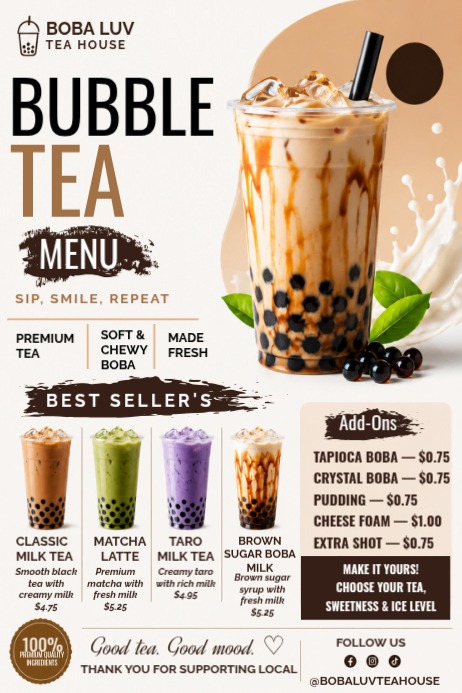
Use its figures if the shop publishes nutrition for that size and customization. If not, ask for the ingredients or nutrition information. Without them, the exact total stays unknown.
Caffeine and tea-mix labels
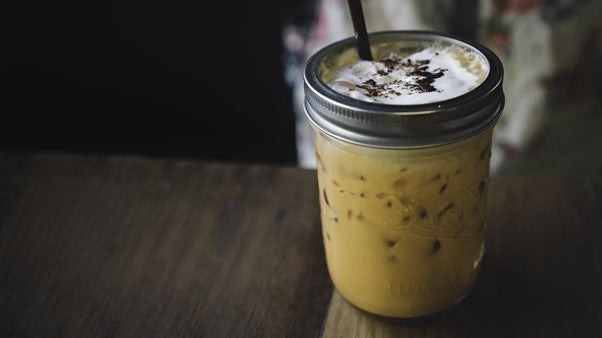
Thai milk tea brewed from black tea contains caffeine, and the amount depends on tea concentration, brewing, and portion size. The FDA gives 71 mg for a typical 12-fl-oz brewed black tea, a reference that doesn't measure a finished Thai milk tea. A retailer-listed ChaTraMue Original blend includes artificial flavor and FD&C Yellow No. 6; other products may differ. Check the mix label if you track caffeine or additives.
What to change for fewer calories or added sugars
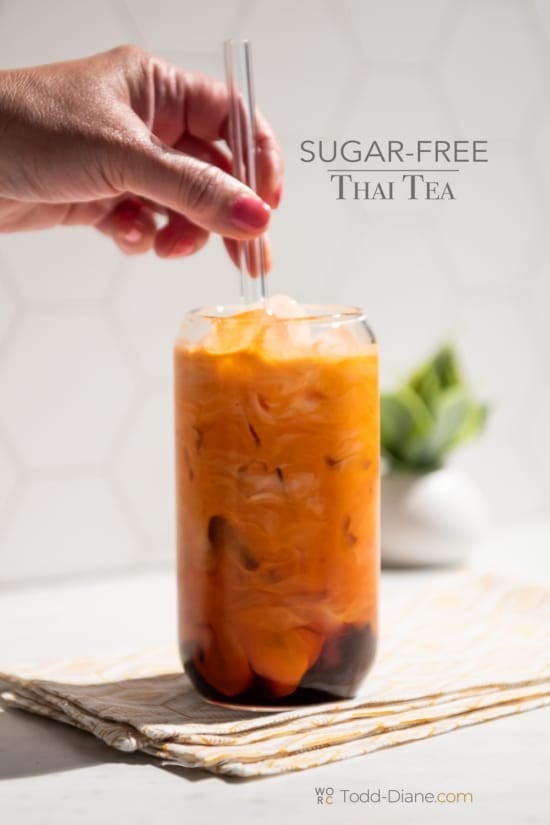
Order a smaller cup. A smaller portion from the same batch has proportionally less of every ingredient, though ice and toppings vary from shop to shop.
Cut the table sugar or syrup and you cut the added sugar that ingredient contributes. A drink made with condensed milk still carries added sugar, so look at the whole recipe.
A different milk can shift calories, fat, flavor, and sugar all at once. Without measured quantities, you can't promise a saving from any swap, so judge the change by the actual formulation.