
Drinks & Beverages: Nutrition, Ingredients, and Practical Comparisons
Match the drink you pour, order, or mix to the question you want answered, using its ingredients, preparation method, and serving size for a meaningful comparison. A plain coffee, a sweet café tea, and a powdered drink mix call for different information. The topics below help you identify the relevant question; this page also explains how to read a US nutrition label and when preparation changes the answer.
Match your drink to the question you want answered
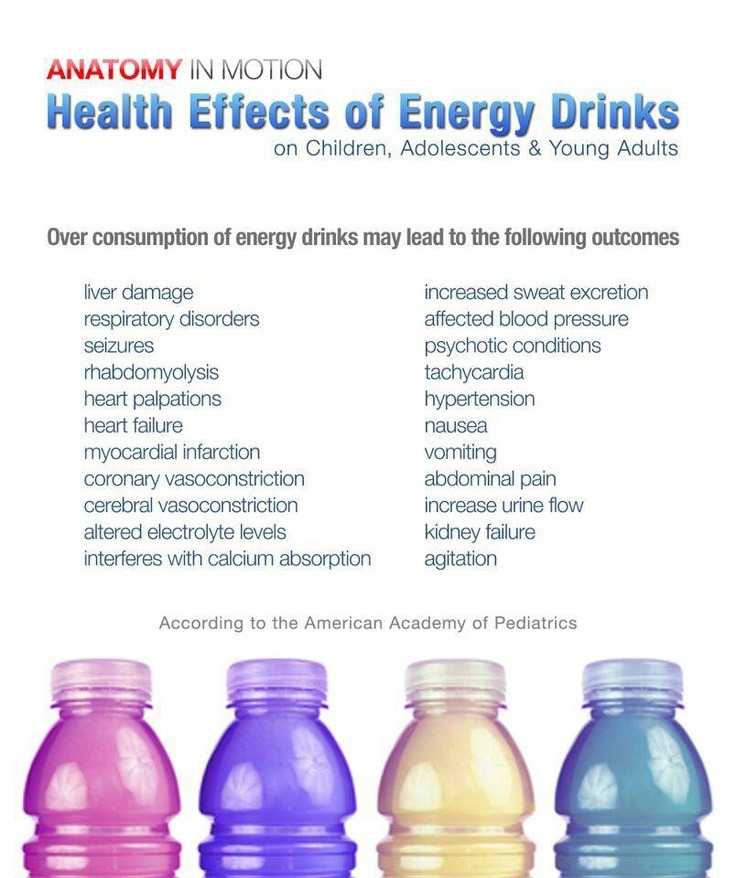
A question about tea's dry taste calls for a different explanation from one about the sugar in a café drink. Even drinks with similar names can have different ingredient lists, sweetness levels, and preparation methods.
| Drink or topic | What you want to understand | What matters most | Related topic |
|---|---|---|---|
| Ovaltine | Nutrition in a prepared drink mix | Product formula and whether it is mixed with milk or water | Ovaltine ingredients and nutrition |
| Tea tannins | Dry, bitter, or astringent tea | Tea compounds and brewing | How tea tannins affect taste |
| Golden milk | Ingredients in turmeric milk | Spices, proportions, and evidence behind claims | Golden milk ingredients and evidence |
| Honey and lemon water | What the drink contains and what it may do | Added honey and preparation | Honey and lemon water |
| Thai tea | Sugar, calories, and ingredients | Café recipe, milk, and sweetener | Thai tea nutrition |
| Eggnog | Calories, portions, and preparation | Recipe variation and egg handling | Eggnog nutrition and preparation |
| Coffee carbohydrates | Whether coffee contains carbs | Plain coffee versus milk, syrups, and other additions | Carbs in coffee |
Water and unsweetened drinks provide useful reference points when comparing beverage categories. They are part of the broader drink-choice guidance described by the CDC, alongside drinks that provide nutrients and those containing added sweeteners.
What changes the nutrition in a cup?
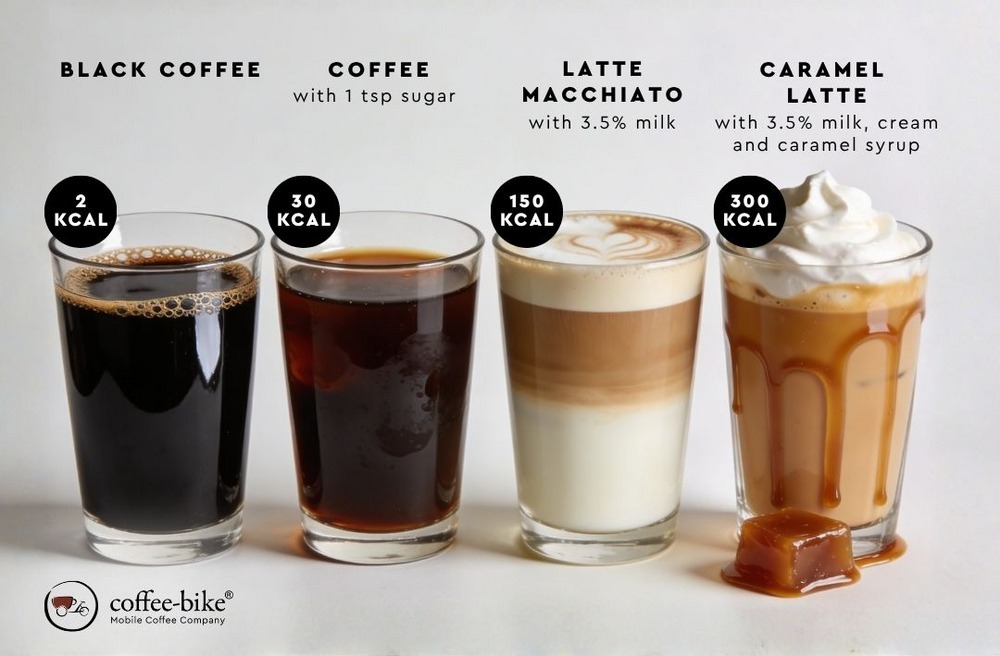
A coffee's nutritional profile changes when you add milk, sweetened creamer, or syrup. The amount poured matters too, particularly when the same additions appear in several cups throughout the day.
| Coffee preparation | Ingredient difference | Useful comparison |
|---|---|---|
| Plain coffee | No milk or sweetened additions | The coffee itself |
| Coffee with milk | Milk contributes its own nutrients, including lactose | Milk type and amount |
| Coffee with flavored syrup or sweetened creamer | Additional ingredients may contribute sugars and energy | Product ingredients and amount added |
One coffee drinker described the surprise of calculating milk additions over several daily cups:
I usually tend to take 100 ml of low fat milk for my coffee and I just realized that that would have roughly 50 kcal and 5g of sugar. Depending on the day I would drink 3 to 5 cups of coffee, so this adds up to 150 to 250 kcal and 15 to 25 g of sugar. Yikes. Granted, it's spread out over the day and you would drink it fairly slowly, but still, this sucks. I started cutting the milk in half but I'll also go looking for a decent substitute. Cream maybe? Does anyone else have any good suggestions? Edit: I am not adding sugar, it's already in the milk. 100 ml of milk have around 4.5 to 5'ish g of carbs.
Those numbers reflect the quantities and milk the poster estimated in their own routine.
Replacing flavored creamer or sugar may change the drink someone looks forward to, even when the replacement serves a nutritional goal. A coffee drinker can reasonably care about both the ingredients and whether the finished cup is enjoyable.
For a drink you prepare repeatedly, note how much milk, creamer, or syrup goes into each cup and how many cups you consume. Compare the resulting quantities on the same basis.
Read total sugar, added sugar and carbohydrates without mixing them up
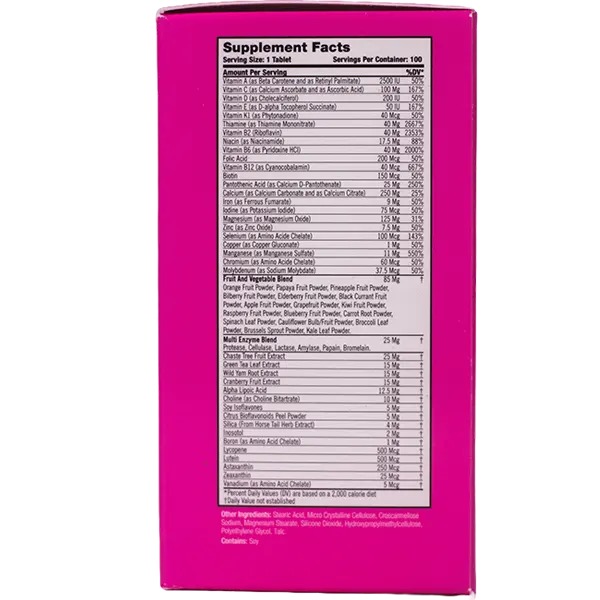
US Nutrition Facts labels distinguish several related quantities. Reading them as separate fields prevents a common error: counting added sugar twice.
| Label field | What it tells you | Common mistake |
|---|---|---|
| Serving size | The quantity used for the label's nutrient figures | Assuming it matches the full amount poured |
| Total Carbohydrate | The broader carbohydrate quantity in a labeled serving | Treating it as identical to sugar |
| Total Sugars | Naturally occurring sugars plus added sugars | Assuming every gram was added during preparation |
| Includes Added Sugars | The added-sugar portion already contained within Total Sugars | Adding it to Total Sugars again |
Milk naturally contains lactose. When milk contributes sugar to a beverage, that naturally occurring lactose is included in total sugars. Honey or syrup deliberately added to a drink belongs in the added-sugars category.
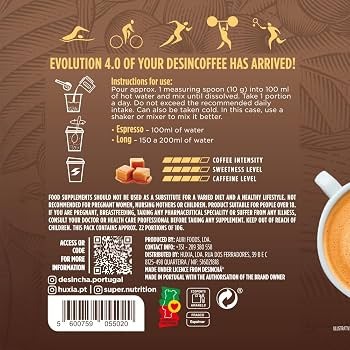
Check whether the Nutrition Facts panel shows values “as packaged” or an “as prepared” column. If it covers only the mix, include separately any milk, honey, or syrup you add. If an “as prepared” column already includes those ingredients in the stated amounts, do not count them twice.
The FDA's explanation of Added Sugars on Nutrition Facts labels describes these categories and how they appear on packaged-food labels.
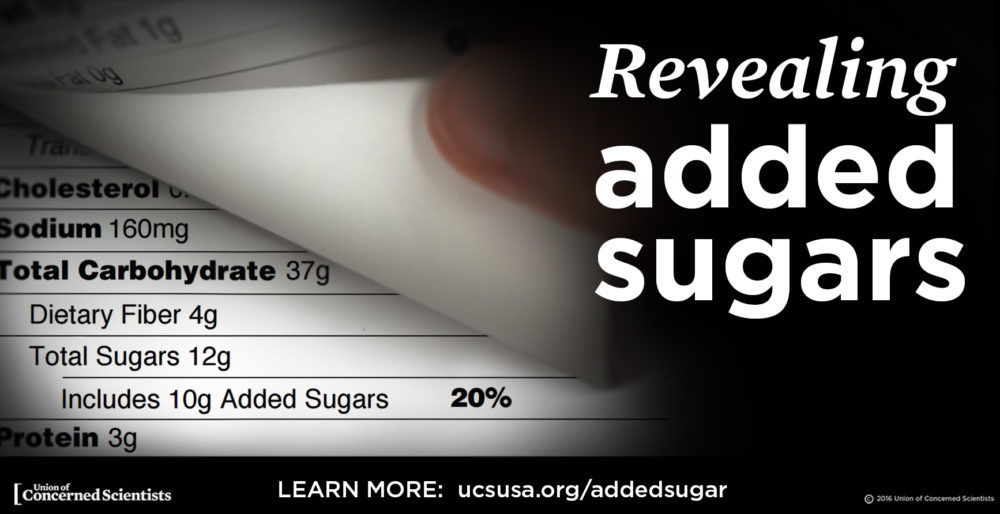
When a US Nutrition Facts panel is available, read Serving size, Total Carbohydrate, Total Sugars, and the indented Includes Added Sugars line together.
A café order, a powdered mix and a homemade recipe aren't the same formula
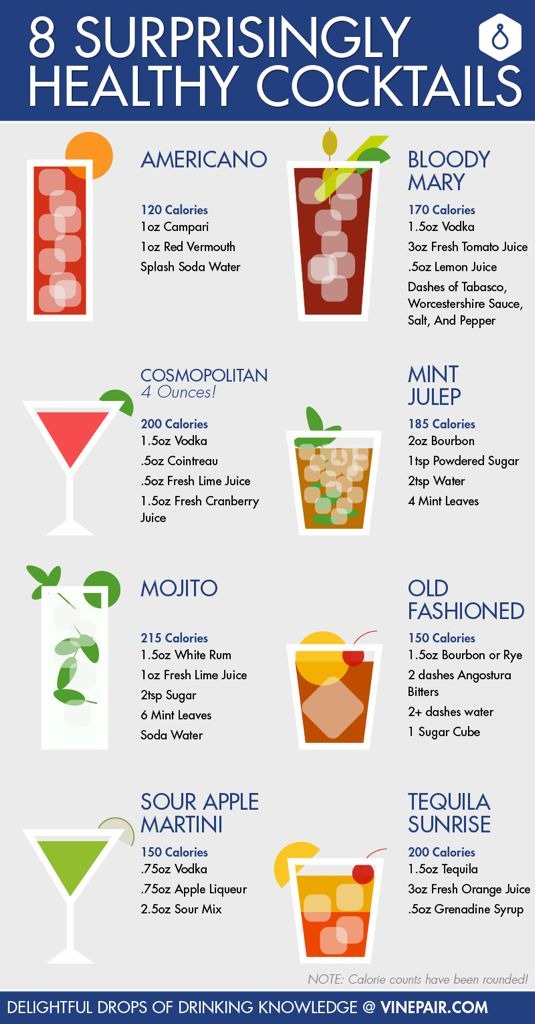
A drink's name tells you surprisingly little about the precision of its nutrition information. A packaged mix, a café drink, and a homemade recipe offer different ways to establish what went into the cup.
A packaged mix has a manufacturer's formula and mixing instructions. Ovaltine is one example; a serving made with milk and one made with water have different ingredients.
A café drink depends on the ingredients and quantities used for that order. Asking for less sweetness may change the recipe, but the phrase alone gives no fixed number of grams of sugar.
In a Reddit discussion about Thai tea in Thailand, a customer described ordering หวานน้อย, meaning “a little sweet,” while trying to work out how much sugar the drink contained. The customer's estimates were uncertain, and that ordering convention does not establish a sugar quantity for US cafés.
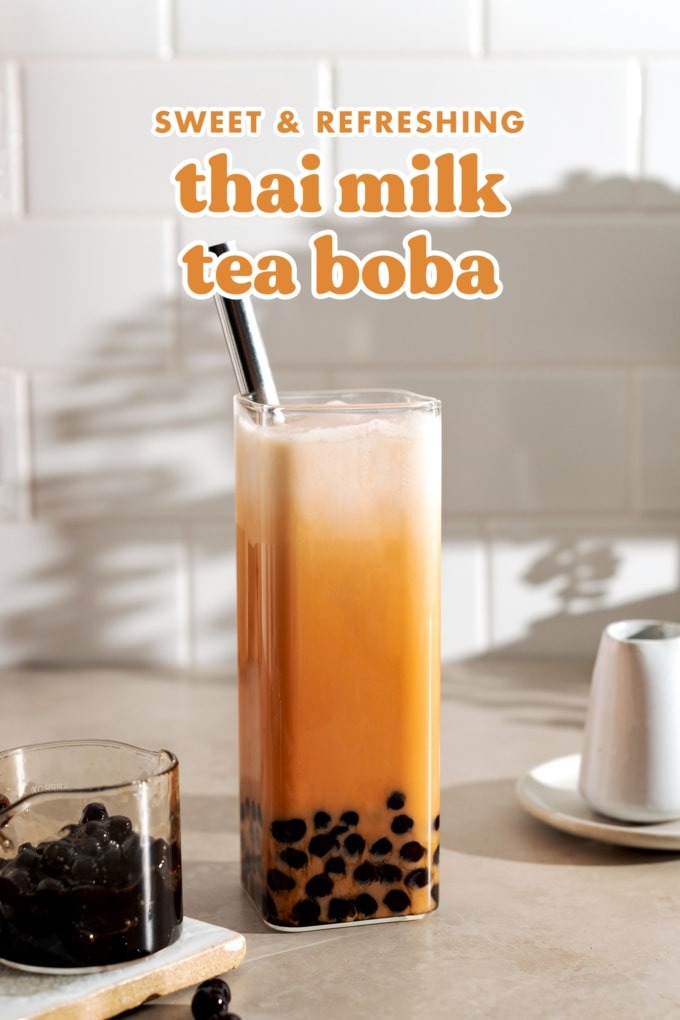
A homemade drink brings a different problem: reproducing the recipe. A cook who knows the ingredients but forgets the proportions may struggle to make the same drink again.
One person described finding an old golden-milk spice blend:
Title is probably overdramatic but whatever; A few years ago i was suggested to try some golden milk and found a recipe for a mix, i did enjoy it and it helped with some low tier health issues at the time/it was tasty. Recently i found the old batch id mixed up but for the life of me i cant remember what the proportions were i actually used. It was still next to the ingredients so i know WHAT was in it [turmeric obviously, cardamom, cinnamon, black pepper and ginger] just not how much of what because i didn't label the dam thing.
The health benefit mentioned is the poster's personal impression.
For a café order, ask what ingredients and quantities the shop can provide. For a homemade spice mixture, record the proportions with the recipe.
Tea taste and wellness claims answer different questions
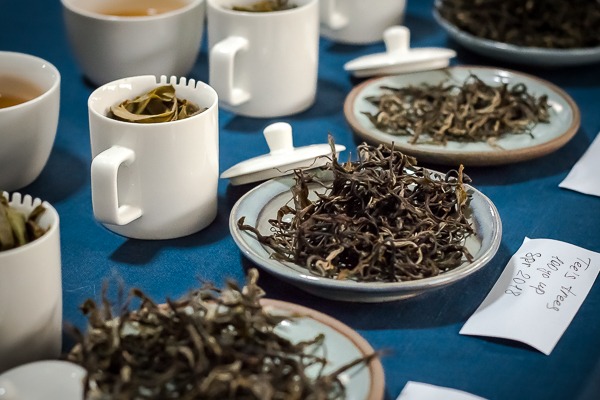
Black tea can taste drying or chalky after a long steep, as one tea drinker described. When the concern is taste, examine the brewing conditions; that sensation does not measure tannin content or establish a medical risk. When a drink is promoted for a health effect, identify whether the evidence concerns the prepared beverage, an ingredient, or a supplement. NCCIH's turmeric overview examines turmeric and curcumin evidence, including supplement formulations different from a homemade cup of golden milk.
Two situations that change the answer: a product formula and raw eggs
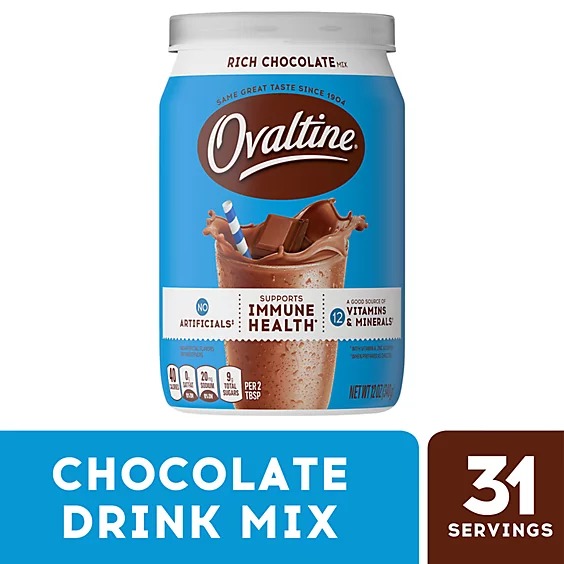
With Ovaltine, the relevant product is the particular US formulation being prepared, including whether it is mixed with milk or water. Use that product's package for its Nutrition Facts and preparation instructions. Added vitamins or minerals described in brand materials do not establish a therapeutic benefit.
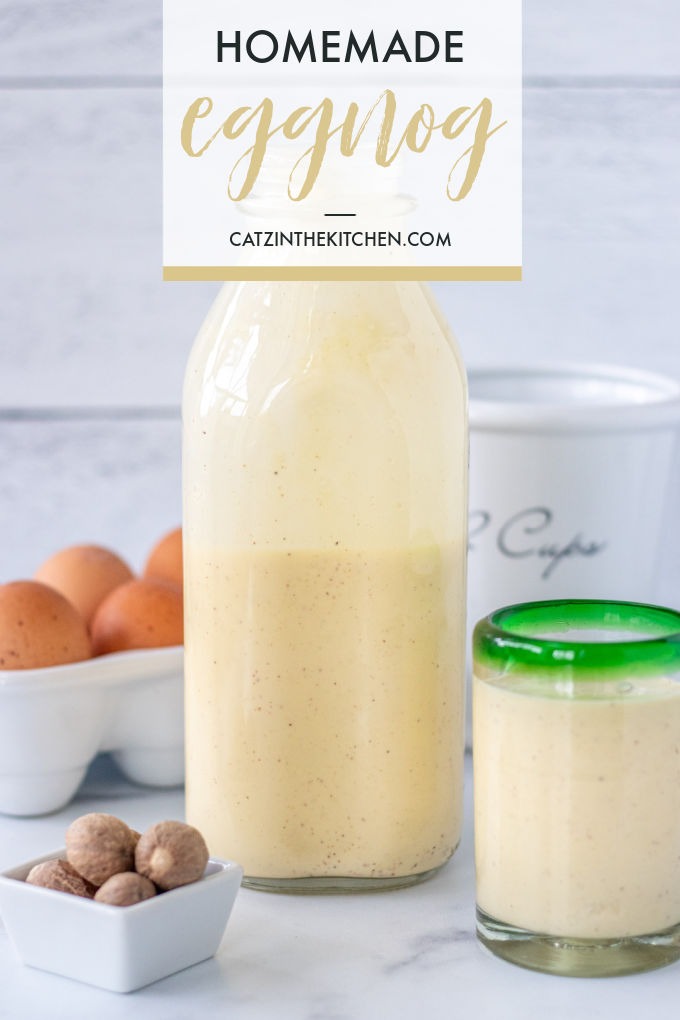
With eggnog, preparation affects food safety as well as nutrition. A homemade recipe containing uncooked, unpasteurized eggs presents a different concern from a properly pasteurized egg product or an appropriately cooked preparation.
The USDA Food Safety and Inspection Service guidance on egg products in uncooked foods recommends pasteurized eggs or egg products for dishes that will remain uncooked. This is a recipe-specific safety distinction, not a reason to regard every commercial eggnog as unsafe.
For the beverage you're drinking, start with the topic that matches your question and compare the ingredients and serving of that preparation. If it is a branded mix or an egg-containing recipe, confirm its product formula or preparation method before relying on a nutritional figure.
Explore this topic
Is Ovaltine Healthy? Ingredients, Nutrition, and Serving Sizes
See how Ovaltine's added sugar, fortified vitamins, and milk change a serving. Compare US flavors and learn to read conflicting nutrition labels.
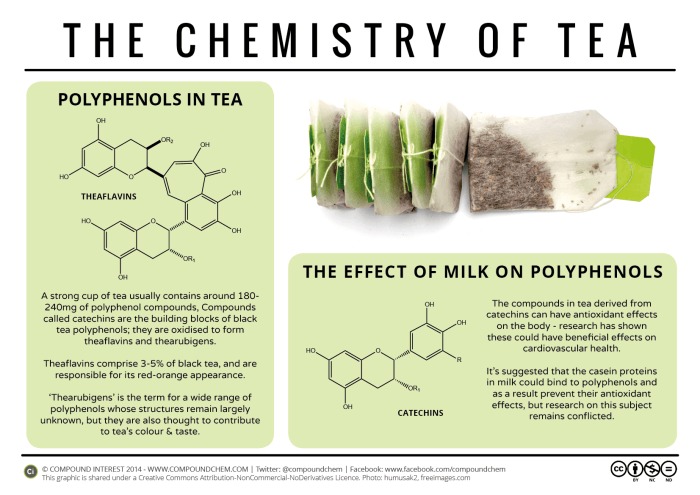
Tannins in Tea: How They Shape Taste, Brewing, and Iron Absorption
Learn why tea tastes bitter or dries your mouth, compare brewing ranges and tea types, and see what a controlled study found about tea and iron absorption.
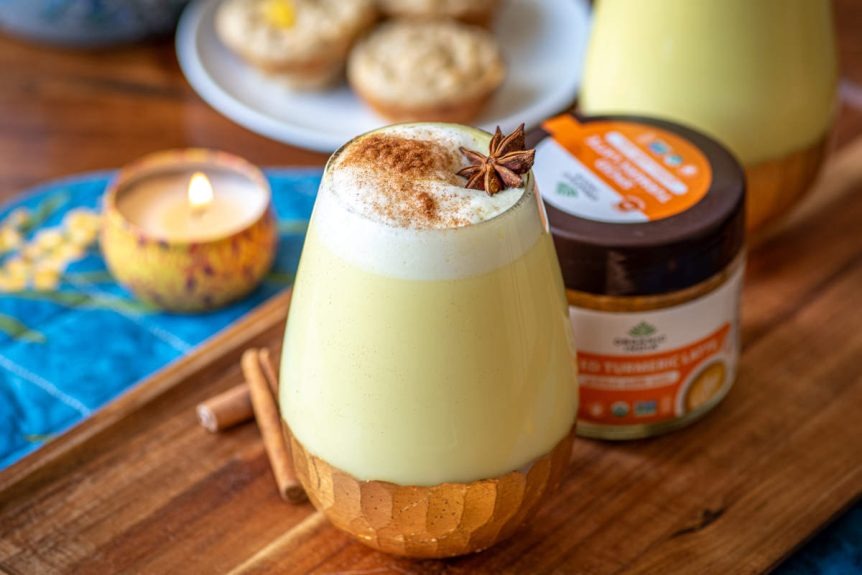
Turmeric Milk (Golden Milk): Recipe, Troubleshooting, and Evidence
Make turmeric milk with 1 cup of milk and ¼ tsp ground turmeric. Choose spices, fix gritty or curdled results, and understand what health evidence supports.
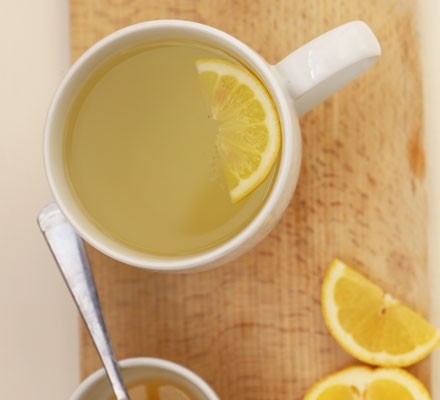
Honey Lemon Water: How to Make It and What It Does
Make honey lemon water with one cup of water, half a lemon, and one teaspoon of honey. See the sugar, vitamin C, heat, dental, and cough evidence.
Thai Tea Nutrition: Why Calories and Sugar Vary
Compare Thai tea calories and sugar in four published examples. Learn what condensed milk changes and how to calculate a homemade glass from ingredient labels.
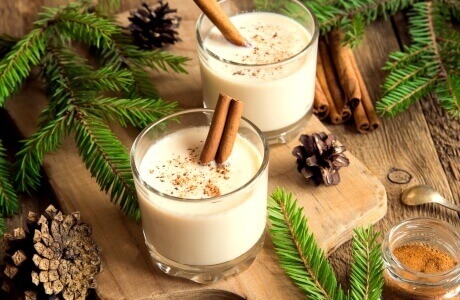
How Many Calories Are in Eggnog? By Serving Size and Type
See eggnog calories for a half cup or full cup, compare regular and light varieties, and calculate an actual pour, carton, or homemade batch.
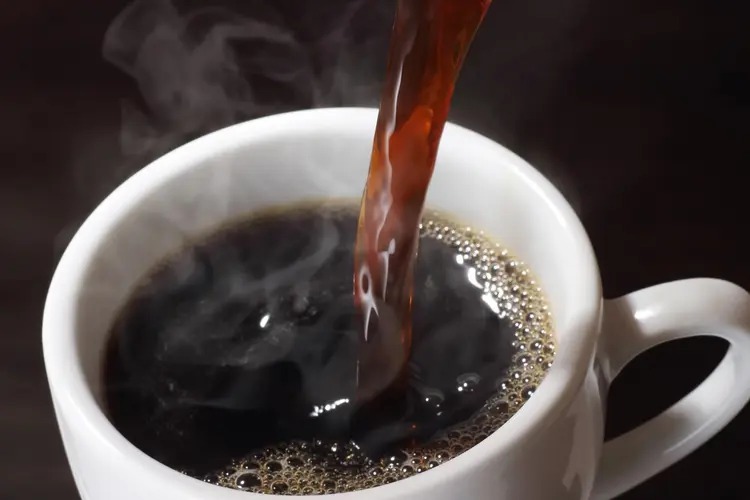
Does Coffee Contain Carbs? Black Coffee, Milk, and Sweeteners
Compare carbs in black coffee, lattes, and flavored creamer. See verified serving-size examples and calculate how many carbohydrates are in your own cup.