
Is Ovaltine Healthy? Ingredients, Nutrition, and Serving Sizes
Ovaltine is a fortified sweet drink, and the added sugar remains part of it alongside the vitamins. Milk supplies much of the protein and calcium in a prepared glass. Your answer depends on the exact US flavor, the serving, the mixing liquid, and any ingredients you need to avoid. If those don't fit, an unsweetened drink is simpler.
Which Ovaltine are we talking about? Ingredients and US flavors
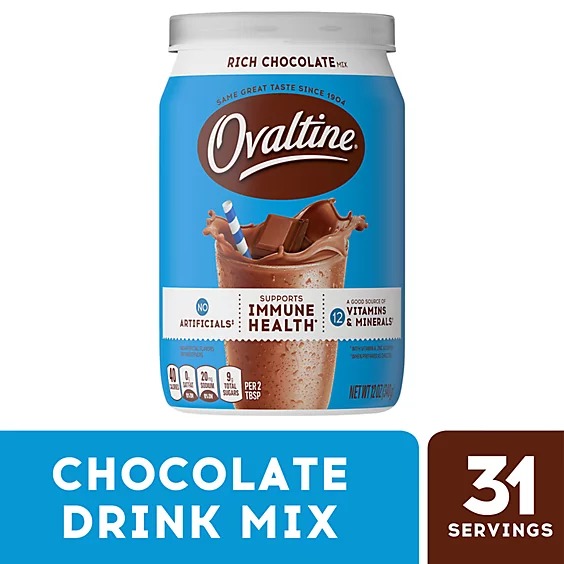
Several varieties of sweetened, vitamin-fortified Ovaltine drink mix are sold in the US; chocolate Malt, Rich Chocolate, and Classic Malt are separate products with different ingredient lists.
| US variety | US product listing | Ingredient detail |
|---|---|---|
| Chocolate Malt | Chocolate-flavored malt drink mix, listed with powder and prepared-drink nutrition | Sugar and barley malt extract appear near the start of the ingredient list. |
| Rich Chocolate | A separate two-tablespoon powder serving on Target's US listing | Target's list shows sugar, cocoa, whey, and soy lecithin. Barley malt extract is absent. |
| Classic Malt | A separately named malt drink mix in a US retail listing | Malt extract, whey, and soy are among the listed ingredients. |
Nestlé USA says Ovaltine provides 12 vitamins and minerals when prepared as directed and contains no artificial flavors or sweeteners. It does contain sugar: Target's ingredient list for US Chocolate Malt includes it.
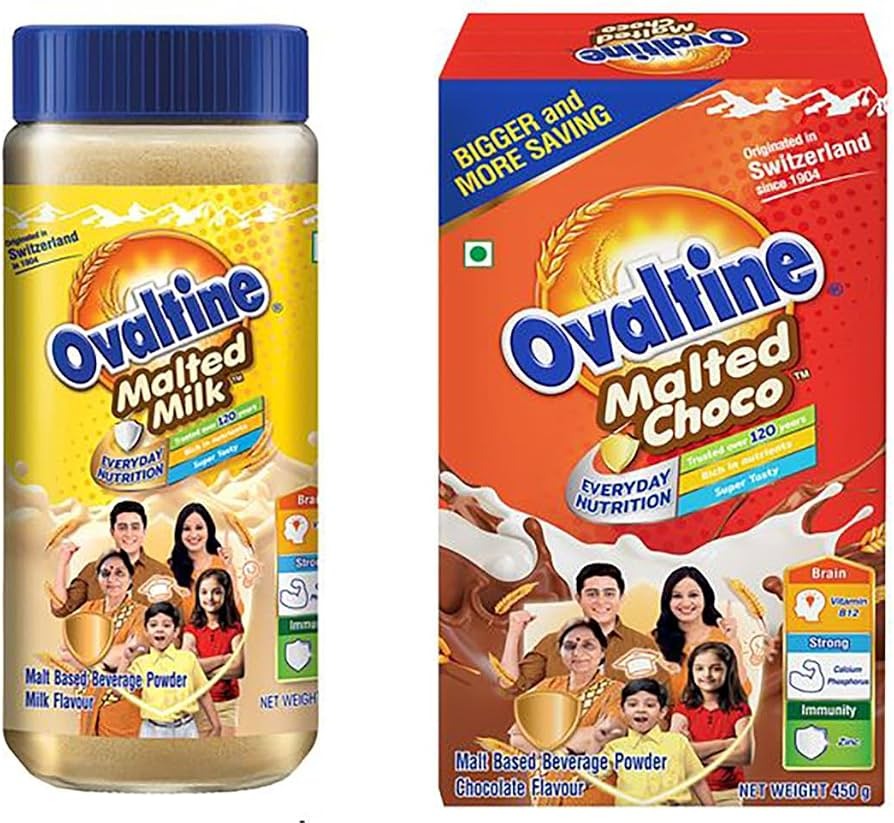
A UK Ovaltine Original listing specifies 25 g of powder mixed with 200 mL milk. The US example below uses 11 g of powder and 8 fl oz of liquid, so the two sets of figures describe different servings.
Ovaltine nutrition: powder versus a glass made with milk
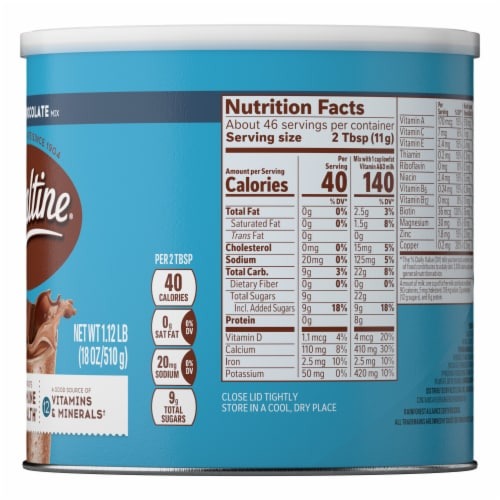
Milk changes the glass a lot. The clearest numbers come from Healthline's January 2024 Ovaltine comparison, which used two tablespoons (11 g) of Chocolate Malt powder in 8 fl oz of water or skim milk.
| Nutrient | 11 g powder + 8 fl oz water | 11 g powder + 8 fl oz skim milk |
|---|---|---|
| Calories | 40 | 123 |
| Protein | 0 g | 8 g |
| Total sugars | 9 g | 22 g |
| Added sugars | 9 g | 9 g |
| Calcium | 8% DV | 31% DV |
| Vitamin A | 20% DV | 37% DV |
| Vitamin D | 4% DV | 19% DV |
These values come from that 2024 comparison.
The jump from 9 g to 22 g total sugars comes from lactose, the natural sugar in milk. Added sugars stay at 9 g in both glasses. Milk powder, added sugar, and drink carbohydrates also come up in the coffee-and-creamer carbohydrate guide.
Do the added vitamins and minerals make Ovaltine healthy?
The added vitamins and minerals are real, and they come in a sweetened drink.
Healthline's 2024 comparison reports vitamin B6 at 40% of the Daily Value with water and 45% with skim milk.
Someone who enjoys a flavored glass of milk gets nutrients along with the sweetness. Someone who already meets their needs may care more about the added sugar.
A fortified drink is still a food choice. It does not replace prenatal vitamins, prescribed supplements, or treatment for a diagnosed deficiency.
How much added sugar is in Ovaltine, and what do US guidelines mean?
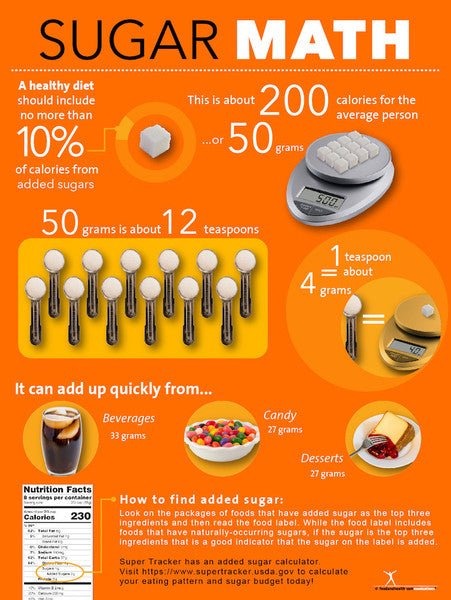
US product listings for Chocolate Malt and Rich Chocolate report 9 g of added sugar per two-tablespoon serving. That equals 18% of the FDA's 50 g Daily Value for added sugars on a 2,000-calorie reference diet.
Total sugars include added sugars
Under the FDA's Added Sugars guidance, Total Sugars covers naturally occurring sugar and sugar added during processing. When a prepared drink shows 22 g Total Sugars and "Includes 9 g Added Sugars," the 9 g sit inside the 22 g.
The Daily Value math: 9 ÷ 50 × 100 = 18%.
Why the reference numbers differ
The FDA's Daily Value is a standardized food-label reference. The 2025 to 2030 US Dietary Guidelines, described in CDC's April 29, 2026 added-sugars guidance, give a different recommendation by meal and age group.
| Reference | Amount | What it applies to |
|---|---|---|
| FDA Nutrition Facts Daily Value | 50 g added sugars per day | Standard 2,000-calorie label reference |
| 2025 to 2030 US dietary guidance | No more than 10 g added sugars per meal | Adolescents and adults |
| 2025 to 2030 US dietary guidance | No added sugars recommended | Children younger than 11 |
| American Heart Association | 25 g/day for women; 36 g/day for men | Separate adult daily guidance |
One 9 g serving comes close to the 10 g per-meal figure for adolescents and adults, before you count anything else in the meal. The recommendation for younger children is stricter.
Is Ovaltine fattening? Calories in context
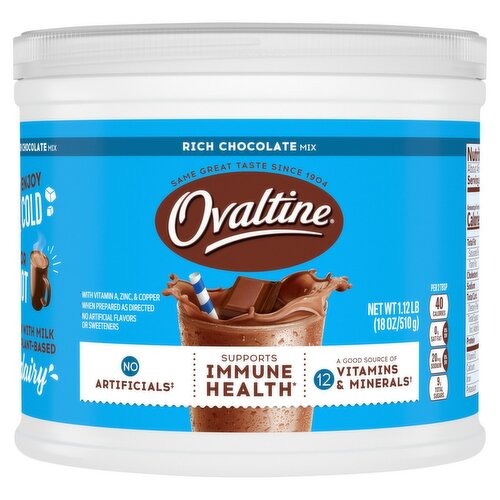
Ovaltine adds calories, and milk adds more: 40 calories made with water, 123 with skim milk in Healthline's comparison. Whether that shows on the scale depends on your total intake over time, including how much powder you use, how often you drink it, and whether it replaces food or comes on top of your usual routine. If you are deliberately adding calories, a sweetened milk drink does a different job than it does for someone cutting back.
Gluten, milk, soy: who needs to read the ingredients closely?
Ingredient restrictions can settle the question before calories or vitamins matter. Retailer ingredient lists for US Chocolate Malt and Classic Malt include barley-derived malt. Target's Rich Chocolate page lists a different formula and a possible-wheat warning.
The FDA's gluten-free labeling guidance explains that barley malt extract comes from gluten-containing barley and cannot be used in a food carrying a gluten-free labeling claim. Rely on the US ingredient list, not on the flavor name or an international product page.
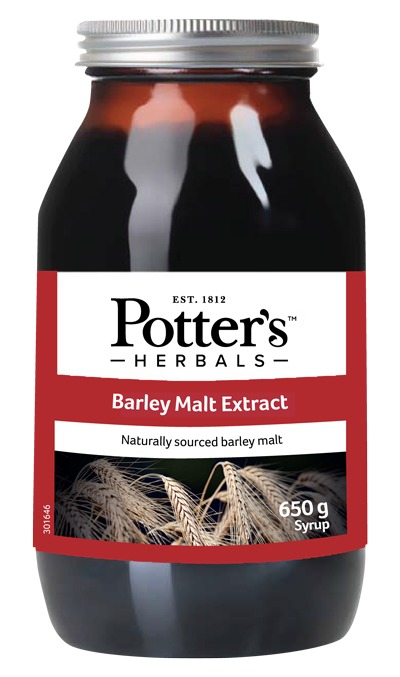
- Barley and gluten: Barley malt extract matters if you must avoid gluten. Its absence from one retailer's Rich Chocolate list is not a gluten-free certification.
- Milk: Some powder formulas contain whey or other milk-derived ingredients, even when mixed with water.
- Soy: Soy appears in certain US ingredient or allergen statements.
- Wheat warnings: Some retailer pages say "may contain wheat." That warns of possible cross-contact. Wheat listed as an ingredient is a separate matter.
If a restriction is medically serious and a label leaves you unsure, ask a qualified professional.
When does Ovaltine make sense compared with other drinks?
Ovaltine gives you a sweet malt or chocolate flavor plus fortification. Plain milk and unsweetened drinks suit other goals.
| Main goal | Option to consider | Deciding detail |
|---|---|---|
| An occasional sweet drink | A measured Ovaltine preparation | Works when its added sugar suits your overall intake. |
| Lower added sugar in an everyday drink | Water or an unsweetened beverage | No sweetened powder needed. |
| Protein and calcium | Plain milk or a suitable fortified alternative | Check the liquid's nutrients; plant-based versions vary. |
| More dietary energy | A full-calorie milk drink | Your total intake and needs set the amount. |
| Avoidance of gluten-containing barley | A product compatible with that restriction | Ingredients come first, ahead of flavor or fortification. |
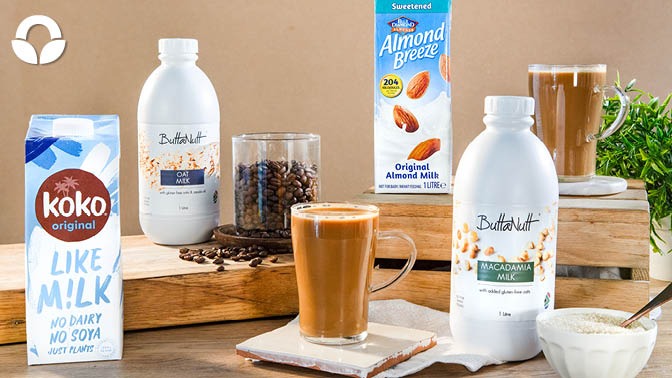
Milk naturally contains lactose and supplies protein and calcium without sweetened powder. Unsweetened fortified alternatives vary in protein and micronutrient content, sometimes substantially compared with dairy milk.
How to read your own jar when nutrition listings disagree
An online Ovaltine page can describe powder alone, a drink made with milk, or a different formulation entirely. Numbers that look contradictory usually describe different servings.
A listing anomaly: A Lowe's Foods Ovaltine record showed zero added sugar with sugar listed first in the ingredients, and also reported zero servings per container. The entry contradicts itself and gives no reason to think the manufacturer mislabeled a jar.
H-E-B has displayed 40 calories for powder and 140 calories for a prepared Ovaltine drink. Those figures cover different preparations.
Healthline's comparison table uses 11 g of powder, while another passage refers to 21 g. Calculations from those two amounts cannot be combined into one serving.
The current jar of your US variant is the best starting point. A current manufacturer listing for that exact product can clarify the label. Retailer listings and older international comparisons carry less weight when their servings can't be aligned.
A five-step check of the glass you make
- Identify the product. Match the country and flavor on your jar, and check any label detail or date that separates it from an older listing.
- Read the serving size. Note the tablespoons and grams, and how much powder went into the drink.
- Separate the mixing liquid. See whether the panel already includes milk. If it covers powder alone, add the type and amount of liquid yourself.
- Interpret the label fields. Read Total Sugars and Includes Added Sugars, and use the package's ingredient and allergen information for restrictions.
- Discard unresolved online totals. If a retailer's numbers do not match your product, serving, or preparation, leave them out of your calculation.
Calculate the finished glass from both the powder and the liquid you mix it with. Use the label for the particular US flavor in your kitchen.