
Tannins in Tea: How They Shape Taste, Brewing, and Iron Absorption
Harsh-tasting tea is easier to troubleshoot when you change one brewing variable at a time: steeping time, water temperature, or the amount of leaf. Tea taken with a meal can lower absorption of nonheme iron, the iron in plant foods, so if that matters to you, drink tea about an hour after an iron-containing meal instead of with it. Tea contains several polyphenols commonly called tannins, and their effect on taste depends on the leaves, the processing and the brewing conditions.
What are tannins in tea?
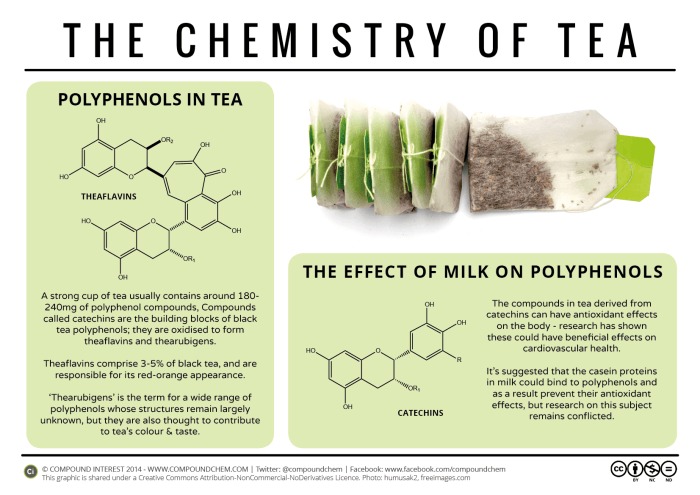
Green, white, oolong, black and pu-erh tea all come from Camellia sinensis and contain polyphenols commonly grouped under the label “tannins.” “Tannins” is a broad label, not a single substance: EGCG is one catechin, while tannic acid is a different compound. Green tea is known for its catechins; black-tea processing produces theaflavins and thearubigins. The Linus Pauling Institute at Oregon State University describes these groups. You can't judge how much of any of them a cup contains by how harsh it tastes.
Why tea tastes bitter and makes your mouth feel dry
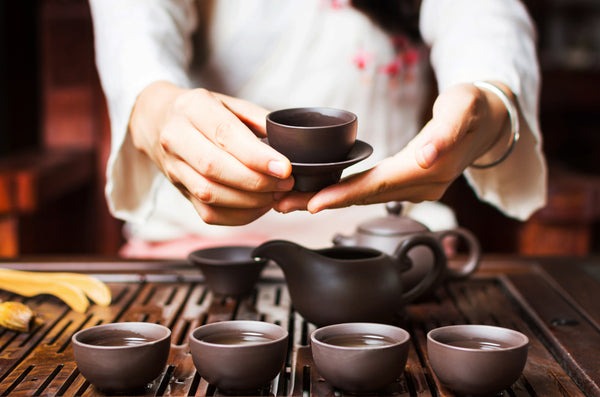
Astringency is the dry, rough or puckering feeling tea can leave in your mouth. Bitterness is a taste, and it often accompanies astringency—which is why people confuse them. For a fuller breakdown of tannins, bitterness and drying mouthfeel, see the explanation of astringent taste.
Tea polyphenols interact with proteins in saliva and change how well the surfaces of your mouth stay lubricated. That explains the odd feeling of a dry mouth while you're drinking something wet.
Try this with your next cup: notice whether the sharpness is a bitter flavor during the sip or a drying, puckering feeling that lingers after you swallow. One tea can produce both, and people perceive them differently.
Which teas have more tannins: green, black, white or oolong?
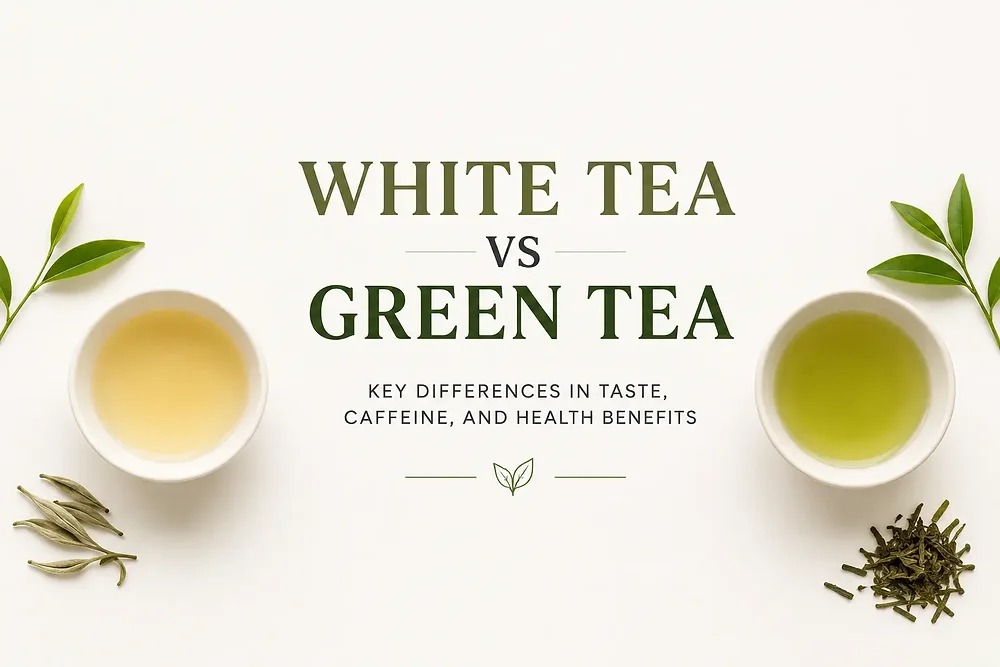
It depends on which compound you count. Green tea has far more EGCG than black tea, and black tea has far more thearubigins.
Oregon State University's tea-composition table reports values for one gram of leaves per 100 mL of boiling water. The sampled green tea contained 70.2 mg of EGCG per 100 mL, compared with 9.4 mg in black tea. For thearubigins, the figures ran the other way: 1.1 mg per 100 mL in green tea and 81.3 mg in black tea.
| Tea type | Processing distinction | Characteristic compounds |
|---|---|---|
| White | Minimally processed, limited oxidation | Catechins |
| Green | Processing limits oxidation | Catechins, including EGCG |
| Oolong | Partly oxidized | Variable catechins and oxidation products |
| Black | More extensively oxidized | Theaflavins and thearubigins |
| Pu-erh | Additional processing; some varieties aged | Composition varies with processing |
A ranking by “total tannins” only works if every tea is defined, measured and prepared the same way. An EGCG figure describes one catechin, and a dark color alone says little about bitterness; tea cultivar, growing conditions, leaf grade and brewing also change what ends up in the cup. One r/tea poster found that only the green tea in a sampler of green and white teas turned bitter when oversteeped:
Hi all,
Relatively new to nicer teas. Mostly been searching and lurking the vast resources here in this subreddit, but ran into something I'm curious about. I got the first steps tea sampler from Yunnan Sourcing and I've noticed only the green tea of the 3 teas I've tried so far (pictured) get overly bitter when I steep it too long. I've always thought all tea gets bitter when steeped too long, but as I've been reading/learning more it seems when tea gets aged, the chemical (catechins?) react/evolve out so it you can't steep too long and get overly bitter tea. So I guess the question is this, will all aged teas not get bitter when steeped too long or is it more complicated than that? I thought it might be based on the tea type (white vs green vs dark), but then the white tea I tried didn't get bitter when I literally forgot about it in my gaiwan for 5 minutes. The green tea I've tried is from this year and I had a few flecks sneak in my mug and after a while the entire cup got bitter when it wasn't initially.
The poster's aging explanation is an untested hypothesis.
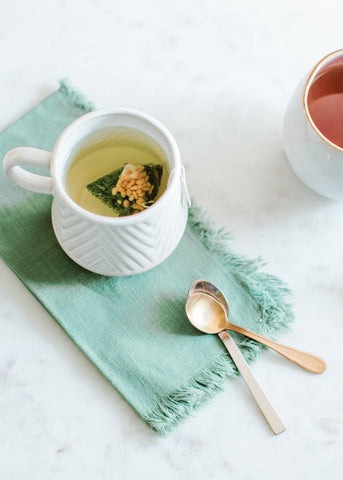
What steeping time, water temperature and leaf amount change
Water temperature, steeping time and the amount of leaf relative to water all affect extraction. The Tea & Herbal Association of Canada offers these general starting ranges:
| Tea type | Suggested water temperature | Suggested steeping time |
|---|---|---|
| White | 80°C (176°F) | 2 to 5 minutes |
| Green | 80°C (176°F) | 1 to 3 minutes |
| Oolong | 80°C (176°F) | 2 to 3 minutes |
| Black | 100°C (212°F) | 3 to 5 minutes |
In a 2015 Turkish green-tea experiment, a three-minute steep in 85°C (185°F) water gave 50.69 mg of EGCG per 100 mL and the highest reported sensory scores of all the conditions tested, which also included 75°C and 95°C and other steeping times.
In a 2026 study of Turkish black tea, researchers prepared 384 independent infusions, and seven trained panelists evaluated 2,688 servings. Chemical measures changed across the tested conditions, while perceived astringency did not change significantly. These findings apply to the traditional brewing methods and samples studied.
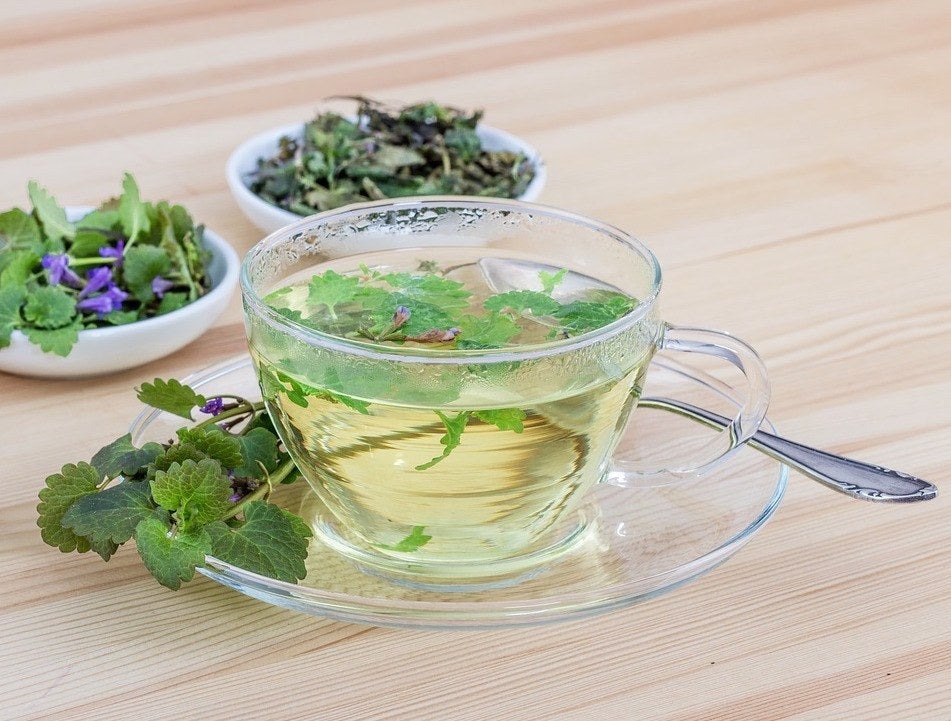
To find the brew you like, change one variable at a time:
- Start with a reference cup. Use the tea's packaging instructions or a range from the table.
- Brew a second small cup. Use the same tea, leaf amount and water, and change either the steeping time or the temperature.
- Remove the leaves or tea bags at set times. Both cups should stop extracting when you decide.
- Compare flavor and mouthfeel. Note bitterness and drying separately, and keep the version you prefer.
A forgotten thermos produced an unusual result for one Earl Grey drinker:
I recently discovered, after forgetting my earl grey in my Thermos all day that leaving my tea to brew that long makes it taste so much better. I've even begun putting my earl grey in a Thermos overnight and having it in the morning after it's very long time brewing. Does anyone do anything similar, or have anything to say about what I do? I'd be interested to hear. Thanks.
Strong and unpleasant are not the same thing.
Can you fix tea that has steeped too long?
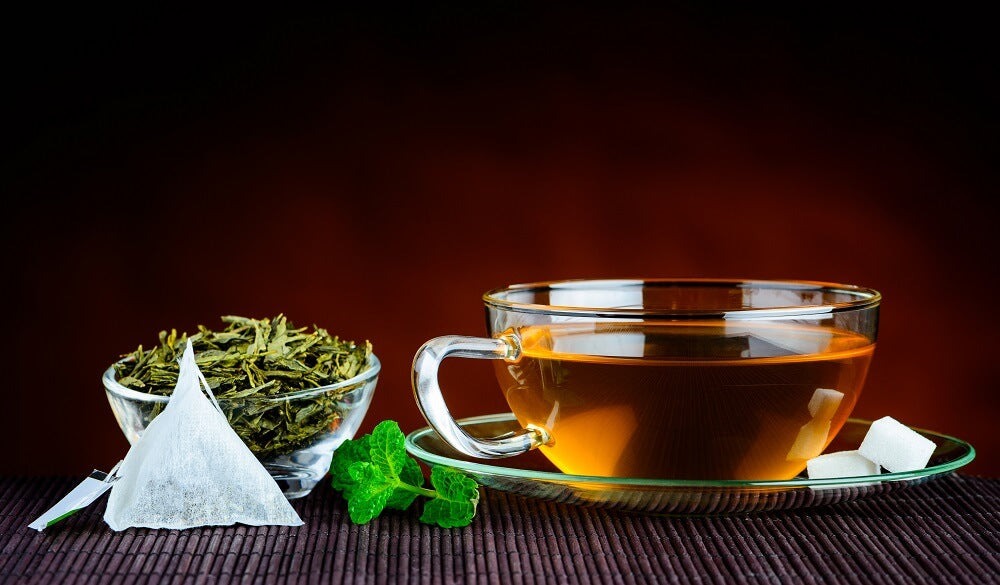
Removing the leaves and adding fresh water can soften a freshly brewed cup that tastes overwhelmingly strong. Dilution lowers the concentration of what has already been extracted. It does not selectively remove a bitter or astringent component.
One Earl Grey drinker forgot a brew for what was probably 10 minutes or more:
So I forgot I was steeping some Earl grey and by the time I remembered, it had probably been at least 10 minutes and I had made something that could wake the dead. I still drank it because desperate times call for desperate measures, but I'd like to hear if you have any tea saving tips or tricks for situations like these lol
To rescue a cup that has just oversteeped:
- Remove the leaves or tea bag. This stops further extraction.
- Taste, then add fresh water gradually. Stop when the strength suits you.
- Brew again if needed. Start fresh when the flavor stays unpleasant.
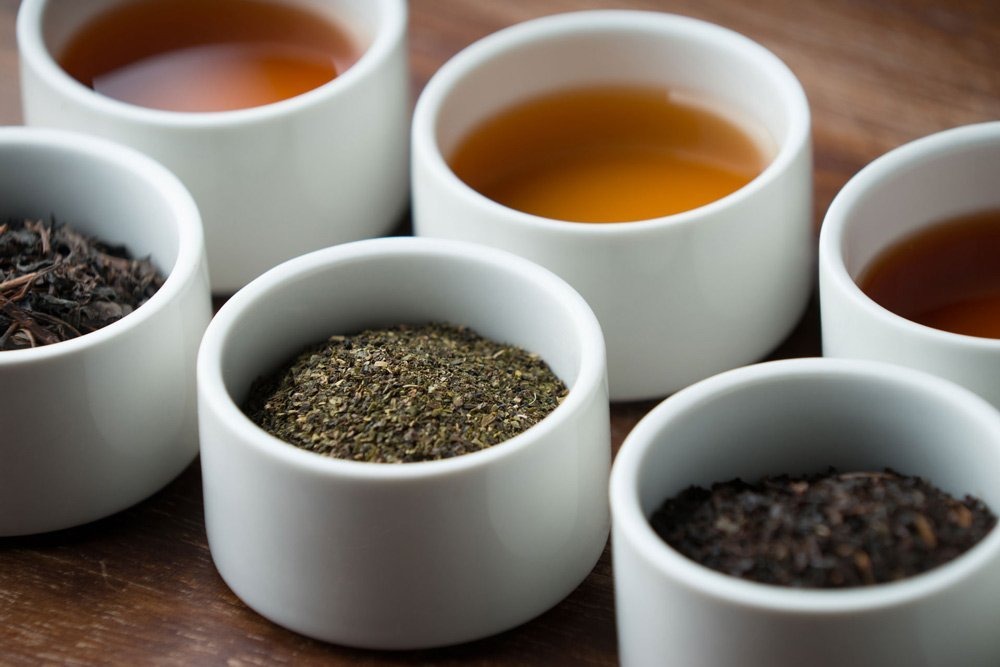
When water and milk change the cup

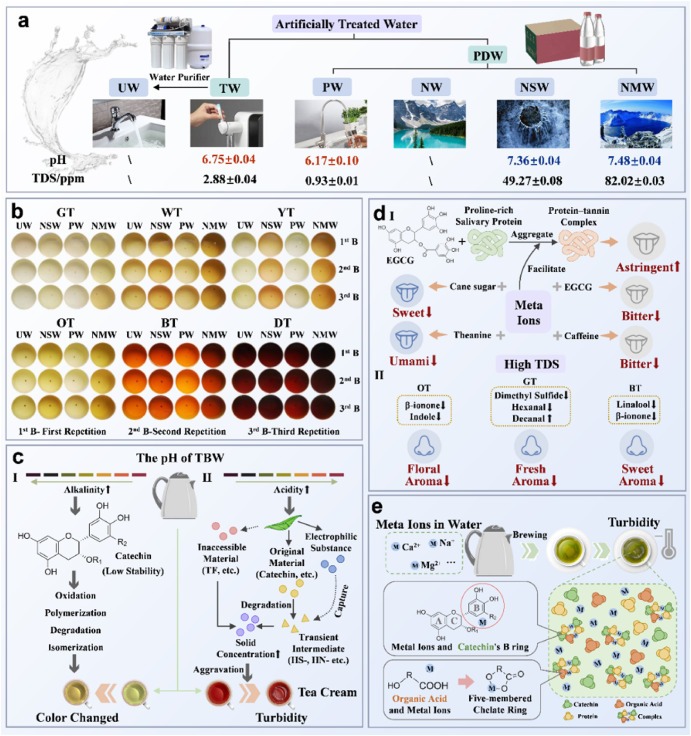
A film on freshly brewed tea can form when tea constituents interact with minerals in the water. In a 2023 Soft Matter experiment using artificial tap water, researchers studied a surface film made of polyphenol and ion complexes. Its formation varied with water composition, tea constituents and other additions.
When a familiar tea develops a surface sheen, brew a fresh cup with a different drinking-water source and keep the leaves and brewing conditions the same. If the sheen changes, water composition is a contributor.
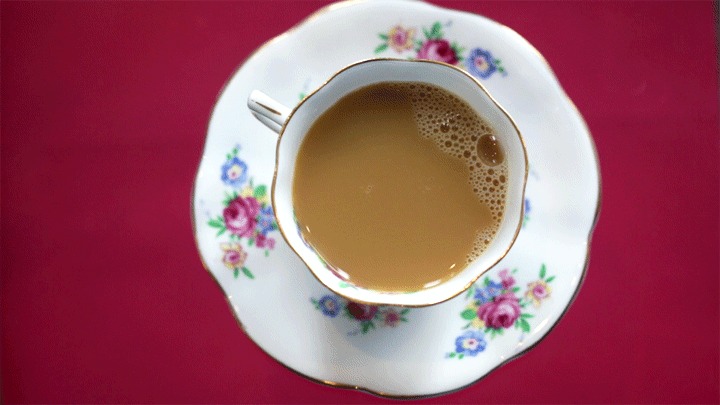
Milk works differently. Casein, one of its proteins, interacts with tea compounds and changes the release of aroma molecules. That helps explain why milk alters the flavor and mouthfeel of black tea without chemically removing every compound a drinker calls a tannin.
Do tea tannins affect iron absorption?

Tea taken with a meal can inhibit absorption of nonheme iron, the form found in plant foods and mixed meals. The strongest practical evidence concerns timing tea around a specific iron-containing meal.
A 2017 controlled study gave 12 women in the United Kingdom, all with normal iron levels and no anemia, a standardized porridge meal containing labeled iron. Researchers compared three drink conditions and measured fractional nonheme-iron absorption:
| Drink timing with the meal | Mean fractional iron absorption | Standard deviation |
|---|---|---|
| Water with the meal | 5.7% | 8.5 percentage points |
| Tea with the meal | 3.6% | 4.2 percentage points |
| Tea one hour after the meal | 5.7% | 5.4 percentage points |
The women absorbed more iron when they drank tea one hour after the meal than when they drank it with the meal (P=0.046). The water-versus-tea comparison did not reach statistical significance (P=0.398). The 2017 human iron-absorption study measured a short-term response to a single meal in 12 women and did not track who later developed anemia.
Keep tea away from iron-containing meals if iron absorption matters to you. With diagnosed iron deficiency or prescribed iron therapy, get individualized professional guidance.
Milk changes how tea tastes, but in a separate human meal study, adding milk did little or nothing to tea's inhibition of nonheme-iron absorption.
Are tea tannins healthy or harmful?
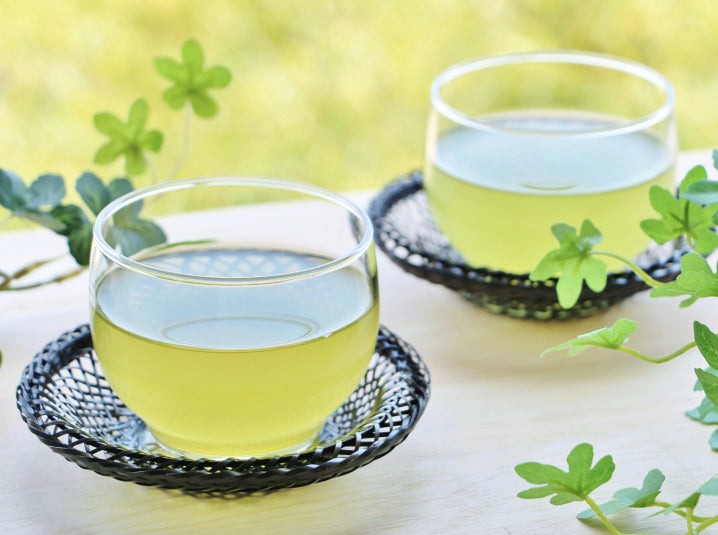
Tea polyphenols have drawn research interest for their biochemical properties, but those properties alone do not show that ordinary tea prevents or treats disease.
The US National Center for Complementary and Integrative Health distinguishes brewed green tea from concentrated green-tea extracts. It reports no general safety concerns for green tea as a beverage in adults, while some extract products have been linked to adverse effects, including rare liver injury. Tea also contains caffeine, which has its own effects.
If prepared tea has been left out for a long time or you don't know how it was stored, make a fresh cup. Strong flavor, a clear surface or dilution does not establish microbiological safety.