What Is an Astringent Taste? Food Examples and the Science Behind It
Astringent describes the dry, rough, puckering feeling that strong tea, red wine, or an unripe astringent persimmon leaves in your mouth. Sourness and bitterness are different sensations unless they also produce that drying grip.
What does “astringent” mean in food?
Astringency is commonly called a taste, but sensory scientists describe it as a mouthfeel, next to familiar tastes like sweet, sour, salty, bitter, and umami. It shows up as a physical tightening or roughness on your tongue and cheeks, most clearly once the food's main flavor fades.
Astringent vs. bitter vs. sour: what is the difference?
An astringent drink can also be bitter, sour, or both. The three qualities describe different parts of the experience, so calling a harsh cup of coffee simply “bitter” misses the sensation that bothers you most.
| Sensory clue | Astringent | Bitter | Sour |
|---|---|---|---|
| What stands out | Dry, rough, grippy, or puckering mouthfeel | Bitter flavor | Sharp, acidic tartness |
| Familiar example | Tannic tea, red wine, or an unripe astringent persimmon | A bitter note in coffee or food | Lemon or vinegar |
In a 2016 Chemical Senses study by Fleming and colleagues, participants rated seven attributes, including drying, puckering, bitterness, and sourness, for alum, malic acid, and tannic acid, alone and mixed.

One pour-over drinker ran a small test on a cup that tasted bitter and dry:
Hey, lately I’ve noticed an unpleasant bitter and dry aftertaste in my cups. It’s not extremely pronounced, but it’s definitely there. The problem shows up with heavily processed anaerobic coffees. I’m using a fairly coarse grind size and water at 88°C, so I doubt that’s the cause. My grinder is a Comandante C40, usually 25-26 clicks for 15 g of coffee.
I did a small experiment: after pouring 250 ml of water, I moved the dripper onto another cup and poured an extra 30 ml through it. The “coffee” that came out was basically undrinkable. There was nothing in it except disgusting, harsh bitterness and astringency.
What does this actually mean? It seems like the coffee bed had already been stripped of all the pleasant aromas much earlier, and what was left was only the really unpleasant stuff.
How can I fix this? Should I use less water than usual, for example 220 ml instead of 250 ml, and then do a bypass? Less agitation, maybe one pour instead of three?
That harsh final fraction shows why bitterness and a dry, gripping finish both belong in the description of the same drink.
Which foods and drinks can taste astringent?
Tea, certain persimmons, tannic red wine, and unripe bananas are familiar examples. Variety, maturity, and preparation decide how strongly astringency shows up. The tea-tannin and mouthfeel guide explains how tannins and brewing time affect tea.
| Food or drink | Condition that matters | What you notice |
|---|---|---|
| Hachiya or Tanenashi persimmon | Firm fruit from an astringent cultivar | Strong drying or puckering from soluble tannins |
| Fuyu or Jiro persimmon | Non-astringent cultivar | Can be eaten firm, with no wait for ripening |
| Green or strongly brewed tea | How the tea is brewed | A tannic, mouth-drying finish |
| Tannic red wine | The wine's tannins and the food alongside it | A gripping, rough feel after swallowing |
| Unripe banana | Stage of ripeness | Tight, drying mouthfeel |
| Coffee | How it's brewed | A dry finish alongside bitter or sour flavors |
The University of Florida IFAS Extension lists Fuyu and Jiro as non-astringent Asian persimmon cultivars and Hachiya and Tanenashi as astringent. A firm Hachiya stays intensely unpleasant until it ripens fully or gets a deastringency treatment.
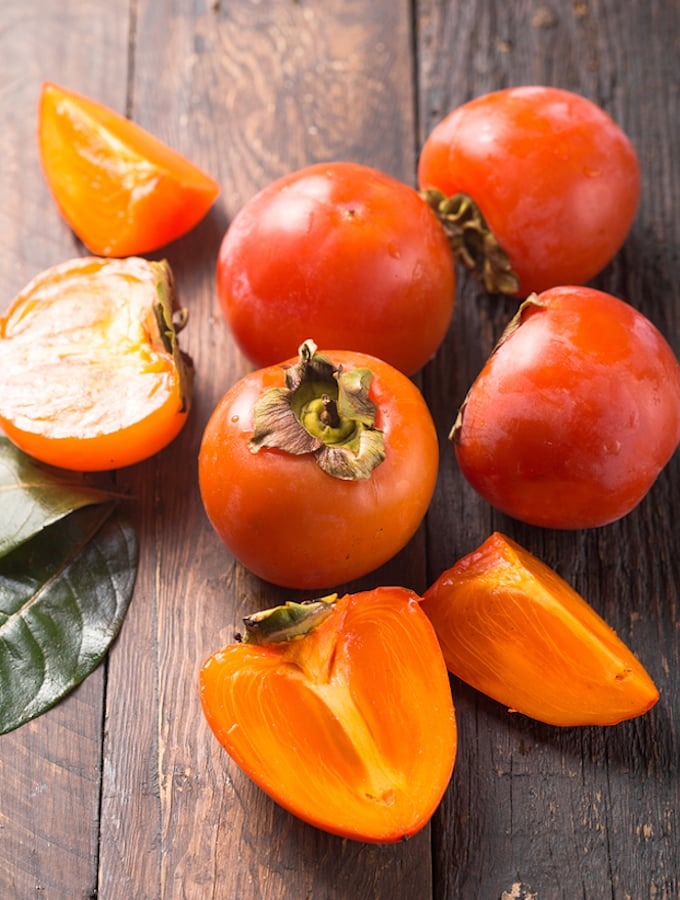
A dry finish can be part of what you enjoy about a tea or a red wine; in an unripe fruit, it's unwelcome.
Why does astringency make your mouth feel dry?
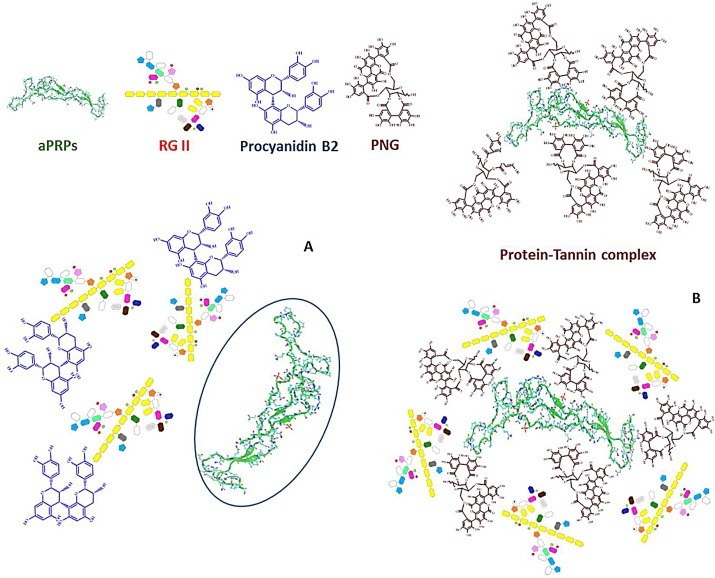
Saliva helps the surfaces of your mouth slide against each other. Tannins, a group of plant polyphenols, interact with salivary proteins and change that lubrication. The resulting friction adds to the dry, rough, puckered feeling of astringent foods.
A 2014 human nerve-blocking experiment tied astringency to the trigeminal sensory system. A 2024 review by Wang and colleagues covers oral friction and the role of other sensory receptors. Protein interactions explain many cases; other pathways may add to the full sensation.
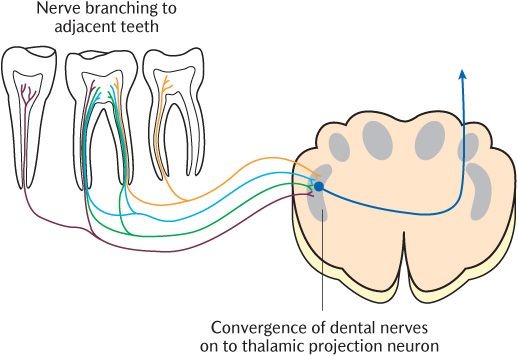
Does an astringent drink mean you are dehydrated?No. The dryness is local to your mouth. A drying finish after tea or wine doesn't mean the drink dehydrated you. Mouth dryness that has nothing to do with food is a separate issue.
How ripeness and cooking change persimmon astringency
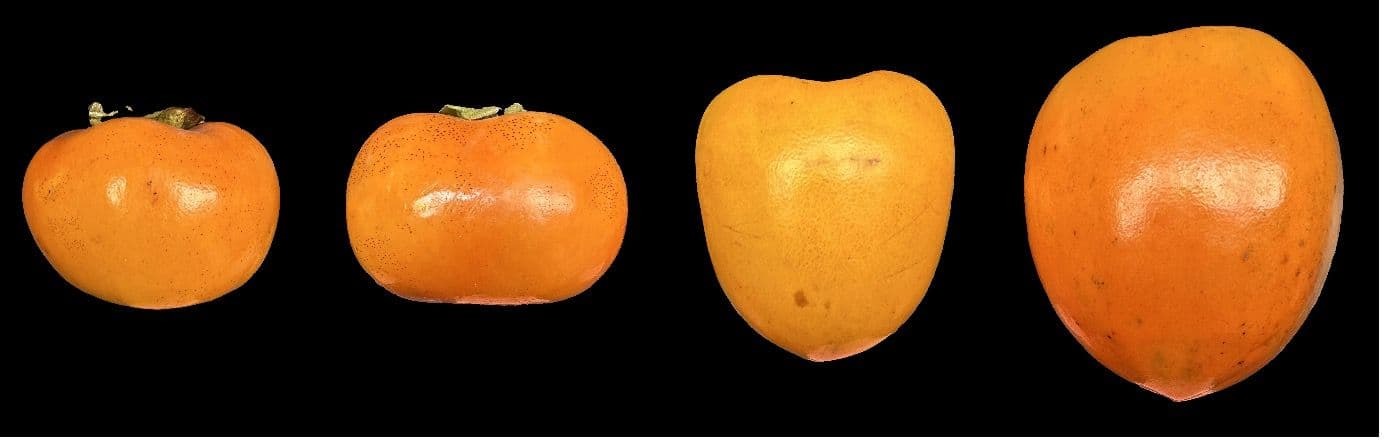
A persimmon that tastes pleasant raw can still give you an astringent dish. Ripening or a deastringency treatment reduces the fruit's harshness, but the processing method that follows can change the outcome.
One commenter on a home-preserving discussion enjoyed fresh persimmons, then saw a batch of preserves turn unpleasant:
Persimmons are ripe in the deep south this time of year. A friend brought us a large amount of them I'm unsure of the variety. Ate a few and really enjoyed them.. so to do something with remaining fruit we decided to make preserves, We are experienced at preserving.. we thought!
Found a simple recipe online and got started, Toward the end of cooking rocess we taste tested and the fruit was wonderful! We started the jarring process until we did another sneak taste! Holey moley it was bitter. I quickly found articles online about bitter persimmon preserves. After much disappointment and discussing solutions we decided to try baking soda. We open jars and started with 2 pints of preserves I added 2 teaspoons of baking soda.
It foamed up but the foam was going down after a few minutes of cooking, until it turned black. My husband said it would make a nice car color! Well I tried it anyway. It was still very bitter. What happened? Why were the ones we ate not bitter? Why did preserves taste good cooking but not when jarred? Was there another solution to saving this project? We ended up discarding the preserves.
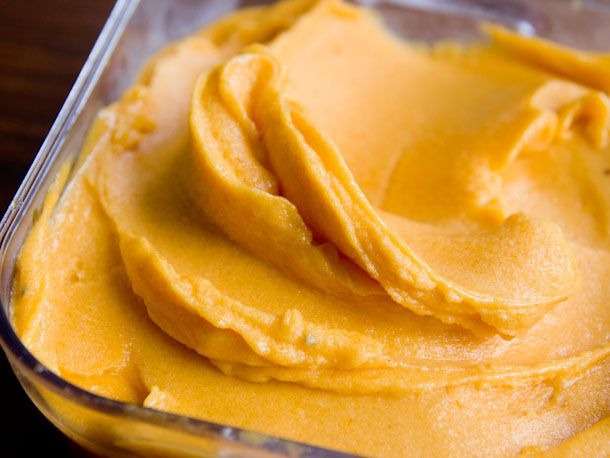
In a 2021 persimmon-paste study by Tsurunaga and colleagues, the researchers compared stir-frying, boiling, and pressurizing deastringed Japanese persimmon paste. Stir-frying with moisture evaporation brought back less astringency and caused less liquid separation than the other methods.
What can you do when a food or drink feels too astringent?
Identify the food or drink causing the sensation first; the useful adjustment depends on its ingredients and preparation.
| Situation | First factor to check | What to do next |
|---|---|---|
| Cooking with an astringent persimmon | Cultivar, ripeness, and whether the recipe suits the fruit | With an astringent cultivar, ripen or deastringe the fruit before you cook it. |
| Tea leaves a dry, gripping finish | Tea type and steeping | Check the guidance for that tea, then change one steeping factor in the next cup. |
| Coffee has a pleasant flavor but a rough finish | Grind and other extraction factors | Change one thing at a time and note what happens to dryness, bitterness, and the flavors you want to keep. |
| Wine feels too gripping alongside food | The pairing, especially proteins and fats | Try the same wine with different foods. Protein and fat can soften tannic grip. |