
Food & Nutrition Guides: Find the Right Comparison
Start with the food question you need answered and choose the matching guide, comparing foods using equivalent quantities, preparation states, and source records. If a suspected nutrient deficiency, food allergy, diagnosed condition, or prescribed diet determines what is safe or appropriate, qualified advice takes priority. Open the guide that fits your next food decision.
Find the guide that matches your food question
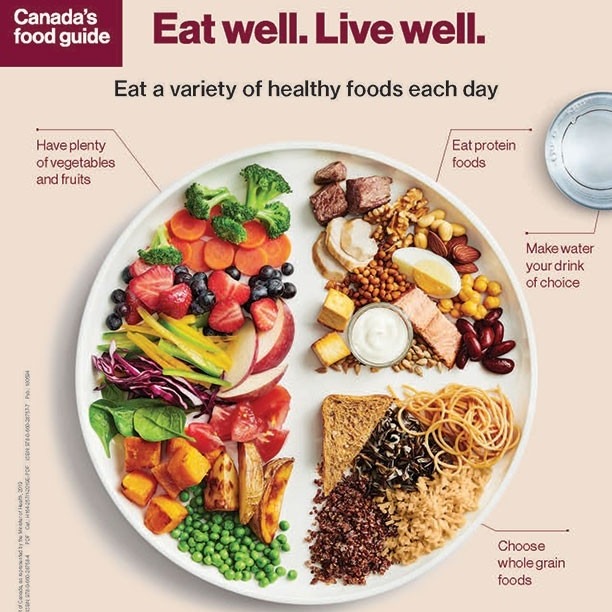
A good nutrition comparison starts with a specific question. Someone looking for vegetarian iron sources needs a different answer from someone shopping for inexpensive protein or checking whether a dairy-free product meets vegan requirements.
Use the question closest to your situation to reach the detailed guide.
| Your question | Guide to use | What you'll find |
|---|---|---|
| Which meats contain B vitamins? | B vitamins in meat | Food sources and portion-based comparisons |
| Where can I get iron from plant foods? | Vegetarian sources of iron and absorption basics | Plant-food options and how iron absorption affects comparisons |
| Which foods offer affordable protein? | How to compare inexpensive protein foods | Protein quantity, grocery cost and usable portions |
| What can I eat for a protein-rich snack? | High-protein snack options for busy days | Snack ideas suited to different preparation needs |
| Is a banana enough for breakfast? | What a banana contributes to breakfast | Breakfast context and possible food pairings |
| Does dairy-free mean vegan? | How dairy-free and vegan labels differ | Dietary-category distinctions and product-label considerations |
Compare servings before comparing nutrition numbers
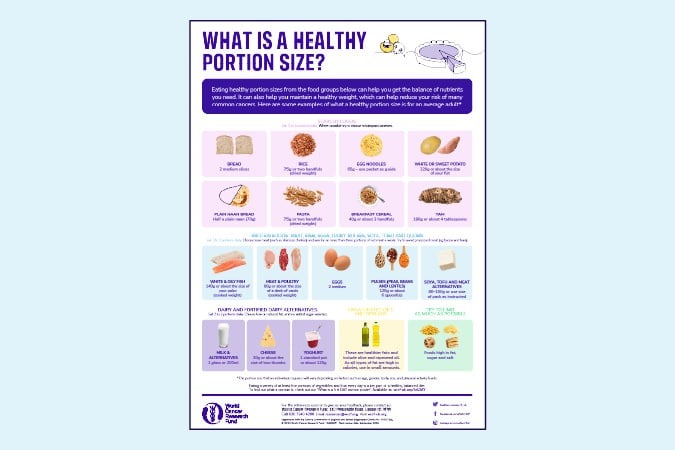
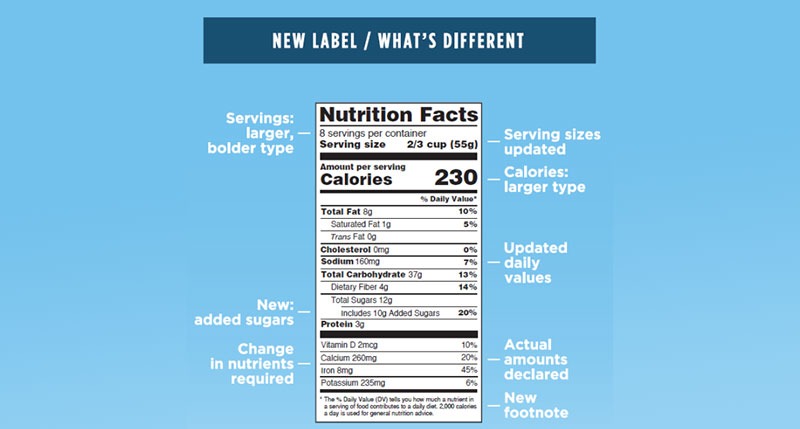
Nutrition Facts numbers describe a stated amount of food. A package may show a household measure, such as a cup or tablespoon, alongside a weight in grams. The calories and nutrients refer to that declared serving.
The serving size represents an amount people typically consume. It isn't a recommended amount for everyone to eat.
Consider the frozen-lasagna example in the FDA's Nutrition Facts guidance.
In the FDA's sample frozen-lasagna label, one cup (227 grams) has 280 calories; two cups (454 grams) have 560 calories. Those figures are specific to the FDA's illustrated label.
If a food package contains multiple servings, the values shown for one serving must be multiplied to describe the corresponding amount eaten, unless the label separately provides whole-package values.
The label also provides a percentage Daily Value (%DV) for many nutrients. In FDA guidance, 5% DV or less is considered low, while 20% DV or more is considered high. Those percentages offer general nutritional context, with individual requirements potentially differing.
A household measure introduces another variable: volume and mass describe different properties. Two foods filling the same tablespoon or measuring cup can have different gram weights.
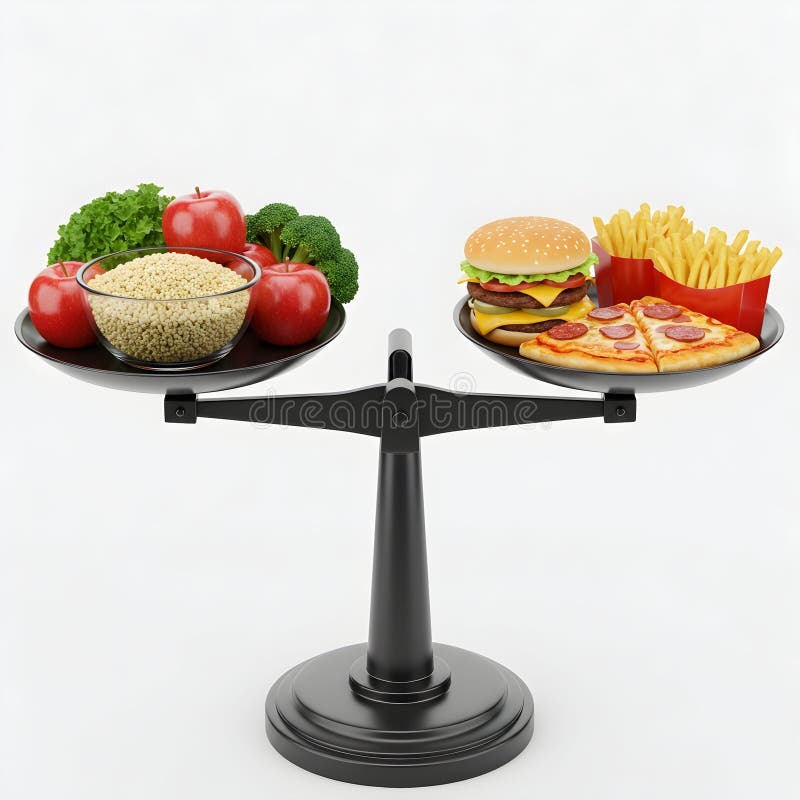
One reader described the frustration of comparing household measures with weights on packaged food:
Quick example here being PB2 cocoa peanut butter powder stuff. The serving size volume is stated as "2tbsp (13g)" for 50 calories. However, when you measure out 2 level tablespoons it is a little over 20g or 92 calories! The same goes for something like broccoli, where you're supposed to use "1 cup (91g)" for about 31 calories, but when you measure out 91g of florets it is enough to fill a 2-cup measuring cup. So yeah, how are you supposed to accurately track the calories you're eating without access to a food scale when the volume vs weight thing is wildly inaccurate?
The poster's measurements are anecdotal; the package details and measuring method were not independently verified.
To compare two different foods with different serving weights, convert each nutrient amount to the same mass basis: amount per serving ÷ grams per serving × 100 gives the amount per 100 grams. For example, the FDA sample above yields about 123 calories per 100 grams (280 ÷ 227 × 100); calculate the other food the same way before comparing. The per-100-gram result compares equal masses; the amount you consume depends on your portion. A label's %DV describes the nutrient in its stated serving relative to a Daily Value, so match serving amounts when comparing percentages.
Check raw, cooked, drained, and prepared food states
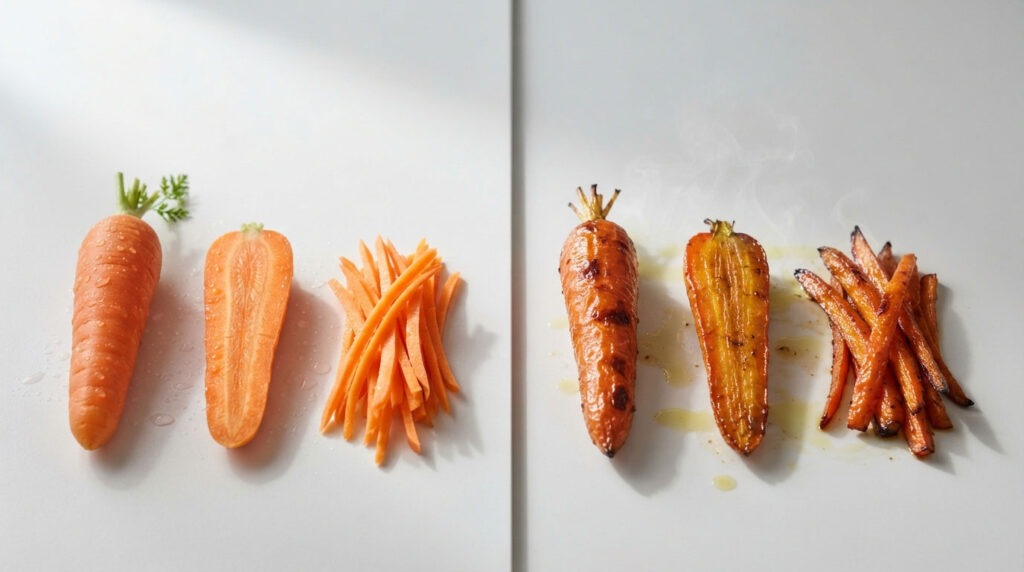
The same food can weigh differently before and after preparation. Cooking may remove or add water, while draining, trimming and adding ingredients change the quantity being described.
A raw-food database entry and a cooked-food entry therefore require different handling.
| Food situation | What changes | Comparison basis |
|---|---|---|
| Raw versus cooked | Water content and measured weight may change | Match the food's preparation state |
| Whole versus drained or trimmed | Some material is removed before consumption | Use the relevant edible portion |
| As sold versus as prepared | Milk, water or other ingredients may be added | Identify what the stated nutrition includes |
Suppose you weigh chicken after cooking but use a nutrition record describing raw chicken. The recorded gram weight belongs to a different preparation state. A universal cooking-weight conversion would also be unreliable because preparation and retained ingredients can differ.
Protein powder presents a related problem. A nutritional record may describe the powder alone or a drink prepared with milk. Counting the prepared drink and adding the milk separately would duplicate that ingredient; using a powder-only record for the whole drink would leave the milk unaccounted for.
For each comparison, identify the recorded food state and whether additional ingredients are already included. Keep the same preparation basis throughout the calculation.
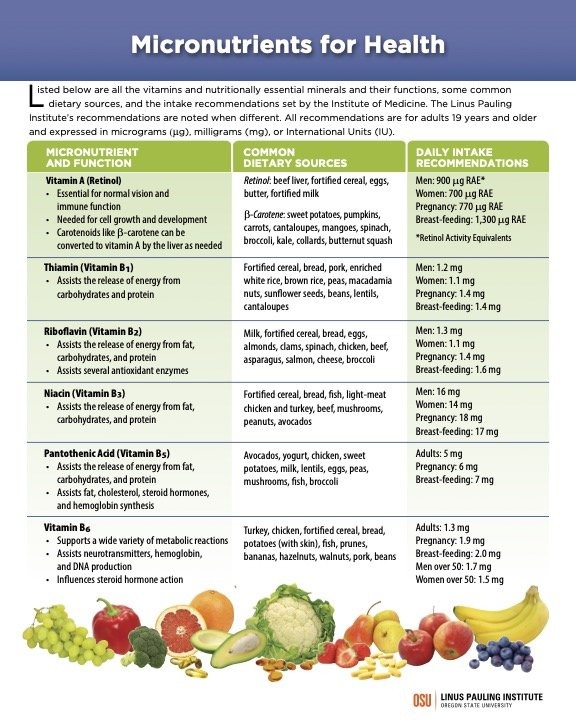
Choose the right guide for protein, iron, B vitamins, or fiber
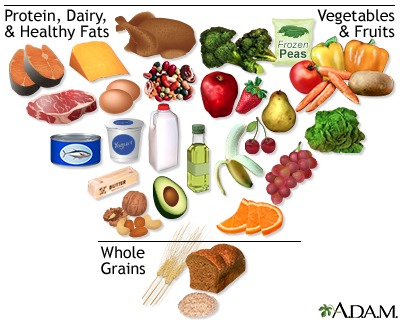
Protein, iron, B vitamins and fiber serve different nutritional purposes, so the useful food list depends on the substance you're investigating.
If you're looking at animal foods as B-vitamin sources, the meat guide explains that category. If you follow a vegetarian eating pattern, the iron guide addresses plant sources and the conditions that affect their nutritional interpretation.
Iron is a particularly useful example of why a single number needs context. The NIH Office of Dietary Supplements distinguishes heme and nonheme iron and discusses differences in dietary bioavailability. The amount listed for a food is therefore one part of understanding the iron it provides.
Fiber questions also vary. Someone reading soluble corn fiber on an ingredient list is investigating a specific ingredient; someone comparing whole-food sources of fiber has a broader dietary question.
A nutrient table becomes useful when its figures answer the same question using compatible amounts. Choose the nutrient first, then rely on the dedicated food-source explanation for the relevant distinctions.
Balance protein cost, convenience, and the meal you will eat
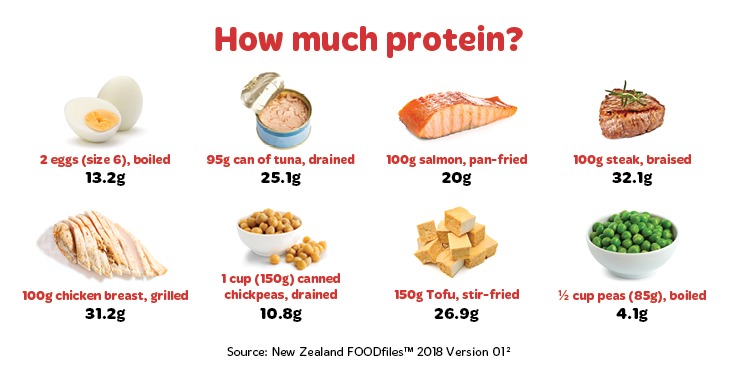
The lowest package price may be attractive, but the amount of usable protein, cooking effort, storage and whether you'll enjoy eating the food can affect the choice.
For budget protein, a useful calculation is:
Cost per gram of protein = purchase price ÷ total grams of protein in the edible purchased quantity.
The purchase price and nutritional quantity must describe compatible amounts of the same food. A calculation using an entire package's price and a single serving's protein would give a misleading result.
| Comparison | What it measures | What to account for |
|---|---|---|
| Price per package | Immediate purchase cost | Package quantity |
| Price per serving | Cost of one defined portion | Number and size of servings |
| Cost per gram of protein | Price relative to usable protein quantity | Edible amount, preparation and nutrient figures |
Use a current local shelf price and a corresponding protein value to work out the ratio. Storage losses, preparation time and the amount you will reasonably eat also affect the choice. A comparison from another store or an earlier shopping period can produce a different result.
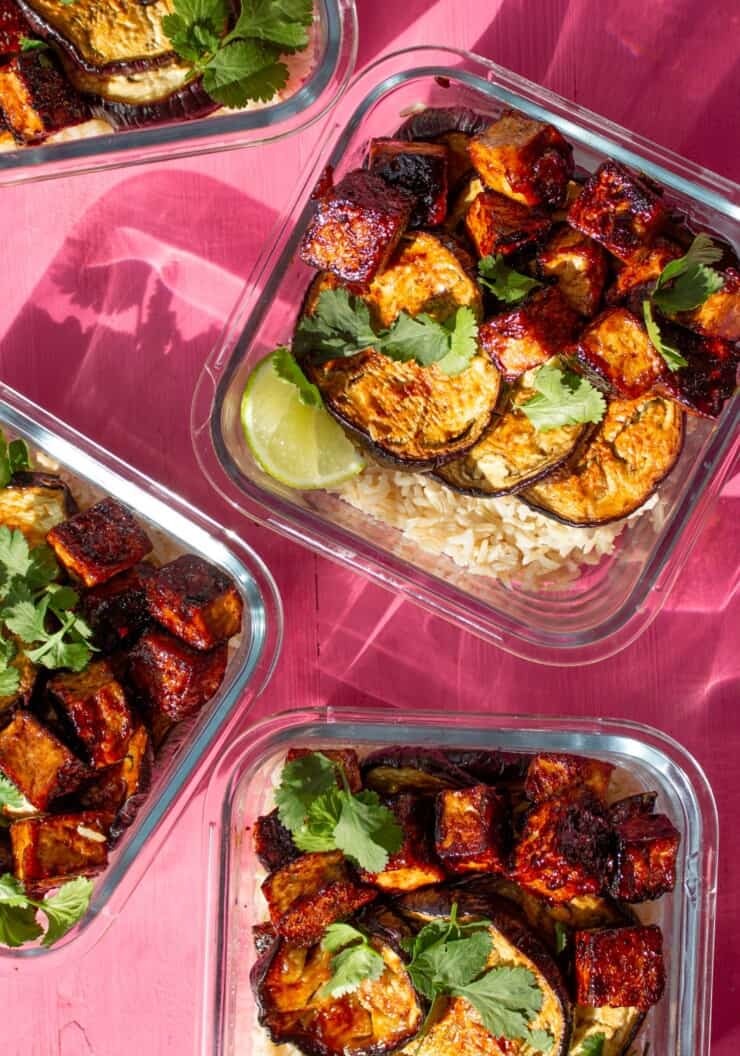
A participant in a plant-based budgeting discussion described a decision that involved both grocery prices and the prospect of eating leftovers:
One goal that I have is meal planning a bit differently, prepping ingredients instead of full meals, and being open to cheaper food sources that I kind of ignored before. I looked at the shelves of dry beans at my store, and turns out that split peas are half the price of chickpeas yet have more protein per serving. So I want to work more split peas into my diet. My grandma loved pea soup, and I always turned my nose up at it but I'm going to dig up some of her recipes. Also cooking smaller portions, I used to make huge crockpots of food which was great for time management, but it's hard to make myself eat that last serving after a week of repetition. So still making beans the center of my meal, but differently.
The split-pea comparison reflects this shopper's local prices and unverified protein figures; the choice to cook smaller batches shows how leftovers and repetition can matter alongside package cost.
Convenience creates a different decision. A portable work snack has to fit the occasion, while a cooked pot of beans may suit home meal preparation. Breakfast introduces yet another question: whether a particular food, such as a banana, fits the rest of the meal.
Read dairy-free and vegan labels as different claims
Vegan describes a dietary approach that excludes animal-derived ingredients. Dairy-free addresses dairy ingredients specifically. A food without dairy can contain other animal-derived ingredients, so these categories answer different questions.
A label also has to be interpreted in the context of the actual product. Ingredient information identifies what the product contains, while allergen statements and related labeling address additional safety considerations.
For someone selecting food according to vegan preferences, the relevant issue is whether the ingredients meet those criteria. For someone avoiding milk because of an allergy, the product's allergen information and potential cross-contact become consequential.
In US food labeling, a "may contain" allergen advisory is voluntary. Its absence does not establish that cross-contact was impossible, as the FDA's allergen-label guidance explains.
Read the product's actual ingredient and allergen information when choosing food for a dietary restriction.
Know where nutrition figures come from
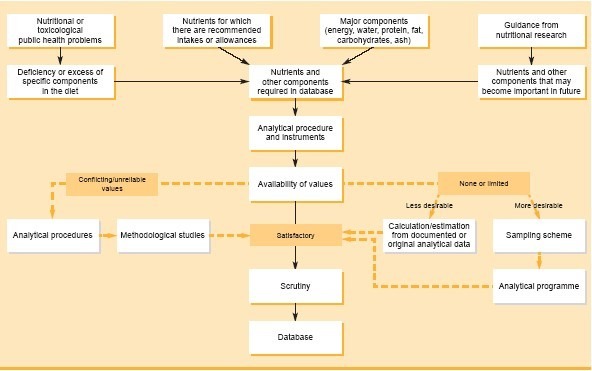
Different nutrition sources can describe different versions of a food. A manufacturer's packaged product, an analyzed generic food and a food recorded for a dietary survey do not necessarily share the same composition or reference amount.
The USDA FoodData Central documentation distinguishes several types of food records.
| USDA data type | What it describes | Useful context |
|---|---|---|
| Foundation Foods | Detailed analytical information about food samples | Understanding variation and composition in sampled foods |
| Branded Foods | Manufacturer-provided product information | Investigating a specific packaged or branded food |
| FNDDS | Foods and portions used in dietary survey research | Interpreting foods as reported in dietary studies |
| SR Legacy | Historical reference food-composition data | Understanding older nutrient records |
A branded peanut powder entry may correspond to a particular packaged product, while a generic peanut entry represents another food identity. A cooked prepared meal and a raw ingredient can each have a legitimate record while describing different nutritional quantities.
For a packaged product, its Nutrition Facts panel provides the product-specific reference serving. For a broader food comparison, USDA data may be useful when the chosen record accurately matches the food and form.
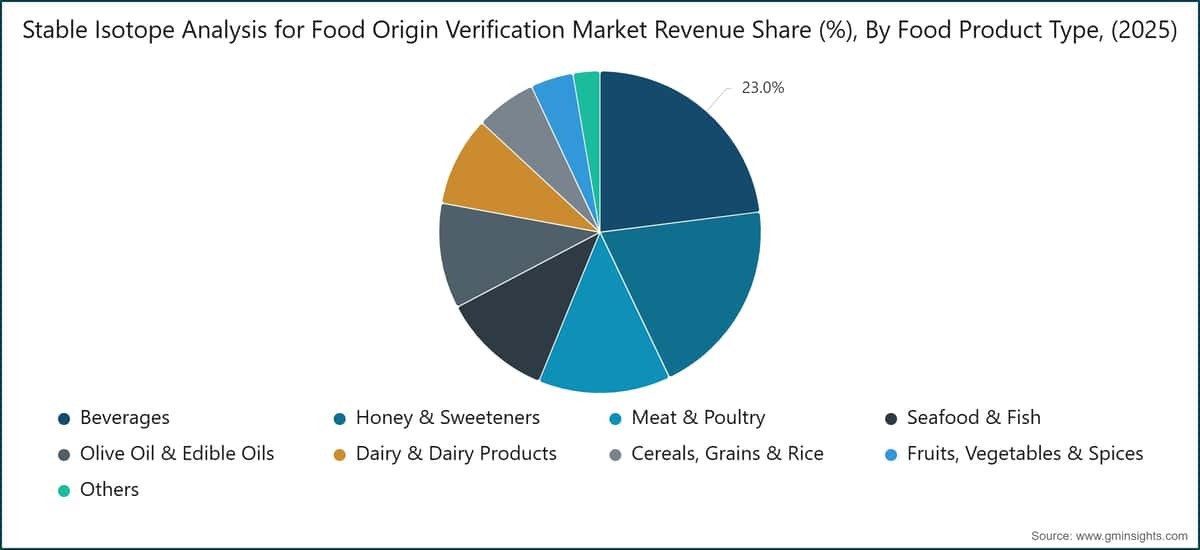
Before relying on a nutritional figure, capture four details:
- Record identity: the exact food or branded product name and data type.
- Measurement: the quantity and units to which the values apply.
- Food condition: whether the record describes raw, cooked, drained, packaged or prepared food.
- Source date: the relevant record or release date, particularly when comparing entries from different sources.
A difference between two records can reflect product identity, food form or source methodology.
Need a different kind of food explainer?
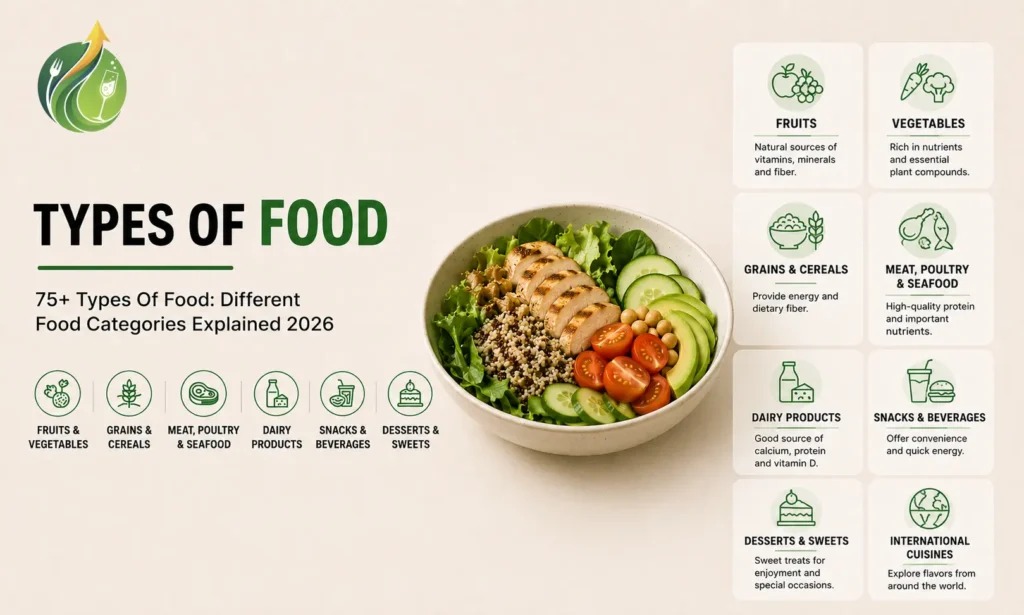
Some food questions are about a particular ingredient, an unusual research topic, a sample menu or a sensory term. They fit more naturally in a focused explainer.
- Soluble corn fiber: Understand the ingredient and why it appears in food discussions or ingredient lists.
- Cockroach milk research: Explore the scientific subject behind the headlines, without treating it as an established everyday food recommendation.
- A worked 2,000-calorie menu: Examine an illustrative day's menu. The example is not an individualized calorie requirement.
- Astringent taste in food: Learn what the sensory term means in the context of eating and drinking.
When a general food guide is not enough
For everyday food questions, start with the matching guide and compare foods on the same quantity basis. If a suspected nutrient deficiency, food allergy, diagnosed condition, or prescribed diet determines what is safe or appropriate, seek a clinician or registered dietitian's individualized guidance. Open the guide that fits your next food decision.
Explore this topic
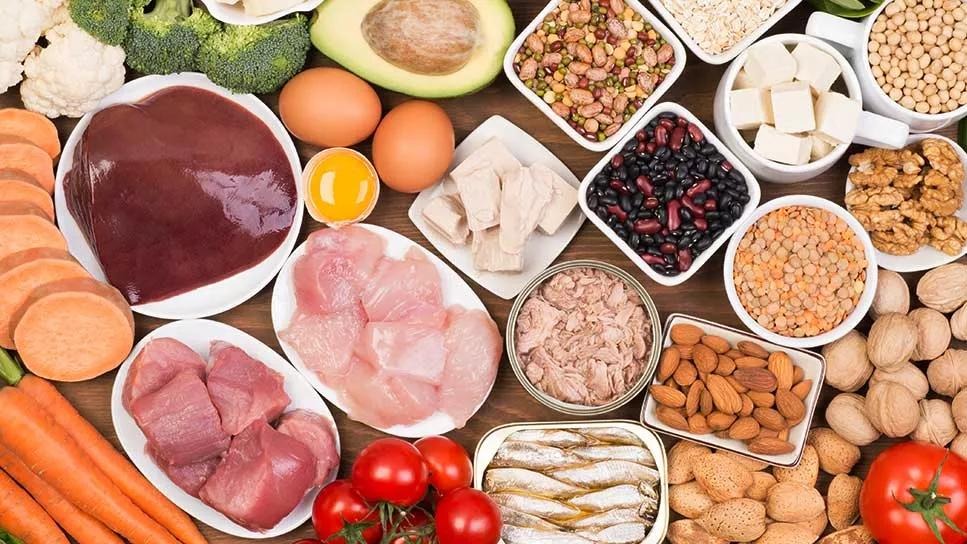
B Vitamins in Meat: Which Meats Supply Which B Vitamins?
Compare B1, B3, B6 and B12 in specific cooked meats, see liver’s B-vitamin trade-offs, and learn how to check portions using USDA food records.
Soluble Corn Fiber: What It Is, How It Works, and How to Read the Label
Soluble corn fiber in protein bars and candy: how it counts on US labels, how it differs from psyllium, and what human research shows before you buy.
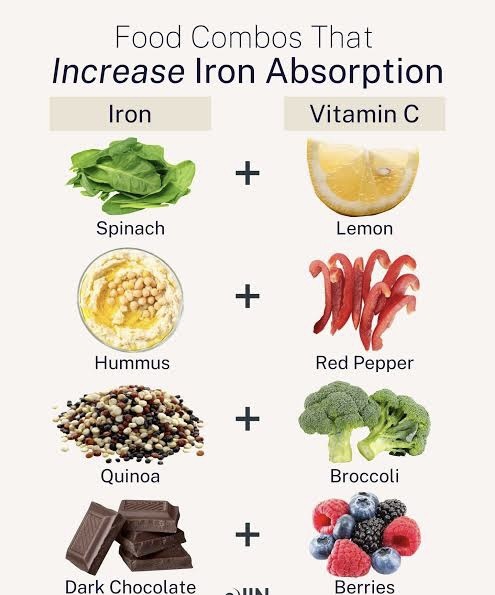
Vegetarian Foods High in Iron: Real Portions and Easy Pairings
Compare iron in lentils, beans, tofu, spinach and fortified cereal by serving, then see practical vitamin C pairings and how to read iron %DV.
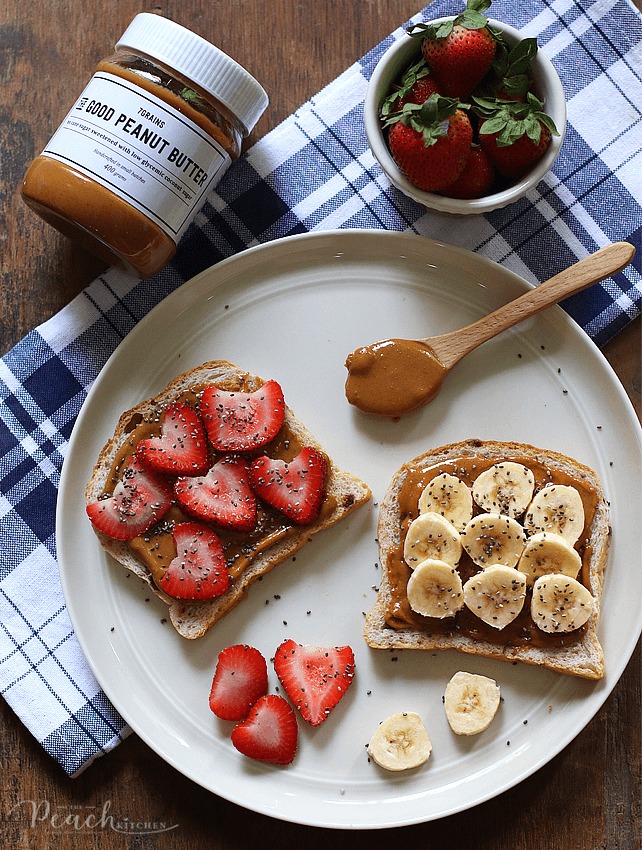
Inexpensive Protein Foods: How to Compare Costs
Compare beans, eggs, tofu, dairy and poultry by cost per 20 grams of protein, with dated price examples and practical checks for preparation and waste.
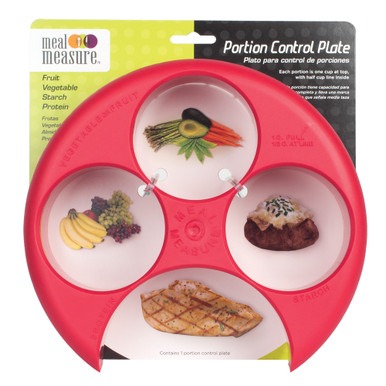
High-Protein Snack Ideas That Fit Your Portion, Taste, and Day
Compare protein snacks by serving size, preparation, flavor, fiber and storage. See realistic portions, safer workday packing tips and label checks.

What Is Cockroach Milk? The Science Behind the Superfood Claim
Cockroach milk is a real insect secretion. See what 1977 and 2016 studies measured, what the three-times energy claim means, and what human evidence is missing.
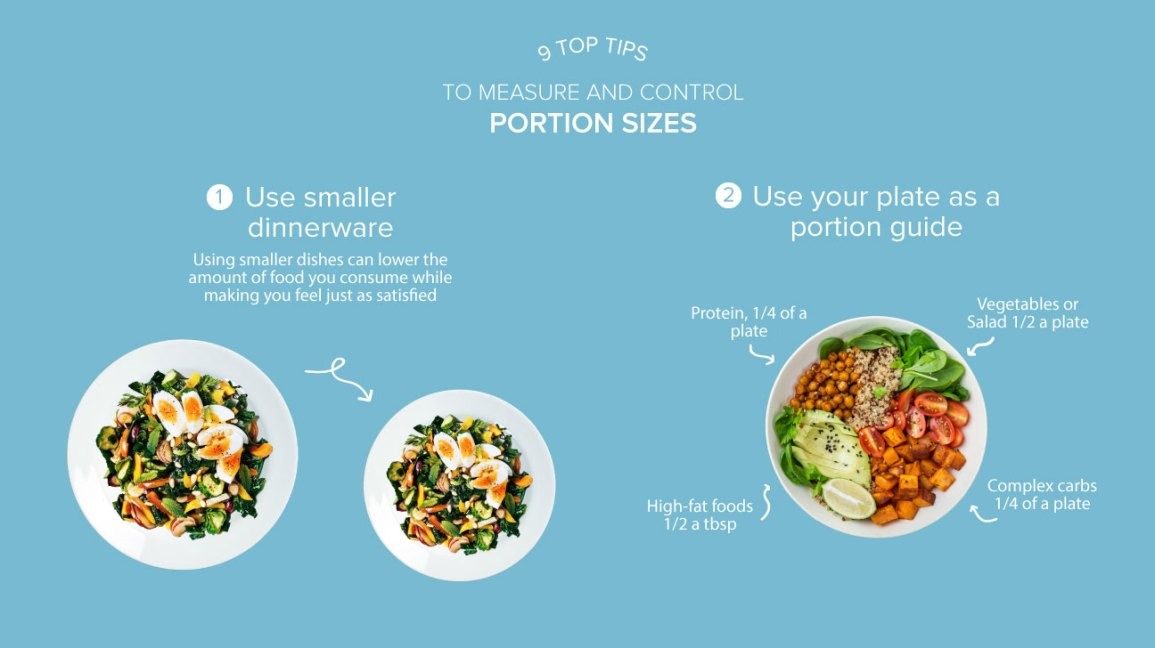
A 2,000-Calorie Day: A Real Menu and How to Check the Portions
See a sourced 2,000-calorie menu with specific portions, food-weight math, raw-versus-cooked guidance, simple swaps, and practical meal-prep advice.
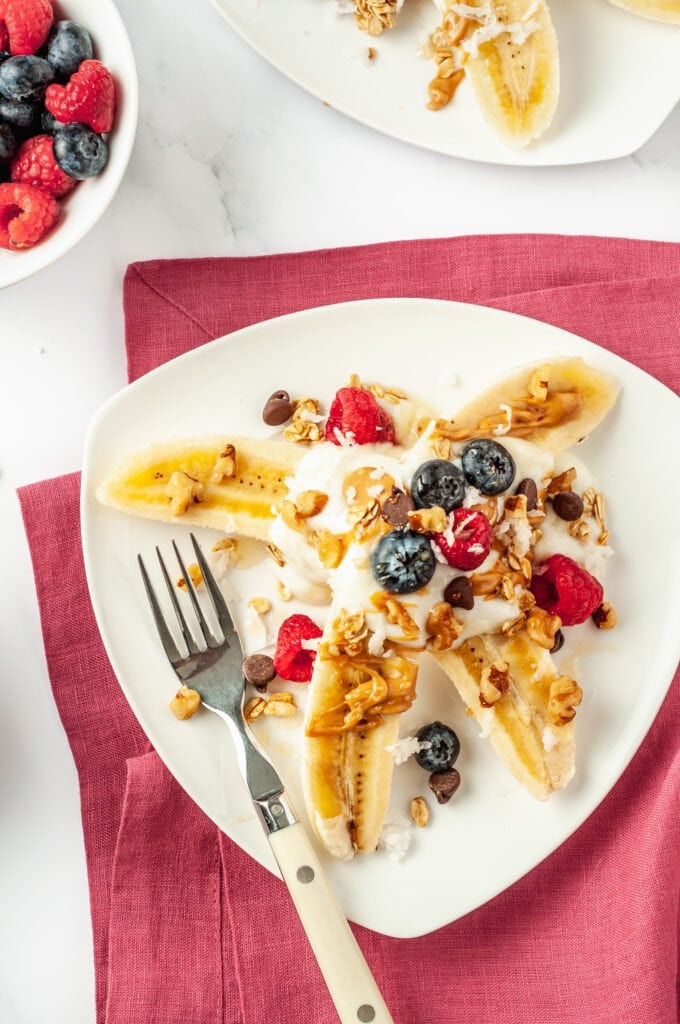
Is a Banana Enough for Breakfast? Nutrition and Pairing Ideas
A medium banana has about 105 calories and little protein. Compare five quick breakfast options and decide when a banana alone is enough for your morning.
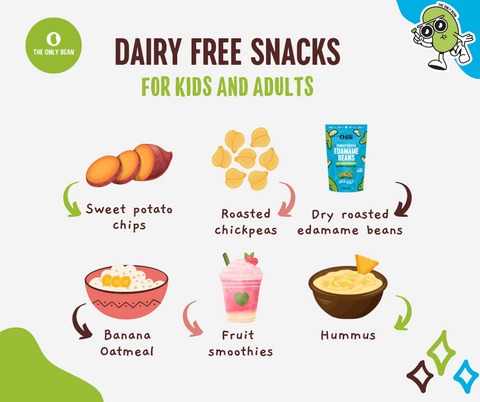
Dairy-Free vs. Vegan: What's the Difference?
Dairy-free food can contain eggs or honey. Compare vegan, lactose-free and non-dairy labels, plus US milk-allergen rules and practical ingredient checks.
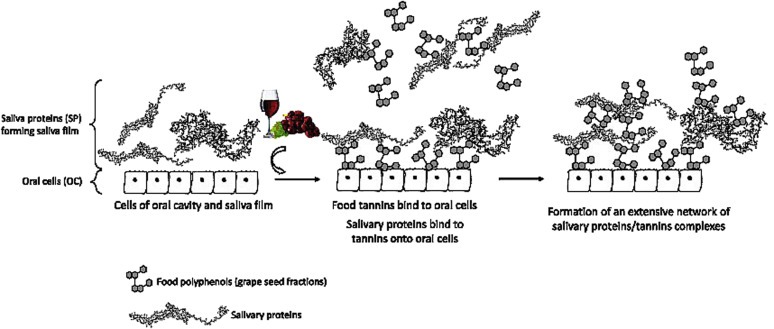
What Is an Astringent Taste? Food Examples and the Science Behind It
Learn what astringent tastes like, how it differs from bitter and sour, and why tea, persimmons, coffee and wine can leave a dry, puckering finish.