
B Vitamins in Meat: Which Meats Supply Which B Vitamins?
Different meats stand out for different B vitamins. Pork is strong in thiamin (B1), chicken and turkey supply substantial niacin (B3) and B6, and beef supplies B12. Liver is dense in several B vitamins but also carries substantial vitamin A. Check the exact cooked cut and portion in USDA FoodData Central.
Which B vitamins are found in meat?
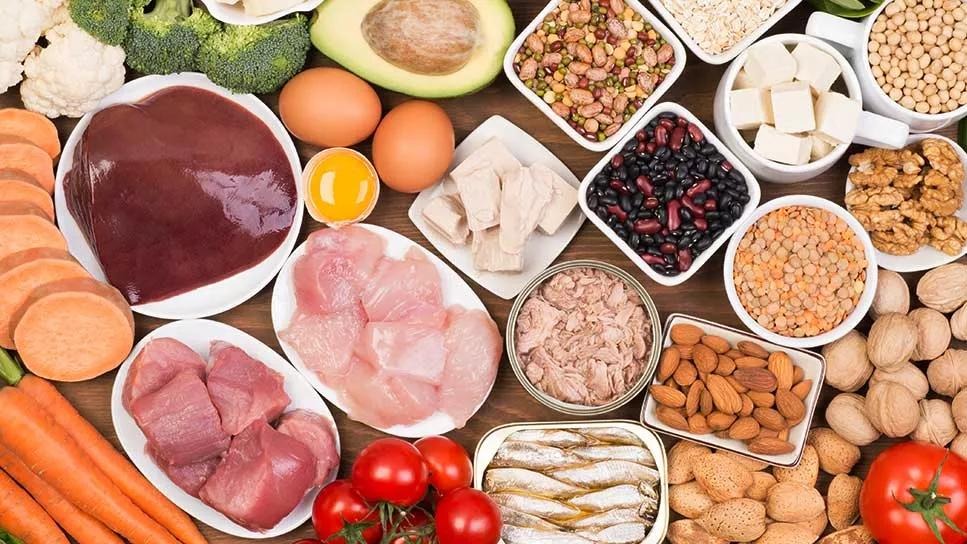
Among the eight B vitamins supplied by meat are B1 (thiamin), B2 (riboflavin), B3 (niacin), B5 (pantothenic acid), B6, B7 (biotin), B9 (folate), and B12 (cobalamin). The proportions vary across meats, making a vitamin-by-vitamin comparison more useful than a single overall ranking.
Beef, pork, chicken, and turkey: how they compare
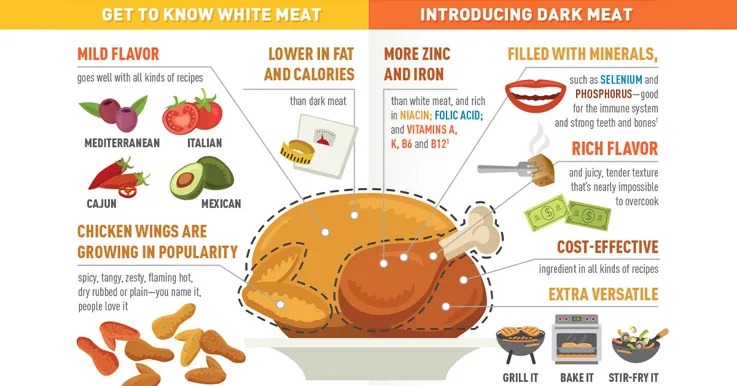
A three-ounce, broiled, bone-in pork chop has 0.4 mg of thiamin (B1), or 33% of the Daily Value (DV), according to the NIH Office of Dietary Supplements.
| Cooked meat | Portion | Niacin (B3) | Daily Value |
|---|---|---|---|
| Chicken breast, grilled, meat only | 3 oz | 10.3 mg | 64% |
| Turkey breast, roasted, meat only | 3 oz | 10.0 mg | 63% |
| Pork tenderloin, roasted | 3 oz | 6.3 mg | 39% |
| Ground beef, 90% lean, pan-browned | 3 oz | 5.8 mg | 36% |
Source: NIH Office of Dietary Supplements, Niacin food-composition examples.
Chicken and turkey breast sit within 0.3 mg of each other, at 10.3 and 10.0 mg. Pork tenderloin and ground beef come in at 6.3 and 5.8 mg.
| Cooked meat | Portion | Vitamin B6 | Daily Value |
|---|---|---|---|
| Chicken breast, roasted | 3 oz | 0.5 mg | 29% |
| Turkey, roasted, meat only | 3 oz | 0.4 mg | 25% |
| Ground-beef patty, 85% lean, broiled | 3 oz | 0.3 mg | 18% |
Source: NIH Office of Dietary Supplements, Vitamin B6 food-composition examples.
Three ounces of 85%-lean, pan-browned ground beef contain 2.4 mcg of vitamin B12, or 100% DV. Three ounces of roasted turkey breast meat contain 0.3 mcg, or 14% DV, according to the NIH B12 table.
NIH's biotin (B7) data is incomplete, so ordinary meats can't be compared on that vitamin.
Daily Value percentages belong to one vitamin each. Don't add them across vitamins.
Liver versus muscle meat: more B vitamins, different trade-offs
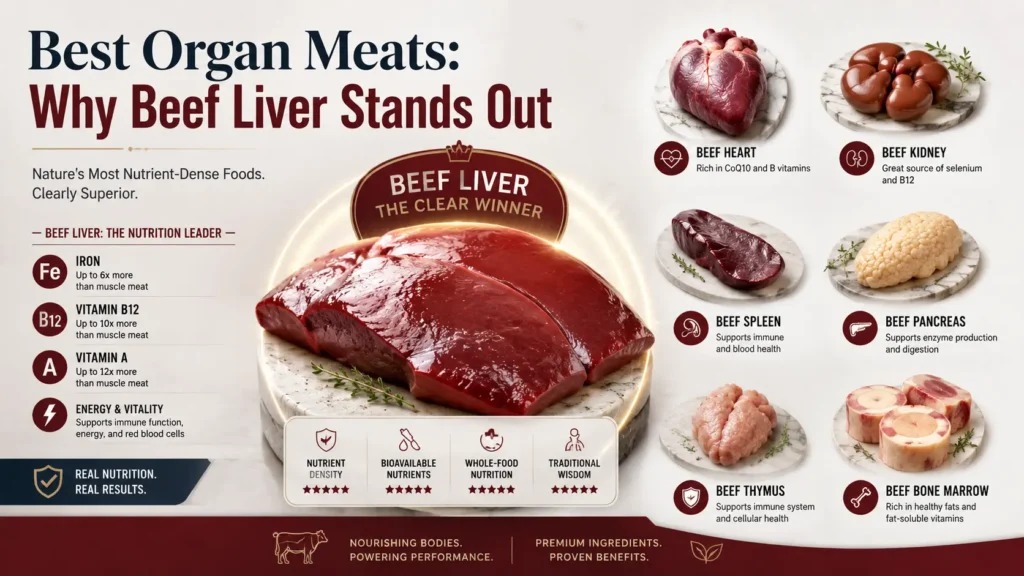
Beef liver supplies concentrated amounts of several B vitamins; it also contains substantial preformed vitamin A, so it needs a separate look from muscle meats.
Beef liver, per 3 oz, by preparation:
| B vitamin | Preparation | Amount per 3 oz | Daily Value |
|---|---|---|---|
| B2, riboflavin | Pan-fried | 2.9 mg | 223% |
| B5, pantothenic acid | Boiled | 8.3 mg | 166% |
| B7, biotin | Cooked, method unspecified | 30.8 mcg | 103% |
| B9, folate | Braised | 215 mcg DFE | 54% |
| B12, cobalamin | Pan-fried | 70.7 mcg | 2,944% |
Source: NIH Office of Dietary Supplements, nutrient-specific food tables. DFE means dietary folate equivalents.
Muscle meats are not a notable folate source. Liver, at 54% DV, is.
The NIH vitamin A factsheet lists 6,582 mcg RAE of vitamin A in three ounces of pan-fried beef liver. Vitamin A from animal foods is primarily preformed, and for adults age 19 and older the tolerable upper intake level for preformed vitamin A is 3,000 mcg RAE per day. That limit covers habitual daily intake, so one serving is not an automatic toxicity risk. Eat liver regularly with care, especially during pregnancy, when excess preformed vitamin A poses particular risks.
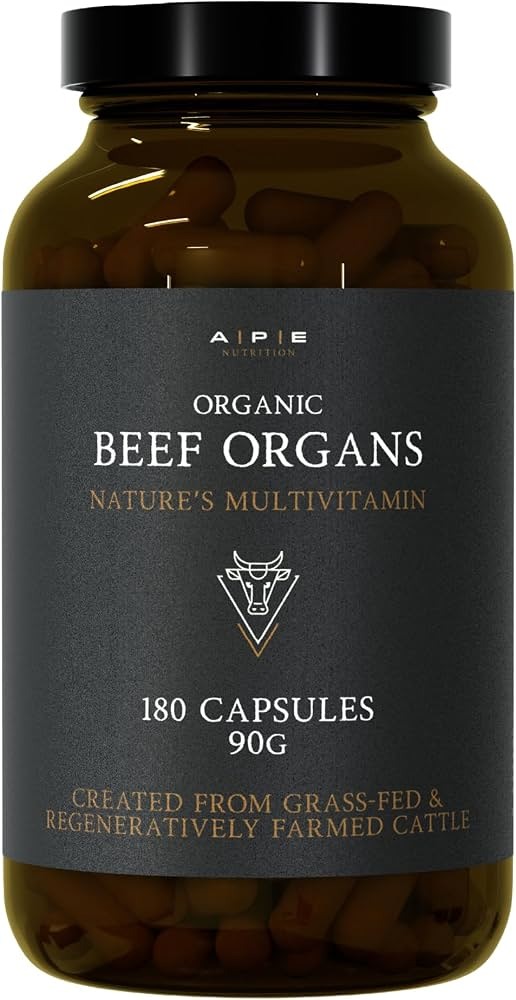
I think people just don’t talk much about the organ meat they eat.
I don’t tend to find good liver I can afford so I get beef heart a lot. I get chicken livers and chicken gizzards. All these taste great! If I find some grass fed beef liver I’d try to pick it up.
Beef liver has a lot of negative connotations for me. I can eat it but every time I do I get this flash back of my mother’s liver dinner. She would dredge the liver in oats with no seasoning and fry it to shoe leather. You could have ketchup but it wasn’t enough to hide the dry leathery texture burnt oat flakes and lack of seasoning. “Emotional damage”
Someone once made me dirty rice with beef liver and aromatics and it was tolerable. That’s the only reason I try beef liver from time to time.
The CDC chicken-liver guidance says chicken liver must reach an internal temperature of 165°F (74°C), because undercooked liver can leave harmful bacteria alive.
Why the cut and cooking method matter
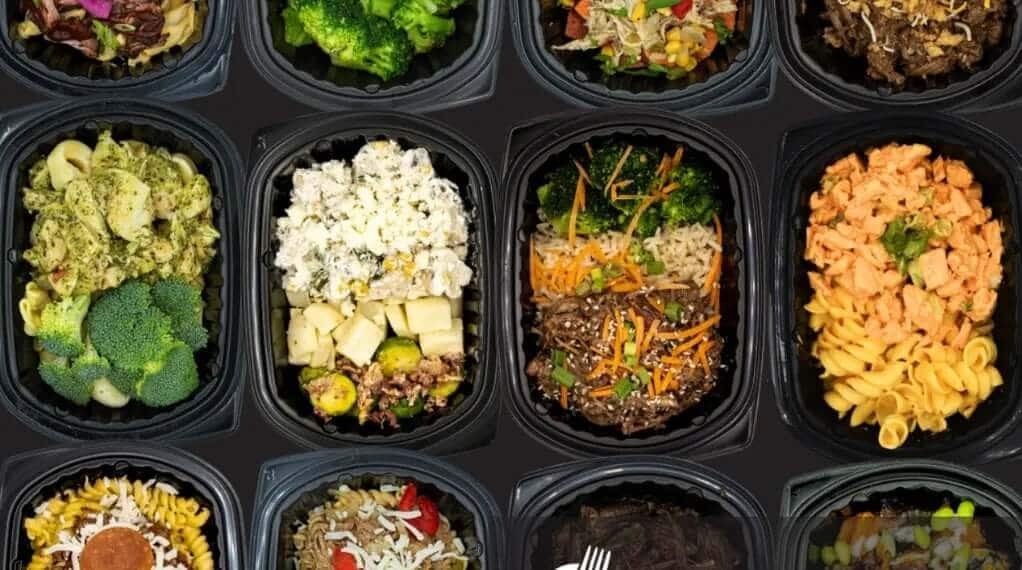
Compare like with like. A three-ounce cooked portion and a 100-gram raw entry use different weight bases and preparation states. Cooking changes moisture content, and some B vitamins break down with heat or are lost into discarded cooking liquid. No fixed percentage converts a raw B-vitamin value into a cooked one.
The NIH examples vary by cut and preparation: a broiled, bone-in pork chop for thiamin, roasted tenderloin for niacin, 90%-lean pan-browned ground beef in the niacin table, and an 85%-lean broiled patty in the B6 table.
In a 2002 Meat Science study, Esteve and colleagues examined B1, B2, B6, and B12 in particular pork muscles and processed meat products.
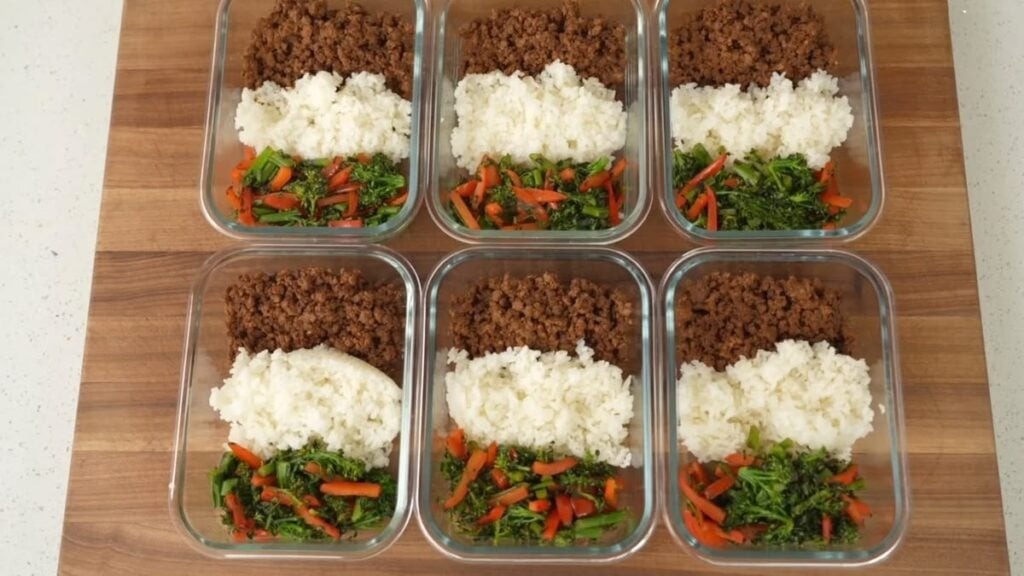
Milligrams (mg) and micrograms (mcg) are different units, so check which one a number uses. Folate is listed in mcg DFE.
B vitamins, energy, and B12 status
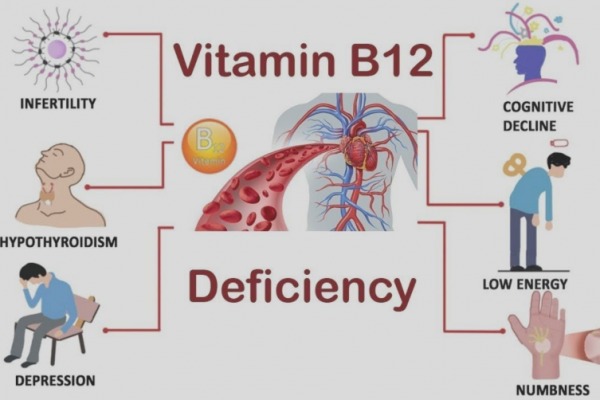
B vitamins take part in energy metabolism, but eating a B-rich food won't reliably make you feel energized.
Figured i’d try out beef liver for whole food/full spectrum b vitamins and folate. Man it makes me drowsy and lethargic and now i have a headache. Sometimes it makes my eyes feel dry. My face also feels hot.
Was really excited to get the “energizing” effect because I’m generally a fatigued person.
Any insights? Ahha sometimes i just feel like life is better without trying to get the b vitamins and folate in.
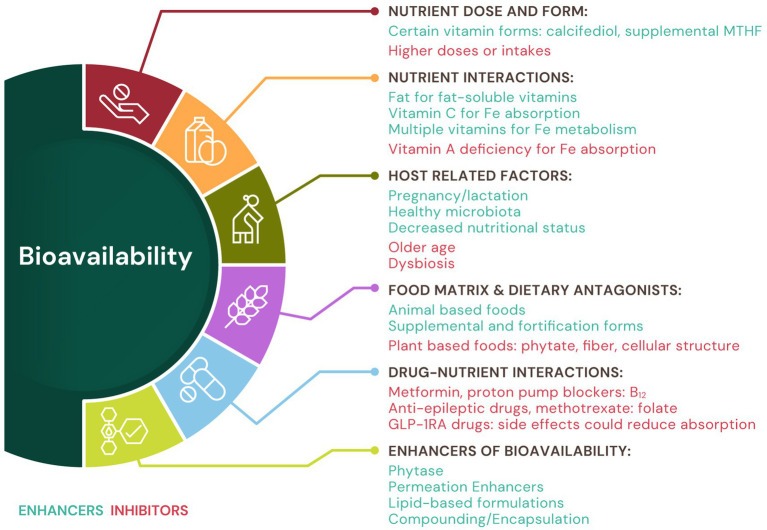
According to the NIH Office of Dietary Supplements' B12 guidance, food-bound B12 has to be released during digestion before the body absorbs it. Eating B12-containing foods doesn't by itself show adequate absorption or explain an individual blood-test result.
If you have persistent symptoms, suspect a deficiency, or need help reading lab results, see a doctor. A food-composition table can't answer that. Folate and other B vitamins also come from plant foods and fortified products.
How to verify the meat and portion you eat
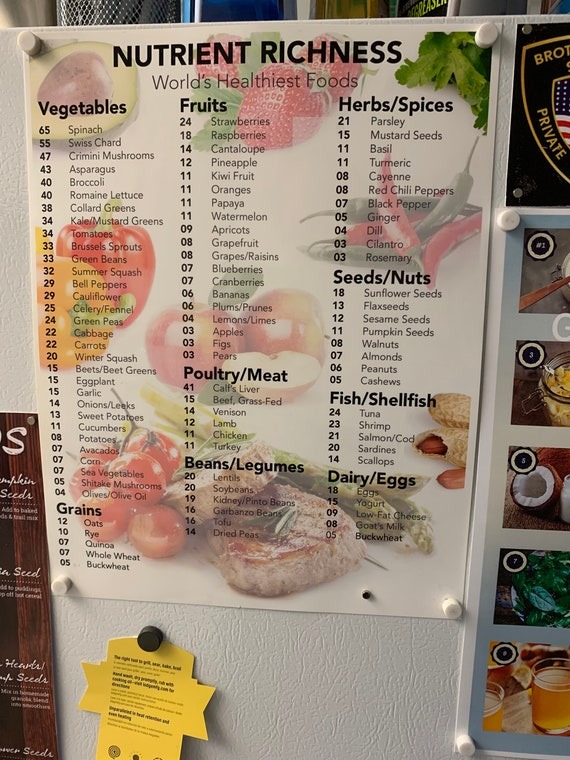
Use the number for the food on your plate. USDA FoodData Central lets you look up individual food records with identifiable descriptions and nutrient measurements.
Check a meat in five steps:
Choose the nutrient. Look up B1, B3, B6, B12 or another individual B vitamin.
Identify the actual food. Note whether it is beef, pork, chicken, turkey, or liver, with the cut and the raw or cooked state.
Find the closest matching USDA record. Search USDA FoodData Central for the food description and preparation.
Read the quantity and units. Note the serving weight and the amount of your chosen nutrient. %DV is the US labeling reference, and the serving weight tells you what quantity the number applies to.
Handle missing nutrients correctly. The NIH notes that USDA FoodData Central does not list food biotin values. Its separate biotin table gives the beef-liver figure used above. A missing biotin value does not mean zero.
Say dinner is roasted turkey breast and you want its B12: the NIH example gives 0.3 mcg per three ounces.
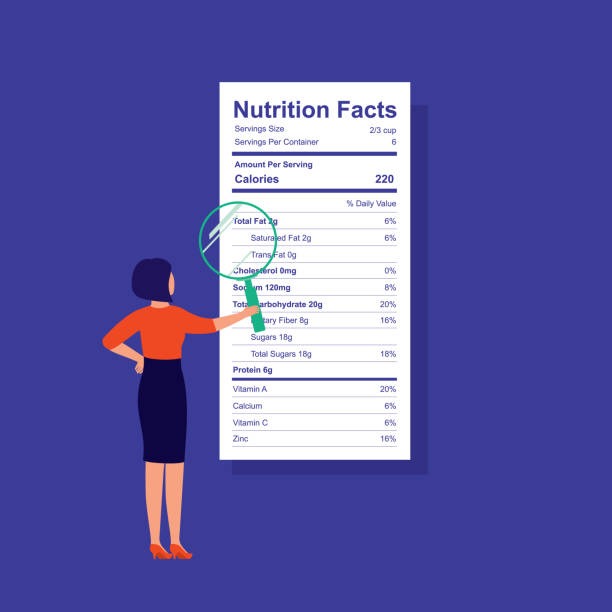
For organ meat, B vitamins, and portion size in one specific case, see the chicken-heart nutrition data.