
Vegetarian Foods High in Iron: Real Portions and Easy Pairings
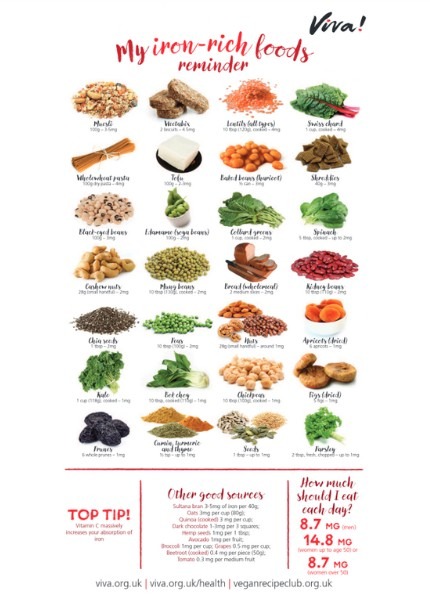
Half a cup of cooked lentils or firm tofu gives you 3 mg of iron. A cup of canned white beans gives you 8 mg. Bell peppers, broccoli, and orange segments supply vitamin C alongside these foods; fortified cereals need their own label check. If your blood tests are abnormal, talk to a doctor.
Which vegetarian foods provide useful amounts of iron?
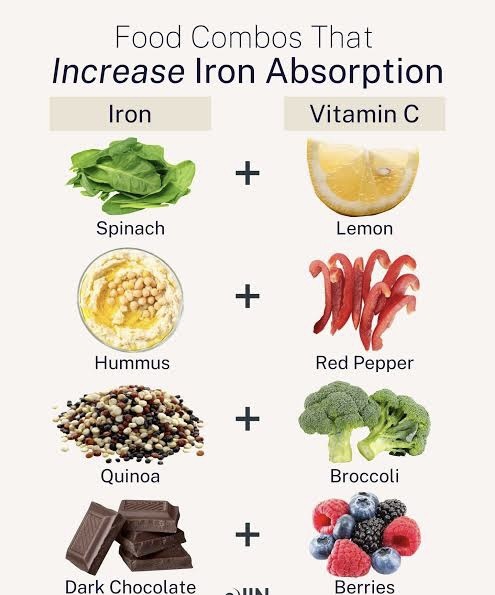
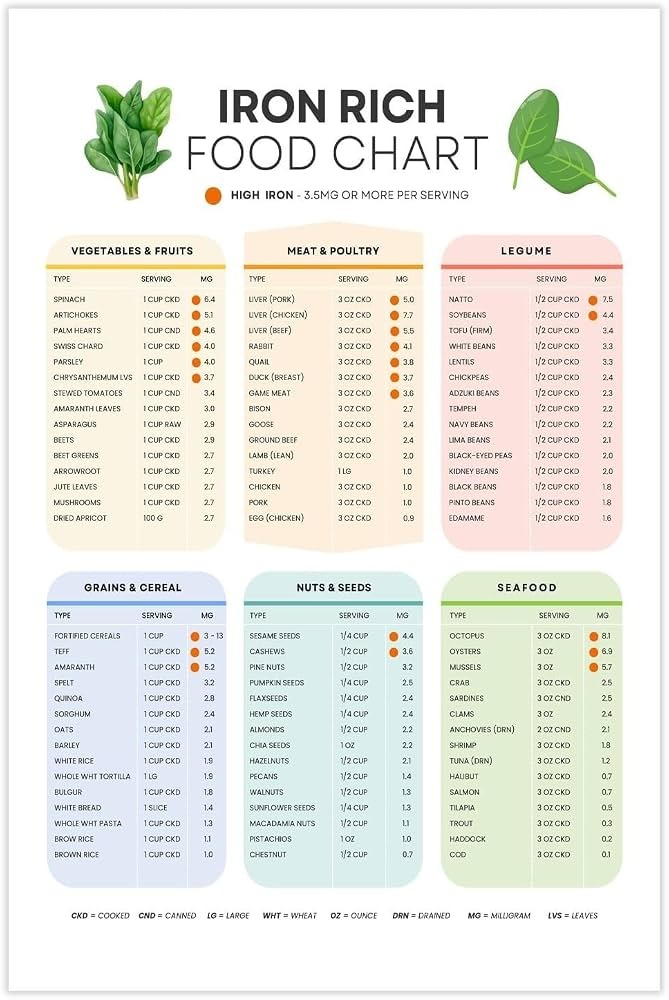
Start by comparing lentils, beans, firm tofu, cooked spinach, and fortified breakfast cereals. You eat very different amounts of each in one sitting, so compare them by serving. For beans, dietary iron, and cooking state, compare fava-bean nutrient values in realistic portions.
Half a cup of lentils and a full cup of canned white beans are different amounts of food. A per-serving ranking is useful only when you also look at the portions.
Iron in a stated serving
| Vegetarian food | Preparation or type | Serving | Iron |
|---|---|---|---|
| White beans | Canned | 1 cup | 8 mg |
| Lentils | Cooked | ½ cup | 3 mg |
| Firm tofu | Firm variety | ½ cup | 3 mg |
| Chickpeas | Cooked | ½ cup | 2 mg |
| Kidney beans | Canned | ½ cup | 2 mg |
| Spinach | Cooked and drained | ½ cup | 3 mg |
| Fortified breakfast cereal | Example providing 100% iron DV | 1 labeled serving | 18 mg |
The NIH Office of Dietary Supplements provides these rounded figures for the listed serving sizes and preparation methods. They show the iron in the food before absorption.
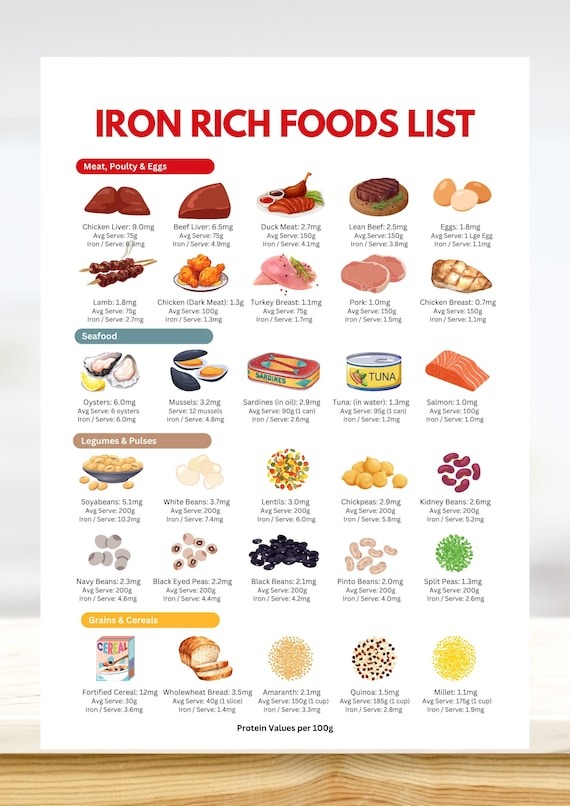
Half a cup of cooked, drained spinach is far more spinach than half a cup of loose raw leaves. Compare against the cooked figure in the table.
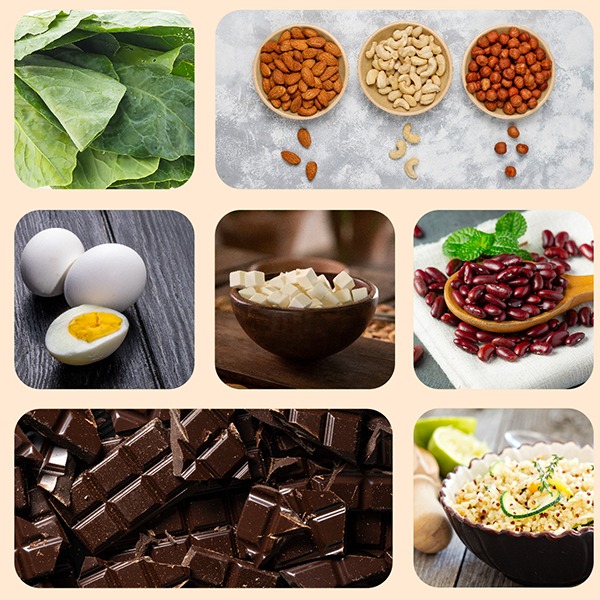
Nuts, seeds and dried fruit contain iron too; food rankings often quote a concentrated serving that is much larger than a normal snack.
Fortified cereals are a separate category because manufacturers add iron during production.
How much iron do vegetarians need?
US dietary guidance sets different iron values for different adults. Vegetarian diets add one more factor, because their iron is mostly nonheme iron.
The NIH gives these adult reference values:
| General adult category | Recommended dietary allowance |
|---|---|
| Men ages 19 to 50 | 8 mg/day |
| Women ages 19 to 50 | 18 mg/day |
| Adults ages 51 and older | 8 mg/day |
Pregnancy and other life stages have separate requirements.
The NIH iron consumer guidance explains that vegetarians traditionally need about 1.8 times the standard requirement, because the body absorbs less nonheme iron from vegetarian diets. It is a planning figure for populations, and your own needs may differ.
After switching to vegetarian eating, an r/vegetarian writer received unexpected blood-test results.
Hi guys, I went vegetarian last April and just got my bloodwork back and my iron levels are higher than the normal range and so is my ALT (which apparently can signal liver damage caused by high iron). The levels aren't sooo high out of range so I'm not freaking out but I am just really confused. I take a multivitamin with 100% iron maybe once or twice a week (but abstained for several days before the test so I wouldn't be messing with the results). Sometimes I eat fortified cereal but .... is this really enough to push a vegetarian into iron overload??? I don't drink much and I am not overweight in the slightest. I have a pretty balanced veg diet too (lots of beans tofu fruits vegetables etc) and before I went veg my labs were all normal. Has anyone else experienced this after going veg?
Why doesn't iron in plants all get absorbed?
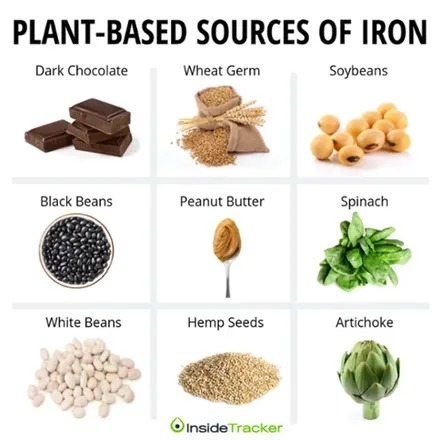
Most iron in plant foods is nonheme iron, and your body absorbs only part of it. How much depends on the rest of the meal and on you.
Heme iron is the other form, found mainly in animal foods. Nonheme iron matters most for vegetarian meal planning because other foods change how well it is absorbed.
Vitamin C (ascorbic acid) helps your body absorb nonheme iron by keeping it in a form that is easier to take up. That is why plant iron sources pair well with vitamin C-rich ingredients.
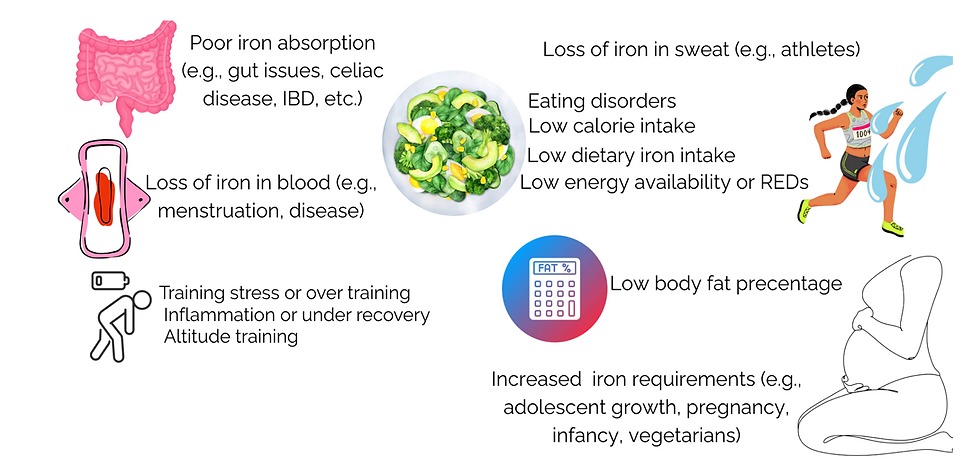
Phytates in some plant foods and polyphenols in some drinks reduce absorption, and how much depends on the meal. Tea and coffee can affect nonheme iron absorption too, depending on what you eat with them.
Cooked spinach contains iron, as the food table shows, but how much you absorb depends on the whole meal. It works as one useful food in a varied vegetarian diet.
What does an iron-containing vegetarian day look like?
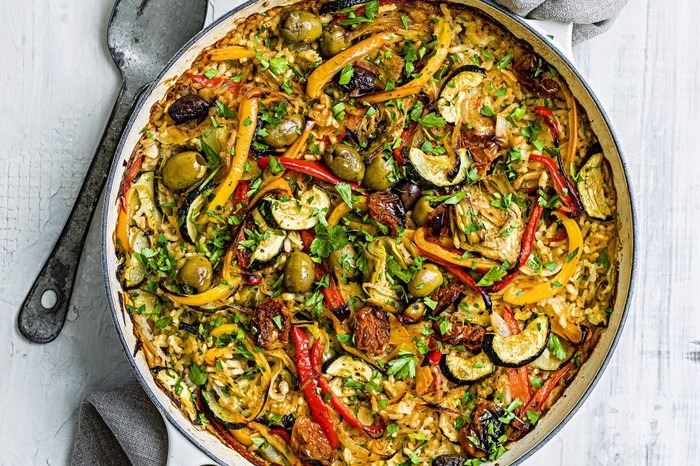
Start with an iron-rich food you already know how to cook. A lentil lunch, a tofu dinner and a fortified-cereal breakfast are easy places to begin.
| Occasion | Iron-rich base | Vitamin C side | Swap |
|---|---|---|---|
| Lunch | Cooked lentils | Bell peppers | Use cooked beans as the base |
| Dinner | Firm tofu | Broccoli | Use another vitamin C-rich vegetable you like |
| Breakfast | Iron-fortified cereal | Orange segments | Use strawberries as the fruit |
The fruit choices follow the vitamin C examples in Mayo Clinic's vegetarian nutrition guidance.
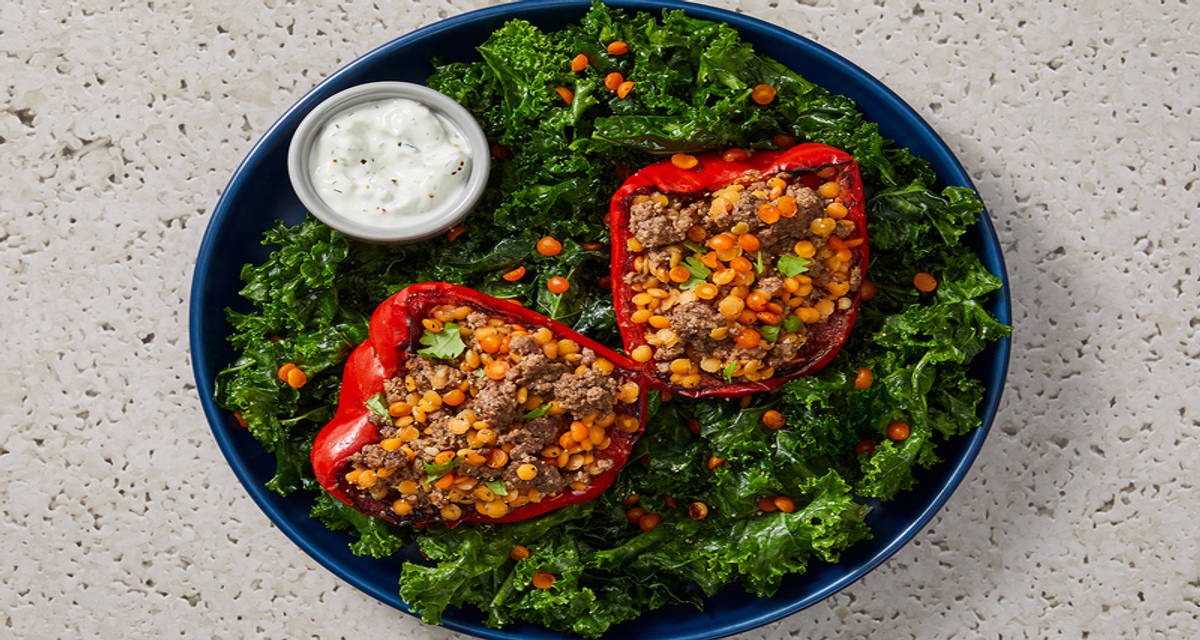
For a quick lunch, mix cooked lentils and chopped peppers in a bowl with seasonings you like.
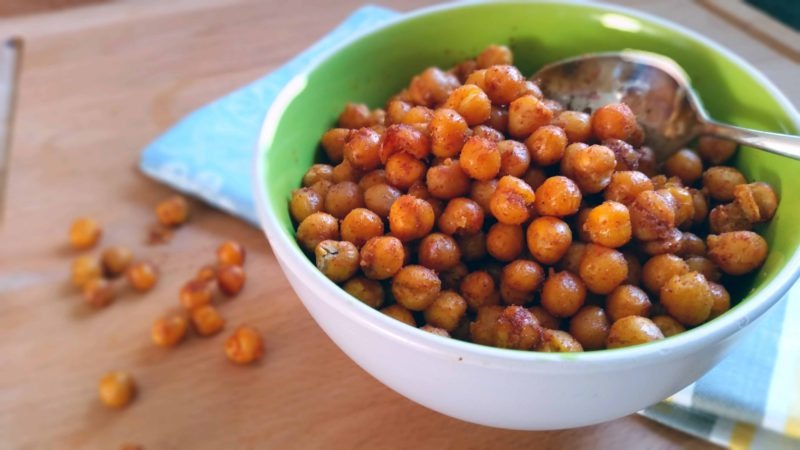
Roasted chickpeas make a portable savory snack, and nuts and seeds work too.
If you dislike tofu, eat legumes at dinner instead.
How do you read the iron number on fortified cereal?
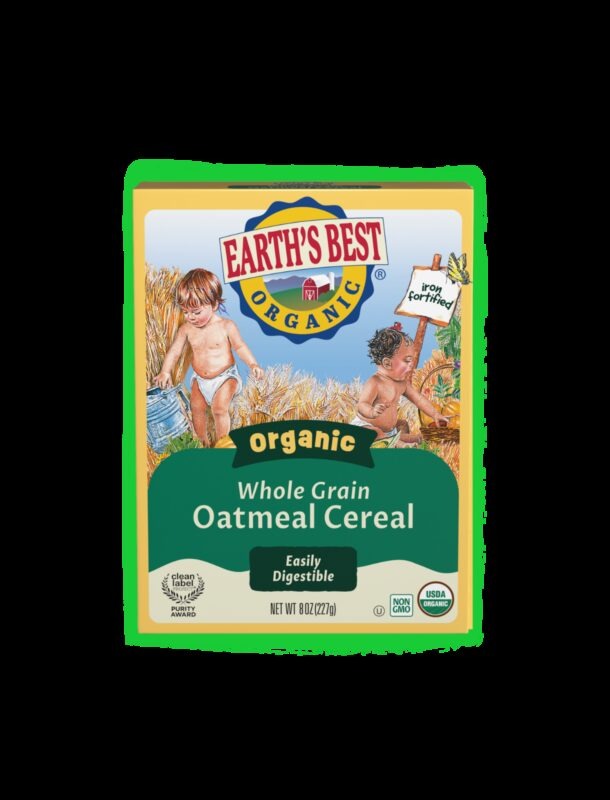
The Nutrition Facts panel on a fortified cereal lists the serving size, the milligrams of iron and the percentage Daily Value for that serving. Read all three.
The FDA's Daily Value reference for iron is 18 mg. The label uses it to calculate %DV. The age-specific recommendations are in the intake table above.
Example Nutrition Facts entry
Serving size: 1 labeled serving
Iron: 18 mg
% Daily Value: 100%
In this example, one serving gives you 18 mg of iron, or 100% of the iron Daily Value. This cereal is specially fortified. Other cereals and serving sizes carry different amounts.
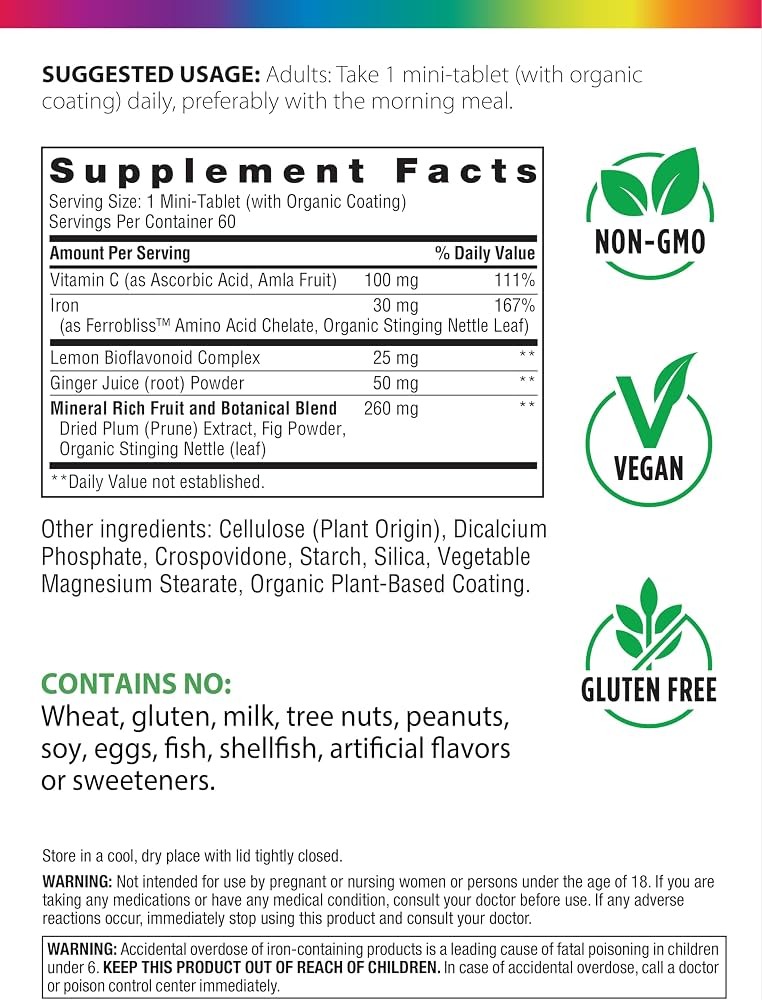
The FDA's general Nutrition Facts guidance treats 5% DV or less as low and 20% DV or more as high for a nutrient. A cereal listing 20% DV for iron has 3.6 mg per labeled serving, which is 20% of 18 mg.
When isn't choosing iron-rich foods enough?
Diagnosed iron deficiency, abnormal blood-test results or ongoing concerns need an individual assessment, because diet is only one factor in iron status. A food list can't identify the cause of a result or replace a treatment plan. If any of these apply to you, see a qualified healthcare professional.