
A 2,000-Calorie Day: A Real Menu and How to Check the Portions
MedlinePlus publishes a 2,000-calorie sample day with exact portions for each meal. Adults looking for a practical example can use that menu as a starting template, copying and weighing the listed quantities.
One published sample day includes cereal with milk and fruit, a turkey pita for lunch, steak and sweet potato at dinner, and yogurt with strawberries. The sample works as a calorie calculation only when you count the stated quantities, including margarine and dressing.
One Day of Meals: What a 2,000-Calorie Menu Looks Like
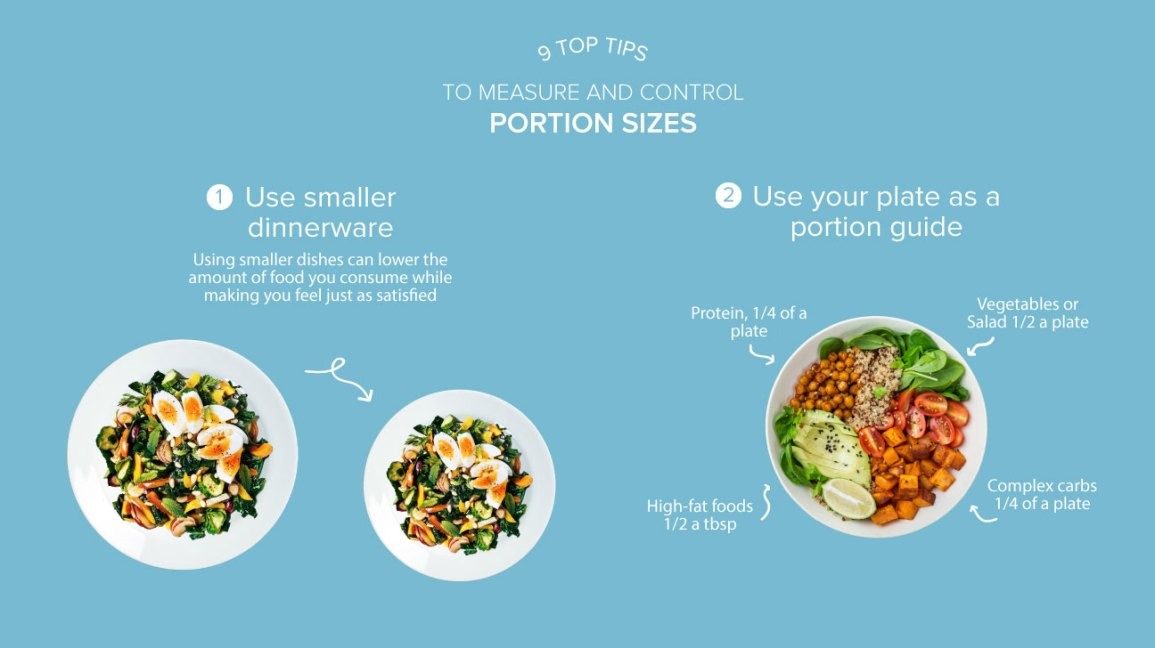
The MedlinePlus Carbohydrates page, hosted by the National Library of Medicine, includes a sample 2,000-calorie menu with breakfast, lunch, dinner and a snack. Here are its foods and portions.
| Meal | Foods and portions |
|---|---|
| Breakfast | Shredded wheat cereal, 1 cup (60 g); raisins, 1 tablespoon (10 g); fat-free milk, 1 cup (240 mL); 1 small banana; 1 hard-boiled egg. |
| Lunch | Turkey pita with whole-wheat pita, 2 oz (55 g); romaine, ¼ cup (12 g); 2 tomato slices; smoked turkey breast, 3 oz (85 g); mayonnaise-type dressing, 1 teaspoon (5 mL); and yellow mustard, 1 teaspoon (2 g). Plus 1 medium pear and tomato juice, 1 cup (240 mL). |
| Dinner | Grilled top-loin steak, 5 oz (140 g); mashed sweet potato, ¾ cup (190 g), with soft margarine, 2 teaspoons (10 g); spinach salad, 1 cup (30 g); whole-wheat dinner roll, 2 oz (55 g), with soft margarine, 1 teaspoon (5 g); fat-free milk, 1 cup (240 mL); unsweetened applesauce, 1 cup (240 mL). |
| Snack | Low-fat plain yogurt, 1 cup (225 g), with strawberries. |
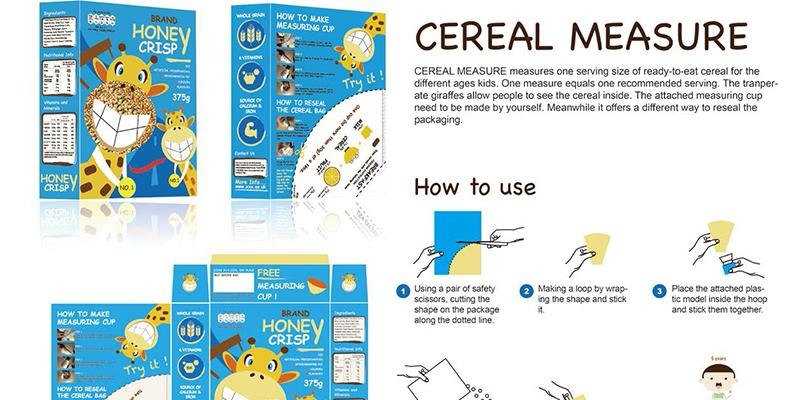
MedlinePlus lists a cup of shredded wheat as 60 g. Weigh out 60 g on a scale and you get the same portion, whatever size your cereal bowl is. Breakfast calories, banana portions, and protein pairings are explored in the banana-breakfast guide.
MedlinePlus doesn't give calories for each item. You can't add them up yourself either: it names no brands and doesn't say how much the strawberries weigh. The method below shows what a full calculation needs.
How to Calculate the Calories and What Gets Left Out
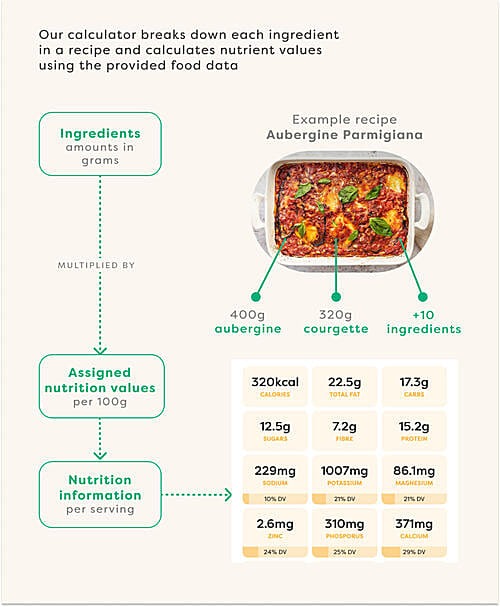
For an ingredient measured in grams, multiply the energy value from a matching food record by the edible amount. USDA FoodData Central documentation describes food-composition values reported per 100 g.
Ingredient Calories = (kcal per 100 g × edible grams) ÷ 100
Say a food has 250 calories per 100 g (invented numbers). A 120 g portion works out to 250 × 120 ÷ 100 = 300 calories.
For each line, write down the food or product, the measured edible quantity, whether it's raw or cooked, the label or database entry you used, and the resulting calories. Add the lines for meal subtotals, then add the meals for the day. Round at the end.
The easiest entries to miss are the small ones: oil in a pan, mayonnaise in the pita, margarine on the roll, a drink, a large spoonful of nut butter. A poster in r/loseit found this out when they finally measured a familiar snack.
I allow myself a "tablespoon" of natural peanut butter everyday since it's possibly my favorite food on the planet.
After not losing anything last week, I decided to actually measure the tablespoon and holy shit it's tiny. What I previously thought was about a tablespoon without measuring has to be at least 2 maybe 3. So that's 285 cals I've been eating instead of the 95 I thought it was. The same is likely true for my use of olive oil, which would be even more detrimental to my deficit.
Just a friendly word of caution to make sure you weigh and measure if you're trying to stay in a calorie deficit. You may find your guesses have been catastrophically erroneous.
The 95-to-285-calorie gap is the poster's own estimate. The fix is to measure each portion, spreads and cooking fat included, and calculate it against the matching product or food entry.
Why Raw, Cooked, and Drained Weights Change Your Math
Cooking changes a food's weight as water moves in or out. A calorie value for raw food needs a raw-weight measurement, and a cooked-food value needs a cooked portion. The same goes for canned foods, weighed with their liquid or drained.
| What you weigh | Entry to use | Watch for |
|---|---|---|
| Dry cereal | Its packaged serving by weight | A household cup may differ from the product's stated grams. |
| Drained beans | Data for the edible drained portion | Check whether the reference quantity includes canning liquid. |
| Cooked vegetables | A matching cooked entry, or the raw ingredients of the recipe | Evaporated water changes weight; added oil changes the ingredient total. |
| Mixed cooked dish | Ingredient total and finished edible batch weight | Use the finished yield to split portions when the mixture is even. |
For one r/loseit cook, the question started when vegetables visibly shrank in the pan.
Hi, One thing that I really love on my weight loss process that I recently learnt is “cooking” the vegetables, for example throwing mushrooms, peppers and onions, cabbage on the racket.
That can be done with others as well but for lower calories, those above are my favourite.
One thing that I notice is that while cooking them, they get smaller and then weight much lower. If I have cooked 400g of them when “raw” but then they are gotten over 300g, do I count the calories as 400g or 300 after they were cooked?
I hardly put any oil, that’d be funny to say that I even can do it with water or vinegar instead of oil, so let’s not count oil calories in this does if it case
I don’t know how and where those “cooked missing parts” disappear, but do I count them as the calories when eating or just what I see in front of me? Thanks
When only water evaporates, the vegetables weigh less but keep the same calories, now in fewer grams; fat left in the pan or a sauce poured off needs its own accounting.
Say the recorded ingredients total 1,000 calories and the finished, evenly mixed batch weighs 500 g. Four equal 125 g portions come to 250 calories each. A scoop heavy on meat or sauce will differ from that average.
What “Based on 2,000 Calories” Means and When It Doesn't Fit
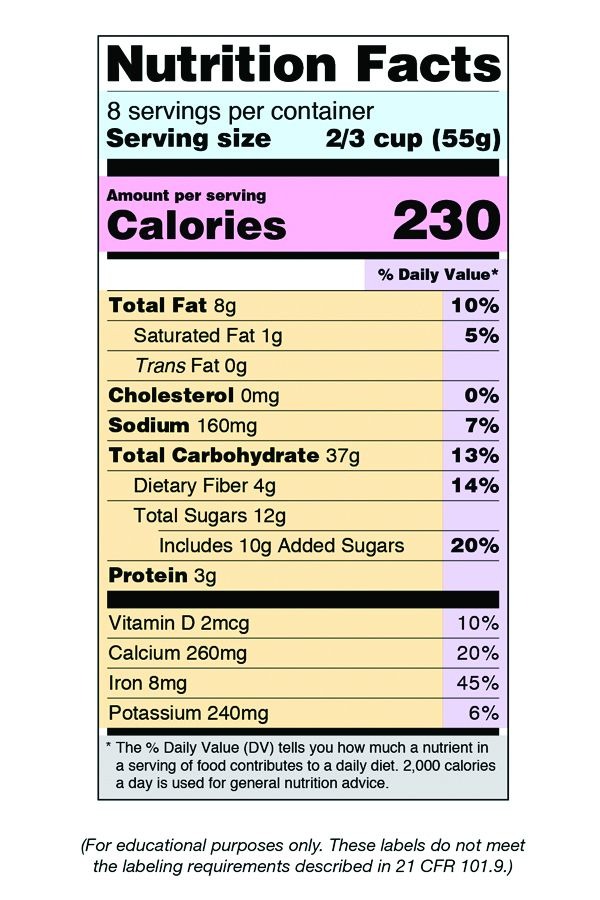
On US Nutrition Facts labels, 2,000 calories is a general reference for understanding Daily Values. The FDA Nutrition Facts guidance also explains that a labeled serving size is a reporting quantity, not a recommendation for how much to eat.
A fixed menu shows portions, but calorie needs depend on the person. The NIH/NIDDK Body Weight Planner offers individualized planning for eligible adults. It isn't intended for children, pregnant people or breastfeeding people.
If you're managing a medical condition that affects your diet, or you're pregnant or breastfeeding, get nutrition advice that fits your situation before adopting a fixed-calorie plan.
What the Menu Adds Beyond a Calorie Total
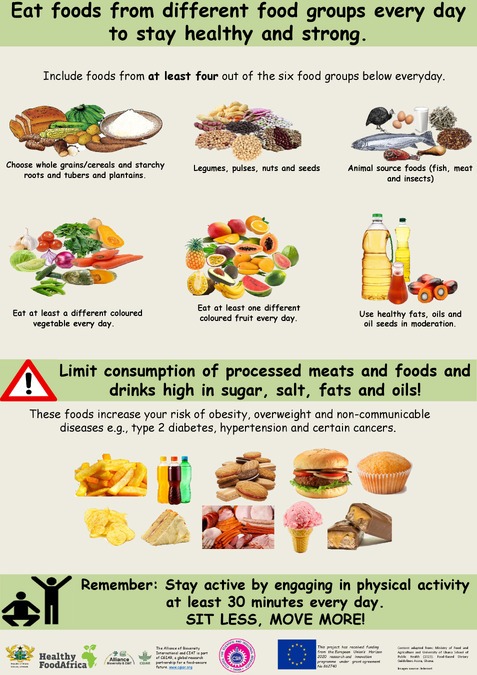
The 2025 to 2030 Dietary Guidelines for Americans cover dietary quality as well as energy intake. The source menu spreads several food groups across the day: cereal, pita and a dinner roll among grains; banana, pear, applesauce and strawberries among fruit; romaine, tomato, spinach and sweet potato among vegetables; and egg, turkey, steak, milk and yogurt among protein and dairy foods.
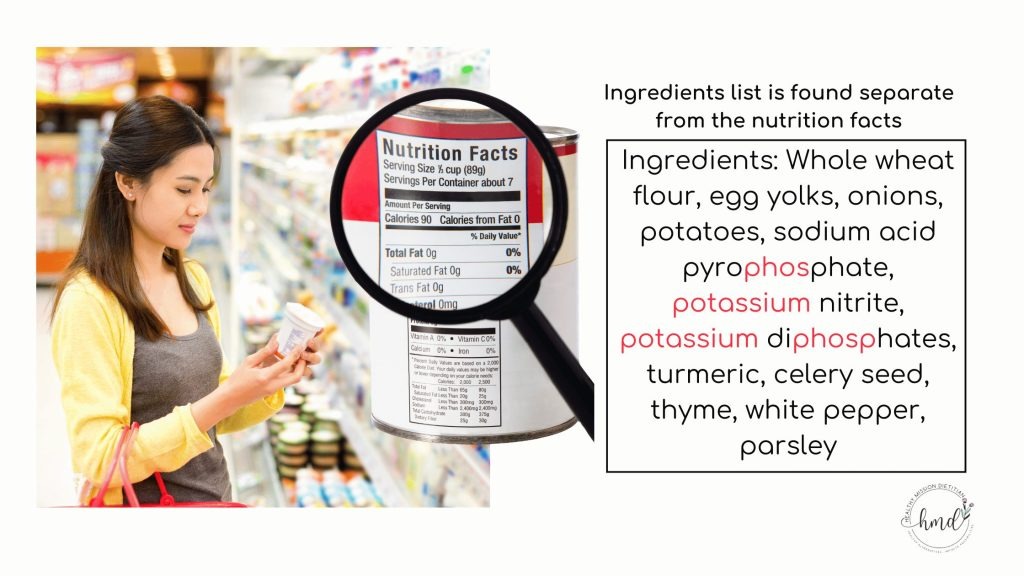
To check fiber, sodium, added ingredients and other nutrients, you need data for the products you actually use. Smoked turkey, sauces and seasoning blends differ in sodium from one product to another, and milk alternatives differ in protein and fortification. Two menus with the same calorie total can have quite different nutrient profiles.
How to Swap Foods and Recalculate the Meal
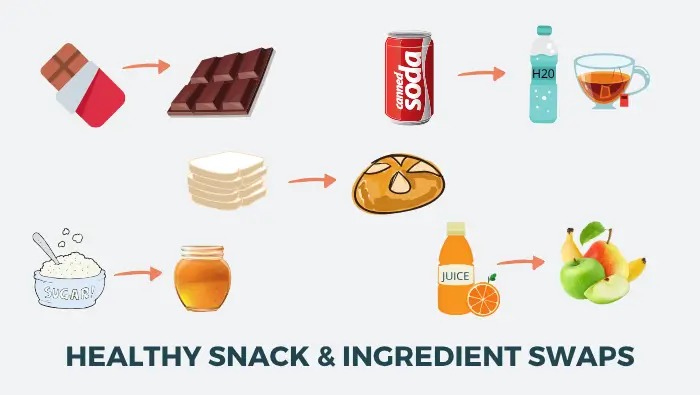
A swap works best when the new food does the same job in the meal. Then recalculate using the replacement's actual serving. Bread, protein fillings, fruit and milk alternatives all change the meal's calories and other nutrients.
| In the sample menu | Swap for | Compare |
|---|---|---|
| Whole-wheat pita or dinner roll | Another bread or grain food | Gram weight, calories and fiber for the serving. |
| Smoked turkey breast | Another protein filling | Actual portion, calories, protein and sodium. |
| Fat-free milk | Lactose-free milk or a fortified alternative | Label serving, calories, protein and fortification. |
| Banana, pear or strawberries | Another fruit | Edible weight and calories. |
| Prepared turkey pita lunch | A packed or purchased mixed meal | Ingredients and portions, including sauces or drinks. |
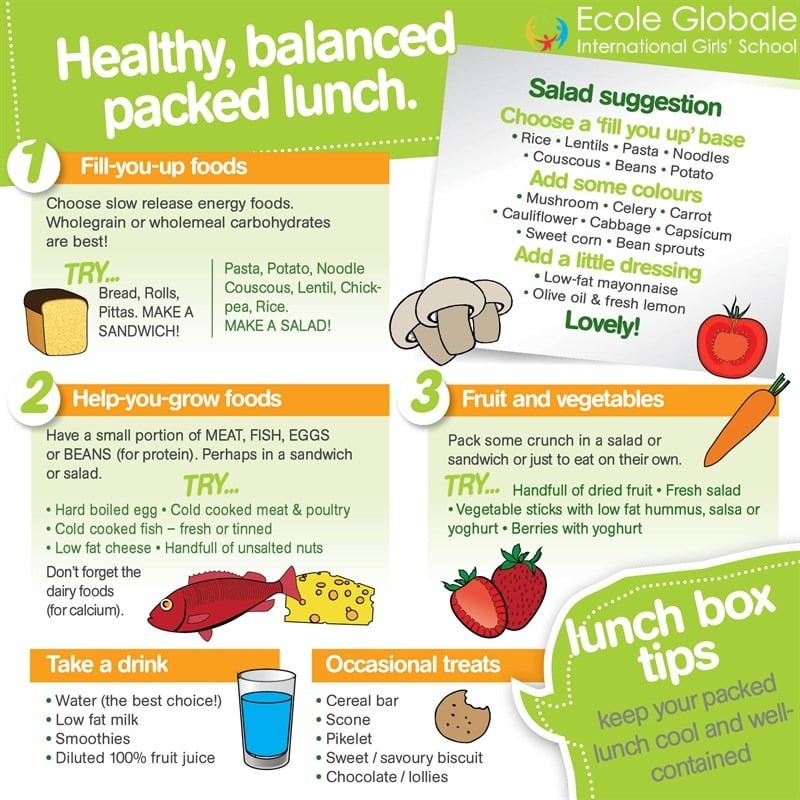
Swap the bread and you redo one line. Swap the whole lunch and you redo them all.
Meal Prep That Still Works After the Food Is Cooked
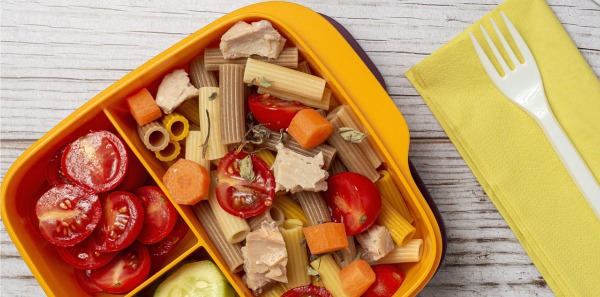
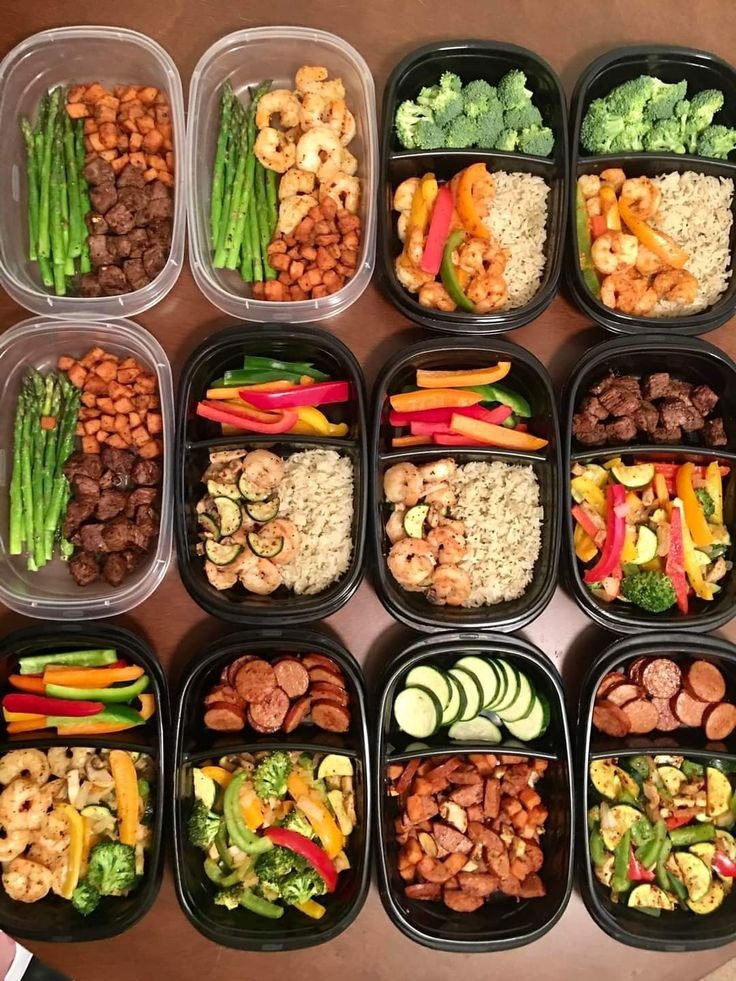
Batch cooking makes a recurring lunch easier to pack, but one seasoning mistake lands in every portion. A contributor described preparing nine bowls while two pans demanded their attention.
- Macros per Bowl:
- Calories 619
- Protein 81g
- Carbohydrate 53g
- Fat 9g
- Sodium 1923 mg
- Potassium 1474 mg
- Dietary Fiber 14g
- Sugars 2g
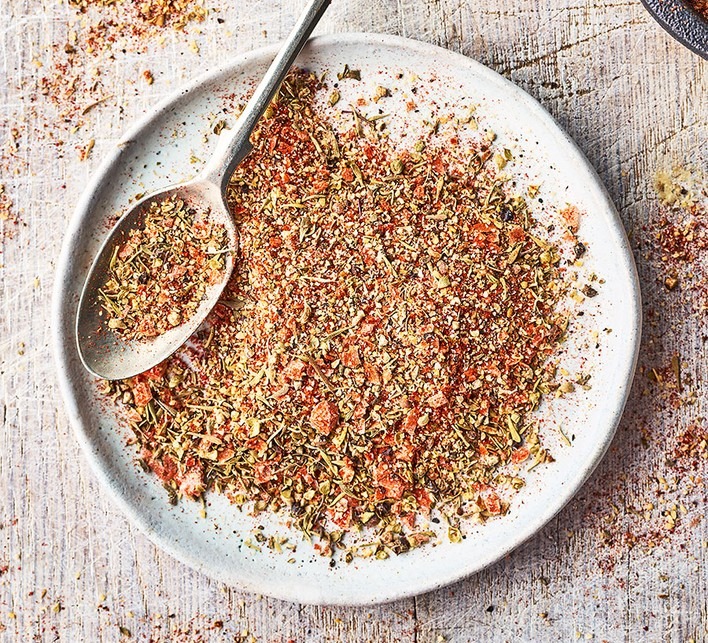
I just seasoned and baked the broccoli / potatoes in the oven for like an hour at 425 F. Garlic powder, smoked paprika, salt, pepper, cumin. The chili seasoning I used for the meat, which I cooked on the stove. I used nearly an entire bottle by accident as I was overwhelmed by cooking two skillets worth of meat at the same time, and basically dumped the whole thing in there. So, sodium is through the roof. Won't make the same mistake next time. Still tweaking this as I need more carbs.
I won't lie it isn't tasting gourmet but it gets the job done at making me full. Could do with less protein I think.
Cost me exactly $70, mainly due to the overwhelming cost of ground beef at nearly $10/lb at Trader Joe's. I will probably just do strictly ground turkey next time to save money, could get it down to <$50 or $5 per meal. The potatoes, broccoli, and beans collectively cost me $12 at Target.
For a large recipe, measure out the seasoning before you mix it through the whole batch.
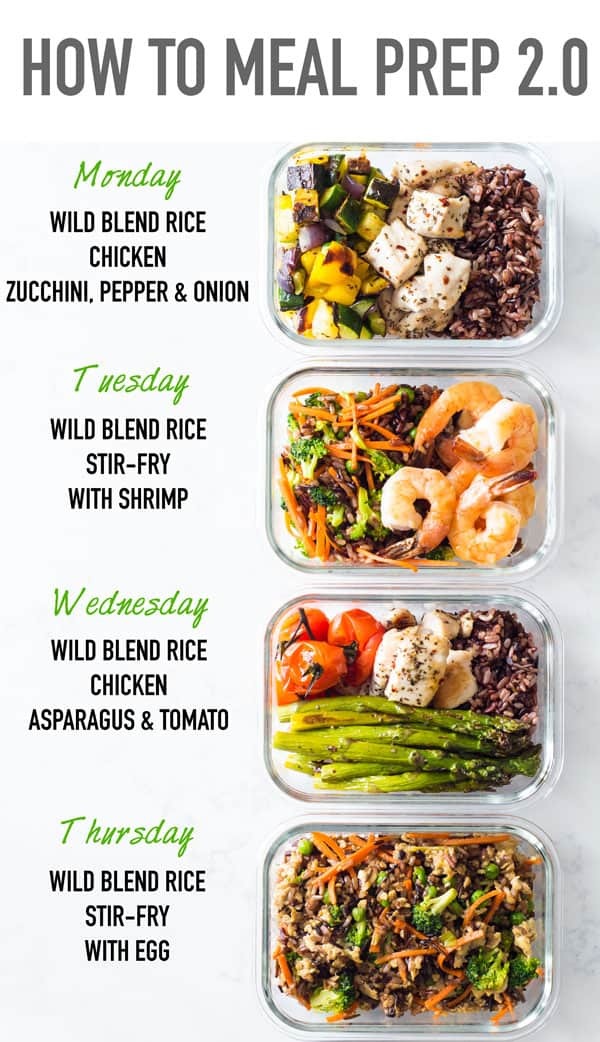
- Pack for the meal. Choose containers that hold one sensible serving of the finished dish, and keep sauces separate.
- Cool safely. FoodSafety.gov advises shallow containers for rapid cooling. Refrigerate perishable food within two hours, or within one hour if exposed to temperatures above 90°F.
- Store and reheat safely. Use properly refrigerated leftovers within four days, and reheat them to 165°F.
When the Day Doesn't Go According to the Menu
A meeting or an unavailable lunch option can change what you eat that day. Eat the new meal as it comes. Don't cut the next one to make up for it.