What Is Cockroach Milk? The Science Behind the Superfood Claim
Cockroach milk is a nutrient-rich liquid the Pacific beetle cockroach makes to feed its young. That finding belongs to insect biology, not to a tested human milk alternative. When a headline hypes it, check whether it means the dried secretion, the embryo crystals or a future product.
What is cockroach milk, exactly?
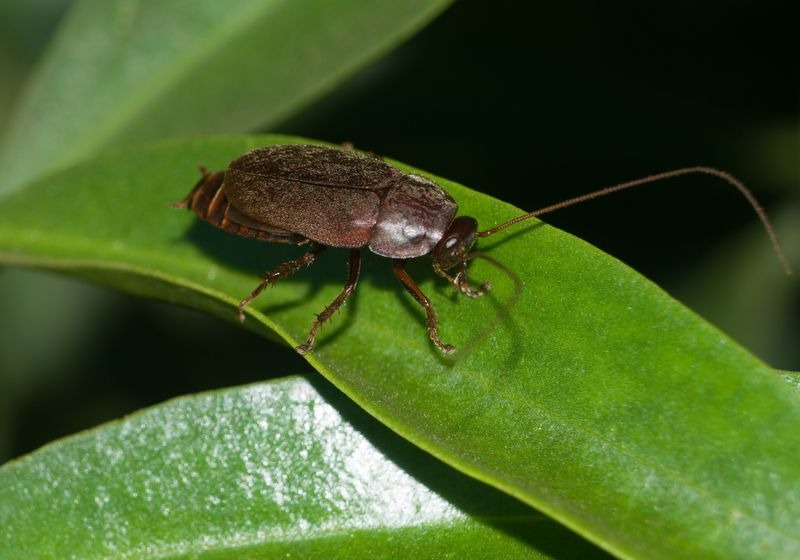
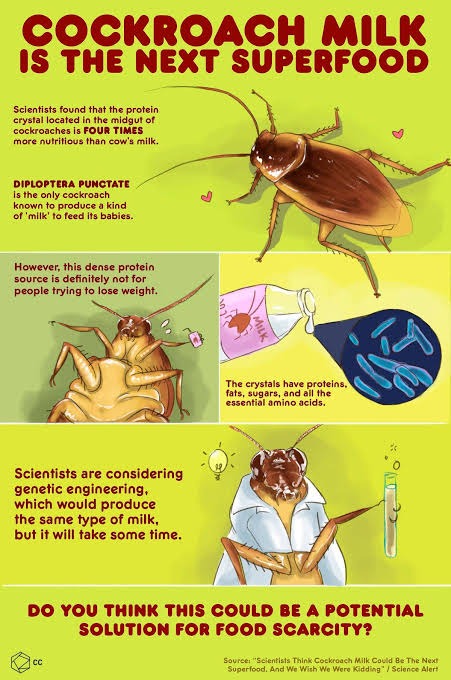
Cockroach milk is the name given to the nutrient-rich liquid produced by the Pacific beetle cockroach, Diploptera punctata, to feed its developing offspring.
Female D. punctata give birth to live young. The embryos develop inside a brood sac in the mother's body, where she releases the secretion. They swallow it, and protein crystals form in their midguts. These crystals store nutrients inside the developing insects.
Researchers can analyze either the maternal secretion or crystals isolated from embryos, and each gives different measurements.
In a 2016 study in IUCrJ, Sanchari Banerjee and colleagues characterized these naturally formed crystals. They contain a mixture of related, glycosylated proteins that bind lipids. In plain language, the proteins have attached carbohydrate groups and can hold fat molecules alongside them.
What did scientists measure?
In 1977, M. Ingram, B. Stay and G. Cain used filter-paper embryo surrogates to collect liquid secreted into the maternal brood sac. The team dried the sample and analyzed its chemical composition. Their study in Insect Biochemistry reported these approximate percentages by weight of the dried material:
- Protein: 45%.
- Free amino acids: 5%.
- Carbohydrates: 25%.
- Lipids: 16% to 22%.
These percentages describe a dried lab sample. You can't turn them into a nutrition label for a glass of liquid. They also come from a different specimen than the 2016 work, which studied crystals from embryos, so combining the two into one calorie figure doesn't work.

| Study | Material | Method | What it shows |
|---|---|---|---|
| 1977 | Dried maternal brood-sac secretion | Filter-paper embryo surrogates, chemical composition analysis | Approximate proportions by dry weight |
| 2016 | Crystals taken from embryonic midguts | X-ray crystallography at 1.2 Å resolution | Protein structure and crystal-associated nutrients |
Is cockroach milk three times more nutritious than cow's milk?
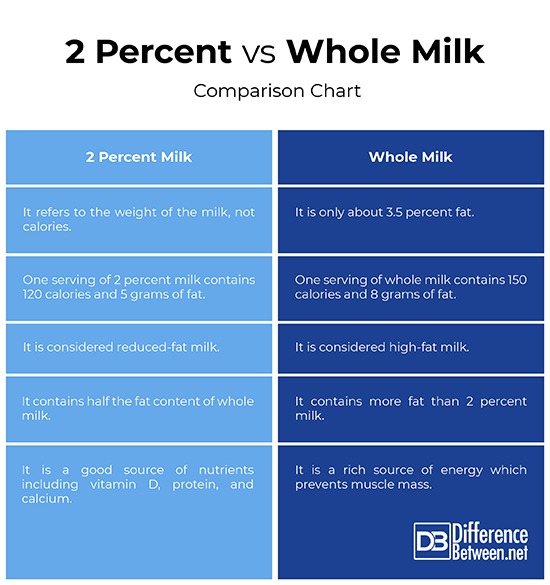
The 2016 researchers estimated that an individual embryo-grown nutrient crystal contained more than three times the energy of an equivalent mass of dairy milk. If you want the grocery labels sorted out, the dairy-free-versus-vegan label guide explains them.
Energy density is a physical measure. It says nothing about nutrient balance, digestibility, suitability for a particular person or health outcomes; the crystallography study looked at the proteins and nutrient storage of a developing insect.
A solid and a liquid also don't compare directly by volume. A milligram of isolated crystal and a milliliter of milk are different quantities. Converting between them requires measurements of the actual material and how much of it sits in a defined serving.
Healthline estimated about 700 calories for a hypothetical 250 mL serving of cockroach milk. The figure extrapolates from an energy estimate for crystals, and no standardized drink serving was measured in that experiment.
A headline claiming a glass of cockroach milk has three times the nutrition of cow's milk suggests three times the vitamins, protein benefit or value for a child. The study supports one thing: the crystal is energy-dense.
Can humans safely drink cockroach milk?
The studies looked at developing cockroach embryos, not people. Safety and digestibility in humans remain unknown, and so does any nutritional benefit.
If you avoid dairy because of an allergy or intolerance, you can't assume an insect secretion suits you. Any finished food would need testing in the form people eat, with its actual ingredients, preparation method and serving size, since those affect digestion and tolerance.
Ask a doctor before giving it to children or using it during pregnancy or on a medically restricted diet.
Could anyone produce or buy cockroach milk?
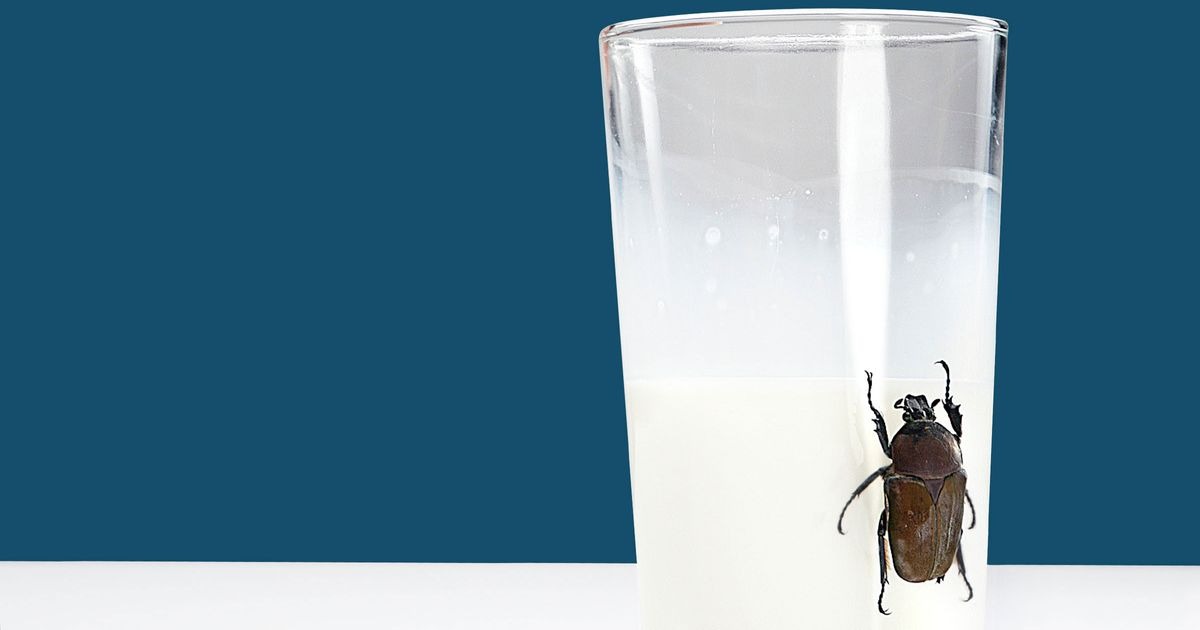
The published consumer sources describe cockroach milk as a laboratory research subject. They identify no standardized retail beverage. Studying a natural secretion is doable. Producing a consistent, tested food for shoppers is a bigger job.
The two experiments obtained material in different ways. In 1977, filter-paper embryo surrogates gathered the mother's secretion. In 2016, scientists studied crystals isolated from embryos. Both were research procedures built around one specimen, and neither produced a routine grocery-scale process.
Large-scale production would need predictable material, a reproducible composition and evidence for food use. Collection also raises practical and ethical concerns.
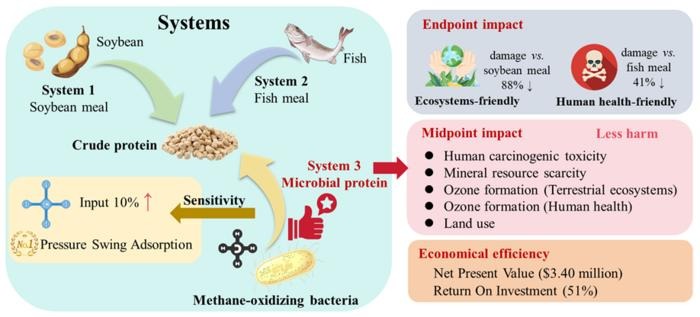
One alternative is making the relevant proteins in a laboratory organism. In a 2026 Scholastic Science World report published May 11, 2026, researcher Ramaswamy Subramanian described experiments using yeast to express cockroach milk proteins. The reporting describes no commercial manufacturing or human-food safety outcome.
Recreating the full mixture from the brood sac, and the crystals that form in embryos, is a separate challenge of composition and structure.
Why did cockroach milk make news again in 2026?
On September 3, 2026, the cockroach-milk crystal research won the Ig Nobel Prize in Chemistry, a new honor for structural work first published in 2016. The award brought the nutrient crystals back into science coverage, though the experiment itself remains a study of insect biology. In an IUCr researcher's account published October 15, 2026, the unexpected invitation first looked like a prank or phishing attempt until its authenticity became clear.
How to check the next cockroach-milk superfood headline
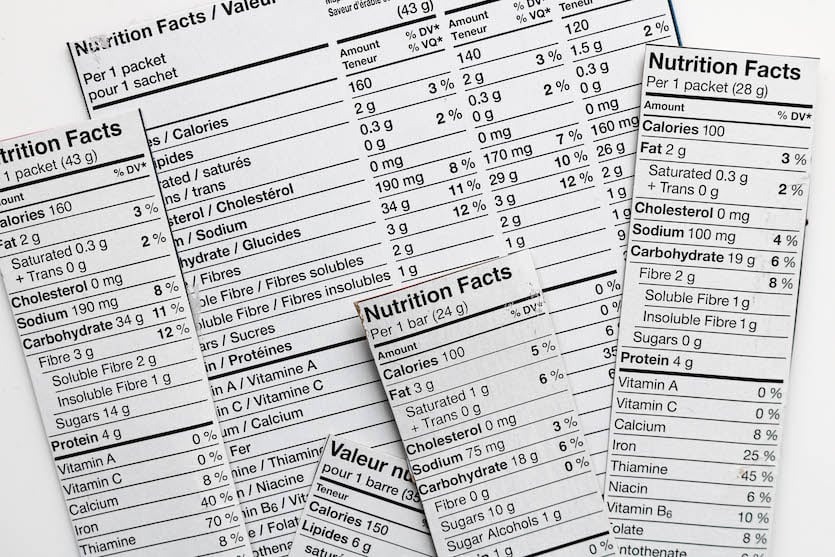
Before you believe a striking food headline, check four things.
- Material: Is it dried maternal secretion, an embryo-grown nutrient crystal or a protein produced in yeast?
- Unit: Is the number a percentage of dry material, an equal-mass energy estimate or a measured amount in a real serving?
- Human evidence: Has anyone tested a defined food in people, or is the finding about insect development?
- Product: Is there a standardized food with a tested composition and a documented source, or only a research material?