Dairy-Free vs. Vegan: What's the Difference?
No. Dairy-free food can still contain eggs, honey, gelatin, fish or meat, while vegan food excludes all animal ingredients, milk included. Dairy-free describes the absence of dairy ingredients; vegan goes further by excluding other animal products as well. Neither label makes a food safe for a milk allergy, so read the full ingredient list and allergen statement.
Does dairy-free mean vegan?
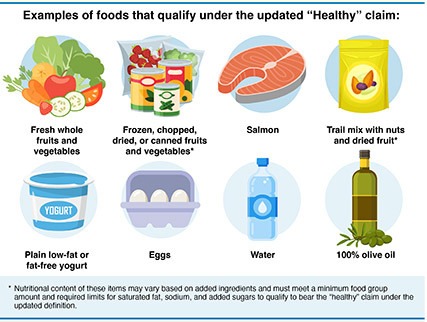
A cookie baked without milk can still contain eggs; a honey-sweetened sauce with no dairy is dairy-free but not vegan. Fish cooked in olive oil is dairy-free too, though not vegan.
Eggs cause confusion because stores shelve them next to milk and cheese. They are not dairy.

A maker can claim vegan on its own, or earn it from a private certifier with its own rules.
The University of Nebraska–Lincoln's Food Allergy Research & Resource Program explains that the FDA has no specific regulatory definition for dairy-free. The claim states what the maker meant to leave out. The ingredient list shows what is in the food.
Going vegan or vegetarian raises a separate question: plant-based iron sources.
What vegan, lactose-free, non-dairy and plant-based labels mean
A shelf of milk alternatives or coffee creamers can carry several similar-looking claims. Each one answers a different question: dairy ingredients, any animal ingredient, lactose sugar, or a private certifier's standard.
| Label | What it means | Other animal ingredients? | Milk-allergy implication |
|---|---|---|---|
| Dairy-free | No dairy ingredients | Can contain eggs, honey or other animal ingredients | Unintended milk is still possible |
| Vegan | No animal-derived ingredients | Excluded under the formulation or standard | Cross-contact and certain fermentation-derived milk proteins still matter |
| Lactose-free | Lactose sugar removed or reduced | Can contain dairy and other animal ingredients | Lactose-free cow's milk still contains milk proteins |
| Non-dairy | A US labeling term distinct from dairy-free | Can contain animal ingredients | Some creamers contain milk-derived caseinates |
| Plant-based | Emphasis on plant ingredients | Not necessarily strictly vegan | No allergy-safety assurance |
| Certified Vegan (Vegan Action) | Meets that private program's animal-ingredient criteria | Intentionally used ingredients must meet program requirements | Not an allergy-safety certification |
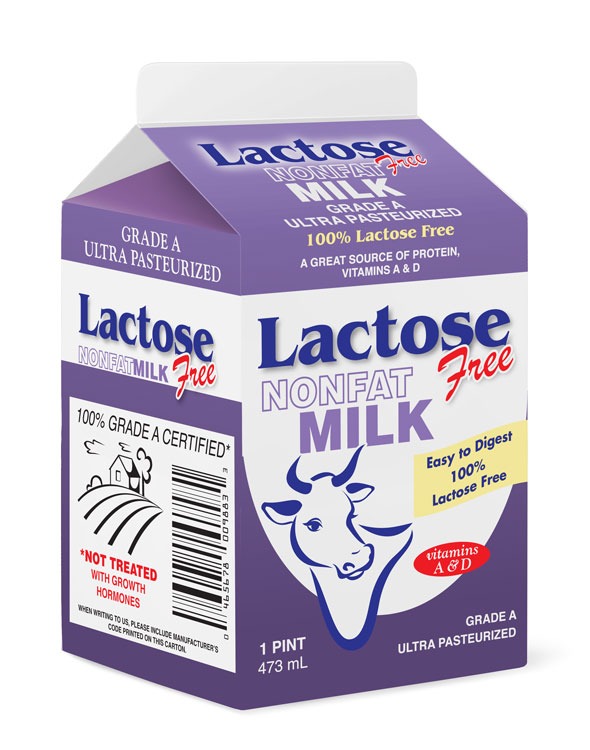
Lactose is milk sugar. Milk proteins are different substances. People choose lactose-free cow's milk to avoid the digestive discomfort lactose causes, but the milk proteins stay in the drink.
In the US, when a food described as nondairy contains a caseinate, federal ingredient-labeling rules require the ingredient list to name its source. An ingredient list might read sodium caseinate (a milk derivative). That parenthetical tells you what a front-panel claim can miss.
Where milk appears on a US packaged-food label
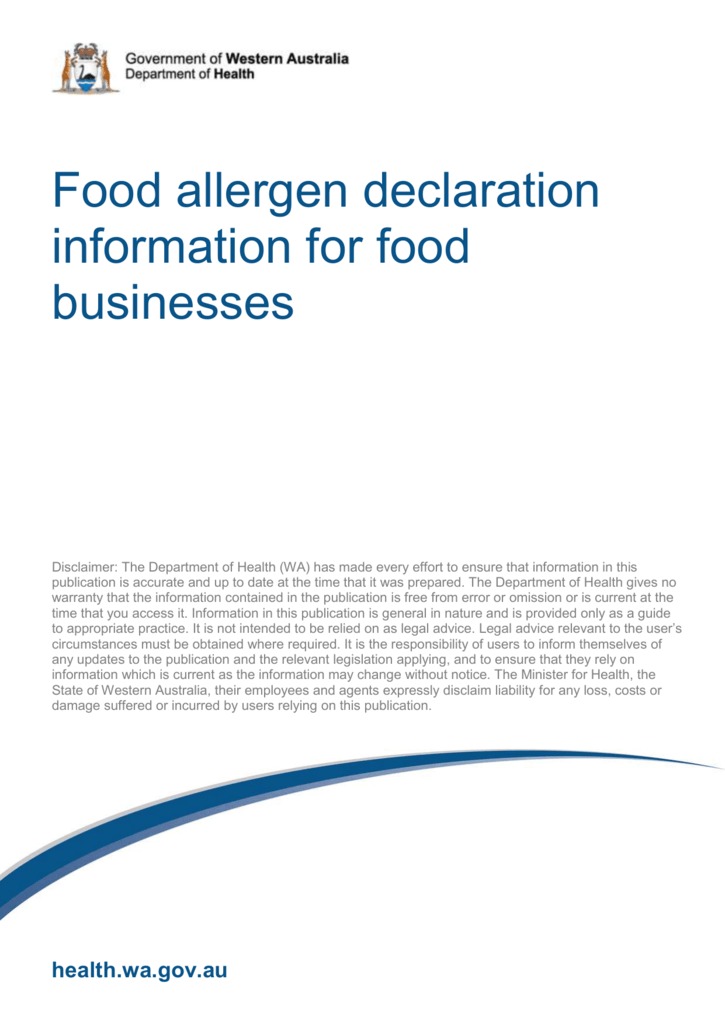
Covered FDA-regulated packaged foods must identify milk and the other major allergens by naming the source in the ingredients or in an allergen disclosure. The FDA recognizes nine major food allergens: milk, eggs, fish, crustacean shellfish, tree nuts, peanuts, wheat, soybeans, and sesame.
The FDA's food-allergy label guidance describes two ways to name an allergen source: within the ingredient wording, or in a separate Contains statement when the maker uses one.
| Example label text | What it tells you | How to interpret it |
|---|---|---|
Ingredients: ... whey (milk) ... | Whey is identified as derived from milk | Milk is intentionally present |
Contains: Milk | The allergen source is declared separately | Milk is among the major allergens in the food |
May contain milk | A precautionary allergen statement | The maker is flagging possible unintended cross-contact |
A food can name milk in its ingredient list without a separate Contains line. A missing Contains line does not mean milk is absent.
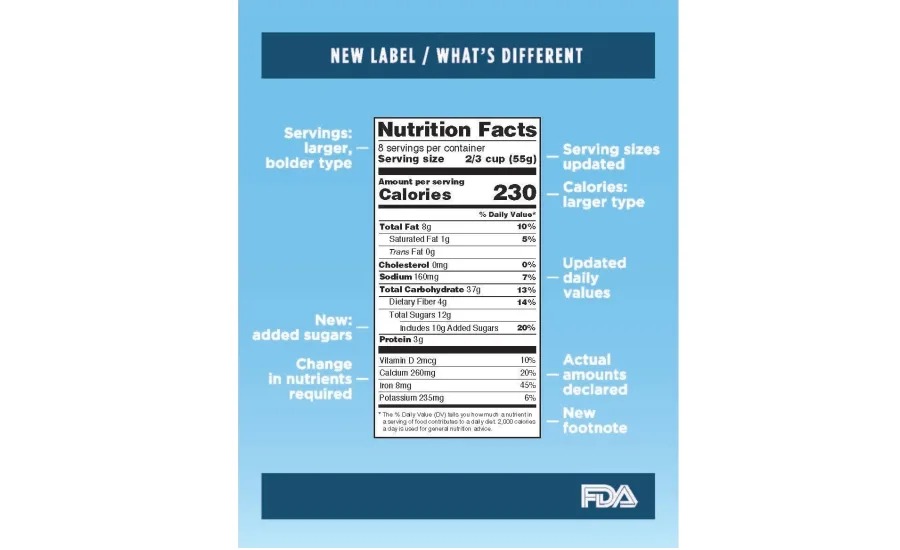
Precautionary phrases such as may contain milk or made on shared equipment flag possible cross-contact during production. They are voluntary, so a package with no such statement can still have cross-contact.
Whey and casein are milk proteins, and caseinates come from casein. Look for these names when your concern is milk protein, not lactose sugar.
Why Certified Vegan is different from milk-allergy safety
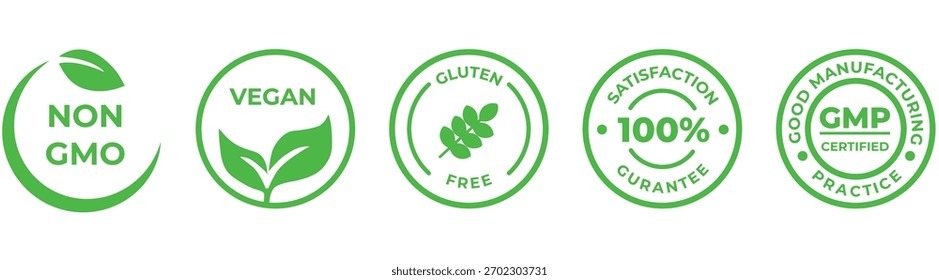
A vegan certification sets a standard for animal-derived ingredients. Milk-allergy safety also depends on which proteins are present and whether production allows unintended contact.
The private Vegan Action Certified Vegan program sets rules for intentionally used animal products and addresses shared equipment and cleaning. Vegan Action states plainly that its certification is not an allergy-safety certification.
When milk protein is made without a cow
Precision fermentation can produce whey proteins matching those in cow's milk without raising or milking a cow. Some foods made this way are marketed as animal-free or vegan-compatible. Whether they count as vegan depends on the person or the vegan standard.
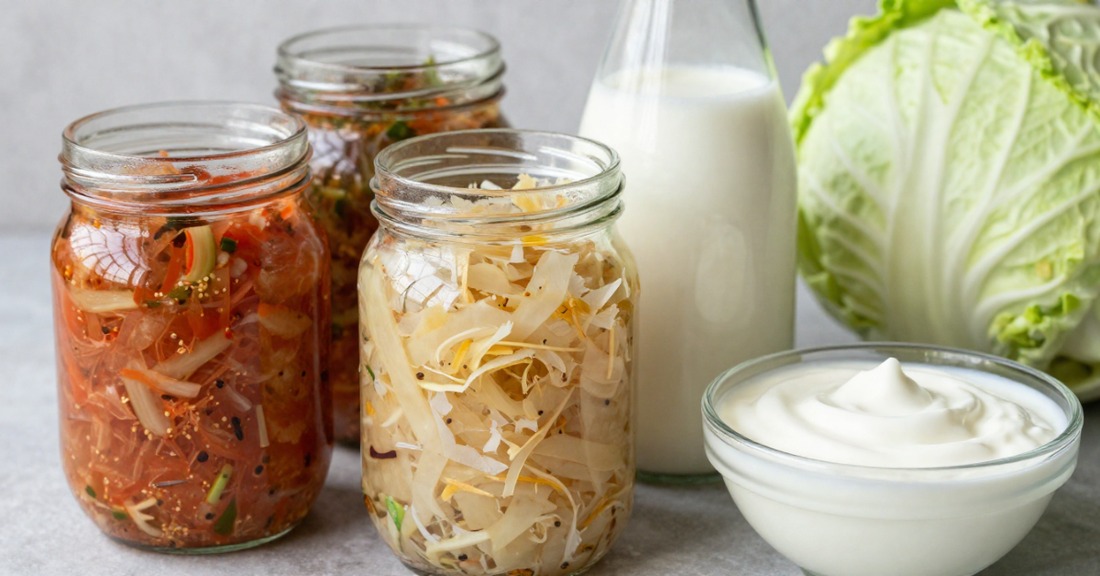
For someone with a milk allergy, the protein matters even when no cow produced it. For packaged foods covered by FDA allergen-labeling requirements, fermentation-produced proteins matching milk allergens must be declared as milk allergens. A FARE-hosted guest article by a representative of the company Perfect Day describes the manufacturing approach, and Kids With Food Allergies separately explains the allergy implications of animal-free milk proteins.
In a report released September 17, 2024, the FDA described retail testing of dairy-free-labeled dark chocolate and chocolate-containing foods collected in Pennsylvania and Michigan during 2022 to 2023. Milk was detected in 13 of 210 samples. The 13 positive samples came from three firms, and all carried precautionary milk-related statements.
That targeted chocolate investigation does not measure milk contamination across all US dairy-free foods. The FDA's sampling report also explains why a dairy-free claim next to a possible-milk warning sends conflicting information. That does not mean every such package contains milk or breaks a law.
Three grocery examples that change the answer
- Dairy-free ranch with egg yolk. The egg yolk rules this dressing out for a conventional vegan diet.
- Margarine with whey powder. The spread looks like a butter replacement but contains a milk-derived protein. Whey on the ingredient list changes the answer if you avoid dairy or milk proteins.
- Non-dairy coffee creamer with caseinate. Despite the non-dairy description, the creamer can include a casein-derived ingredient.
When a restaurant calls a dish vegan
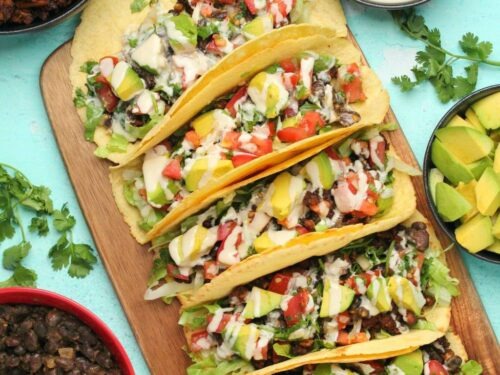
Say mushroom tacos advertised as vegan arrive with a dollop of dairy sour cream. Menu wording can leave out garnishes, sauces, cooking fat and substitutions, and it says nothing about cross-contact practices if you have a milk allergy. Ask the kitchen which ingredients and preparation methods apply to your exact order. If the dish that arrives conflicts with your restriction, explain the problem and ask for a corrected dish.
A food-label decision check before eating
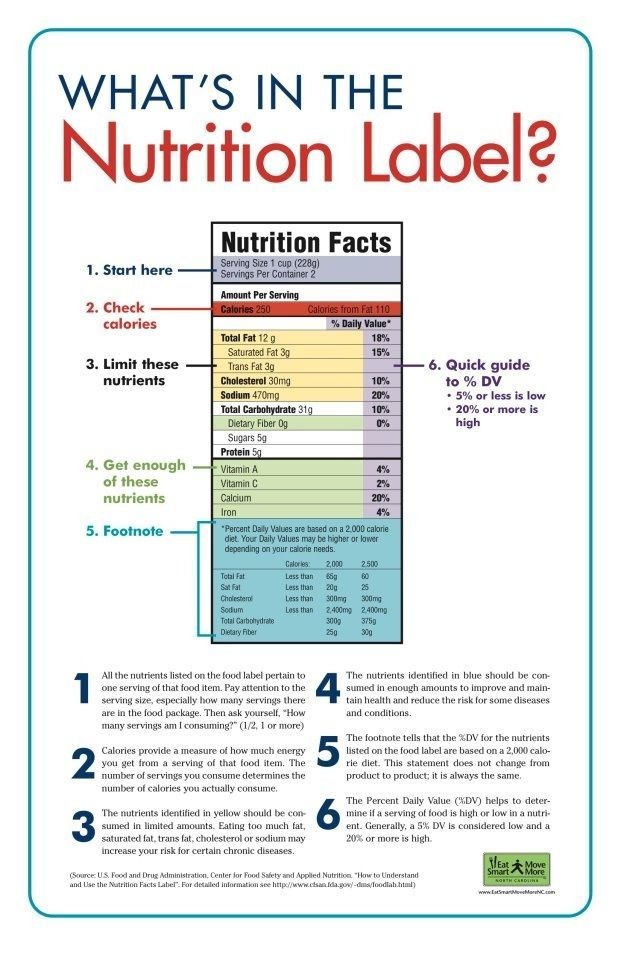
- Decide what you need to avoid. Is it dairy ingredients, all animal-derived ingredients, lactose, or milk proteins because of a diagnosed allergy? Then check what the front claim (dairy-free, vegan, lactose-free, non-dairy or plant-based) covers.
- Read the full ingredients. For dairy, watch for milk, cream, butter, whey, casein and caseinates. For vegan eating, also watch for eggs, honey, gelatin, fish and meat.
- Use the allergy-specific information when needed. Review milk-allergen source declarations, precautionary cross-contact wording and any animal-free milk-protein descriptions.
- Resolve what is still unclear. If the ingredients or preparation leave suitability open, ask the manufacturer or food provider. For a packaged product and a milk allergy, ask whether the ingredients contain milk, whether production equipment is shared with milk-containing products, and whether the manufacturer tests the product for milk. If milk-allergy safety remains unclear, do not eat the item just because the front label sounds reassuring.