
Soluble Corn Fiber: What It Is, How It Works, and How to Read the Label
Soluble corn fiber is a processed carbohydrate that resists digestion in the small intestine. Manufacturers use it to add fiber and bulk, but soluble corn fiber still supplies calories, can upset some stomachs, and does not make a food medically beneficial on its own. Whether a food containing it is a good choice depends on the food and your goal.
What is soluble corn fiber, exactly?

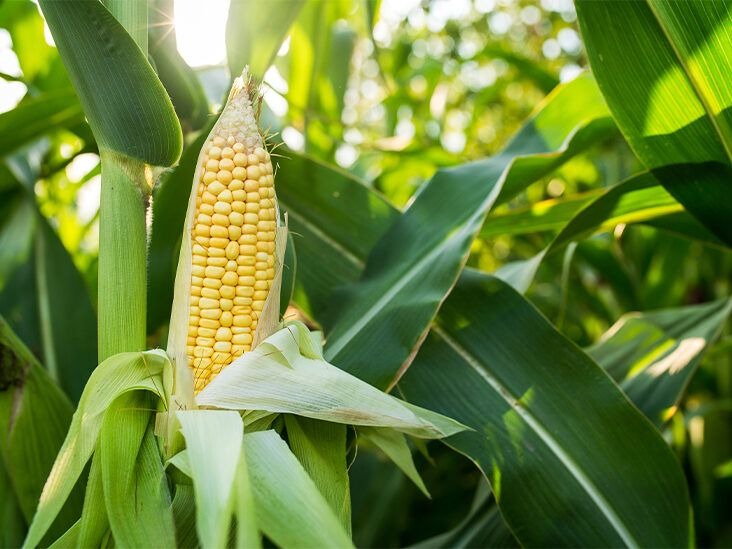
Soluble corn fiber (SCF) begins as corn starch processed into carbohydrate chains that resist digestion in the small intestine. Food manufacturers use those chains to add fiber. Scientific literature also calls it soluble maize fiber, and related ingredients appear as resistant maltodextrin or resistant dextrin.
Ordinary maltodextrin digests easily. Resistant maltodextrin doesn't. Commercial resistant dextrins also vary in composition.
SCF dissolves in water without forming a thick gel.
The AHRQ fiber-characteristics table classifies soluble corn fiber as highly soluble, low in viscosity, and highly fermentable. Viscosity means resistance to flow, or thickening behavior. SCF therefore disperses readily in water without thickening it.
Much of SCF escapes digestion in the small intestine and reaches the colon, where gut microbes ferment some of it. Processing the starch into resistant chains also gives it a different composition from whole corn.
Why do manufacturers put it in protein bars, candy and other foods?
A reduced-sugar candy or protein bar still needs physical substance; take out some sugar and the texture and bulk change. SCF helps manufacturers keep those qualities while adding fiber to the label.
It appears in protein bars, cereals, baked goods, confectionery, dairy-type foods, and dressings. In one product it mainly adds fiber. In another, its bulk and mouthfeel matter most. Sweetness comes from other ingredients.
Tate & Lyle describes its PROMITOR corn-derived soluble fiber as adding bulk and mouthfeel in reduced-sugar recipes.
I’m brand new to the world of candy making. I’m reading the back label of a candy I bought that is like to try to make (it’s a fruit flavored gummy), and the first ingredient is soluble corn fiber. Is there a lot of flavor in fibers? They’re non digestible after all. I’m just wondering if it would make a huge difference if a used a different soluble fiber like psyllium husk.
Psyllium thickens into a gel, so swapping it in would change a gummy's texture.
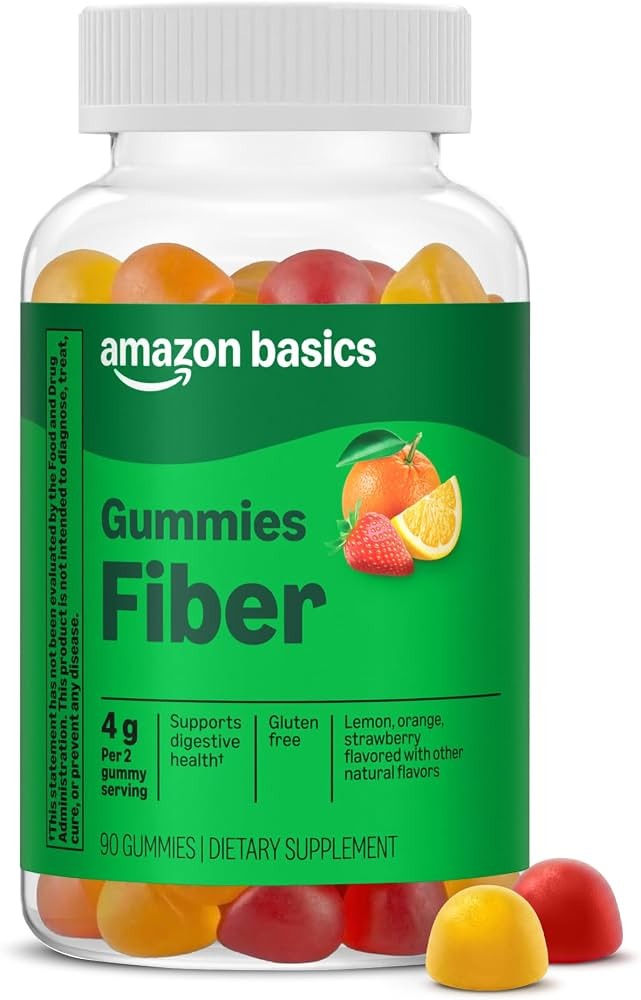
An ingredient listed first usually makes up a large share of the recipe, but the list says nothing about how many grams of fiber you get.
How does soluble corn fiber count on a US Nutrition Facts label?
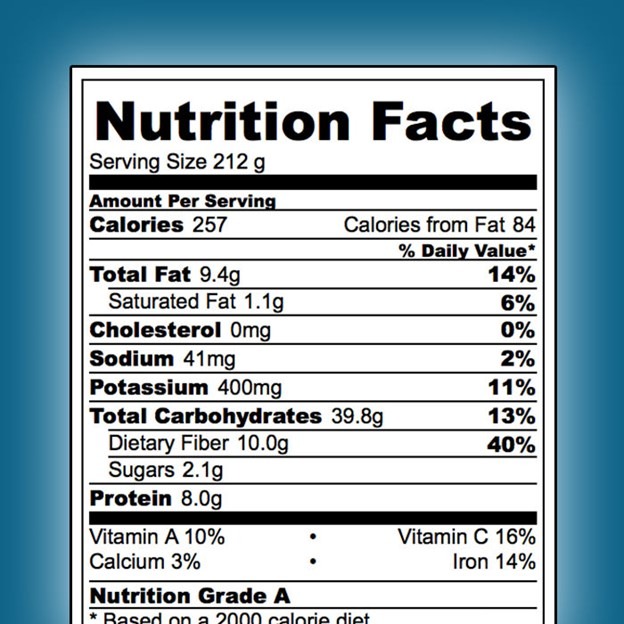
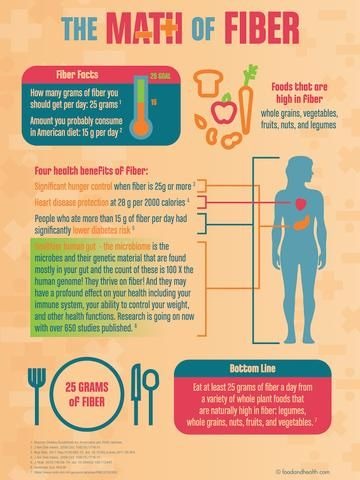
In the United States, dietary fiber counts within Total Carbohydrate on the Nutrition Facts panel. A food with soluble corn fiber therefore lists both carbohydrate and dietary fiber, and the fiber isn't counted as an extra macronutrient. For soluble fiber, oat beta-glucan, and cooking-related labels, see the oat nutrition guide.
The FDA distinguishes fiber naturally present and intact in plants from certain isolated or synthetic nondigestible carbohydrates that have demonstrated beneficial physiological effects. Its FDA dietary-fiber guidance lists resistant maltodextrin/dextrin among the ingredients covered by intended enforcement discretion for dietary-fiber declarations.
That position is nonbinding and covers named ingredients. It doesn't approve a health claim for every commercial fiber.
Where the numbers appear
A simplified, schematic US label layout, with no values from a real product:
| Nutrition Facts field | What it tells you |
|---|---|
| Serving size | The quantity to which the listed values apply |
| Calories | The energy value for that serving |
| Total Carbohydrate | Carbohydrate content, including dietary fiber |
| Dietary Fiber | The amount listed as dietary fiber within Total Carbohydrate |
| Total Sugars | Sugars reported separately within Total Carbohydrate |
Does soluble corn fiber have calories?
Under a permitted calculation method in 21 CFR 101.9, the general energy factor for soluble nondigestible carbohydrates is 2 Calories per gram.
Take 5 g of fiber: 5 g × 2 Calories/g = 10 Calories. That's an example, not the total for any specific bar or candy.
Other permitted methods and label rounding can shift the listed Calories of a finished food.
What about net carbs?
“Net carbs” appears on front-of-package marketing, outside the required Nutrition Facts fields. A brand subtracts the carbohydrate categories it chooses to get the number. A per-serving label covers one stated portion, so two servings means twice the listed amounts, subject to the rounding already in the label.
Is soluble corn fiber the same as maltodextrin, inulin or psyllium?
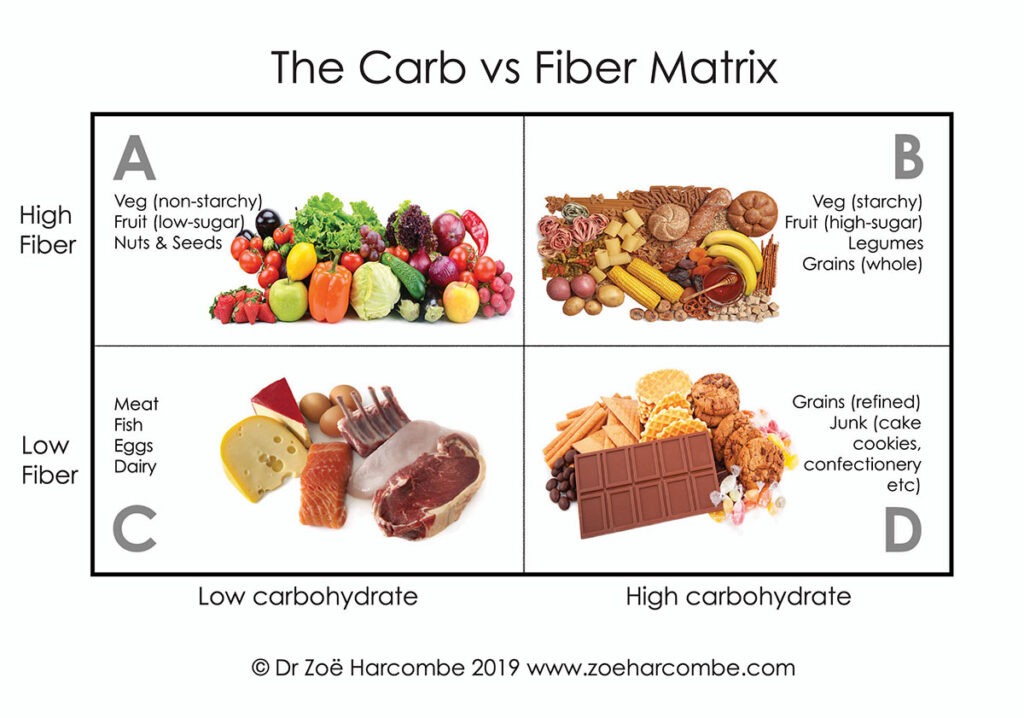
Fiber ingredients differ in how easily they digest, how much they thicken water, and how microbes ferment them. Two products with the same grams of fiber can therefore do different jobs.
The comparison uses the qualitative categories from the AHRQ fiber-characteristics review. High and low are broad physical or biological labels, not numerical scores for every commercial product.
| Ingredient | Digestion or classification | Solubility / viscosity / fermentability | Important distinction |
|---|---|---|---|
| Soluble corn fiber | Resistant, processed corn-derived carbohydrate | High / Low / High | Adds fiber and functional bulk with low viscosity |
| Resistant maltodextrin or dextrin | Related digestion-resistant ingredient class | High / Low / High | Composition varies among formulations |
| Ordinary maltodextrin | Readily digestible carbohydrate | No matching fiber classification established | Different digestive and short-term metabolic behavior |
| Psyllium | Soluble, gel-forming fiber | High / High / Low | Viscous properties matter for specific bowel and cholesterol applications |
| Inulin | Soluble, fermentable fiber | High / Low / High | Shares broad properties with SCF, but tolerance and use differ |
| Isomaltooligosaccharides (IMO) | Separate carbohydrate ingredient | No comparable category established here | Its identity and metabolic properties need separate evaluation |
Psyllium is the clearest contrast: it thickens and forms a gel, while SCF has low viscosity. Inulin falls in the same high-solubility, low-viscosity, high-fermentability category as SCF, but that doesn't make their clinical effects or recipe behavior identical.

Despite the similar name, ordinary maltodextrin differs from the resistant kind. Controlled research has measured different short-term glucose and insulin responses when digestible maltodextrin is compared with SCF.
What human studies show about soluble corn fiber
Human trials have tested SCF's effect on glucose and insulin responses, calcium absorption or retention, bone measurements, and some cognitive tests.
The evidence by population and outcome
| Study and population | Tested exposure | Observed result | What it establishes |
|---|---|---|---|
| Tan et al., 2020; 22 healthy men | Short-term crossover tests replacing 50% of the carbohydrate with SCF | Lower post-meal glucose and insulin responses than the comparators | A short-term effect of the swap under controlled conditions |
| Whisner et al., 2014; 24 adolescents aged 12 to 15 | 12 g/day SCF versus zero, across two 3-week conditions | Fractional calcium absorption 0.664 versus 0.595; retention unchanged | Higher calcium absorption in a short adolescent trial |
| Jakeman et al., 2016; 14 healthy postmenopausal women | 0, 10, or 20 g/day for 50 days | Short-term bone calcium retention rose 4.8% and 7% at the two SCF doses | A calcium-balance result from a small crossover study |
| Palacios et al., 2026; 177 children randomized, 151 completed | 12 g/day SCF for one year; ages 9 to 14 | Greater whole-body bone mineral content gain in girls versus placebo | A pediatric bone-measurement result in girls only; no benefit in boys or in the added-calcium comparison |
| Alvarado et al., 2026; 42 healthy adults aged 45 to 75 | 18 g/day SCF for 4 weeks versus maltodextrin control | Faster responses on some Flanker-task trials; microbiota changes | Short-term changes in the measured outcomes |
The amounts shown are study doses, not intake recommendations. None of these trials measured fracture prevention, osteoporosis treatment, diabetes treatment, improved everyday memory, or dementia prevention.

Blood glucose: what was tested
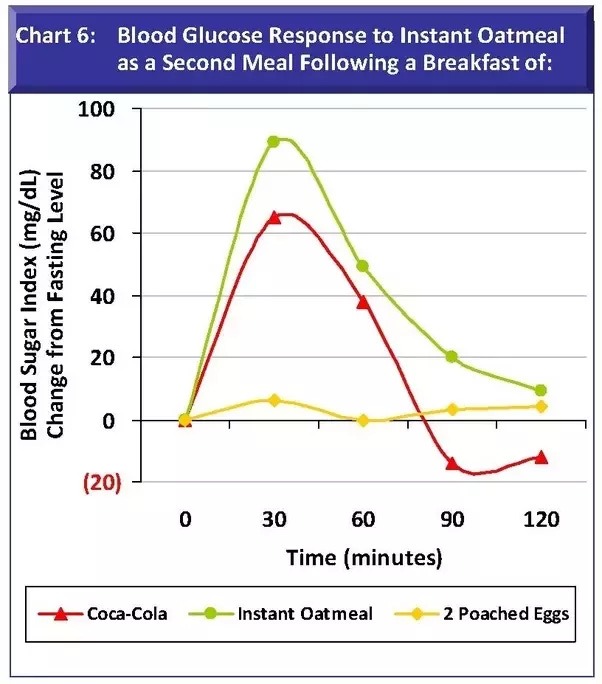
In the 2020 randomized crossover trial, SCF was compared with maltodextrin in controlled food and beverage conditions. Glucose incremental area under the curve was lower with SCF (P < 0.05), and so was insulin area under the curve (P < 0.001).
In the beverage comparison, maltodextrin produced about 20% greater glucose response and 40% greater insulin secretion than SCF.
The trial involved 22 healthy men ages 21 to 60. A finished chocolate or protein bar contains other ingredients that also affect its nutrition.
Calcium absorption and bone findings
The 2014 adolescent study found about 12% higher fractional calcium absorption, roughly 41 mg/day. Calcium retention did not change.
A 2016 crossover study in postmenopausal women measured a different outcome: short-term calcium retention over 50 days.

The 2026 MetA-Bone trial looked at longer-term bone measurements. It randomized 177 children ages 9 to 14 with generally low calcium intake, and 151 completed the one-year study.
Among girls, adjusted whole-body bone mineral content rose 216.3 g (18.8%) with SCF versus 139.9 g (12.9%) with placebo (P < 0.05). Bone-density findings for girls pointed the same way. The effect did not appear in boys or in the added-calcium comparison.
The MetA-Bone study record describes the tested comparisons.
Gut microbiota and cognition
SCF's high fermentability is why researchers study its interaction with gut microbes.
In the 2026 crossover study, participants on SCF responded about 9.8 and 14.2 milliseconds faster than on the maltodextrin control in some Flanker-task comparisons.
Researchers also saw roughly a fourfold increase in Parabacteroides abundance. Their analysis did not show that the microbiota changes caused the task differences.

Can soluble corn fiber cause digestive discomfort?
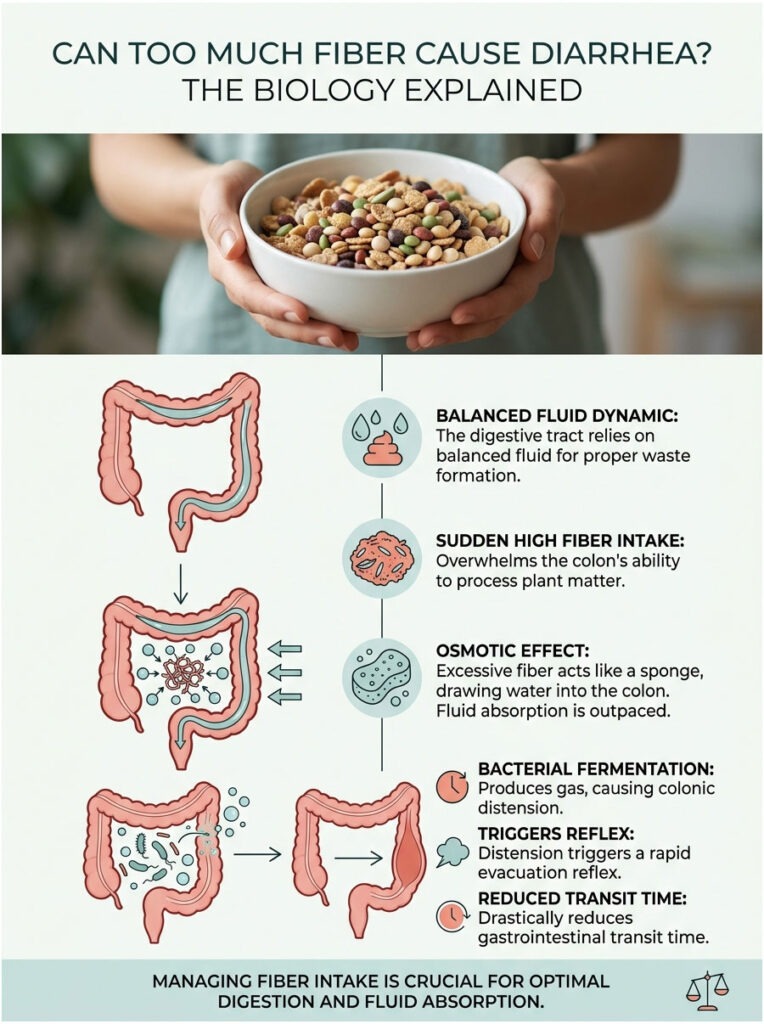
Soluble corn fiber is highly fermentable, so gas or bloating is possible, especially when you raise your fiber intake. Sugar-free snacks may also contain other fermentable fibers or sugar alcohols, and tolerance depends on the total quantity. See a healthcare professional for persistent or severe symptoms, a diagnosed bowel condition, or questions about supplements and medication.
How to decide whether a food with soluble corn fiber fits your needs

Hello Keto Friends,
Curious on your take on this one... I switched from ChocZero to Lily's chocolate about 6 months ago due to ChocZero's use of dextrin (soluble corn fiber ). Most of the Lily's products didn't have that stuff in there until recently.
Now I am noticing that their dark chocolate chips changed packaging and low and behold I am finding soluble corn fiber in some of their products.
* The dark brown and light brown package seems to have no corn fiber.
* The white and brown package used to have no corn fiber, but the package i just got delivered has it in there. (I am hoping to attach pictures).
Some of their chocolate bars (dark chocolate, simple ingredients) seem to still omit the corn fiber, but their more complicated recipes (like the peanut butter cups) has them.
Am I missing something obvious? Are they just going to put this garbage in their products moving forward or are they branding it in a way where i can obviously tell.
I am running into situations when I order the dark brown and light brown package, I get the other one anyway (and the older recipe is getting most expensive and harder to find).
Any ideas?
LILY'S says it renamed “dextrin” to “soluble corn fiber” and separately changed some recipes, so the post can't tell you which change affected which package.

A six-part product check
- Identify the ingredient. Look for soluble corn fiber, resistant maltodextrin, resistant dextrin, or another named fiber on the package itself.
- Read the stated serving. Compare Calories, Total Carbohydrate, Dietary Fiber, and Total Sugars for the portion you plan to eat.
- Scan the full ingredient list. Note other fibers, sugars, sugar alcohols, and sweeteners, since they also shape nutrition and digestion.
- Define your purpose. Adding dietary fiber, taking a gel-forming fiber supplement, and getting a candy texture are different goals.
- Know your tolerance. Consider how much you would eat and any digestive or medical limits.
- Recheck changed products. When the ingredient list or packaging changes, decide from the new package and its listed values.